
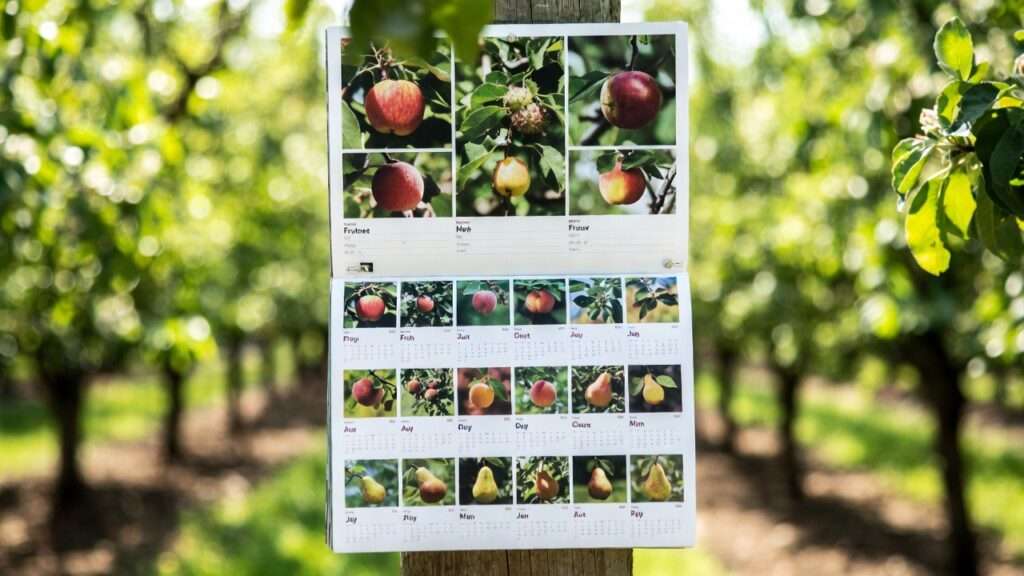
Imagine stepping into your backyard in late summer, the air sweet with the scent of ripe fruit, and picking basket after basket of plump, perfectly colored apples, juicy peaches, and golden pears — all from trees that look healthy, well-shaped, and bursting with productivity. Now imagine the opposite: trees that are tangled messes of branches, producing tiny, spotted fruit (or almost none at all), and looking stressed year after year.
The single biggest difference between these two scenarios? Timing your fruit tree pruning correctly 🍑✂️
Most home gardeners know they should prune… but the #1 question that trips everyone up is when. Prune too early, too late, or during the wrong season and you can invite diseases, trigger excessive water sprouts, reduce next year’s harvest, or even kill young trees. Get the fruit tree pruning schedule right, however, and you unlock dramatically bigger, better-quality fruit, stronger tree structure, fewer pest problems, and trees that stay manageable for decades.
In this ultimate guide, I’m sharing the month-by-month fruit tree pruning calendar trusted by professional orchardists and university extension services, adapted especially for home growers in temperate and subtropical climates (including zones 5–10). Whether you grow apples, peaches, pears, plums, cherries, or a mix of everything, you’ll finally know exactly when to make your cuts — and why it matters so much. 🌟
Let’s grow those dream harvests — starting right now!
Why Pruning Timing Is Critical for Fruit Trees 🚀
Pruning isn’t just about making trees “look pretty.” It’s a powerful tool that directly controls:
- Fruit size and quality
- Disease prevention (especially fire blight, brown rot, black knot, and cytospora canker)
- Tree vigor and shape
- Light penetration and air circulation
- Long-term productivity
The season you choose dramatically changes the tree’s response:
Dormant season (late winter) ❄️ → Trees are asleep → big cuts stimulate vigorous new growth → Lowest risk of disease spread → Best time for major structural pruning
Growing season (spring through summer) 🌱☀️ → Trees are actively growing → cuts slow growth and control size → Ideal for light maintenance, water sprout removal, and post-harvest cleanup → Higher risk of disease if cuts are large
Fall pruning 🍂 → Generally the riskiest time → fresh wounds stay open during wet, cold weather → fungi and bacteria love it → Most experts recommend avoiding heavy pruning after late summer
Common timing disasters I see every year in home orchards:
- Pruning peaches in late fall → cytospora canker explodes the next spring 😱
- Heavy summer pruning on young apples → excessive regrowth that never hardens before winter → cold damage
- Waiting until April to prune apples in zone 6 → missing the ideal window and losing fruiting wood
Timing is everything — and this calendar is designed to eliminate the guesswork.
Understanding Fruit Tree Types & Pruning Styles 🏛️
Not all fruit trees respond the same way to pruning. The two big categories are:
1. Pome fruits (apples 🍏, pears 🍐, quince) → Mostly spur-bearing (fruit forms on short, stubby spurs that live many years) → Best trained to central leader or modified central leader shape → Can handle heavier dormant pruning
2. Stone fruits (peaches 🍑, nectarines, apricots, plums 🍑, cherries 🍒) → Mostly bear fruit on 1-year-old wood → Thrive in open vase / open center shape (3–4 main scaffold branches, no central leader) → Need more aggressive annual pruning to renew fruiting wood → Very sensitive to timing (especially peaches!)
Bonus note: Some varieties are tip-bearing (e.g., some old apple cultivars, many pears) → you prune them much more lightly to avoid removing next year’s fruit buds.
Knowing your tree’s natural habit is the foundation of the perfect pruning schedule.
The Ultimate Fruit Tree Pruning Calendar: Month-by-Month Guide 📅
Here is your year-round roadmap. Adjust slightly (±2 weeks) based on your local last frost date and first hard freeze.
January – February (Late Winter – The Golden Window!) ❄️✂️ Best overall time for most fruit trees in zones 5–8. Trees are fully dormant, wounds heal quickly in spring, and you can clearly see the branch structure without leaves.
Ideal for: Apples, pears, European plums, tart cherries, Asian pears Tasks to do:
- Remove all dead, diseased, and damaged wood (“the 3 Ds”)
- Eliminate crossing branches and water sprouts
- Open up the center for light & air (especially vase-shaped trees)
- Establish or maintain central leader or scaffold branches
- Thin crowded areas — aim to remove no more than 25–30% of canopy
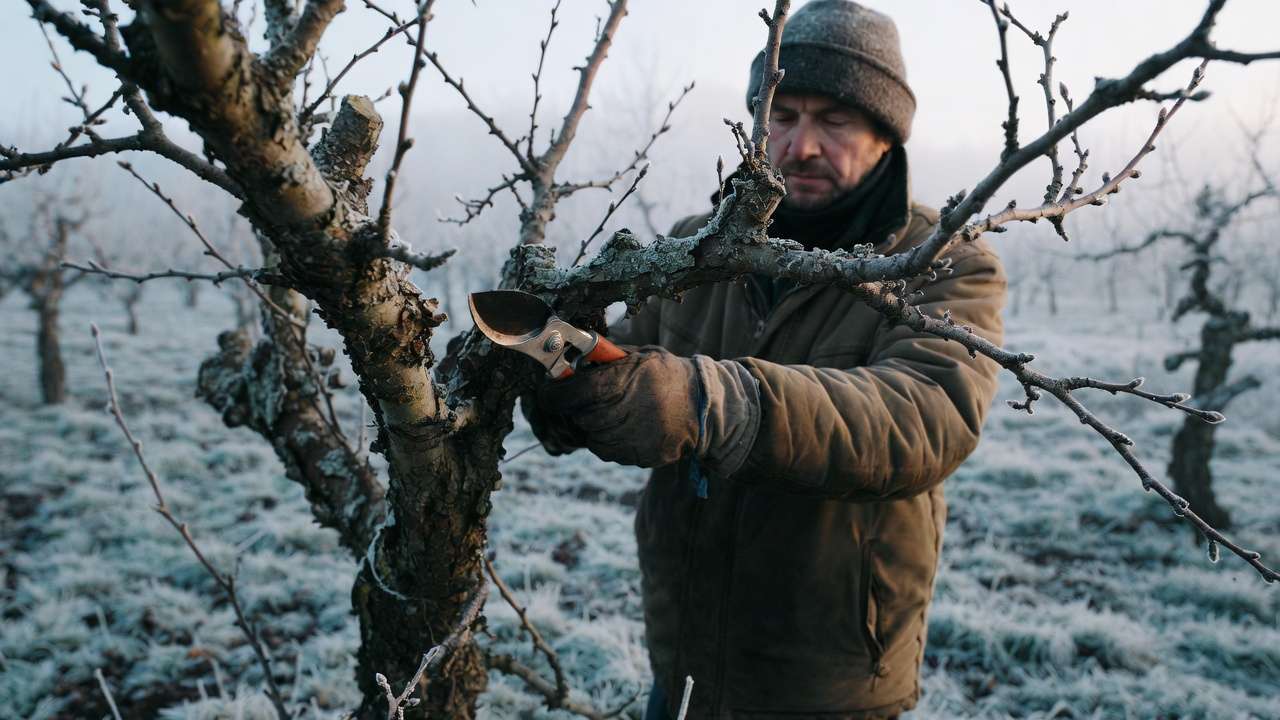
Pro tip: In zones 9–10 (mild winters), late January is often perfect; in colder zones 5–6, wait until late February–early March.
March – Early April (Early Spring Transition) 🌸 The sweet spot for stone fruits!
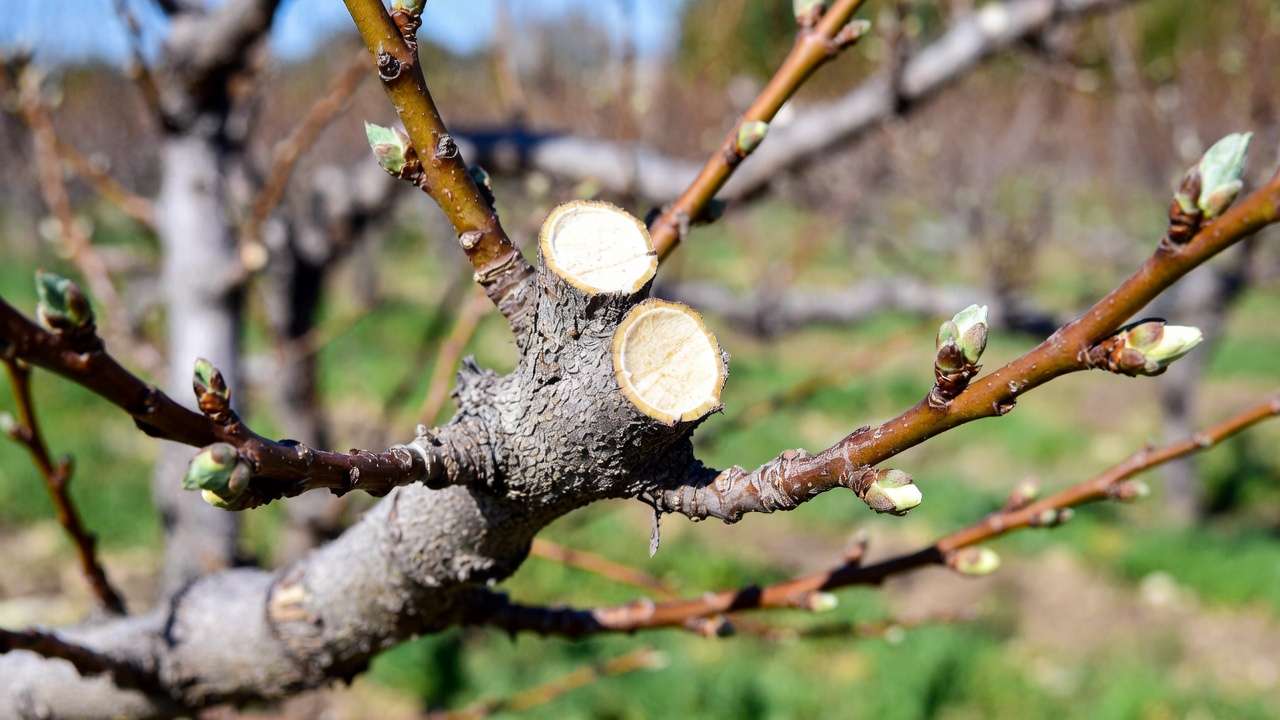
Ideal for: Peaches, nectarines, apricots, Japanese plums Why wait until now? Pruning stone fruits too early in cold climates increases risk of cytospora canker and bacterial canker. Waiting until buds begin to swell (but before full bloom) lets you see winter damage clearly and reduces infection risk.
Tasks:
- Create or maintain open-vase shape (3–5 strong scaffold branches)
- Remove vigorous upright shoots from last year
- Head back 1-year-old shoots to outward-facing buds
- Thin remaining branches to 6–10 inches apart
March also works well for apples/pears in colder zones where January–February is too frozen.
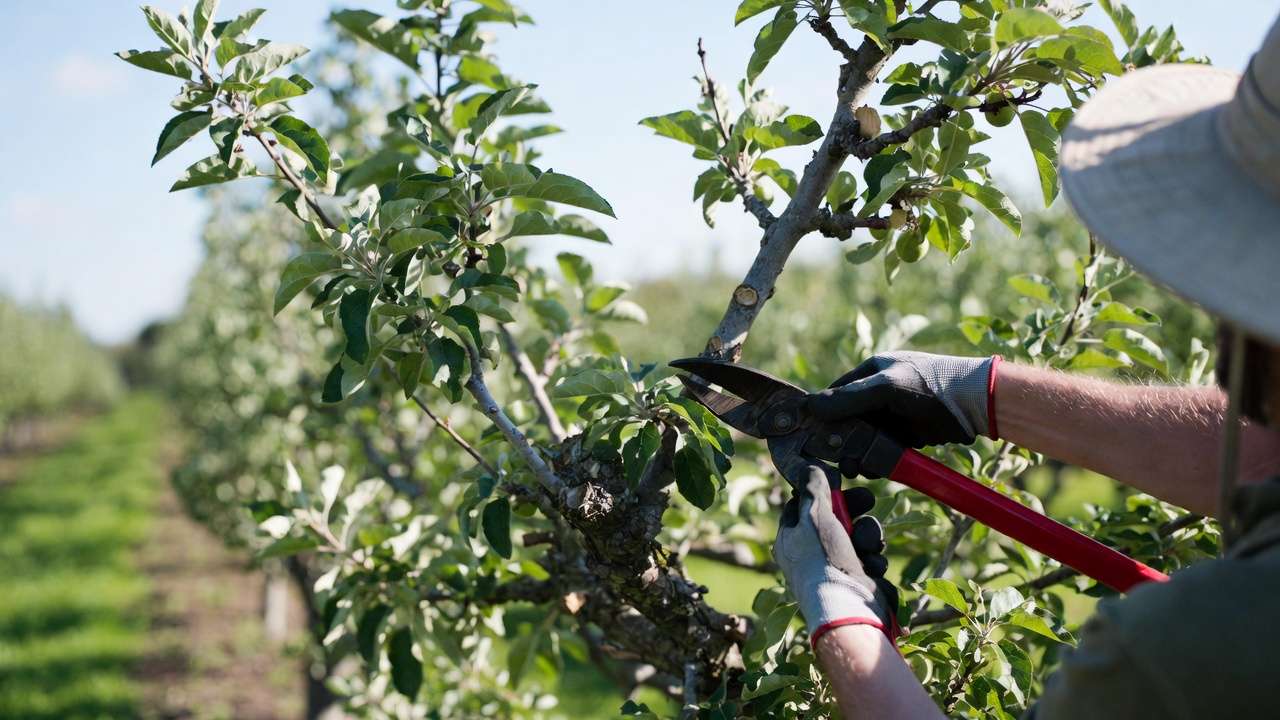
May – June (Late Spring / Early Summer) 🌿 Light pruning only — the tree is in full growth mode.
Best uses:
- Remove broken branches from spring storms
- Cut out water sprouts and suckers from below the graft
- Thin excessive young shoots if tree is overly vigorous
- Begin fruit thinning (separate job but often done at same time)
July – August (Peak Summer Pruning Power) ☀️🍑 Underrated by most home growers — but incredibly valuable!
Benefits of summer pruning:
- Slows regrowth dramatically (great for controlling size on dwarf trees)
- Improves light and air flow → fewer fungal problems
- Removes pest & disease hiding spots before they overwinter
- Encourages flower bud formation for next year
Ideal for:
- Peaches/nectarines after harvest
- Vigorous apples & pears that are getting too tall
- Any tree needing size control
Tasks:
- Remove upright water sprouts
- Thin crowded areas
- Head back long shoots by ⅓–½
September – October (Early Fall – Hands Off!) 🍂 Rule: Only prune if you must (broken limbs, severe disease). Heavy cuts now stimulate new growth that won’t harden before winter — cold damage and dieback are common.
November – December (Late Fall / Early Winter) 🥶 Only light cleanup in mild-winter areas (zones 8b–10). In colder zones: Put the pruners away and enjoy the holidays! 🎄
Pruning Schedules by Popular Fruit Tree Type 🍏🍑🍒
Here’s a clear, at-a-glance breakdown tailored to the most common home fruit trees. Use this in combination with the month-by-month calendar above.
Apples & Pears 🍏🍐
- Primary pruning time: Late winter (January–March, depending on your zone)
- Secondary (optional): Light summer pruning in July–August for size control
- Key style: Central leader or modified central leader
- Special notes:
- Spur-bearing varieties (most modern apples): Light thinning cuts
- Tip-bearing varieties (some heritage apples, many pears): Avoid heading cuts on fruiting branches
- Remove 20–25% of last year’s growth on young trees to encourage spurs
Peaches, Nectarines & Apricots 🍑
- Primary pruning time: Late winter to very early spring (February–early April) — wait until after the last hard freeze
- Secondary: Summer pruning right after harvest (July–August)
- Key style: Open vase / open center
- Special notes:
- Aggressive renewal pruning needed every year — remove 40–50% of last year’s growth
- Fruit is borne on 1-year-old wood; goal is to replace old wood with new
- Never prune in fall or early winter — cytospora canker risk is very high
Plums (European & Japanese) 🍑
- European plums (e.g., ‘Stanley’): Late winter (January–March)
- Japanese plums (e.g., ‘Santa Rosa’): Late winter to early spring (February–early April)
- Key style: Open vase or modified central leader
- Special notes:
- Japanese plums need slightly heavier pruning than European types
- Watch for black knot disease — remove infected branches promptly and sterilize tools
Cherries (Sweet & Tart) 🍒
- Sweet cherries: Light summer pruning (June–July) is safest; avoid heavy dormant cuts
- Tart cherries: Late winter (February–March)
- Key style: Open center for both
- Special notes:
- Sweet cherries are prone to bacterial canker — minimize cuts in wet seasons
- Tart cherries tolerate heavier pruning and bear on 1- and 2-year-old wood
Bonus: Figs, Persimmons & Other Varieties 🌿
- Figs: Late winter or early spring (February–March); can also cut back hard in summer
- Persimmons: Late winter; very light pruning — they naturally form nice shapes
- Pomegranates: After harvest (late fall in mild zones) or early spring
- General rule: Most subtropical fruits tolerate pruning year-round in zones 9–10, but still avoid heavy cuts during active growth surges.
Step-by-Step Pruning Techniques for Success 🛠️✂️
Having the right timing is half the battle. Here’s how to make the cuts properly.
Tools You’ll Need:
- Sharp bypass pruners (for branches up to ¾ inch)
- Loppers (for ¾–2 inch branches)
- Pruning saw (for larger limbs)
- Disinfectant (70% alcohol or 10% bleach solution)
- Gloves & safety glasses
The Two Main Types of Cuts:
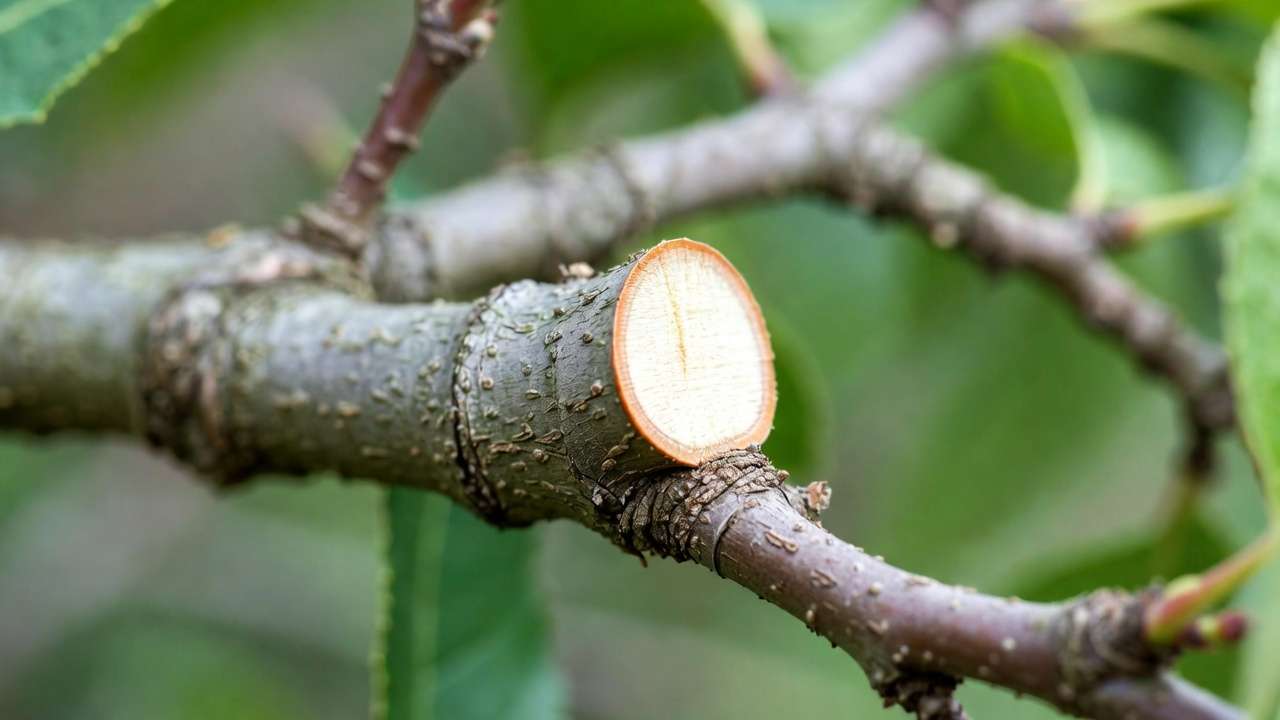
- Thinning cut — Remove entire branch back to its origin or to a larger branch. Encourages light & air flow.
- Heading cut — Shorten a branch by cutting to an outward-facing bud. Stimulates branching.
The 3-Step Cutting Technique (for larger branches):
- Undercut 6–12 inches below the branch to prevent tearing
- Cut from the top, just outside the branch collar (swollen area where branch meets trunk)
- Make final clean cut just outside the collar — never flush to trunk
How Much to Remove:
- Young trees (1–4 years): Remove up to 30% to shape structure
- Mature trees: 15–25% per year — never more than 30% unless rejuvenating an old tree
Training Young Trees:
- Choose 3–5 strong scaffold branches for vase shape (wide angles, 45–60°)
- For central leader: Keep one strong upright branch and remove competing leaders
Pro Tip: Always cut to an outward-facing bud to direct growth away from the center 🌱
Seasonal Bonus Tips & Maintenance Integration 🍎🧴
Pruning works best when paired with other care tasks:
- Late Winter: Prune + apply dormant oil spray to smother overwintering pests
- Spring: Prune stone fruits → fertilize with balanced organic fertilizer → mulch
- Summer: Summer prune + thin fruit (leave 6–10 inches between fruits) for larger size
- Fall: Rake up fallen leaves to reduce disease pressure; avoid pruning
- Rejuvenation for old trees: In late winter, cut back ⅓ of oldest branches over 3 years to renew fruiting wood
Common Pruning Mistakes & Pro Fixes 😱➡️✅
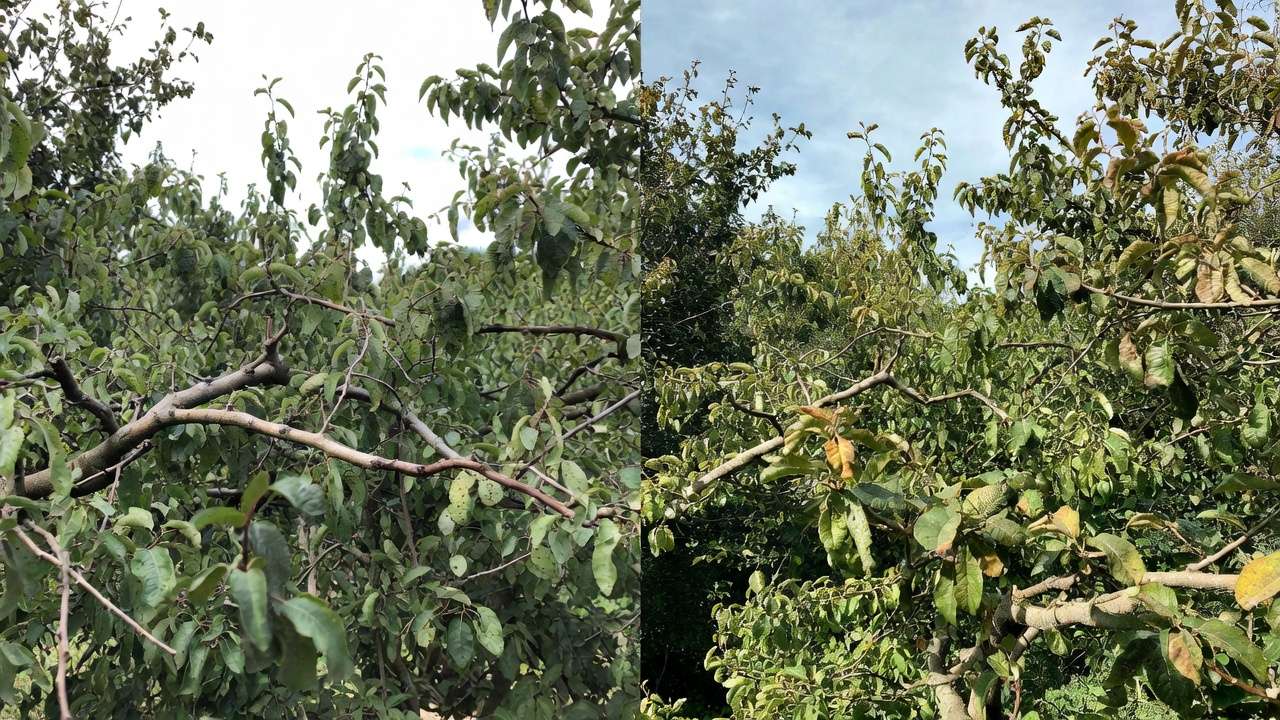
- Pruning in fall → Fix: Wait until dormant season
- Leaving stubs → Fix: Cut just outside branch collar
- Over-thinning young trees → Fix: Remove no more than 30%
- Pruning during wet weather → Fix: Wait for dry day to reduce disease spread
- Ignoring crossing branches → Fix: Remove the weaker one
- Heading back too hard → Fix: Cut back by no more than ⅓
- Not sterilizing tools → Fix: Wipe blades between trees
Frequently Asked Questions (FAQs) ❓
Q: Can I prune fruit trees in summer? A: Yes! Light summer pruning is excellent for size control and disease prevention, especially on peaches and vigorous apples.
Q: When should I prune newly planted fruit trees? A: At planting (late winter/early spring), remove ⅓–½ of top growth and shape the structure.
Q: Is it safe to prune during bloom? A: Avoid heavy pruning then — you risk removing flower buds and stressing the tree.
Q: How do I know if I pruned too much? A: Excessive water sprouts the following spring are a sign. Next year, prune more lightly.
Q: Do I need to seal pruning cuts? A: No — modern research shows wound dressings can trap moisture and encourage decay.
Q: What’s the best time for my zone 9 backyard orchard? A: January–February for pome fruits, February–March for stone fruits. Avoid December pruning.
Q: Can I prune cherry trees in winter? A: Tart cherries yes; sweet cherries better in summer to avoid bacterial canker.
Q: How often should I prune mature fruit trees? A: Annually for peaches/plums, every 1–2 years for apples/pears.
Conclusion & Next Steps 🌟
Congratulations — you now have the ultimate fruit tree pruning schedule! By following this month-by-month calendar and tailoring it to your specific trees, you’re setting yourself up for bigger, healthier, more delicious harvests year after year. The key is consistency: a little pruning at the right time beats a big panic prune any day.
Your action plan:
- Check your USDA zone and last frost date
- Identify your tree types and their ideal shapes
- Mark your primary pruning window on your calendar
- Gather sharp tools and disinfectant
- Get out there when the time comes — your trees will thank you! 🍎🍑
Want to make it even easier? Print this calendar or save it on your phone. And if you have photos of your trees, feel free to share in the comments — I’d love to give you personalized timing advice!
Happy pruning — may your baskets overflow! 🌳🍐✨











