
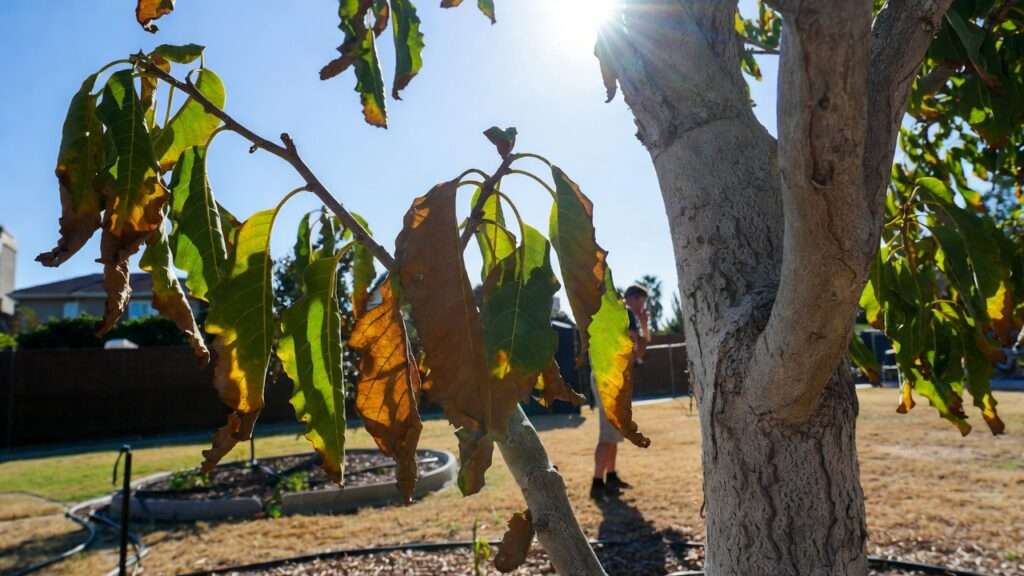
Imagine stepping into your yard on a sweltering summer afternoon and finding your beloved shade tree looking limp, with leaves drooping like they’ve given up. The edges are browning, some are curling inward, and patches of yellow are appearing where vibrant green should be. Your heart sinks — is this disease, pests, or something else? Heat stress signs in trees are often subtle at first but can escalate quickly, especially as global temperatures rise and heatwaves become more frequent. In 2025–2026, with intensified hotter-drought events documented by climate researchers, many homeowners are noticing these warning signals for the first time. 😔
The good news? Early detection and prompt action can save most trees from permanent damage or even death. As a plant and tree care expert drawing from university extension services (like Oregon State, Penn State, and Texas A&M), certified arborist guidelines, and real-world observations, this comprehensive guide will help you identify heat stress signs in trees, understand the underlying causes, differentiate them from similar issues, and implement proven recovery and prevention strategies. Whether you’re caring for urban street trees, backyard oaks, or young landscape additions, you’ll gain the tools to protect your trees and keep your landscape thriving amid changing conditions. Let’s dive in and turn concern into confident care! 🌳💧
What Is Heat Stress in Trees and Why Does It Matter?
Heat stress occurs when air temperatures rise above a tree’s comfortable range — typically sustained periods above 90°F (32°C), often combined with low humidity, dry soils, and intense sunlight. Trees cool themselves primarily through transpiration, where water evaporates from leaves via tiny pores called stomata, much like human sweating. But in extreme heat, especially with limited soil moisture, stomata close to conserve water, halting cooling and photosynthesis. This leads to cellular damage, reduced energy production, and weakened defenses against pests and diseases. 🌡️
Why should you care? Stressed trees lose leaves prematurely, produce less shade (increasing home cooling costs), sequester less carbon, and become vulnerable to secondary issues like borers or fungal infections. In severe cases, branch dieback or full tree mortality can occur, leading to expensive removal (often $1,000–$5,000+ depending on size and location). With climate trends showing more frequent heat domes and droughts, proactive care isn’t optional — it’s essential for preserving your property’s beauty, value, and ecological benefits. 🌍
Common Heat Stress Signs in Trees – Early vs. Advanced Symptoms 🚨
Spotting symptoms early gives your tree the best recovery odds. Heat stress often mimics other problems, but patterns like midday wilting that partially recovers at night are classic clues.
Early Warning Signs (Act Before Irreversible Damage!)
These appear first and are reversible with quick intervention:
- Wilting or drooping leaves and branches — Leaves hang limp during peak heat but may perk up in cooler evenings or mornings.
- Leaf rolling or cupping — Leaves curl upward or form tubes to minimize sun exposure and reduce water loss (common in maples, oaks, and corn-like broadleaves).
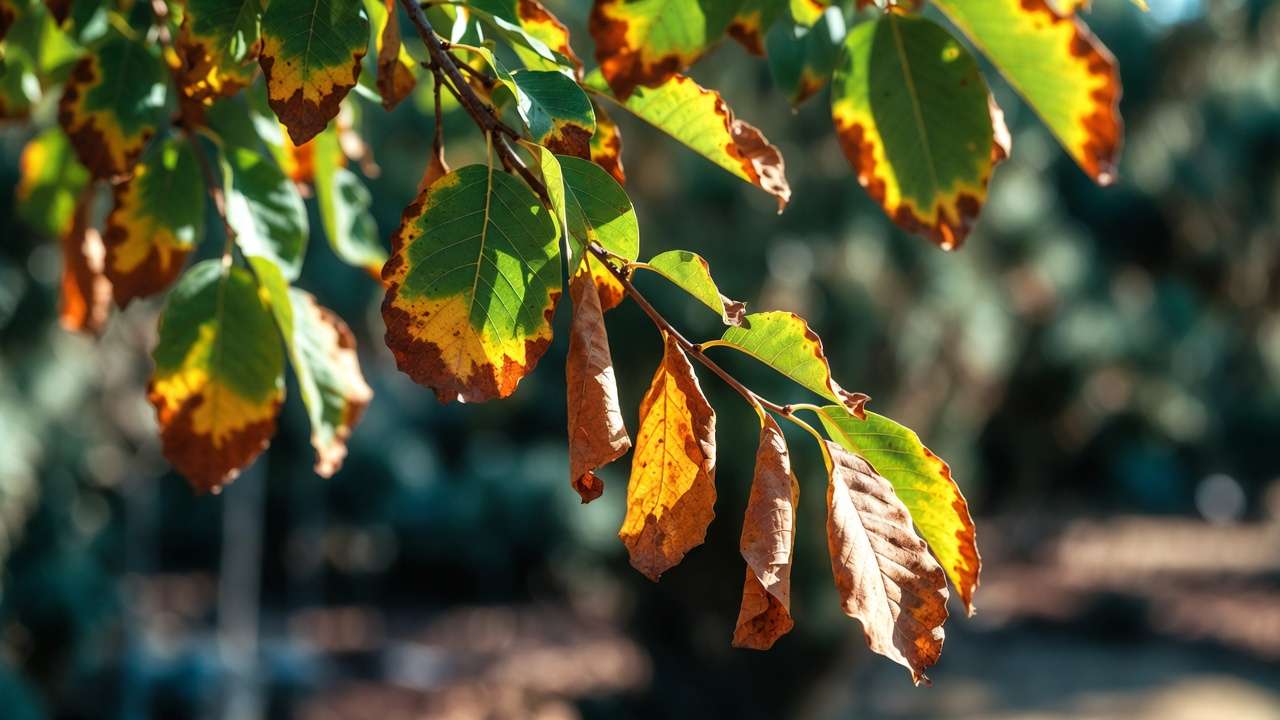
- Scorched or browned leaf edges/margins — Known as “leaf scorch,” edges turn brown and crispy while the center stays green — a hallmark of heat + drought combo.
- Irregular yellowing — Interior leaves or needles yellow unevenly, starting from older growth.
Advanced or Severe Signs (Time for Urgent Action!)
If ignored, early signs progress to:
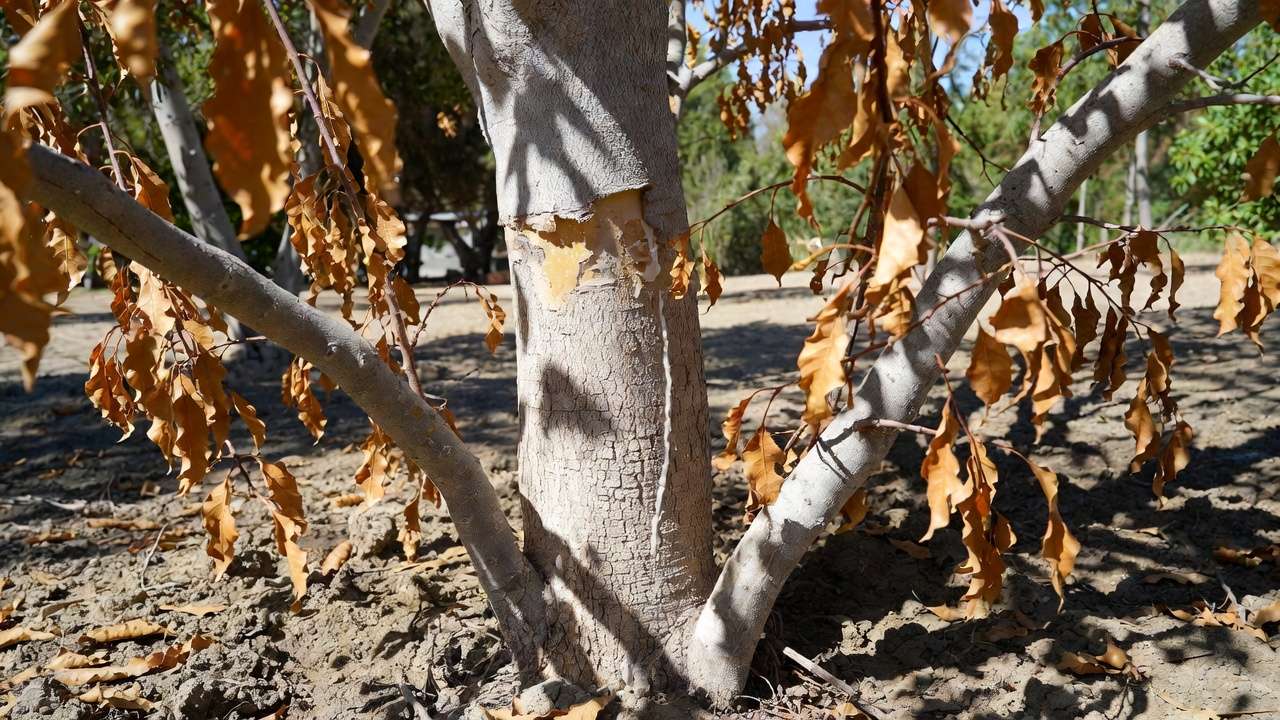
- Premature leaf drop or summer dormancy — Trees shed foliage to conserve resources (e.g., hackberry, birch, or dogwood may look nearly bare mid-summer).
- Dead twigs and branch dieback — Tips brown and die, often starting in the crown center; branches become brittle.
- Bark issues — Sunscald cracks, peeling, or sap oozing on the south/southwest trunk side from intense reflected heat.
- Stunted growth — Small, malformed new leaves; reduced overall vigor and little new shoot extension.
- Premature fruit or blossom drop — Young fruits abort to save energy.
Visual tip: Damage is often uniform across sun-exposed areas, unlike spotty pest or disease patterns. 📸 For conifers like pines or spruces, look for needle tip burn or browning candles.
Why Do Some Trees Show Heat Stress Signs More Than Others?
Not all trees react the same — vulnerability depends on several factors:
- Age and establishment — Young or newly planted/transplanted trees have shallow roots and struggle most.
- Site conditions — Urban “heat islands” from pavement, buildings, and reflected heat amplify stress; compacted or poor-draining soils worsen it.
- Species differences — Heat-sensitive species include maples (especially Japanese), birches, dogwoods, beeches, and Norway spruces. More tolerant ones: oaks (bur, white), pines (Scots, Austrian), honeylocust, ginkgo, and hackberry. Broadleaves often handle heat better than some conifers, but drought tolerance often correlates with heat resilience.
- Climate trends — Studies show species like beech and spruce declining due to combined heat-drought, even with earlier springs.
Choosing resilient natives or adapted varieties during planting dramatically reduces future risk. 🌱
How to Confirm It’s Heat Stress (Not Something Else) 🔍
Diagnosis prevents missteps:
- Observe timing — Midday wilting/recovery? Likely heat/water-related.
- Test soil moisture — Dig 6–8 inches near the drip line; if dry/crumbly, water deficit is key.
- Rule out mimics — Uniform scorch vs. spots (fungal); no holes/sticky residue (pests); no cankers (disease).
- Document — Take dated photos of symptoms over days/weeks.
- Seek pro help — For bark checks or cambium tests, consult a certified arborist if unsure.
Early accurate ID saves trees — don’t assume!
Immediate Actions: How to Help Heat-Stressed Trees Recover 💦
Once you’ve spotted heat stress signs in trees like wilting, leaf scorch, or drooping, swift action is key. Many trees can bounce back remarkably well if you address the water deficit and reduce further stress right away. Here’s a step-by-step rescue plan based on recommendations from arborists and extension services like the Arbor Day Foundation, Davey Tree, and university experts.
Deep, Infrequent Watering – The #1 Rescue Step
The cornerstone of recovery is deep watering to replenish soil moisture where the roots actually live (often 6–18 inches deep). Shallow, frequent sprinkling only wets the surface and encourages weak, shallow roots that suffer more in heat.
- How much water? Aim for 10–15 gallons per inch of trunk diameter (measured at about 4.5 feet high) per week during active stress. For a 6-inch diameter tree, that’s roughly 60–90 gallons weekly.
- How often? Deep soak once every 5–7 days (or every 3–4 days during extreme heat >95°F/35°C). Let the top 6–9 inches of soil partially dry between waterings to promote deep root growth.
- Best methods: Use soaker hoses, drip irrigation, or a slow-running hose placed around the drip line (the outer edge of the canopy). Water slowly for 30–60 minutes or overnight on trickle to allow deep penetration without runoff.
- Timing: Early morning or evening to minimize evaporation. Avoid midday watering when much of it steams away.
- Pro tip for young trees: Newly planted ones may need double the amount (15+ gallons 2–3 times/week during heatwaves) until established.
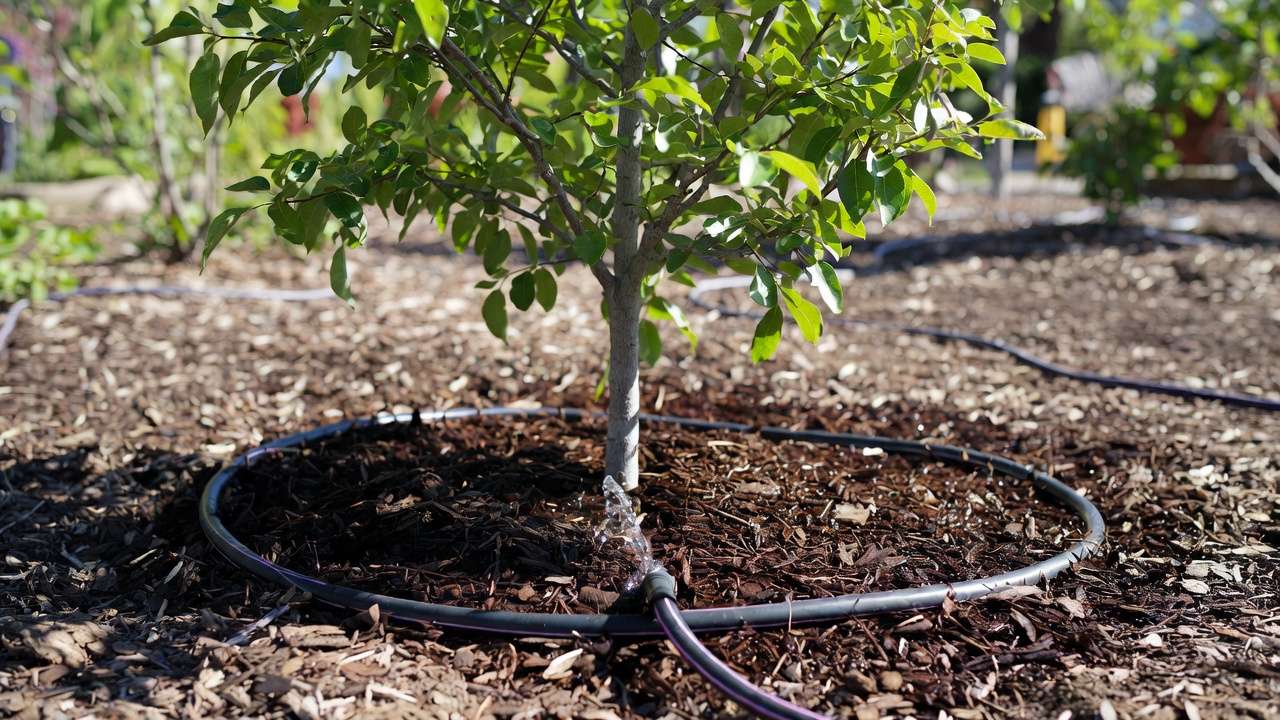
Monitor progress: Leaves should start perking up within days to a week if caught early. If no improvement after 2 weeks, secondary issues like root damage may be at play — call an arborist.
Mulching Magic to Lock in Moisture
Mulch is your tree’s best friend during recovery:
- Apply 2–4 inches of organic mulch (wood chips, bark, or shredded leaves) in a wide ring extending to the drip line.
- Keep mulch 2–3 inches away from the trunk to prevent rot and pests.
- Benefits: Reduces soil evaporation by up to 50%, insulates roots from temperature swings, suppresses weeds, and slowly adds nutrients as it breaks down.
Refresh mulch annually and top up after watering to maintain coverage. 🌱
Temporary Shade & Protection
For especially vulnerable young or thin-barked trees:
- Install temporary shade cloth (30–50% shade) over the canopy during peak heat.
- Use tree wraps or paint trunks with white latex paint (diluted) on the south/southwest side to reflect sun and prevent bark sunburn.
- Avoid pruning now — removing branches exposes more surface to sun and removes leaves needed for photosynthesis recovery.
Avoid Common Mistakes That Worsen Stress
- No fertilizing during active heat stress — it pushes new growth the tree can’t support.
- Skip overhead sprinklers — they waste water through evaporation and can promote fungal diseases on wet foliage.
- Don’t overwater — soggy soil leads to root rot.
With consistent care, many trees show signs of recovery within weeks: new leaves may emerge smaller at first but green up, and wilting lessens. Full rebound often takes until the next growing season, so patience pays off!
Long-Term Prevention: Building Heat-Resilient Trees 🌳
Prevention beats cure every time. By planning ahead, you can make your landscape far more tolerant to future heatwaves and droughts.
Choose Heat-Tolerant Species & Proper Planting
Select species proven to handle heat and drought better:
- Highly tolerant: Bur oak, white oak, honeylocust, ginkgo, hackberry, Kentucky coffeetree, golden raintree, certain pines (e.g., Scots or Austrian).
- Moderately tolerant: Red maple cultivars (like Redpointe), live oak (in suitable zones), crape myrtle.
- Avoid or use cautiously: Sensitive species like Japanese maple, birch, dogwood, beech, or Norway spruce in hot, dry climates.
Plant in fall or early spring for better root establishment before summer heat. Choose native or adapted varieties suited to your region — they require less intervention long-term.
Soil & Root Zone Care
Healthy soil = resilient trees:
- Improve drainage and add organic matter (compost) to compacted urban soils.
- Test soil pH and nutrients if growth seems poor.
- Reduce compaction by avoiding heavy traffic over roots.
Ongoing Maintenance
- Establishment watering: Deep water new trees weekly for the first 1–2 years.
- Mulch refresh: Annually to maintain moisture retention.
- Monitor combined stressors: Watch for drought + heat, poor drainage, or urban heat islands (pavement reflection).
- Prune wisely: Only in cooler seasons to avoid additional stress.

Urban & Landscape Strategies
In cities, group plantings create micro-shade and lower ambient temperatures. Use windbreaks or understory plants to buffer heat. These steps not only protect individual trees but help combat the urban heat island effect for cooler neighborhoods overall. 🏙️🌳
Expert Insights & Real-World Case Studies
Certified arborists from organizations like the International Society of Arboriculture (ISA) and extension services emphasize: “Early intervention during heat events often turns potential losses into full recoveries.” For example:
- During recent heat domes (like those in 2023–2025 across parts of the U.S.), homeowners who applied deep watering and mulch saw maples and oaks rebound with minimal dieback, while neglected trees suffered branch loss.
- Texas and Midwest reports highlight how proactive mulching and species selection (e.g., choosing bur oak over birch) reduced heat-related mortality by 50–70% in landscapes.
Current trends (as of 2026) show increasing heat events, but trees with good care remain remarkably adaptive. 🌡️
Frequently Asked Questions (FAQs) ❓
What are the first heat stress signs in trees? Wilting/drooping leaves (especially midday), leaf rolling/cupping, and scorched edges — often recovering slightly at night.
Can trees fully recover from heat stress? Yes, most can if caught early with deep watering and mulching. Severe cases may show lingering dieback but stabilize.
How much water does a stressed tree need? 10–15 gallons per inch of trunk diameter weekly, applied deeply and infrequently.
Is heat stress the same as drought stress? They’re closely related — heat amplifies drought by increasing transpiration demand even when soil moisture is present.
When should I call a professional arborist? If symptoms persist after 2 weeks of care, bark cracks appear, or dieback spreads — they can assess root health or rule out diseases like bacterial leaf scorch.
What about heat stress in fruit trees or palms? Fruit trees often drop young fruit to conserve energy; palms show browned frond tips. Same principles apply: deep water and mulch.
Conclusion
You’ve now got the full toolkit to spot heat stress signs in trees early, rescue them effectively, and build long-term resilience. Start today: Walk your yard, check soil moisture, and give one stressed tree a deep soak. Small actions add up — your trees will reward you with lush shade, cleaner air, and a more beautiful, climate-ready landscape. You’re not just saving trees; you’re future-proofing your outdoor space! 🌳❤️











