
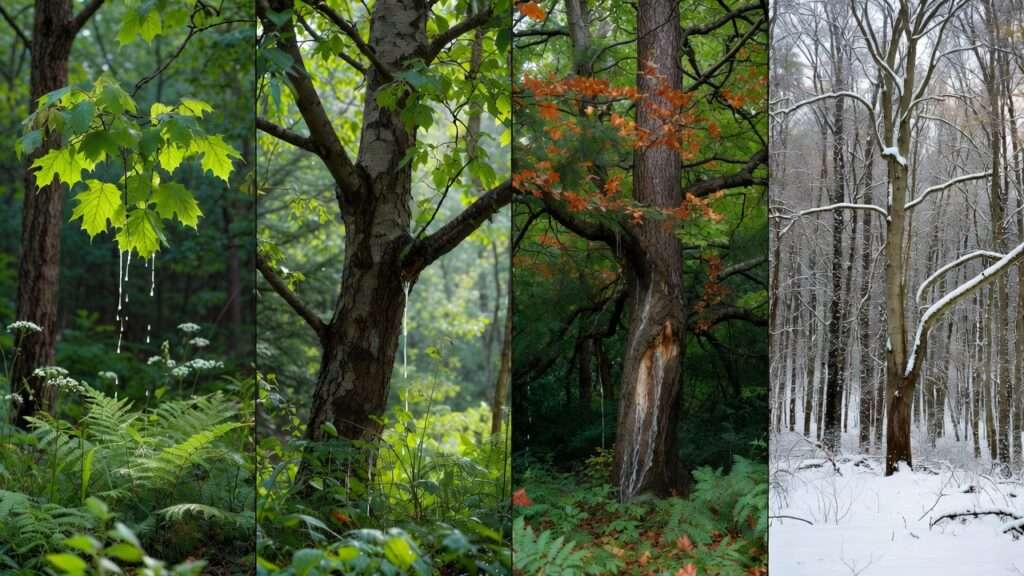
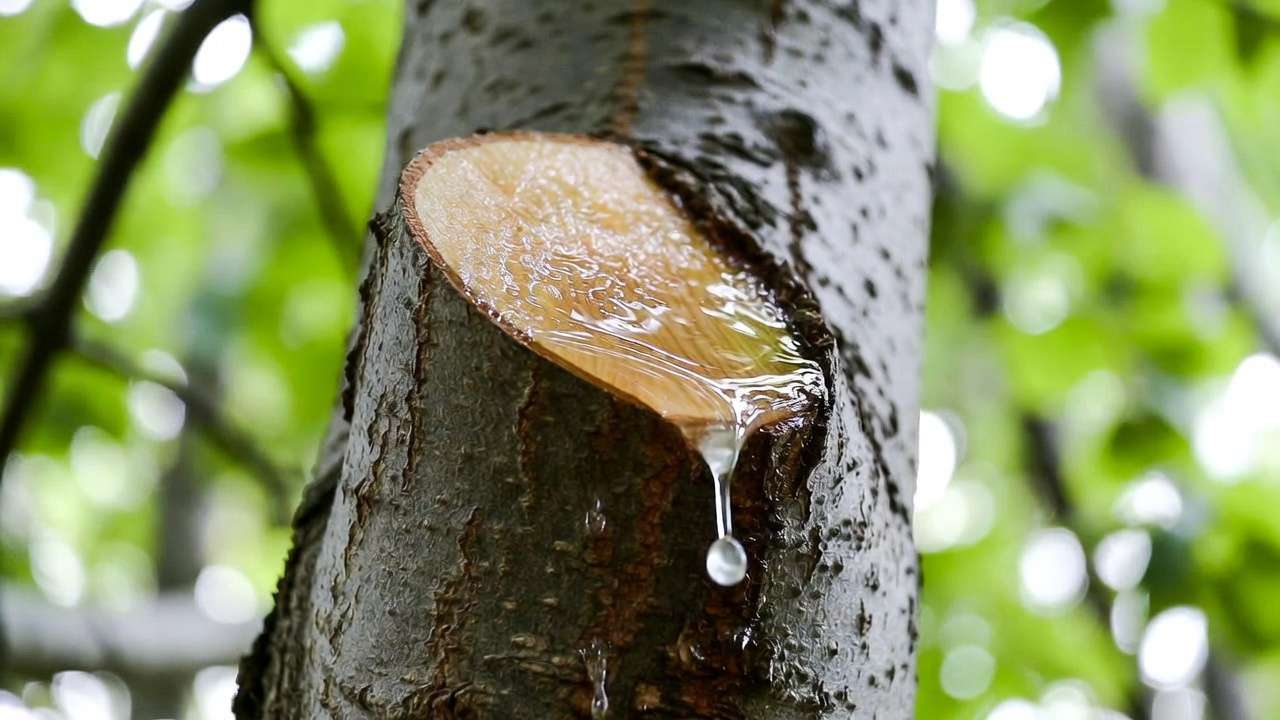
Imagine stepping into your backyard on a crisp late-winter day and noticing clear sap dripping steadily from a fresh pruning cut on your maple tree — or watching your river birch “bleed” profusely after an early spring trim. This isn’t random; it’s a fascinating sign of the tree’s internal rhythms responding to seasonal shifts. Seasonal changes in sap flow are one of the most dynamic and revealing aspects of tree physiology, directly influencing hydration, nutrient delivery, growth, and overall health. 🌳❄️➡️☀️
As a plant physiologist and certified arborist with over 15 years studying tree hydraulics in temperate forests, urban landscapes, and research stations (including collaborations with university extension programs), I’ve seen firsthand how understanding these patterns empowers tree owners to make smarter care decisions. Whether you’re a home gardener, orchard keeper, or urban tree steward, knowing why sap surges in spring, peaks in summer, and slows in winter helps you time pruning, watering, and interventions perfectly — preventing stress, disease, and unnecessary losses. This comprehensive guide dives deep into the science, patterns, and practical applications, drawing from peer-reviewed studies on thermal dissipation probes, ecohydrology, and long-term field data.
What Is Sap Flow and How Does It Work in Trees? 🔬
Sap flow refers to the movement of xylem sap — primarily water plus dissolved minerals and nutrients — upward from roots to leaves through the tree’s vascular system. (Phloem sap, carrying sugars downward, is separate and less visible in seasonal contexts.) This process follows the Cohesion-Tension theory: transpiration from leaves creates negative pressure (tension) that pulls water up via continuous water columns in xylem vessels, aided by cohesion (water molecules sticking together) and adhesion (to vessel walls).
Root pressure can contribute in some species, especially during low-transpiration periods like early spring. Environmental drivers include vapor pressure deficit (VPD — how dry the air is), solar radiation (photosynthetically active radiation or PAR), soil moisture, temperature, and wind.
Measuring Sap Flow — Tools Scientists Use Researchers rely on methods like thermal dissipation probes (TDP) — small heated needles inserted into the sapwood that measure how quickly heat dissipates as sap flows past. The temperature difference correlates to sap flux density (often in g/m²/s or similar units). Heat pulse velocity and stem heat balance techniques provide complementary data. Long-term studies using TDP show clear diurnal (daily) and seasonal curves: morning rises, midday peaks, and evening declines in active seasons.
Expert Insight: “Sap flow isn’t just ‘water moving up’ — it’s a real-time indicator of tree health, often responding to stress like drought before leaves wilt or drop.” 🌱 Studies consistently show healthy trees maintain predictable seasonal rhythms, while stressed ones exhibit reduced or erratic flow.
Seasonal Patterns of Sap Flow: A Year-Round Breakdown 📅
Trees in temperate climates exhibit distinct sap flow patterns tied to phenology (leafing, dormancy) and weather cycles.
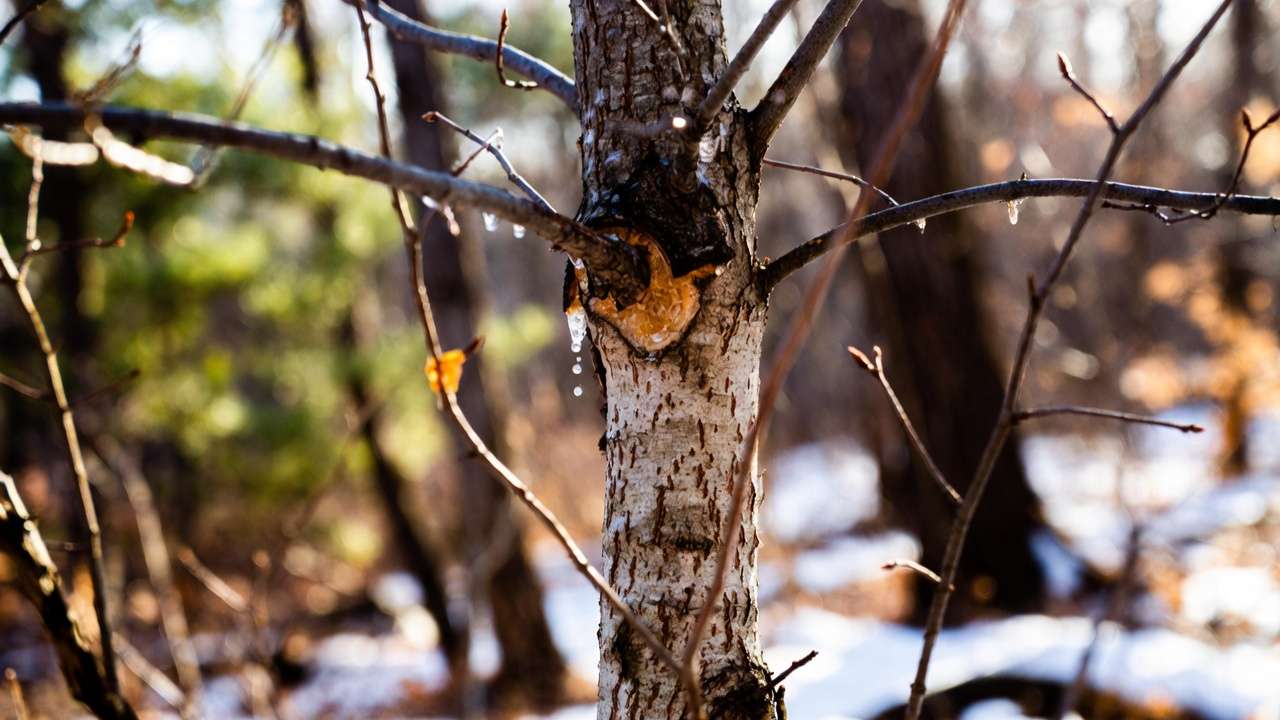
Spring — The Great Awakening (High Pressure, Rising Sap) 🌸 In late winter to early spring, many deciduous species experience a dramatic surge before leaves emerge. Freeze-thaw cycles (warm days, freezing nights) create positive stem pressure: gas in embolized (air-filled) vessels expands on warm days, pushing sap upward; nights draw in water via root suction. This refills embolisms from winter and supports early bud swell.
Classic examples include sugar maples (Acer saccharum) and birches (Betula spp.), where sap flow peaks in February–April under ideal conditions (e.g., 40–45°F days after freezing nights). This is why maple syrup season thrives — sap can flow at rates supporting gallons per day from a single tree. Oaks and other ring-porous species refill vessels early too.
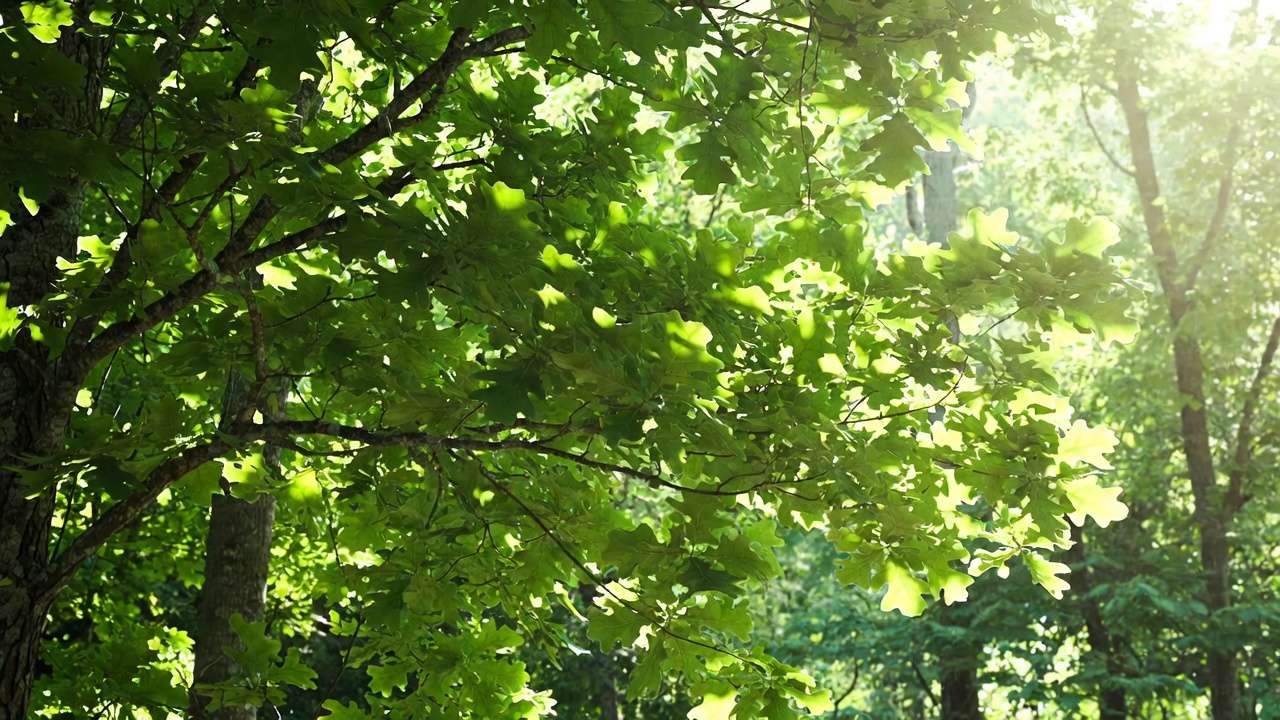
Summer — Peak Transpiration and Steady Flow ☀️ Once leaves are fully expanded, transpiration dominates. Sap flow reaches annual highs driven by high solar radiation, elevated VPD, and warm temperatures. Diurnal patterns are pronounced: rapid morning increase, midday maximum (often 10–17:00), then decline.
In wet summers, flow sustains; dry periods cause sharp drops. Studies in subtropical and temperate zones show peaks in mid-summer (July–August), with rates 2–3x higher than dormant seasons in many species.
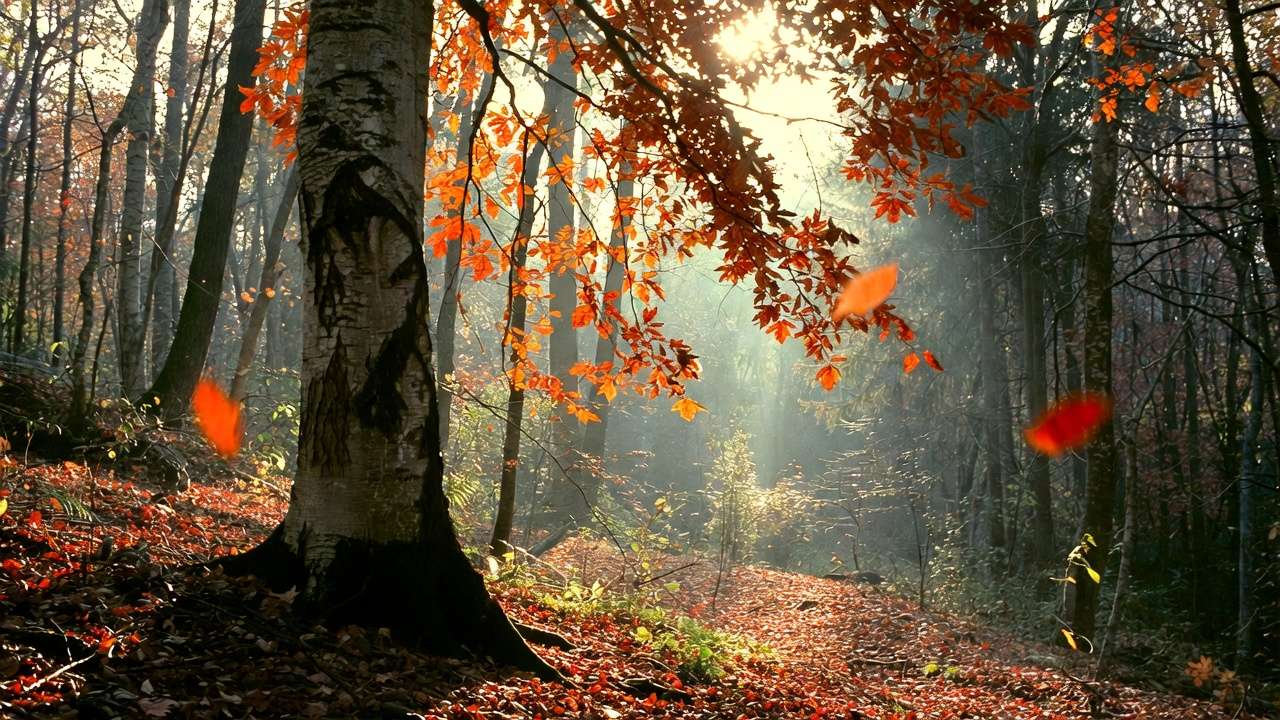
Autumn — Slowdown and Preparation 🍂 As daylight shortens and temperatures drop, transpiration falls. Leaves senesce, nutrients translocate downward via phloem, and sap flow tapers. Some species show minor late-season activity if warm spells occur.
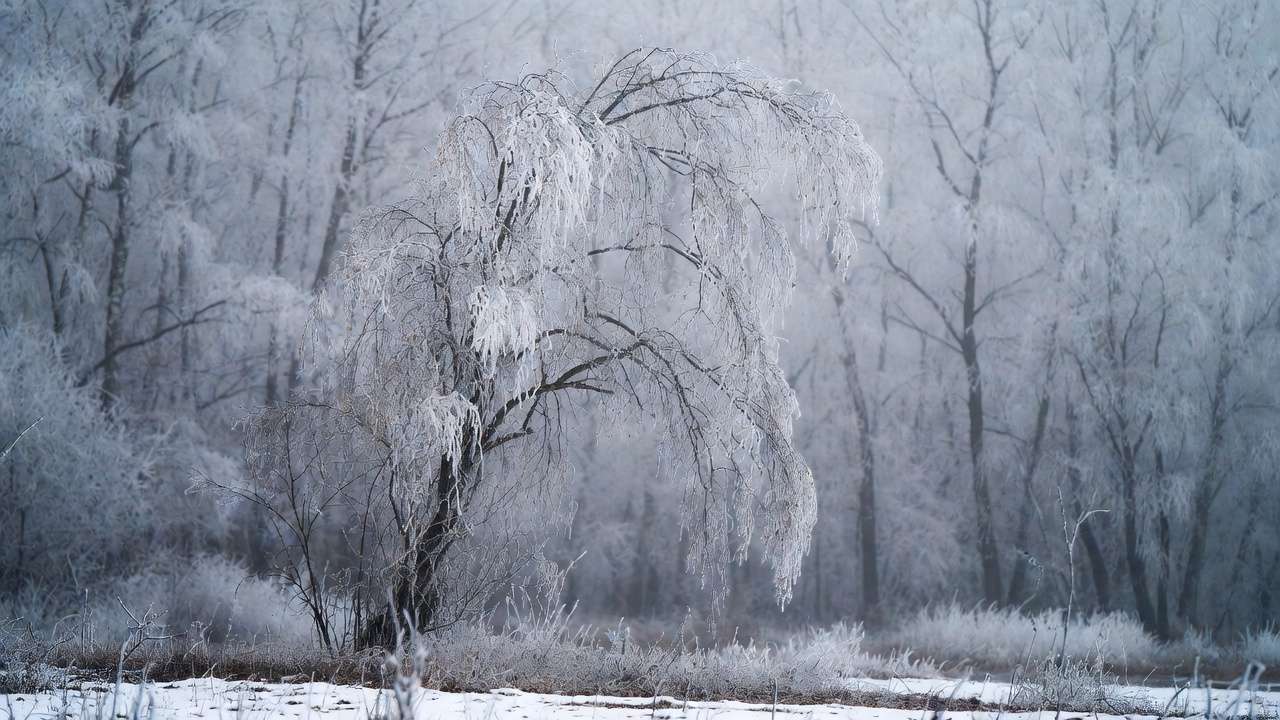
Winter — Minimal but Not Zero Flow ❄️ Deciduous trees enter dormancy with little to no transpiration — sap flow is minimal or occasional (e.g., freeze-thaw in beeches or birches). Evergreens maintain low steady flow for needle hydration. Myth-busting: Sap doesn’t “drop” to roots in winter; total moisture content remains stable year-round (often with slight increases aboveground in some species). Flow stops, but water stays put.
Environmental Factors Driving Seasonal Changes 🌡️💨
Temperature cycles (especially freeze-thaw), soil moisture, precipitation, VPD, PAR, and wind are primary drivers. In wet seasons, soil water availability boosts flow; droughts suppress it sharply. Climate change disrupts patterns: shorter winters reduce spring surges, while erratic droughts lower summer peaks.
Real-world data from TDP studies show sap flow correlates strongly with VPD in active seasons but shifts to soil moisture limitation during dry periods.
Why Seasonal Sap Flow Changes Matter for Tree Health & Care 🛠️
Signs of Healthy vs. Problematic Sap Flow Healthy: Vigorous spring rise, consistent summer peaks, minimal winter bleeding. Stress signals: Reduced summer flow (drought/root issues), excessive winter oozing (damage), absent spring surge (poor roots or embolism).
Low flow often precedes visible decline, making monitoring a powerful diagnostic tool.
Practical Tree Care Tips Based on Seasonal Sap Flow
- Pruning Timing ✂️: Avoid spring in “bleeders” like maples, birches, walnuts — heavy sap loss is cosmetic but stresses trees and attracts pests. Best: late winter (before buds swell) for most deciduous; late spring/summer after leaves expand for bleeders. Oaks: avoid April–October to prevent oak wilt. Prune flowering trees post-bloom to preserve buds.
- Watering Strategies 💦: Deep, infrequent watering in dry summers when flow peaks; reduce in winter/dormancy. Mulch to retain soil moisture.
- Fertilizing & Mulching 🌱: Apply during active flow (spring–summer) for uptake; avoid late fall to prevent weak growth.
- Protecting Against Extremes 🛡️: Monitor drought via reduced flow; wrap trunks in winter for protection.
Species-Specific Examples: Sap Flow Across Common Trees 🌳
- Maples & Birches 🍁: Dramatic spring surges from freeze-thaw pressure — ideal for syrup but prune carefully.
- Oaks & Pines 🌲: Steady summer highs; oaks sensitive to drought, pines drip resin (protective, not true sap) in spring/early summer.
- Temperate vs. tropical contrasts highlight how seasonality intensifies in colder climates.
Expert Tips & Common Myths Debunked ✨
Myth: “Sap drops to roots in winter.” Reality: Flow ceases, but moisture stays stable — pulp studies confirm consistent year-round content. Pro tip: Declining summer rates often signal early stress — check soil and roots before symptoms worsen.
Conclusion: Mastering Tree Care Through Sap Flow Knowledge 🌟
Seasonal changes in sap flow reveal how temperature, moisture, and physiology orchestrate tree water transport — directly tying to vitality, growth, and resilience. By observing these hidden rhythms (e.g., vigorous spring rises or summer peaks), you become a proactive steward: timing care to support health, prevent issues, and enjoy thriving trees for decades.
Start small — watch your local trees this season, adjust watering/pruning accordingly, and notice the difference. Your trees will thank you! 🌳💚
FAQs (SEO Boost + User Value) ❓
- What causes sap to flow more in spring? Freeze-thaw cycles build positive pressure in species like maples and birches, pushing sap upward before leaves emerge.
- Does sap flow stop completely in winter? Mostly yes in deciduous trees (no transpiration), but evergreens and some deciduous show minimal activity.
- How can I tell if low sap flow means my tree is stressed? Compare to typical seasonal patterns; sudden drops in summer often indicate drought, root damage, or embolism.
- Best time to prune to avoid heavy sap bleeding? Late winter for most; late spring/summer after leaves expand for maples/birches.
- Does climate affect sap flow in my region? Absolutely — warmer winters shorten surges; droughts reduce peaks. Local weather data helps predict patterns.











