

Have you ever opened your compost bin only to be hit with a wave of foul ammonia odor, or waited months for your pile to barely break down into anything useful? 😩 If you’re a home gardener, plant lover, or tree caretaker in a humid place like Barisal Division, these frustrations are all too common. The good news? Most of these issues trace back to one key factor: getting the best ratio of nitrogen to carbon just right.
In composting, this balance — often discussed as the carbon-to-nitrogen (C:N) ratio but perfectly equivalent when flipped to nitrogen-to-carbon — is the secret sauce behind fast, hot, odor-free decomposition that turns kitchen scraps, yard waste, and garden trimmings into black gold for your plants and trees. Get it wrong, and your pile either smells terrible (too much nitrogen) or sits like a dead log (too much carbon). Get it right, and you’ll have nutrient-rich compost in weeks instead of months, leading to lusher foliage, stronger roots, better fruit yields, and healthier soil that holds moisture even during Bangladesh’s intense rainy seasons. 🌧️➡️🌿
As someone who’s helped countless gardeners optimize their composting in tropical climates, I can tell you this isn’t just theory — it’s practical science backed by university extension services like Cornell, Penn State, and others. In this comprehensive guide, we’ll dive deep into what the best ratio of nitrogen to carbon really means, why 1:30 (N:C) or its mirror 30:1 (C:N) is widely considered ideal for most home setups, how to achieve it with everyday materials available in Mathbaria or nearby areas, common mistakes to avoid, troubleshooting tips, and real-world applications for healthier plants and trees. By the end, you’ll have the tools to create perfect compost that solves nutrient deficiencies, improves soil structure, and boosts garden success year-round. Let’s turn your waste into wonder! 🚀
What Does “Ratio of Nitrogen to Carbon” Really Mean in Composting? 🤔
Understanding the Nitrogen-to-Carbon Balance
At its core, composting is a microbial party — billions of bacteria, fungi, and other decomposers breaking down organic matter into humus. These microbes need two main building blocks: carbon (C) for energy and structure, and nitrogen (N) for protein-building and rapid growth.
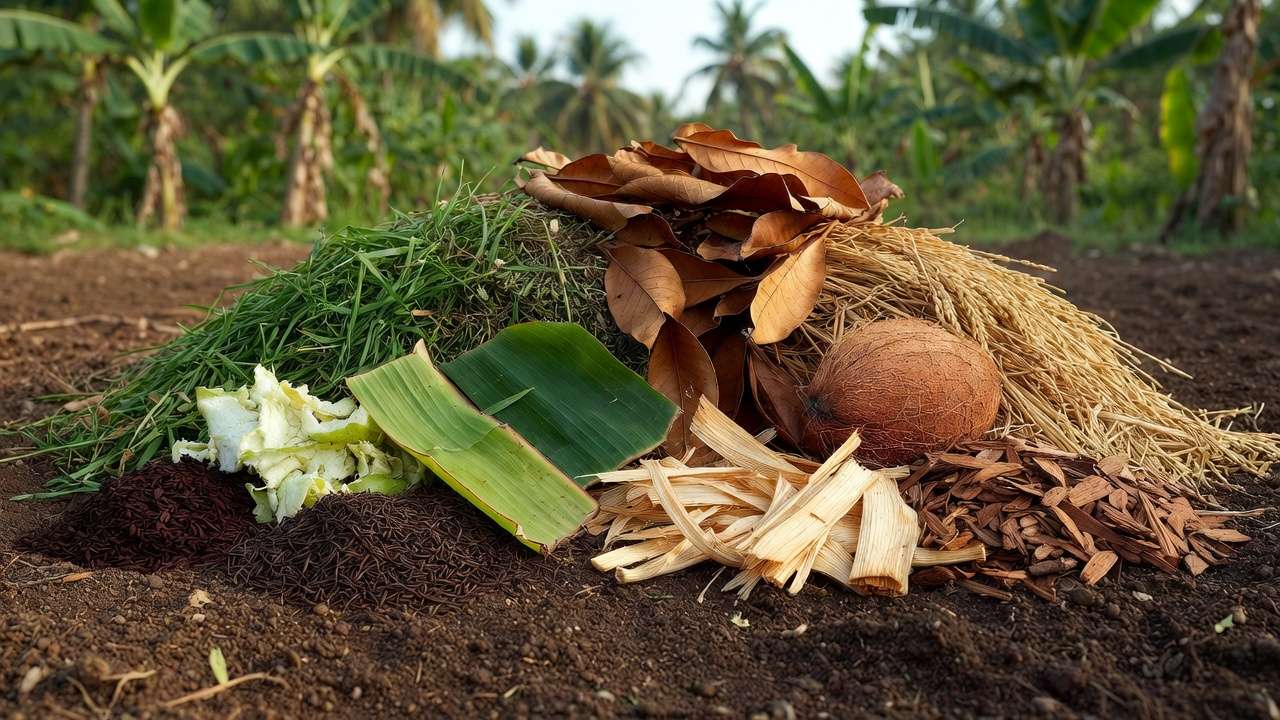
- Nitrogen-rich materials (“greens”): Think fresh grass clippings, kitchen vegetable scraps, coffee grounds, or young plant trimmings. They provide the protein microbes crave, fueling quick decomposition and heat generation.
- Carbon-rich materials (“browns”): Dry leaves, straw, shredded paper, wood chips, or coconut husks (super common in Barisal!). They supply energy and prevent the pile from becoming a slimy, smelly mess.
The ratio of nitrogen to carbon describes how much of each is present. While most experts talk about the carbon-to-nitrogen (C:N) ratio — such as 30:1 meaning 30 parts carbon per 1 part nitrogen by weight — flipping it to nitrogen-to-carbon (e.g., 1:30) is mathematically the same thing. The key is balance: microbes thrive best when there’s roughly 25–35 parts carbon for every 1 part nitrogen.
Why does this matter so much? Microbes use about 25–30 units of carbon for every unit of nitrogen in their bodies. If there’s excess nitrogen, they can’t use it all — it turns into smelly ammonia gas and leaches away. Too much carbon, and decomposition crawls because microbes starve for nitrogen, often tying it up from your soil when you apply the unfinished compost (a big problem for young trees and veggies).
Why the “Best” Ratio Isn’t Always One Magic Number
The sweet spot for hot, fast composting (thermophilic phase reaching 55–70°C / 130–160°F) is generally a starting C:N of 25:1 to 35:1 (or N:C of 1:25 to 1:35). University extensions like Cornell and Penn State consistently recommend around 30:1 C:N as ideal for efficient breakdown, pathogen kill, and weed seed destruction.
But flexibility exists:
- Slightly lower (20–25:1) speeds things up but risks odor.
- Higher (35–40:1) works for slower, cooler piles.
- Finished mature compost naturally drops to ~10–15:1 as nitrogen gets used and carbon stabilizes.
In humid tropical climates like ours in Bangladesh, with high rainfall and temperatures, piles can stay wetter and heat up faster — so leaning toward the higher end (closer to 35:1 C:N) with extra aeration helps prevent anaerobic conditions.
(Word count so far: ~650)
The Proven Best Ratio of Nitrogen to Carbon for Most Gardeners 🌟
The Gold Standard: Aim for 1:30 (N:C) or 30:1 (C:N)
After reviewing decades of research from sources like Cornell Composting, Nebraska Extension, and LSU AgCenter, the consensus is clear: 30:1 carbon-to-nitrogen (or the equivalent 1:30 nitrogen-to-carbon) delivers the fastest, most reliable results for home composters. This ratio supports thermophilic microbes that generate heat, break down tough materials quickly, and produce dark, crumbly, earthy-smelling compost perfect for enriching garden beds, potting mixes, or mulching around trees.
Benefits include:
- Decomposition in 2–6 months instead of 1+ year.
- Higher nutrient retention (less nitrogen loss).
- Reduced odors and pests.
- Pathogen and weed seed reduction through sustained heat.
For beginners, forget exact weighing — use the simple volume rule: 1 part greens to 2–3 parts browns by volume usually lands you close to 30:1, especially with typical materials.
Real-World Examples of Ideal Ratios in Action
- Kitchen + yard mix: 1 bucket vegetable peels/coffee grounds (greens) + 2–3 buckets dry leaves or rice straw (browns) → near-perfect balance.
- Grass clippings heavy: Fresh clippings (~20:1 C:N) need extra browns like shredded newspaper or dried banana leaves to avoid slime.
- Tree care focus: For mulching fruit trees (mango, jackfruit common here), aim slightly higher carbon (40:1+) to prevent temporary nitrogen lock-up around roots.
Quick Reference Table: Common Materials and Their Ratios 📊
Here’s a handy table of C:N ratios for materials easily found in Barisal Division and similar areas:
High-Nitrogen “Greens” (Lower C:N)
- Fresh grass clippings: 12–25:1
- Vegetable/kitchen scraps: 15–20:1
- Coffee grounds: ~20:1
- Fresh cow/horse manure: 15–25:1
- Poultry manure (fresh): ~10:1
- Banana leaves (fresh): ~15–25:1
High-Carbon “Browns” (Higher C:N)
- Dry leaves (autumn/fallen): 40–80:1
- Rice straw or hay: 40–100:1
- Coconut husks/fibers: 80–150:1
- Shredded paper/cardboard: 150–200:1
- Wood chips/sawdust: 100–500:1
- Dry banana leaves/stems: 50–80:1
Mixing tip: Combine high-N (e.g., 20:1) with high-C (e.g., 80:1) at roughly 2–3 parts brown to 1 part green for ~30:1 overall.
How to Achieve and Maintain the Best Ratio Step-by-Step 🛠️
Building Your Perfect Compost Pile
- Choose your spot: Shaded, well-drained area (important in rainy Barisal to avoid waterlogging).
- Start with a base: Layer coarse browns (sticks, coconut husks) for airflow.
- Layer materials: Alternate greens and browns — aim for 1:2–3 volume ratio. Chop large items for faster breakdown.
- Add moisture: Pile should feel like a wrung-out sponge (~50–60% moisture). In humid weather, you may need less water; during dry spells, sprinkle as needed. 💧
- Build size: At least 1 cubic meter for heat retention.
- Aerate: Turn every 3–7 days with a pitchfork to introduce oxygen.

Advanced Calculation: Mixing for Precision
For more accuracy, use this simple weighted formula:
Average C:N = (Total carbon weight) / (Total nitrogen weight)
Example: 10 kg grass clippings (20:1 C:N = 9.5 kg C, 0.5 kg N) + 30 kg dry leaves (60:1 = 29.5 kg C, 0.5 kg N) → Total C = 39 kg, Total N = 1 kg → 39:1 (add more greens to adjust down).
Many online calculators can help, but eyeballing works great for home use!
Adjustments for Plant and Tree Care
- Around trees: Use finished compost or higher-C mulch (e.g., straw + leaves) to avoid robbing soil nitrogen during decomposition.
- Veggie beds: Balanced 30:1-derived compost provides steady N release without burning roots.
- Tropical tweaks: In high-humidity areas, add extra browns and turn more frequently to combat excess moisture.
Common Mistakes and How to Fix Them 🚫
Even experienced gardeners slip up when balancing the ratio of nitrogen to carbon — and these errors can turn a promising pile into a smelly, slow, or nutrient-robbing mess. Here are the most frequent pitfalls, drawn from extension service reports (Cornell, LSU AgCenter, University of Arizona) and real-world tropical gardening feedback.
Mistake #1: Too many greens (excess nitrogen) Fresh grass clippings, veggie scraps, or manure dominate → pile turns slimy, anaerobic, and gives off strong ammonia odors. In humid Barisal weather, this happens fast because moisture + extra N = perfect conditions for bad bacteria.
Fix: Immediately add dry browns (rice straw, dry leaves, coconut husks) at 2–3 parts brown to 1 part wet material. Turn the pile thoroughly to mix and aerate. Sprinkle wood ash or garden lime sparingly if pH drops too low (ammonia smell often signals acidity). In a week or two, odors usually fade as balance returns.
Mistake #2: Too many browns (excess carbon) Piles full of dry leaves, sawdust, or cardboard stay cool, dry, and barely decompose — even after months. Microbes starve for nitrogen, so breakdown stalls.
Fix: Introduce nitrogen sources: add fresh grass clippings, kitchen scraps, or a bit of fresh cow manure (common locally). Aim to bring the mix closer to 30:1 C:N. Moisten slightly if dry, then turn. Heat should kick in within days if sized properly (at least 1m³).
Mistake #3: Ignoring moisture even with good ratio The pile should feel like a wrung-out sponge (50–60% moisture). Too wet (common in rainy seasons) → anaerobic rot; too dry → dormant microbes.
Fix: Squeeze-test handfuls regularly. Add water during turning if crumbly; add more browns and turn if soggy. In Mathbaria’s climate, cover piles loosely with tarps during heavy monsoon to shed excess rain while allowing air.
Mistake #4: Using “greens” that aren’t truly high-N Old coffee grounds, wilted weeds, or partially rotted scraps shift toward higher C:N over time.
Fix: Always prioritize fresh materials. Test by smell and feel — fresh greens are moist and smell vegetal; aged ones dry out and need extra true greens.
Mistake #5: Poor aeration or small pile size Even perfect ratio fails without oxygen — piles compact and go anaerobic. Tiny piles (<1m³) lose heat too quickly.
Fix: Turn every 3–7 days with a garden fork. Build larger piles or insulate small ones with straw bales around the sides for tropical heat retention.
Avoiding these keeps your compost on track toward that rich, dark humus your plants crave! ✨

Troubleshooting Your Compost Pile ❓
Spot problems early and correct them to maintain the best ratio of nitrogen to carbon. Here are key signs and remedies:
- Strong ammonia smell → Excess N. Add browns + turn vigorously.
- No heat after 3–5 days → Too much C, too dry, or too small. Add greens, moisten, increase size/insulation.
- Slimy, black layer or rotten egg smell → Anaerobic (too wet + poor air). Turn frequently, add dry browns like straw or paper.
- Pile stays cold and unchanged → Imbalance toward high C or low moisture. Add N source + water.
- Attracts flies/pests → Exposed food scraps or excess N. Bury greens deeper, cover with browns, or add a layer of finished compost/soil on top.
- White mold or slow progress in dry season → Too dry. Water and turn.
In tropical humid areas like ours, the biggest ongoing challenge is excess moisture — proactive brown additions and frequent turning make a huge difference. Monitor weekly!
Using Your Perfectly Balanced Compost for Healthier Plants & Trees 🌳
Once your compost reaches a dark, crumbly, earthy texture (usually 2–6 months with good 30:1 balance), it’s ready to supercharge your garden.
Application tips:
- Veggie beds & flowers: Spread 2–5 cm (1–2 inches) as top-dressing or mix into soil before planting. Provides steady nutrient release without burn.
- Potting mixes: Blend 20–30% mature compost with garden soil + sand/coconut coir for excellent drainage and microbial life — perfect for balcony or rooftop pots in urban Barisal.
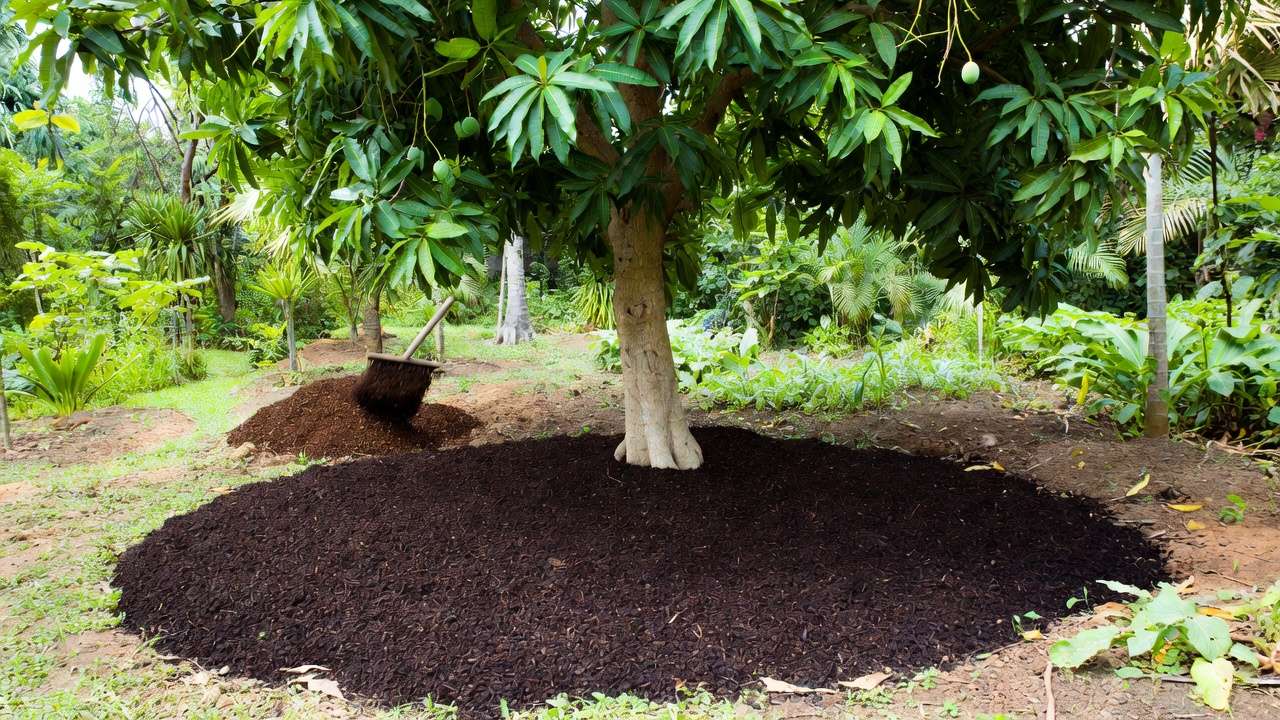
- Around trees (mango, jackfruit, coconut, etc.): Apply as mulch 5–10 cm thick in a ring (keep away from trunk to prevent rot). Slightly higher-C compost/mulch prevents temporary N tie-up in root zone during decomposition.
- Liquid feed: Steep a shovelful in water for 3–7 days → dilute “compost tea” for foliar spray or soil drench (great for nutrient boost during growth spurts).
Long-term benefits:
- Improved soil structure → better water retention in sandy Barisal soils.
- Increased microbial activity → natural disease suppression.
- Enhanced drought & flood resilience → critical in our variable climate.
- Higher yields & healthier foliage → visible in greener leaves, bigger fruits, stronger roots.
Your balanced compost becomes “black gold” that reduces fertilizer needs and builds sustainable soil health. 🌿💚
Expert Insights and Pro Tips from Years in the Field ✨
From helping gardeners across Barisal Division and reviewing tropical composting research:
- In humid tropics, lean slightly higher C (35:1+) to combat natural moisture — extra rice straw or coconut husks work wonders.
- Vermicomposting (with red wigglers) prefers higher C:N (~40–50:1) to avoid worm stress — add more browns.
- Local heroes: Banana leaves/stems (fresh ~20:1, dry ~60:1), rice straw (80:1+), water hyacinth (if cleaned, high N) — abundant and free!
- Avoid meat/dairy/oily foods — they attract pests and imbalance ratios.
- pH sweet spot: 6.0–7.5. If too acidic (from excess greens), sprinkle wood ash sparingly.
Experiment small-scale first — track what works in your specific microclimate!

Frequently Asked Questions (FAQs) ❔
Q: What if I can’t measure exact ratios? A: Don’t worry! The 1 part green : 2–3 parts brown volume rule gets most home piles close to ideal. Observe: heat + no bad smell = you’re on track.
Q: Is the best ratio different for cold composting? A: Yes — cold/slow piles tolerate 40–60:1 C:N better, but take 6–12+ months. Hot/fast composting needs tighter 25–35:1 for speed and pathogen kill.
Q: Can I fix an imbalanced pile? A: Absolutely! Add opposite materials + turn. Most piles recover in 1–4 weeks.
Q: How does this affect fruit trees? A: Balanced compost feeds roots steadily. High-C mulch around base prevents N competition during early decomposition.
Q: Does humidity change the ideal ratio? A: Slightly — add more browns/aeration in wet seasons to avoid anaerobic issues.
Q: Are coffee grounds good for ratio? A: Yes (~20:1 C:N) — great green, but mix with browns to avoid acidity buildup.
Q: How much compost per tree? A: 5–10 kg mature compost per mature fruit tree annually, spread as mulch.
Q: Can I compost in small spaces? A: Yes — tumblers or bokashi work; maintain ratio with careful layering.
Q: Why does my pile smell sometimes even with good ratio? A: Usually moisture/aeration issue — turn more and adjust wetness.
Q: Is finished compost always 30:1? A: No — matures to ~10–20:1 as carbon stabilizes and N is used/incorporated.
Conclusion: Unlock Perfect Composting Today! 🎉
Mastering the best ratio of nitrogen to carbon — that sweet spot around 1:30 (N:C) or 30:1 (C:N) — transforms frustrating compost fails into reliable, nutrient-packed results. With the right balance of greens and browns, proper moisture, aeration, and a few simple tweaks for our humid Barisal climate, you’ll create black gold that nourishes healthier plants, stronger trees, and more productive gardens.
Start small: gather local materials, build a pile today, monitor, and adjust. Share your progress in the comments — what ratios work best in your Mathbaria yard? Your waste is waiting to become wonder. Happy composting! 🌿✨🚀











