
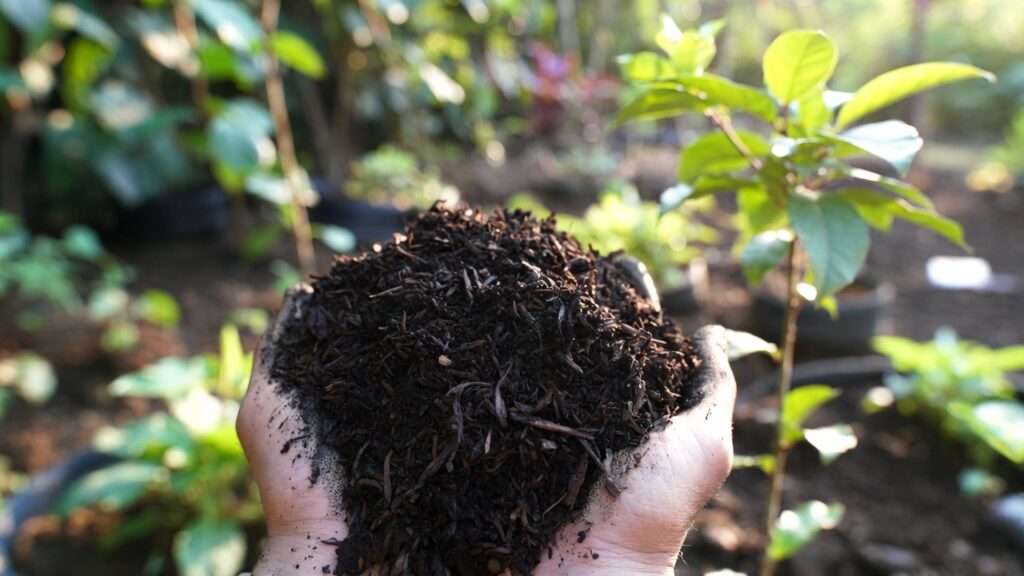
Imagine this: You’ve been diligently tossing kitchen scraps and yard waste into your backyard compost bin for months, dreaming of that perfect “black gold” to transform your garden beds and nourish your favorite fruit trees. But instead of rich, crumbly compost, you open the lid to a slimy, foul-smelling mess that attracts flies and seems to do nothing for your plants 😩. Sound familiar? You’re not alone. Millions of home gardeners face this frustration every year, wasting time, effort, and valuable organic material while their plants struggle with poor soil health.
The good news? Most composting failures stem from a handful of common composting mistakes to avoid — simple pitfalls that even experienced gardeners overlook. By steering clear of these errors, you can create nutrient-dense, microbe-rich compost that dramatically improves soil structure, boosts water retention, enhances root development in trees and plants, and reduces the need for synthetic fertilizers. In this in-depth guide, we’ll cover the top mistakes (backed by insights from university extension services, EPA guidelines, and decades of practical horticultural experience), explain why they happen, show you the clear fixes, and share pro tips to make your compost thrive faster and better. Let’s turn your pile into the powerhouse your garden deserves! 🌳
Why Good Compost Matters for Your Plants and Trees
Before diving into the mistakes, let’s quickly understand why getting composting right is a game-changer for plant and tree care.
Compost is often called “black gold” for good reason — it’s a living amendment teeming with beneficial microbes, fungi, and nutrients. When added to soil, it:
- Improves soil structure by creating stable aggregates that resist compaction and erosion (EPA highlights how compost increases porosity and water infiltration).
- Enhances nutrient availability — providing slow-release nitrogen, phosphorus, potassium, and micronutrients while boosting cation exchange capacity (CEC) so plants can access what they need.
- Increases water-holding capacity — finished compost can hold up to five times its weight in water, helping plants and trees survive drought stress and reducing irrigation needs.
- Suppresses diseases and pests — healthy, balanced soil fosters beneficial organisms that outcompete pathogens, and proper hot composting kills many weed seeds and disease spores.
- Supports long-term soil health — studies show compost applications can increase soil organic matter by 1–3% annually, leading to 20–30% better plant growth in many cases (supported by USDA NRCS and university research on soil biology).
For trees specifically, nutrient-rich compost mulched around the drip line promotes deeper root systems, better drought tolerance, and vibrant foliage. In veggie gardens or flower beds, it translates to higher yields, brighter blooms, and fewer issues with nutrient deficiencies. Skipping these common mistakes means healthier plants, stronger trees, and a more sustainable garden overall. Ready to fix yours? Let’s go through the biggest culprits one by one.
The Top Common Composting Mistakes to Avoid
Here are the most frequent errors beginners (and even seasoned gardeners) make, complete with symptoms, science-backed explanations, and practical solutions.
Mistake 1: Getting the Browns-to-Greens Ratio Wrong 🌿⚖️
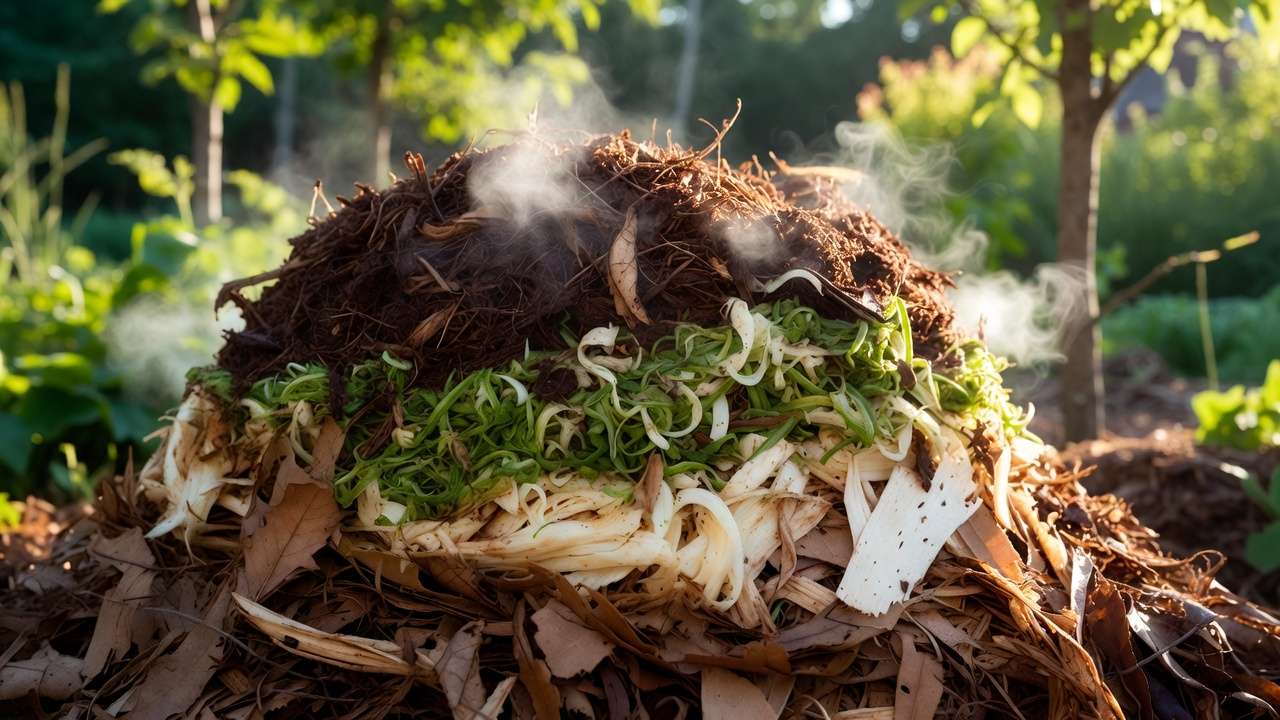
This is hands-down the #1 reason compost piles fail. “Greens” (nitrogen-rich materials like kitchen scraps, fresh grass clippings, coffee grounds) fuel fast decomposition and heat, while “browns” (carbon-rich like dry leaves, cardboard, straw) provide structure and energy for microbes.
The ideal ratio? According to the EPA and most university extensions (like Cornell, Purdue, and Iowa State), aim for 2–3 parts browns to 1 part greens by volume (roughly 25–30:1 carbon-to-nitrogen ratio). Too many greens → slimy, smelly, anaerobic mess (rotten-egg odor from methane/ammonia). Too many browns → slow, dry pile that barely breaks down.
Signs you’ve got it wrong:
- Ammonia smell or sliminess = excess nitrogen
- No heat, slow progress = excess carbon
Fix it fast:
- Layer materials: Start with browns at the base, alternate greens and browns, always end with browns on top.
- Quick adjustment: Add shredded cardboard/newspaper for too-wet piles; mix in more greens (or a bit of blood meal/manure) for stalled dry ones.
- Pro tip: Chop everything small — smaller pieces decompose 2–10x faster!
Balanced compost avoids nitrogen “robbery” (where unfinished materials pull N from soil, starving plants) and delivers steady nutrition for healthier roots and foliage.
Mistake 2: Letting Your Pile Get Too Wet or Too Dry 💧
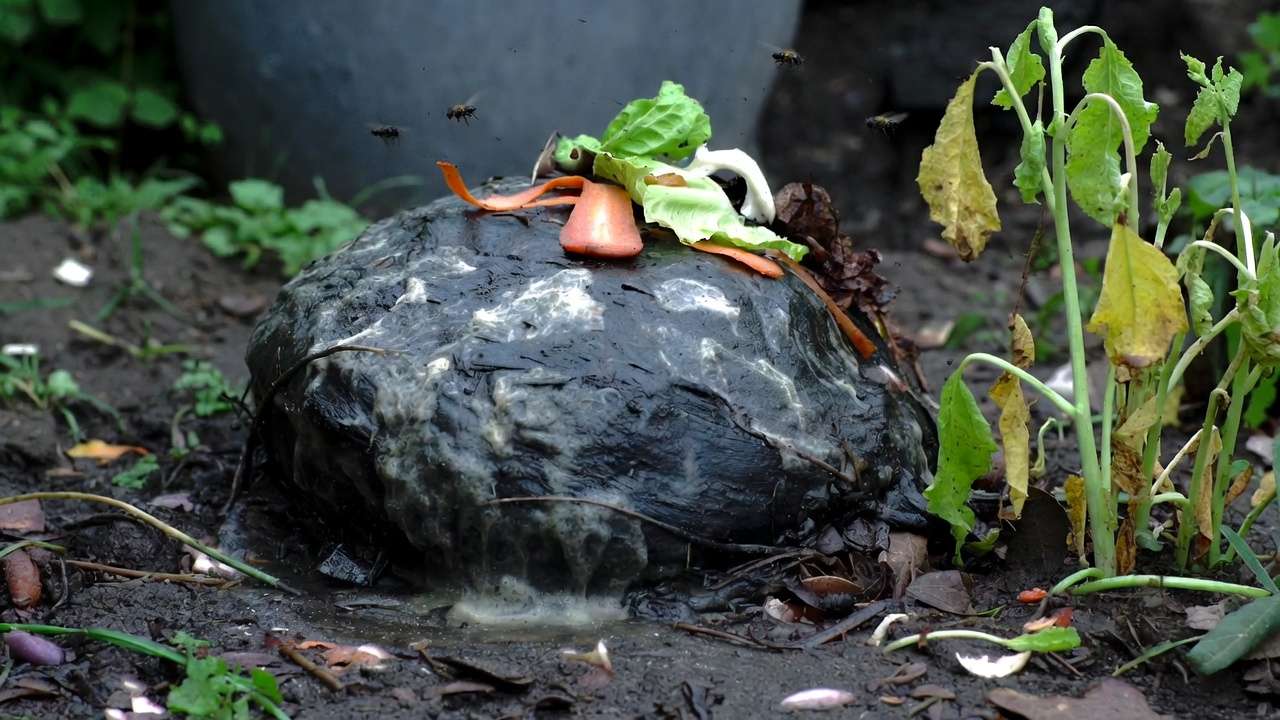
Moisture is the lifeblood of composting microbes — aim for the consistency of a wrung-out sponge (about 40–60% moisture). Too wet (from rain or excess greens) leads to anaerobic conditions, odors, and slow breakdown. Too dry (common in sunny spots or summer) halts microbial activity entirely.
Signs:
- Soggy + bad smell = too wet
- Dusty, no decomposition = too dry
Solutions:
- Wet pile? Turn it, add dry browns (leaves, straw), and cover with a tarp during heavy rain.
- Dry pile? Water while turning (use a hose with gentle spray), or add moist greens like veggie scraps.
- Expert squeeze test: Grab a handful — a few drops of water = perfect; none = add water; stream = add browns.
Proper moisture ensures consistent heat (ideal 130–160°F for fast, pathogen-killing compost) and vibrant microbial life that translates to nutrient-rich soil for your plants.
Mistake 3: Forgetting to Aerate and Turn the Pile Regularly 🌀
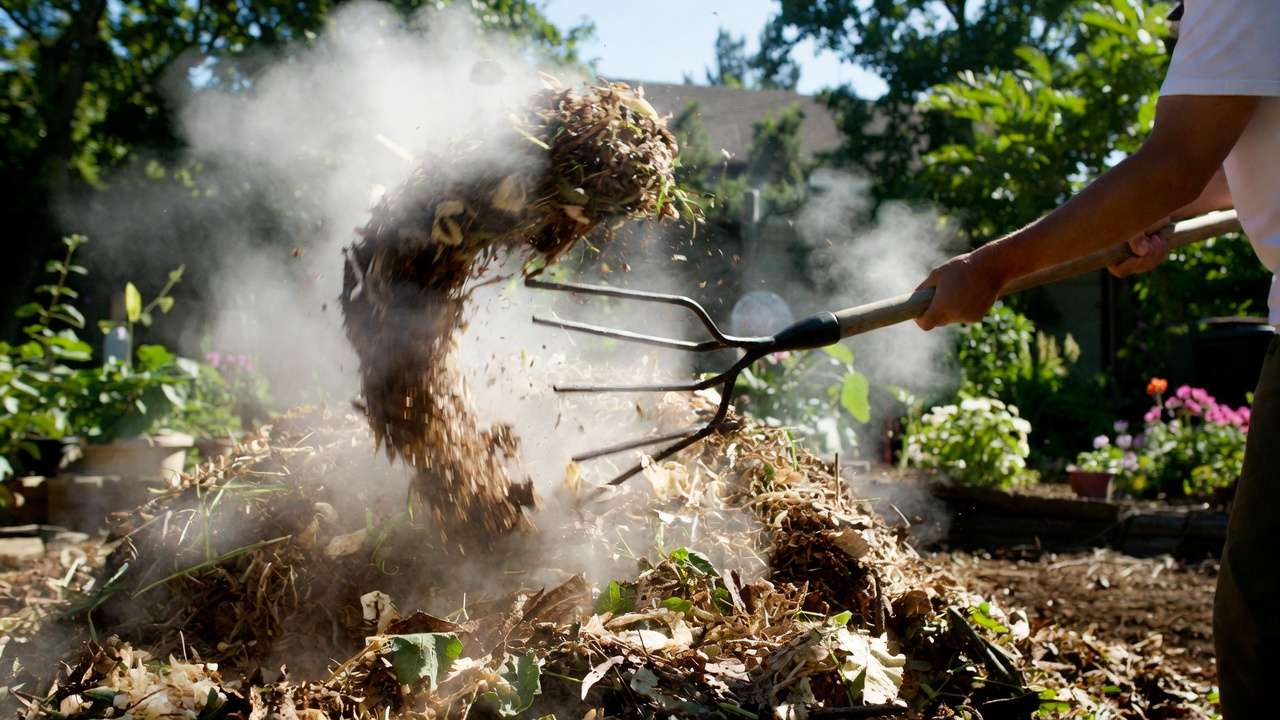
Composting is an aerobic process — microbes need oxygen to thrive and produce heat. Without turning, the pile goes anaerobic, producing odors and slowing decomposition dramatically.
How often? Every 3–7 days for hot/fast composting; less for cold/slow methods.
Tools & tips:
- Use a garden fork or aerator tool for easy turning.
- Tumblers make aeration simple but can dry out faster — monitor moisture.
- Hot composting (frequent turning) reaches 140–160°F to kill weeds/seeds/pathogens; cold is slower but still effective.
Aerated piles break down faster, smell earthy (not rotten), and produce superior humus that improves soil tilth and plant vigor.
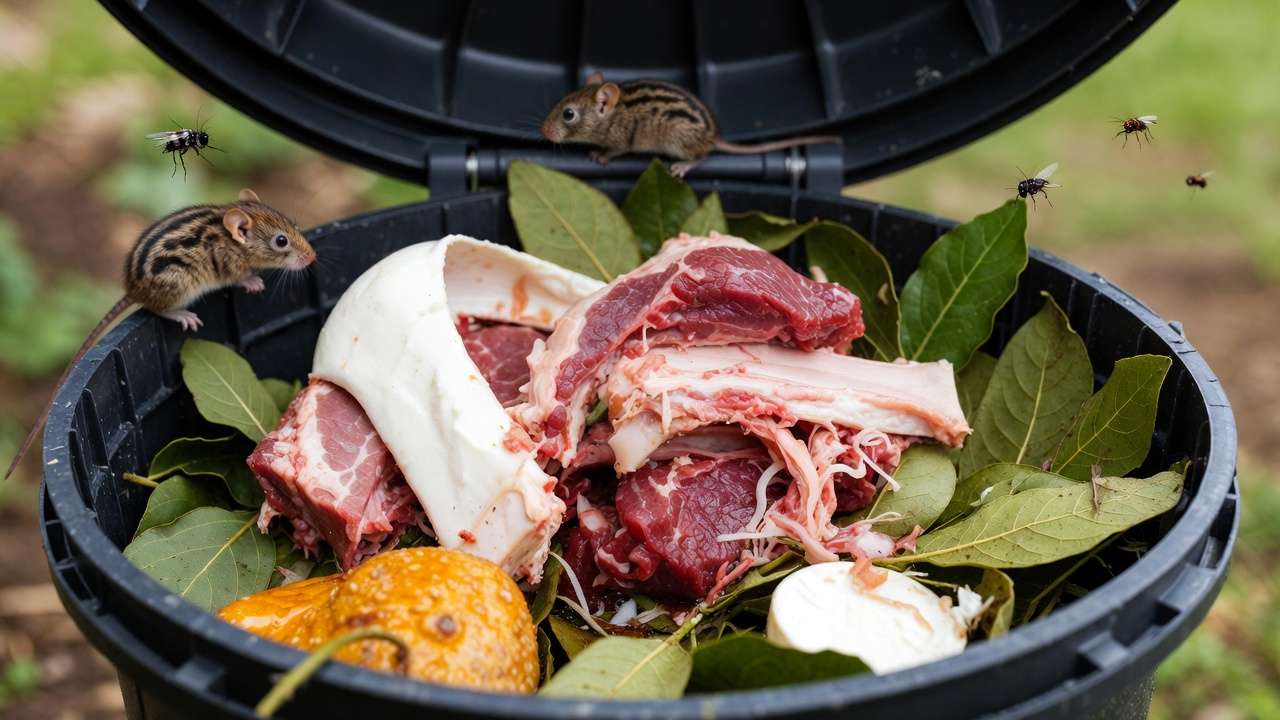
Mistake 4: Adding the Wrong Materials (Including Meat, Dairy, Diseased Plants & More) 🚫
Not everything organic belongs in your home compost pile. Adding problem items invites pests, odors, pathogens, or toxins.
Never add (per EPA, university extensions like Virginia Tech, Cornell):
- Meat, dairy, oils, bones → attract rodents/raccoons, cause foul odors
- Diseased plants or weeds with seeds → spread issues if pile doesn’t get hot enough
- Pet feces (dogs/cats) → potential pathogens
- Treated wood, chemicals, glossy paper → toxins
Gray areas: Citrus peels (ok in moderation, myths overstated), onions/garlic (fine chopped), eggshells (great for calcium — crush them!).
Safe lists:
- Greens: Veggie/fruit scraps, coffee grounds, fresh clippings
- Browns: Dry leaves, cardboard (no tape), straw, shredded paper
Stick to plant-based materials for clean, safe compost that safely feeds your garden without risks.
Mistake 5: Placing Your Compost in the Wrong Location 📍
Location matters more than many gardeners realize. A poorly placed compost pile can make maintenance difficult, slow decomposition, or create neighborhood complaints.
Common location mistakes:
- Too far away or hidden → leads to neglect (out of sight, out of mind)
- Full sun all day → pile dries out quickly, especially in hot climates
- Low-lying or poor-drainage area → becomes waterlogged during rain
- Right next to the house or patio → potential odors/pests bother you
- Under dense evergreen trees → constant needle drop acidifies pile unevenly and blocks airflow
Best placement tips (backed by practical experience and extension recommendations):
- Partial shade (morning sun, afternoon shade) — keeps moisture stable without overheating
- Level ground with good natural drainage
- Convenient access — within a short walk from kitchen and garden beds
- 3–10 feet from structures/fences for airflow and pest control
- For tree care enthusiasts: Position near fruit trees or ornamentals so finished compost can be easily spread as mulch rings (improves soil around roots without digging)
A smart spot makes turning, monitoring, and harvesting effortless — turning a chore into a quick, rewarding habit.
Mistake 6: Being Too Impatient or Using Immature Compost ⏳
One of the sneakiest mistakes: spreading “almost-done” compost too soon. Immature compost still has active decomposition going on, which can:
- Temporarily rob soil nitrogen (microbes use plant-available N to break down carbon)
- Introduce pathogens or weed seeds if it never heated properly
- Burn tender roots with ammonia or unfinished acids
How to know it’s ready:
- Dark brown to black, crumbly texture
- Earthy, forest-floor smell (no ammonia or rot)
- Original materials mostly unrecognizable
- Temperature back to ambient (no longer hot)
- Takes 2–12 months depending on method (hot = faster, cold = slower)
Solutions if you’re impatient:
- Use a two-bin or three-bin system: one active, one maturing, one finished
- Screen out large chunks and return them to the pile
- Make “compost tea” (steep mature compost in water 3–7 days) for a gentle liquid feed while the solids finish
Patience pays off — mature compost delivers steady, safe nutrition that visibly improves plant vigor, tree canopy density, and soil tilth within a single season.
Mistake 7: Ignoring Pests, Odors, or Other Troubleshooting Signs 🐀🤢
When things go wrong, many gardeners just stop composting instead of troubleshooting.
Quick troubleshooting table:
| Problem | Likely Cause | Fast Fix | Prevention Tip |
|---|---|---|---|
| Rotten-egg/ammonia smell | Anaerobic (too wet, compacted) | Turn pile, add browns, aerate deeply | Maintain ratio & moisture, turn regularly |
| Fruit flies / gnats | Exposed food scraps | Bury new greens under 6–8″ browns, cover pile | Use a bin with lid or trench method |
| Rodents / raccoons | Meat/dairy or open pile | Remove attractants, use enclosed tumbler/bin | Stick to plant-based materials only |
| No heat / very slow | Too dry, too small, wrong ratio | Add water + greens, build pile ≥3×3×3 ft | Keep pile size adequate, monitor moisture |
| Too hot (>170°F) | Over-insulated or too much nitrogen | Turn more frequently, add coarse browns | Turn when temp peaks |
Pro tip: Keep a small compost journal — note what you add, moisture level, temperature (use a long thermometer), and turning dates. It helps spot patterns and speeds up learning.
Advanced Tips for Supercharged Compost Success 🌟
Ready to go beyond basics? These expert-level strategies can cut composting time in half and produce even richer results for your plants and trees.
- Shred everything — Use a chipper/shredder or lawn mower for leaves and twigs. Smaller particles = exponentially faster breakdown (surface area effect).
- Inoculate with activators — Add a shovelful of finished compost, garden soil, or commercial compost starter at the beginning to jump-start microbial populations.
- Boost nutrient density — Layer in dynamic accumulators like chopped comfrey leaves (high potassium), stinging nettle (iron, silica), or well-aged manure (if you have access to horse/cow — never fresh poultry).
- Coffee grounds & eggshells galore — Coffee grounds are near-perfect greens (slightly acidic but buffered in mix); crushed eggshells add slow-release calcium to prevent blossom-end rot in tomatoes and tip burn in trees.
- Seasonal tweaks — In winter, insulate piles with straw bales or tarps to keep microbes active; in summer, shade and water more frequently.
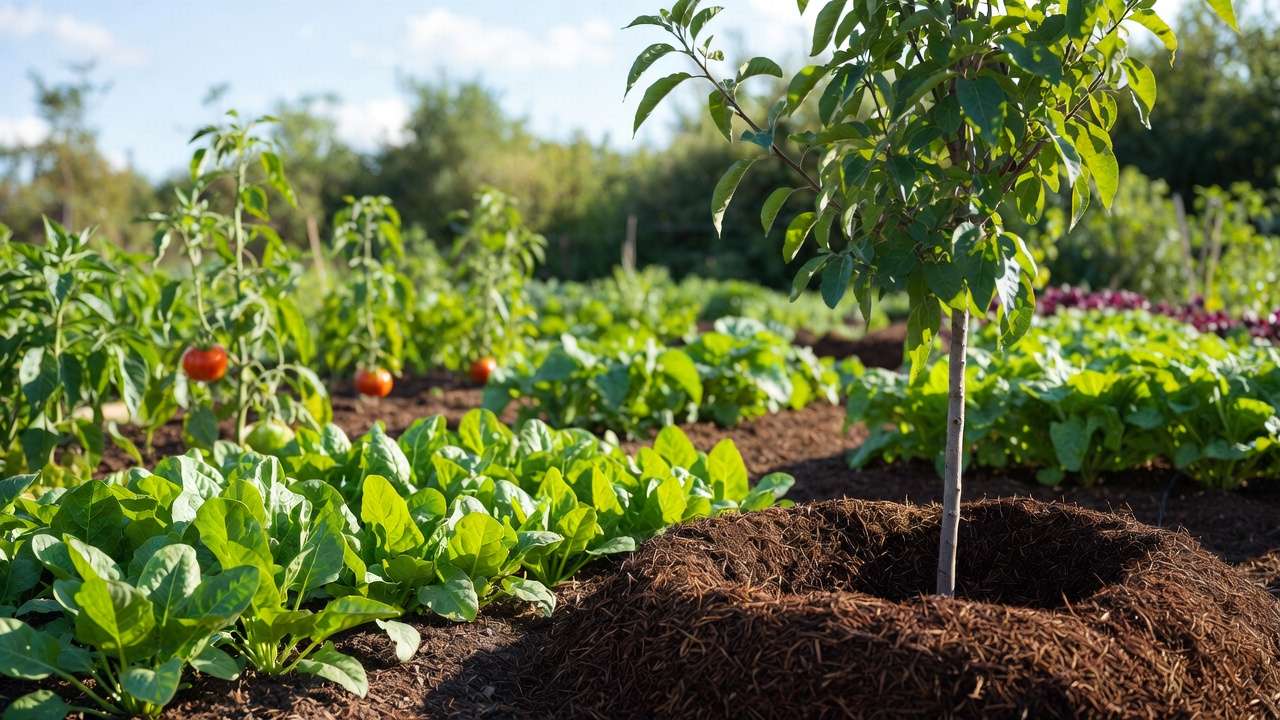
- Compost for trees — Apply 2–4 inches of finished compost as a mulch ring (keep away from trunk to prevent rot), extending to the drip line. This feeds mycorrhizal fungi networks critical for tree health.
- Eco bonus — Every cubic yard of home compost diverts ~200–300 lbs of waste from landfills and sequesters carbon in your soil long-term.
How to Use Your Perfect Compost for Healthier Plants and Trees
Once your compost is dark, crumbly, and sweet-smelling, here’s how to maximize its benefits:
- Veggie & flower beds — Mix 1–2 inches into top 6–8 inches of soil before planting, or top-dress around established plants.
- New tree planting — Blend 20–30% compost into backfill soil for better root establishment (but don’t overdo — pure compost can hold too much water).
- Established trees — Spread 1–3 inches as mulch in spring/fall; water in well. Reapply annually.
- General rule — ¼–½ inch per year is plenty for most gardens; more is not always better (can lead to nutrient imbalance).
Gardeners who make these corrections often report noticeably greener foliage, faster growth, fewer pest issues, and higher fruit/flower production within one growing season.
Frequently Asked Questions (FAQ)
What is the fastest way to fix a smelly compost pile? 🤔 Turn it immediately, add lots of dry browns (shredded cardboard works great), and cover to control moisture. Smell usually disappears within days.
Can I compost in a small urban space or apartment? Yes! Use a countertop bokashi system, worm bin (vermicomposting), or compact tumbler on a balcony. Even small batches improve potting soil dramatically.
Is it okay to add coffee grounds, eggshells, citrus, or onions? Yes to all in moderation. Coffee grounds and eggshells are excellent; citrus and onions break down fine when chopped and mixed well (myths about acidity/pH are overstated in balanced piles).
How do I know my compost is fully finished and safe to use? It looks like rich soil, smells earthy, no recognizable bits remain, and the pile has cooled completely. A germination test (sprout cress seeds in it) confirms maturity.
Tumbler vs. open pile — which is better for beginners? Tumblers are easier to turn and pest-proof but can dry out faster and hold less volume. Open piles (or three-bin systems) allow bigger batches and hotter composting — ideal if you have space.
Do I need to buy a fancy compost bin? Not at all. A simple pile, homemade wire bin, or pallet enclosure works wonderfully and saves money.
Conclusion
Composting doesn’t have to be complicated or frustrating. By avoiding these common composting mistakes to avoid — from ratio errors and poor aeration to impatience and wrong materials — you’ll soon have a steady supply of nutrient-rich, living soil amendment that transforms your garden.
Your plants will grow stronger, your trees will develop deeper roots and better resilience, your soil will hold moisture longer, and you’ll feel the satisfaction of closing the loop on kitchen and yard waste. Start small, observe, adjust, and enjoy the process.
Ready to fix your pile today? Grab that fork, check your ratio, give it a good turn, and watch the magic happen 🌿. Your garden — and the planet — will thank you.











