
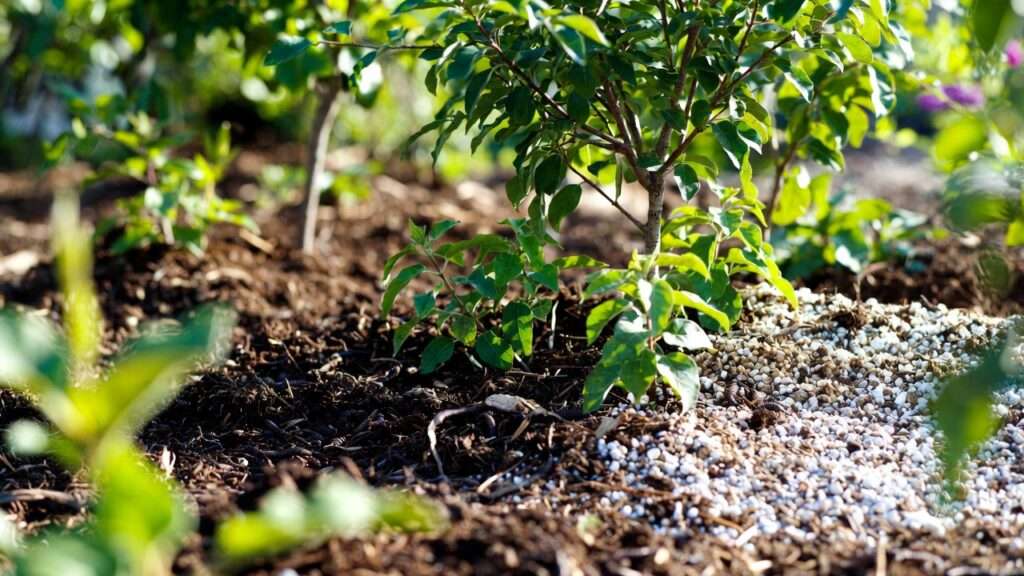
Have you ever poured your heart into planting a beautiful tree or tending a vibrant garden, only to watch it struggle with yellow leaves, stunted growth, or constant wilting despite regular watering and care? 😩 You’re not alone—many gardeners and tree lovers face this frustration because the root of the problem often lies beneath the surface: poor soil structure, inadequate drainage, low nutrient availability, or weak microbial life.
The good news? Organic vs. inorganic soil amendments offer powerful solutions to transform lackluster soil into a thriving foundation for healthy plants and trees. Organic amendments, like compost and aged manure, build long-term soil vitality by feeding beneficial microbes and improving structure over time. Inorganic amendments, such as perlite, gypsum, or lime, deliver quick, targeted fixes for issues like compaction, poor drainage, or pH imbalances.
In this in-depth guide, we’ll explore the key differences, pros and cons, real-world applications for gardens and trees, and expert strategies to help you decide—or smartly combine—organic vs. inorganic soil amendments for the best results. Whether you’re reviving a struggling fruit tree, establishing new garden beds, or maintaining urban landscaping in challenging soils (common in many regions), you’ll walk away knowing exactly how to create resilient, nutrient-rich soil that supports vigorous growth, better drought resistance, and fewer pests/diseases. Let’s dig in! 💪🌱
What Are Soil Amendments and Why Do They Matter? 🧐
Soil amendments are materials added to your existing soil to enhance its physical, chemical, or biological properties—without primarily acting as a fertilizer (though many provide bonus nutrients). Unlike fertilizers, which deliver quick nutrient boosts, amendments focus on long-term soil improvement: better structure for root penetration, improved water retention and drainage, balanced pH, and a vibrant underground ecosystem.
Why are they essential for plants and trees? Healthy soil directly impacts everything above ground. Compacted, nutrient-poor, or waterlogged soil leads to shallow roots, susceptibility to diseases like root rot, nutrient deficiencies (showing as chlorosis or poor fruiting), and higher maintenance needs. For trees especially—whose roots can extend far beyond the planting hole—amended soil promotes deep, expansive root systems that anchor the tree, access water during dry spells, and support decades of healthy growth.
Research from university extensions (like Colorado State and Oregon State) shows that increasing soil organic matter to 5-10% can dramatically boost water-holding capacity by 20-30% in sandy soils and improve aeration in clays, leading to healthier plants overall. 📈 The right amendments solve these common problems, saving you time, money, and heartbreak in the long run.
Understanding Organic Soil Amendments 🌱🍂
Organic soil amendments come from once-living sources—plants, animals, or microbes—and they excel at building sustainable soil health.
Common examples include:
- Compost (from kitchen scraps, yard waste, or mushroom compost) – the gold standard for balanced improvement 🌿
- Aged manure (cow, horse, chicken—always well-composted to avoid pathogens or burning roots) 🐄
- Worm castings/vermicompost – nutrient-rich and microbe-packed 🪱
- Leaf mold, peat moss alternatives (like coconut coir), biochar, and cover crop residues.
Key benefits:
- They gradually increase soil organic matter (SOM), improving structure, aeration, water infiltration, and nutrient-holding capacity (via higher cation exchange capacity or CEC).
- Feed the soil food web—bacteria, fungi, earthworms, and other microbes—creating a living ecosystem that suppresses diseases and cycles nutrients naturally.
- Provide slow-release nutrients (including trace elements) plus enhanced drought and pest resistance.
- Promote better aggregation, reducing compaction and erosion.
University extension services emphasize that organic matter is often the single best amendment for most soils, with ideal levels around 5-10% for gardens and slightly lower (3-5%) for some native or arid conditions.

Drawbacks:
- Results take time (weeks to years for full benefits as microbes break them down).
- Risk of weeds, pathogens, or nutrient imbalances if not properly aged/composted.
- Nutrient content varies, so soil testing is key.
For tree care, organics shine in building deep, resilient root zones without shocking young plants.
Understanding Inorganic Soil Amendments 🪨⚗️
Inorganic amendments are mineral-based, mined, or manufactured materials that don’t decompose. They’re fantastic for immediate, precise corrections.
Common examples include:
- Perlite and vermiculite – lightweight for aeration and drainage 💨
- Coarse sand or gravel (for specific drainage needs).
- Gypsum – breaks up clay compaction and addresses sodium issues.
- Lime or dolomite – raises pH in acidic soils.
- Expanded clay, shale, or rock dusts (like azomite for trace minerals).
Key benefits:
- Instant physical changes—e.g., perlite prevents waterlogging in heavy soils right away.
- Targeted solutions: gypsum flocculates clay particles for better structure without adding nutrients.
- Long-lasting (they don’t break down over time).
- Ideal for problem soils like dense urban clay or sandy lots where quick drainage fixes are needed.
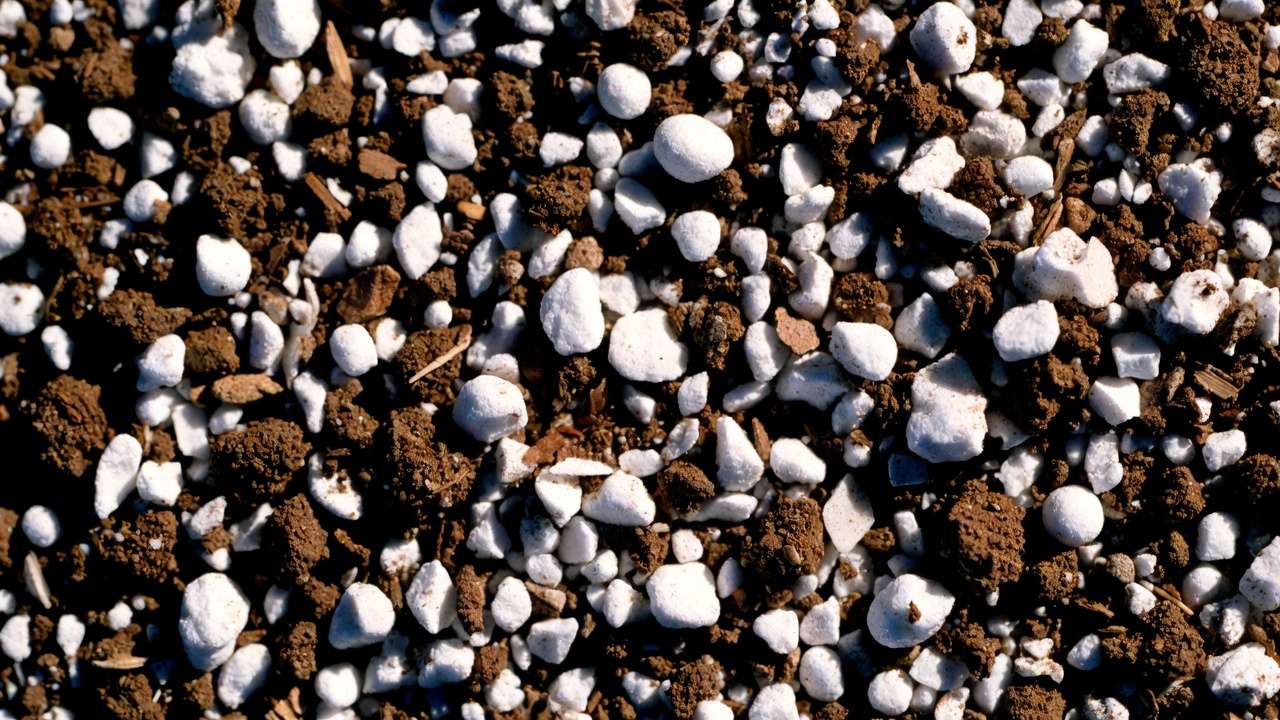
Drawbacks:
- No contribution to organic matter or microbial life—overuse can even disrupt biology.
- Don’t build long-term fertility or water/nutrient retention like organics.
- Potential for imbalances (e.g., too much sand in clay creates concrete-like texture—always pair wisely).
Inorganics are problem-solvers, not builders—perfect when organics alone aren’t enough.
Head-to-Head Comparison: Organic vs. Inorganic 🌿🆚🪨 (Detailed Breakdown)
To make the decision clearer, let’s dive deeper into how these two categories stack up across the factors that matter most to home gardeners, orchardists, and tree caretakers.
1. Speed & Timing of Results ⚡ Inorganic amendments usually deliver noticeable improvements within days to a few weeks. Adding perlite to a soggy potting mix or gypsum to sodic clay can transform drainage almost immediately. Organic amendments work more gradually — compost might improve tilth within one growing season, but building meaningful soil organic matter (SOM) levels often takes 2–5 years of consistent use. → Winner for quick fixes: Inorganic. Winner for lasting transformation: Organic.
2. Soil Biology & Microbial Life 🦠🪱 Organic materials are food for the soil microbiome. Compost, worm castings, and leaf mold feed bacteria, mycorrhizal fungi, protozoa, and nematodes — the tiny workforce that makes nutrients plant-available, suppresses pathogens (like Fusarium and Pythium), and creates stable soil aggregates. Inorganic amendments are biologically inert. They don’t feed microbes and, in excess (especially high-salt products), can harm them. → Clear winner: Organic (essential for regenerative, low-input gardening).
3. Nutrient Supply & Cation Exchange Capacity (CEC) 🍎 Organic amendments act as slow-release nutrient banks. Well-made compost typically provides 1–3% N, 0.5–2% P₂O₅, 1–3% K₂O plus calcium, magnesium, sulfur, and dozens of trace elements. High CEC (often 100–300 meq/100g in mature compost) means they hold onto positively charged nutrients so plants can access them over time. Most inorganic amendments contribute zero or very little nutrition (exceptions: agricultural lime adds calcium, gypsum adds calcium + sulfur, rock dusts supply trace minerals slowly). Their CEC is usually low. → Winner: Organic for fertility building.
4. Physical Soil Structure & Water Management 💧 Both can improve structure, but in different ways. Organics promote crumbly, well-aggregated soil through microbial glues (polysaccharides, glomalin). Inorganics provide structural support: perlite/vermiculite create air pockets, coarse sand improves macroporosity in clay, gypsum helps flocculate clay particles so water moves through instead of ponding. → Winner depends on the problem: Inorganic for instant drainage/aeration; Organic for long-term resilience against drought and compaction.
5. Cost, Labor & Sustainability 💰♻️ Organic: Often cheapest long-term if you compost at home or source locally (manure, leaves, grass clippings). Labor-intensive at first but builds self-sustaining soil. Carbon-sequestering and environmentally friendly. Inorganic: Upfront cost can be higher (especially bagged perlite/vermiculite), but one-time application in many cases. Mining/manufacturing has ecological footprint concerns for some products. → Winner for budget & planet: Organic (with smart sourcing).
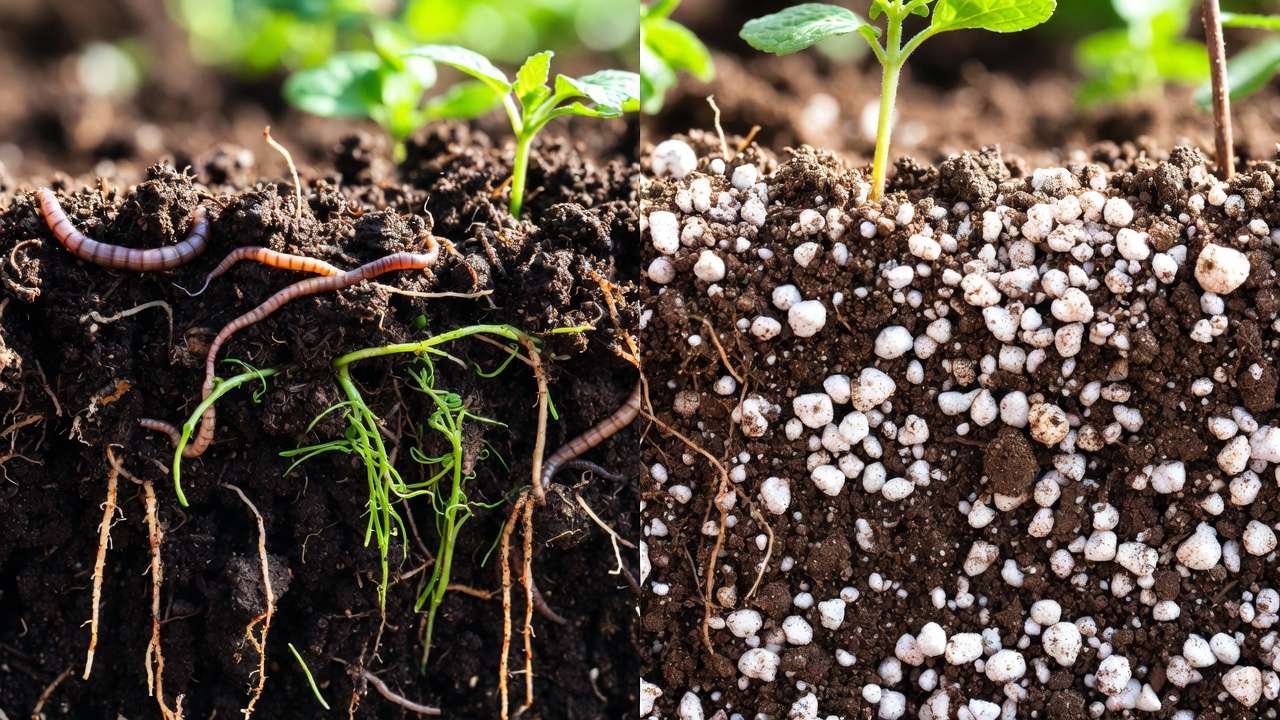
Quick-reference comparison table (ideal for skimming):
| Factor | Organic Amendments | Inorganic Amendments | Best For |
|---|---|---|---|
| Speed | Slow–medium | Fast | Quick rescue: Inorganic |
| Microbial boost | High | Low–none | Living soil: Organic |
| Nutrient supply | Slow-release + traces | Minimal–none | Fertility: Organic |
| Drainage/aeration | Gradual improvement | Immediate & precise | Poor drainage: Inorganic first |
| Longevity of effect | Builds over years | Permanent (doesn’t decompose) | Sustainability: Organic |
| Environmental impact | Positive (carbon sink) | Neutral to negative (mining) | Eco-conscious: Organic |
Which Is Best for Healthy Plants and Trees? (Practical Decision Guide) 📊🌳
There is no universal “best” — the right choice depends on your soil test results, plant/tree species, climate, and goals. Here’s how to decide:
Step 1: Always Start with a Soil Test 🔬 Get a basic soil test (pH, texture, organic matter %, major nutrients, CEC) from a reputable lab or university extension service. Dhaka-area gardeners can use services from BARI (Bangladesh Agricultural Research Institute) or local agricultural universities. Without this data, you’re guessing.
Step 2: Match Amendment to Your Specific Situation
- Heavy clay soil (common in many parts of Bangladesh): First improve drainage with gypsum (1–2 kg/m²) + coarse sand/perlite if raised beds. Then layer on compost and mulch heavily to prevent re-compaction. Avoid adding too much sand without organics — you’ll get concrete!
- Sandy or low organic matter soil: Organic priority — incorporate 5–10 cm of compost/manure/worm castings annually. Biochar can help retain moisture and nutrients longer.
- New fruit/nut/ornamental tree planting: Dig a wide hole (2–3× root ball width), mix 30–40% compost or leaf mold with native soil. Add gypsum only if test shows high sodium or extreme compaction. Avoid fresh manure near roots.
- Acid-loving plants (azaleas, blueberries — less common in Dhaka but popular in pots): Use elemental sulfur or pine bark fines (inorganic/organic combo) to lower pH gradually.
- Container gardening / rooftop/urban pots: Balanced mix: 40–50% high-quality compost + 30% perlite/vermiculite + 20% coco coir or peat alternative. Replenish organics yearly.
- Established trees showing decline: Top-dress with 5–8 cm compost or aged manure in a wide ring (drip line), aerate soil lightly, and mulch. Add gypsum only if soil test confirms need.
Golden rule most experts follow: Fix urgent physical/chemical problems with targeted inorganic amendments first → then build long-term health with generous organic inputs.
How to Apply Soil Amendments Effectively 🛠️🔧
Getting the best results requires more than just dumping material on the ground. Proper timing, rates, and methods make all the difference—especially in Dhaka’s often clay-heavy, monsoon-influenced soils.
Step 1: Soil Testing Comes First 🔬 Before adding anything, test your soil every 1–2 years. Focus on:
- pH (ideal 6.0–7.0 for most plants/trees; 5.5–6.5 for acid-lovers)
- Texture (sand/silt/clay %)
- Organic matter %
- Major nutrients (N-P-K) + calcium, magnesium, sodium Local options in Bangladesh: Soil testing labs at BARI, DAE offices, or private labs in Dhaka (e.g., around Farmgate or Savar). Cost is usually low and results guide everything.
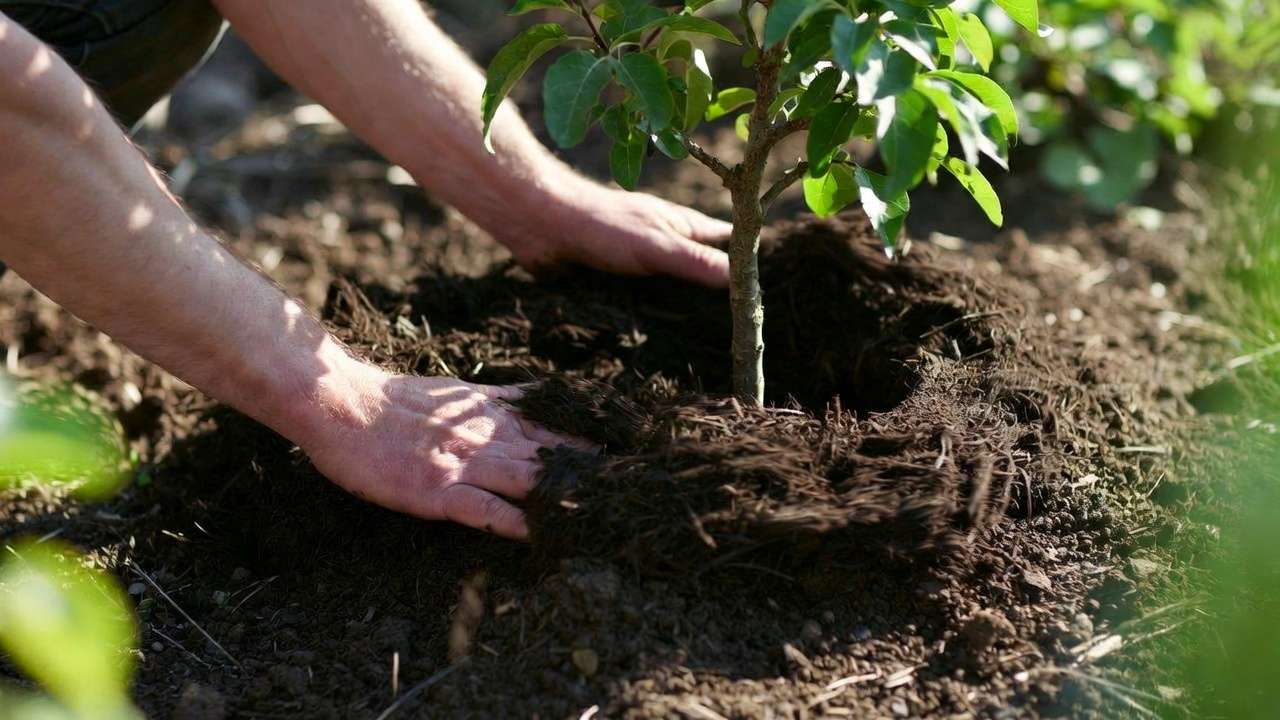
Step 2: Application Rates & Timing General guidelines (adjust based on soil test):
- Compost / aged manure: 5–10 cm (2–4 inches) layer worked into top 15–20 cm for new beds; 3–5 cm top-dress annually for established areas.
- Worm castings: 1–2 cm layer or mix 10–20% into potting soil.
- Perlite / vermiculite: 10–30% by volume in heavy soils or containers.
- Gypsum: 1–2 kg per square meter (follow soil test for sodium/compaction issues); apply once and re-test in 1–2 years.
- Lime: Only if pH < 6.0; typical rate 0.5–2 kg/m² agricultural lime — never guess!
Best timing in Dhaka climate
- Pre-monsoon (Feb–April): Incorporate amendments before heavy rains so they settle.
- Post-monsoon / early winter (Oct–Dec): Excellent for top-dressing organics around trees — rain helps nutrients move down.
- Avoid mid-summer peak heat or during active monsoon flooding.
Step 3: Incorporation Methods
- New beds / vegetable gardens: Spread evenly, then double-dig or till lightly (10–20 cm depth). Avoid deep tillage under trees — it damages roots.
- Around established trees: Create a wide mulch ring (extend to drip line if possible). Spread compost/manure 5–8 cm thick, keeping it 10–15 cm away from trunk to prevent rot. Lightly fork/aerate soil first if compacted.
- Containers / raised beds: Mix thoroughly before planting. Refresh surface organics yearly.
- No-dig / lasagna gardening: Layer cardboard → compost → mulch → more compost. Worms and microbes do the work over time.
Common Mistakes to Avoid ❌
- Adding fresh manure → root burn from ammonia.
- Over-amending containers → nutrient lock-up or poor drainage.
- Ignoring pH → lime or sulfur applied blindly can worsen imbalances.
- Sand + clay without organics → creates rock-hard “concrete” soil.
Real-World Examples & Case Studies 🌳📖
Example 1: Reviving a Struggling Mango Tree in Urban Dhaka A 7-year-old mango tree in Mirpur showed yellow leaves, small fruit, and little new growth. Soil test: pH 7.8 (slightly alkaline), high sodium, low organic matter (~1.8%), compacted clay. Solution:
- Applied gypsum at 1.5 kg/m² in a wide ring (drip line) to improve structure and reduce sodium.
- Top-dressed with 6 cm well-aged cow manure + home-made compost.
- Mulched with dry leaves and rice straw 8–10 cm thick. Result after 18 months: Deeper green leaves, 40% more fruit set, visible earthworm activity. The inorganic fix addressed the immediate compaction/sodium issue; organics rebuilt biology and fertility.
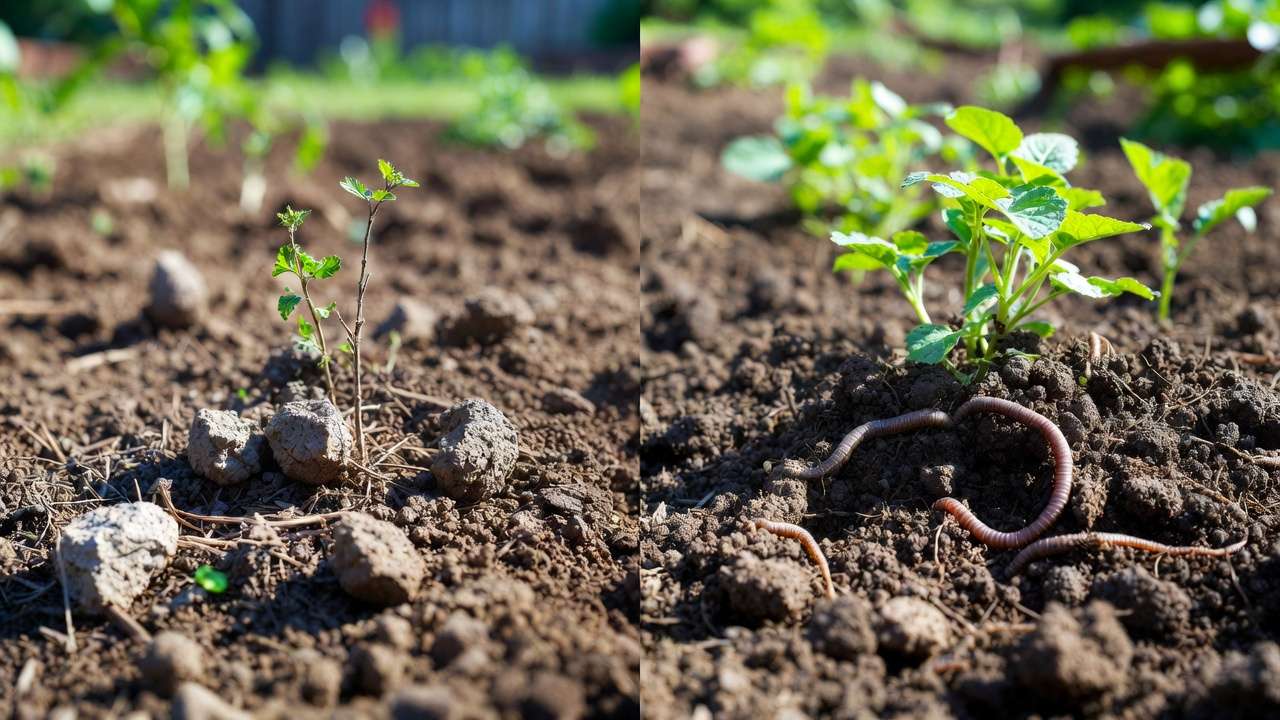
Example 2: Transforming a Rooftop Vegetable Garden Heavy clay brought in for raised beds led to waterlogging and poor tomato/pepper yields. Solution: Mixed native soil 50% + 30% compost + 20% perlite/vermiculite. Added worm castings at planting. Result: Excellent drainage, roots grew vigorously, plants produced 2–3× more fruit with less watering. Hybrid approach prevented soggy roots while feeding plants long-term.
Example 3: Acidic Potting Mix for Potted Hibiscus & Bougainvillea Common issue in Dhaka balconies — pH drops below 5.8 from rainwater + peat-based mixes. Solution: Blend coco coir + compost + small amount of dolomite lime (to gently raise pH) + perlite for drainage. Result: Vibrant blooms, no leaf chlorosis.
These real scenarios show that targeted inorganic use + generous organic follow-up often outperforms using just one type.
Expert Tips & Pro Recommendations ✨
- DIY Compost is King — Start a simple bin with kitchen scraps, dry leaves, and cow dung. Turn every 2–3 weeks for faster breakdown.
- Biochar Boost — In sandy or nutrient-leaching soils, add 5–10% biochar (charged with compost tea) for dramatic water + nutrient retention.
- Mulch Always — Organic mulch (straw, leaves, wood chips) on top prevents compaction, retains moisture, and slowly feeds soil.
- Mycorrhizal Inoculants — Add to planting holes for trees — they supercharge root efficiency with organics.
- Monitor Progress — Look for: crumbly soil texture, lots of earthworms, darker color, vigorous new growth, fewer diseases.
Frequently Asked Questions (FAQs) ❓
Here are the most common questions gardeners and tree caretakers ask when deciding between organic vs. inorganic soil amendments — with clear, practical answers.
1. Can I (and should I) use both organic and inorganic amendments together? Yes — and in most cases, you should. The hybrid approach is what professional horticulturists and regenerative gardeners recommend most often. Use inorganic amendments to quickly correct urgent physical or chemical problems (poor drainage, extreme pH, high sodium, severe compaction), then follow up with generous organic inputs to build long-term fertility, microbial life, and resilience. Example: Gypsum + compost in clay soil, or perlite + worm castings in containers. This combination usually gives faster and more sustainable results than using just one type.
2. How much organic matter is ideal for trees vs. garden plants?
- Vegetable/flower beds & annuals: Aim for 5–10% soil organic matter (SOM) — the sweet spot for most productive gardens.
- Fruit trees, nut trees, ornamentals: 3–8% SOM is excellent; many native or established trees thrive closer to 3–5% once mature.
- Young/newly planted trees: Push toward the higher end (6–8%) in the planting zone to support rapid root establishment. You can measure SOM with a good soil test. Adding 2–5 cm of compost or aged manure annually usually maintains or slowly increases levels in Dhaka’s often low-SOM urban soils.
3. Are inorganic amendments bad for the environment or soil life? Not inherently — but it depends on the product and how you use it.
- Perlite, vermiculite, expanded clay: Generally safe and inert; minimal impact if not over-applied.
- Gypsum & agricultural lime: Naturally occurring minerals; very low risk when rates follow soil test recommendations.
- Rock dusts (azomite, glacial): Add trace minerals slowly and safely. Overuse of high-salt or heavily processed products can stress microbes temporarily. The key is moderation + pairing with organics to support biology. Organic amendments remain the cornerstone for eco-friendly, carbon-sequestering soil building.
4. What’s the real difference between soil amendments and fertilizers?
- Amendments improve soil’s physical structure (drainage, aeration, water holding), chemical balance (pH, CEC), or biological activity. Many provide slow-release nutrients as a bonus.
- Fertilizers primarily supply concentrated, fast-available nutrients (N-P-K) for immediate plant uptake. Example: Compost is an amendment (builds soil) that also fertilizes slowly. Urea or NPK granules are straight fertilizers — great for quick boosts but don’t fix poor soil structure.
5. How often should I re-apply amendments?
- Organic (compost, manure, leaf mold): Annually or twice yearly (pre-monsoon + post-monsoon) as top-dress or light incorporation. Trees benefit from a wide mulch ring refreshed every 12–18 months.
- Inorganic (perlite, vermiculite, coarse sand): Usually one-time mix-in for containers or beds; re-apply only if soil settles/compacts again.
- Gypsum / lime: Every 2–4 years, but only if follow-up soil tests show ongoing need. Never apply blindly each year.
6. Is it okay to use mushroom compost or spent coffee grounds? Yes — both are excellent organics!
- Mushroom compost: Well-aged, high in organic matter, slightly alkaline — great for most veggies and trees (avoid acid-lovers).
- Coffee grounds: Mildly acidic, good nitrogen source; best mixed into compost first or used sparingly (max 10–20% of mix) to avoid clumping or temporary nitrogen tie-up.
Conclusion: Build the Soil Your Plants and Trees Deserve 🌟🌍
After comparing the science, real-world results, and expert practices, one truth stands out: there is no single “winner” in the organic vs. inorganic soil amendments debate.
Organic amendments are the foundation for long-term soil health — feeding the living ecosystem underground, building drought resistance, improving nutrient cycling, and creating disease-suppressive conditions that let plants and trees thrive with less human intervention.
Inorganic amendments are powerful precision tools — delivering fast relief from drainage disasters, compaction, pH extremes, or sodium issues that organics alone can’t fix quickly enough.
The smartest, most effective strategy (and the one used by successful gardeners across climates, including Dhaka’s challenging urban and monsoon conditions) is almost always a thoughtful combination: → Solve immediate structural or chemical barriers with targeted inorganic amendments. → Then invest heavily in organic matter to nurture the soil food web and sustain vitality for years.
Start small: Get a soil test this season (it’s one of the highest-ROI steps you can take). Fix any red flags with the right inorganic helper if needed. Then commit to consistent organic inputs — homemade compost, aged manure, mulch, cover crops — and watch your garden and trees respond with deeper roots, greener leaves, more flowers/fruits, and far fewer problems.
Your plants and trees don’t need perfect soil — they need living, functional soil. You now have the roadmap to give it to them.
Happy gardening.











