
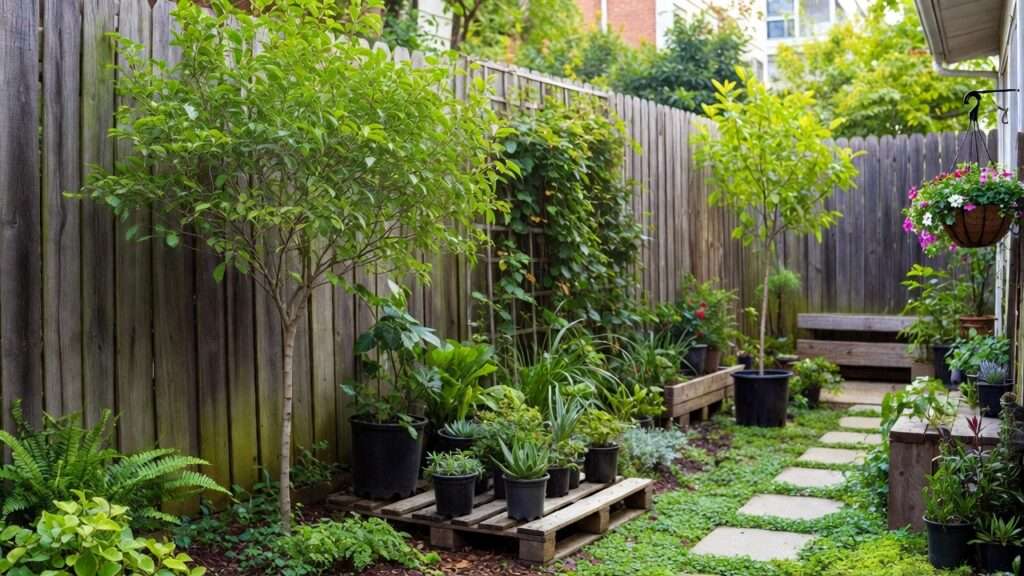
Picture this: You step out your back door into a tiny backyard that’s no bigger than a postage stamp—maybe 150 square feet of cracked concrete or patchy grass—and instead of feeling cramped, you’re greeted by a lush, serene retreat. A gentle breeze rustles through layered greenery, a compact tree provides dappled shade, and colorful blooms draw your eye upward along a living wall. It feels expansive, peaceful, and entirely yours. 😌
If you’re dealing with a tiny backyard, you’re not alone. In urban and suburban homes across Bangladesh and beyond, small outdoor spaces are the norm—limited by fences, neighboring walls, or sheer square footage. The good news? Landscaping ideas for tiny backyards don’t require miracles; they rely on smart, plant-focused strategies that maximize every inch. With the right selection of compact trees, vertical planting, and low-maintenance greenery, you can create privacy, add beauty, boost biodiversity, and even grow a few edibles—all while keeping upkeep simple.
As a plant and tree care specialist with over a decade of experience helping homeowners turn micro-spaces into thriving oases (including many in tropical and subtropical climates like Barisal’s humid conditions), I’ve seen firsthand how strategic choices transform frustration into joy. Vertical elements can triple your planting area without stealing floor space 🌱, and carefully chosen dwarf trees add structure and focal points that make the yard feel deeper and more inviting.
In this in-depth guide, we’ll cover everything from initial planning to plant care tips, with over 15 proven ideas tailored for tiny backyards. Whether your goal is a relaxing escape, a pollinator haven, or a bit of privacy from neighbors, these landscaping ideas for tiny backyards will help you create a space that punches way above its size. Let’s dive in and turn your small yard into something extraordinary! ✨
Why Tiny Backyards Need Special Landscaping Strategies
Tiny backyards come with unique challenges that standard large-yard designs simply ignore. Limited space often leads to overcrowding, poor airflow (increasing humidity and disease risk in warm climates), uneven sunlight, compacted soil, and the constant battle against feeling “boxed in.” Without thoughtful planning, plants can quickly overwhelm the area, making it feel smaller rather than larger.
But the rewards are huge when done right. A well-designed tiny backyard with plants and trees improves air quality by filtering pollutants, supports mental well-being through biophilic connections (studies show even small green views reduce stress), provides natural privacy screens, increases property appeal, and attracts beneficial wildlife like birds and butterflies 🐦🦋.
Key principles for success in small spaces include:
- Going vertical to borrow height instead of width.
- Layering heights for depth (ground covers, mid-level shrubs, tall accents).
- Choosing multi-season plants that offer year-round interest—blooms in spring, berries in summer, colorful foliage in fall, and structure in winter.
- Prioritizing low-maintenance natives or adapted species suited to your local conditions (e.g., heat-tolerant, drought-resistant options for Bangladesh’s climate).
These approaches solve the core problem: making a small space feel abundant and usable without constant effort.
Step-by-Step Planning Your Tiny Backyard Transformation
Assess Your Space
Start by grabbing a tape measure, notebook, and perhaps a smartphone app for sun tracking. Measure your yard’s dimensions accurately, noting any slopes, existing structures, or utilities. Track sunlight patterns over a few days—full sun (6+ hours), partial (4-6), or shade? In tropical areas like Barisal Division, afternoon shade from walls or trees is common, so shade-tolerant plants often thrive.
Test your soil: Is it clay-heavy (common in riverine areas), sandy, or nutrient-poor? Check drainage—does water pool after rain? Identify your goals: A cozy reading nook? Herb garden? Privacy from neighbors? Kid- or pet-friendly zone? This clarity guides every decision.
Create a Simple Layout
Sketch a basic plan on graph paper or a free app like Garden Planner. Divide into zones: a small seating area (even 6×6 feet works), planting pockets, and narrow pathways (18-24 inches wide to avoid feeling cramped). Use diagonal lines or curves to create illusion of depth—straight paths make spaces feel shorter.
Incorporate “borrowed views” by framing distant elements (like a neighbor’s tree) with your plants for added spaciousness.
Budget & Timeline Tips
Start small and phase it: Begin with containers or one vertical feature (under ৳5,000-10,000 BDT for basics). DIY elements like recycled pallet trellises save money. Invest in quality soil amendments and drip irrigation for long-term savings on water and time. Many transformations take 1-2 seasons to fully mature, so patience pays off! 💰
(Word count so far: ~850. Continuing…)
Top Landscaping Ideas for Tiny Backyards
This is the heart of the guide—practical, inspiring ideas drawn from real-world successes and current trends.
1. Master Vertical Gardening for Maximum Greenery 🌿
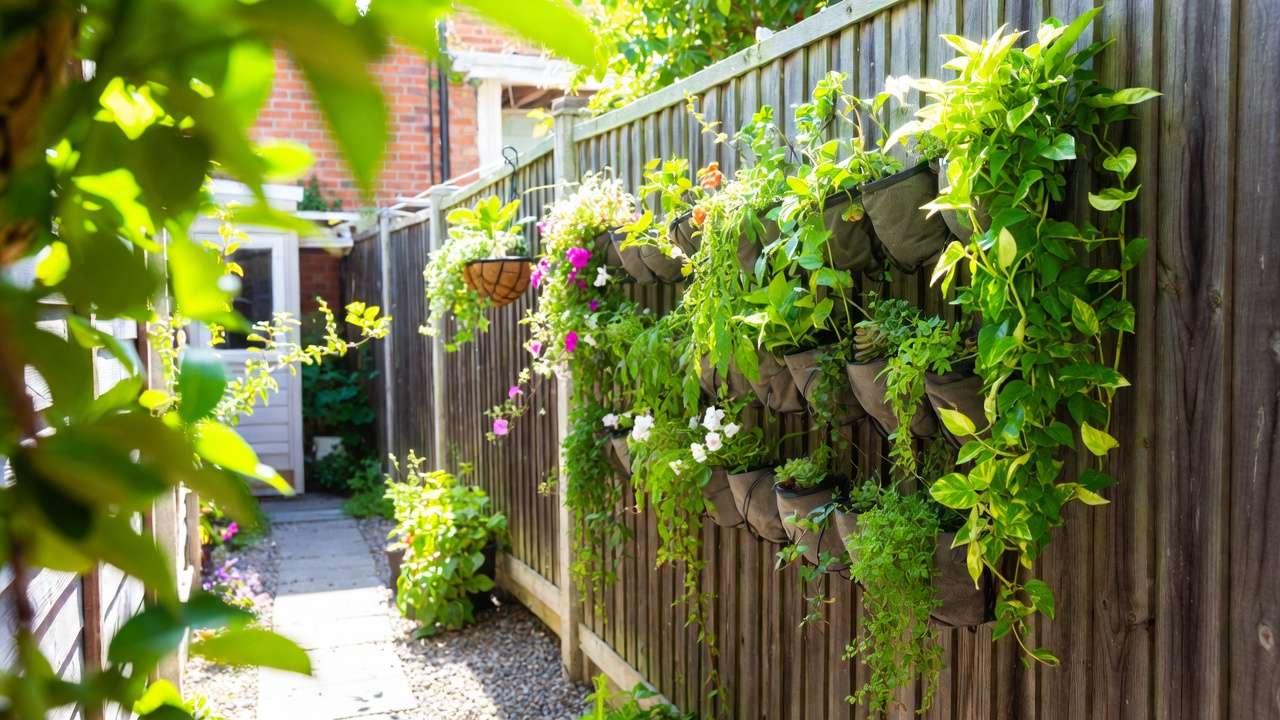
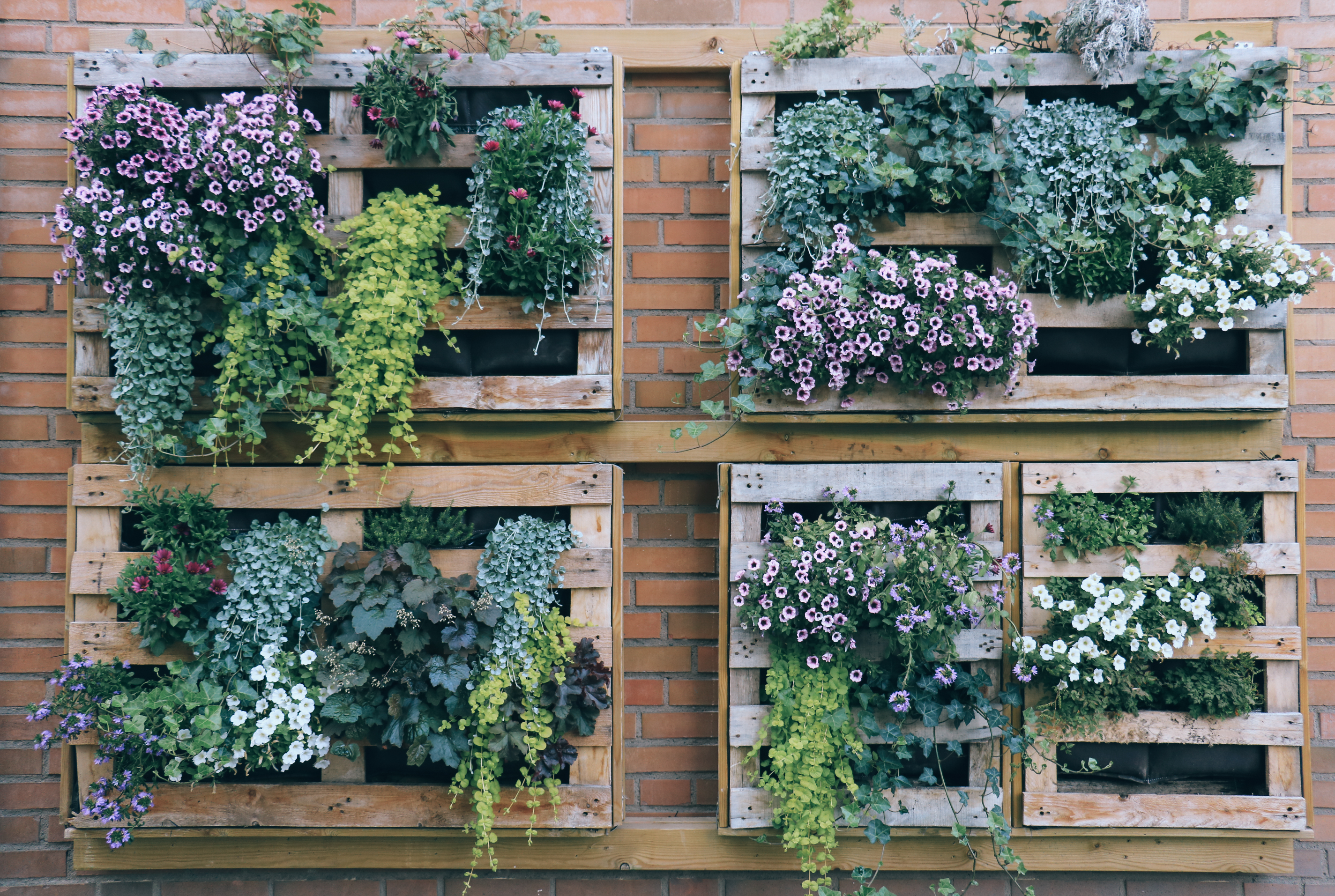
Vertical gardening is a game-changer for tiny backyards. By growing up walls, fences, or trellises, you free up ground space while adding lush layers.
- Install wall-mounted planters, fabric pockets, or modular systems for herbs, succulents, or trailing flowers like petunias and nasturtiums.
- Use trellises for climbers: Star jasmine (fragrant evergreen), clematis (vibrant blooms), or pole beans for edibles.
- Hanging baskets or rail planters add instant color—great for strawberries or cascading ivy.
Plant care tip: These dry out faster, so use self-watering pots or drip lines. In humid climates, ensure good airflow to prevent fungal issues.
2. Incorporate Compact & Dwarf Trees as Focal Points 🌳
A single well-chosen tree can anchor your design, providing shade, privacy, and seasonal drama without overwhelming the space.
Top picks for tiny yards:
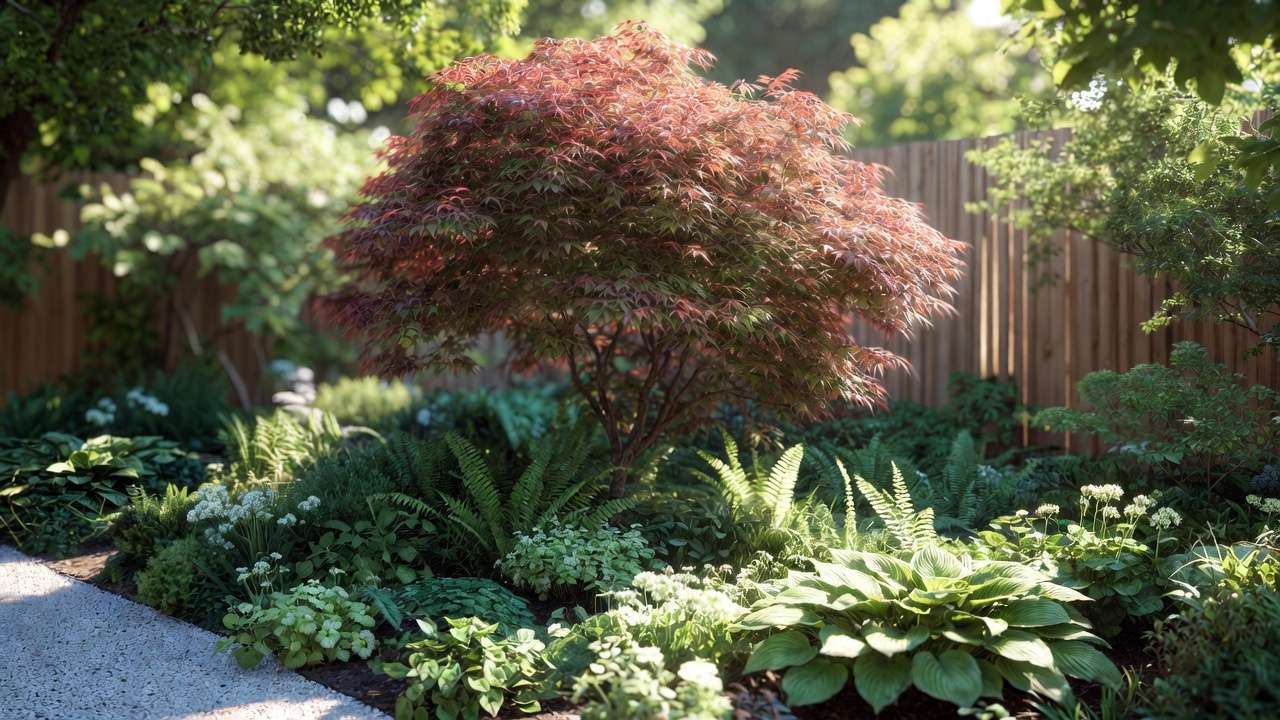
- Dwarf Japanese maple (Acer palmatum cultivars like ‘Crimson Queen’—4-10 ft, stunning fall color).
- Sky Pencil holly (Ilex crenata ‘Sky Pencil’—narrow columnar, 6-10 ft, evergreen privacy).
- Dwarf fruit trees (e.g., citrus on dwarf rootstock or columnar apples—perfect for patios).
- Columnar evergreens like Emerald Green arborvitae (10-15 ft tall, slim 3-4 ft wide).
Placement: Corners for screening, center for focal drama. Always check mature size—many “dwarfs” stay under 15 ft.
Care insights: Prune lightly in late winter for shape; use root barriers in tight spaces to prevent spreading.
3. Use Raised Beds & Containers for Flexible Planting 🪴
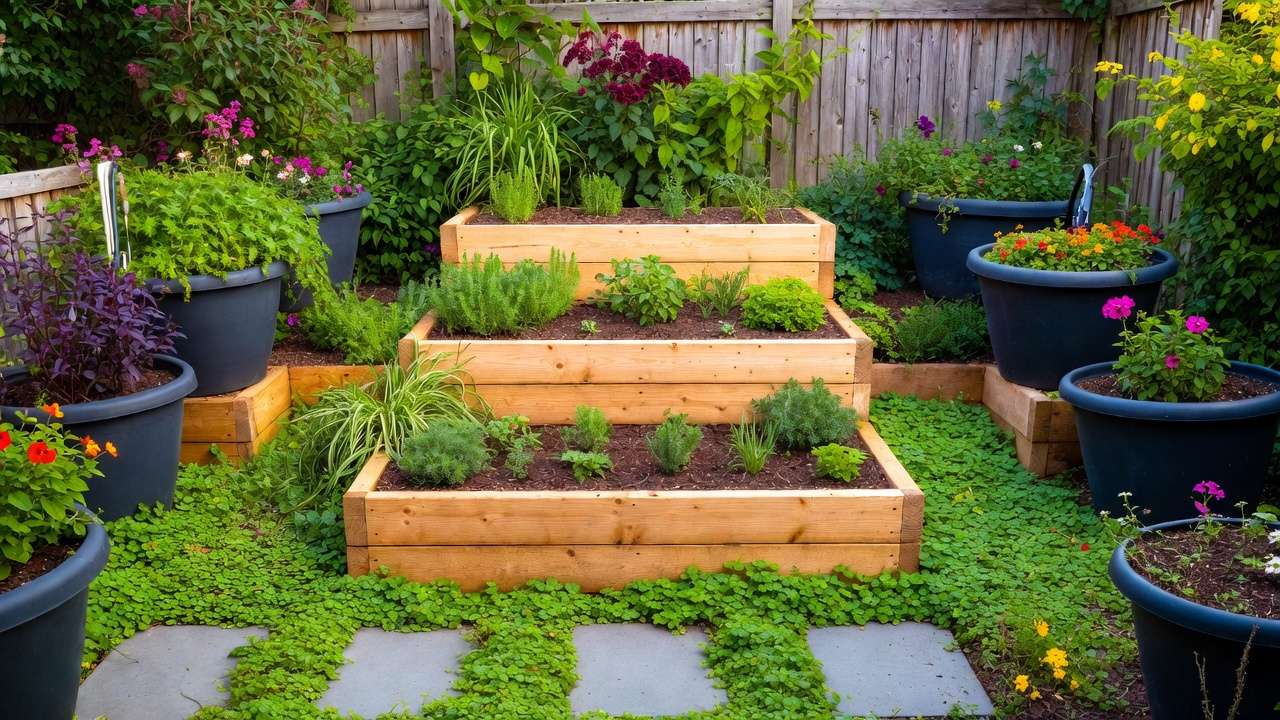
Raised beds (12-18 inches high) improve drainage and soil quality—ideal for poor urban soils. Stack or tier them for levels.
Containers allow experimentation: Move pots seasonally or rearrange. Self-watering models reduce effort. Mix edibles (herbs, cherry tomatoes, peppers) with ornamentals for function + beauty.
Pro tip: Group odd numbers (3 or 5) for natural look; use lightweight pots for easy mobility.
4. Layer Plants for Depth & Interest
Layering creates the illusion of more space by drawing the eye upward and outward. Start with low ground covers (like creeping thyme, mondo grass, or native ferns suited to humid Bangladeshi conditions), add mid-height perennials or small shrubs (e.g., dwarf hydrangeas, lavender, or salvia), and top with taller accents like your compact tree or climbers.
This technique adds texture and movement—think ornamental grasses swaying in the breeze 🌾. In small yards, aim for a “tall in back, short in front” arrangement to keep sightlines open.
5. Add Privacy Without Eating Space
Privacy is a top need in tiny backyards bordered by neighbors. Skip wide hedges; opt for narrow, upright options:
- Columnar evergreens like ‘Sky Pencil’ holly or slender arborvitae varieties (e.g., ‘Emerald Green’)—they grow tall and slim, providing year-round screening.
- Bamboo in containers (clumping types to avoid invasiveness) or vine-covered trellises with fast-growing climbers like bougainvillea or morning glory (great for tropical climates).
These solutions block views while taking minimal footprint. Here are some inspiring examples of narrow trees creating privacy in compact spaces:

6. Create Multi-Functional Zones
Even in tiny yards, zones make the space feel purposeful and larger. Dedicate areas like:
- A compact bistro set surrounded by low planters.
- A mini fire pit (use propane for safety) encircled by durable, low ground covers like Irish moss.
- Pet- or kid-friendly corners with soft grasses or artificial turf patches edged by tough plants.
Use portable elements (movable pots, foldable furniture) for flexibility.
7. Low-Maintenance & Native Plant Selections 🌼
In Barisal’s warm, humid climate, choose heat-tolerant, drought-resistant natives or adapted plants to cut watering and care time. Examples:
- Native grasses like vetiver for erosion control and texture.
- Hibiscus, bougainvillea, or lantana for colorful, pollinator-attracting blooms.
- Drought-tolerant succulents or agave in sunny spots.
These provide seasonal interest—spring flowers, summer vibrancy, and winter structure—while supporting local ecosystems.
8. Lighting & Hardscaping Enhancements ✨
Solar-powered string lights or spotlights highlight your dwarf tree or vertical garden at night, extending usability. Use gravel or stepping stone paths (easy DIY) for clean access and to define zones without visual clutter.
9. Water Features for Serenity 💧
A small fountain, birdbath, or tabletop waterfall adds calming sound and attracts birds. Integrate with plants—surround with moisture-loving ferns or hostas. Solar pumps keep it low-maintenance.
Check out these peaceful tiny backyard water feature ideas:
:strip_icc()/rock-fountain-plants2-E4SyAcg348j93ZRiLQngFG-3678b97abedc46baa43e8d99a9173435.jpg)
10-15. Bonus Creative Twists
- Mirror magic — Place a weatherproof mirror on a fence to double the view and add depth.
- Edible landscaping — Grow herbs, dwarf citrus, or strawberries in vertical pockets.
- Succulent living walls — Low-water, colorful displays perfect for sunny walls.
- Seasonal container swaps — Rotate pots for fresh looks year-round.
- Pollinator pockets — Cluster nectar-rich flowers to support bees and butterflies 🐝.
- Rock gardens — Use stones with alpine plants for texture in dry corners.
Vertical gardens are especially transformative—here are some stunning examples:
Essential Plant & Tree Care Tips for Tiny Spaces
Success in small yards depends on proper care—overcrowding or neglect shows quickly.
- Soil prep: Use high-quality potting mix with perlite for containers; amend in-ground beds with compost for better drainage in clay soils common in Barisal.
- Watering wisely: Install drip irrigation or soaker hoses to target roots and conserve water—crucial in hot seasons. Check soil moisture 2 inches down before watering.
- Pruning & shaping: Trim compact trees in late winter/early spring to maintain size and shape; remove dead branches promptly.
- Pest/disease prevention: Good airflow reduces fungal risks (e.g., powdery mildew); use neem oil for aphids. Monitor closely in humid weather.
- Seasonal calendar: Spring—plant and fertilize; Summer—mulch and water deeply; Fall—prune lightly; Winter—protect tender plants from rare cold snaps.
Common Mistakes to Avoid in Tiny Backyard Landscaping
- Overplanting: Always research mature sizes— a “small” tree can quickly dominate.
- Ignoring light/zone: Planting sun-lovers in shade leads to leggy growth.
- No pathways: Blocking access makes maintenance hard.
- Skipping mulch: It retains moisture and suppresses weeds.
Real-Life Examples & Case Studies
One client in a similar urban setting turned a 10×15 ft concrete pad into a zen retreat: a central dwarf Japanese maple, vertical herb wall, and gravel seating zone. Another added columnar hollies along the fence for instant privacy plus raised beds for veggies. Both used natives for low care—proving tiny yards can thrive with planning.
FAQs About Landscaping Ideas for Tiny Backyards
What are the best low-maintenance plants for small yards? Natives like lantana, salvia, ornamental grasses, and succulents—drought-tolerant and pest-resistant.
Can I grow fruit trees in a tiny backyard? Yes! Dwarf varieties on rootstock (e.g., citrus, figs, or columnar apples) stay compact and produce well in pots.
How do I make my small yard feel bigger? Vertical planting, mirrors, diagonal paths, light colors, and layering heights create depth illusions.
What’s the cheapest way to start? Begin with containers, recycled materials for trellises, and propagated cuttings—under ৳5,000 for impact.
How to choose trees that won’t outgrow the space? Select true dwarfs (under 15 ft mature height) like ‘Crimson Queen’ maple or ‘Sky Pencil’ holly; check labels carefully.
Conclusion: Your Tiny Backyard Awaits Its Glow-Up! 🌟
Transforming a tiny backyard isn’t about more space—it’s about smarter use of plants and trees. By going vertical, choosing compact focal trees, layering thoughtfully, and prioritizing easy-care greenery, you can create a lush, private, low-maintenance oasis that feels much larger than it is.
Start small: Pick one idea (like a vertical herb wall or a dwarf tree in a corner), implement it, and watch the magic unfold. Your outdoor space can become a daily source of joy and tranquility.
I’d love to hear your progress—share photos or questions in the comments! For more plant care guides tailored to Bangladeshi climates, subscribe below. Happy gardening! 🌱🚀











