
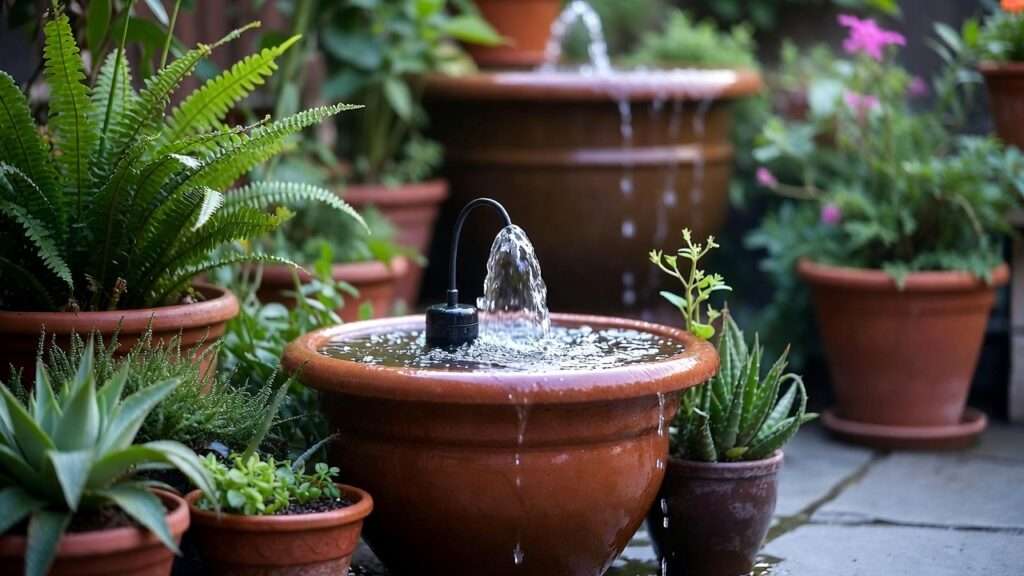
Imagine stepping onto your patio or balcony and instantly feeling a wave of calm wash over you from the gentle trickle of water, surrounded by lush greenery—all without digging up your yard or committing to a massive installation. That’s the magic of water features in container landscapes! These portable, renter-friendly gems turn even the tiniest spaces into peaceful oases, blending the soothing sounds of moving water with vibrant container plants. Whether you’re dealing with a compact urban balcony, a cozy deck, or a small backyard corner, adding a mini fountain or container pond can solve that nagging need for tranquility, boost biodiversity, and create a stunning focal point that draws you outdoors every day. 🌸🪴
As a passionate gardener with over 15 years of hands-on experience in small-space landscaping and aquatic plant care, I’ve built dozens of these features for clients and my own gardens. They’re low-maintenance, eco-friendly, and surprisingly simple to DIY. In this in-depth guide, we’ll cover everything from why they’re perfect for modern living to step-by-step builds, plant recommendations, maintenance secrets, and creative designs. By the end, you’ll have the confidence to create your own serene retreat that enhances relaxation, attracts pollinators and birds, and elevates your container garden game. Let’s dive in! 💧✨
Why Add Water Features to Your Container Landscapes? 🌊✨
Incorporating water elements into potted or container-based gardens isn’t just about aesthetics—it’s a smart solution for real gardening challenges. Limited space? No problem—these features are fully portable and require zero permanent changes. Want more wildlife? A small water source draws birds, butterflies, beneficial insects, and even frogs, turning your setup into a mini ecosystem that supports pollination in your nearby plants and trees.
The gentle sound of flowing water has proven stress-relieving benefits (backed by research on nature sounds and mindfulness). In small gardens, they add vertical interest, mask urban noise, and serve as eye-catching focal points amid potted trees, shrubs, and flowers. Plus, they’re renter-friendly—no digging means no landlord issues—and they can subtly increase your outdoor area’s appeal and value. For tree care enthusiasts, pairing them with moisture-loving companions like ferns or hostas creates harmonious microclimates that benefit root health and foliage vibrancy. 🌿🐦
Types of Water Features Perfect for Container Landscapes 🪴💧
Not all water features are created equal—here’s a breakdown of the best options for container setups, from beginner-friendly to more advanced:
1. Bubbling or Spouting Fountains in Pots
These are the easiest entry point: A submersible pump in a single large pot creates a gentle bubble or spout. Perfect for balconies with limited space—minimal splash and super low-maintenance.
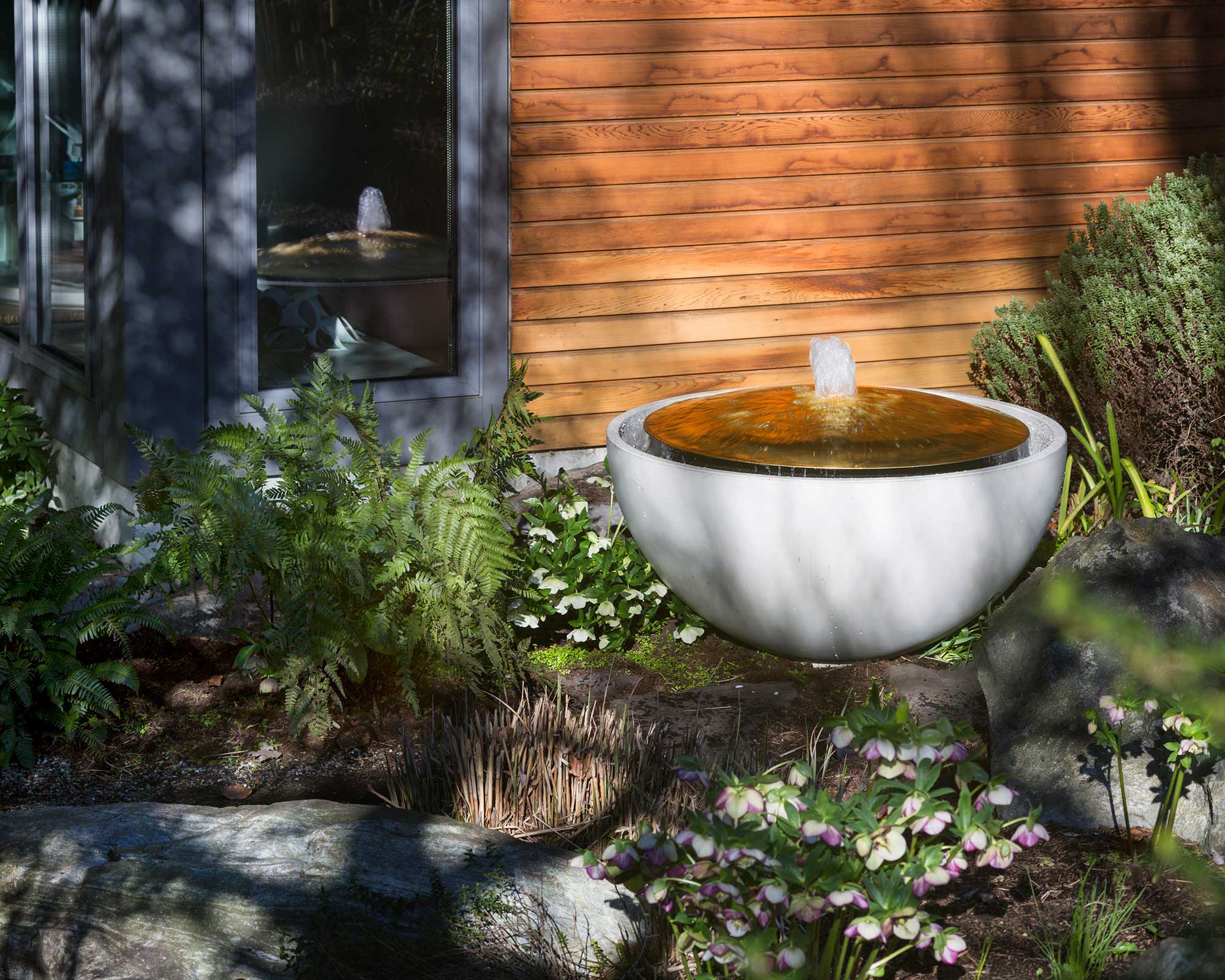
2. Tiered or Cascading Container Fountains
Stack 2–4 pots for dramatic multi-level flow. Water spills from one to the next, mimicking a natural waterfall while adding height and drama to patios.
3. Still Water Container Gardens (Mini Ponds)
No pump required—just fill a watertight tub or barrel with water and add aquatic plants. Ideal for quiet reflection and wildlife attraction.

4. Solar-Powered or Disappearing Fountains
Eco-conscious choice: Solar panels power the pump (no cords!), and “disappearing” styles hide the reservoir under gravel for a clean look.

5. Hybrid Planter + Water Feature Combos
Combine water with surrounding dry pots—think a central fountain edged with ferns or hostas for layered beauty and easier care.
These types suit various budgets and skill levels, with most under $100–200 to start. Choose based on your space, sunlight, and desired sound level! ☀️🔋
Essential Materials and Tools You’ll Need 🛠️🌱
Gather these basics for success:
- Containers: Waterproof options like galvanized tubs (great for mini ponds), large terra-cotta or ceramic pots (18–36 inches wide/deep), half whiskey barrels, or sealed urns. Avoid unglazed porous materials unless sealed.
- Pumps: Submersible fountain pumps (100–500 GPH based on height/flow). Solar versions for off-grid spots.
- Accessories: Flexible tubing, fittings, pond liner (if drilling pots), river rocks/pebbles for stability and aesthetics, aquatic gravel.
- Sealants: Pond-safe silicone or epoxy for drilled holes; marine sealant for cracks.
- Plants & Extras: Aquatic plants (more below), optional small fish, barley straw pellets for algae control.
- Safety: GFCI outlet adapter for electric pumps ⚡.
Shop at garden centers or online—start small to experiment!
Step-by-Step DIY Guides: Build Your Own Water Feature 🛠️💦
These detailed tutorials draw from real-world builds I’ve done (and refined over years of trial and error). Each takes 30–90 minutes, costs $50–150, and uses common materials. Start with the simplest!
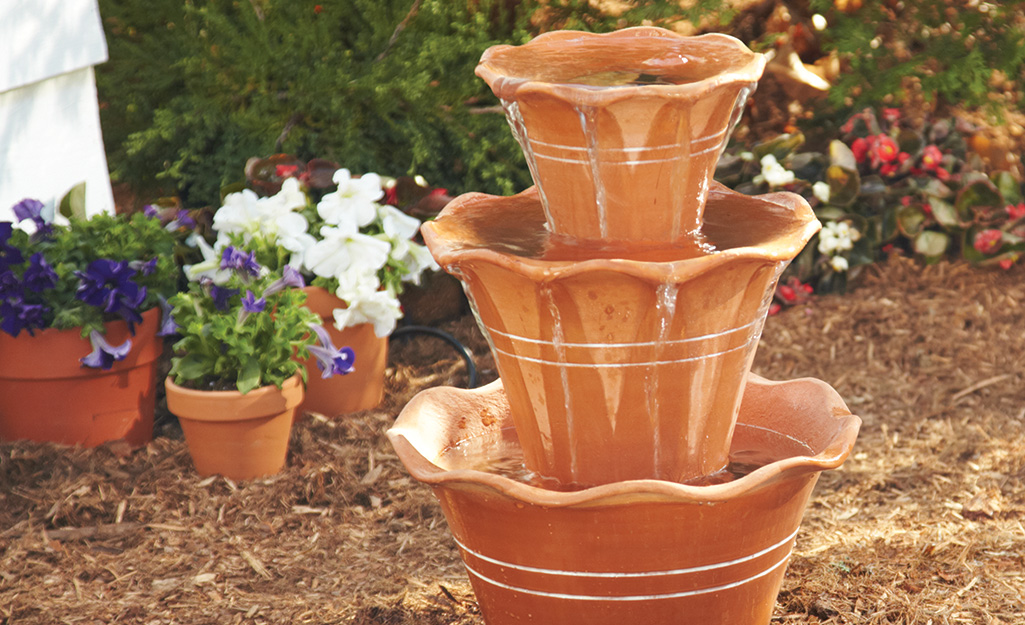
DIY #1: Classic Terra-Cotta Pot Fountain (15–30 Minutes Setup) 🌟
This beginner favorite creates a gentle, multi-level cascade using stacked pots—no drilling required if you choose pre-drilled saucers or use a sturdy base.
Materials:
- 3 terra-cotta pots (largest ~24″ diameter base, medium ~18″, small ~12″)
- Matching saucers or shallow bowls
- Submersible pump (200–300 GPH)
- River rocks/pebbles
- Pond-safe silicone (optional for sealing)
- Bricks or inverted pot for elevation
Steps:
- Place the largest pot/saucer as the base reservoir on a level surface.
- Elevate the medium pot inside using bricks or an upside-down smaller pot so the rim sits above water level.
- Position the small top pot similarly elevated.
- Thread pump tubing up through the center pots; secure pump at bottom of base.
- Fill base with water, add rocks for stability and natural look.
- Plug in (use GFCI!), adjust flow—water bubbles up and cascades down tiers. 🎉
Pro tip: Seal any cracks with silicone for longevity. Add surrounding potted ferns for a lush frame.
DIY #2: Galvanized Tub Mini Pond with Plants 🌱🐸
Perfect for still-water serenity and wildlife—no pump noise, just peaceful reflection.
Materials:
- Galvanized tub or trough (18–30″ deep/wide)
- Aquatic gravel/soil
- Submersible bubbler pump (optional for gentle movement)
- Marginal & floating plants
Steps:
- Place tub on level, stable spot (partial shade ideal).
- Line bottom with gravel; add aquatic soil if planting deeply rooted species.
- Fill slowly with dechlorinated water (let tap water sit 24 hrs or use conditioner).
- Plant marginals (e.g., dwarf iris) around edges in pots submerged 2–6″.
- Add floaters like water lettuce on surface.
- Optional: Install small bubbler for oxygen and sparkle.
This creates a mini ecosystem that attracts frogs and birds while cooling the area.

DIY #3: Tiered Cascading Fountain with Upcycled Pots ♻️
Upcycle cracked pots for eco-chic drama—great for patios.
Materials: 3–4 assorted pots (varied sizes/shapes), pump, tubing, waterfall foam/rocks, sealant.
Steps:
- Seal any holes/cracks in pots.
- Stack largest at bottom, then medium, small—use bricks for elevation.
- Run tubing up center; secure pump.
- Add foam or rocks at spill points for smooth flow.
- Fill, test, decorate with pebbles.
Variations: Use strawberry pots for multi-spout fun!
DIY #4: Solar Fountain in a Barrel or Urn ☀️🔋
Eco-friendly for sunny spots—no electricity hassle.
Materials: Large urn/barrel, solar fountain kit (pump + panel), rocks.
Steps:
- Position solar panel in full sun.
- Place pump in container base.
- Fill, add rocks/plants, connect—sun powers gentle bubbling or spout.
Ideal for balconies; works on partly cloudy days with good models.

Safety note: Always use outdoor-rated extension cords and GFCI protection. Common mistake: Undersized pump = weak flow; oversize = splashing mess!
Best Plants for Water Features in Container Landscapes 🌸🐸
Choosing the right plants is what transforms a simple water container from “nice” to “wow.” The best aquatic and marginal plants not only look beautiful but also help keep water clear, provide oxygen, shade the surface (reducing algae), and create habitat for beneficial wildlife. Here’s my curated expert list based on years of successful small-space setups:
Deep Water Plants (for containers 12–24 inches deep)
- Dwarf Water Lilies (Nymphaea spp. ‘Helvola’ or ‘Perry’s Baby Red’): Compact, stunning blooms in yellow, pink, or red. They need at least 6–12 inches of water over the crown and 4–6 hours of sun. One plant per 2–3 sq ft surface area.
- Mini Lotus (Nelumbo nucifera dwarf varieties): Dramatic upright leaves and exotic flowers, but they demand warmer climates and deeper water (18+ inches). Best for larger tubs in sunny spots.
Marginal / Edge Plants (planted in pots submerged 0–6 inches)
- Dwarf Sweet Flag (Acorus gramineus ‘Variegatus’): Grass-like, fragrant foliage; excellent oxygenator and algae fighter.
- Dwarf Papyrus (Cyperus haspan): Feathery umbrella tops; adds tropical flair without taking over.
- Mini Cattail (Typha minima): Cute 12–18 inch version of the classic; great vertical accent.
- Pickerel Rush (Pontederia cordata ‘Small form’): Spikes of blue-purple flowers; attracts pollinators.
Floating Plants (cover 50–70% of surface for best results)
- Water Lettuce (Pistia stratiotes): Velvety rosettes that shade water and filter nutrients.
- Water Hyacinth (Eichhornia crassipes): Fast-growing floaters with lavender blooms; excellent at nutrient uptake but can be invasive in warm climates—monitor closely!
Submerged Oxygenators
- Anacharis / Elodea (Elodea canadensis): Bunches dropped in water to oxygenate and compete with algae.
- Hornwort (Ceratophyllum demersum): Feathery, no-root plant; floats or sinks as needed.
Pro Tip: Start with 60–70% plant coverage to naturally balance the mini-pond. Pair with companion dry plants around the edges—ferns, heuchera, hostas, or elephant ears—for a lush, cohesive look that ties into your broader container tree and plant care. Always source from reputable aquatic nurseries to avoid invasive species. 🌱🦋
Maintenance Tips for Long-Lasting Beauty and Health 🧼🌿
The biggest reason people abandon water features is poor maintenance—luckily, container versions are far easier than in-ground ponds. Follow this schedule for crystal-clear water and happy plants:
- Daily/Every Few Days: Top off evaporated water (use dechlorinated or rainwater). Skim leaves/debris with a small net.
- Weekly: Check pump for clogs; rinse filter sponge in old pond water (not tap—to preserve beneficial bacteria).
- Monthly:
- Clean pump thoroughly.
- Add barley straw pellets or liquid beneficial bacteria to prevent algae.
- Thin floating plants if they cover >80% of surface.
- Seasonal Care:
- Spring: Divide overcrowded marginals; repot deep-water plants.
- Summer: Increase water checks during heatwaves; add shade cloth if temps exceed 90°F.
- Fall/Winter: In zones 7 and below, move pump indoors, drain or use a small pond heater/de-icer, or bring floaters indoors under grow lights. In mild climates, add a floating heater and keep running slowly.
Algae Control Secrets:
- Barley straw (slow-release natural inhibitor).
- Beneficial bacteria/enzymes monthly.
- 50–70% plant coverage + partial shade.
- Avoid overfeeding fish (if added).
Mosquito Prevention:
- Add 1–2 small goldfish or mosquito fish (Gambusia).
- Use Bti dunks/mosquito bits (safe for plants, wildlife, pets).
- Keep water moving with a bubbler.
Troubleshooting Quick Fixes:
- Cloudy water → Add bacteria, reduce sunlight, thin plants.
- Pump not working → Clean intake, check for air lock.
- Plants yellowing → Check nutrient levels; fertilize sparingly with aquatic tabs.
With these habits, your feature can thrive for years with minimal effort. 🧹✨
Design Ideas and Inspiration for Small Spaces 🎨🏡
Here are proven layouts that maximize serenity in tiny areas:
- Patio Corner Zen Nook: Place a bubbling terra-cotta fountain against a wall, surround with potted bamboo, ferns, and Japanese maples. Add a small bench—pure escape.
- Balcony Tropical Escape: Solar urn fountain in one corner, edged with water lettuce and dwarf papyrus. Hang air plants and string lights above.
- Urban Deck Wildlife Haven: Galvanized tub mini-pond near seating; add bird feeder nearby. Goldfish + marginals attract dragonflies and songbirds.
- Rustic Porch Barrel: Whiskey barrel with cascading spout; surround with hostas, heuchera, and trailing lobelia for cottage charm.
- Modern Geometric Look: Sleek black ceramic pots in a tiered setup; use white pebbles and minimalist succulents around the base.
Placement Best Practices:
- Level, stable surface (use pavers if needed).
- 4–6 hours sun for most plants/pumps; dappled shade reduces algae.
- Near seating to enjoy the sound.
- Protected from strong winds to prevent tipping.
Common Mistakes to Avoid (and How to Fix Them) 🚫💡
Even experienced gardeners slip up sometimes—here are the most frequent pitfalls I’ve seen (and fixed) in container water features, so you can skip the frustration:
- Choosing the Wrong Pump Size Too small → weak trickle or no flow. Too powerful → splashing everywhere and rapid evaporation. Fix: Match GPH rating to your fountain height (rule of thumb: 100 GPH per foot of height for gentle flow; double for stronger cascades). Test and adjust with a flow control valve.
- Overcrowding Plants Too many floaters or marginals block circulation, leading to stagnant spots, algae blooms, and dying plants. Fix: Aim for 60–70% surface coverage max. Thin aggressively every 4–6 weeks in growing season.
- Forgetting Winter Protection Freezing water expands and cracks pots/pumps; frozen pumps burn out when restarted. Fix: In cold climates (USDA zones 7 and below), drain and store pump indoors, or use a small submersible heater. Move floaters to an indoor aquarium or bucket under grow lights.
- Ignoring Electrical Safety Using indoor extension cords or skipping GFCI protection = serious shock risk near water. Fix: Always use outdoor-rated cords and a GFCI outlet/adapter. Keep plugs elevated and covered.
- Placing in Full, Blazing Sun All Day Causes rapid algae growth, overheating water (stressing fish/plants), and excessive evaporation. Fix: Choose dappled shade or morning sun + afternoon shade. Add taller companion plants or a light shade cloth during peak summer.
- Using Tap Water Without Conditioning Chlorine/chloramine kills beneficial bacteria and stresses plants/fish. Fix: Let tap water sit 24–48 hours or treat with dechlorinator before adding.
Avoid these, and your feature will stay beautiful and low-maintenance for seasons to come! 🔧🌟
FAQs About Water Features in Container Landscapes ❓
Here are answers to the questions I hear most often from readers and clients:
How deep should the container be for water lilies? Aim for 12–24 inches of water depth over the soil surface. Dwarf varieties do well in 10–18 inches total depth; standard mini lilies need at least 18 inches.
Can I add fish to a small container pond? Yes—1–2 small goldfish or mosquito fish (Gambusia) in a 20–40 gallon tub work great for algae/mosquito control. Avoid overcrowding; feed sparingly and provide some hiding spots with plants or rocks.
Do solar fountains work on cloudy days? Most quality models have small backup batteries or capacitors that store energy, giving 1–4 hours of flow after sunset or on overcast days. For consistent performance, place in the sunniest spot possible.
How do I prevent mosquitoes without chemicals? Keep water moving (bubbler or small fountain), maintain 50–70% plant coverage, add goldfish or mosquito dunks (Bti-based, safe for wildlife), and remove standing debris regularly.
What’s the best way to overwinter in cold climates? Bring the pump and any tender floaters indoors. Drain most water (leave a few inches to prevent pot cracking from soil freeze), cover with burlap, or move the entire container to an unheated garage/shed. In mild winters, a small pond de-icer keeps it running.
Are these features pet-safe and child-safe? Generally yes—use shallow designs (<12 inches deep) for small pets/kids, cover electrical cords securely, avoid toxic plants (most true aquatics are safe), and supervise young children near water.
How often do I need to change the water? Rarely! With good plant coverage, beneficial bacteria, and occasional top-offs, you may only do a partial water change (20–30%) every 2–3 months unless it becomes very cloudy.
Conclusion: Start Your Serene Container Oasis Today 🌅🪴
Adding water features in container landscapes is one of the fastest, most rewarding ways to bring peace, beauty, and life to even the smallest outdoor space. The gentle sound of water, the shimmer of reflected light, the buzz of pollinators, and the simple joy of watching dragonflies or birds visit your creation—it all adds up to a deeper connection with nature right outside your door.
You don’t need a big budget, a huge yard, or advanced skills. Start small: a single bubbling pot or a galvanized tub mini-pond. Experiment, observe, and tweak as the seasons change. Before long, you’ll wonder how you ever gardened without that soothing trickle in the background.
I’d love to hear about your project! Drop a comment below with your setup, questions, or photos—happy gardening, and may your container oasis bring you endless calm and joy. 💚✨











