
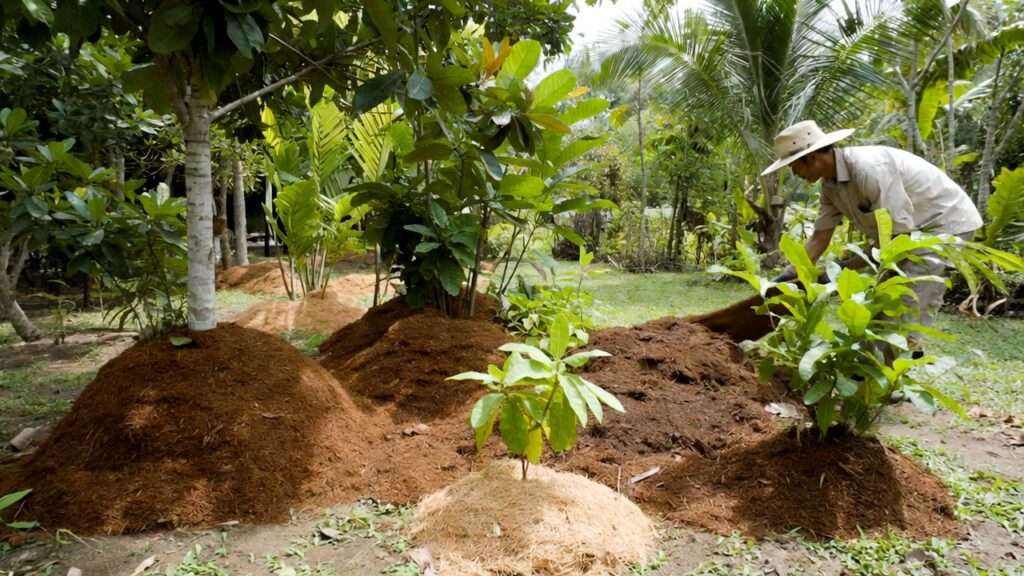
Imagine stepping into your garden during a scorching Khulna summer: leaves wilting, soil cracked like parched earth, and your favorite mango tree or vegetable patch looking defeated under relentless heat. 😓 You’re not alone—drought stress hits hard in tropical climates like ours, where high temperatures and irregular rainfall make water conservation a daily battle. But here’s the good news: one simple, low-cost practice can dramatically change that story.
Mulching techniques for drought stress offer a powerful, natural way to shield roots, lock in soil moisture, and help plants and trees thrive even when rain is scarce. 🌱 Proper mulching can reduce evaporation by up to 30-50% (backed by university extension research), moderate soil temperatures, suppress weeds that steal water, and encourage deeper root growth for long-term resilience.
As a plant care enthusiast who’s helped countless gardeners in drought-prone regions like Khulna Division maintain lush yards and productive trees, I’ve seen firsthand how the right mulching transforms struggling landscapes into thriving ones. In this comprehensive guide, we’ll cover everything you need: the science behind mulching’s drought-fighting power, the best mulch types for our hot, humid-yet-dry spells, foolproof application steps, pitfalls to avoid, and pro strategies to combine with other water-saving tactics. By the end, you’ll have the tools to protect your plants and trees effectively—no more guessing, just results. Let’s dive in and make your garden drought-resistant! 🚀
Why Mulching Is a Game-Changer Against Drought Stress 🌱🔥
Mulch isn’t just decorative—it’s a protective blanket for your soil and roots. In drought conditions, the biggest threats are rapid evaporation, extreme soil heat (which can cook shallow roots), weed competition for limited water, and soil compaction that blocks infiltration.
Here’s how mulching combats these:
- Reduces evaporation dramatically — A 2–4 inch layer of organic mulch can cut soil water loss by 33% or more, according to studies from university extensions like UF/IFAS. This means more moisture stays available for roots instead of vanishing into the air. 💦
- Moderates soil temperature — Mulch keeps soil cooler during hot days (preventing root burn) and warmer at night, creating a stable environment that reduces stress on plants and trees.
- Suppresses weeds — Fewer weeds = less competition for precious water and nutrients.
- Improves soil structure over time — Organic mulches break down, adding organic matter that enhances water-holding capacity, aeration, and microbial activity—key for resilience in sandy or clay-heavy soils common in our region.
- Encourages deeper roots — With consistent moisture, plants invest energy in deeper root systems, making them better equipped to handle dry spells.
For trees especially, mulching mimics the natural forest floor, where leaves and debris protect roots year-round. In tropical drought-prone areas like Bangladesh, this simple step can mean the difference between a stressed jackfruit tree dropping fruit prematurely and one that produces abundantly.
Choosing the Right Mulch Type for Maximum Drought Protection 🪵🍂
Not all mulches are equal—especially in hot, tropical climates where heat retention, decomposition rate, and availability matter.
Organic Mulches – Top Choices for Water Retention
These break down naturally, enriching soil while holding moisture best.
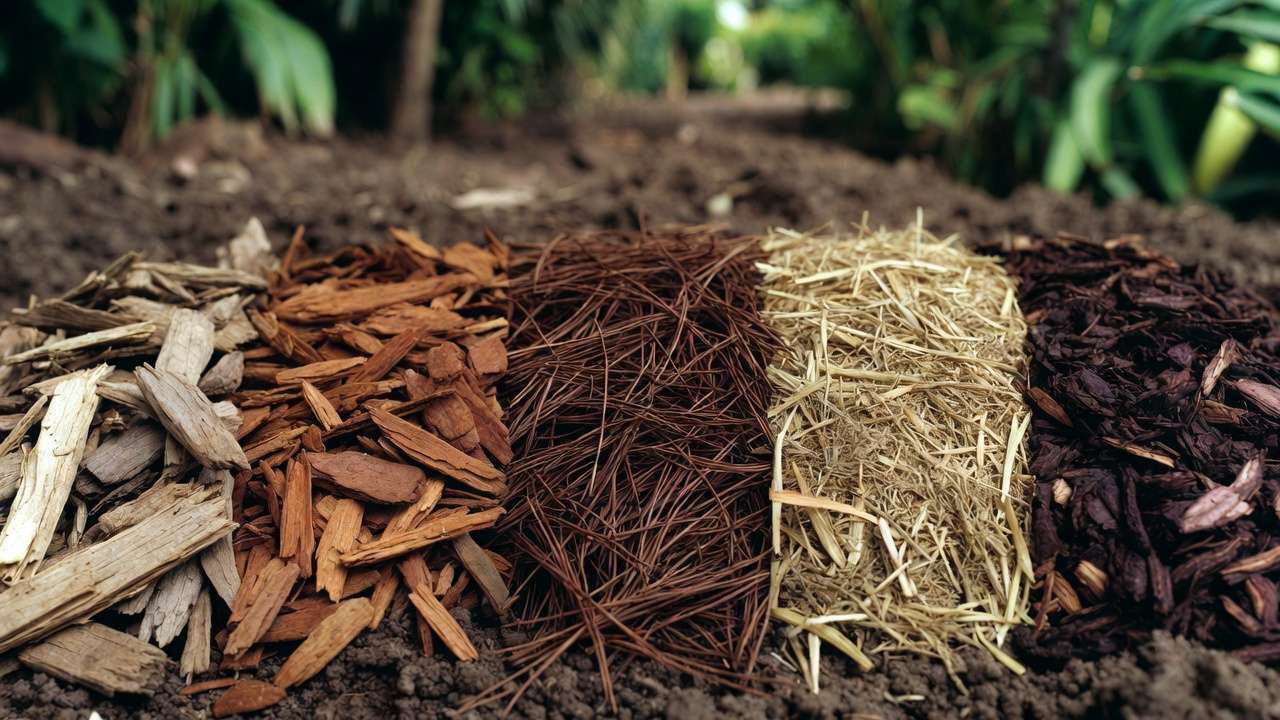
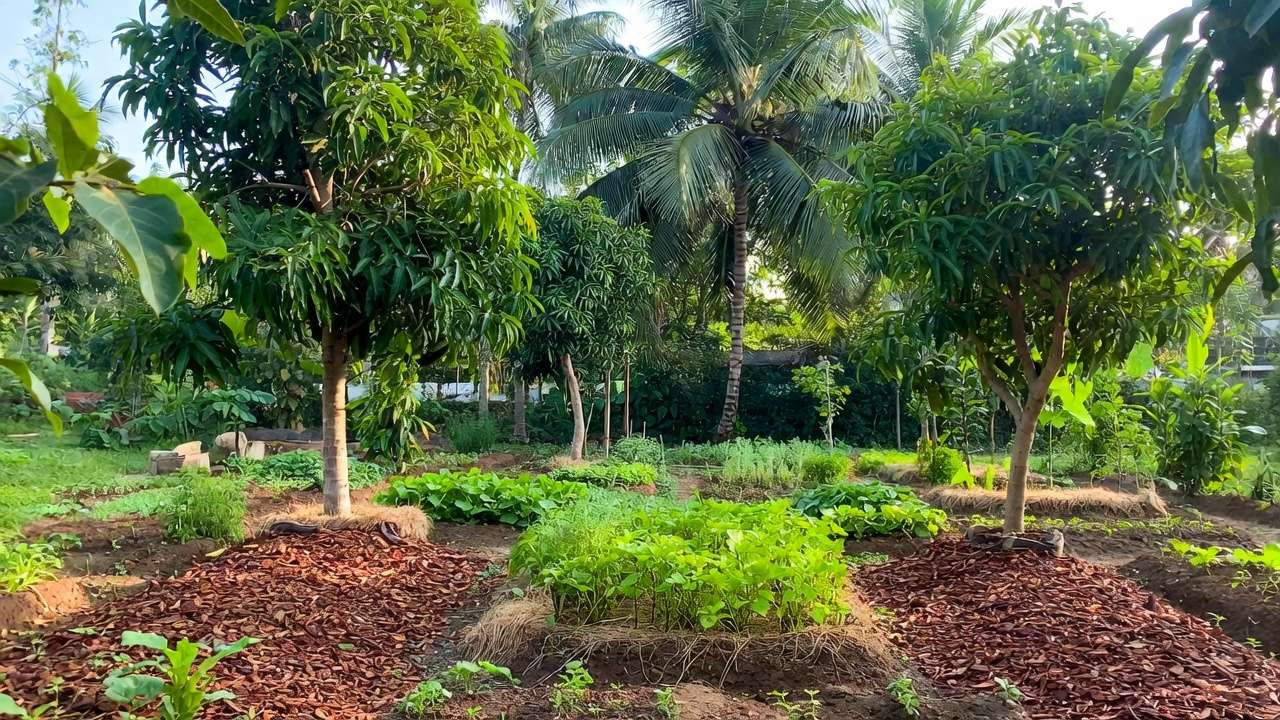
- Wood chips or shredded bark 🌳 — The gold standard for trees and shrubs. Coarse texture allows excellent water penetration while retaining moisture. Locally available from tree trimmings or sawmills; ideal for mango, coconut, or ornamental trees. Lasts 1–3 years.
- Pine needles or straw — Lightweight, acidic (great for acid-loving plants like some ornamentals), and excellent at shedding water to roots without compacting. Straw works well for vegetable beds in dry seasons.
- Composted leaves or leaf mold — Free if you collect fallen leaves! Nutrient-rich, improves soil fertility, and holds moisture without overheating.
- Grass clippings (dried) — Free from your lawn, but apply thinly to avoid matting and heat buildup.
Inorganic Mulches – When & Where to Use Them
These last longer but offer less soil benefit.
- Gravel or stone — Good for xeriscape-style beds or succulents; reflects heat but can warm soil excessively in full sun—use sparingly around trees.
- Rubber mulch — Durable, but limited moisture retention; better for play areas than drought protection.
Advanced Options for Extra Drought Resilience
- Biochar-amended mulch — Mix biochar (charred organic matter) into wood chips. It dramatically boosts water-holding capacity and can extend drought survival—great for severe dry spells.
- Living mulches / ground covers 🌼 — Plants like vetiver grass, sweet potato vines, or low-growing legumes act as living mulch. They shade soil, prevent erosion, and add nitrogen—perfect long-term solution for tropical gardens.
In Khulna’s climate, prioritize coarse organic mulches that allow heavy monsoon rains to soak through while locking in moisture during dry stretches.
Step-by-Step Mulching Techniques to Beat Drought Stress 📏🛠️
Applying mulch correctly is where the magic happens. Follow these proven steps, drawn from university extension recommendations (like those from UF/IFAS, Penn State Extension, and Virginia Tech), to maximize water retention and minimize stress in our hot, tropical Khulna climate.
Preparing the Area Before Applying Mulch
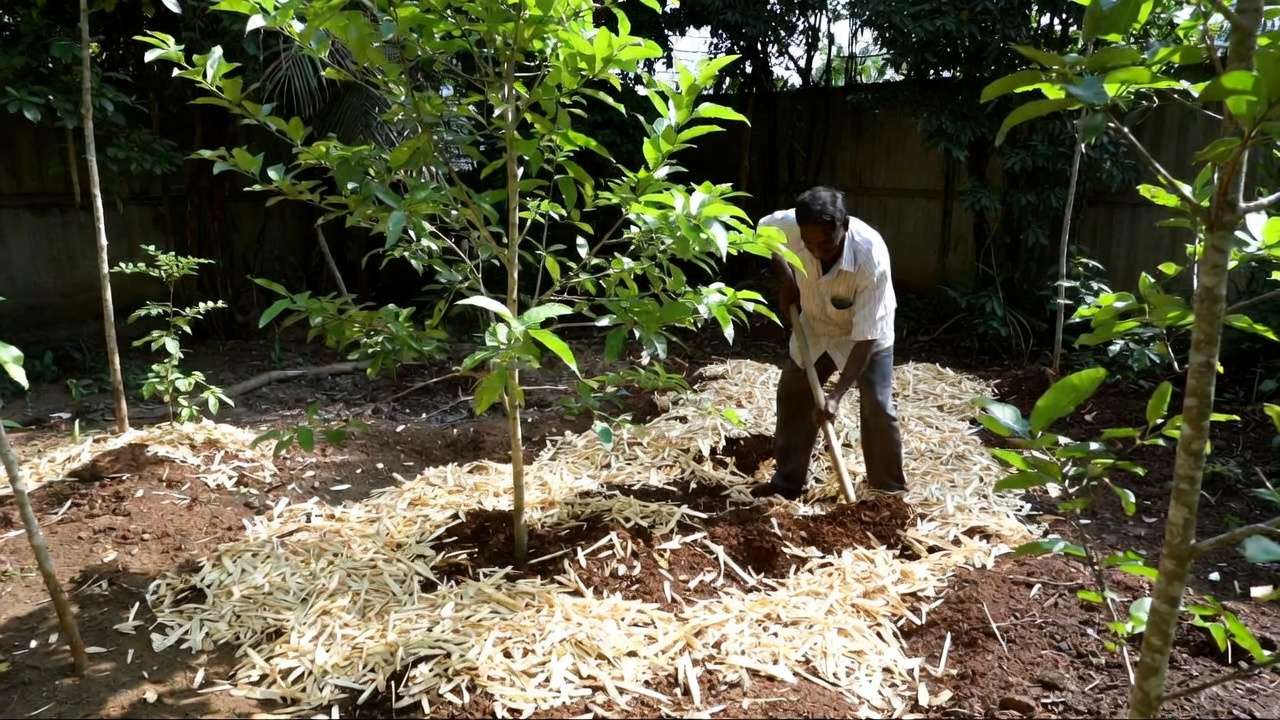
- Clear the zone — Remove weeds, grass, and debris from the area to be mulched. Weeds compete fiercely for water, so pull them by hand or use a hoe—avoid herbicides near edible plants if possible.
- Loosen compacted soil — Lightly aerate the top 1–2 inches with a garden fork. This helps water penetrate instead of running off.
- Water first if dry — If the soil is bone-dry (common after Khulna’s dry spells), give a deep soaking the day before mulching. Moist soil accepts mulch better and starts the moisture-conserving process immediately. 💦
Pro tip: For trees, extend preparation to the drip line (the outer edge of the canopy) or as far as practical—roots that absorb most water often lie beyond the trunk!
Ideal Depth, Spread, and Placement
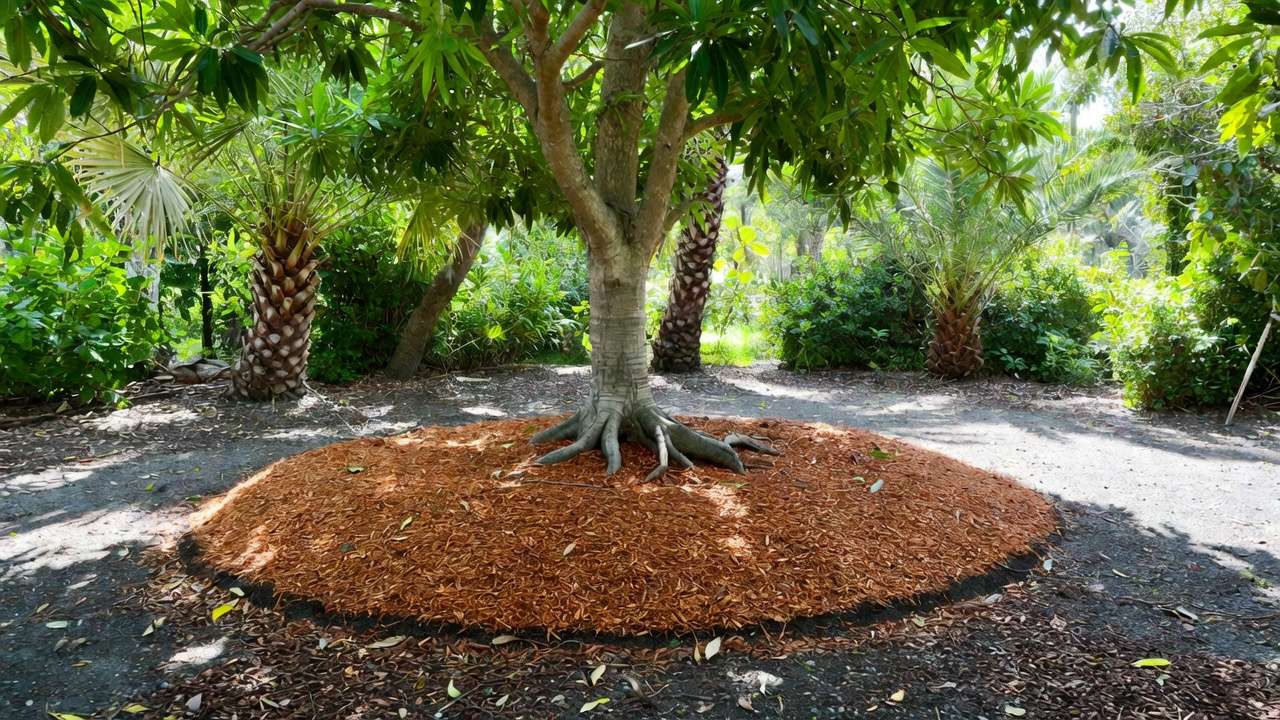
- Recommended depth — 2–4 inches (5–10 cm) for most organic mulches. Finer materials like compost or double-shredded bark: stick to 1–2 inches to prevent matting and oxygen blockage. Coarser wood chips or bark: up to 4 inches works well without issues.
- Spread radius — For trees and shrubs, go at least to the drip line (ideally farther for established plants). Young trees benefit from a 3–6 foot diameter circle; mature trees deserve 6–10 feet or more. This covers the active feeder roots!
- Trunk clearance — Keep mulch 2–6 inches (5–15 cm) away from trunks and stems. Never pile it against the bark—this is the infamous “volcano mulching” mistake that invites rot, pests, and girdling roots. 🌳🚫
In tropical heat, a 3-inch layer of coarse organic mulch often strikes the best balance: excellent moisture retention without excess heat buildup or compaction.
Application Timing – Best Seasons & Conditions
- Prime time — Early summer (after monsoon onset or pre-dry season) or spring. This locks in moisture before intense heat hits.
- During drought — Apply right after a good rain or deep watering so the mulch seals in existing moisture.
- Refresh annually — Replenish in late spring or after heavy rains wash it away. Organic mulches decompose over 1–3 years, so top up as needed to maintain depth.
Avoid applying during peak monsoon floods—excess water can lead to fungal issues under thick layers.
Special Techniques for Different Plants
- Young trees & newly planted — Use 3–4 inches, plus tree watering bags or soaker hoses under the mulch for slow, deep delivery. This helps establish roots quickly in dry spells.
- Established trees & shrubs — Focus on expanding the mulch ring yearly as the canopy grows. Mango, jackfruit, or coconut trees love wide mulch zones!
- Vegetable gardens & perennials — 2–3 inches of straw, dried grass clippings, or compost. For veggies like okra or brinjal (common in Khulna), mulch after seedlings establish to suppress weeds and retain moisture.
- Lawns transitioning to mulch beds — Remove turf first, then mulch heavily to convert thirsty grass areas into low-water zones.
Common Mulching Mistakes That Actually Increase Drought Stress (And How to Fix Them) ⚠️❌
Even well-intentioned gardeners slip up—here are the top pitfalls I’ve seen (and fixed) in local gardens:
- Volcano mulching — Piling mulch high against the trunk. Fix: Rake it into a flat “donut” shape with a clear 4–6 inch gap around the base. Prevents rot and allows oxygen to roots.
- Too much mulch (>4–6 inches) — Blocks air, causes shallow rooting, and can repel water in heavy rains. Fix: Reduce to 2–4 inches; aerate if matted.
- Too little mulch (<2 inches) — Minimal evaporation control and weed breakthrough. Fix: Build up gradually and refresh often.
- Wrong type for climate — Fine-textured mulch compacts in heat/humidity. Fix: Choose coarse wood chips or bark for better airflow.
- Mulching over weeds — Hidden competition steals water. Fix: Weed thoroughly first.
- Applying on dry, compacted soil — Mulch sits on top; water runs off. Fix: Loosen and pre-water soil.
- Ignoring refresh — Mulch thins out, losing effectiveness. Fix: Check depth yearly and top up.
- Using fresh grass clippings thickly — Can heat up or mat. Fix: Dry first and apply thinly.
Avoid these, and your mulch becomes a true ally against drought!
Combining Mulching with Other Drought-Defense Strategies 💦🛡️
Mulch shines brightest when paired with smart habits:
- Deep, infrequent watering — Aim for 1 inch per week (deep soak to 6–12 inches). Use soaker hoses or drip lines under mulch—they deliver water slowly with zero evaporation loss.
- Drip irrigation tips — Install emitters beneath mulch for targeted delivery; reduces fungal risk compared to overhead sprinklers.
- Pruning for efficiency — Thin crowded branches in late winter to reduce transpiration; avoid heavy pruning during drought.
- Drought-tolerant varieties — Plant resilient locals like vetiver grass as living mulch or drought-hardy fruits (e.g., certain mango cultivars).
- Soil amendments — Mix compost into soil before mulching to boost water-holding capacity long-term.
In Khulna’s variable rainfall, this combo can cut irrigation needs significantly while building soil health.
Real-World Examples & Case Studies 🌍📖
- Local Khulna mango tree rescue — A 10-year-old tree showed severe leaf scorch in a dry spell. After clearing weeds, applying 3 inches of wood chip mulch to the drip line (with 4-inch trunk clearance), and deep weekly watering under the mulch, it recovered fully within one season—producing fruit the next year!
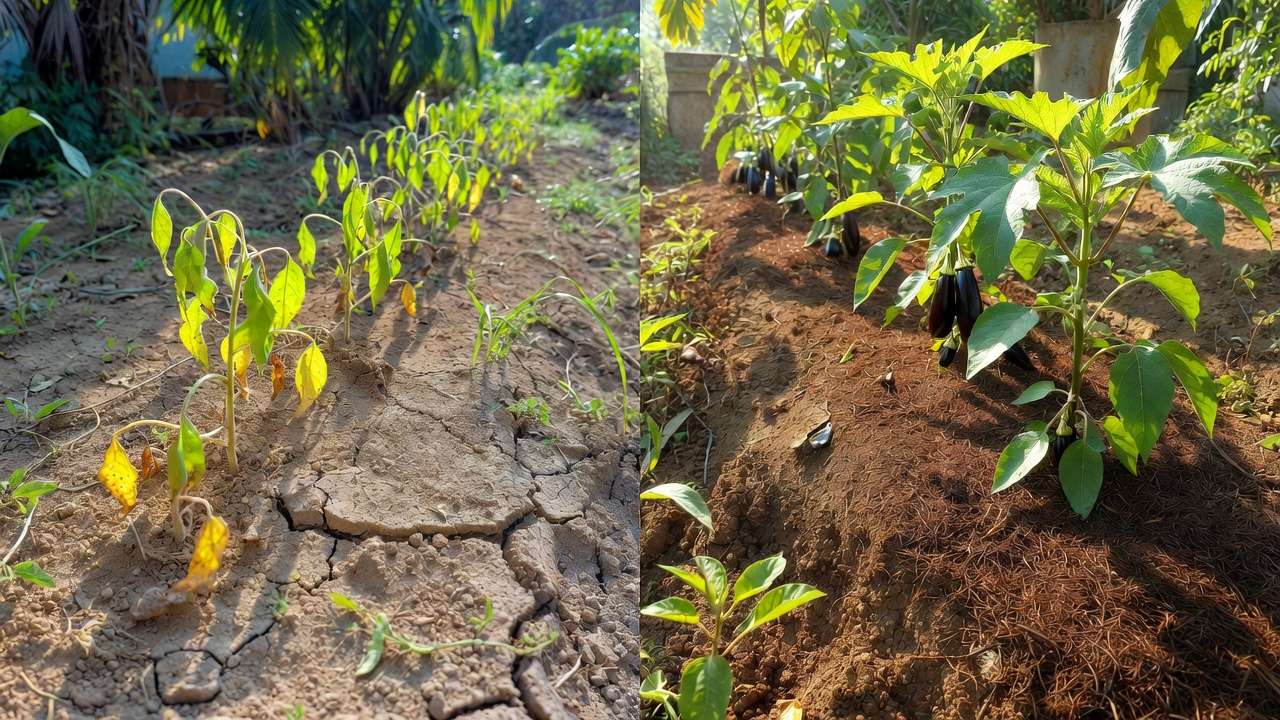
- Vegetable bed transformation — A home gardener mulched okra and brinjal beds with straw after early dry-season planting. Water use dropped noticeably, weeds stayed minimal, and yields increased 20–30% compared to unmulched neighbors.
- Extension-backed success — Similar to reports from drought-prone regions (e.g., Barind area in Bangladesh), farmers using organic mulches like straw or crop residues report better soil moisture retention and reduced stress during hot months.
(Visual suggestion: Imagine side-by-side photos—proper donut mulch vs. volcano pile, before/after drought recovery!)
Expert Insights & Pro Tips from Arborists 👨🌾✨
- Skip fertilizer during peak drought—focus on water first; excess nitrogen stresses roots.
- Monitor soil moisture with the finger test: If top 2–4 inches are dry but deeper is moist, hold off watering.
- For compacted soils, try “vertical mulching”: Drill holes and fill with compost before surface mulching.
- Refresh timing: In our climate, check after monsoons—replenish if depth drops below 2 inches.
- Long-term: Transition to living mulches (e.g., low-growing legumes) for permanent cover and nitrogen fixing.
Conclusion
Proper mulching techniques for drought stress aren’t just a gardening trick—they’re a lifeline for plants and trees facing Khulna’s hot, unpredictable dry periods. By choosing coarse organic mulches, applying them correctly (2–4 inches deep, wide coverage, no volcanoes!), and combining with deep watering and smart plant choices, you can slash evaporation, protect roots, and build resilience that lasts seasons. 🌱
Start small: Inspect one tree or bed today, prep the soil, and mulch properly. You’ll see healthier leaves, less wilting, and lower water bills in no time. Your garden will thank you—and thrive even when rain hides!
Share your mulching wins or questions in the comments below. Let’s keep our Khulna gardens green and strong! 💚
FAQs ❓
How thick should mulch be to prevent drought stress? 2–4 inches for most organic types; 1–2 inches for finer materials. Deeper than 4 inches often causes more harm than good.
Can mulch actually cause drought problems? Yes—if applied as volcanoes, too thickly, or on weeds. Proper technique avoids this.
What’s the best mulch for fruit trees in hot climates? Coarse wood chips or shredded bark—excellent moisture retention, good airflow, and long-lasting in tropical heat.
How often should I water after mulching? Deeply but infrequently (1 inch/week or when top soil dries). Mulch reduces frequency significantly.
Is rock mulch good for drought protection? It suppresses weeds but heats soil more and retains less moisture than organics—better for xeriscapes than thirsty trees.
Does mulch work in monsoon-heavy areas like Khulna? Absolutely! Coarse mulch lets heavy rains penetrate while conserving moisture during dry stretches.
How do I fix volcano mulching? Rake mulch away from the trunk to expose the root flare; spread evenly in a flat ring.
Can I use grass clippings as mulch? Yes—dry them first, apply thinly (1–2 inches) to avoid matting and heat.
When is the best time to mulch in Bangladesh? Early summer or post-monsoon to lock in moisture before dry spells.
Will mulch attract pests? Rarely with proper distance from trunks; coarse organics deter more than attract.











