
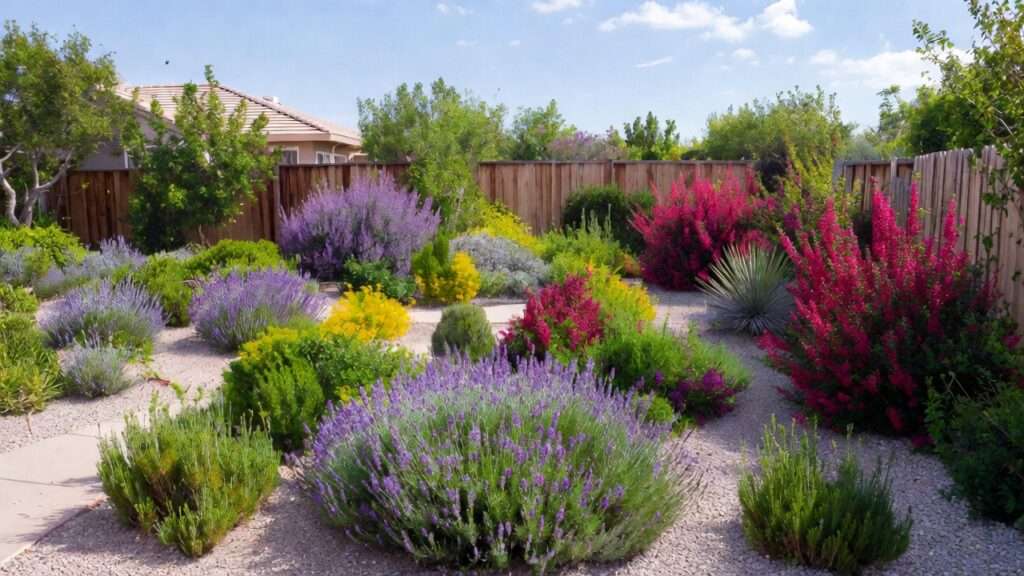
Imagine this: It’s a scorching summer afternoon, your water bill just arrived looking like a small mortgage payment, and you’re out there pushing a mower through knee-high grass that seems to grow faster than you can cut it. Sound familiar? 😩 If you’re tired of the endless cycle of watering, mowing, fertilizing, and stressing over drought restrictions, you’re not alone. Millions of homeowners are discovering a smarter way to reclaim their yards — by reducing lawn area with xeric shrubs.
This approach isn’t about turning your garden into a barren desert. It’s about creating a beautiful, vibrant, low-maintenance landscape that thrives with minimal water, supports local wildlife, and saves you time and money. As a plant care expert with years of experience helping homeowners transition to sustainable yards, I’ve seen firsthand how xeric shrubs can transform high-maintenance lawns into stunning, eco-friendly spaces. In this comprehensive guide, we’ll cover everything you need: the real benefits, top shrub recommendations, a foolproof step-by-step process, inspiring design ideas, and pro maintenance tips. Let’s turn that thirsty lawn into a water-wise wonder! 🌟
Why Reduce Lawn Area with Xeric Shrubs? The Real Benefits 🌍
Traditional turf lawns are beautiful… until you factor in the hidden costs. In many regions, outdoor watering accounts for 50-60% of household water use, with a single average lawn guzzling tens of thousands of gallons annually. Xeriscaped landscapes, by contrast, can slash that by 50-75% or more once established — sometimes even relying mostly on rainfall. 💦
Here are the standout advantages of reducing lawn area with xeric shrubs:
- Massive Water Savings — Studies from water authorities show xeriscapes use up to 60% less water than traditional turf. In drought-prone or water-restricted areas, this translates to lower bills and compliance with conservation rules.
- Drastically Reduced Maintenance — Say goodbye to weekly mowing, frequent edging, and heavy fertilizer/pesticide applications. Xeric shrubs need pruning only occasionally and thrive with little intervention.
- Boosted Curb Appeal & Property Value — Thoughtful designs with colorful foliage, blooms, and textures often increase home appeal more than a plain green lawn.
- Environmental Wins — These shrubs support pollinators (bees, butterflies), birds, and beneficial insects. They reduce stormwater runoff, prevent soil erosion, and cut carbon emissions from gas mowers.
- Climate Resilience — Deep-rooted xeric plants handle heat waves, dry spells, and erratic weather better than shallow-rooted grass.
- Long-Term Cost Savings — Initial effort pays off quickly through reduced utility and maintenance expenses.
Following core xeriscaping principles (like those pioneered by Denver Water: thoughtful planning, soil prep, efficient watering, plant grouping, mulching, turf alternatives, and proper care) ensures success no matter your climate. 🌱
Understanding Xeric Shrubs: What Makes Them Perfect Lawn Replacements 🪴
Xeric shrubs are drought-tolerant plants adapted to survive with little supplemental water. Many feature deep root systems that tap into soil moisture, waxy or hairy leaves that reduce evaporation, and small or needle-like foliage that minimizes water loss. Once established (usually after 1-2 years), most need watering only during extreme dry periods.
Unlike grass, which demands constant moisture and nutrients, xeric shrubs:
- Suppress weeds naturally through dense growth
- Provide year-round structure and interest (evergreen options shine in winter)
- Adapt well to poor soils once amended
- Require no frequent mowing or scalping
The key? Choose species suited to your local conditions — USDA hardiness zone, soil type, sun exposure, and rainfall patterns. In warmer, humid areas (like parts of South Asia or subtropical zones), focus on heat- and humidity-tolerant xeric options that still handle occasional dry spells. Always prioritize natives or well-adapted varieties for best results and ecological benefits. 🌺
Best Xeric Shrubs for Replacing Lawn Areas 🌸
Here’s a curated selection of top-performing xeric shrubs ideal as lawn replacements. These offer variety in size, color, texture, and wildlife value:
- Lavender (Lavandula spp.) — Fragrant purple blooms, silvery foliage; attracts bees; 2-3 ft tall; full sun; Zones 5-9 (many varieties handle heat well).
- Rosemary (Salvia rosmarinus) — Evergreen, aromatic; upright or trailing forms; blue flowers; excellent for hot, dry spots; Zones 8-10.
- Texas Sage (Leucophyllum frutescens) — Silvery leaves, vibrant purple blooms after rain; 5-8 ft; thrives in heat; Zones 8-10.
- Rock Rose (Cistus spp.) — Pink/white crinkled flowers; evergreen; very drought-tolerant; Zones 8-10.
- Germander (Teucrium spp.) — Low-growing, dense; lavender blooms; great groundcover shrub; Zones 7-10.
- Dwarf Butterfly Bush (Buddleja davidii cultivars) — Compact varieties; attracts butterflies; summer blooms; Zones 5-9.
- Potentilla (Potentilla fruticosa) — Bright yellow/white flowers all season; tough & adaptable; Zones 2-7.
- Junipers (Juniperus spp., e.g., Shore Juniper) — Evergreen groundcover types; blue-green needles; erosion control; Zones 4-9.
- Barberry (Berberis thunbergii) — Colorful foliage (red/purple); thorny for security; Zones 4-8.
- Red Yucca (Hesperaloe parviflora) — Not a true yucca; red tubular flowers; architectural; Zones 5-10.
- Lantana — Colorful clusters; heat/humidity lover; attracts pollinators; Zones 8-11 (great tropical option).
- Sage varieties (Salvia spp.) — Many drought-hardy types with spikes of blue/purple; aromatic.
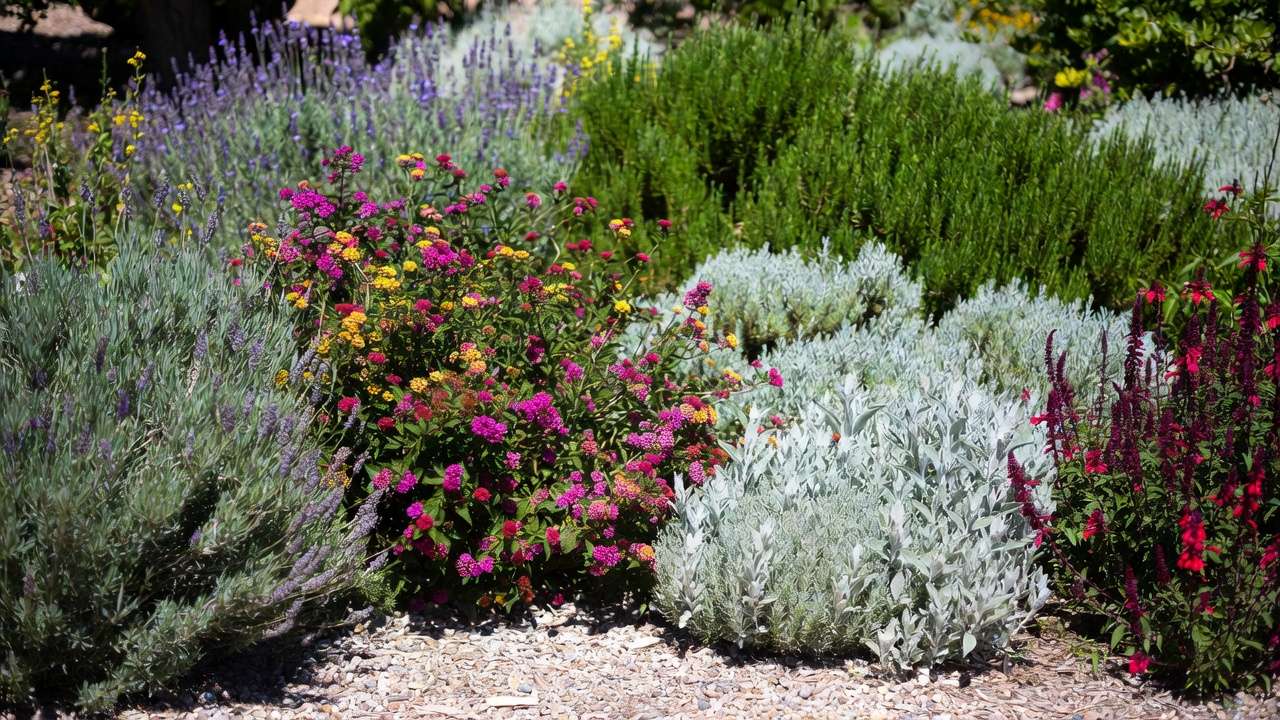
Mix heights, colors, and bloom times for layered beauty. Group by water needs (hydrozoning) for efficiency. In warmer climates, add lantana or salvias for extra vibrancy! 🦋
Step-by-Step Guide: How to Reduce Lawn Area with Xeric Shrubs 🛠️
Ready to get started? Follow these proven steps for a successful transition.
Step 1 – Plan Your Transformation (Design & Zoning) Assess your yard: Map sun/shade patterns, slopes, soil drainage, and high-traffic areas. Decide lawn removal scope (e.g., 50% first). Use hydrozoning — group high-water plants near the house, xeric farther out. Sketch a simple plan! 📏
Step 2 – Remove or Suppress Existing Lawn Options:
- Sheet mulching (cardboard + mulch layers — eco-friendly & kills grass)
- Solarization (clear plastic in summer heat)
- Sod cutter rental (quick but labor-intensive) Avoid harsh chemicals for wildlife safety. 🌱
Step 3 – Prepare the Soil for Long-Term Success Test pH and nutrients. Amend with compost for better structure and drainage (xeric plants hate wet feet). Improve heavy clay or sandy soils accordingly. Healthy soil = healthier plants with less water later. 🧪
Step 4 – Choose and Install Efficient Irrigation (or None!) Start with drip lines or soaker hoses for new plants. Use timers or smart controllers. Plan to taper off after establishment. Many xeric designs become rain-only! 🚿
Step 5 – Plant Your Xeric Shrubs Like a Pro Plant in fall/spring for root growth. Dig holes twice as wide as the root ball, same depth. Space properly (check mature size). Mulch heavily (2-4 inches) with gravel/organic material. Water deeply but infrequently initially. 🌳
Step 6 – Add Finishing Touches for Beauty & Function Layer mulch, add paths (gravel/stepping stones), boulders, or seating. Incorporate low-water perennials/groundcovers between shrubs for fullness. 🎨
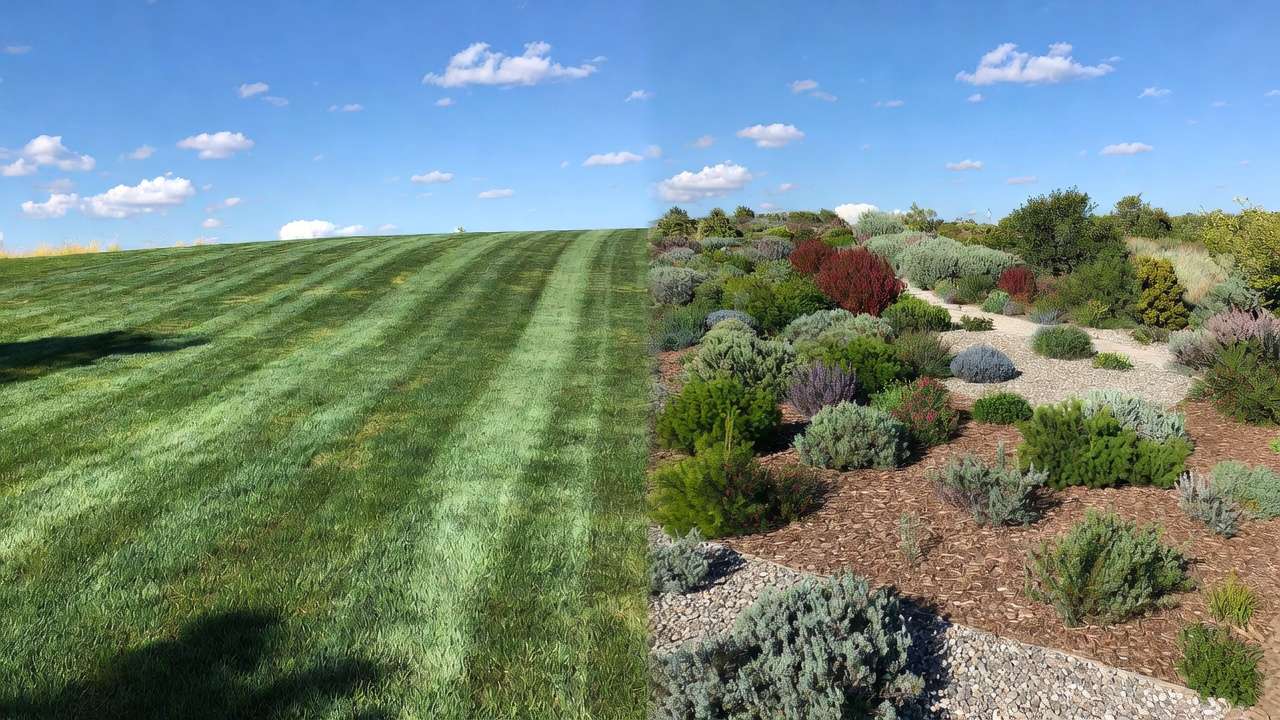
Design Ideas: Beautiful, Functional Xeric Shrub Landscapes 🎨
Reducing lawn area with xeric shrubs opens up endless creative possibilities. The goal is to create layers of interest — taller shrubs as backdrops, mid-height ones for color pops, and lower growers for ground coverage — while keeping everything low-water and low-effort.
Here are some inspiring, practical designs tailored for various yard types:
- Front Yard Curb Appeal Makeover — Replace the front lawn with a mix of colorful, evergreen xeric shrubs like Bougainvillea (vibrant pinks/purples, heat-loving), Lantana (multi-colored clusters that thrive in humidity and heat), and Oleander (fragrant, tough blooms). Add gravel paths and a few accent boulders for structure. This creates a welcoming, tropical-vibe entry that needs watering only during dry spells. In monsoon-heavy areas like Khulna, these plants handle heavy rains well once established and bounce back quickly. 🌺
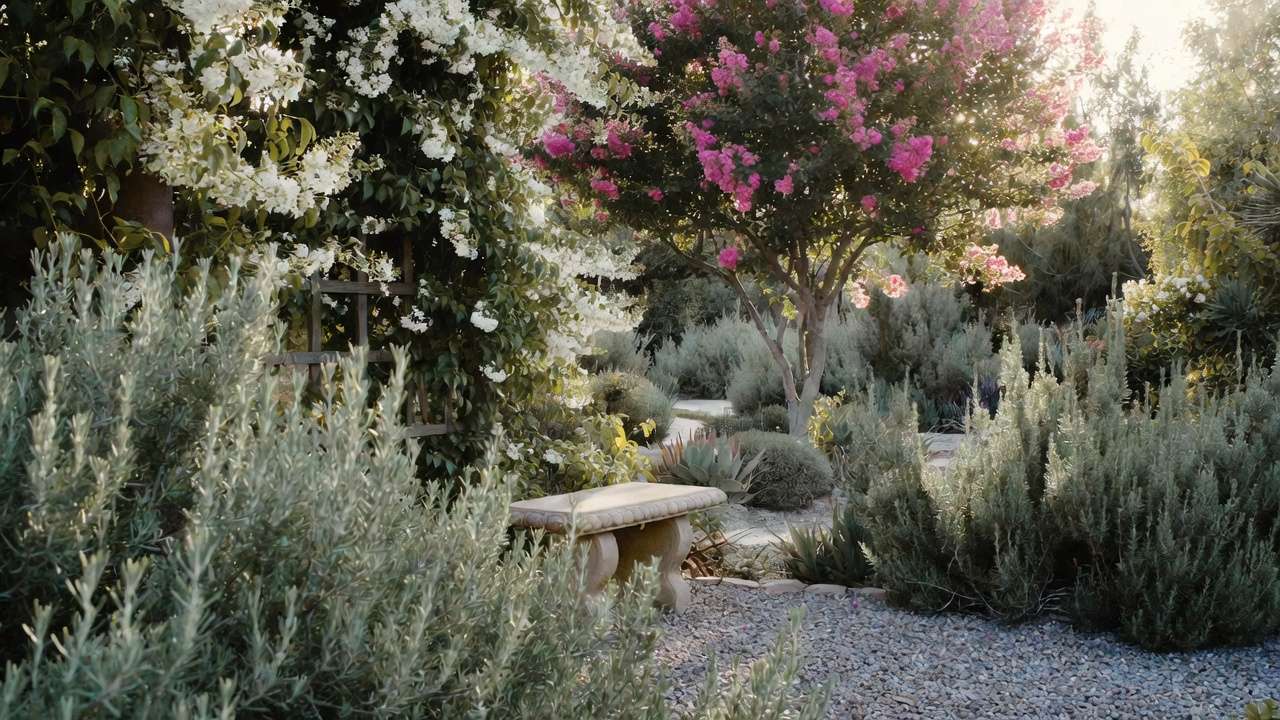
- Backyard Oasis with Seating — Carve out a cozy patio area by removing grass around it. Surround with drought-tolerant fragrant shrubs like Jasmine varieties (Arabian or Orange Jasmine for scent), Rosemary (aromatic and edible), and Crape Myrtle (Lagerstroemia — stunning summer blooms, drought-tolerant once rooted). Intersperse with low-water perennials for softness. Add mulch and a simple bench — instant relaxation spot without constant upkeep! ☕
- Sloped Yard Erosion Control — On hills or uneven ground, use spreading xeric shrubs like Junipers (ground-hugging types), Germander, or trailing Lantana to stabilize soil and prevent runoff. Their dense roots hold everything in place during monsoons, while requiring far less water than grass. Layer with rocks for a natural look. 🏞️
- Pollinator-Friendly Layout — Design a butterfly/bird haven with Butterfly Bush (dwarf varieties), Lantana, and Lavender (if drainage is good). These attract bees, butterflies, and hummingbirds while staying xeric. Group in sunny patches for maximum blooms. 🦋
- Small-Space or Urban Yard Ideas — In compact Khulna gardens or balconies, use containerized xeric shrubs like Dwarf Bougainvillea, Lantana, or compact Rosemary. Place on patios or along walls for privacy screens. Minimal space, maximum impact!
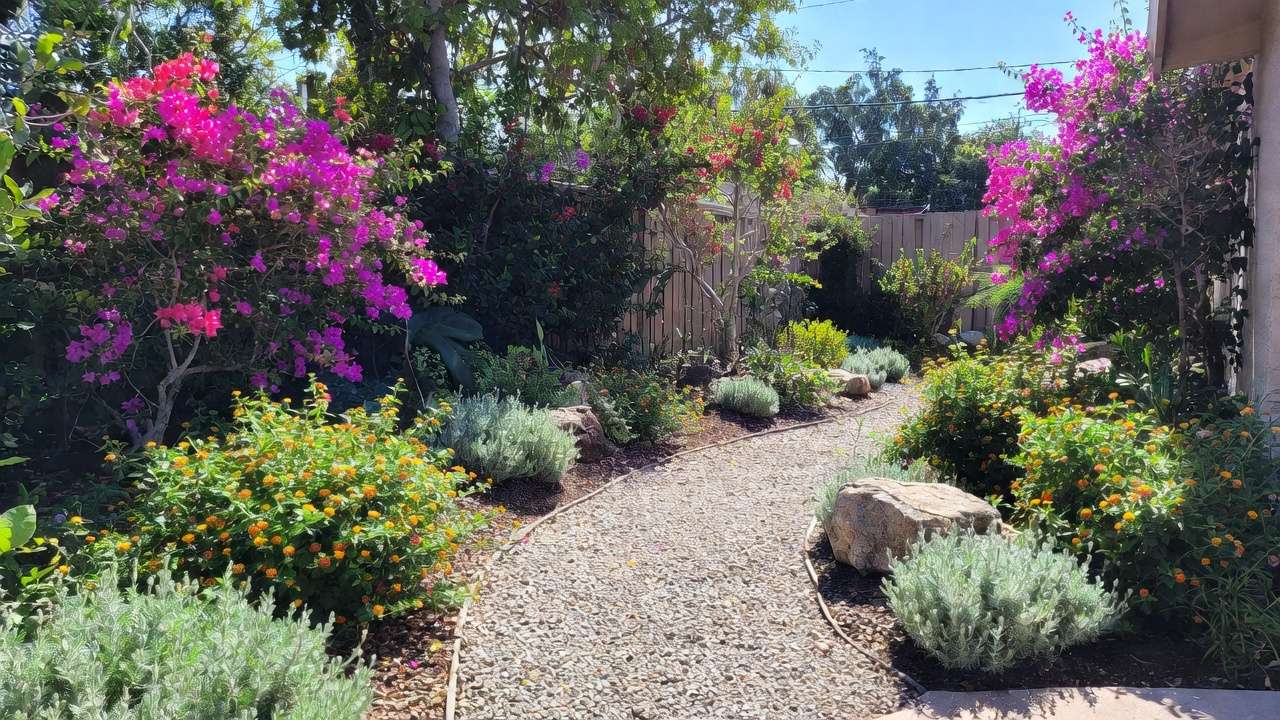
Before-and-after tip: Many homeowners see their water use drop noticeably within the first year, with yards looking fuller and more textured than plain grass ever did. Start small — convert one section and expand as you see the results! 📸
Maintenance Tips for a Thriving Xeric Landscape 🔧
The beauty of xeric shrubs is their low demands once established, but the first 1–2 years are key for strong roots.
- Establishment Phase Watering — Water deeply (to 12–18 inches) 2–3 times per week for the first few months, then taper to weekly. In humid monsoon climates like Bangladesh, natural rainfall often covers most needs after year one — supplement only during extended dry periods (common in pre-monsoon heat).
- Ongoing Care — Prune lightly in late winter/early spring to shape and encourage bushiness. Remove dead wood as needed. Fertilize sparingly (once a year with slow-release, low-nitrogen formula) — over-fertilizing encourages weak growth.
- Pest & Disease Troubleshooting — Most xeric shrubs resist pests well. Watch for aphids on new growth (hose off or use neem oil). Fungal issues are rare in well-drained setups but can appear in heavy monsoon humidity — ensure good air circulation.
- Seasonal Checklist
- Pre-monsoon (hot/dry): Deep water if no rain for 2+ weeks.
- Monsoon: Reduce/supplemental watering; trim overgrown branches.
- Post-monsoon/Winter: Mulch refresh, light prune.
- Common Mistakes to Avoid — Overwatering new plants (causes root rot), planting too deep, skipping mulch, or ignoring soil drainage. Good prep prevents 90% of problems! ⚠️
FAQs About Reducing Lawn Area with Xeric Shrubs ❓
- How long until xeric shrubs are fully established and need almost no water? Typically 1–2 years. In humid tropical areas like Khulna, many thrive mostly on rainfall after the first monsoon season.
- Can I keep some lawn areas? Absolutely! Start with partial conversion — keep play areas or high-traffic spots grassy and replace the rest for big water savings.
- Are xeric shrubs safe for pets and children? Most are (e.g., Lavender, Rosemary, Lantana in moderation). Avoid toxic ones like Oleander near play zones — check labels.
- Do xeric shrubs work in humid, monsoon climates like Bangladesh? Yes! Focus on heat- and humidity-tolerant options like Lantana, Bougainvillea, Crape Myrtle, Oleander, and Jasmine. They handle wet seasons well and conserve water during drier months.
- How much money can I save on water bills? Homeowners often cut outdoor water use by 40–70%, depending on lawn size and local rates. In water-restricted or high-cost areas, savings add up fast!
- What if my soil is clay-heavy (common in Khulna)? Amend with compost/sand for drainage. Raised beds help too.
- Can I do this on a budget? Yes — start small, propagate from cuttings (many xeric shrubs root easily), use free mulch like leaves, and shop local nurseries.
- Will my yard look bare at first? Not if you plant densely and mulch well. Shrubs fill in quickly!
Conclusion 🌟
Reducing lawn area with xeric shrubs is one of the smartest, most rewarding changes you can make to your yard. You’ll enjoy a more beautiful, colorful landscape that saves water, slashes maintenance, supports wildlife, and stands strong through heat, monsoons, and dry spells. In places like Khulna, where water conservation matters more each year, this approach isn’t just trendy — it’s practical and future-proof.
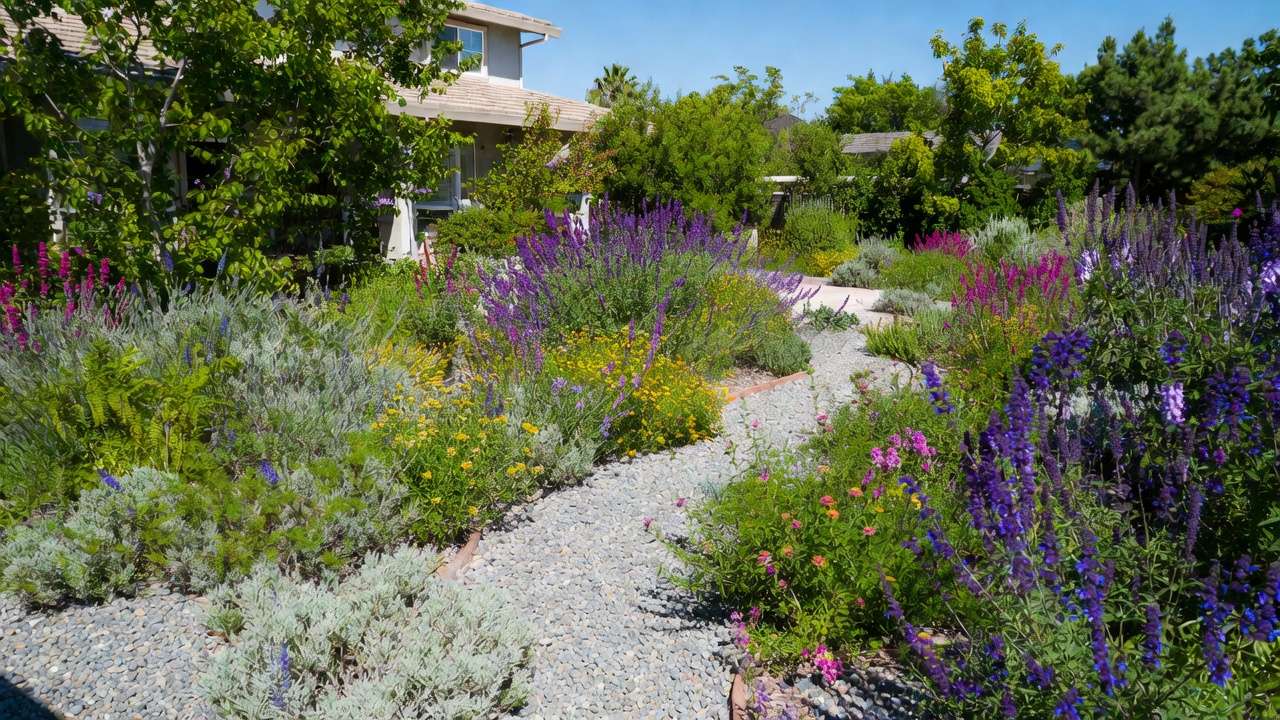
Start small: Pick one section of your lawn, follow the steps above, and watch the transformation unfold. Your wallet, your back, and the planet will thank you! If you need more region-specific advice or plant sources, reach out to local nurseries or agricultural extensions.
Ready to get started? Grab a notebook, sketch your plan, and turn that thirsty lawn into your own water-wise paradise. Happy gardening! 🌿✨











