
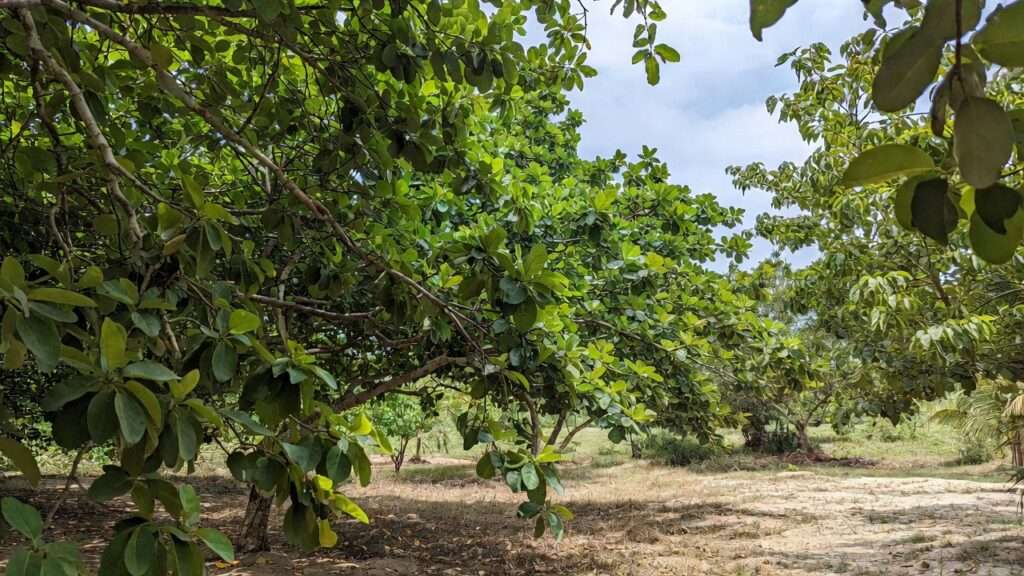
Imagine stepping into your yard on a sweltering Khulna afternoon—the sun beating down relentlessly, humidity making every breath feel heavy, and your air conditioner running nonstop just to keep the house bearable. 😓🔥 Now picture this: lush, cooling shade right outside your window, branches swaying gently, dropping temperatures naturally while your water bill stays low and your weekends aren’t spent hauling hoses. That’s the magic of finding shade trees that need little water—trees that deliver generous canopy coverage with minimal irrigation once established, perfect for hot, humid tropical climates like ours in Bangladesh.
In regions facing longer dry spells between monsoons, rising temperatures, and water conservation needs, drought-tolerant shade trees aren’t a luxury—they’re a smart, eco-friendly solution. These resilient species thrive in our seasonal dry periods, provide deep or dappled shade to slash cooling costs, support local biodiversity, and require far less upkeep than thirsty ornamentals. Studies show strategically placed shade trees can reduce home cooling energy by 20–50% through direct shading and evaporative cooling, cutting carbon emissions and easing the strain on power grids during heat waves.
In this comprehensive guide, we’ll explore why these trees matter, what makes a tree truly low-water, and share the top drought-tolerant picks tailored for hot-humid areas like Khulna—many native or well-adapted to South Asia. You’ll get detailed profiles, comparisons, planting steps, maintenance tips, and expert insights to help you choose and succeed. Whether you’re a homeowner seeking yard relief, a gardener prioritizing sustainability, or someone battling high utility bills, these recommendations solve the real problem: beautiful, functional shade without constant watering. Let’s dive in! 🌿☀️
Why Choose Drought-Tolerant Shade Trees? Benefits & Real-World Need 🌿
In Khulna and similar hot-humid zones, summers stretch long and dry spells intensify between monsoons. Traditional shade trees like rain trees demand heavy watering, but drought-tolerant varieties adapt brilliantly—deep roots tap groundwater, thick or waxy leaves reduce evaporation, and many are native or long-naturalized here.
Key benefits include:
- Natural Cooling & Energy Savings — Shade blocks solar heat on walls and windows. Research from sources like the U.S. Department of Energy and urban studies indicate mature shade trees can lower indoor temperatures by 2–4°C, reducing air-conditioning needs by up to 30–50% in hot climates. In tropical settings, this translates to lower electricity bills and less grid strain during peak heat.
- Water Conservation — Once established (usually 2–3 years), these trees survive on rainfall alone or occasional deep soaks, ideal for areas with water restrictions or high irrigation costs.
- Low Maintenance — Many resist common pests and diseases better in adapted environments, needing minimal pruning or fertilizer.
- Environmental Wins — They sequester carbon, improve air quality by filtering pollutants, stabilize soil against erosion (vital in monsoon-prone Bangladesh), and create habitats for birds and pollinators.
- Bonus Perks — Several offer edible fruits, medicinal uses, or cultural value—think neem for natural pest control or mango for homegrown treats!
Myth busted: Not all shade trees guzzle water. Many tropical legends prove otherwise, thriving with resilience in our climate. 🌱
Understanding Drought Tolerance in Shade Trees 🔍
“Drought-tolerant” means a tree survives extended low-water periods with minimal stress once mature. Key traits:
- Deep or Wide Root Systems — Access moisture deep underground.
- Adaptive Leaves — Small, thick, waxy, or compound to cut transpiration.
- Establishment Phase — Young trees need regular deep watering (1–2 years) to build roots; then taper off.
- Humid vs. Dry Nuance — In hot-humid Khulna, prioritize good airflow to avoid fungal issues, unlike purely arid zones.
For our climate (USDA-equivalent 10–11, hot-humid subtropical with monsoons), focus on species tolerant of seasonal dry winters and high summer humidity. Native South Asian picks excel here.
Top 12+ Drought-Tolerant Shade Trees (Detailed Recommendations) 🌴
Selection based on shade quality, low mature water needs, growth rate, height/spread, resilience, and suitability for Khulna/Bangladesh—prioritizing tropical performers with global versatility.
Neem Tree (Azadirachta indica) 🌿 Fast-growing superstar! Mature height 15–20m, wide canopy for excellent dappled-to-deep shade. Highly drought-tolerant once established—survives on 450–1200mm rainfall, even less if roots access groundwater. In Khulna, it’s a local hero: medicinal leaves, pest-repelling properties, fast shade in 5–7 years. Pros: Low water (deep soak 1–2x/month mature), pest-resistant. Cons: Bitter leaves drop seasonally. Perfect for yards!
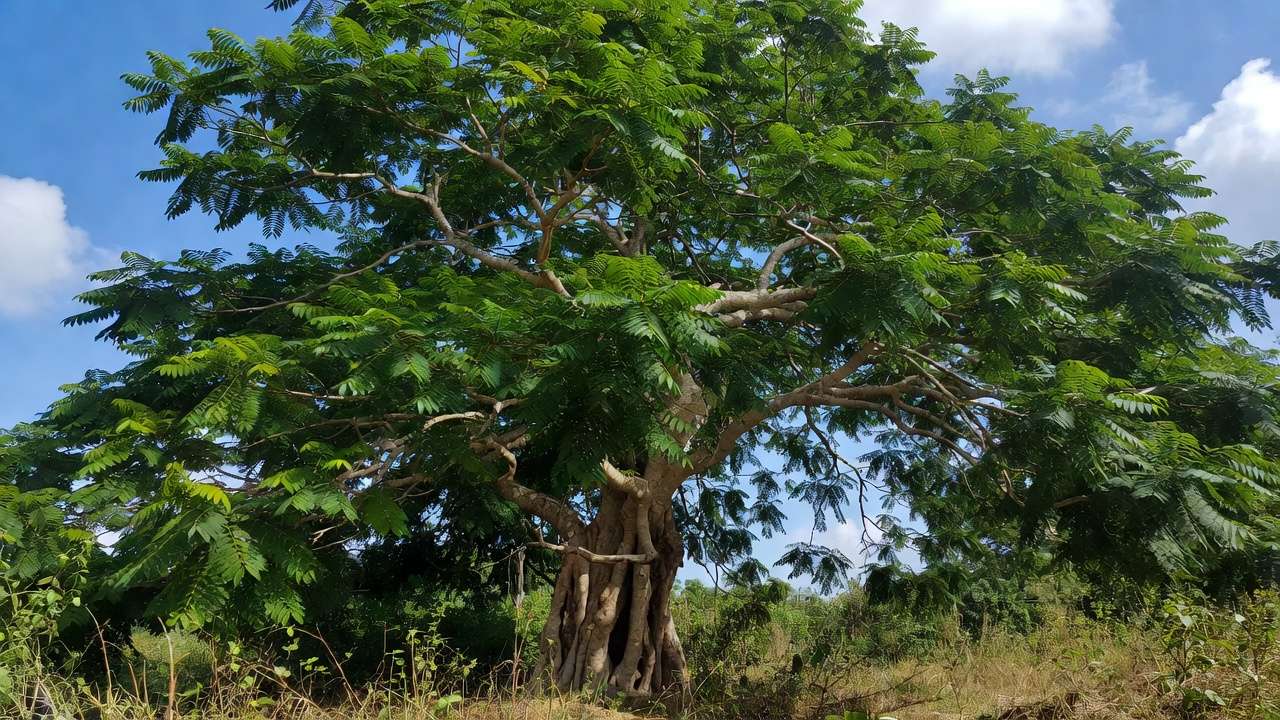
Mango Tree (Mangifera indica) 🥭 Iconic tropical! 10–30m height, dense rounded canopy for deep shade. Thrives in heat; after 2–3 years establishment, handles dry spells well in Bangladesh’s climate. Bonus: Delicious fruit! Water needs drop significantly mature. Pros: Cultural favorite, edible yield. Cons: Fruit mess, occasional pests. Ideal for larger yards.
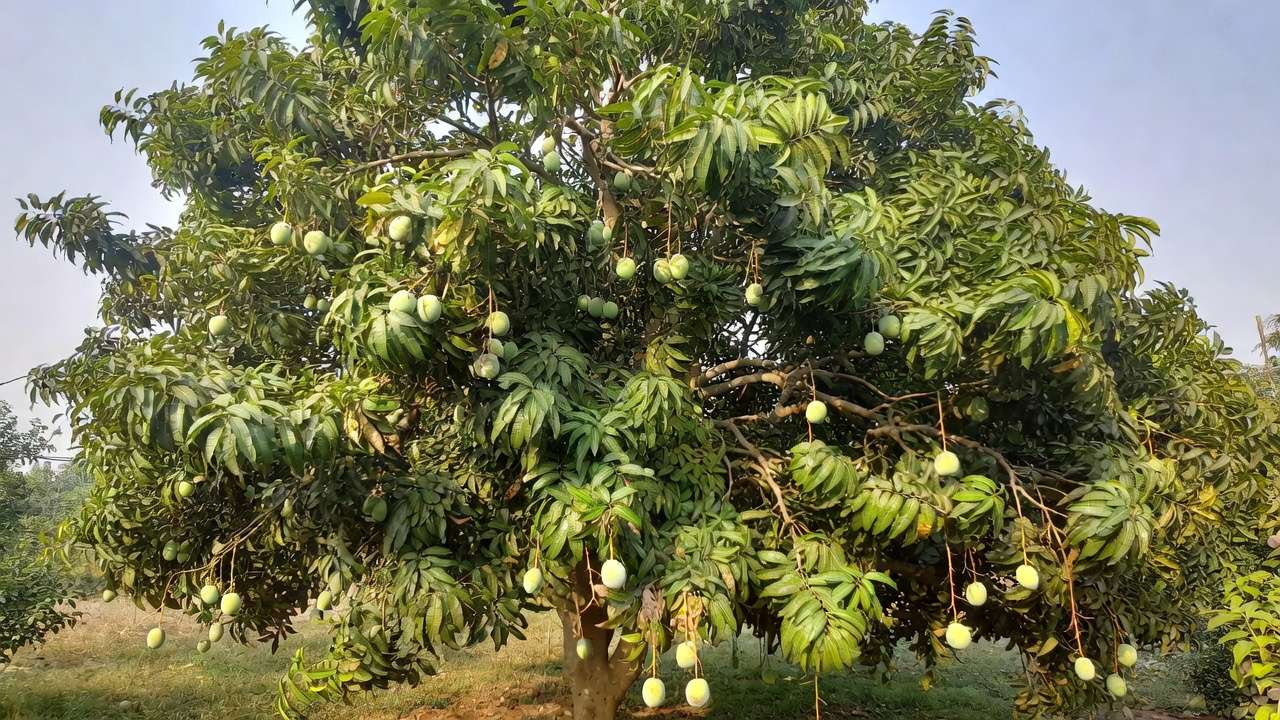
Tamarind (Tamarindus indica) 🍋 Wide, umbrella-like canopy (15–25m), superb dense shade. Extremely drought-hardy—thick trunk, deep roots. Common in hot South Asia. Pros: Tangy pods edible, very low water mature. Cons: Slow initial growth. Great street or yard shade.
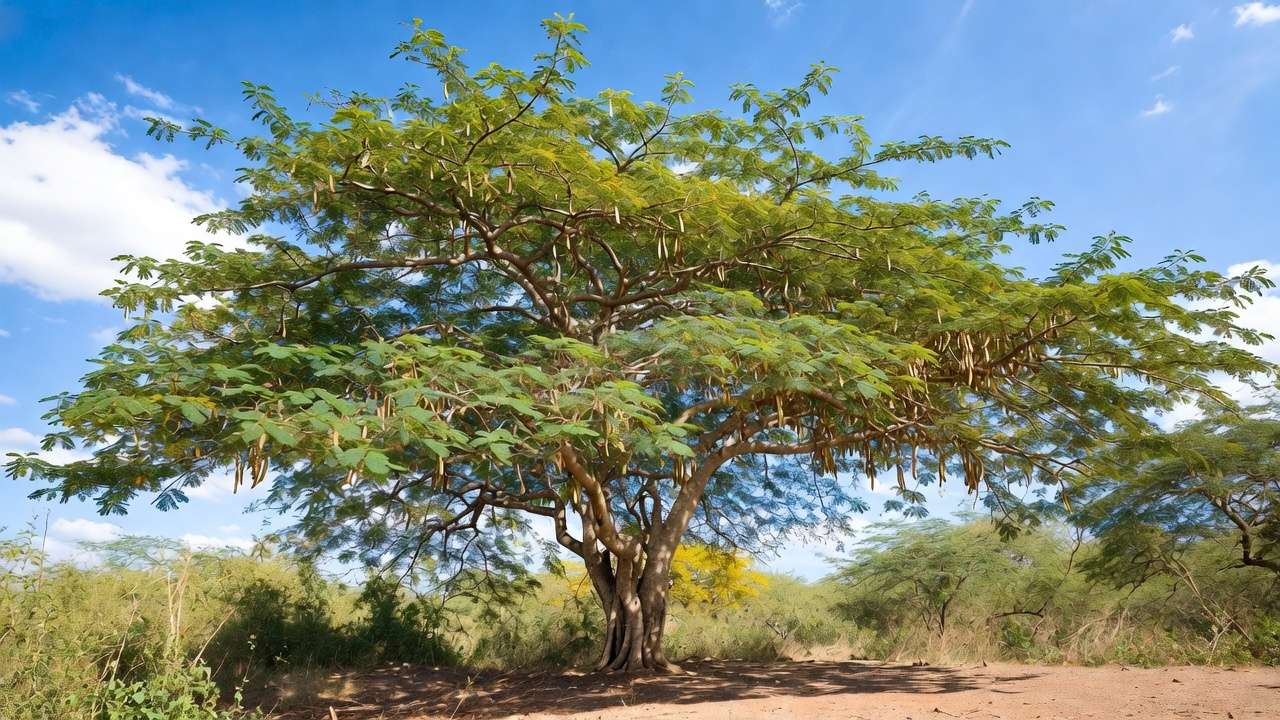
Mahogany (Swietenia macrophylla) 🌳 Tall (20–30m), broad dense crown for premium deep shade. Resilient in tropics, good drought tolerance post-establishment. Pros: Valuable wood, elegant form. Cons: Slower growth. Suited for spacious areas.
Peepal / Sacred Fig (Ficus religiosa) 🙏 Massive heart-shaped leaves, huge spreading canopy (15–30m+). Low water needs mature, thrives in dry seasons. Cultural significance in BD. Pros: Epic shade, wildlife attractor. Cons: Aggressive roots—plant away from structures.
Banyan (Ficus benghalensis) 🌳 Sprawling aerial roots, enormous shade (up to 50m spread!). Very drought-tolerant once mature. Pros: Iconic, long-lived. Cons: Needs space; roots invasive.
Jamun / Java Plum (Syzygium cumini) 🍇 Dense evergreen canopy (10–20m), good shade. Adapts to dry spells, fruit bonus. Pros: Edible berries, medicinal. Cons: Fruit staining.
Date Palm (Phoenix dactylifera) 🏝️ Tall evergreen palm (10–20m), feathery fronds for filtered shade. Ultra-low water—classic desert survivor, adapts humid tropics. Pros: Elegant, fruit. Cons: Spiky.
Moringa (Moringa oleifera) 🌱 Fast (3–5 years to shade), light-medium canopy. Nutritious leaves/pods. Pros: Multi-use, very drought-hardy. Cons: Lighter shade.
Teak (Tectona grandis) 🌲 Premium deciduous, broad canopy mature. Drought-resistant in dry seasons. Pros: Durable wood. Cons: Slower.
Sapodilla (Manilkara zapota) 🍎 Evergreen tropical gem! Mature height 10–20m, dense rounded canopy for excellent medium-to-deep shade. Extremely drought-tolerant once established—thick leaves and deep roots help it handle dry seasons. Common in South Asia, thrives in Khulna’s heat and humidity. Pros: Sweet edible fruit (chikoo), very low water mature (rainfall sufficient most years), pest-resistant. Cons: Slow to medium growth. Fantastic for fruit + shade combo!
Indian Jujube / Ber (Ziziphus mauritiana) 🍎 Small-to-medium tree (6–12m), spreading canopy for good dappled shade. One of the toughest drought survivors in arid-to-humid tropics. Pros: Nutritious fruit, thorny for natural fencing, ultra-low water needs. Cons: Smaller shade area than giants. Great for smaller yards or edges.
These picks outperform generic lists by focusing on tropical humid performance—many from Bangladesh studies on drought-prone homesteads (e.g., neem, tamarind, mango frequently recommended for resilience in dry seasons). They provide year-round or seasonal shade while conserving water better than high-thirst species like rain tree or kadam. 🌟
How to Choose the Right Tree for Your Yard – Comparison Table & Tips 📊
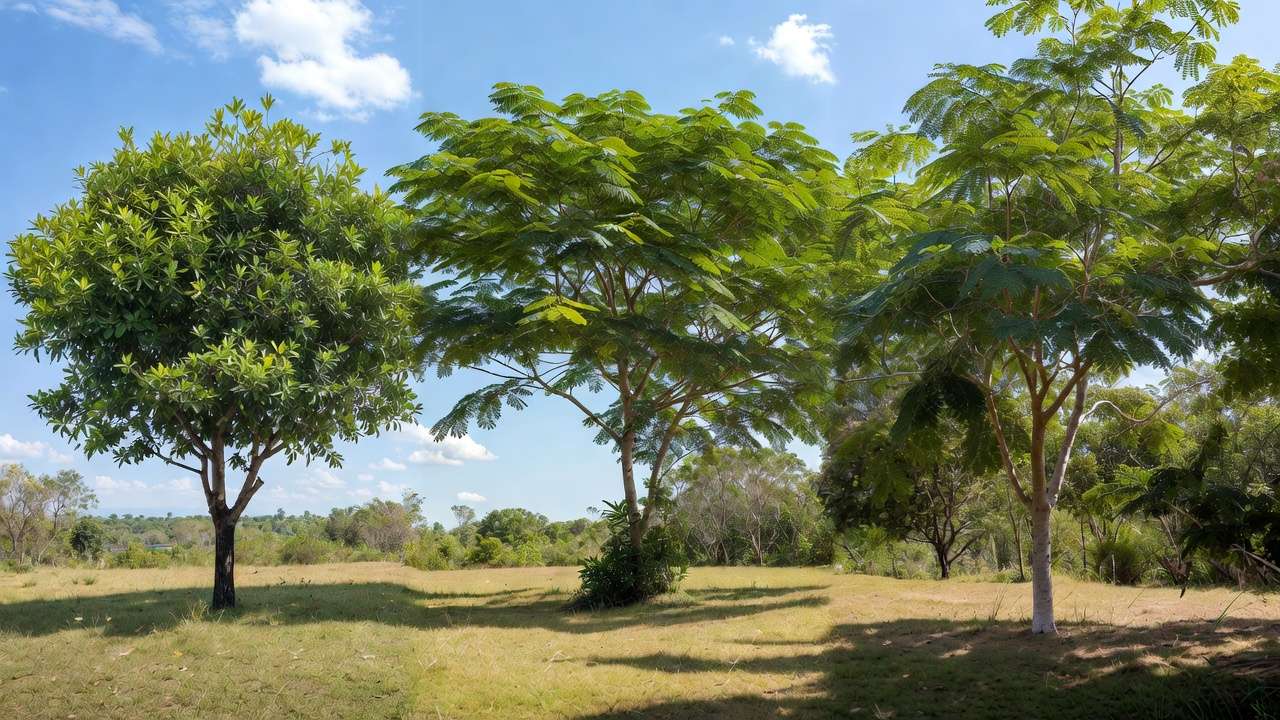
Use this quick comparison to match your space and needs:
| Tree | Shade Density | Mature Height | Growth Rate | Edible/Medicinal Bonus | Mature Water Needs (Khulna) | Best For | Potential Drawbacks |
|---|---|---|---|---|---|---|---|
| Neem | Dappled-Deep | 15–20m | Fast | Yes (leaves, oil) | Very low (rain + occasional) | Any yard, pest control | Bitter leaf drop |
| Mango | Deep | 10–30m | Medium | Yes (fruit) | Low after yr 3 | Larger yards, fruit lovers | Fruit mess, occasional pests |
| Tamarind | Dense | 15–25m | Medium | Yes (pods) | Very low | Wide canopies | Slow start |
| Mahogany | Deep | 20–30m | Medium | Timber value | Low | Spacious areas | Slower growth |
| Peepal | Very Deep | 15–30m+ | Fast | Cultural/wildlife | Low | Large shade seekers | Aggressive roots |
| Banyan | Massive | Huge spread | Medium | Wildlife habitat | Very low | Iconic statement | Needs huge space |
| Jamun | Dense | 10–20m | Medium | Yes (fruit) | Low | Edible shade | Fruit staining |
| Date Palm | Filtered | 10–20m | Slow-Medium | Yes (dates) | Very low | Elegant, evergreen | Spiky fronds |
| Moringa | Light-Medium | 8–12m | Very Fast | Yes (leaves, pods) | Very low | Quick multi-use | Lighter shade |
| Teak | Broad mature | 20–30m | Medium | Valuable wood | Low | Premium look | Deciduous leaf drop |
| Sapodilla | Medium-Deep | 10–20m | Slow-Medium | Yes (chikoo) | Very low | Fruit + resilience | Slower to shade |
| Indian Jujube | Dappled | 6–12m | Medium | Yes (ber) | Extremely low | Small yards | Smaller canopy |
Tips for choosing:
- Space — Measure your yard; avoid aggressive-rooted trees (Peepal, Banyan) near foundations or pipes.
- Soil — Khulna’s clay-loam drains okay; add organic matter for better establishment.
- Extras — Want fruit? Go mango, tamarind, jamun. Need fast? Neem or moringa.
- Sun — All prefer full sun for best growth and shade density.
Planting Guide: Step-by-Step for Success 🛠️
Planting right ensures quick establishment and early low-water success—especially post-monsoon (October–November) in Khulna for root growth before dry season.
- Site Selection — Full sun (6+ hours), away from structures (10–20m for large trees). Test drainage—avoid waterlogged spots.
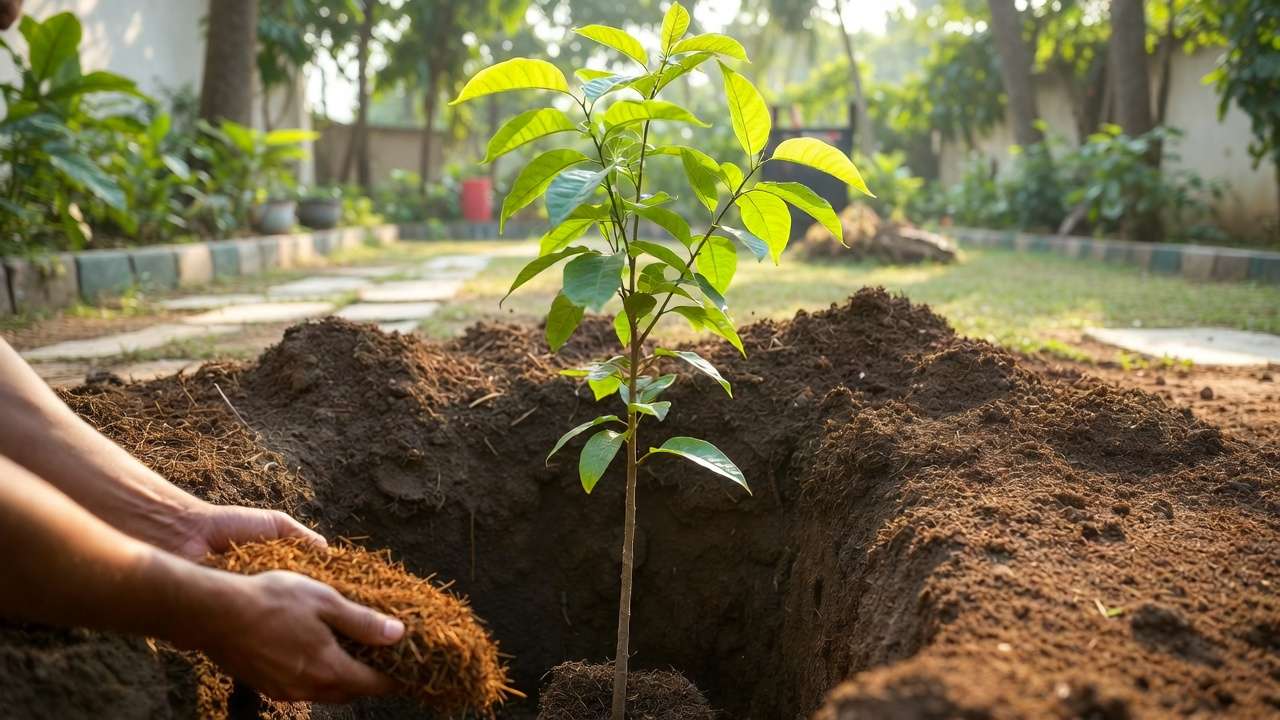
- Hole Prep — Dig 2–3x wider than root ball, same depth. Mix soil with compost/manure for nutrients.
- Planting — Place tree so root flare is level with ground. Backfill, tamp gently, create a small berm for watering.
- Initial Watering — Deep soak immediately (20–30L), then 2–3x/week first month, tapering to weekly deep soaks (bucket or hose slow drip) for 1–2 years. This builds deep roots for drought tolerance.
- Mulch — Apply 5–10cm organic mulch (leaves, straw) around base (not touching trunk) to retain moisture and suppress weeds. 🌱
Pro tip: Stake young trees against wind if needed, but remove after 1 year.
Maintenance Tips for Long-Term Low-Water Success 💦
- Watering Transition — Year 1–2: Consistent deep watering. Year 3+: Rely on rain; supplement only if no rain 4+ weeks (deep soak to 60cm depth).
- Pruning — Annual light prune post-monsoon for shape, remove dead branches, improve airflow (key in humid Khulna to prevent fungi).
- Pest/Disease Watch — Neem oil spray for common issues; many of these trees are naturally resistant.
- Fertilizer — Minimal—compost annually or slow-release in spring. Over-fertilizing increases water needs.
- Monitoring — Watch for wilting; yellow leaves may signal over/under water, but mature trees bounce back fast.
Common Mistakes to Avoid When Planting Low-Water Shade Trees ⚠️
- Overwatering young trees → causes shallow roots and rot.
- Planting too close to house/walls → roots damage foundations (especially figs).
- Ignoring establishment phase → skipping regular deep water kills drought potential.
- Choosing wrong species for humidity → avoid pure desert types; stick to tropical-adapted.
- No mulch → rapid evaporation in heat.
Expert Insights & Reader Q&A (FAQs) ❓
From horticulture research and local Bangladesh adaptations (e.g., studies on homestead drought-tolerant species), experts emphasize native/resilient picks like neem and tamarind for climate resilience.
FAQs:
- Which provides the deepest shade in hot humid areas? Peepal or Banyan for massive coverage; Mango/Tamarind for dense rounded shade.
- How long until low-water phase? 2–3 years typical; faster with good establishment watering.
- Are these safe near homes? Yes for most (e.g., Neem, Mango), but keep figs 15m+ away.
- Best for small yards? Moringa or Indian Jujube—quick, compact.
- Fruit mess issues? Plant away from patios; mulch helps.
- Evergreen options? Date Palm, Sapodilla, Jamun for year-round green.
- Climate change fit? These handle longer dry spells better than thirsty species.
- Where to buy in Khulna? Local nurseries or agricultural extension centers often stock neem, mango saplings.
Conclusion: Transform Your Yard Sustainably 🌟
Finding shade trees that need little water is one of the smartest moves for Khulna homeowners facing heat, humidity, and water-wise living. Start with 1–2 favorites—like a majestic neem for quick shade or a fruitful mango for double benefits—and enjoy cooler yards, lower bills, and eco-friendly beauty. These trees aren’t just plants; they’re long-term investments in comfort and sustainability. Head to your local nursery, plant this season, and watch your yard become an oasis! Share your experiences or favorite picks in the comments—I’d love to hear how it goes. ☀️😊🌿











