
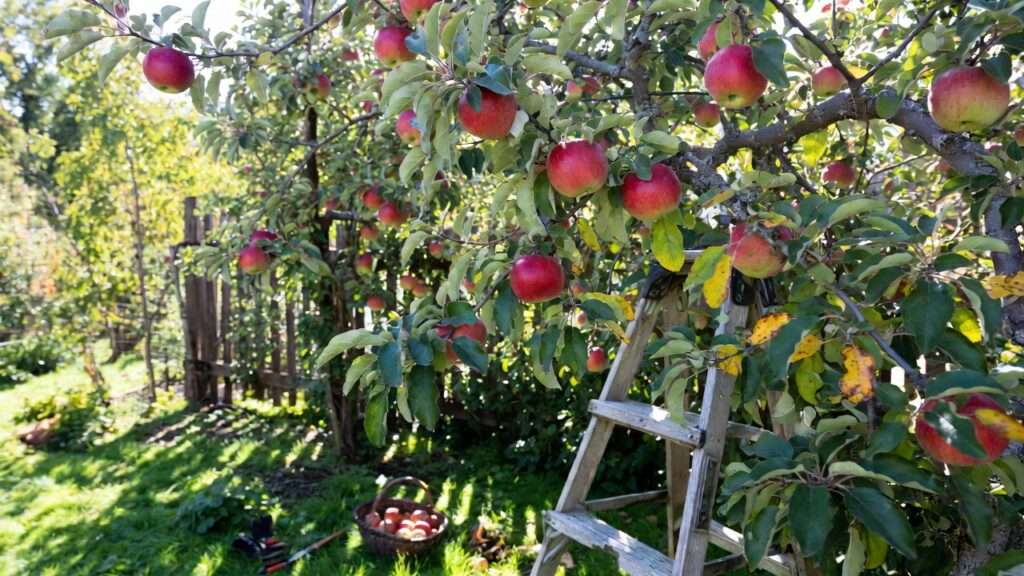
Imagine stepping into your backyard each fall to harvest basket after basket of crisp, flavorful apples—without the endless cycle of spraying fungicides, pruning away blackened shoots, or watching your fruit get ruined by ugly spots and rots. For many home growers, this dream feels out of reach because common diseases like apple scab, fire blight, cedar-apple rust, and powdery mildew turn what should be a joyful hobby into a frustrating battle. But here’s the good news: by choosing disease-resistant apple varieties, you can dramatically reduce maintenance, cut pesticide use by 50-90%, and enjoy healthier trees and better yields—even if you’re new to orcharding or prefer organic methods.
In this comprehensive guide, we’ll walk you through how to pick disease-resistant apple varieties tailored to your climate, taste preferences, and space. Drawing from university extension research (Purdue, Rutgers, Cornell, Ohio State, and more), breeding programs like the PRI cooperative, and real-world grower experiences, you’ll get expert-backed steps, detailed variety profiles, and practical tips to build a thriving, low-maintenance home orchard. Let’s turn your apple-growing frustrations into sweet success! 🍏✨
Why Disease Resistance Matters for Home Orchardists 🌿
Apple trees face several major diseases that can devastate home orchards, especially in humid or wet climates. Here’s a quick overview of the big four:
- Apple scab 🍂: Caused by the fungus Venturia inaequalis, it shows up as olive-green to black velvety spots on leaves and fruit, leading to defoliation, cracked apples, and poor quality. Wet springs favor its spread.
- Fire blight 🔥: A bacterial disease (Erwinia amylovora) that makes shoots and blossoms look “burned” or blackened, often killing branches or entire young trees. It’s worse in warm, humid conditions during bloom.
- Cedar-apple rust 🟠: Alternates between apples and nearby junipers/cedars, causing bright orange spots on leaves and fruit deformities. If you have red cedars nearby, this is a high risk.
- Powdery mildew ❄️: White powdery coating on leaves, shoots, and fruit, reducing photosynthesis and weakening trees over time.
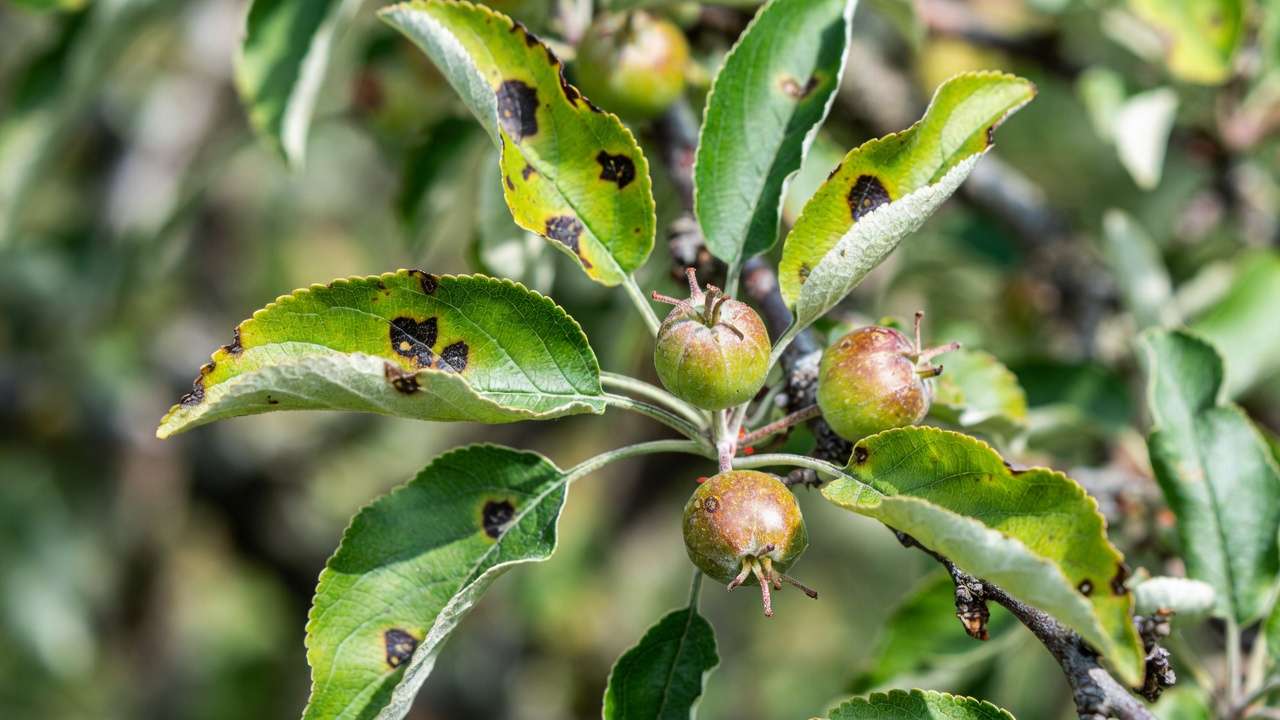
Popular supermarket varieties like Honeycrisp, Gala, Fuji, and Golden Delicious are often very susceptible (rated VS or S in extension tables), requiring frequent sprays to produce decent fruit. This leads to higher costs, environmental impact, and extra work—exactly what most backyard growers want to avoid.
Disease-resistant varieties, many from the Purdue-Rutgers-Illinois (PRI) breeding program, incorporate genes (like Vf for scab resistance) that make them highly tolerant or immune to these issues. Benefits include:
- Far fewer fungicide applications (often none for scab in good years).
- Better for pollinators, beneficial insects, and organic growing.
- Higher success rates for beginners, small spaces, or challenging regions.
- Still great flavor and storage—many outperform older susceptible types.
Important note: Resistance isn’t full immunity. Extreme weather, poor site conditions, or new pathogen strains can cause minor issues, so good cultural practices remain key. Always check your local extension service (e.g., via USDA or state ag websites) for regional disease pressure. 🌍
Understanding Apple Disease Resistance Ratings 📊
Extension services rate varieties using scales like:
- VR (Very Resistant) or Immune: Little to no symptoms expected.
- R (Resistant): Minimal impact, rarely needs intervention.
- MR (Moderately Resistant): Tolerable with basic care.
- S (Susceptible) or VS (Very Susceptible): Heavy management required.
PRI varieties often carry multiple resistances (e.g., scab-immune + rust-resistant). Sources include Purdue’s BP-132-W chart and Ohio State recommendations (updated as of 2025).
Here’s a simplified comparison table of common vs. resistant varieties (based on aggregated extension data):
| Variety | Apple Scab | Fire Blight | Cedar-Apple Rust | Powdery Mildew | Notes |
|---|---|---|---|---|---|
| Honeycrisp | MR | R | S | S | Popular but needs sprays |
| Gala | VS | VS | R | MS | High maintenance |
| Liberty | VR | R | VR | R | Top all-around choice 🍎 |
| Enterprise | VR | R | R | MR | Excellent storage |
| GoldRush | VR | MR | S | R | Spicy flavor, long keeper |
| Freedom | VR | VR | R | R | Reliable yields |
| Pristine | VR | R | S | R | Early yellow type |
(Pro tip: Print or bookmark Purdue’s full susceptibility chart for reference!)
Step-by-Step Guide: How to Pick the Right Disease-Resistant Variety 🛠️
Follow these steps to match the perfect tree(s) to your needs.
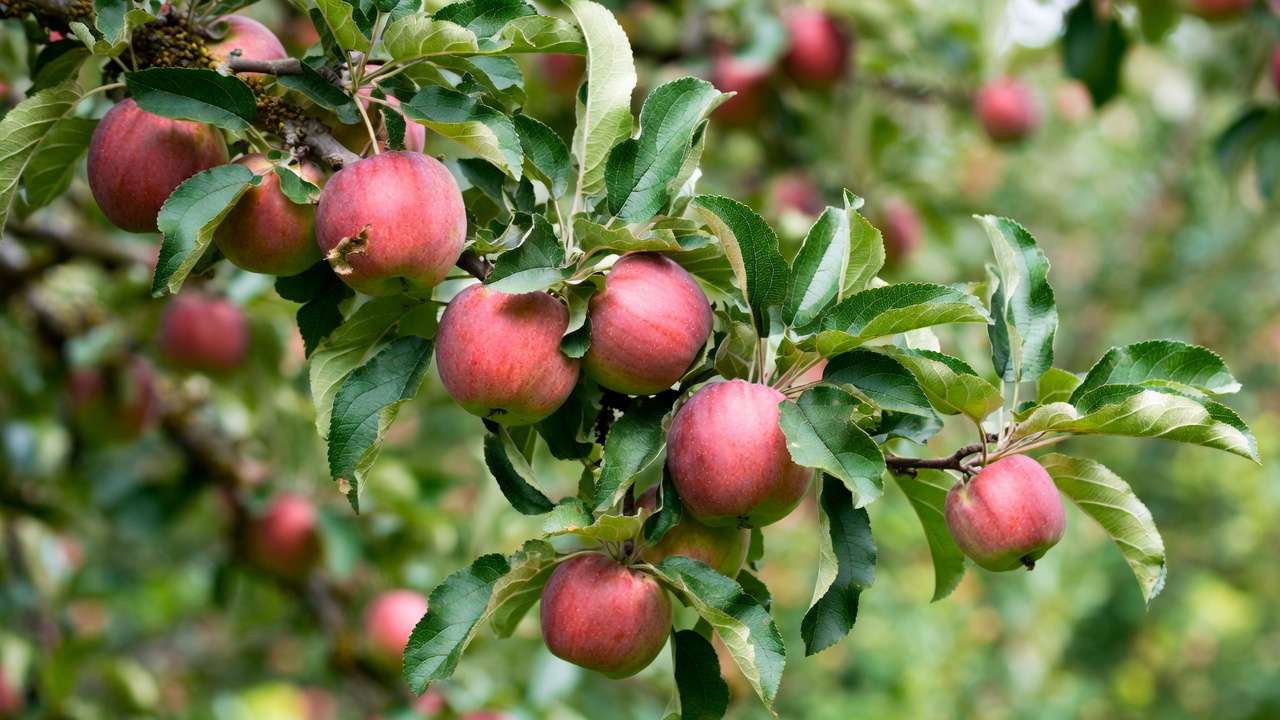
1. Assess Your Local Disease Pressure and Climate
Identify your USDA hardiness zone, chill hours (hours below 45°F needed for dormancy break), and typical weather. Wet/humid areas prioritize scab/rust resistance; warmer spots focus on fire blight.
- Use tools like USDA Plant Hardiness Zone Map or local extension forecasts.
- Check for nearby cedar/juniper hosts (remove if possible for rust control).
- Note frost dates—choose varieties with bloom times that avoid late freezes.
2. Prioritize Multi-Disease Resistance
Aim for broad-spectrum protection (3+ diseases). Top performers include PRI releases.
3. Match Variety to Your Needs and Taste Preferences 🍽️
- Fresh eating: Crisp, juicy, balanced sweet-tart.
- Cooking/cider: Tart, firm.
- Harvest timing: Plant early/mid/late for extended season.
- Tree size: Dwarf (8-12 ft) for patios; semi-dwarf (12-18 ft) standard.
4. Ensure Proper Pollination and Rootstock Compatibility
Most apples need a cross-pollinator (bloom overlap). Choose self-fertile if limited space (e.g., some Liberty). Select disease-resistant rootstocks like Geneva series (good fire blight tolerance).
5. Buy from Reputable Sources
Look for certified, disease-tested trees from nurseries like Stark Bro’s, Raintree, or local extension-recommended suppliers. Avoid big-box stores for better quality.
Top 10+ Disease-Resistant Apple Varieties for Home Growers (2025–2026 Updates) ⭐
Here are standout picks with detailed profiles (based on recent extension data and grower feedback):
Liberty 🍎
- Origin: PRI program.
- Resistance: VR scab, VR rust, R fire blight, R mildew.
- Fruit: Medium, dark red, crisp white flesh, sweet-tart McIntosh-like flavor.
- Harvest: Mid-September.
- Best for: All-purpose, fresh eating, cider. Stores well.
- Tip: Extremely reliable—even in humid areas. A top pick for beginners!
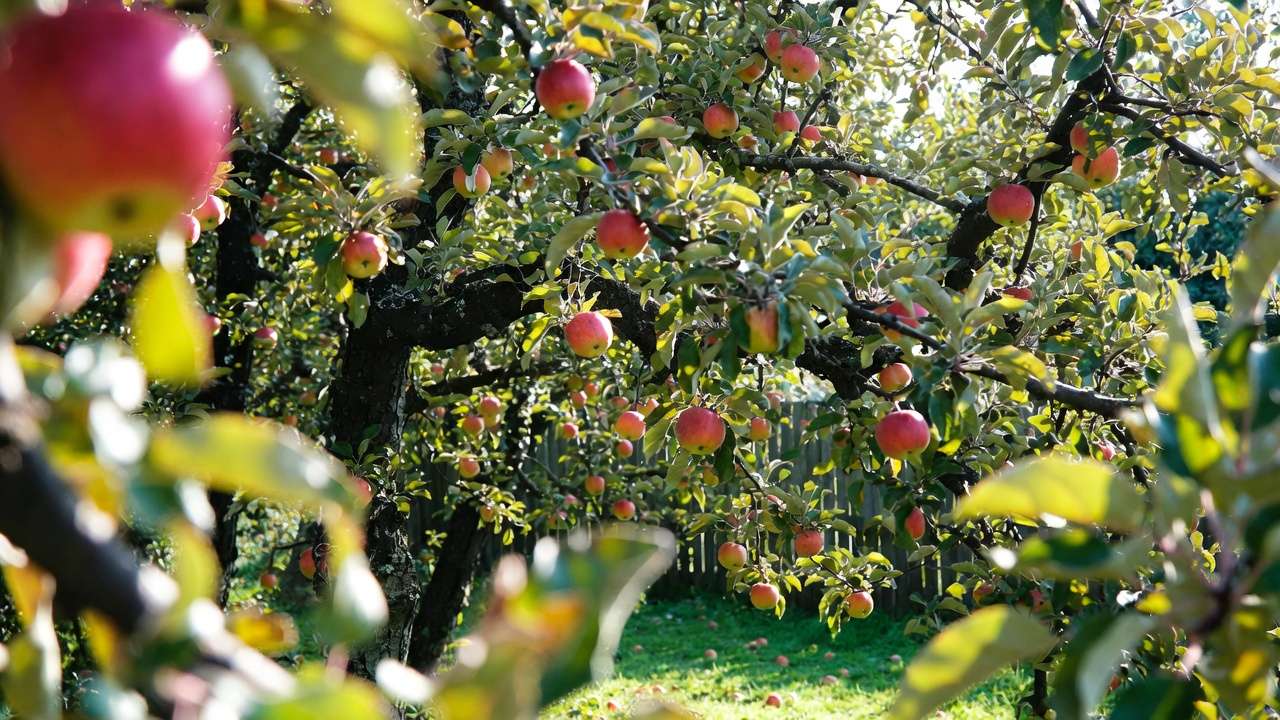
Enterprise 🌟
- Origin: PRI.
- Resistance: VR scab, R rust/fire blight, MR mildew.
- Fruit: Large, glossy dark red, firm cream flesh, juicy, tart-sweet.
- Harvest: Late October.
- Best for: Storage (up to 6 months), fresh, baking.
- Tip: Looks like a red Rome but far healthier.
GoldRush
- Origin: PRI.
- Resistance: VR scab, MR fire blight, R mildew (S rust—avoid if cedars nearby).
- Fruit: Medium-large, yellow with russet, super crisp, spicy-sweet.
- Harvest: Late October.
- Best for: Fresh, long storage (improves in fridge).
- Tip: Flavor explodes after a month!
Freedom
- Origin: New York breeding.
- Resistance: VR scab/fire blight, R rust/mildew.
- Fruit: Large, red-blushed, juicy, spicy.
- Harvest: Mid-September.
- Best for: Reliable yields, fresh eating.
Pristine
- Origin: PRI.
- Resistance: VR scab, R fire blight/mildew (S rust).
- Fruit: Medium yellow, crisp, tart-sweet.
- Harvest: Early August.
- Best for: Early season fresh eating.
Other strong contenders: William’s Pride (early, flavorful), CrimsonCrisp (crisp, tart), Sundance (large yellow), Pixie Crunch (small, sweet for kids), Jonafree, Redfree.
Beyond Variety Selection: Supporting Low-Maintenance Success 🌱
Choosing a disease-resistant variety is the foundation, but smart cultural practices make your orchard truly low-maintenance. Healthy trees resist diseases better, so focus on these essentials:
- Site Preparation and Planting Select a spot with full sun (at least 6-8 hours daily), good air circulation, and well-drained soil to avoid root rot and fungal buildup. Test soil pH (aim for 6.0–7.0) and amend with compost if needed. Plant in spring or fall, spacing dwarf trees 8-12 ft apart, semi-dwarf 12-18 ft. Dig wide holes, keep graft unions above soil line, and water deeply but infrequently to encourage deep roots.
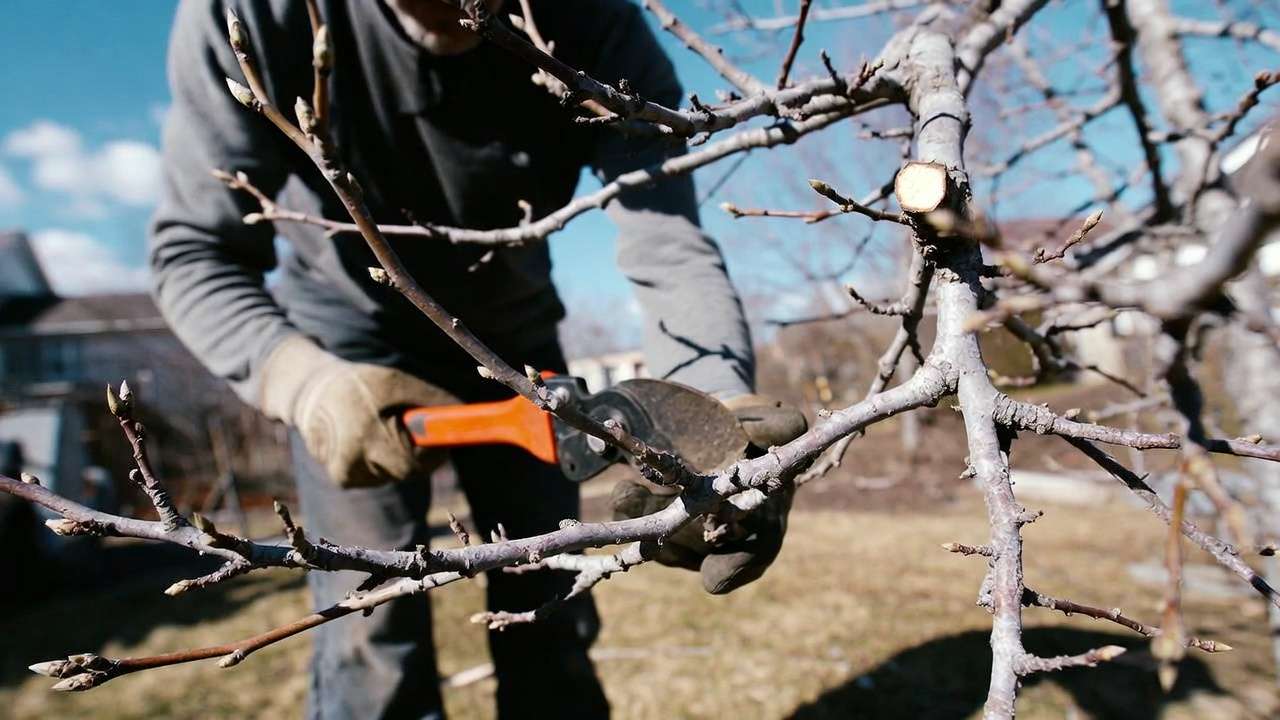
- Pruning for Airflow and Health Prune annually in late winter to open the canopy—remove crossing branches, suckers, and dead wood. This reduces humidity pockets where scab, mildew, and fire blight thrive. Train young trees to a central leader or open center for better light and spray penetration if ever needed.
- Mulch and Weed Control Apply 2-4 inches of organic mulch (wood chips, straw) in a 3-4 ft circle around the trunk to retain moisture, suppress weeds, and moderate soil temperature. Keep mulch away from the trunk to prevent rodent damage and rot.
- Sanitation Practices Rake and destroy fallen leaves in fall (compost hot or bag them) to break scab and rust cycles. Remove mummified fruit and prune out any fire blight strikes promptly (cut 12 inches below visible damage, sterilize tools with alcohol between cuts).
- Minimal Integrated Pest Management (IPM) Monitor for issues early. In most cases, resistant varieties need little to no fungicide. If pressure is high (wet springs), a few targeted organic sprays like sulfur (for mildew) or copper (for fire blight at green tip) can help. Encourage beneficial insects with diverse plantings nearby.
- Fertilization and Watering Avoid excess nitrogen (promotes succulent growth prone to fire blight). Use balanced slow-release fertilizer in early spring based on soil tests. Water consistently during dry spells, especially in the first few years.
These steps, combined with resistant varieties, often eliminate routine spraying—many growers report 80-90% reduction in chemical use!
Common Mistakes to Avoid When Choosing Resistant Varieties ❌
Even experts slip up sometimes. Here’s what to watch for:
- Ignoring Regional Differences A variety that’s scab-immune in the Midwest might face rust issues near cedars in the East. Always cross-reference local extension charts.
- Assuming “Resistant” Means Zero Care Resistance reduces problems, not eliminates them. Poor site, overcrowding, or neglect can still cause issues.
- Overlooking Pollination or Rootstock Planting a single tree or mismatched pollinators leads to poor fruit set. Choose compatible varieties and rootstocks with inherent resistance (e.g., Geneva series for fire blight tolerance).
- Prioritizing Flavor Over Resistance Tempting supermarket favorites often disappoint in home settings. Start with resistant winners like Liberty—many taste better than expected!
- Buying Poor-Quality Stock Cheap trees may carry latent diseases. Invest in certified, virus-tested from reputable nurseries.
Expert Insights and Real Grower Stories 💬
University extensions consistently rank PRI varieties highest for home use. Purdue’s ongoing trials (as of 2025 updates) confirm Liberty and Enterprise as “gold standards” for broad resistance and quality.
Real growers echo this:
- A backyard orchardist in Ohio shared, “Switched to Liberty and Pristine—no sprays for scab in 5 years, and the apples are crisp and delicious!”
- In humid Midwest conditions, one family cut fungicide use by 85% after planting Enterprise and GoldRush, per extension case studies.
- Breeders note newer releases like Pixie Crunch add compact size for small yards while keeping strong resistance.
These stories highlight: The right variety + basic care = reliable homegrown apples with minimal hassle.
Frequently Asked Questions (FAQs) ❓
What’s the single most disease-resistant apple variety? Liberty often tops lists for broad-spectrum resistance (VR to scab/rust, R to fire blight/mildew) plus excellent flavor and reliability—ideal for most home growers.
Are disease-resistant apples as tasty as supermarket ones? Absolutely—many like Enterprise (stores like a commercial apple), GoldRush (spicy-sweet explosion), and Liberty (sweet-tart McIntosh vibe) rival or beat popular varieties in blind taste tests.
Can I grow them organically? Yes! Their resistance makes organic methods viable with minimal inputs. Focus on sanitation, mulch, and biological controls.
How do I know which diseases are common in my area? Contact your local cooperative extension (search ” [your state] extension apple diseases”) or use tools like NEWA (Network for Environment and Weather Applications) for regional forecasts.
Do resistant varieties still need pruning or occasional sprays? Pruning yes—for shape, airflow, and health. Sprays? Rarely for scab/rust, but monitor for fire blight in warm/wet springs or mildew in shade.
Conclusion: Start Your Low-Maintenance Orchard Today! 🌟
Picking disease-resistant apple varieties transforms apple growing from a high-maintenance chore into a rewarding, eco-friendly hobby. By understanding diseases, prioritizing multi-resistant picks like Liberty, Enterprise, GoldRush, and Freedom, and pairing them with solid cultural practices, you’ll enjoy abundant, beautiful fruit with far less effort and fewer chemicals.
Ready to plant? Head to a trusted nursery this season, start with 2-3 compatible varieties for pollination, and watch your home orchard thrive. Your future pies, crisps, and fresh snacks will thank you—and so will the bees and your backyard ecosystem! 🍎🥧
What resistant variety are you most excited to try? Share in the comments below, or subscribe for more expert tree care guides tailored to home growers. Happy planting! 🌳✨











