
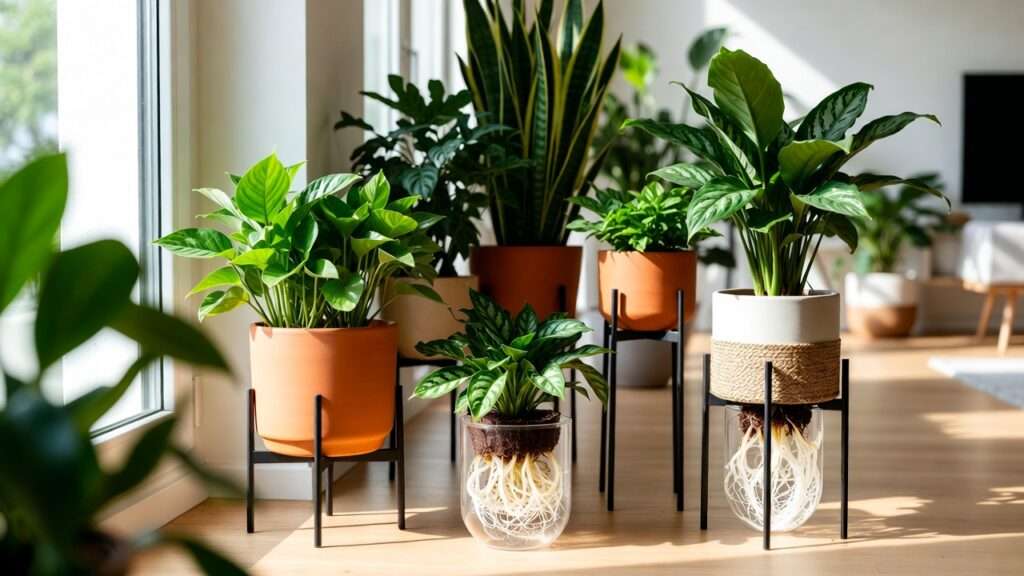
Imagine walking into your home after a long day and instantly feeling the air feel fresher, cleaner, and more invigorating. 😌 Your houseplants aren’t just pretty decor—they’re quietly working as natural air filters, pulling harmful volatile organic compounds (VOCs) like formaldehyde, benzene, and trichloroethylene out of the air you breathe. But here’s the surprising truth many plant enthusiasts overlook: the real powerhouse of this purification process often happens below the soil line, in the roots and the thriving community of microbes surrounding them! 🌱🦠
Maintaining healthy roots for best air filtration is the key to unlocking your indoor plants’ full potential. Pioneering research from NASA’s Clean Air Study (led by scientist Bill Wolverton in 1989) revealed that while leaves absorb pollutants through stomata, it’s the roots—along with soil microorganisms in the rhizosphere—that metabolize and break down many of these toxins, sometimes accounting for 50-65% or more of the removal in controlled environments. Without vigorous, well-aerated roots and active beneficial microbes, your plants’ air-cleaning superpower weakens dramatically. 😲
In this in-depth guide, we’ll explore the science, share practical expert tips, debunk common myths, and provide actionable steps to keep your plants’ roots thriving. Whether you’re a beginner with a few pothos trailing on shelves or a seasoned collector aiming for maximum indoor air quality benefits, these strategies will help you breathe easier—literally. Ready to supercharge your green friends? Let’s get rooting! 🏡✨
Why Root Health Matters More Than You Think for Air Purification 🔬🌱
Indoor air can be 2–5 times more polluted than outdoor air due to off-gassing from furniture, paints, cleaners, and electronics. Common culprits include formaldehyde (from pressed-wood products), benzene (from tobacco smoke and plastics), trichloroethylene (from paints and varnishes), xylene, toluene, and ammonia.
Plants combat these through phytoremediation—a natural process where they absorb, transport, and degrade pollutants. Leaves play a role via stomatal uptake and photosynthesis-driven transpiration, but groundbreaking NASA findings showed the root zone (rhizosphere) is often the star performer. Wolverton’s experiments in sealed chambers demonstrated that plant roots and associated soil microbes actively metabolize VOCs pulled down through the plant or directly from soil air. In some cases, microbes in the root zone handled the majority of breakdown, converting toxins into plant tissue or harmless byproducts.
Follow-up studies (including those on benzene removal by soil microbes) confirm this: healthy roots support diverse microbial communities that thrive on pollutants as a carbon source, enhancing overall purification efficiency over time. When roots suffer from rot, compaction, or poor oxygenation, microbial activity drops, and so does air filtration performance. Poor root health = stunted plants + reduced VOC removal. Prioritizing root care isn’t just good horticulture—it’s smart biofiltration! 🌿
Understanding the Root Zone: The Unsung Hero of Air Purification 🕵️♂️🌿
The rhizosphere is the dynamic soil zone right around the roots, teeming with billions of beneficial bacteria and fungi (mycorrhizae). These microbes form symbiotic relationships: plants supply sugars from photosynthesis, while microbes help absorb nutrients and break down organic pollutants.
Pollutants reach roots in two main ways:
- Translocation: Absorbed by leaves, moved downward via the plant’s vascular system.
- Direct soil contact: VOCs diffuse into potting mix air spaces, where roots and microbes access them.
NASA-inspired designs even pair plants with activated carbon filters—air passes through carbon (adsorbing toxins), then roots/microbes degrade them, “recharging” the filter biologically.
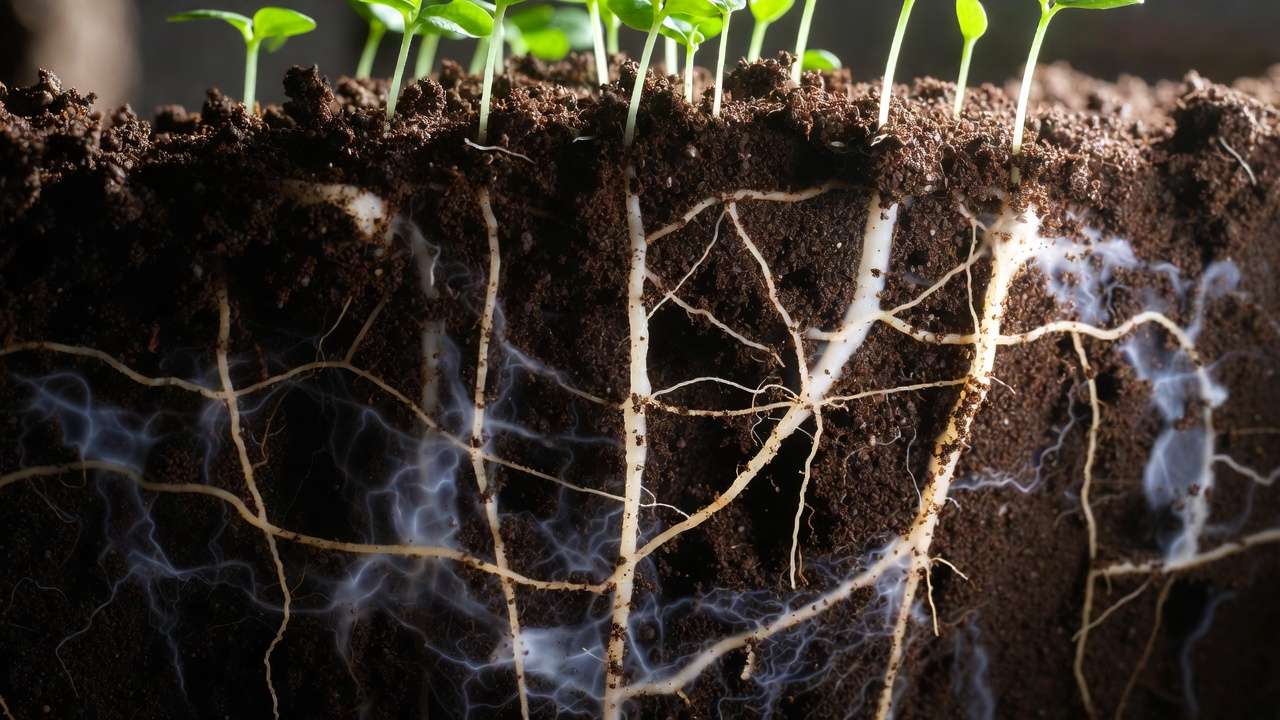
Real-world studies show healthy, microbe-rich root zones improve purification over time as microbes adapt to specific pollutants. The takeaway? Healthy roots = healthier microbes = superior air filtration. 🌍
Top Signs Your Plant Roots Need Attention 🚨
Don’t wait for major problems—catch issues early to restore purification power:
- Yellowing or drooping leaves (even with correct watering) → possible root stress.
- Stunted growth or no new shoots → compacted or nutrient-poor roots.
- Foul, rotten smell from soil or mushy brown roots → classic root rot from overwatering.
- Wilting despite moist soil → poor drainage leading to oxygen deprivation.
- Overall weak vigor → diminished VOC removal capacity.
Inspect roots during repotting: Healthy ones are firm, white/creamy; unhealthy ones are dark, slimy, or sparse.
Essential Tips for Maintaining Healthy Roots 🌟 (Core Actionable Section)
1. Choose the Right Potting Mix for Aeration & Microbial Life 🪴
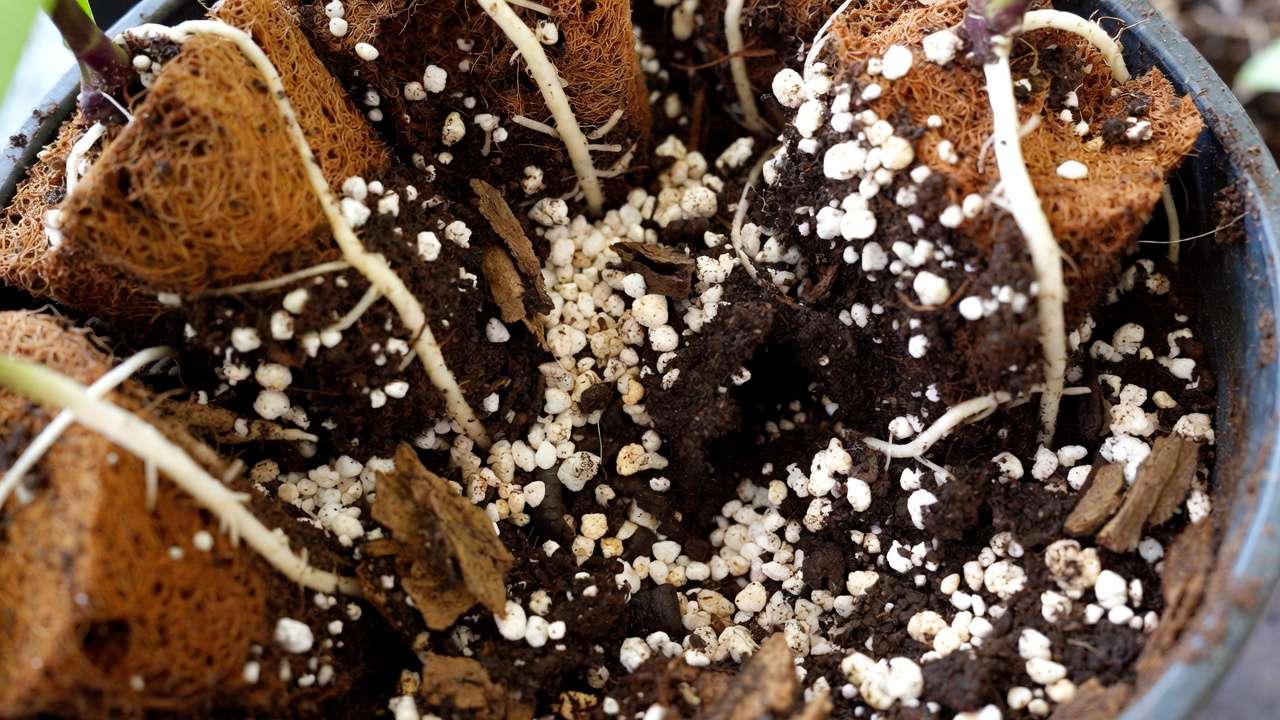
A great mix is the foundation of healthy roots. Avoid dense, water-retaining garden soil that compacts easily.
Ideal recipe for air-purifying plants:
- 40-50% high-quality peat-free or coco coir-based potting soil (organic matter for microbes).
- 30% perlite or pumice (excellent aeration and drainage).
- 10-20% orchid bark or horticultural charcoal (prevents compaction, filters impurities).
- Bonus: Add worm castings (5-10%) for natural microbes and slow-release nutrients.
Aim for slightly acidic pH (5.5–6.5) to suit most air-purifiers like snake plants and peace lilies. Refresh soil every 1-2 years to maintain microbial diversity. 🌱
2. Master Watering Practices to Prevent Root Issues 💧
Overwatering is the #1 root killer—leading to anaerobic conditions that harm beneficial microbes.
- Use the finger test: Insert 1-2 inches; water only if dry.
- Invest in a moisture meter for precision.
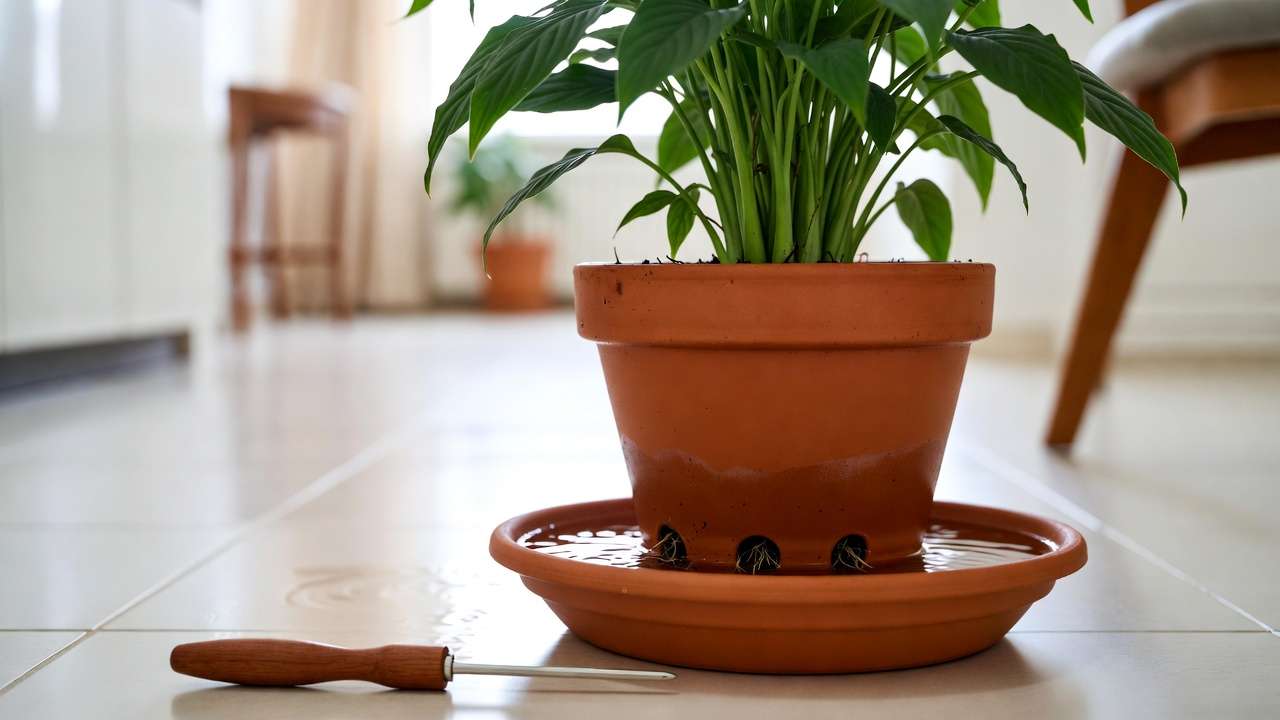
- Bottom watering: Place pot in a saucer of water for 15-30 minutes—encourages roots downward and reduces fungal issues.
- Ensure pots have drainage holes—add a layer of pebbles or mesh at the bottom.
- Adjust seasonally: Reduce in winter (dormant phase), increase during spring/summer growth.
Pro tip: Let soil dry out between waterings to promote oxygen flow to roots. 🚫💦
3. Ensure Proper Drainage & Pot Selection 🪴🚰
The right container makes or breaks root health. Poor drainage leads to waterlogged soil, oxygen starvation, and root rot—quickly killing air-purification efficiency.
- Terracotta pots → Excellent breathability; soil dries faster, promoting oxygen to roots. Best for plants prone to overwatering (e.g., snake plant, ZZ plant). Downside: dries out quickly in hot/dry climates.
- Plastic or glazed ceramic pots → Retain moisture longer; ideal for peace lilies or ferns that prefer consistent moisture. Always ensure multiple drainage holes.
- Self-watering pots → Convenient, but monitor closely—many still cause root rot if overfilled. Use only with very well-draining mixes.
- Size matters: Choose a pot only 1–2 inches larger than the current root ball during repotting. Too big = excess soil stays wet → root problems.
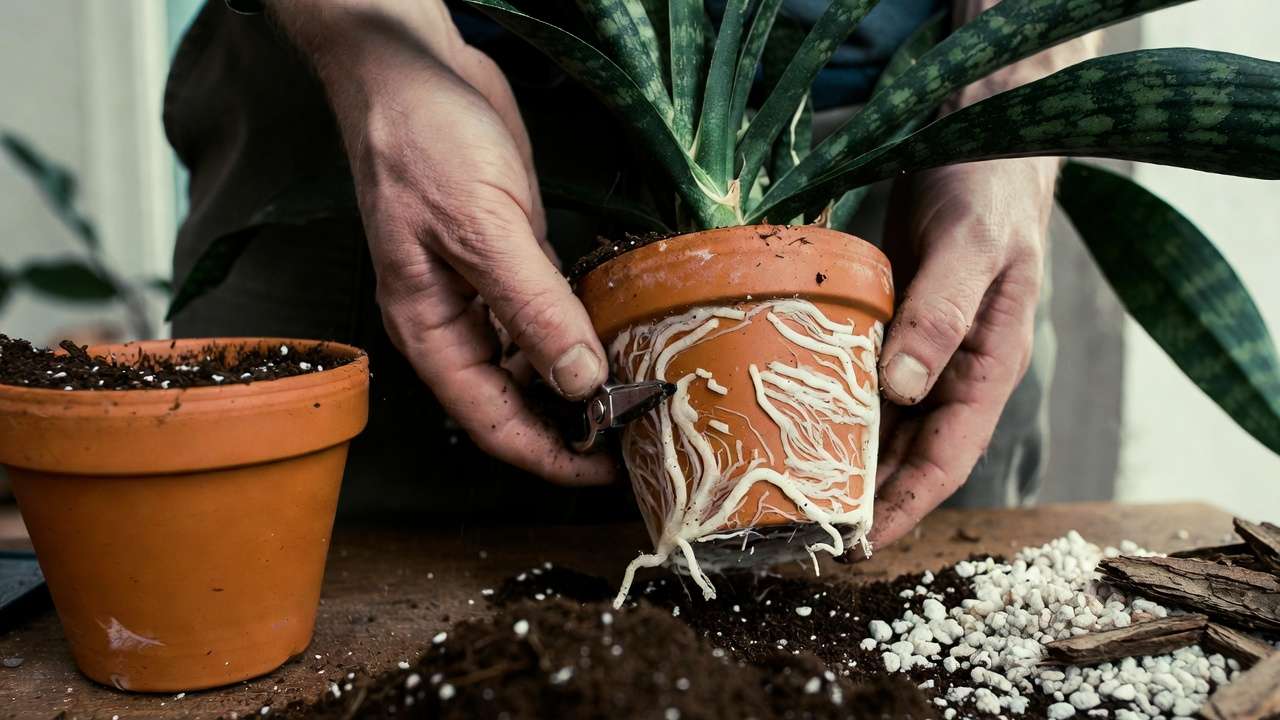
Repotting schedule:
- Every 12–24 months for most air-purifying houseplants.
- Signs it’s time: Roots circling the pot, growing out of drainage holes, or soil drying too fast/slow.
- Gentle root pruning: Trim any dead, mushy, or circling roots with clean scissors. This stimulates fresh, healthy root growth.
Pro move: Add a 1-inch layer of lava rocks, broken pottery shards, or horticultural charcoal at the bottom for extra drainage and minor toxin adsorption. 🌋
4. Boost Microbial Activity in the Root Zone 🦠✨
The magic multiplier! A diverse, active microbial community in the rhizosphere can dramatically increase VOC breakdown rates.
- Mycorrhizal fungi inoculants: Add during repotting (available as powders or granules). They extend root reach and help plants access nutrients while aiding pollutant degradation.
- Compost tea or worm castings: Brew aerated compost tea (1:10 ratio with non-chlorinated water, aerate 24–48 hours) and water monthly. Worm castings provide slow-release microbes and nutrients without burning roots.
- Organic fertilizers only: Use fish emulsion, seaweed extract, or balanced organic options (e.g., 4-4-4 or lower). Avoid high-salt synthetics—they harm beneficial bacteria and fungi.
- Avoid soil sterilizers & harsh chemicals: Many commercial fungicides and pesticides wipe out good microbes along with the bad. Opt for neem oil or insecticidal soap when needed, applied sparingly.
Studies show microbe-rich soils remove VOCs 2–3× faster than sterile soils. Feed your soil life, and your plants will reward you with cleaner air! 🧫💚
5. Provide Optimal Light, Temperature & Humidity ☀️🌡️💦
Roots don’t photosynthesize, but they depend on energy from the leaves. Suboptimal conditions above ground directly weaken root vigor.
- Light: Bright, indirect light is ideal for most air-purifiers (e.g., 200–1000 foot-candles). Low light slows photosynthesis → less energy to roots → weaker filtration.
- Best spots: Near east/west-facing windows or supplemented with full-spectrum grow lights (12–16 hours/day in low-light seasons).
- Temperature: 65–80°F (18–27°C) daytime; no lower than 60°F (15°C) at night. Avoid cold drafts or hot radiators—both stress roots.
- Humidity: 40–60% is sweet spot. Low humidity causes faster soil drying (good for some, stressful for others).
- Hacks: Group plants together, use pebble trays with water, run a small humidifier, or mist foliage (avoid over-misting to prevent fungal issues).
Healthy above-ground growth = strong root support = maximum air-cleaning performance. 🌞
6. Advanced Techniques for Maximum Air Filtration Power 🚀
Want to go beyond basic care? These research-inspired methods can push purification to the next level:
- Fan-assisted planters: Gentle air circulation over the soil surface (like NASA’s bio-home experiments) increases oxygen to roots and helps volatilize soil-bound pollutants for microbial breakdown.
- Multi-plant combinations: Pair plants with complementary strengths:
- Snake plant + peace lily → night-time oxygen + broad VOC removal
- Pothos + spider plant → fast-growing, forgiving, excellent benzene/toluene removal
- Areca palm + Boston fern → humidity boost + formaldehyde/xylene focus
- Top root-robust air-purifying plants (with specific root care notes):
- Snake Plant 🐍 → Drought-tolerant, thick roots; thrives in chunky, well-draining mix.
- Peace Lily ☮️ → Loves consistent moisture but hates soggy roots; bottom-water weekly.
- Pothos 🌿 → Adventitious roots love aeration; perfect in hanging baskets.
- Spider Plant 🕷️ → Produces plantlets; repot every 1–2 years to prevent root-binding.
- Areca Palm 🌴 → Deep, fibrous roots; needs large pots and excellent drainage.
Common Mistakes That Harm Roots & Reduce Air Cleaning 😩🚫
Even well-meaning plant parents can unintentionally sabotage their plants’ air-purification potential. Here are the most frequent root-damaging errors—and how to avoid them:
- Over-fertilizing → Excess salts build up in the soil, causing “fertilizer burn” that scorches delicate root tips and kills beneficial microbes. Fix: Use half-strength organic fertilizer only during the growing season (spring–summer), and flush soil with plain water every 2–3 months to leach salts.
- Using old, compacted, or contaminated soil → Old potting mix loses structure, becomes anaerobic, and harbors pathogens. Reusing unsterilized garden soil often introduces pests or diseases. Fix: Always use fresh, high-quality potting mix designed for indoor plants. Never reuse soil from diseased plants.
- Ignoring root pests → Fungus gnats, root mealybugs, and root aphids quietly damage roots while you focus on foliage. Signs: Tiny flying gnats, white cottony masses on roots, or sudden wilting. Fix: Yellow sticky traps for adults, beneficial nematodes or hydrogen peroxide soil drench (1:4 ratio with water) for larvae, and repotting with fresh mix if infestation is severe.
- Placing plants in dark corners or extreme temperature spots → Low light slows photosynthesis → less root energy. Cold drafts or hot vents stress roots and reduce microbial activity. Fix: Rotate plants every few weeks for even light exposure and keep them away from heating/AC vents.
Avoiding these pitfalls alone can double the lifespan and air-cleaning effectiveness of your plants!
Troubleshooting Root Problems & Revival Tips 🛠️🌱
Caught a problem early? Most root issues are fixable with prompt action:
- Root Rot (the #1 killer)Symptoms: Mushy black/brown roots, foul smell, yellow/wilting leaves, soggy soil. Treatment steps:
- Remove plant from pot and gently wash roots under lukewarm water.
- Trim away all rotten roots with sterilized scissors (dip in 70% alcohol between cuts).
- Dust remaining healthy roots with cinnamon powder (natural antifungal) or a fungicide like hydrogen peroxide solution.
- Repot in fresh, well-draining mix.
- Water sparingly and place in bright indirect light. Recovery can take 4–8 weeks.
- Compacted or Nutrient-Deficient RootsSymptoms: Slow growth, pale leaves, roots tightly circling pot. Revival: Repot into larger container with aerated mix, add worm castings or slow-release organic fertilizer, and resume proper care.
- Root Pest InfestationTreatment: Isolate plant, repot if severe, treat soil with neem cake or beneficial nematodes, and monitor for 4–6 weeks.
With patience, most plants bounce back stronger—and their air filtration power returns with them!
How Many Plants & Where to Place Them for Noticeable Air Benefits 📍🌿
NASA’s original recommendations suggested 15–18 medium-sized plants (6–8 inch pots) per 1,800–2,000 sq ft for measurable VOC reduction in sealed environments. In real homes (with ventilation), experts now suggest a more practical target:
- Beginner goal: 1–2 plants per 100 sq ft (e.g., living room + bedroom).
- Noticeable improvement: 5–10 well-cared-for plants throughout the home.
- Maximum benefit: 1 robust plant per 10–15 m² (roughly 100–160 sq ft), focusing on high-traffic/pollutant areas.
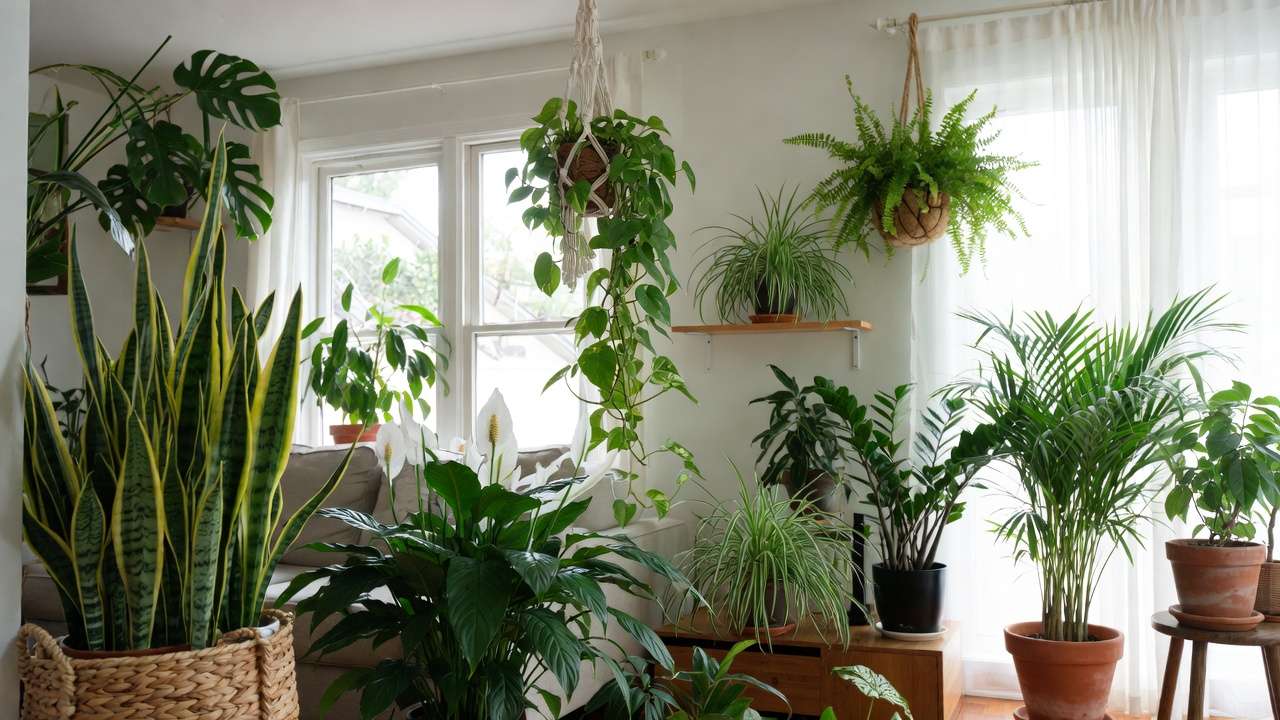
Strategic placement tips:
- Bedrooms → Snake plant or peace lily (release oxygen at night, remove formaldehyde).
- Living room → Pothos, spider plant, or areca palm (broad-spectrum VOC removal).
- Near pollutant sources → Close to printers, new furniture, cleaning supply cabinets, or gas stoves.
- Bathrooms/kitchens → Boston fern or English ivy (thrive in humidity, tackle ammonia/xylene).
Group plants together to create micro-humidity zones and boost collective purification.
Expert Insights & FAQs ❓💡
Q: Do houseplants really clean air in real homes (not just labs)? A: Yes—but expectations matter. NASA’s sealed-chamber results showed dramatic reductions, but typical homes have air exchange. Still, multiple peer-reviewed studies (e.g., 2019 University of Washington, 2022 reviews) confirm that well-maintained plants measurably lower VOC levels indoors, especially in poorly ventilated spaces. They also increase humidity and psychological well-being.
Q: How long until I notice better air quality? A: Microbial adaptation takes 4–12 weeks. You may first notice fresher smell, less dust settling, or improved sleep/breathing comfort before lab-measurable changes.
Q: Can outdoor trees or potted patio plants contribute similarly? A: Absolutely! Larger root zones in outdoor or greenhouse settings can process even more pollutants. Potted trees like fiddle-leaf fig or parlor palm make excellent semi-indoor/outdoor air cleaners with proper root care.
Q: Are there low-maintenance options for busy people? A: Top picks: Snake plant, ZZ plant, cast iron plant, pothos. They tolerate neglect, infrequent watering, and still deliver solid root-based filtration.
Conclusion: Grow Healthier Roots, Breathe Easier 🌬️🌱💚
Maintaining healthy roots for best air filtration isn’t just about keeping plants alive—it’s about activating their full potential as living, breathing air purifiers. By giving roots the aeration, moisture balance, microbial support, and care they deserve, you’re creating a healthier indoor ecosystem that works 24/7 to remove toxins and boost your well-being.
Start small: Check one plant’s soil today, repot if needed, add some worm castings, and adjust watering. Over weeks and months, you’ll see lusher growth, stronger plants, and fresher air you can actually feel.
Your home is your sanctuary—let your plants help make it a cleaner, greener one. You’ve got this! 🌿✨
Which air-purifying plant are you most excited to give better root care? Drop a comment below—I’d love to hear your plant journey! 👇











