
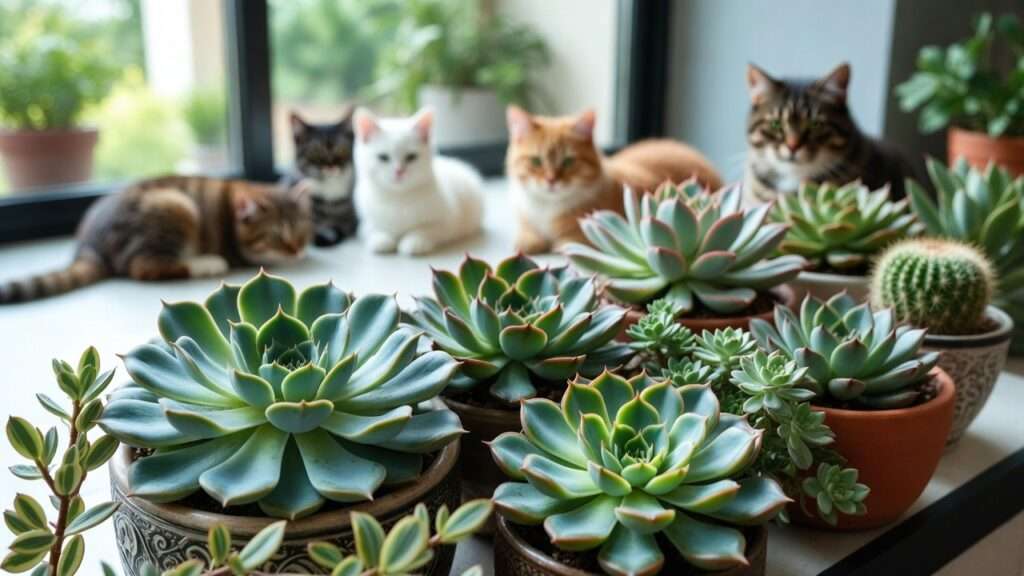
Imagine coming home to find your curious kitten batting at a plump, colorful rosette or your energetic pup curiously sniffing a trailing succulent—only to breathe a sigh of relief knowing it’s completely safe. 😿➡️😺 As a pet owner who also loves filling my home with lush, low-maintenance greenery, I know the worry all too well: many popular houseplants can cause vomiting, diarrhea, or worse if nibbled. The good news? Low-toxicity succulents for pet owners offer the perfect solution—stunning, drought-tolerant plants that are non-toxic or cause only mild issues (if any) according to the ASPCA Animal Poison Control Center. In this comprehensive guide, we’ll explore the best pet-safe succulents, why they’re safe, essential care tips, smart display ideas, and even swaps for risky favorites. Whether you’re a first-time plant parent or a seasoned collector, these choices let you enjoy beautiful indoor greenery without the stress. Let’s dive in and create a pet-friendly oasis! 🌵💚
Why Toxicity Matters for Pet Owners 🛡️
Even a small nibble on the wrong plant can lead to gastrointestinal upset, lethargy, or more serious symptoms in cats and dogs. The ASPCA’s Toxic and Non-Toxic Plants database is the gold standard—it’s continually updated based on reported cases from vets and pet owners worldwide. Many succulents fall into the “non-toxic” category, meaning no serious harm is expected even if ingested (though mild stomach irritation is possible from overeating any plant material). “Low-toxicity” here emphasizes options with zero or minimal risk, unlike highly toxic ones that can cause severe issues.
Most pets instinctively avoid bitter or tough succulents, but why take chances when safe alternatives are just as gorgeous and easy to care for? Choosing pet-safe varieties gives peace of mind, especially in multi-pet homes or with playful puppies/kittens. Always cross-reference the ASPCA site for the latest info, and contact their Animal Poison Control if ingestion occurs.
Top 10+ Low-Toxicity Succulents Safe for Cats and Dogs 🌟
Based on ASPCA listings and expert horticultural sources, here are standout non-toxic succulents that thrive indoors, add vibrant color/texture, and pose little to no risk. These are verified safe for both cats and dogs—no severe symptoms expected!
Echeveria (e.g., Blue Echeveria, Plush Plant, Painted Lady) 🌸 These rosette-shaped beauties come in pastel blues, pinks, and silvers, resembling living jewels. ASPCA lists multiple species (like Echeveria glauca and Echeveria pul-oliver) as non-toxic. They’re compact, colorful, and perfect for shelves.
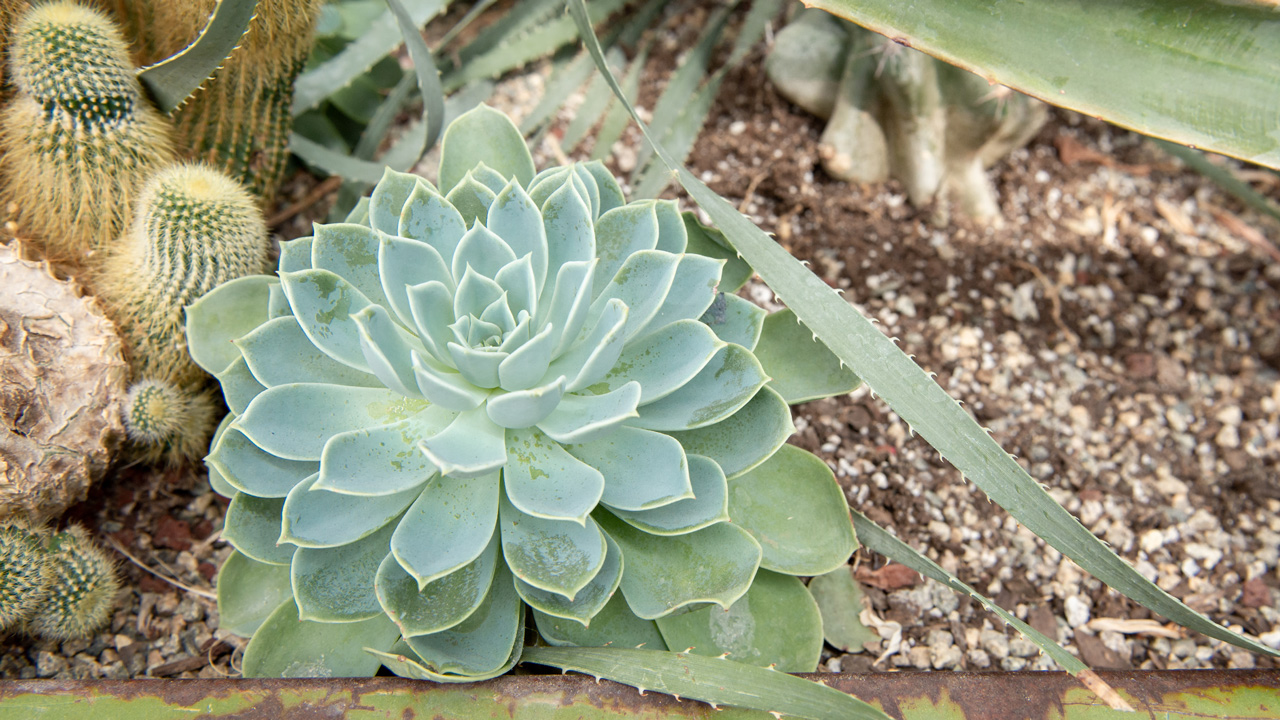
Pro tip: They love bright, indirect light—ideal for sunny windowsills!
Haworthiopsis (formerly Haworthia, e.g., Zebra Haworthia) 🦓 With striking white-striped leaves, these compact succulents thrive in low light—great for apartments. ASPCA confirms Haworthia spp. are non-toxic, making them a top pick for shade-loving pet homes.

They’re slow-growing and rarely outgrow small pots.
Sempervivum (Hens and Chicks) 🐔 Hardy rosettes that “multiply” like a family—hens produce chick offsets! ASPCA lists them as non-toxic. Great for outdoor pots or indoor rock gardens.
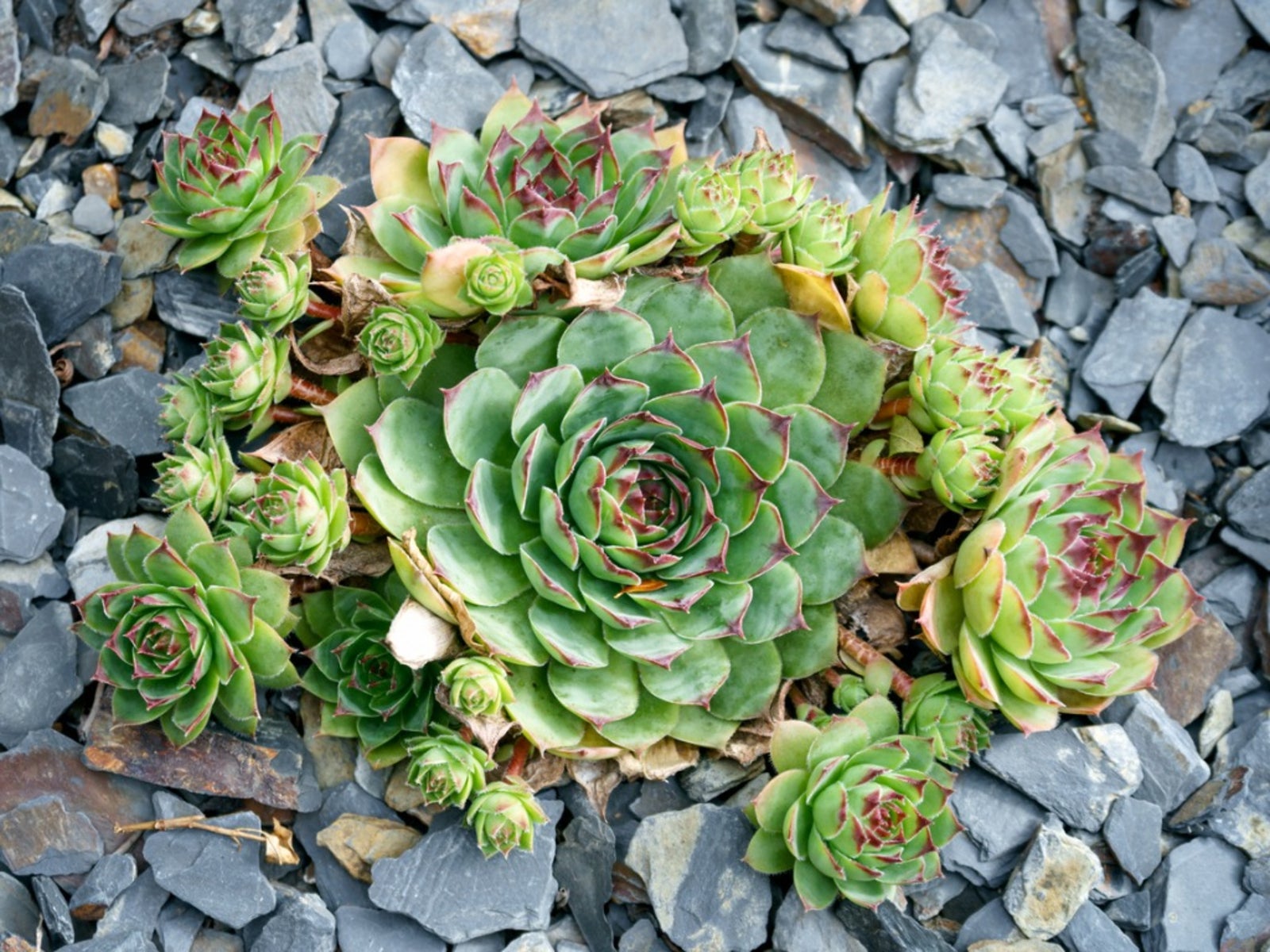
They tolerate neglect and cold better than most succulents.
Sedum (e.g., Burro’s Tail or Donkey’s Tail) 🐴 Trailing stems with plump, teardrop leaves create cascading beauty in hanging baskets—pets can’t easily reach! ASPCA notes Sedum morganianum as safe.
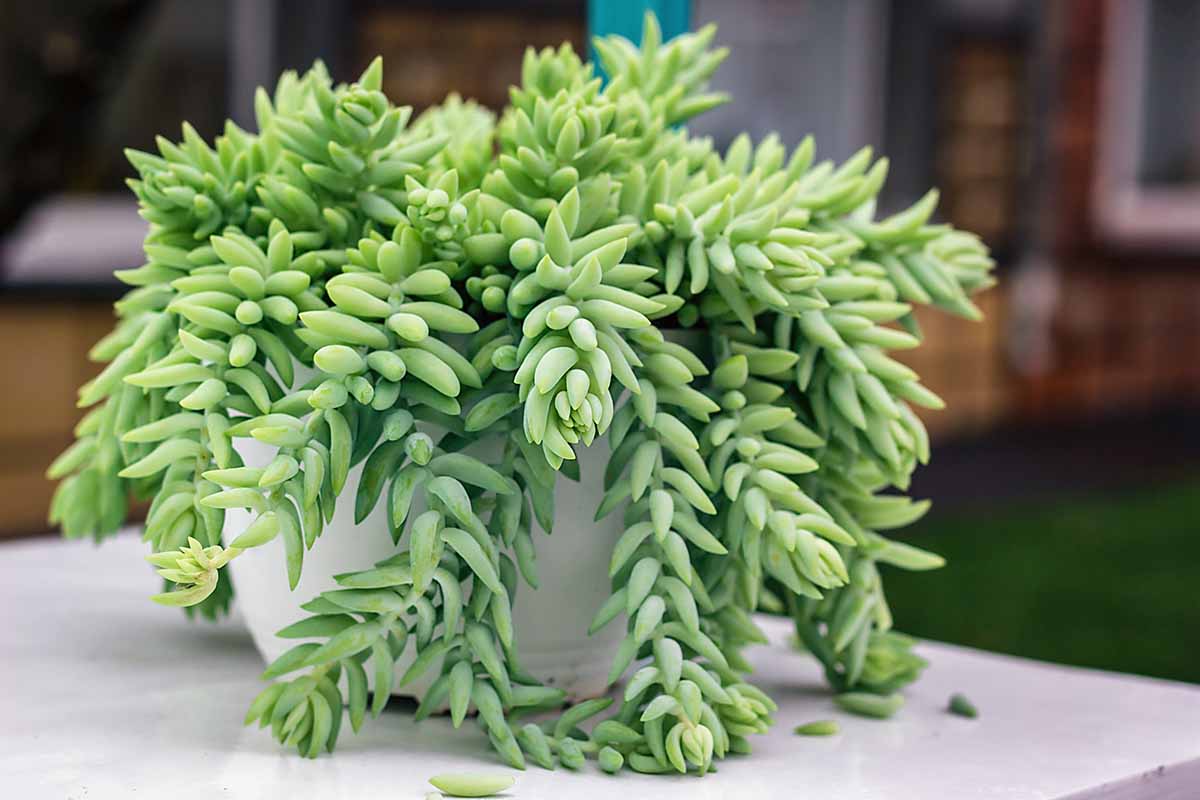
Hang them high for drama without worry.
Graptopetalum / Graptosedum Hybrids 🎨 Pastel “ghost plants” with powdery leaves in lavender and blue tones. Non-toxic relatives of Echeveria—easy to propagate from leaves.
Lithops (Living Stones) 🪨 These mimic pebbles so well that pets often ignore them entirely! ASPCA-verified non-toxic, they’re ultra-low maintenance and fascinating.
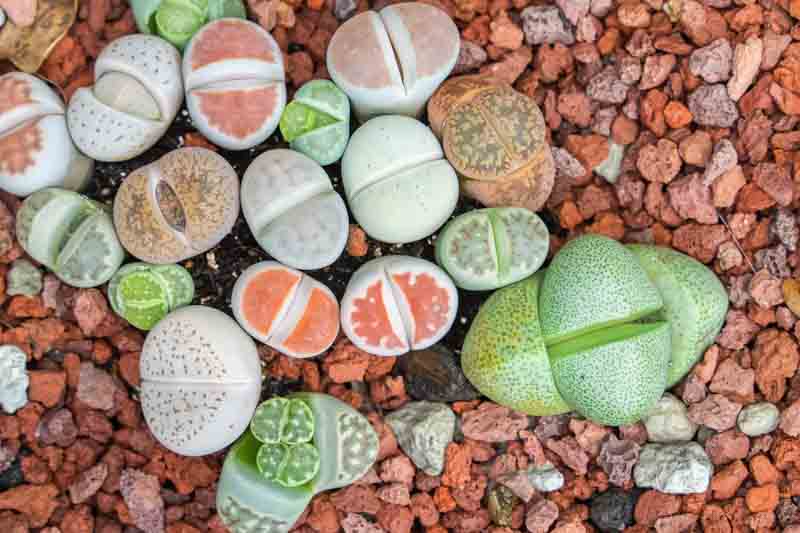
Schlumbergera (Christmas/Holiday Cactus) 🎄 Flowering succulents with vibrant blooms in winter—non-toxic per ASPCA. They handle lower light and add seasonal cheer.
Portulacaria afra (Elephant Bush) 🐘 A safe jade lookalike with small round leaves—ASPCA safe, and it’s even edible in some cultures!
Aeonium 🌺 Dramatic rosettes in dark purples or greens—mild climates only, but non-toxic.
Gasteria 🌟 Spotted, tongue-like leaves; shade-tolerant and pet-safe.
Bonus picks: Spineless Bunny Ears Cactus (Opuntia microdasys varieties) and Peperomia (String of Turtles—succulent-like).
For each, provide bright indirect light, well-draining soil, and infrequent watering. Propagation is simple—leaf cuttings root easily!
Succulents to Avoid: High-Toxicity Ones Pet Owners Should Skip ⚠️
While many succulents are wonderfully safe, a few popular ones can cause real trouble if your cat or dog decides to take a taste. Here’s a quick rundown of common offenders to steer clear of, based on ASPCA toxicity reports:
Jade Plant (Crassula ovata) This classic “money plant” with glossy, coin-shaped leaves is highly toxic to both cats and dogs. Ingestion can lead to vomiting, depression, incoordination, and even more severe symptoms in larger amounts.

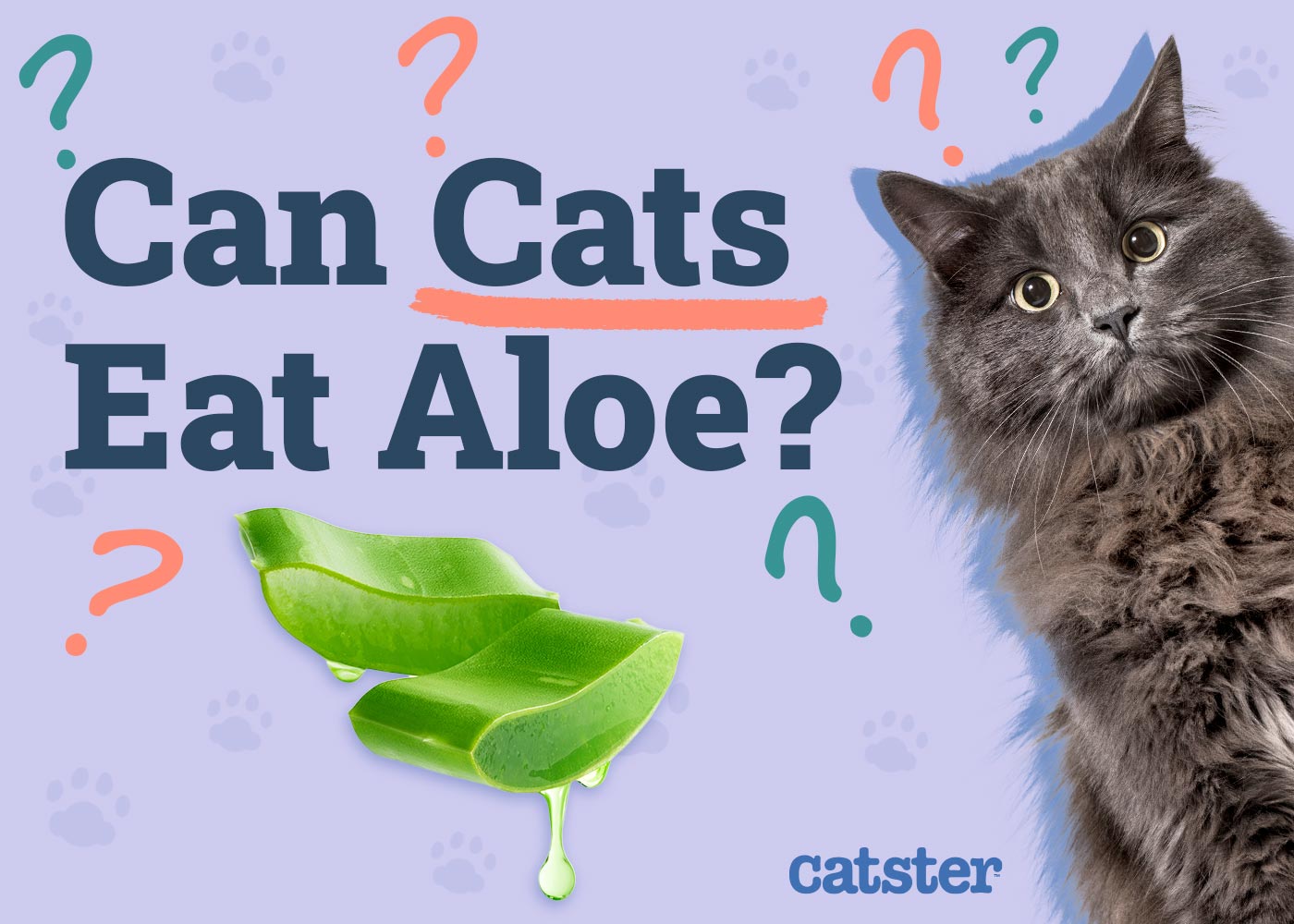
Aloe Vera The gel inside is soothing for humans, but it’s toxic to pets—causing vomiting, diarrhea, lethargy, tremors, and changes in urine color.
Kalanchoe (e.g., Flaming Katy) Brightly flowering but dangerous; symptoms include severe vomiting, diarrhea, and abnormal heart rhythms.
Pencil Cactus (Euphorbia tirucalli) Milky sap is highly irritating—can cause intense mouth pain, swelling, vomiting, and eye issues if sap contacts them.
Certain Senecio (e.g., String of Pearls in some cases) While not all are toxic, many in this genus can cause liver issues—better to avoid unless specifically confirmed safe.
Quick Safe Swap Tip: Love the jade look? Go for Portulacaria afra (Elephant Bush) instead—similar appearance, fully non-toxic, and just as easy to grow! Always double-check with the ASPCA database or your vet for the latest.
How to Choose and Display Low-Toxicity Succulents Safely Around Pets 🏡🐾
Selecting the right succulent is only half the battle—placement and setup make all the difference in a pet household.
- Prioritize elevation: Use high shelves, wall-mounted planters, or tall plant stands. Trailing varieties like Burro’s Tail shine in macramé hangers—out of reach for most curious paws.
:max_bytes(150000):strip_icc()/most-popular-succulent-varieties-4153419-01-b9a953a106b249b6b5c8ed2c1bff5f3a.jpg)
- Pet deterrents (gentle ones): A light mist of pet-safe bitter apple spray on leaves (test first), or place citrus peels or coffee grounds around the base—many pets dislike the smell. Avoid anything harsh.
- Terrariums & enclosed displays: Open-top glass terrariums with Lithops or Haworthia create a mini desert scene that’s hard for pets to access.
- Multi-pet considerations: For high-energy dogs, stick to sturdy, non-trailing types like Sempervivum. Cats who love batting? Opt for compact rosettes (Echeveria) on stable surfaces.
- Indoor vs. outdoor: In Dhaka’s humid climate, keep most indoors near bright windows. Outdoor balconies work for hardy ones like Hens and Chicks during cooler months.
Pro tip: Start small—introduce 2-3 plants and observe your pet’s reaction before expanding your collection.
Essential Care Guide for Pet-Safe Succulents 🌞💧
Succulents are famously low-maintenance, but proper care ensures they thrive (and stay attractive to avoid pet temptation from wilting leaves!).
Light Requirements Most prefer bright, indirect light—4-6 hours daily. East or west-facing windows are ideal in Bangladesh homes. Low-light tolerant picks: Haworthiopsis, Gasteria, Holiday Cactus. Too little light = leggy growth; too much direct sun = scorched leaves.
Watering Schedule The #1 killer is overwatering! Let soil dry completely between waterings—stick your finger 1-2 inches down; if dry, water thoroughly until it drains out the bottom. In humid Dhaka weather, water every 10-14 days (less in winter). Use a long-spout watering can for precision.
.webp)
Soil & Pots Always use well-draining cactus/succulent mix (or DIY: 50% potting soil + 50% perlite/pumice/sand). Terracotta pots with drainage holes are best—they wick away excess moisture.
Propagation Tricks Leaf cuttings (Echeveria, Sedum) or offsets (Hens and Chicks) root in 2-4 weeks on dry soil. Fun family activity—grow extras for gifts!
Troubleshooting Common Issues
- Yellow/mushy leaves = overwatering → repot in dry soil.
- Wrinkled leaves = underwatering → give a deep soak.
- Pests (mealybugs, spider mites) → wipe with alcohol-dipped cotton or neem oil spray (pet-safe when diluted).
- Seasonal care: Reduce watering in monsoon; increase in dry winter.
With these basics, your succulents will stay plump and healthy—less likely to attract curious nibbles.
Expert Insights & Real Pet Owner Experiences 🌿🐾
As someone who’s been growing succulents for over a decade and has shared a home with both cats and a rather enthusiastic Golden Retriever, I can confidently say these plants are among the safest and most forgiving options for pet households. Horticulturists and veterinarians frequently recommend them because:
- ASPCA-aligned experts consistently highlight that non-toxic succulents cause at most very mild gastrointestinal upset (if any), far less concerning than the vomiting, tremors, or organ issues linked to toxic varieties.
- Dr. Tina Wismer, a veterinary toxicologist formerly with the ASPCA Animal Poison Control Center, has noted in interviews that most pets self-limit when tasting bitter or tough plant material—making truly non-toxic choices practically risk-free.
Real-life stories from fellow plant-loving pet parents (shared across gardening forums, Reddit’s r/succulents, and r/CatAdvice communities) echo this:
- “My Bengal cat treats my Haworthia collection like a personal jungle gym—knocks them over, bats the leaves, but never chews. Zero vet visits in 3 years!” — u/PlantCatMama
- “Switched from jade to Elephant Bush after my Lab puppy ate half a pot. No symptoms at all, and it grows faster in our humid climate.” — Dhaka-based plant enthusiast on Facebook groups
- “Lithops are my secret weapon—my toddler and rescue cat both ignore them completely because they look like rocks!”
These low-toxicity succulents aren’t just safe; they’re resilient enough to survive occasional pet “investigations” without losing their charm.
Creative Ways to Style Your Home with Pet-Safe Succulents 🎨🏠
Turn your living space into a mini desert oasis while keeping everything pet-secure. Here are inspiring, practical ideas:
- Floating shelf gallery — Arrange Echeveria, Haworthia, and Gasteria in varying heights on wall-mounted shelves above pet reach. Mix pot colors for a modern look.
- Hanging macramé paradise — Let Burro’s Tail and Graptosedum trail from ceiling hooks or tension rods. Perfect for apartments in Dhaka with limited floor space.
- Glass terrarium desert — Layer pebbles, sand, and Lithops or small Sempervivum in open or lidded terrariums on coffee tables (elevated if you have jumpers). Add tiny succulents and air plants for texture.
- Pet-themed arrangements — Create a “bunny ears” corner with spineless Opuntia microdasys, or a “zebra zone” of striped Haworthia for fun visual puns.
- Office/desk boost — Compact Echeveria or Holiday Cactus on a high monitor stand brings greenery to work-from-home setups without risking puppy nibbles.
Pro tip: Use contrasting pot materials—terracotta for rustic charm, ceramic for color pops, or self-watering pots (with drainage control) for forgetful days during busy monsoon seasons.
FAQs: Low-Toxicity Succulents for Pet Owners ❓
Are all succulents safe for pets? No—while the majority are non-toxic, popular ones like Jade, Aloe Vera, and Pencil Cactus are definitely not. Always check the ASPCA list.
What should I do if my pet eats a succulent anyway? For the safe varieties listed here, monitor for mild vomiting or diarrhea (rare). Contact your vet or ASPCA Animal Poison Control (they have an international helpline option) if you’re unsure or see concerning symptoms.
What are the best low-light pet-safe succulents? Haworthiopsis (Zebra Plant), Gasteria, Holiday Cactus, and some compact Echeveria varieties thrive with just 2–4 hours of indirect light—ideal for Dhaka apartments with limited windows.
Do puppies and kittens handle succulents differently than adults? Young pets are more likely to chew out of curiosity/teething. Start with very sturdy, compact types (Sempervivum, Lithops) and keep everything elevated until habits settle.
Where can I buy verified pet-safe succulents in Bangladesh? Local nurseries in Dhaka (e.g., around Gulshan, Dhanmondi, or online via Daraz/Facebook plant groups) often carry Echeveria, Sedum, and Haworthia. Ask sellers to confirm species, or order from international sellers with clear labeling (and check customs rules).
Can succulents survive Dhaka’s humidity and heat? Yes—with good airflow and infrequent watering. Use terracotta pots and avoid saucers that hold water during monsoon.
Are these succulents child-safe too? The non-toxic ones listed are generally safe if a toddler tastes them (mild upset at worst), but always supervise to prevent choking on small leaves or pots.
Conclusion 🌵💚🐱🐶
Bringing low-toxicity succulents into a home with cats or dogs doesn’t have to be stressful—it can be joyful, beautiful, and surprisingly easy. From the jewel-like rosettes of Echeveria to the pebble-mimicking Lithops and cascading Burro’s Tail, these plants deliver lush greenery, vibrant colors, and air-purifying benefits without the toxicity worries of jade, aloe, or kalanchoe.
You now have a complete roadmap: safe varieties to choose, dangerous ones to avoid, placement strategies that outsmart curious paws, foolproof care tips tailored to humid climates, and creative styling ideas to make your space feel alive. Start small—pick 2 or 3 favorites, place them securely, and watch your home (and your peace of mind) flourish.
Have you already added any of these pet-safe succulents to your collection? Which one are you most excited to try? Drop a comment below—I’d love to hear your experiences and see photos of your setups! Happy planting, and here’s to greener, safer homes for our furry (and leafy) families. 🌿✨











