
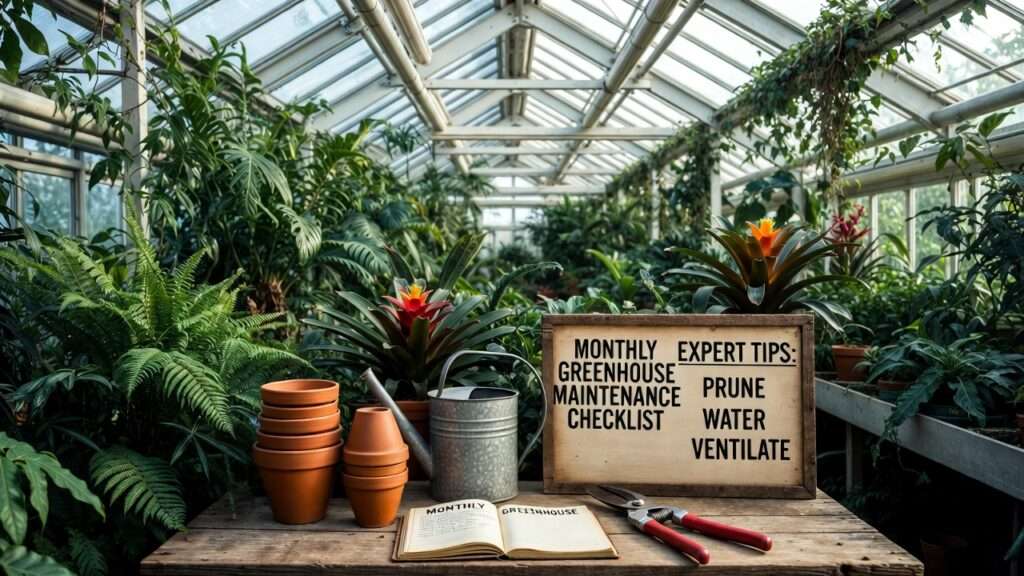
Imagine stepping into your greenhouse on a crisp morning, only to find wilted leaves, mysterious spots on foliage, or a sudden pest outbreak that threatens your carefully nurtured plants and young trees. 😩 All too often, these issues stem from small oversights that accumulate over time—dirty glazing blocking precious light, clogged vents causing stagnant air, or unnoticed leaks fostering mold. For hobby gardeners, plant enthusiasts, and those growing trees in containers, a consistent monthly greenhouse maintenance checklist is the secret to preventing 80-90% of common problems, ensuring healthier growth, fewer emergencies, and more joyful time spent tending your green oasis instead of fixing crises. 🌿
In this comprehensive guide, backed by insights from university extension services (like UMass Amherst, University of Georgia, and Ohio State), commercial grower recommendations, and decades of hands-on experience in controlled-environment plant care, you’ll get a practical, year-round roadmap. Whether you’re in a humid tropical area like Khulna Division or a variable climate, these tasks focus on structural integrity, optimal environment, sanitation, and plant health to keep everything thriving—no matter the season. Let’s turn your greenhouse into a reliable, productive haven! ✨
Why Monthly Maintenance Matters More Than You Think 🌍🔍
Many gardeners treat greenhouses with seasonal deep cleans, but monthly check-ins make the real difference. Consistent care maintains light transmission (dirty panels can reduce photosynthetically active radiation by 20-30%), prevents disease cycles (like Botrytis or powdery mildew from poor airflow), catches structural micro-damage early (cracks from weather expansion/contraction), and optimizes energy use for heating/cooling.
Neglected greenhouses often see higher pest pressure, stunted growth in trees and perennials, and costly repairs—while maintained ones yield healthier plants, extended lifespans for structures, and lower long-term expenses. For home growers, this routine saves time overall by avoiding big fixes and supports year-round success, even in challenging humidity or temperature swings common in regions like Bangladesh. Studies from extension resources show that routine inspections drastically cut crop losses and boost enjoyment. Ready to make it effortless? 📅
How to Use This Monthly Greenhouse Maintenance Checklist 🛠️
Set a recurring reminder on your phone or calendar—pick the same day each month (e.g., first Saturday) to build the habit. Keep a simple logbook or digital app to note what you did, observations, and any fixes. Adjust slightly for your local climate: in humid areas, emphasize airflow and sanitation; in cooler spots, prioritize heating checks.
Essential tools/supplies to gather:
- Mild soap, soft brush, disinfectant (e.g., 10% bleach or hydrogen peroxide mix)
- Lubricant (silicone-based for hinges)
- Sticky traps, magnifying glass for scouting
- Thermometer/hygrometer
- Basic toolkit (screwdriver, pliers)
- Gloves and safety glasses 👓
Pro tip: Start with a quick walk-around to spot urgent issues, then dive into the checklist. Most tasks take 1-2 hours total once you’re in rhythm. 🌟

This thriving hobby greenhouse shows the rewards of consistent care—vibrant plants under proper ventilation and lighting!
Your Core Monthly Greenhouse Maintenance Checklist 📋💚
Here’s the heart of the article: a detailed, actionable checklist organized by category. Each includes why it matters, step-by-step how-to, common mistakes, and expert tips.
1. Structural & Exterior Inspection 🔍🏗️
Why: Small cracks or dirt buildup lead to leaks, reduced light, or frame failure over time.
- Inspect frame (aluminum/wood/steel) for corrosion, cracks, or loose bolts; tighten as needed.
- Check glazing (glass/polycarbonate/film) for cracks, punctures, yellowing, or algae; clean exterior with mild soap + water using a soft brush or squeegee.
- Examine doors, hinges, locks, and vents for smooth operation and weather-tight seals; lubricate hinges.
- Look at foundation/base for settling, erosion, or water pooling; clear gutters/downspouts.
- Scan for pest entry points (gaps, tears in screens).
Common mistake: Skipping exterior cleaning—reduces light by up to 30%! Expert tip: In humid climates, algae grows fast on glazing; clean more if cloudy. From Georgia FFA resources: always stay one season ahead.
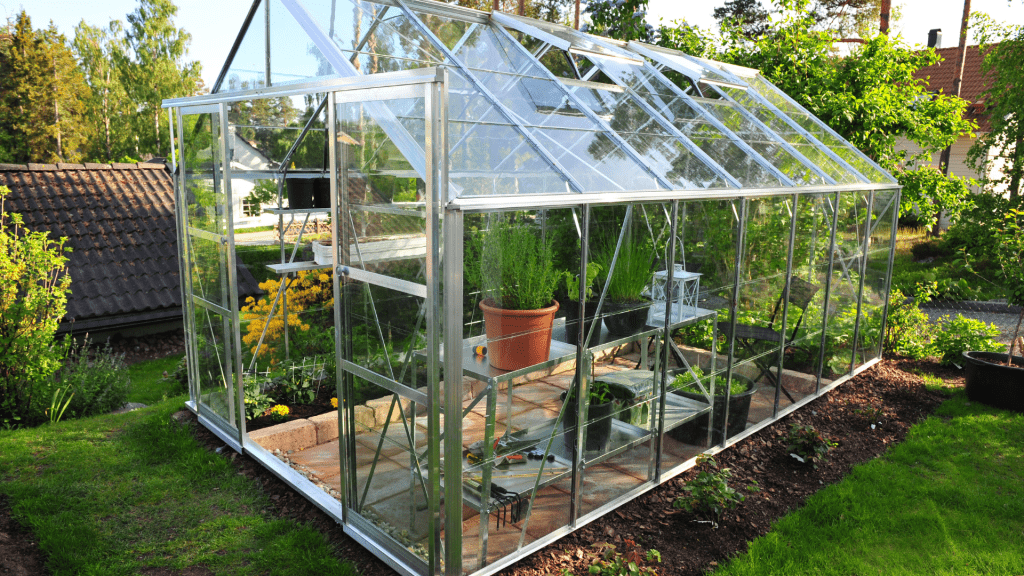
Regular exterior cleaning like this keeps light flowing in for maximum plant health.
2. Ventilation & Airflow Systems 💨🌬️
Why: Proper circulation prevents fungal diseases, evens temperature/humidity, and strengthens plant stems.
- Test fans (exhaust, circulation/HAF), louvers, and automatic vents; ensure they open/close properly.
- Clean intake screens, filters, and blades of dust/debris/algae.
- Lubricate moving parts (hinges, motors) with appropriate oil.
- Check for even airflow—no hot/cold spots.
H3: Why poor airflow leads to fungal issues Stagnant air creates high humidity pockets ideal for Botrytis, powdery mildew, or downy mildew—especially deadly for young trees. Aim for 1-2 air exchanges per minute in active seasons.
Pro tip: Position HAF fans to create gentle horizontal flow; avoid direct blasts on plants.

Strong ventilation fans like these keep air moving and diseases at bay!
3. Irrigation & Water Systems 💧🚿
Why it matters: Clogged lines or leaks waste water, cause uneven moisture (leading to stress in plants and trees), promote algae/bacteria growth, and can spread diseases through contaminated water.
- Flush irrigation lines, emitters, and drip tubes to remove sediment or mineral buildup (run clean water for 5–10 minutes).
- Inspect hoses, fittings, and emitters for leaks, cracks, or clogs; replace damaged parts.
- Clean/replace filters and check pressure regulators.
- If using fertigation or reservoirs, test water pH and EC (electrical conductivity) monthly—ideal range for most plants: pH 5.8–6.5.
- Clear any standing water or algae from trays/sumps.
Common mistake: Ignoring slow drips—small leaks add up to big water bills and root rot risks. Expert tip: In humid areas like Khulna Division, overwatering is common; use soil moisture meters to confirm before irrigating. Drip systems save 30–50% water compared to overhead watering while reducing fungal splash.

A well-maintained drip irrigation setup delivers precise water right to the roots—perfect for greenhouse tomatoes, herbs, and young trees!
4. Cleaning & Sanitation 🧼🧹
Why: Debris and biofilms harbor pests, pathogens, and algae; monthly sanitation breaks disease cycles and keeps your space hygienic.
- Sweep/vacuum floors and remove all plant debris, fallen leaves, and weeds.
- Wipe down benches, shelves, pots, and tools with a disinfectant solution (e.g., 1:10 bleach-water, 3% hydrogen peroxide, or quaternary ammonium products labeled for greenhouses).
- Clean high-touch areas: door handles, thermostats, and irrigation timers.
- Scrub algae from benches, trays, and reservoir edges.
- Empty and rinse any water-collecting containers.
H3: Safe, plant-friendly cleaners & recipes
- Organic option: 1 part vinegar + 1 part water + few drops dish soap for light cleaning.
- For tough algae: Use hydrogen peroxide (3–6%)—effective and breaks down harmlessly. Avoid harsh chemicals near active plants; rinse thoroughly.
Common mistake: Skipping tool disinfection—can spread diseases like Fusarium or Pythium between plants. Pro tip: Dedicate separate tools for diseased vs. healthy areas if possible.

Regular bench and tool sanitation like this prevents disease outbreaks and keeps everything spotless!
5. Pest & Disease Scout 🐛🔍
Why: Early detection stops infestations from exploding—monthly scouting can catch aphids, spider mites, thrips, whiteflies, or fungal spots before major damage.
- Check and replace/reposition yellow sticky traps; count captured insects to monitor trends.
- Inspect plants thoroughly: undersides of leaves, new growth, stems, and soil surface (use a 10x magnifying lens).
- Look for webbing (spider mites), sticky honeydew (aphids), eggs, larvae, or discoloration.
- Remove and destroy any infested material immediately (bag and discard—don’t compost).
- Note any signs of fungal issues (powdery white coating, gray mold) or bacterial spots.
H3: Early signs of common greenhouse pests
- Aphids: clusters of tiny green/black insects, curled leaves.
- Spider mites: fine webbing, stippled/yellow leaves.
- Thrips: silvery streaks, distorted growth (especially on young trees).
- Fungus gnats: tiny flying insects near soil; larvae damage roots.
Expert tip: In warm, humid climates, scout twice monthly during peak seasons. Introduce beneficial insects (ladybugs, predatory mites) early if numbers rise.
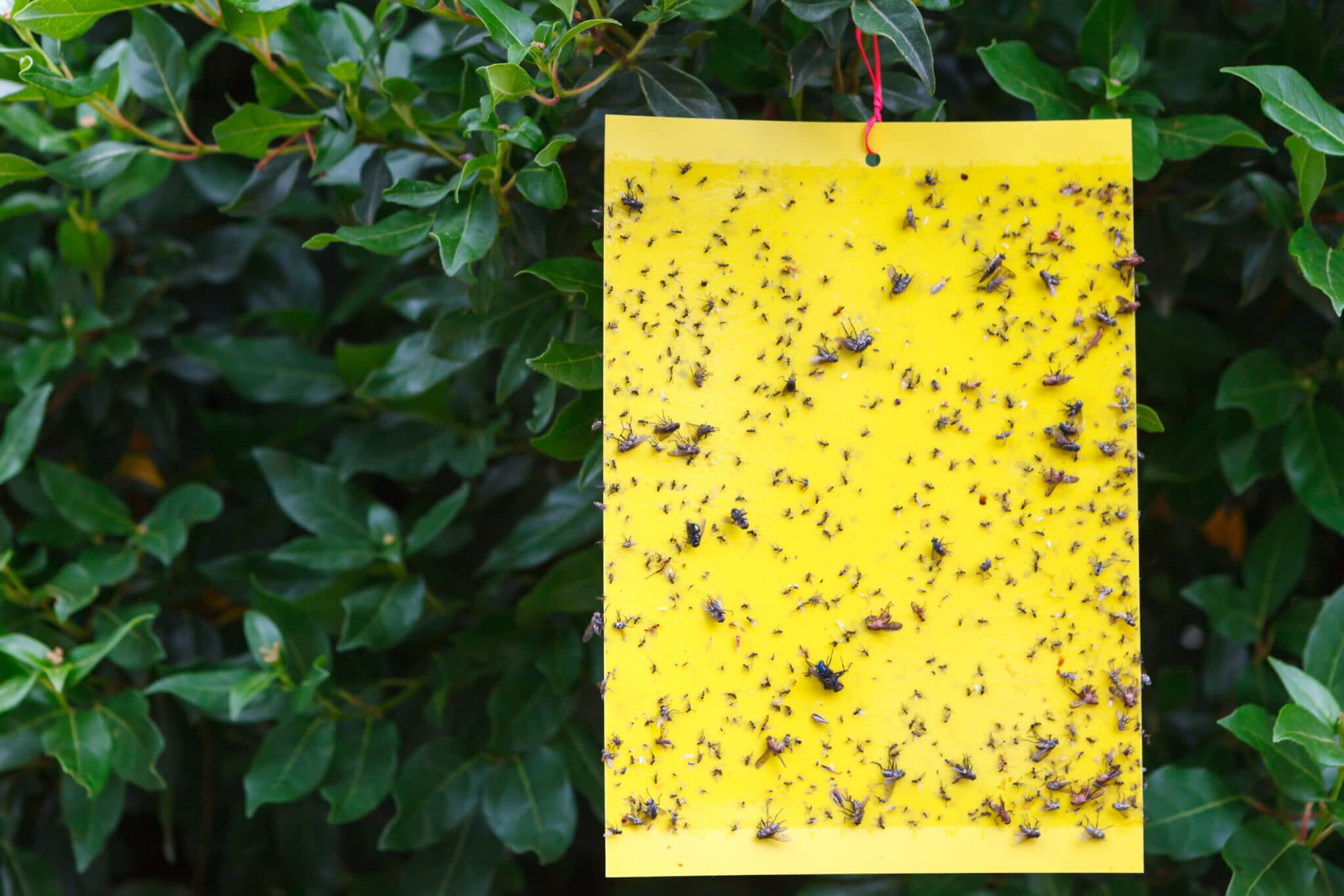
Yellow sticky traps are your first line of defense—loaded with pests means it’s time to act!
6. Plant Health & Cultural Tasks 🌱🍃
Why: Monthly attention keeps plants vigorous, prevents overcrowding, and optimizes light/airflow for even growth.
- Prune dead/diseased branches, pinch tips for bushier growth, or stake/trellis vining plants.
- Check soil moisture at multiple depths; adjust watering schedule if needed.
- Apply light fertilizer (half-strength) if plants show active growth and nutrient deficiency signs (yellowing leaves).
- Rotate pots/plants for uniform light exposure.
- Thin seedlings or repot if root-bound (especially young trees in containers).
H3: Special notes for young trees & perennials in containers Trees like citrus, figs, or dwarf fruit varieties need careful pruning to maintain shape and encourage strong structure. Remove crossing branches and suckers monthly. Ensure good drainage to prevent root rot in humid conditions.
Pro tip: Label plants with dates of last prune/fertilize for easy tracking.
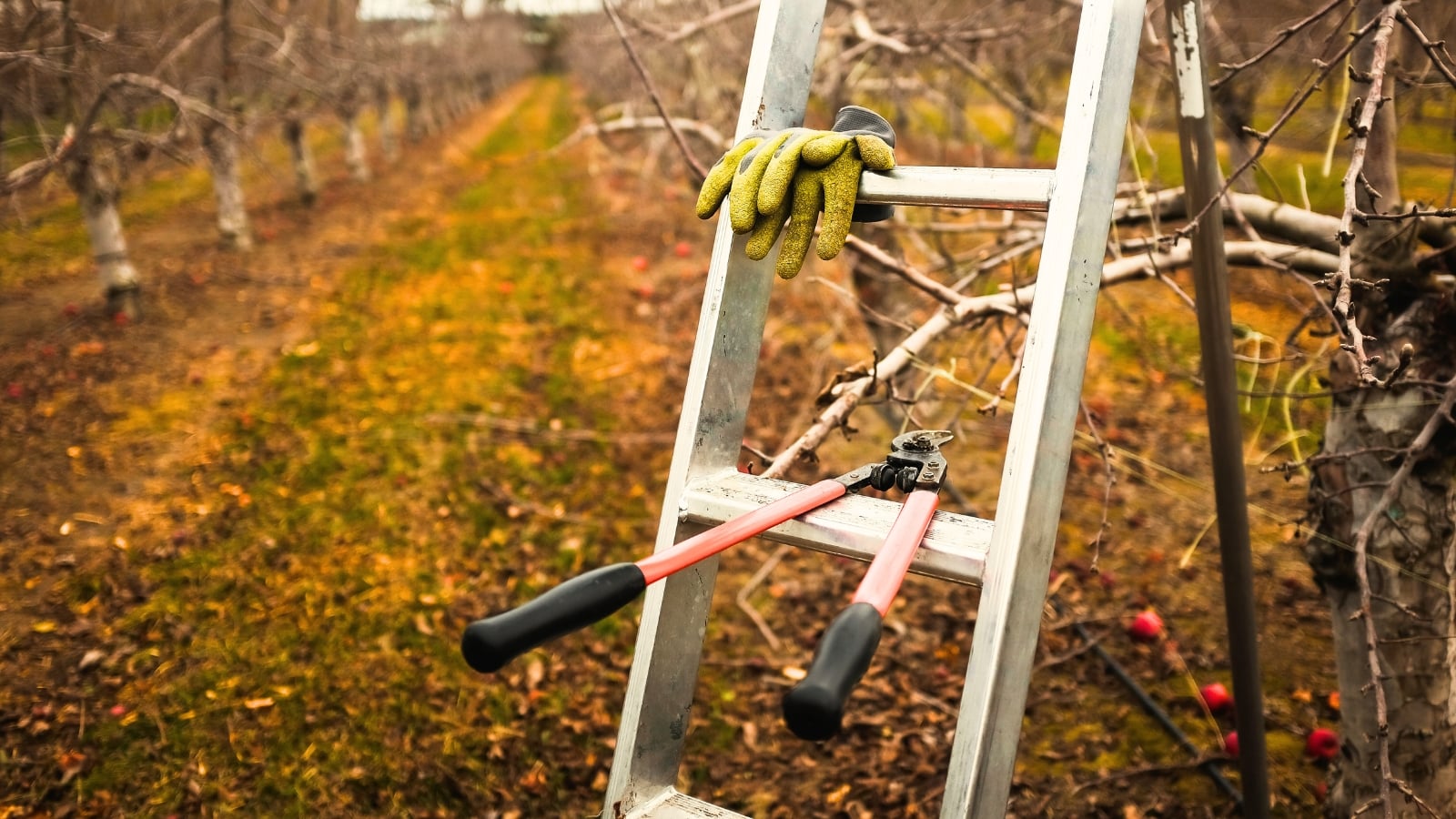
Clean, sharp tools make pruning young trees safe and effective—promoting healthy branching!
Seasonal Adjustments to Your Monthly Routine 🌸☀️🍂❄️
While this checklist is designed for year-round use, smart gardeners tweak emphasis based on the season to match plant needs and weather patterns. In Khulna Division’s tropical climate (hot, humid summers with heavy monsoon rains and milder, drier winters), these adjustments help prevent common regional challenges like excessive humidity-driven diseases or sudden heat spikes.
- Spring (March–May): Focus extra on deep cleaning after winter dormancy, thorough pest scouting (aphids explode as temperatures rise), ventilation checks, and starting light fertilization. Open vents fully on warm days to harden off seedlings and young trees.
- Summer/Monsoon (June–September): Prioritize shade cloth installation/checks (30–50% shade to prevent leaf scorch), aggressive algae/pest control (high humidity fuels spider mites and fungal issues), frequent irrigation line flushing (due to sediment from heavy rains), and ensuring excellent airflow to reduce Botrytis risk.
- Fall (October–November): Clean thoroughly before cooler weather, inspect heating systems early, tighten seals/doors against occasional cool nights, reduce watering/fertilizing as growth slows, and prune trees to shape for next season.
- Winter (December–February): Emphasize insulation (bubble wrap on north walls if needed), heating system tests and calibration, minimal watering, and monitoring for cold drafts or condensation that can cause mold. Keep vents minimally open for fresh air exchange without losing heat.
These tweaks keep the core monthly tasks consistent while adapting to your local conditions—preventing stress on plants during transition periods.
Common Mistakes to Avoid & Troubleshooting Tips ⚠️🛠️
Even experienced growers slip up. Here are the top pitfalls and quick fixes:
- Skipping small leaks → leads to big mold problems and structural rot. Fix: Address every drip immediately.
- Overlooking undersides of leaves during scouting → pests hide there. Fix: Always flip leaves and use a magnifying glass.
- Using the wrong disinfectant near plants → can cause phytotoxicity. Fix: Rinse thoroughly and test on one plant first.
- Forgetting to calibrate thermostats → temperature swings stress plants. Fix: Compare with a separate accurate thermometer monthly.
- Letting debris pile up → invites fungus gnats and disease. Fix: Remove daily if heavy plant load.
- Poor tool hygiene → spreads pathogens. Fix: Have a “clean” and “dirty” tool bucket system.
- Ignoring early nutrient deficiency signs → yellowing, stunted growth. Fix: Keep a visual deficiency chart handy.
- Over-pruning young trees → weakens structure. Fix: Never remove more than 20–25% of canopy at once.
Quick troubleshooting table:
| Symptom | Likely Cause | Immediate Action |
|---|---|---|
| Yellowing between veins | Nutrient deficiency (e.g., Mg) | Test soil/EC, apply appropriate fertilizer |
| Powdery white coating | Powdery mildew | Improve airflow, apply organic fungicide |
| Fine webbing on leaves | Spider mites | Increase humidity slightly, introduce predators |
| Wilting despite watering | Root rot / poor drainage | Check roots, improve drainage, reduce water |
Catch these early with your monthly routine and most issues stay minor!
Expert Insights & Pro Tips from the Field 💡🌿
Drawing from university extension bulletins (UMass, University of Georgia, Ohio State) and commercial greenhouse operators:
- “Algae on glazing and benches isn’t just cosmetic—it blocks light and harbors pathogens. Monthly cleaning with hydrogen peroxide keeps transmittance high and disease pressure low.” — Adapted from UMass Controlled Environment Agriculture insights.
- In high-humidity zones like coastal Bangladesh, “double down on horizontal airflow fans and sanitation. Many growers lose entire crops to Botrytis in poorly ventilated summers.” — Regional grower best practices.
- For container-grown trees: “Monthly root-zone checks (lift pot, feel for soggy vs. dry) prevent the #1 killer—overwatering in winter combined with poor drainage.”
- Energy-saving gem: Weatherstrip doors and add an air curtain at entrances—can cut heating costs 15–25% in cooler months.
Personal note from years working with hobby and small-scale growers: Consistency beats perfection. Even 80% adherence to this checklist dramatically improves plant health and reduces frustration.
Printable Monthly Greenhouse Maintenance Checklist 📋✨
Here’s a ready-to-print summary (imagine this as a clean PDF table you can download or screenshot):
Monthly Greenhouse Maintenance Checklist – [Month/Year]
[ ] Structural: Inspect frame, glazing, doors, vents, foundation [ ] Ventilation: Test fans/vents, clean screens, lubricate [ ] Controls: Check thermostat, clean heating/cooling elements [ ] Irrigation: Flush lines, check leaks, test water quality [ ] Cleaning: Remove debris, disinfect benches/tools [ ] Pest/Disease: Check traps, scout plants, remove issues [ ] Plant Care: Prune, check moisture, fertilize lightly, rotate [ ] Notes/Observations: _______________________________
Print one per month, check off tasks, and file for reference. Track trends over time to spot recurring issues early!
Frequently Asked Questions (FAQs) ❓
How long should monthly maintenance take? Most hobby greenhouses take 1–2 hours once you’re familiar with the routine. Larger setups or heavy plant loads may take 3–4 hours.
What if I miss a month? Don’t panic—just do a thorough catch-up the next time. Focus extra on pest scouting, cleaning, and structural checks. Missing one month rarely causes disaster if the previous months were solid.
What are the safest disinfectants for organic growers? Hydrogen peroxide (3–6%), 70% isopropyl alcohol (for tools), or commercial OMRI-listed products like Zerotol or Oxidate. Always rinse plants/benches afterward.
How do I maintain a greenhouse in high-humidity areas like Khulna? Emphasize airflow (extra fans), morning watering to allow drying, aggressive sanitation, and monitoring for fungal diseases. Consider silica amendments to strengthen plant cell walls against humidity stress.
Do hobby greenhouses need the same care as commercial ones? The principles are identical—only scale differs. Hobby growers often have more plant diversity, so scouting and sanitation become even more critical.
Can I automate parts of this checklist? Yes! Smart thermostats, automated vent openers, soil moisture sensors, and app reminders make monthly tasks lighter.
Conclusion 🎉🌱
A monthly greenhouse maintenance checklist isn’t glamorous—but it’s the single most powerful habit for keeping your plants and trees thriving year-round. By investing a couple of hours each month in these targeted tasks, you prevent most diseases, catch structural issues early, optimize growing conditions, and save money on replacements and repairs.
Start this very month: set the reminder, gather your supplies, and walk through the checklist. Your greenhouse—and your plants—will thank you with lush growth, vibrant blooms, and healthy trees season after season. 🌿💚
Have you tried a monthly routine before? What’s your biggest greenhouse challenge right now? Drop a comment below—I’d love to hear and help troubleshoot!
Happy growing🚀











