
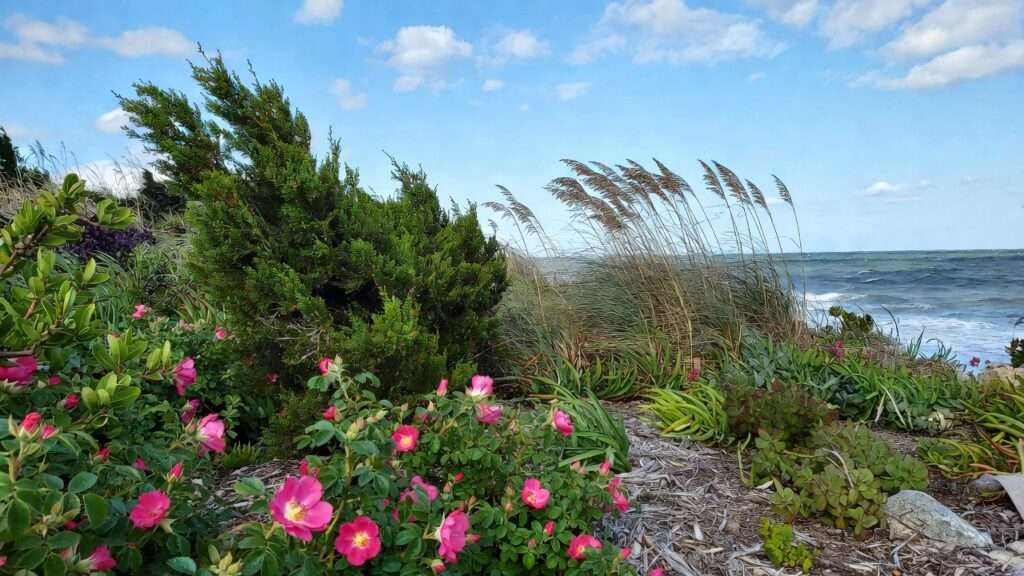
Imagine stepping onto your seaside property after a fierce storm — instead of snapped stems and wilted leaves, you see graceful grasses dancing in the breeze, vibrant roses glowing against the salt spray, and sturdy evergreens standing tall like sentinels. 🌊 That dream is completely possible once you discover the right plants that thrive in windy coastal areas!
If you’re tired of watching your garden struggle against relentless winds, salty air, and sandy soil, you’re in the right place. As a plant-care specialist with more than 15 years helping gardeners from the Pacific Northwest to the Florida Keys create resilient coastal landscapes, I’ve tested hundreds of varieties in real-world conditions. The secret? Choosing species that have naturally evolved to laugh in the face of salt spray, high winds, and nutrient-poor dunes.
In this comprehensive guide, you’ll meet 15 battle-tested, wind-resistant plants that turn harsh coastal challenges into a thriving, low-maintenance paradise. You’ll also get expert planting tips, design strategies, and common mistakes to avoid so your seaside garden finally flourishes. Whether you’re in USDA zones 3–11, these picks deliver beauty, erosion control, and pollinator support — all while surviving the toughest conditions. Let’s dive in and transform your windy coastal garden today! 🌿✨
Why Most Plants Fail in Windy Coastal Areas (And How the Right Ones Succeed) 🌊
Coastal gardening isn’t like inland planting — the environment throws multiple punches at once. Understanding exactly why ordinary plants die helps you appreciate why the 15 selections below are true superstars.
Salt spray damage is enemy number one. Tiny salt particles carried by ocean winds coat leaves, burn tissue, and pull moisture out of plants faster than they can drink. Most garden favorites (think hydrangeas or tomatoes) simply can’t handle this constant dehydration. Salt-tolerant plants, however, have waxy cuticles or fine hairs that block salt entry — a natural adaptation you’ll see in every pick on our list.
Relentless winds create physical stress too. Gusts over 20 mph can snap fragile stems, desiccate foliage, and erode topsoil around roots. Flexible, wiry stems and deep root systems (often 2–3 times deeper than the plant is tall) are the winning traits here. These wind-resistant perennials and shrubs actually use the breeze to their advantage, staying compact and strong rather than growing leggy.
Sandy, nutrient-poor soil drains too quickly and holds almost no organic matter. Without proper amendments, even drought-tolerant plants struggle. The champions below thrive in low-fertility conditions and actually help stabilize dunes and prevent erosion — a huge bonus for coastal homeowners worried about shoreline loss.
Extra stressors like intense sun, occasional flooding, and temperature swings compound the problem. Many inland plants simply can’t multi-task through all these factors at once.
The good news? University extension services (including UF/IFAS and USDA coastal guides) have studied these exact conditions for decades. The plants featured here consistently rank as top performers across multiple regions. They don’t just survive — they flourish, often requiring less watering, fertilizing, and pruning than traditional garden plants. Ready to meet your new garden heroes? 🌟
How to Choose Wind-Resistant, Salt-Tolerant Plants for Your Coastal Garden 🧐
Selecting the right plants is the single biggest factor in coastal success. Here’s my expert checklist — refined from years of site visits and client consultations:
- Look for these key traits: Flexible or wiry stems, deep or fibrous root systems, thick/waxy/hairy leaves, and native or naturalized coastal adaptations.
- Match your USDA hardiness zone (the list below covers zones 3–11).
- Consider sun exposure and spacing: Most of these need full sun (6+ hours) and at least 3–6 feet between plants for airflow.
- Prioritize multi-season interest: Bloom time, fall color, winter berries, and evergreen structure keep your garden beautiful year-round.
Quick Comparison Table (for easy reference):
| Plant | Height | Spread | Bloom Season | Wildlife Value | Best For |
|---|---|---|---|---|---|
| Sea Oats | 3–6 ft | 2–3 ft | Summer | Birds & dune stabilization | Front dunes |
| Pink Muhly Grass | 3–4 ft | 2–3 ft | Fall | Pollinators | Mass plantings |
| Rugosa Rose | 4–6 ft | 4–6 ft | Spring–Fall | Bees & birds | Hedges & fragrance |
| Northern Bayberry | 5–10 ft | 5–8 ft | — | Birds (berries) | Windbreaks |
Use this as your starting point — and always check local extension offices for any region-specific recommendations. These salt-tolerant plants and wind-resistant shrubs will reward you with years of beauty and minimal fuss. 🌱
The 15 Best Plants That Thrive in Windy Coastal Areas 🌿
Here comes the heart of the guide — 15 proven performers, each with detailed growing advice, design ideas, and pro tips. Every one has been battle-tested in real coastal conditions and delivers exactly what you need: wind resistance, salt tolerance, and stunning beauty.
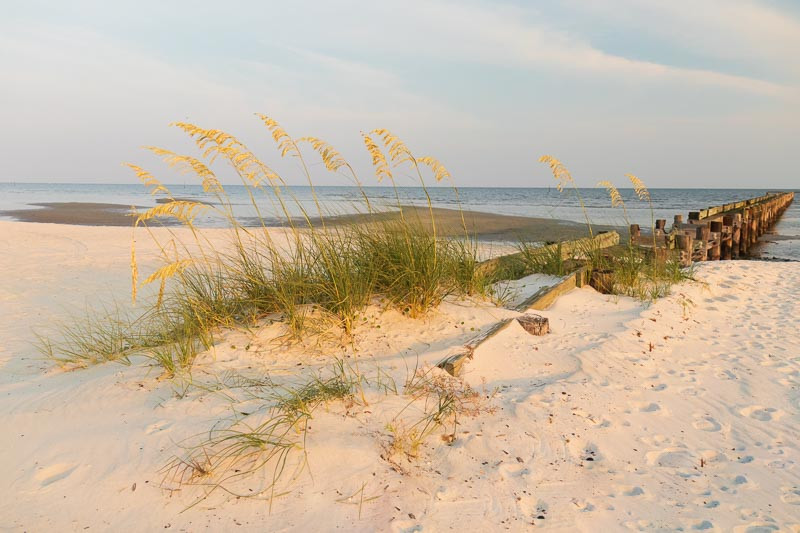
1. Sea Oats (Uniola paniculata) 🌾 This native dune grass is the undisputed king of coastal stabilization. Its deep roots anchor shifting sand, while tall, graceful seed heads sway beautifully in the wind without breaking. Sea oats are perfectly adapted to salt spray and sandy soil — they actually thrive where other plants fail.
Hardiness: Zones 7–11 | Mature size: 3–6 ft tall, 2–3 ft wide Planting & Care: Plant in full sun, 2–3 ft apart in pure sand or amended soil. Water deeply the first year, then almost never again. Do NOT fertilize heavily — too much nitrogen makes them floppy. Pro Tip: Use them as the front line of defense on dunes or as a natural windbreak. They’re also a vital food source for birds and help restore endangered beach habitats. Pair with sea oats for instant coastal charm!
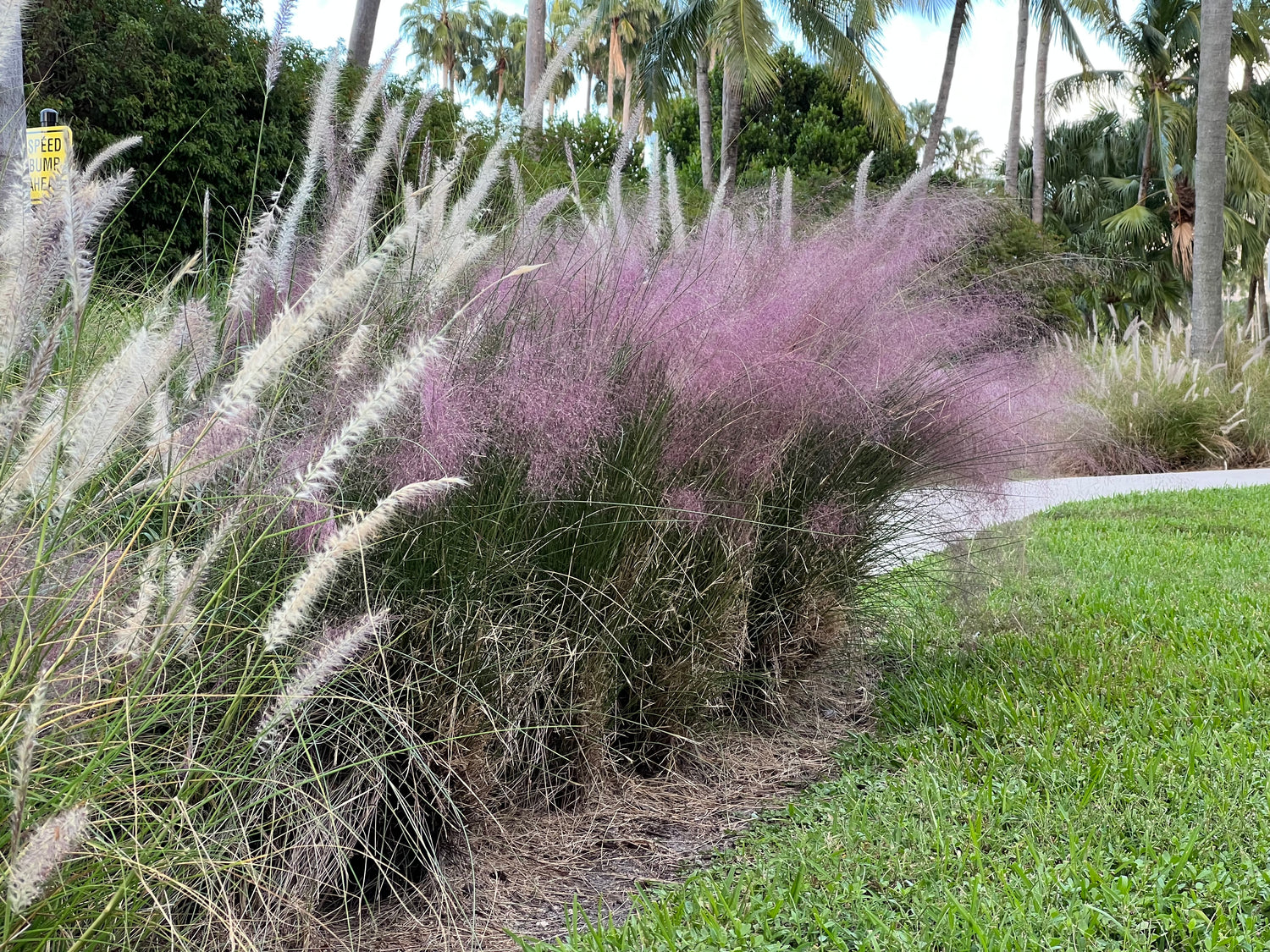
2. Pink Muhly Grass (Muhlenbergia capillaris) 🎀 Imagine clouds of fluffy pink cotton candy floating above your garden every autumn — that’s Pink Muhly in action! This ornamental grass laughs at wind and salt, turning ordinary coastal spots into showstoppers. Its fine texture and dramatic fall color make it a favorite for modern seaside designs.
Hardiness: Zones 6–11 | Mature size: 3–4 ft tall & wide Planting & Care: Full sun, well-drained sandy soil. Cut back in late winter. Drought-tolerant once established. Pro Tip: Plant in large drifts for maximum “wow” effect. The pink plumes catch the light beautifully and attract butterflies. It’s one of the most photogenic wind-resistant perennials you’ll ever grow!
3. Rugosa Rose (Rosa rugosa) 🌹 Don’t let the “rugosa” name fool you — this is the tough-as-nails beach rose! Its leathery, wrinkled leaves shrug off salt spray, while fragrant pink or white blooms keep coming all summer. The bright red hips in fall feed birds and add winter interest.
Hardiness: Zones 3–9 | Mature size: 4–6 ft tall & wide Planting & Care: Full sun, any well-drained soil. Prune lightly in spring. Extremely pest-resistant. Pro Tip: Perfect for hedges or mass plantings. The fragrance is heavenly on breezy evenings, and it’s one of the few roses that truly thrives in windy coastal areas without constant protection.
4. Northern Bayberry (Myrica pensylvanica) 🫐 Silvery-green foliage and waxy berries make this shrub a coastal classic. It fixes its own nitrogen, grows in pure sand, and handles wind and salt like a pro. Birds flock to the berries in winter — adding life to your garden year-round.
Hardiness: Zones 3–7 | Mature size: 5–10 ft tall & wide Planting & Care: Full sun to part shade. Male and female plants needed for berries. Pro Tip: Use as a natural windbreak or privacy screen. The aromatic leaves release a wonderful scent when brushed — perfect for paths near the beach.
5. Eastern Red Cedar (Juniperus virginiana) 🌲 This tough native evergreen is a coastal windbreak legend. Its dense, scale-like foliage and conical shape make it exceptionally wind-resistant, while it shrugs off salt spray better than most conifers. It provides year-round structure, wildlife habitat (berries for birds), and even helps filter salty air.
Hardiness: Zones 2–9 | Mature size: 30–50 ft tall, 8–20 ft wide (can be pruned smaller) Planting & Care: Full sun, well-drained soil (tolerates poor, sandy conditions). Plant 10–15 ft apart for screens. Minimal pruning needed; drought-tolerant once established. Pro Tip: Use as a backbone for windbreaks or privacy hedges. Its blue-green berries add winter interest, and it’s a favorite for birds — turning your coastal yard into a mini sanctuary. Plant multiples for the best protection against gusts!
6. Yarrow (Achillea millefolium) 🌼 Flat-topped clusters of tiny flowers in white, pink, or yellow make yarrow a pollinator magnet that thrives where others wilt. Its ferny, aromatic foliage is naturally salt- and wind-resistant, and it spreads gently to cover bare sandy spots.
Hardiness: Zones 3–9 | Mature size: 1–3 ft tall, 1–2 ft wide Planting & Care: Full sun, poor to average soil. Deadhead for rebloom; cut back in fall. Extremely low-maintenance. Pro Tip: Plant in drifts for erosion control and endless summer color. The flat flower heads are perfect landing pads for butterflies and bees — boosting biodiversity in windy coastal gardens.
7. Blanket Flower (Gaillardia spp.) 🌺 These cheerful daisy-like blooms in fiery red, yellow, and orange blanket the ground from late spring through frost. Gaillardia laughs at heat, drought, wind, and salt — making it ideal for sunny coastal borders.
Hardiness: Zones 3–10 | Mature size: 1–2 ft tall & wide Planting & Care: Full sun, sandy or well-drained soil. Deadhead to encourage more flowers; divide every 2–3 years. Pro Tip: Mass plant for a vibrant, low-growing carpet that stabilizes soil. The long bloom season keeps your garden colorful even when winds whip through!
:max_bytes(150000):strip_icc()/GettyImages-177391037-eb8c14743e3d4160810c19515e203c4b.jpg)
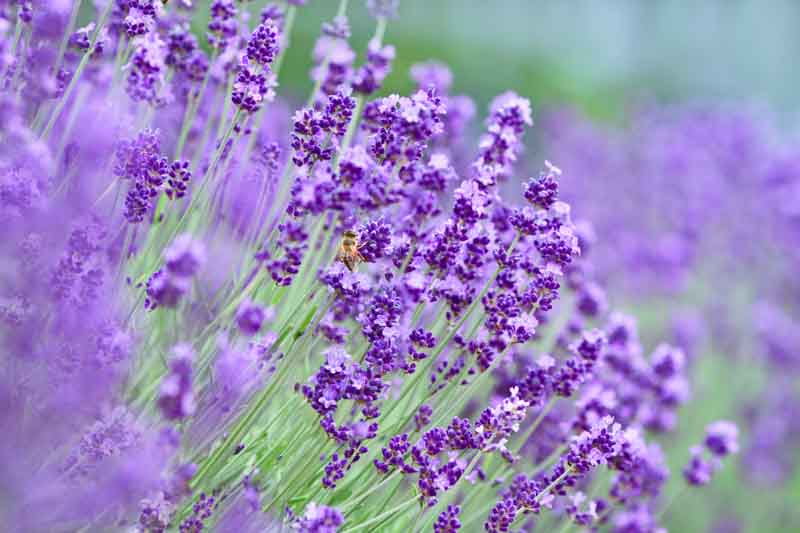
8. Lavender (Lavandula spp.) 💜 Fragrant purple spikes and silvery foliage make lavender a coastal favorite. English and lavandin varieties handle wind and salt spray remarkably well, while their essential oils deter some pests naturally.
Hardiness: Zones 5–9 (choose heat-tolerant types like ‘Phenomenal’ for warmer coasts) | Mature size: 1–3 ft tall & wide Planting & Care: Full sun, excellent drainage (raised beds if needed). Prune after flowering; avoid heavy mulch. Pro Tip: Plant along paths for sensory delight — the scent wafts beautifully on sea breezes. Bees adore it, and dried stems make lovely coastal wreaths.
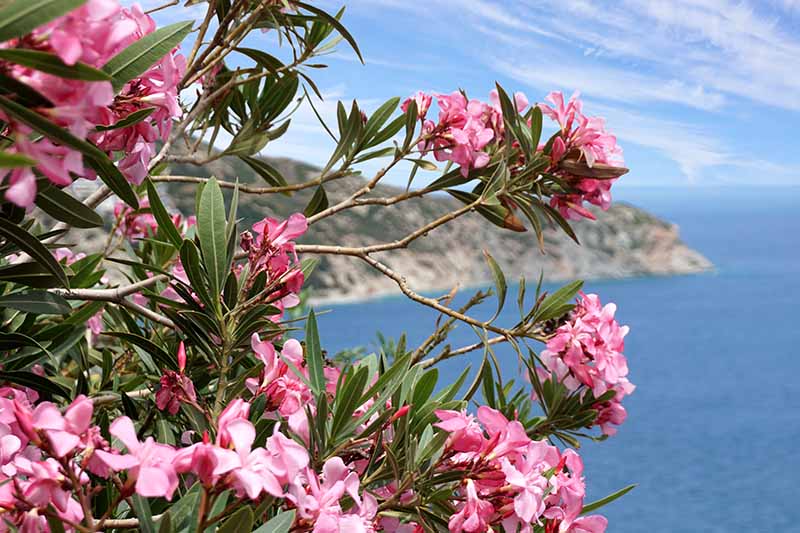
9. Oleander (Nerium oleander) 🌸 A Mediterranean classic that excels in hot, windy, salty conditions. Long-blooming clusters of pink, red, white, or yellow flowers add tropical flair to coastal landscapes. (Important: All parts are toxic — keep away from pets and children.)
Hardiness: Zones 8–11 | Mature size: 6–12 ft tall & wide (dwarf varieties available) Planting & Care: Full sun, any well-drained soil. Drought-tolerant; prune in spring for shape. Pro Tip: Use as a fast-growing hedge or accent shrub. Its heat and wind tolerance make it a go-to for exposed coastal spots — just plant safely!
:max_bytes(150000):strip_icc()/oleander-growing-guide-5203845-hero-1c7b04b040a6408e8056db1e98ea3ada.jpg)
10. Japanese Black Pine (Pinus thunbergii) 🌲 This sculptural pine develops twisted, artistic branches over time — perfect for Japanese-inspired coastal gardens. It tolerates salt-laden winds and sandy soil like few other evergreens.
Hardiness: Zones 5–8 | Mature size: 20–40 ft tall, 10–20 ft wide (can be kept smaller with pruning) Planting & Care: Full sun, well-drained soil. Protect young trees from extreme winds initially; minimal fertilizer. Pro Tip: Candle-prune in spring for compact shape. Its rugged beauty adds year-round interest and acts as a strong wind barrier.
11. Southern Live Oak (Quercus virginiana) 🌳 The iconic tree of southern coasts — massive, spreading branches draped in Spanish moss. It’s incredibly wind- and salt-tolerant, providing majestic shade once established.
Hardiness: Zones 7–10 | Mature size: 40–80 ft tall & wide Planting & Care: Full sun, sandy or loamy soil. Water deeply during establishment; then drought-tolerant. Pro Tip: Plant as a focal point or avenue tree. Its evergreen leaves and sprawling form create natural wind protection for underplantings.
12. Butterfly Bush (Buddleja davidii) 🦋 Long panicles of purple, pink, or white flowers attract butterflies by the dozen. New compact varieties are more wind-resistant and less invasive in many areas.
Hardiness: Zones 5–9 | Mature size: 3–10 ft tall & wide (dwarf types best) Planting & Care: Full sun, well-drained soil. Cut back hard in spring. Pro Tip: Deadhead for continuous bloom. A pollinator powerhouse that adds movement and life to breezy gardens.
13. Prickly Pear Cactus (Opuntia spp.) 🌵 Flat pads and bright yellow flowers make this succulent a desert-meets-coast survivor. It laughs at drought, wind, and salt — ideal for dry, exposed sites.
Hardiness: Zones 4–11 (depending on species) | Mature size: 3–6 ft tall & wide Planting & Care: Full sun, sandy soil. Minimal water once established. Pro Tip: Use for low barriers or rock gardens. Edible pads and fruits are a bonus in warmer zones!
14. Daylily (Hemerocallis spp.) 🌞 Reliable, trumpet-shaped blooms in every color thrive in tough conditions. Many varieties handle salt spray and wind without complaint.
Hardiness: Zones 3–9 | Mature size: 1–4 ft tall Planting & Care: Full sun to part shade, average soil. Divide every 4–5 years. Pro Tip: Plant in large groups for summer-long color. Tough, low-care blooms that rebound after storms.
15. Pittosporum (Pittosporum tobira) 🌿 Glossy, rounded leaves and fragrant white flowers make this evergreen shrub a coastal hedge superstar. It tolerates salt, wind, and shearing perfectly.
Hardiness: Zones 8–11 | Mature size: 6–15 ft tall & wide Planting & Care: Full sun to part shade, well-drained soil. Prune for shape. Pro Tip: Create formal or informal hedges. The sweet spring scent fills the air on breezy days — pure coastal magic!
Designing a Beautiful & Resilient Coastal Garden Layout 🏡🌊
Now that you know the 15 superstar plants, let’s put them together into a layout that looks stunning and stands strong against coastal conditions. Good design isn’t just pretty — it creates natural protection, reduces maintenance, and turns your yard into a functioning ecosystem.
Layering Strategy (The Classic Coastal “Wind Wedge”) Think of your garden like ocean waves coming ashore: tallest plants at the back, shortest at the front. This layering slows wind speed gradually and protects more delicate underplantings.
- Back row / tallest layer (windbreak & structure): Southern Live Oak, Eastern Red Cedar, Japanese Black Pine, Pittosporum (pruned as tall hedge), Oleander (taller forms). Space 10–20 ft apart depending on mature size.
- Middle layer (main interest & partial wind filter): Rugosa Rose, Northern Bayberry, Butterfly Bush, Lavender (taller cultivars), Pittosporum (shorter forms). Plant 4–8 ft apart.
- Front layer (ground cover, color, erosion control): Sea Oats, Pink Muhly Grass, Yarrow, Blanket Flower, Daylily, Prickly Pear Cactus. Plant densely (1–3 ft spacing) to knit together and stabilize soil.
Creating Natural Windbreaks Without Blocking Views Instead of solid walls, use staggered, permeable plantings. A zig-zag or curved row of Eastern Red Cedar + Rugosa Rose lets wind pass through slowly instead of slamming into a barrier (which creates damaging turbulence on the leeward side). This “filter” approach is proven by coastal extension research to reduce wind speed by 30–50% while preserving ocean vistas.
Companion Planting Combos That Boost Resilience
- Pink Muhly Grass + Blanket Flower + Yarrow → colorful, low-water meadow that attracts pollinators
- Rugosa Rose + Lavender + Northern Bayberry → fragrant, bird-friendly hedge
- Sea Oats + Prickly Pear + Daylily → tough, low-growing dune-style frontage
- Pittosporum hedge + Butterfly Bush accents → formal structure with wildlife movement
Erosion Control & Pollinator-Friendly Designs Plant Sea Oats and Pink Muhly in wide swaths on slopes or near dunes — their fibrous roots hold sand better than any mulch. Intersperse Yarrow, Blanket Flower, and Butterfly Bush to feed bees, butterflies, and hummingbirds. The result: a garden that helps the environment while looking magazine-worthy.
Container Ideas for Balconies, Patios & Renters No yard? No problem. Use large, heavy pots (at least 18–24″ diameter) with excellent drainage. Top performers in containers: Lavender, Daylily, Blanket Flower, smaller Rugosa Rose cultivars, Dwarf Butterfly Bush, and compact Pittosporum. Group 3–5 pots together and place them against walls or railings for extra wind protection.
Planting & Care Secrets from a Coastal Expert 🌱
Here are the exact techniques I teach clients to give new plants the best possible start in harsh coastal zones.
Soil Amendment Techniques
- Mix 30–40% compost or aged manure into the top 12–18 inches — improves water and nutrient retention without making soil too rich.
- Add gypsum (calcium sulfate) at 2–4 lbs per 100 sq ft to help flush excess salt from the root zone.
- Never use heavy clay or peat-based mixes — they hold too much water and cause rot in sandy conditions.
Best Planting Time & Mulching Methods
- Spring (after last frost) or early fall — gives roots time to establish before summer heat or winter storms.
- Mulch with 2–3 inches of coarse pine bark, oyster shell, or gravel. Avoid fine wood chips (they blow away) and keep mulch 2–3 inches away from stems to prevent rot.
Watering & Fertilizing Schedule
- Year 1: Deep water (1–2 inches) every 5–7 days if no rain.
- Year 2+: Most of these plants become drought-tolerant — water only during prolonged dry spells.
- Fertilizer: Use low-nitrogen, slow-release (e.g., 10-10-10 or organic seaweed/kelp) once in spring. Over-fertilizing causes weak, floppy growth that snaps in wind.
Pruning for Wind Resistance
- Prune evergreens (cedar, pine, pittosporum) lightly in late winter/early spring to maintain dense shape.
- Cut flowering perennials (yarrow, blanket flower, daylily) back by ⅓ after first bloom for rebloom and compactness.
- Remove dead or crossing branches from shrubs/trees annually — improves airflow and reduces wind catch.
Seasonal Maintenance Calendar
- Spring: Prune, fertilize lightly, plant new additions
- Summer: Monitor for drought stress, deadhead blooms
- Fall: Cut back grasses and perennials after frost, collect seeds
- Winter: Minimal care — enjoy structure and berries
Common Mistakes to Avoid (So Your Garden Doesn’t Fail) ❌
Even experienced gardeners make these errors in coastal settings:
- Planting too close to the ocean without a buffer zone — salt spray is strongest within 100–300 ft of the shoreline.
- Ignoring drainage — even salt-tolerant plants rot in standing water after heavy rain.
- Overwatering established plants — leads to weak roots and fungal issues.
- Choosing pretty-but-weak inland varieties (e.g., hybrid tea roses, most hydrangeas).
- Skipping the first-year deep watering — new plants die from drought stress more often than from salt or wind.
- Planting in straight rows — staggered or curved layouts perform much better against wind.
Avoid these pitfalls and your success rate will skyrocket.
Frequently Asked Questions ❓
What are the most wind-resistant plants for coastal areas? Eastern Red Cedar, Japanese Black Pine, Rugosa Rose, Pittosporum, and Sea Oats consistently rank highest for surviving constant high winds.
Do these plants need special soil? Most prefer sandy, well-drained soil with low fertility. Adding compost helps, but avoid heavy, rich garden soil.
Can I grow these in colder coastal zones (USDA 4–6)? Yes — Rugosa Rose, Northern Bayberry, Yarrow, Blanket Flower, Daylily, and some Lavender varieties thrive in cooler northern coasts.
How do I protect new plants from first-year winds? Use temporary burlap screens, plant in groups for mutual support, stake taller perennials the first season, and water deeply to encourage deep rooting.
Are any of these plants invasive? Butterfly Bush can be in some regions — choose sterile cultivars. Sea Oats are protected in many states — buy nursery-propagated stock only.
Will these plants attract wildlife? Absolutely — birds love Rugosa hips and bayberries, butterflies flock to Blanket Flower and Butterfly Bush, and bees adore Lavender and Yarrow.
How close to the ocean can I plant them? Sea Oats and Prickly Pear can go closest (within 50–100 ft). Most others do best 100–500 ft back where salt spray is lighter.
Do I need to spray for salt damage? Rarely. These selections are naturally tolerant. If you see leaf burn on new plants, a gentle freshwater rinse after storms can help.
What if I have a very small space or balcony? Focus on Lavender, Daylily, Blanket Flower, compact Butterfly Bush, and smaller Pittosporum in large pots.
How long until my coastal garden looks full? With proper spacing and care, 2–3 years for perennials and grasses to fill in; 5–10 years for trees and large shrubs to reach mature size.
Conclusion: Create the Coastal Garden of Your Dreams Today 🌟🏖️
You no longer have to accept a barren, storm-battered yard. With these 15 wind-resistant, salt-tolerant plants — plus smart layering, soil prep, and maintenance habits — you can build a beautiful, low-care coastal garden that actually thrives in the conditions most plants hate.
Start small: pick 3–5 from the list that match your zone, light, and style. Plant this season, give them that critical first-year care, and watch your seaside space transform into something magical — a living, breathing landscape that dances with the breeze instead of breaking under it.
I’d love to hear which plants you’re most excited to try! Drop a comment below, share your coastal garden challenges, or ask any follow-up questions. Happy planting — may your garden be as tough and beautiful as the coast itself. 🌿✨











