
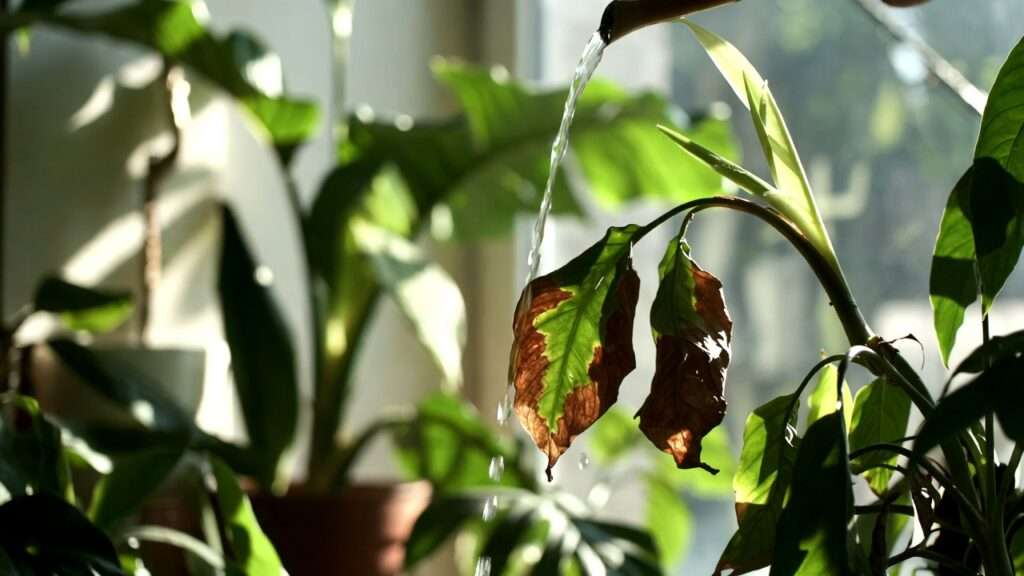
Picture this: You walk past your favorite Monstera or that precious Fiddle Leaf Fig one morning, and something feels off. The leaves hang limp like they’ve lost all hope 😢, edges curling inward as if the plant is desperately trying to conserve what little moisture it has left. Your heart sinks— is your green companion dying? The good news? In most cases, it’s not terminal. It’s just really, really thirsty.
Signs of underwatered indoor plants are among the most common issues houseplant owners face, especially in dry indoor environments, heated homes, or during busy weeks when watering slips your mind. Underwatering happens more often than you’d think, particularly for tropical beauties that crave consistent moisture. The even better news? Most plants bounce back dramatically with prompt action—often within days!
As a plant care enthusiast who’s revived hundreds of struggling houseplants (including many here in Dhaka’s variable humidity and seasonal shifts), I’ve learned the subtle (and not-so-subtle) clues that scream “water me now!” In this comprehensive guide, we’ll cover the 7 clearest signs of underwatered indoor plants, why they appear, how to distinguish them from overwatering woes, step-by-step revival techniques, and foolproof prevention tips so your indoor jungle never goes thirsty again. Let’s bring those leaves back to life! 🌱
Why Do Indoor Plants Get Underwatered? Common Causes
Before diving into the signs, understanding why underwatering occurs helps you spot problems early and prevent them long-term.
- Inconsistent or forgotten watering schedules — Life gets hectic, and that “I’ll water it tomorrow” turns into a week.
- Fast-draining or poor-quality soil — Sandy mixes or old, compacted soil let water rush through too quickly, leaving roots parched.
- Environmental stress — Low humidity (common in air-conditioned rooms), high temperatures, direct sun exposure, or dry winter heating all speed up transpiration.
- Root-bound plants or small pots — When roots fill the pot, there’s less soil to hold moisture, so drying happens faster.
- Seasonal changes — Plants may need more water in growing seasons (spring/summer) but less in winter dormancy—yet many owners keep the same routine year-round.
In places like Dhaka, where indoor humidity fluctuates with monsoons and dry winters, tropical houseplants often show underwatering stress even when watered “regularly.” Catching it early is key! 🌡️
The 7 Clear Signs of Underwatered Indoor Plants
Here are the telltale symptoms, ranked from earliest/most reversible to more advanced signs. Spotting them quickly can mean the difference between a quick sip and major recovery.
1. Drooping or Wilting Leaves That Perk Up After Watering 🌿↓ This is often the first dramatic sign. Leaves lose turgor pressure (the water-filled rigidity that keeps them upright), causing them to flop. The magic test? Water thoroughly, and within 1–4 hours, many perk right back up! This differs from permanent wilt in overwatered plants, where leaves stay limp even after drying out. Common in: Fiddle Leaf Figs, Monsteras, Pothos.
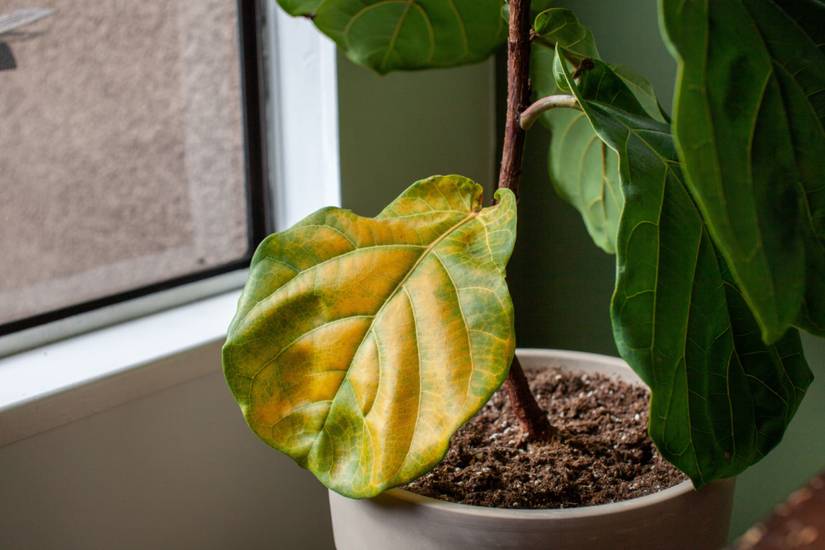
2. Dry, Crispy, or Brown Leaf Edges and Tips 🔥 When dehydration persists, leaf margins dry out and turn papery-brown or crispy. This happens because the plant can’t transport enough water to the extremities. Tips often brown first in low-humidity homes. Common in: Spider Plants, Calatheas, Dracaenas.

3. Curling or Rolled-Up Leaves 🌀 Plants curl leaves to minimize surface area and reduce water loss through transpiration—a clever survival tactic! Prayer Plants and Calatheas are especially prone, rolling dramatically when thirsty. If leaves feel paper-thin and curl upward or inward, reach for the watering can.
:max_bytes(150000):strip_icc()/GettyImages-1367369361-3bfe5b949b37412e8d4087f19b0a1f9d.jpg)
4. Yellowing or Browning Leaves (Starting at Tips/Edges) 🍂 Unlike overwatering (which yellows lower/older leaves with soft texture), underwatering causes tip-to-base yellowing or browning with dry, brittle feel. No mushiness or foul smell here.
5. Slowed or Stunted Growth + Smaller New Leaves 🐢 The plant shifts energy to survival, halting new growth or producing tiny, undersized leaves. If your usually vigorous Philodendron suddenly stalls, check soil moisture first.
6. Soil Pulling Away from Pot Edges + Bone-Dry Soil 🏜️ The classic “thirsty soil” look: potting mix shrinks and cracks, pulling from the sides like desert ground. Stick your finger 2–3 inches down—if it’s dust-dry, that’s your cue.

7. Wrinkled Leaves (Especially on Succulents) or Leaf Drop 😓 Succulents like Echeveria show puckered, wrinkled foliage when low on stored water. Non-succulents may drop older leaves to conserve resources.

These signs build gradually—catch #1 or #2 early for easiest fixes!
7. Wrinkled Leaves (Especially on Succulents) or Leaf Drop 😓 Succulents and semi-succulent plants (like ZZ Plants, Snake Plants, or Hoyas) store water in their thick leaves. When reserves run critically low, those leaves become soft, puckered, and wrinkled—like a deflated balloon. In non-succulent houseplants, severe dehydration triggers the plant to sacrifice older, lower leaves, causing them to yellow, dry up, and drop off to redirect resources to newer growth and the main stem. This is a more advanced stage of underwatering, but even here, quick intervention can save the plant (though some leaf loss is permanent). Common in: Echeveria, Aloe Vera, Jade Plants, Peperomias.
If you’re seeing a combination of 3–4 of these signs, your plant is moderately to severely underwatered—but don’t panic! Most houseplants are surprisingly resilient 🌱.
Underwatered vs. Overwatered: How to Tell the Difference
One of the biggest reasons people lose houseplants is confusing underwatering with overwatering (or vice versa). The symptoms can look similar at first glance—drooping, yellowing, leaf drop—but the feel, smell, and behavior are completely different. Getting this right saves countless plants!
Here’s a clear side-by-side comparison:
| Sign / Symptom | Underwatered 🌵 | Overwatered 💦 |
|---|---|---|
| Leaf texture | Dry, crispy, brittle, papery | Soft, mushy, limp, water-soaked |
| Wilting behavior | Leaves perk up quickly after watering | Wilting persists or worsens after watering |
| Soil feel (finger test) | Bone-dry, hard, pulls from pot | Soggy, wet, heavy, may smell bad |
| Leaf color pattern | Browning/yellowing from tips & edges | Yellowing starting from lower/older leaves |
| Leaf edges | Crispy brown edges & tips | Black/brown soft spots or rot |
| Smell from soil | No odor (or just dry soil) | Foul, rotten, moldy smell |
| Roots (if you check) | Dry, white/light brown, brittle | Dark brown/black, mushy, slimy |
| New growth | Small, stunted, or none | Possible, but often distorted |
Expert tip: When in doubt, feel the soil first and check one leaf’s texture. Crispy + dry soil = underwatered. Mushy + soggy soil = overwatered. Trust your senses—they rarely lie!
How to Save Your Underwatered Indoor Plants Fast – Step-by-Step Revival Guide
The moment you confirm underwatering, act quickly. Here’s the proven, step-by-step method I use to revive even quite sad-looking plants:
- Assess the severity Mild (just drooping or slight tip browning) → simple thorough watering. Moderate to severe (multiple signs, lots of crispy leaves) → follow all steps below.
- Bottom-water immediately (the fastest, safest way) 🚰
- Fill a sink or bucket with room-temperature water (never cold from the tap—it shocks roots).
- Set the pot in the water so it covers 1/3 to 1/2 the height of the pot.
- Let it soak 20–60 minutes (or until the top soil feels moist).
- Why bottom watering? It rehydrates the entire root ball evenly without compacting soil or washing away nutrients.
- After soaking, let excess drain fully (30+ minutes).
- Prune away the worst damage ✂️
- Use clean, sharp scissors to remove fully dead, crispy, or severely wrinkled leaves at the base.
- Don’t be afraid—removing dead tissue helps the plant focus energy on recovery.
- Leave partially brown leaves if they still have some green; they can still photosynthesize.
- Boost ambient humidity right away 💦
- Place the plant on a pebble tray filled with water (keep pot above water line).
- Group thirsty plants together to create a micro-humid zone.
- Use a fine-mist spray bottle 1–2 times daily for the first week (avoid soaking foliage in low light to prevent fungus).
- Relocate temporarily if needed
- Move to bright, indirect light (never direct harsh sun during recovery—it stresses the plant more).
- Keep away from heating vents, air conditioners, or drafty windows.
- Resume a proper watering routine
- Water thoroughly when the top 1–2 inches of soil feel dry (use finger test or moisture meter).
- Always water until it runs out the drainage holes, then empty the saucer.
- Adjust frequency based on season, light, and plant type (more in summer/growth, less in winter).
- Monitor and celebrate recovery 🎉
- Look for new growth, uncurling leaves, or improved color within 1–4 weeks.
- Avoid fertilizing for at least 4–6 weeks—let the plant recover first.
Pro tip: If the plant was severely underwatered for weeks, recovery may be slower and some older leaves won’t return—but the core and new growth usually rebound beautifully.
Prevention Tips: Never Let Your Plants Get This Thirsty Again! 🌿🔒
Reviving an underwatered plant feels amazing, but preventing the problem in the first place is even better. Here are practical, expert-backed strategies to keep your indoor plants consistently hydrated and happy:
- Establish a smart watering schedule (but don’t be rigid) 📅 Instead of watering on fixed days, use the “finger test” or a cheap moisture meter: water thoroughly only when the top 1–2 inches (2–5 cm) of soil are dry. Tropical plants like Monsteras and Peace Lilies often need watering every 7–10 days in average conditions, while succulents and Snake Plants can go 2–4 weeks. Adjust seasonally—more frequent in warm, bright months, less in cooler, darker ones.
- Choose the right pot and soil mix 🪴 Always use pots with drainage holes. Opt for a well-aerated potting mix: for most tropicals, a blend of peat/coco coir + perlite + orchid bark works wonders. Avoid heavy garden soil that compacts and retains too much (or too little) water.
- Increase humidity for moisture-loving plants 💨 Many common houseplants (Calatheas, Ferns, Alocasias, Prayer Plants) originate from humid rainforests. In Dhaka’s drier winter months or air-conditioned rooms, use: – Pebble trays with water (pot sits on top, not in water) – A small room humidifier (aim for 50–60%) – Grouping plants together to create a humid microclimate – Occasional gentle misting (morning is best)
- Water properly every time 🚿 – Use room-temperature water (cold tap water can shock roots). – Water slowly and evenly until it flows freely from the drainage holes. – Empty saucers after 15–30 minutes to prevent root rot. – Consider bottom watering weekly for even moisture distribution.
- Monitor your environment 🌡️ Keep plants away from hot vents, radiators, or cold drafts. Bright, indirect light encourages healthy growth without excessive transpiration. Rotate pots every few weeks for even exposure.
- Use helpful tools and reminders – Smartphone apps like Planta, Vera, or Greg send personalized watering reminders. – A simple moisture probe (₹200–500) removes guesswork. – Label plants with their ideal watering needs if you have a large collection.
Follow these habits, and underwatering becomes rare. Your plants will reward you with lush growth and fewer drama moments! 😊
Frequently Asked Questions (FAQs)
How long does it take to revive an underwatered plant? Most plants show improvement (perkier leaves, less droop) within hours to 2–3 days after proper rehydration. Full recovery—new growth and restored vigor—usually takes 1–4 weeks, depending on severity and plant type.
Can an underwatered plant recover from severe leaf loss? Yes, in most cases! Even if many leaves drop or need pruning, as long as the main stem and roots are alive, the plant will push out fresh growth once hydrated and happy. Succulents and tough species (ZZ, Snake Plant, Pothos) are especially forgiving.
Do all plants show the same signs of underwatering? Not exactly—succulents wrinkle and pucker, while thin-leafed tropicals curl, crisp, and droop. But the core signs (dry soil, crispy edges, wilting that improves with water) are consistent across most houseplants.
Is yellowing always from underwatering? No. Yellowing can also come from overwatering, nutrient deficiency, poor light, or pests. Underwatered yellowing usually starts at tips/edges and feels dry/brittle, while overwatered yellowing is soft/mushy and often starts lower down.
How often should I water indoor plants? There’s no one-size-fits-all answer. It depends on light, temperature, humidity, pot size, and plant species. Always check soil moisture rather than following a calendar. A good rule: water when 50–75% of the topsoil is dry for most tropicals.
Conclusion
Underwatering doesn’t have to spell the end for your beloved houseplants. By learning to recognize those 7 clear signs of underwatered indoor plants—drooping that rebounds, crispy tips, curling leaves, tip browning, stunted growth, shrinking soil, and wrinkling/leaf drop—you can catch thirst early and act fast.
Most plants are far more resilient than we give them credit for. With a thorough bottom-watering session, a humidity boost, some strategic pruning, and better long-term habits, you’ll watch sad, floppy leaves transform back into vibrant, happy greenery in no time 🌿💚.
Go check your plants right now—do a quick finger test, look for those telltale signs, and give a drink to any that need it. You’ve got this!
If you’ve revived a thirsty plant using these tips, drop a comment below and share which sign was the biggest clue for you. I love hearing your plant success stories!
Happy planting, and may your indoor jungle stay lush and hydrated forever! 🌱✨











