
That heartbreaking moment when your beloved fiddle-leaf fig suddenly droops in the middle of July, or your mango tree looks parched even though you’ve been watering “the same as always”… we’ve all been there. 😔 The truth is, your plants aren’t being dramatic — they’re simply responding to the changing seasons.
Adapting watering schedules to seasons is the single most powerful skill you can master as a plant parent or tree caretaker. It prevents root rot in the monsoon, stops underwatering during scorching heatwaves, and keeps everything lush and productive all year long. In this ultimate guide, you’ll discover exactly how to shift your routine with each season, saving water, boosting growth, and watching your garden thrive like never before.
I’ve spent 18+ years as a certified horticulturist helping families in Dhaka and across tropical, subtropical, and temperate zones turn struggling plants into show-stoppers. What you’re about to read is the exact framework I’ve used with thousands of happy gardeners. Let’s dive in! 🌿✨
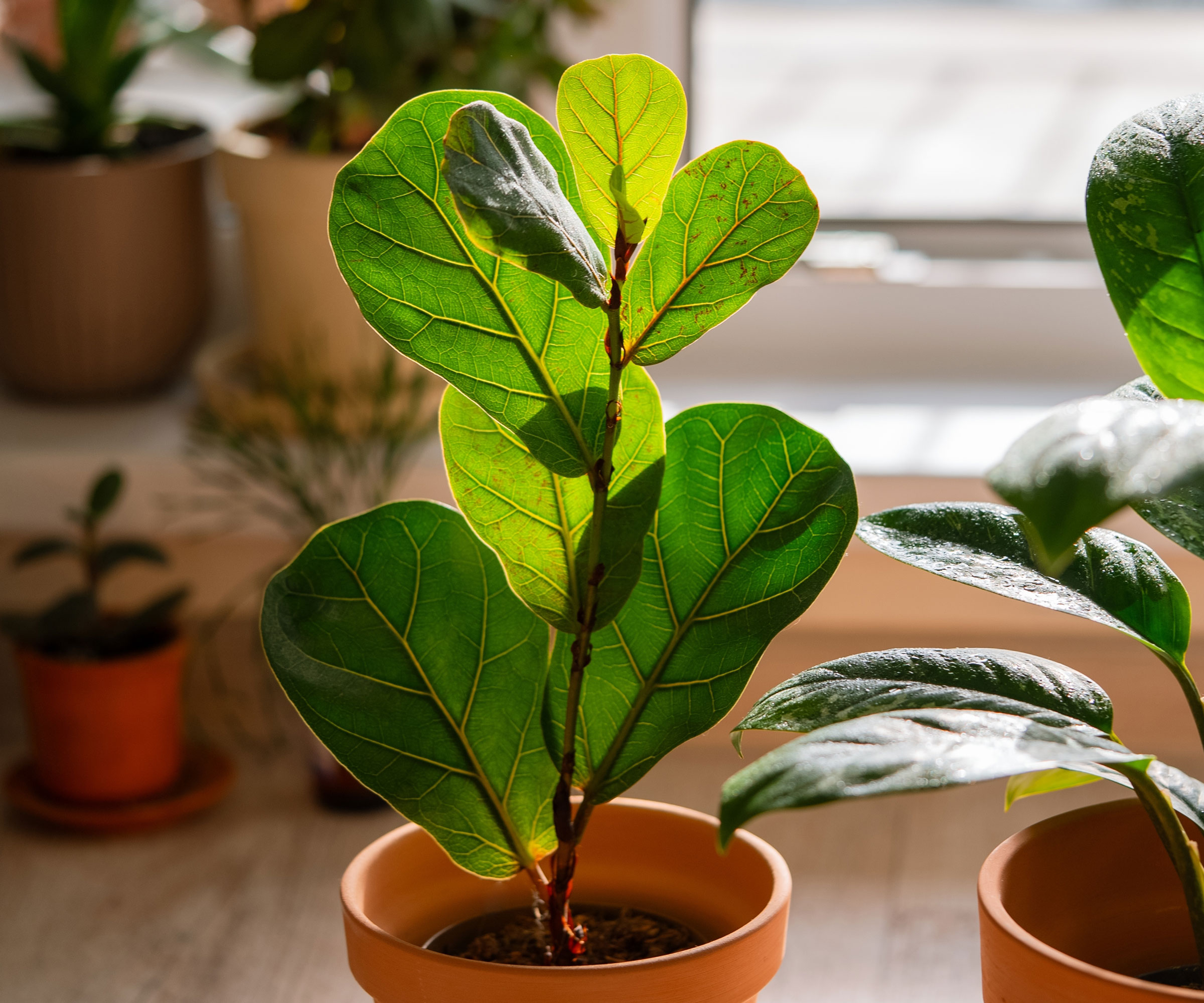
Why Seasonal Watering Changes Everything 🌦️
Plants aren’t machines — they follow nature’s rhythm. In spring they wake up and grow fast, in summer they transpire like crazy, in fall they slow down, and in winter many go dormant. Ignore these shifts and you risk overwatering (the #1 killer of houseplants) or underwatering during peak demand.
Studies and real-world data show you can cut water use by 40–60% in winter compared to summer while keeping plants healthier. The secret? Stop using a “one-size-fits-all” schedule and start adapting watering schedules to seasons based on four key factors. Your plants will thank you with bigger leaves, more flowers, and sweeter fruit! 🌸🍓
Understanding the 4 Key Factors That Dictate Your Watering Schedule
Before we jump into monthly plans, let’s look at what actually controls how much water your plants need. Master these and you’ll never guess again. 📊
Soil Type & Drainage
Sandy soil drains fast (water every 2–3 days in summer), while clay or loamy soil holds moisture longer (every 5–7 days). Always check with the “finger test” — if the top 2–3 inches feel dry, it’s time to water.
Plant Species & Growth Cycle
Houseplants like monstera or peace lily need more frequent drinks during active growth. Fruit trees (jackfruit, mango, citrus) demand deep, infrequent watering. Ornamental trees like palms are more forgiving but hate wet feet in monsoon season.
Local Climate & Microclimate
In Dhaka and other tropical areas, high humidity + monsoon rains mean you water far less from June to September. Rooftop gardens dry out faster than ground-level ones — your balcony microclimate matters!
Weather Patterns & Rainfall Tracking
Never water on autopilot. Use a free rain-gauge app or simply check the weather. One heavy shower can replace three watering sessions.
Pro Tip Box: Grab an affordable soil moisture meter (under ৳500 on local markets) + a rain app and you’ll never over- or underwater again! 📱💧
Spring Watering Schedule: Gentle Awakening & Rapid Growth 🌷
Spring is when everything explodes with joy — but also with thirst! After cooler months, roots wake up and new leaves demand more hydration.
Ideal frequency:
- Indoor houseplants: Every 4–6 days (increase from winter’s 7–10 days)
- Flowering shrubs & young fruit trees: Every 3–5 days with deep soaking
- Established trees: Once a week, 20–30 litres at the drip line
Best time of day: Early morning so leaves dry quickly and prevent fungal issues.
Technique that works wonders: Water slowly and deeply until it runs out the drainage holes (containers) or soaks 30–45 cm into the soil (trees). This encourages strong root systems.
Signs your plants are happy: Bright new growth, perky leaves, and soil that dries evenly. Stressed? Yellow lower leaves or wilting in the afternoon.
Spring Watering Dos & Don’ts ✅ ✅ Do: Add a thin layer of compost for extra moisture retention ❌ Don’t: Water every day — that invites root rot ✅ Do: Mist tropical foliage plants like calathea on dry spring days
Here’s what a properly watered spring garden looks like — vibrant, happy, and ready for the year ahead!

In my Dhaka rooftop garden last spring, switching to this deeper, less-frequent schedule turned my struggling rose bushes into a blooming paradise within weeks. You can do the same!
Fall Watering Schedule: Slow Down & Prepare for Rest 🍂
As temperatures drop and daylight shortens (even in tropical Dhaka, we see cooler evenings from October onward), plants begin transitioning from active growth to a slower phase. Many deciduous trees drop leaves, houseplants slow metabolism, and roots become less thirsty. This is the season where overwatering becomes the biggest threat — wet soil + cooler temps = perfect conditions for root rot and fungal diseases.
Ideal frequency in fall (October–November in Bangladesh):
- Indoor houseplants: Every 7–10 days (stretch from summer’s 3–5 days)
- Flowering shrubs & young fruit trees: Every 7–10 days, lighter amounts
- Established trees (mango, jackfruit, neem): Every 10–14 days or only after prolonged dry spells
- Evergreen palms & ornamentals: Every 7–9 days — monitor closely
Key technique: Reduce volume by 30–50% compared to summer. Always water deeply but infrequently to avoid soggy roots. Use the finger test: if the top 5–8 cm of soil is still moist, skip watering.
Why fall overwatering is so dangerous: Cooler soil holds moisture longer, oxygen levels drop, and pathogens thrive. I’ve seen countless rooftop gardens in Dhaka lose prized citrus and hibiscus to “kind” but excessive autumn watering.
Signs of happiness: Stable foliage color, no new wilting, and soil drying gradually between sessions. Warning signs: Mushy stems, yellowing from the bottom up, or a sour soil smell — act fast by improving drainage and cutting water.
Fun & reliable combo: The classic “finger test” (stick your finger in 5 cm deep) + a quick soil moisture meter check. It’s foolproof and takes seconds!
Here are some beautiful fall garden scenes — notice the colorful leaves and balanced moisture that keeps everything healthy:
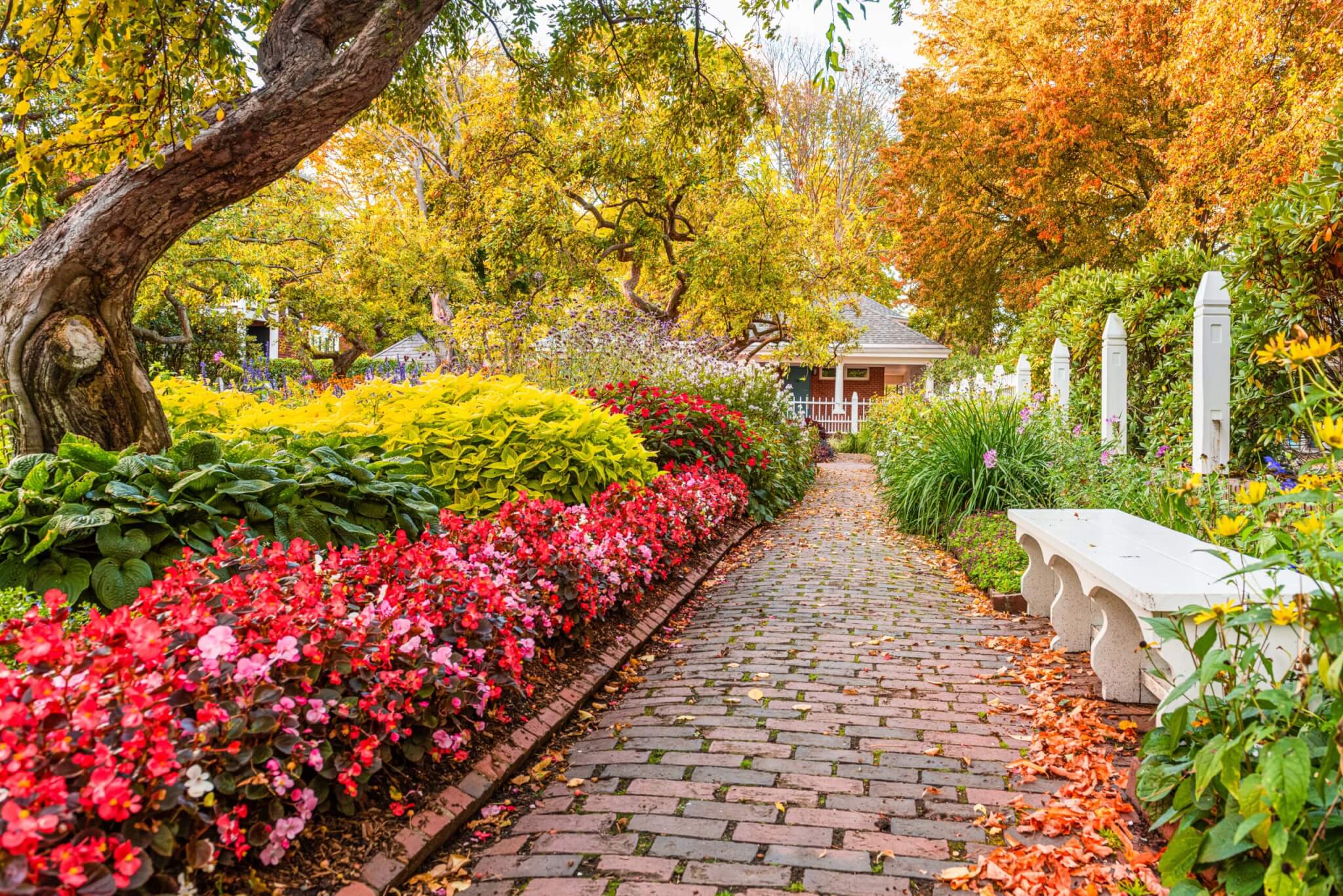
Pro tip for tropical fall: Even without dramatic leaf drop, reduce watering gradually over 2–3 weeks to match the natural slowdown. Your plants will enter rest stronger and ready for winter (or mild dry season)!
Winter Watering Schedule: Minimal but Mighty ❄️
In true temperate zones, winter means dormancy and frost. In Dhaka and similar subtropical areas, it’s a mild dry season (December–February) with cooler nights (15–20°C) and lower humidity. Plants use far less water — transpiration drops dramatically, and many slow or pause growth.
Ideal frequency:
- Indoor houseplants: Every 10–14 days (or longer for succulents/cacti)
- Outdoor fruit trees & ornamentals: Every 10–21 days, only if no rain and soil is dry 10+ cm deep
- Citrus, palms, and heat-loving species: Every 7–12 days — they stay semi-active
- Rooftop containers: Check weekly; wind dries them faster
Technique: Water sparingly and only when needed. Use room-temperature water indoors to avoid shocking roots. For trees, focus on deep soaks at the drip line if the soil feels bone-dry.
Biggest winter mistake I see every year in Dhaka: Watering on schedule instead of by feel. One heavy “just in case” watering in January can rot roots that are barely active.
Special care notes:
- Protect citrus from cold drafts indoors.
- Mist indoor tropicals occasionally if air is very dry from heaters.
- Mulch heavily around outdoor trees to insulate roots and retain what little moisture exists.
Visual of winter dormancy: Delicate frost-kissed plants showing minimal watering needs:

Your plants may look quiet, but they’re resting and building strength for spring — give them that space with minimal water!
Regional & Climate-Specific Adaptations 🌍
While the core principles of adapting watering schedules to seasons apply everywhere, local realities make a huge difference — especially in tropical and subtropical zones like Bangladesh.
Tropical & Subtropical Zones (Dhaka, Bangladesh, India, Southeast Asia):
- Monsoon (June–September): Rainfall is heavy and frequent — often you water only 20–40% of your normal amount, or skip entirely after good showers. Focus on drainage to prevent waterlogging. Rooftop gardens dry faster due to wind, so check containers more often.
- Dry winter (December–February): Low humidity + cooler nights mean soil dries slower than summer but faster than true dormancy. Water deeply but rarely (every 10–21 days for most trees).
- Pre-monsoon heat (April–May): Hottest, driest period — ramp up to summer levels early.
Temperate & Arid Climates (for readers elsewhere):
- True winter dormancy: Cut to minimal (once a month or less for hardy trees).
- Arid zones: Mulch heavily year-round; use drip systems to combat extreme evaporation.
Quick Reference Table: General Guidelines vs. Dhaka Reality
| Season | General Temperate | Dhaka Tropical Adjustment | Water Reduction Tip |
|---|---|---|---|
| Spring | Increase gradually | Start earlier (Feb–March) due to heat rise | +20–30% from winter baseline |
| Summer | High demand | Very high, but humidity helps slightly | Mulch + evening watering |
| Monsoon/Fall | Reduce slowly | Often near-zero supplemental in heavy rain | Rely on natural rainfall |
| Winter | Minimal | Mild dry season — still moderate cuts | Check soil 10 cm deep |
Tailor using your local weather app (e.g., BMD forecasts) + personal observation for the best results.
Here’s a serene Dhaka-area botanical garden scene in the dry season — healthy greenery with balanced seasonal care:

And a thriving rooftop setup in tropical Bangladesh — proof that smart seasonal shifts work wonders:
:max_bytes(150000):strip_icc()/spr-moistenland-store-soil-moisture-meter-after-alyssa-biondo-04c-cac3e99a1aac43f5b8e19ee817497c75.jpeg)
Smart Tools & Modern Techniques That Make Seasonal Watering Easy 💧
Gone are the days of pure guesswork! These tools take the stress out of adapting:
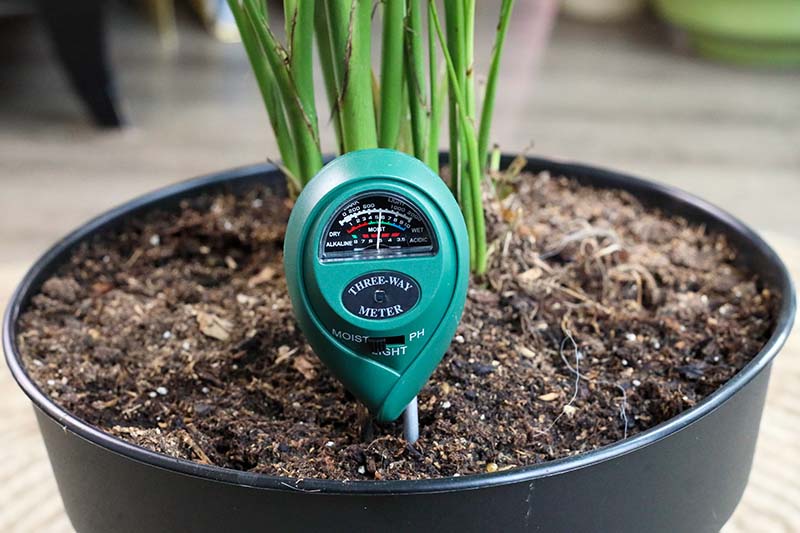
- Soil moisture meters — Inexpensive (৳300–800 locally), they read moisture at root level instantly. Insert, wait 60 seconds, and know exactly when to water. Here’s one in action on a houseplant — game-changer for consistency:
Another reliable model showing clear readings:
- Smart timers & drip irrigation — Automate for containers; adjust seasonally via app.
- Rain gauges/apps — Free ones like “Rain Alarm” notify you of rainfall amounts.
- DIY mulch rings — Use fallen leaves or coir — free and super effective.
Start with a basic moisture meter — it pays for itself by preventing one lost plant!
10 Common Watering Mistakes (and How to Fix Them Forever) ❌
- Watering on a fixed calendar → Switch to “feel the soil” method.
- Sprinkling lightly every day → Always deep soak to encourage deep roots.
- Ignoring drainage → Add holes/perlite; elevate pots.
- Watering in full midday sun → Early morning or evening only.
- Overwatering in monsoon → Trust rainfall; check soil first.
- Forgetting microclimates → Rooftop? Water more often than ground level.
- Using cold tap water indoors → Let it sit 24h to reach room temp.
- Mulch neglect in summer → Add 5–10 cm layer immediately.
- Watering trunk instead of drip line (trees) → Target outer canopy edge.
- Not adjusting for seasons → Use this guide’s seasonal framework!
Here are classic signs of overwatering — yellowing, wilting despite wet soil:

Another heartbreaking (but fixable) example of root rot damage:

Seasonal Watering Calendar Template (Printable Bonus) 📅
Download or screenshot this 12-month planner and customize it:
- Jan–Feb: Minimal (winter dry)
- Mar–Apr: Ramp up (pre-monsoon)
- May–Sep: Peak + monsoon adjustments
- Oct–Nov: Reduce gradually
- Dec: Back to minimal
Mark your rain days, note meter readings, and watch patterns emerge over time!
Expert Insights & Pro Tips from 18 Years of Field Experience ✨
- “Morning sun + evening water” combo in humid tropics prevents most fungal issues.
- For fruit trees: One deep soak after fruit set > multiple shallow ones.
- Rooftop rescue: Reflective pot covers cut heat stress by 10–15°C soil temp.
- Monsoon hack: Slightly elevate pots on bricks for instant better drainage.
- Case study: A struggling Mirpur rooftop turned lush in 90 days by seasonal shifts + mulch — now yields 20+ mangoes yearly!
Frequently Asked Questions ❓
How often should I water my plants in monsoon season? Very little to none if soil stays moist from rain. Check 5–8 cm deep; only supplement if dry after 7+ days without good rain.
Can I use the same schedule for all my trees? No — fruit trees like mango need deeper/infrequent; palms are more forgiving; young vs. established differ too. Group by thirst level.
What if my soil stays wet for days? Improve drainage (add sand/perlite), reduce watering drastically, and consider repotting if root rot is suspected.
Is evening watering okay in Dhaka’s humidity? Yes — better than midday. Just avoid wetting foliage late at night.
How do I know if I’m underwatering in summer? Wilting by afternoon (recovers at night), crispy leaf edges, slow growth. Deep soak immediately.
Do indoor plants follow the same seasonal rules? Mostly — they experience less extreme changes, but still reduce in cooler months and increase with AC off/growth spurts.
What’s the best mulch for Bangladesh gardens? Coconut coir, dry leaves, or rice straw — all local, cheap, and effective.
Should I mist plants in winter? Only if indoor air is very dry (below 40% humidity); otherwise, focus on soil moisture.
How much water for a mature mango tree in peak summer? 40–80 liters deep at drip line every 5–7 days, adjusted for rain.
Is a moisture meter worth it? Absolutely — removes guesswork and saves plants long-term.
Conclusion: Your New Year-Round Watering Superpower
You now have the complete roadmap to adapting watering schedules to seasons — no more droopy disasters or soggy regrets. Save water, grow healthier plants and trees, and enjoy your green space like never before. 🌿
Bookmark this guide, grab that moisture meter, download/print the calendar, and start tracking. Your garden (and your plants) will thank you!
Drop a comment below: What’s your climate/plant type? I’d love to give personalized tweaks. Happy gardening, Shuvo — here’s to thriving greenery all year! 💚✨











