
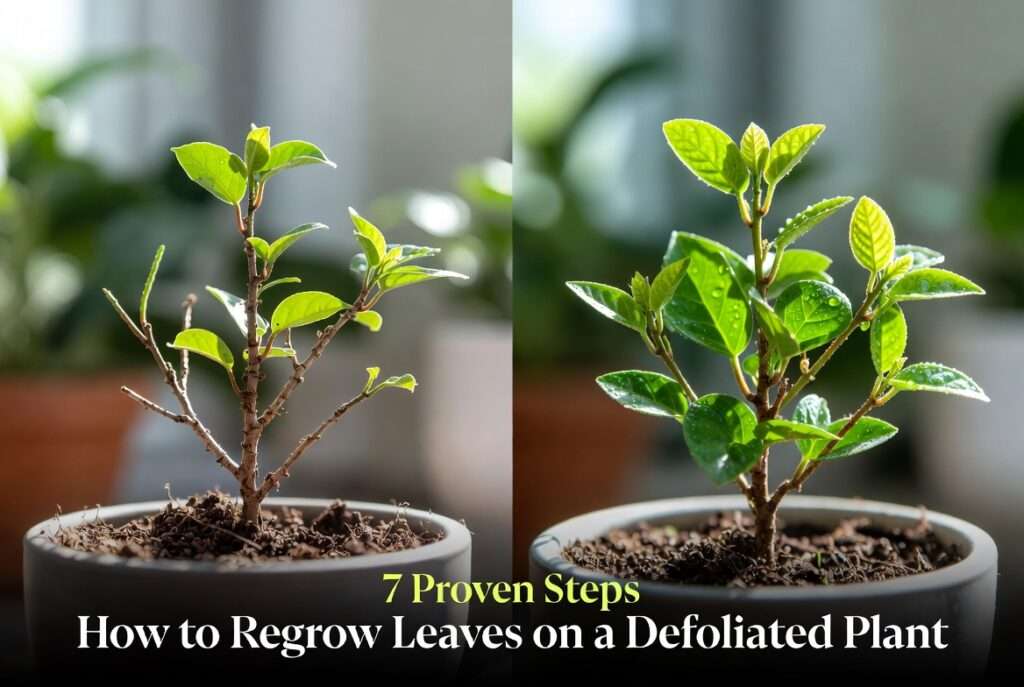
Your once-vibrant fiddle leaf fig, lush monstera, or favorite backyard tree now stands bare and skeletal, with every leaf gone. The stems look naked, and panic sets in — is your beloved plant doomed? 🌱
Don’t worry. Most defoliated plants can regrow leaves and bounce back beautifully if the roots and stems remain viable. In my years as a plant care specialist working with thousands of stressed houseplants and garden trees, I’ve revived countless seemingly hopeless cases.
How to regrow leaves on a defoliated plant starts with quick diagnosis and targeted action. This comprehensive guide walks you through exactly what to do, step by step. You’ll learn the common causes of sudden leaf loss, how to assess if your plant is still savable, and the 7 proven steps that deliver real results — often with new buds appearing in 1–4 weeks and fuller foliage returning in 4–8 weeks or sooner.
Whether you’re dealing with an indoor tropical like a philodendron or an outdoor deciduous tree, these science-backed techniques will help you revive your stressed plant fast while building long-term resilience. Let’s get your green friend thriving again! 💚
Understanding Defoliation – Why Your Plant Lost Its Leaves 🕵️♂️
Defoliation is a plant’s dramatic stress response — it sheds leaves to conserve energy and water when conditions become too harsh. It’s not always a death sentence. Many plants evolved to drop foliage during drought, cold snaps, or pest attacks, then refoliate once conditions improve.
Common Causes of Sudden Leaf Loss
Several factors trigger defoliation in houseplants and trees:
- Watering Issues: Overwatering leads to root rot, starving the plant of oxygen and causing leaves to yellow and drop. Underwatering causes drought stress, leading to crispy, brown leaves that fall off.
- Environmental Stress: Sudden temperature swings, low humidity (common indoors), drafts, or poor lighting force the plant to sacrifice leaves. Extreme heat or cold can scorch or freeze foliage.
- Pests and Diseases: Spider mites, scale insects, aphids, or fungal infections (like powdery mildew) weaken plants, causing rapid leaf drop. Look for webbing, sticky residue, or spots.
- Nutrient Deficiencies or Imbalances: Lack of nitrogen, potassium, or magnesium shows up as yellowing or scorching before leaves fall.
- Transplant Shock or Physical Damage: Repotting, moving the plant, or accidental bumps disrupt roots and trigger leaf loss.
- Chemical Exposure or Extreme Weather: Herbicide drift, pollution, or storms can defoliate outdoor trees. For trees, early-season defoliators (like certain caterpillars) allow time for a second flush of growth, while late-season ones are less damaging.
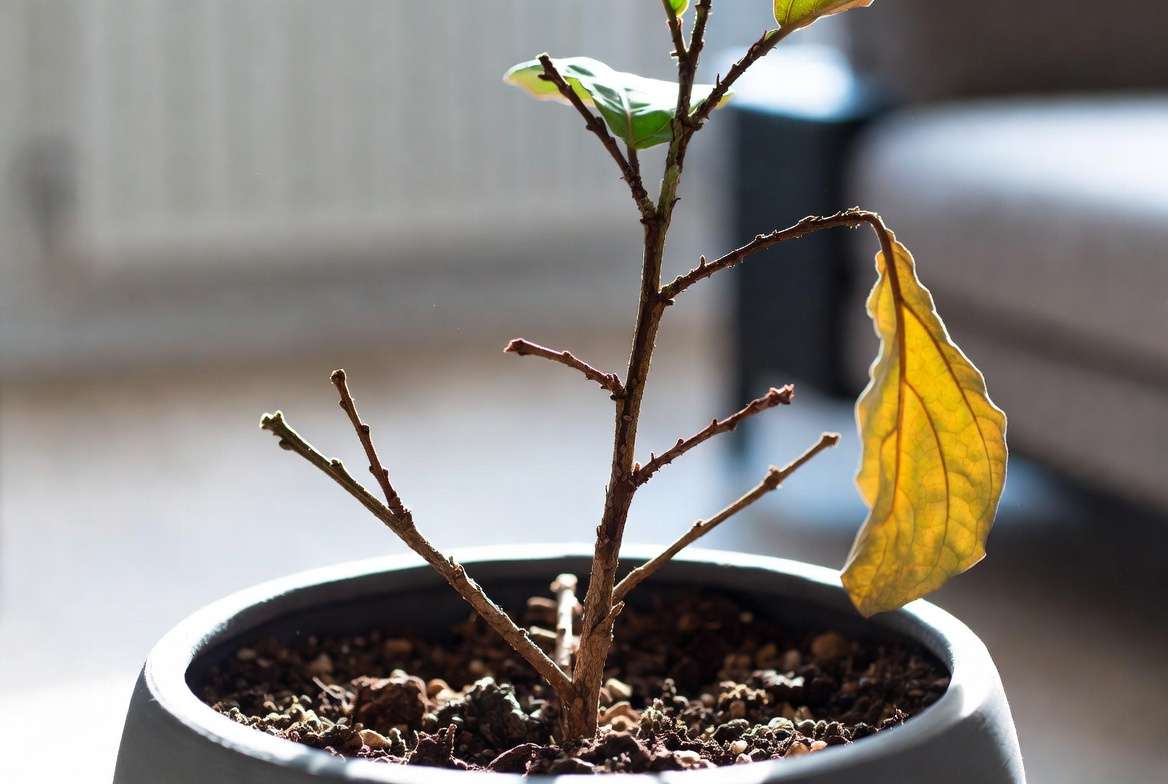
Is Your Plant Dead or Just Stressed? Key Signs to Check
Before panicking, perform a quick viability test:
- Gently scratch the stem with your fingernail — green tissue underneath means it’s alive (the “scratch test”).
- Check roots: Healthy roots are firm and white or light tan. Mushy, black, or foul-smelling roots indicate rot.
- Look for dormant buds or nodes: Small green bumps on bare stems often signal upcoming new growth.
- Test stem flexibility: Supple, non-brittle stems are promising.
If most stems pass these checks and roots aren’t completely rotted, recovery is highly likely. In my experience, even plants that lost 90% of their leaves can fully refoliate with proper care.
Pro Tip: Take clear photos of your plant today (before and after shots make great motivation later!). This helps track progress. 📸
Assessing Your Defoliated Plant – The First Critical Step 🔍
Accurate assessment determines your revival strategy and prevents wasting time on a lost cause.
Inspect the Roots, Stems, and Buds
Carefully remove the plant from its pot (if potted) or gently dig around outdoor specimens. Rinse roots under lukewarm water to see their true condition. Trim away any soft, dark, or slimy sections with sterilized shears.
Healthy indicators:
- Firm, white roots
- Green or light-colored stems with visible nodes
- Dormant buds swelling along bare branches
Species-Specific Considerations
- Houseplants (Fiddle Leaf Fig, Monstera, Pothos, Peace Lily): These tropicals often regrow from nodes if stems are green. Fiddle leaf figs may produce smaller “juvenile” leaves initially.
- Outdoor Trees and Shrubs (Maples, Oaks, Hollies): Deciduous trees can push a second flush of leaves in the same season if defoliated early enough, provided roots are healthy. Evergreens are trickier — severe needle loss reduces recovery odds.
- Vining or Bushy Plants: Pothos and philodendrons rebound quickly when bare stems are coiled or propagated.
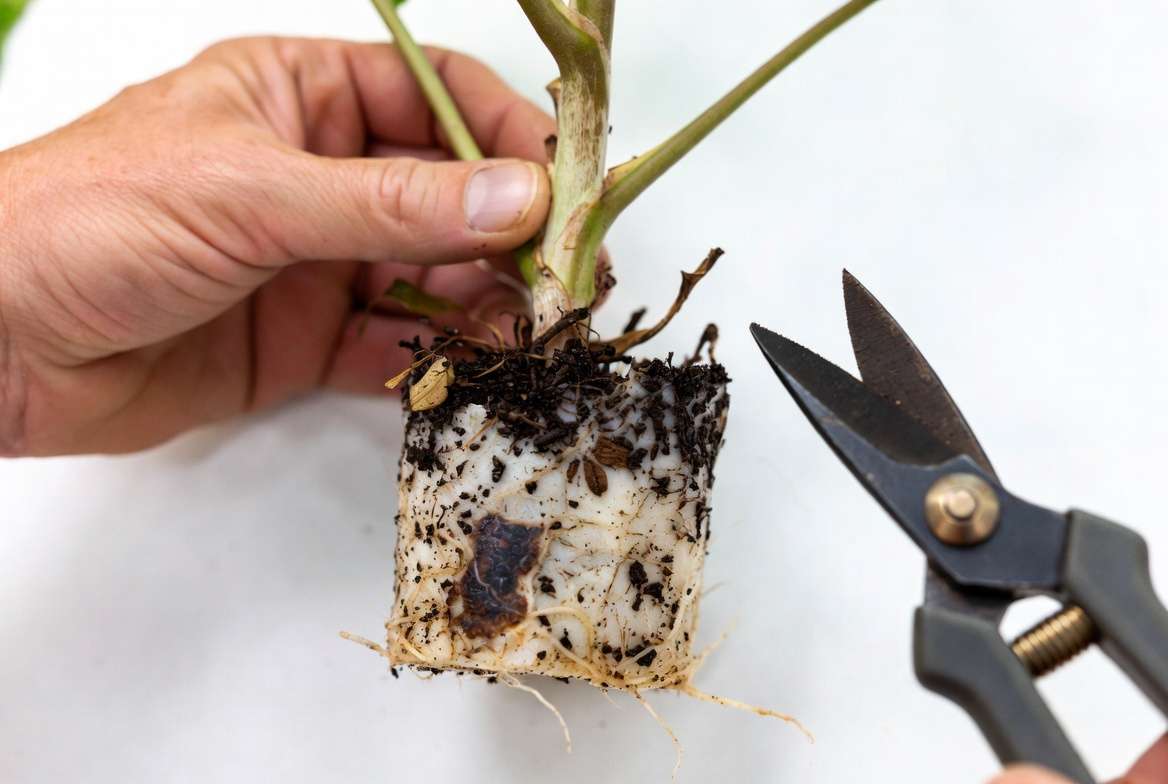
If more than 70–80% of the root system is healthy and stems show life, proceed confidently. Plants are remarkably resilient when we address the root cause.
(Image suggestion: Close-up of healthy vs. rotted roots side-by-side, labeled clearly. 🌱 vs. ❌)
The 7 Proven Steps to Regrow Leaves on a Defoliated Plant ⚡
Here’s the heart of the guide — the exact sequence I use to revive stressed plants. Follow these in order for the fastest results. Each step includes practical tips, common pitfalls, and real examples from my plant care work.
Step 1: Remove Dead or Damaged Parts Safely ✂️
Pruning redirects the plant’s limited energy from dead tissue to new growth.
- Use sharp, sterilized pruning shears (wipe with rubbing alcohol or hydrogen peroxide between cuts).
- Cut off completely brown, crispy, or blackened leaves and stems just above a node or healthy tissue.
- For trees, remove broken branches cleanly to avoid disease entry.
- Leave as many green or semi-green leaves as possible — they still photosynthesize and support recovery.
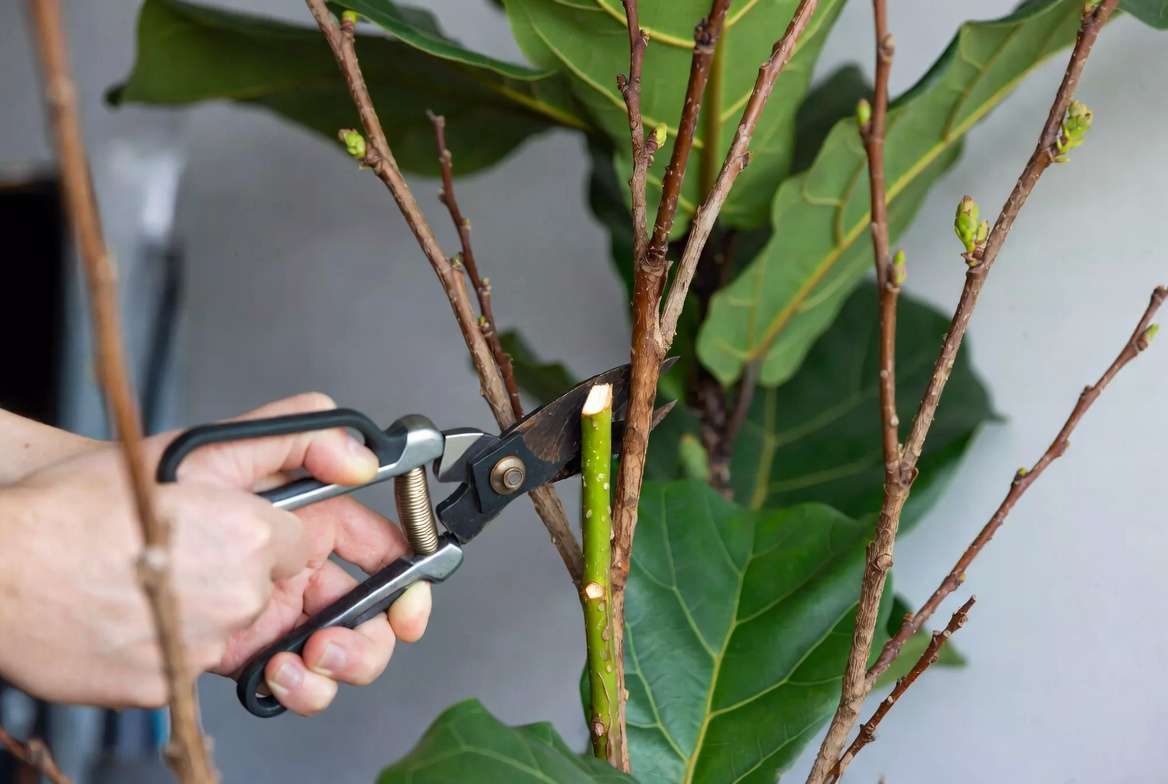
Why it works: Dead parts harbor pathogens and drain resources. Removing them reduces stress and encourages dormant buds to activate.
Real Example: A client’s completely defoliated fiddle leaf fig had several bare stems. After careful pruning, new buds emerged within 3 weeks.
Pitfall to Avoid: Over-pruning a weak plant. Never remove more than 1/3 of living tissue at once.
Step 2: Address the Root Cause Immediately
Fix the underlying problem, or new leaves will drop again.
- Overwatering/Root Rot: Improve drainage, replace soggy soil, and treat roots with a dilute hydrogen peroxide solution (1 part 3% H₂O₂ to 4 parts water) to kill anaerobic bacteria.
- Underwatering/Drought: Soak the root ball thoroughly, then establish consistent watering.
- Pests: Isolate the plant and treat with neem oil, insecticidal soap, or horticultural oil. Repeat every 5–7 days.
- Light or Temperature Issues: Move to appropriate conditions gradually.
- Nutrient Problems: Test soil pH if possible (ideal 6.0–7.0 for most plants).
Quick action here prevents secondary issues. In severe cases, a soil refresh or full repot may be needed.
Step 3: Optimize Watering and Soil Conditions 💧
Proper hydration is crucial during recovery.
- Water only when the top 1–2 inches of soil feel dry (use your finger or a moisture meter).
- Ensure excellent drainage — add perlite or orchid bark to mixes if needed.
- For recovery, bottom-watering or soaking pots in a sink helps rehydrate evenly without shocking roots.
- Use room-temperature, dechlorinated water (let tap water sit overnight).
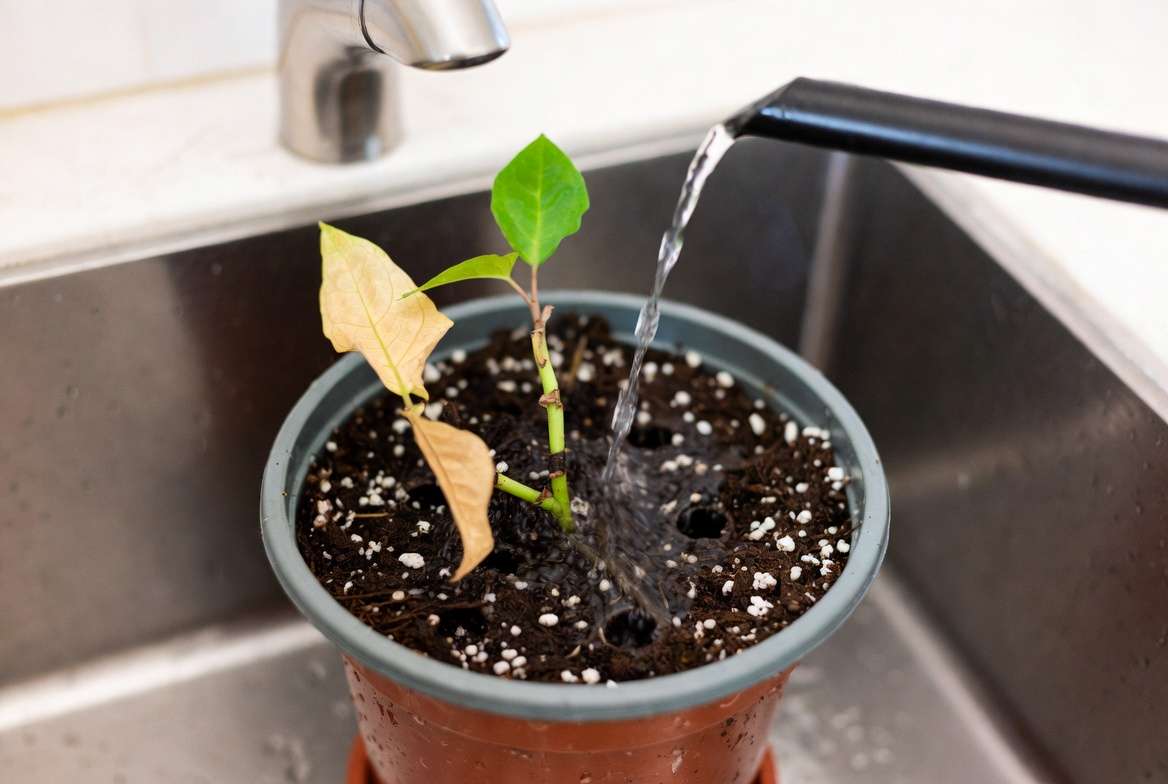
Soil Refresh Tip: If roots were compromised, repot in fresh, well-aerated potting mix. Avoid fertilizing until new growth appears — stressed roots can burn easily.
(Image suggestion: Step-by-step photo series showing proper watering technique and soil drainage test. 💦)
Step 4: Provide the Right Light and Environment ☀️
Light drives photosynthesis, which fuels leaf regrowth.
- Place in bright, indirect light initially (east or west window, or filtered south light). Avoid harsh direct sun on bare stems to prevent scorching.
- Maintain temperatures between 65–75°F (18–24°C) for tropical houseplants; avoid cold drafts.
- Boost humidity: Use a pebble tray with water, group plants together, or run a humidifier. Many defoliated tropicals recover faster at 60%+ humidity.
Gradually acclimate the plant to brighter conditions as new leaves emerge. Supplemental grow lights (full-spectrum LED) work wonders indoors during low-light seasons.
Step 5: Support Recovery with Proper Nutrition 🌱
Hold off on fertilizer until you see new buds or leaves — feeding a stressed plant can cause fertilizer burn.
- Once growth starts, use a balanced, diluted liquid fertilizer (half-strength) every 2–4 weeks during the growing season.
- Nitrogen-rich formulas encourage leafy growth.
- Natural options: Compost tea, worm castings, or fish emulsion provide gentle nutrients.
- Cinnamon powder dusted on pruned areas or roots helps prevent fungal issues naturally.
Monitor for yellowing — it may signal ongoing nutrient imbalance rather than progress.
Step 6: Encourage New Growth with Targeted Techniques
Help dormant nodes wake up:
- For vining plants (pothos, philodendron): Coil bare stems on the soil surface or use moss poles to promote aerial roots and new shoots.
- Maintain consistent warmth and humidity — a clear plastic bag or mini greenhouse (humidity dome) over the plant can accelerate budding (vent daily to prevent mold).
- Gentle leaf node stimulation: Some growers lightly score stems above nodes (notching), though this requires caution on very weak plants.
- Avoid moving the plant frequently — stability reduces stress.
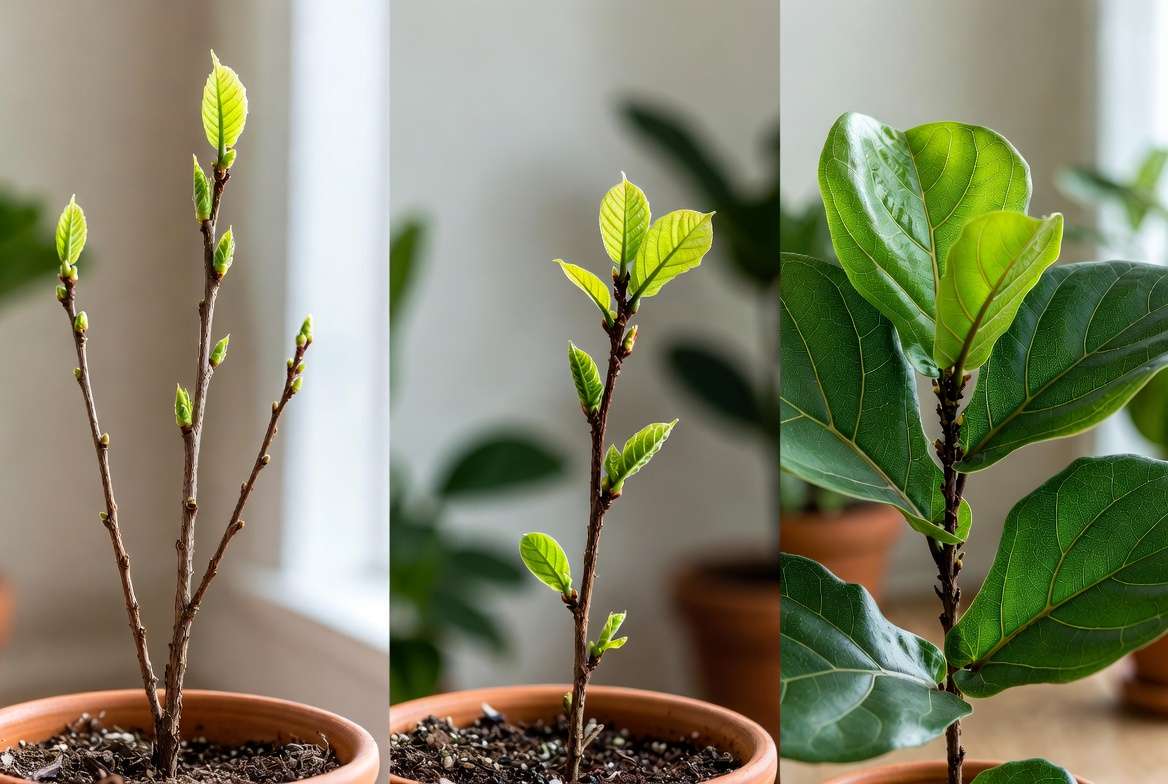
New leaves often emerge smaller and lighter at first — this is normal as the plant rebuilds strength. They’ll enlarge with time.
Step 7: Monitor Progress and Provide Ongoing TLC
Patience is key. Track changes weekly.
- Expect visible new growth (buds swelling or tiny leaves) in 1–4 weeks for most houseplants; trees may take longer depending on season.
- Signs of success: Firm new leaves unfurling, stems plumping up, overall brighter color.
- Continue the improved care routine even after recovery — consistency prevents relapse.
If no progress after 6–8 weeks and stems remain bare with no green tissue, the plant may not recover. But many “dead” plants surprise us!
(Image suggestion: Timeline collage — bare plant → buds → new small leaves → full recovery. ⏰🌿)
Advanced Recovery Tips for Stubborn Cases 🌟
For plants that don’t respond quickly:
- Rooting Hormones or Keiki Paste: Apply to bare nodes on certain species (like monstera or ficus) to stimulate growth (use sparingly).
- Repotting Strategy: Refresh only the topsoil if roots are mostly healthy; full repot for severe rot.
- Supplemental Lighting: Grow lights with red/blue spectrum boost recovery in dark homes.
- Natural Remedies: Hydrogen peroxide root soaks for mild rot, neem oil for lingering pests, or activated charcoal in soil to absorb toxins.
In my practice, combining humidity domes with bright indirect light has revived even severely defoliated peace lilies and anthuriums within a month.
Plant-Specific Recovery Guides
Houseplants (Monstera, Philodendron, Peace Lily, Pothos): These rebound fastest. Focus on humidity and indirect light. Pothos can regrow from a single node in water or soil.
Tropical Foliage Plants (Fiddle Leaf Fig, Rubber Plant): They prefer stable conditions. New leaves may look different initially but mature with proper care. Avoid overwatering — let soil dry more between waterings.
Outdoor Trees and Shrubs: Deciduous trees often produce a second flush if defoliated before midsummer. Provide deep watering, mulch to retain moisture, and avoid fertilizing until established. Consult local extension services for region-specific pests.
Bonsai and Specialty Plants: Controlled defoliation is sometimes intentional for styling, but accidental loss requires extra humidity and protection from wind.
Common Mistakes to Avoid When Trying to Regrow Leaves ❌
- Over-fertilizing a stressed plant (burns roots)
- Placing in direct harsh sun too soon (causes scorch on tender new growth)
- Overwatering during recovery (worsens root issues)
- Ignoring pests (they multiply fast on weakened plants)
- Giving up too early — some plants take 6–12 weeks to show signs
- Frequent repotting or moving (adds more stress)
Avoiding these pitfalls dramatically improves success rates.
How Long Does It Take for a Defoliated Plant to Regrow Leaves? ⏰
Timelines vary by species, severity, and care:
- Fast Recoverers (Pothos, Philodendron): New leaves in 2–4 weeks.
- Moderate (Monstera, Peace Lily): Buds in 3–6 weeks, fuller foliage in 2–3 months.
- Slower (Fiddle Leaf Fig, Rubber Plant): 4–8 weeks for initial growth; significant recovery in 3–6 months. New leaves start small.
- Outdoor Trees: Same-season flush possible if early defoliation; otherwise next spring.
Factors speeding recovery: Optimal light/humidity, healthy roots, stable temperatures. Slower recovery occurs with poor light or ongoing stress.
New growth is often smaller or lighter — it’s the plant’s way of conserving energy while rebuilding. Subsequent leaves will normalize.
Preventing Future Defoliation – Long-Term Plant Care Strategies 🛡️
Prevention beats cure every time:
- Establish a consistent watering routine based on your plant’s needs and environment.
- Provide appropriate light from day one — research your species.
- Monitor for pests weekly (especially undersides of leaves).
- Fertilize only during active growing seasons at proper strength.
- Acclimate new plants gradually and quarantine them.
- Use well-draining soil and pots with holes.
- Watch early warning signs: Wilting, yellowing, spots, or slowed growth.
Create a simple care calendar: Check soil moisture, wipe leaves for dust (improves photosynthesis), and rotate plants for even light.
Building resilience through proper routine means fewer defoliation scares in the future.
Frequently Asked Questions (FAQs) ❓
Can a completely defoliated plant still survive? Yes, in many cases! If roots and stems are alive, recovery is possible with the 7 steps above.
Will new leaves grow back on bare stems? Absolutely — especially on plants with nodes. New growth often emerges from dormant buds along the stem.
How do I know if my plant is beyond saving? No green tissue under the scratch test, completely rotted roots with foul smell, and no improvement after 6–8 weeks of optimal care.
Is it normal for new leaves to be smaller? Yes, very common. They enlarge as the plant regains strength and photosynthetic capacity.
What’s the best fertilizer for recovering plants? Start with diluted balanced or nitrogen-rich fertilizer only after new growth appears. Natural options like compost tea are gentler.
Can trees regrow leaves the same season? Often yes for deciduous trees if defoliated early in the season and roots are healthy. Late-season loss usually waits until next spring.
Should I use rooting hormone on a defoliated houseplant? It can help on certain species but isn’t always necessary. Focus first on fixing environment and roots.
How often should I water a recovering defoliated plant? Less frequently than you might think — only when the topsoil dries out. Overwatering is a top killer during recovery.
Conclusion
Reviving a defoliated plant takes observation, patience, and consistent care — but the reward of watching new leaves unfurl is incredibly satisfying. 🌱 By following these 7 proven steps — from pruning dead parts and fixing the root cause to optimizing light, water, and nutrition — you give your stressed plant the best chance to regrow lush foliage and thrive again.
Remember: Most plants are tougher than they look. Act quickly, avoid common mistakes, and celebrate small wins like the first tiny bud. Your plant care journey builds skills that protect your entire collection long-term.
Have you tried reviving a defoliated plant? Share your plant type and experience in the comments — I’d love to offer more tailored tips! Bookmark this guide and check your plants today. With the right actions, that bare skeleton can become a vibrant, leafy beauty once more. 💚
You’ve got this — happy growing! 🪴✨











