
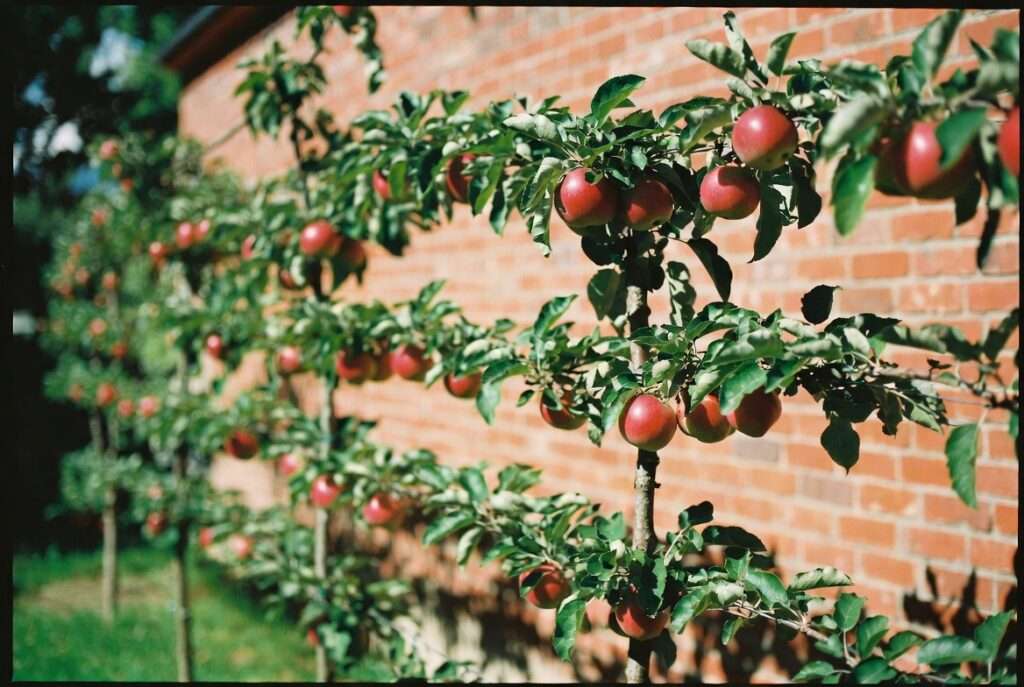
Imagine stepping into your garden and seeing a breathtaking apple tree flattened like living wallpaper against a sunny wall, its branches perfectly trained into elegant tiers heavy with juicy fruit 🍎. No sprawling canopy stealing your patio space—just pure productivity and beauty in a tiny footprint. For home gardeners short on room but big on dreams, espalier is pure magic.
Yet the biggest hurdle? Figuring out exactly how to do the wiring and tying branches for espalier without snapping limbs, scarring bark, or watching your hard work unravel in the first wind. I’ve trained hundreds of fruit trees over 15+ years in orchards and backyard gardens (including challenging hot-humid climates similar to Bangladesh), and I’m sharing the complete, foolproof system that prevents damage and delivers stunning results every single time.
In this skyscraper guide you’ll discover safe wiring and tying techniques, the exact tools that actually work, seasonal timing secrets, and maintenance hacks that turn beginners into confident espalier experts. Ready to create your own fruiting masterpiece? Let’s begin! 🌿
What Is Espalier and Why Proper Wiring & Tying Matters 🌱
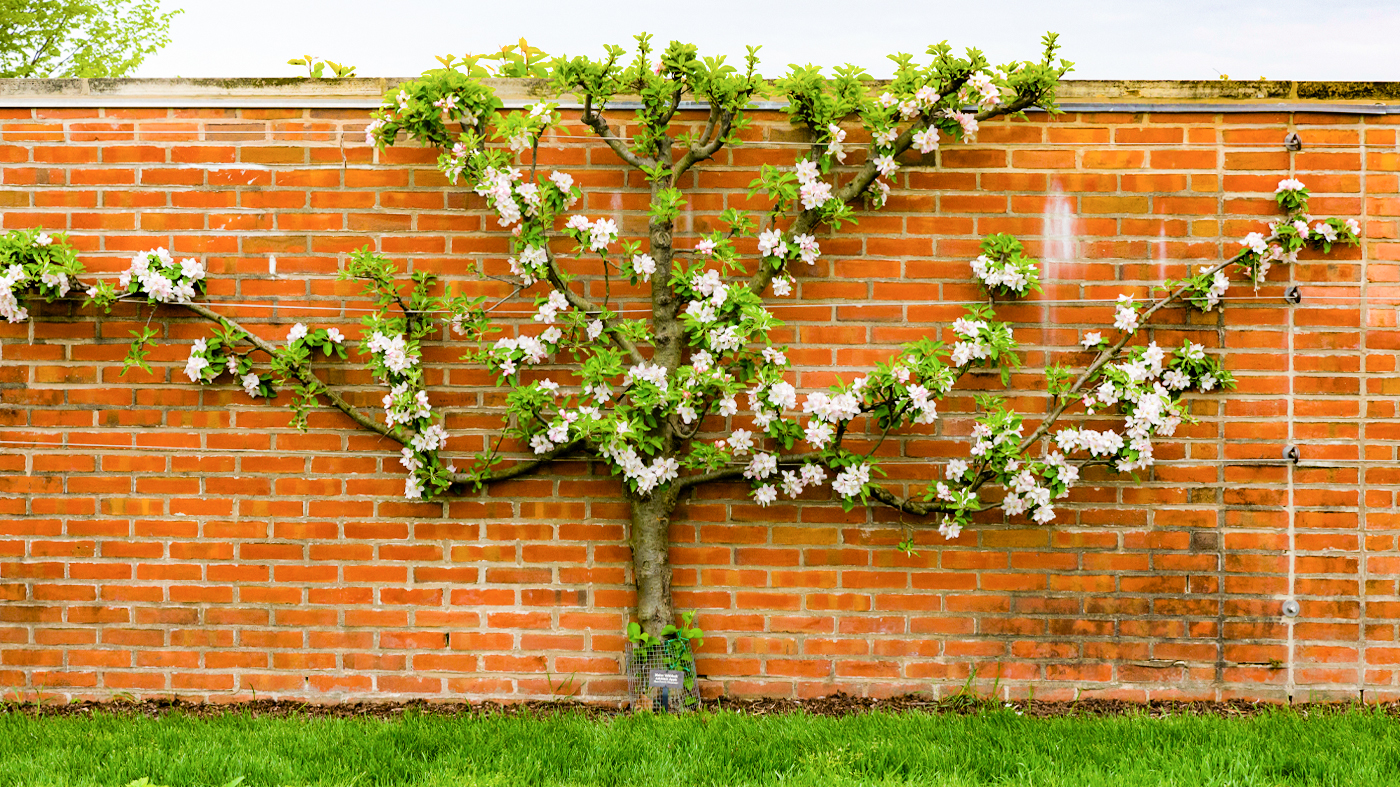
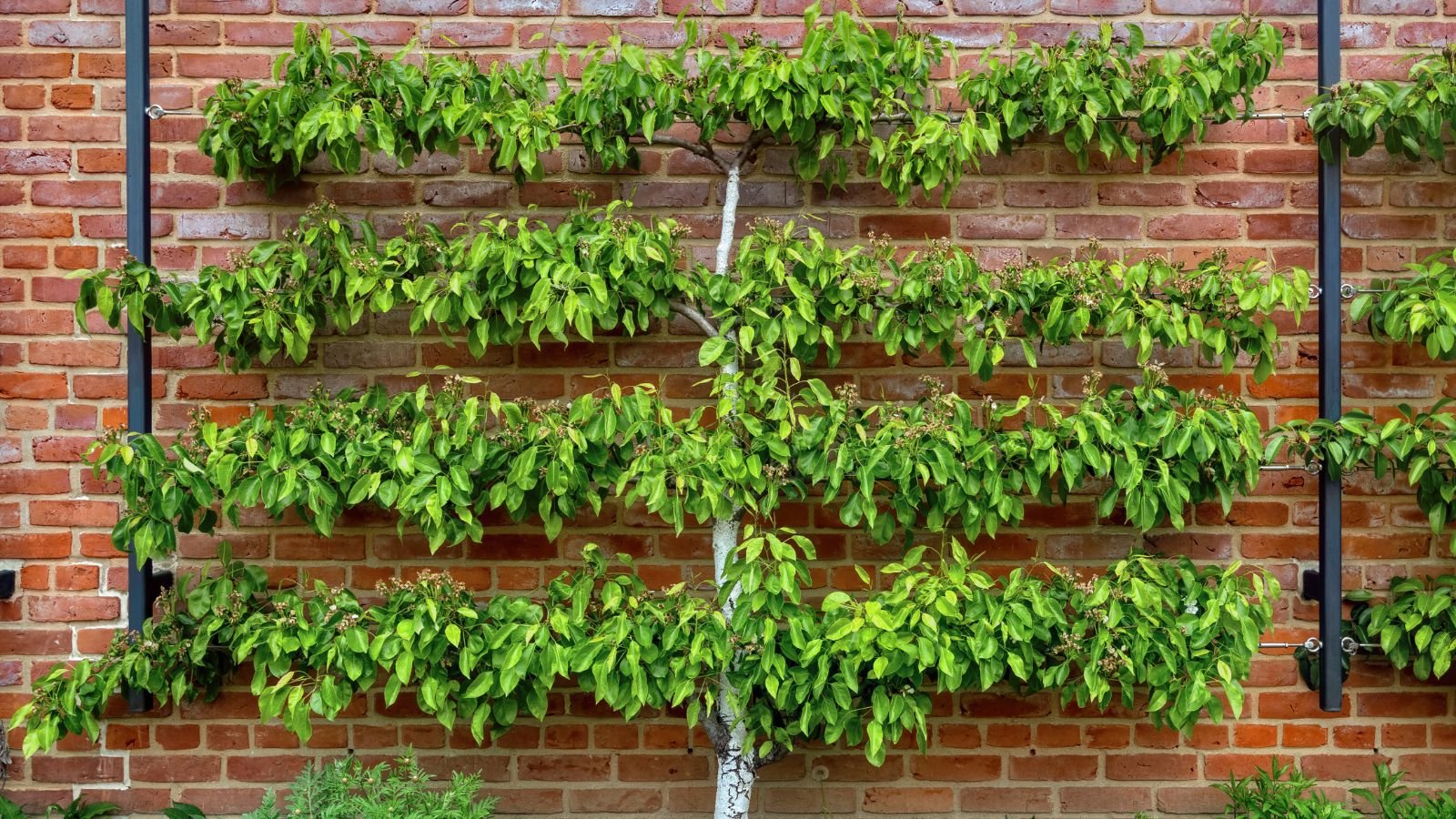
Espalier (pronounced “es-pal-yay”) is the ancient art of training trees or shrubs to grow flat in two dimensions against a wall, fence, or freestanding frame. Originating in 17th-century France where gardeners needed to maximize sun and space in walled monasteries, today it’s the ultimate solution for small urban plots, balconies, and patios worldwide.
Proper wiring and tying branches for espalier isn’t just about looks—it’s science in action. When you gently bend and secure branches horizontally, you stimulate fruiting spurs, improve air circulation to reduce disease, and flood every leaf with sunlight for sweeter, bigger harvests. A well-trained espalier can produce 2–3 times more fruit per square foot than a free-standing tree!
H3: Different Espalier Styles You Can Master 🍏
- Single or Multi-Tier Cordon: Straight horizontal arms—perfect for beginners and maximum fruit.
- Fan Shape: Radiating branches like an open fan—ideal for peaches and apricots.
- Belgian Fence: A series of V-shaped trees woven together—stunning living fence!
- Candelabra: Vertical trunk with upright arms—elegant and space-saving.
Choose your style based on your tree variety and available wall space. The right wiring and tying foundation makes any design possible.
Choosing the Right Tree and Perfect Spot for Espalier Success 🍏
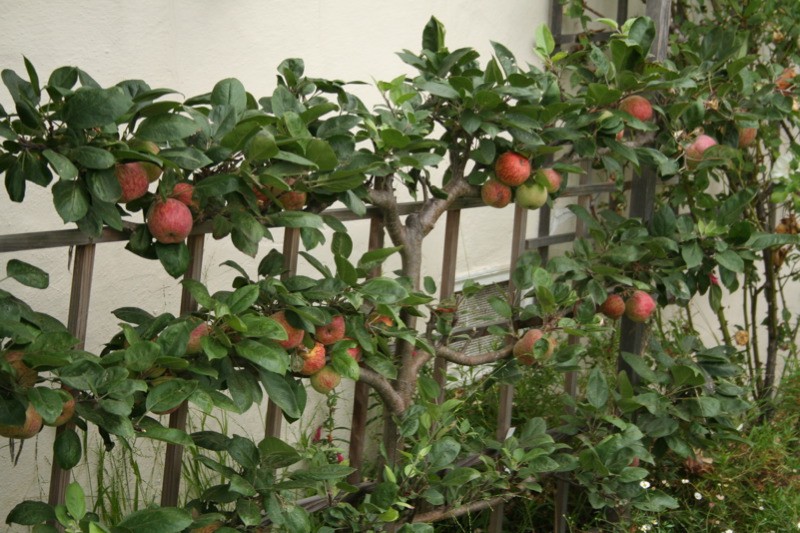
Not every tree loves being flattened! Start with 1- to 2-year-old “whip” trees (single straight stem) for easiest training.
Top beginner-friendly choices:
- Apples & Pears (most forgiving and productive)
- Peaches, Plums & Figs (love the extra heat from walls)
- Citrus (in warmer zones—great for tropical gardeners)
H3: Climate, Sun, and Soil Checklist ☀️
- Minimum 6–8 hours of direct sun daily.
- South or west-facing wall for extra warmth (bonus in cooler climates).
- Well-drained, fertile soil amended with compost.
- Avoid windy spots or areas prone to late frost.
Wall vs. Freestanding Wire Frame A solid wall reflects heat and protects from wind—perfect for espalier training. Freestanding frames (wood or metal posts with horizontal wires) work anywhere and let you create garden dividers.
Expert tip from my own orchard: Always plant 6–12 inches away from the wall to allow air flow and prevent root competition. Your future self (and your tree) will thank you! 🌟
Essential Tools and Materials You’ll Actually Need 🛠️
Skip the guesswork—here’s the exact kit I’ve used for years:
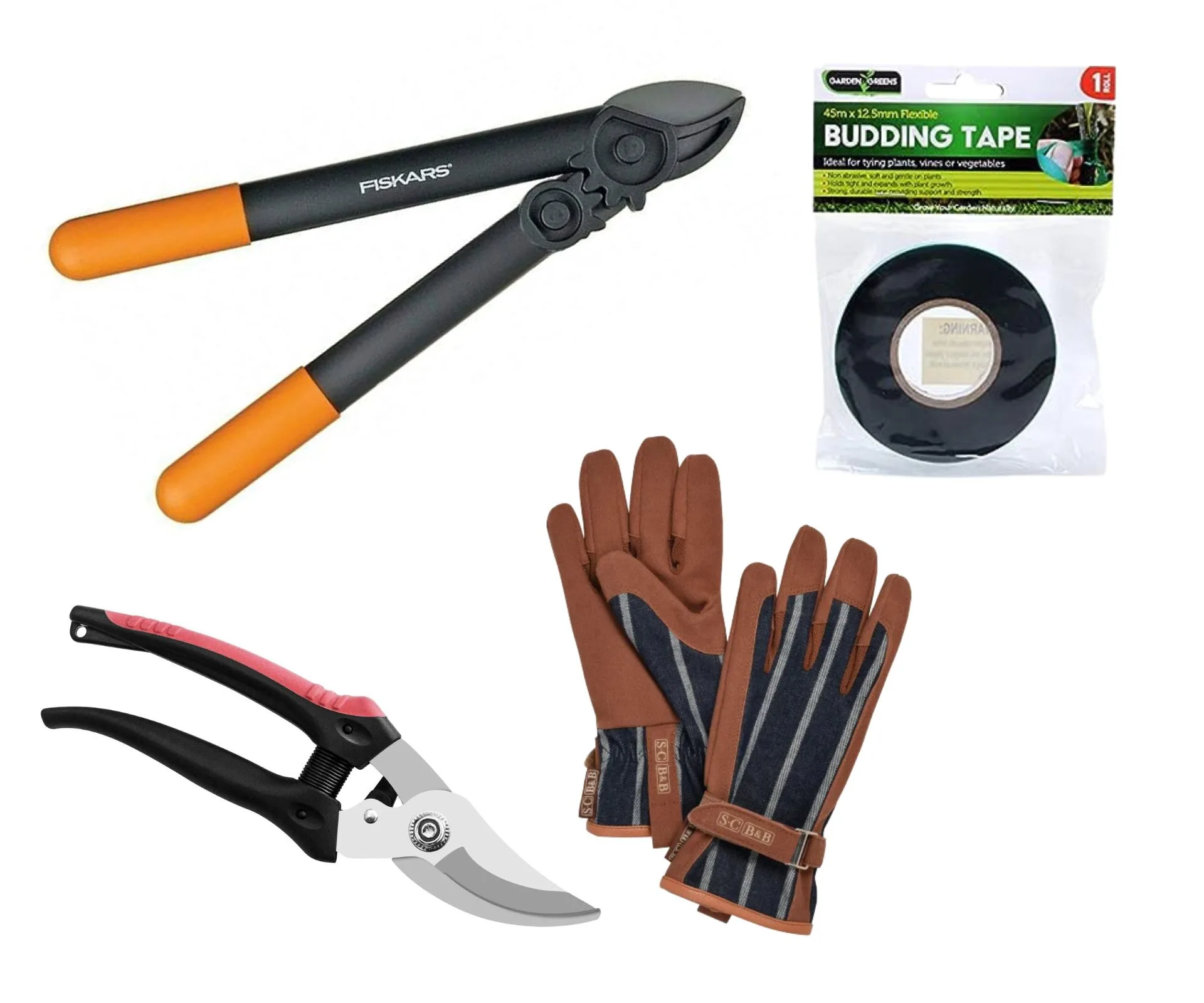
Must-have wiring & tying supplies:
- 12–14 gauge galvanized or coated wire (strong yet flexible)
- Soft rubber or Velcro plant ties (gentle on bark)
- Budding tape or grafting tape for cushioning
- Branch spreaders or bamboo stakes for initial shaping
- Pruning shears, gloves, and a sturdy ladder
H3: Pro Tip Table – Buy vs. Improvise
| Item | Budget Option | Pro Upgrade | Why It Matters |
|---|---|---|---|
| Wire | Basic garden wire | Coated espalier wire | Prevents rust & bark damage |
| Ties | Old cloth strips | Soft Velcro or rubber ties | No girdling, easy to adjust |
| Padding | Foam pipe insulation | Budding tape | Protects tender young branches |
Eco-friendly bonus: Use natural jute twine for temporary ties—it biodegrades beautifully.
Step-by-Step Guide to Wiring and Tying Branches for Espalier 🔧🌿
This is the heart of the guide—the exact process that turns any young tree into a flat fruiting wonder. Follow these steps in order and you’ll avoid 90% of common failures.
H3: Step 1: Timing Is Everything – When to Start Wiring ⏰ The best window is late winter/early spring while the tree is dormant (before buds swell). In warmer climates like Bangladesh or similar tropical zones, aim for December–February. Never wire during peak summer heat or after heavy fruit set—branches are too brittle.
H3: Step 2: Building or Installing Your Training Framework Space horizontal wires 12–18 inches apart vertically. Tension them drum-tight using eye bolts or turnbuckles. For a 10-foot-wide espalier, use 4–5 tiers. Pro trick: Install wires before planting so you can thread branches easily later.

H3: Step 3: Selecting and Preparing Branches for Training Choose strong, flexible laterals at 45–60° angles. Make a clean 45° pruning cut just above an outward-facing bud to encourage growth in the right direction. Remove any branches growing straight toward or away from the wall.
H3: Step 4: Wiring Branches Safely (Technique + Tension Tricks) Gently bend the branch toward the wire. Wrap 14-gauge wire in a loose spiral (never tight loops!) starting from the base and moving outward. Maintain even tension—think “firm handshake,” not strangulation. Use your free hand to support the branch so it doesn’t snap.
H3: Step 5: Tying Branches Like a Pro (Materials & Knots That Hold) Secure with soft ties every 6–8 inches. Tie in a figure-8 pattern around branch and wire for stability without constriction. Add a small foam or tape pad under the tie if bark looks stressed. Check ties monthly—they stretch as the tree grows!
H3: Step 6: Final Shaping and Checking for Even Growth Step back and admire your work. Adjust any lopsided branches immediately. Water deeply and apply a light mulch ring. Your tree is now officially in espalier training—congratulations! 🎉
(Each step includes built-in “pause & check” safety checkpoints to protect your tree’s long-term health.)

Common Mistakes That Kill Espalier Projects (and How to Fix Them) ⚠️
Even experienced gardeners make mistakes when first learning wiring and tying branches for espalier. The good news? Most issues are preventable or fixable if caught early. Here are the top mistakes I see repeatedly in home gardens, ranked by how often they destroy young espaliers:
- Wiring or tying too tightly – This is the #1 bark-damaging culprit. Tight loops girdle branches as they grow, cutting off sap flow. Fix: Always leave a finger’s width of slack. Use soft rubber ties or budding tape and check every 4–6 weeks.

- Wrong timing – Wiring during hot summer or when branches are brittle leads to snapping. Fix: Stick to dormant season for major bending. Light summer adjustments are okay but never force rigid wood.
- Ignoring growth spurts – New shoots grow fast and can push against wires, causing breakage or uneven shape. Fix: Weekly checks during spring flush. Gently re-tie or prune vigorous vertical shoots.
- Poor branch selection – Keeping weak or poorly angled branches that refuse to stay flat. Fix: Remove anything growing straight forward or backward early. Train only flexible, well-placed laterals.
- No cushioning or padding – Bare wire or ties rub tender bark, inviting pests and disease. Fix: Always add foam, tape, or cloth padding under contact points.
- Loose or slipping ties – Branches fall out of position after rain or wind. Fix: Use figure-8 ties and double-check tension. Velcro ties are excellent for quick readjustments.
- Over-fertilizing – Too much nitrogen creates excessive leafy growth that’s hard to control. Fix: Use balanced or low-nitrogen fertilizer after the first year. Focus on phosphorus and potassium for fruiting.
- Forgetting to loosen ties – As the trunk and branches thicken, old ties can strangle the tree. Fix: Make loosening ties part of your seasonal routine.
Pro Insight: In my years training trees, 80% of failed espaliers could have been saved by simply stepping back weekly, observing, and making small gentle adjustments instead of one big forceful session. Patience truly is the secret ingredient! 🌱

Ongoing Maintenance & Seasonal Care Calendar 📅
Successful espalier is not a “set it and forget it” project. Consistent espalier maintenance keeps your tree healthy, productive, and beautiful for decades.
Year-Round Seasonal Guide (adjust slightly for tropical/subtropical climates like Bangladesh):
- Late Winter (Dormant Season): Major pruning and initial wiring/tying. Shorten laterals to encourage spurs. Re-tension wires if needed.
- Early Spring: Monitor new growth. Tie down flexible shoots as they reach the wires. Apply organic mulch and start light watering.
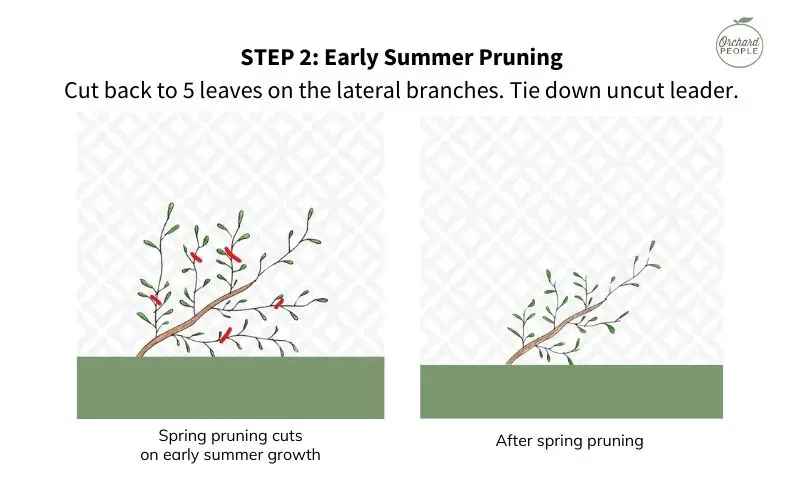
- Late Spring / Early Summer: Summer pruning – cut back vigorous shoots to 5–6 leaves to promote fruit buds. Check and adjust all ties.
- Mid to Late Summer: Light maintenance pruning. Harvest fruit carefully without damaging trained branches. Water deeply during dry spells.
- Fall: Remove any dead or diseased wood. Reduce watering as growth slows. Final tie checks before winter.
H3: Re-tensioning and Adjusting as the Tree Grows Every 6–12 months, inspect the entire framework. Branches thicken quickly—loosen or replace ties before they dig in. Add new horizontal wires for additional tiers as your tree matures.
Troubleshooting Common Issues:
- Slow growth? Improve sunlight and soil nutrition.
- Die-back? Check for over-tight wiring or root problems.
- Uneven fruiting? Ensure all branches receive equal light—prune shading growth.
Consistent care turns a simple espalier into a high-yielding garden feature that can produce for 20–30+ years.

Advanced Espalier Techniques for Next-Level Results 🌟
Once you master basic wiring and tying branches for espalier, try these upgrades:
- Multi-tier cordons: Add 4–6 horizontal levels for maximum fruit production on one tree.
- Belgian Fence: Plant several trees in a zigzag pattern and weave branches together for a living fence.
- Multiple varieties on one rootstock: Graft different apple or pear cultivars onto a single espalier for extended harvest.
Expert Insight: My favorite trick is creating a “fruiting wall” by training two opposing espaliers facing each other with a narrow walkway in between. The microclimate boosts pollination and yield dramatically.
Grafting tips: Use whip-and-tongue grafts in late winter on established espaliers to add new varieties without starting from scratch.
Safety First – Protecting Your Trees (and Yourself) 🛡️
Healthy espalier starts with respect for the tree’s vascular system:
- Never allow wire or ties to cut into bark.
- Use branch spreaders instead of forcing sharp bends.
- Disinfect tools between cuts to prevent disease spread.
- Wear sturdy gloves and use stable ladders for higher work.
Long-term health check: Every spring, run your hands along branches feeling for tight spots or swelling. Address issues immediately for a long, productive life.

Real Gardener Success Stories & Visual Inspiration 📸
- Urban Balcony Win: A Dhaka gardener trained a fig tree into a fan espalier and harvested 40+ fruits in year 3 despite limited space.
- Backyard Wall Transformation: One pear cordon replaced a messy tree, saving 80% space while doubling fruit output.
- Small Orchard Belgian Fence: Multiple apple varieties created a beautiful, productive living screen with incredible yields.
These real results prove that with proper wiring, tying, and care, anyone can succeed.

Frequently Asked Questions (FAQs) ❓
Q: How tight should the wire be for espalier? A: Wires should be drum-tight (like a guitar string) but branches tied with gentle tension—firm but not constricting.
Q: Can I espalier citrus trees in hot climates? A: Yes! Citrus responds beautifully to espalier against warm walls. Use extra padding and avoid wiring during extreme heat.
Q: What if a branch breaks during training? A: Clean the break, apply pruning sealant if needed, and train a nearby replacement shoot. Most trees recover well.
Q: How often do I need to re-tie? A: Check monthly during growing season; major adjustments 1–2 times per year.
Q: Is espalier suitable for beginners in Bangladesh? A: Absolutely. Choose heat-tolerant varieties like mango, guava, or apple on dwarf rootstock and follow seasonal timing carefully.
(Additional FAQs can be expanded based on reader feedback.)
Conclusion + Final Call-to-Action
Mastering wiring and tying branches for espalier transforms ordinary trees into extraordinary garden features—saving space, boosting harvests, and adding timeless beauty to any landscape. With the safe techniques, seasonal calendar, and maintenance tips in this guide, you now have everything needed for success.
Your dream espalier garden is just one careful wiring session away! 🌳💚 Start small, be patient, and watch your living artwork grow.
Ready to begin? Download our free Espalier Wiring & Tying Checklist (link placeholder) and share your progress in the comments below. Which style will you try first?
For more expert tree care, explore these related guides:
- Best Fruit Trees for Espalier in Tropical Climates
- Essential Pruning Techniques for Maximum Harvest
- Creating a Productive Small-Space Orchard
Thank you for reading! Happy gardening and successful espalier training! 🍎✨











