
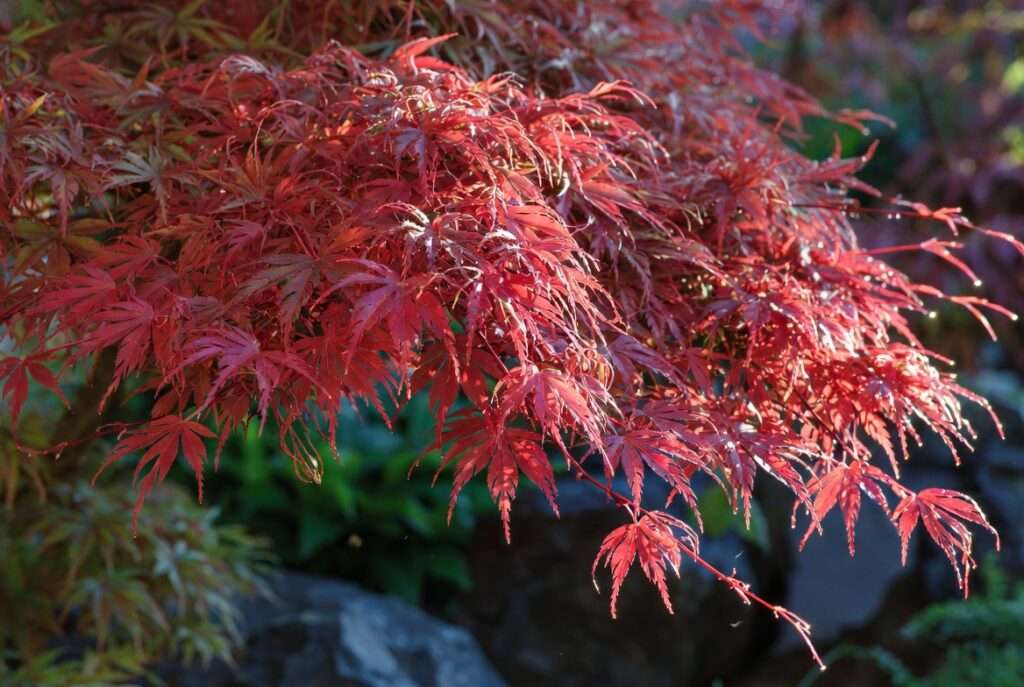
Picture this: a compact, graceful tree draped in the most intense, fiery crimson foliage you’ve ever seen — leaves that glow like living embers from spring through fall, even in a tiny backyard or on a sunny patio. Now imagine that same red dragon maple tree staying healthy, vibrant, and problem-free year after year, no matter what your climate throws at it.
If you’ve ever admired the dramatic beauty of Japanese maples but worried about leaf scorch, fading color, or winter damage, you’re not alone. The red dragon maple tree (Acer palmatum ‘Red Dragon’) is one of the most sought-after dwarf weeping varieties for good reason — but it needs the right care to deliver that signature show-stopping red all season long.
As a certified horticulturist and arborist with over 15 years specializing in Japanese maples, I’ve helped hundreds of gardeners turn struggling trees into backyard showpieces. This complete, science-backed guide solves the exact problems most owners face: keeping that brilliant red color intense, preventing common care mistakes, and enjoying your red dragon maple tree for decades. Let’s dive in so your tree can thrive! 🌟
What Is the Red Dragon Maple Tree? 🌳🍁
The red dragon maple tree is a stunning cultivar of the Japanese maple (Acer palmatum). Bred for its compact size and intense foliage color, this dwarf variety reaches just 6–8 feet tall and wide at maturity, making it perfect for small gardens, containers, and even bonsai-style designs.
Botanical Background and Origin Originally developed in New Zealand, ‘Red Dragon’ was selected for its deeply dissected, lacy leaves that emerge bright red in spring, deepen to rich burgundy in summer, and explode into scarlet-crimson in fall. Unlike many maples that fade to green in heat, this one holds its color remarkably well — a true “red dragon” that breathes fire into any landscape.
Key Features That Make It Special
- Dwarf weeping habit: Graceful cascading branches that create a natural umbrella shape.
- Lacy foliage: Finely cut leaves give it an elegant, almost fern-like texture.
- Hardiness: Thrives in USDA zones 5–8 (and sometimes 9 with protection).
- Slow growth: Only 6–12 inches per year, so it stays manageable for years.
How Red Dragon Differs from Other Japanese Maples
| Feature | Red Dragon | Bloodgood | Crimson Queen |
|---|---|---|---|
| Mature Size | 6–8 ft tall & wide | 15–20 ft | 8–10 ft |
| Leaf Color Hold | Excellent (holds red longer) | Good | Very good |
| Form | Weeping, compact | Upright | Weeping |
| Heat Tolerance | Better than most | Moderate | Good |
| Best For | Small spaces, pots | Larger gardens | Containers |
Expert Tip: The red dragon maple tree’s unique genetics let it resist summer heat better than many red Japanese maples, keeping your garden glowing even when temperatures climb. ❤️

Why Grow a Red Dragon Maple in Your Garden? ❤️✨
Home gardeners love the red dragon maple tree for so many reasons beyond its breathtaking color. Its small footprint means it fits beautifully in urban yards, courtyards, or even balcony containers. The cascading branches create instant focal-point drama without overwhelming the space.
In spring, the fresh red leaves pop against green lawns. Summer brings deep burgundy elegance that cools hot patios. Fall delivers a fiery finale that stops neighbors in their tracks. Even in winter, the delicate branching structure looks sculptural against snow or bare garden beds.
Quick Pros & Cons for Busy Gardeners ✅ Pros: Low-maintenance once established, deer-resistant foliage, attracts beneficial birds and pollinators, year-round interest. ❌ Cons: Needs protection from harsh afternoon sun in hot climates and consistent moisture (but not soggy soil).
If you’re craving a low-effort, high-reward tree that delivers serious “wow” factor, the red dragon maple tree is your perfect match.
Choosing the Perfect Spot – Sun, Shade & Climate 🌍☀️
Getting the location right is the #1 secret to vibrant red foliage. The red dragon maple tree loves morning sun and afternoon shade — ideally 4–6 hours of gentle light. Too much direct afternoon sun in zones 7–8 can cause leaf scorch, turning those gorgeous reds into crispy brown edges.
Sunlight Requirements for Maximum Red Foliage
- Zones 5–6: Full sun to partial shade is fine.
- Zones 7–8: Morning sun only; protect from hot afternoon rays.
- In very hot climates (zone 9): Bright dappled shade or east-facing spot.
Best Hardiness Zones and Microclimate Tips This cultivar performs beautifully in USDA zones 5–8. In zone 4, provide extra winter mulch. In zone 9, choose a spot with cooling evening breezes. Plant near a reflective wall or water feature for extra humidity — Japanese maples adore moist air!
Container vs. In-Ground Growing
| Growing Method | Pros | Cons | Best For |
|---|---|---|---|
| In-Ground | Deeper roots, less watering | Harder to move | Permanent garden spots |
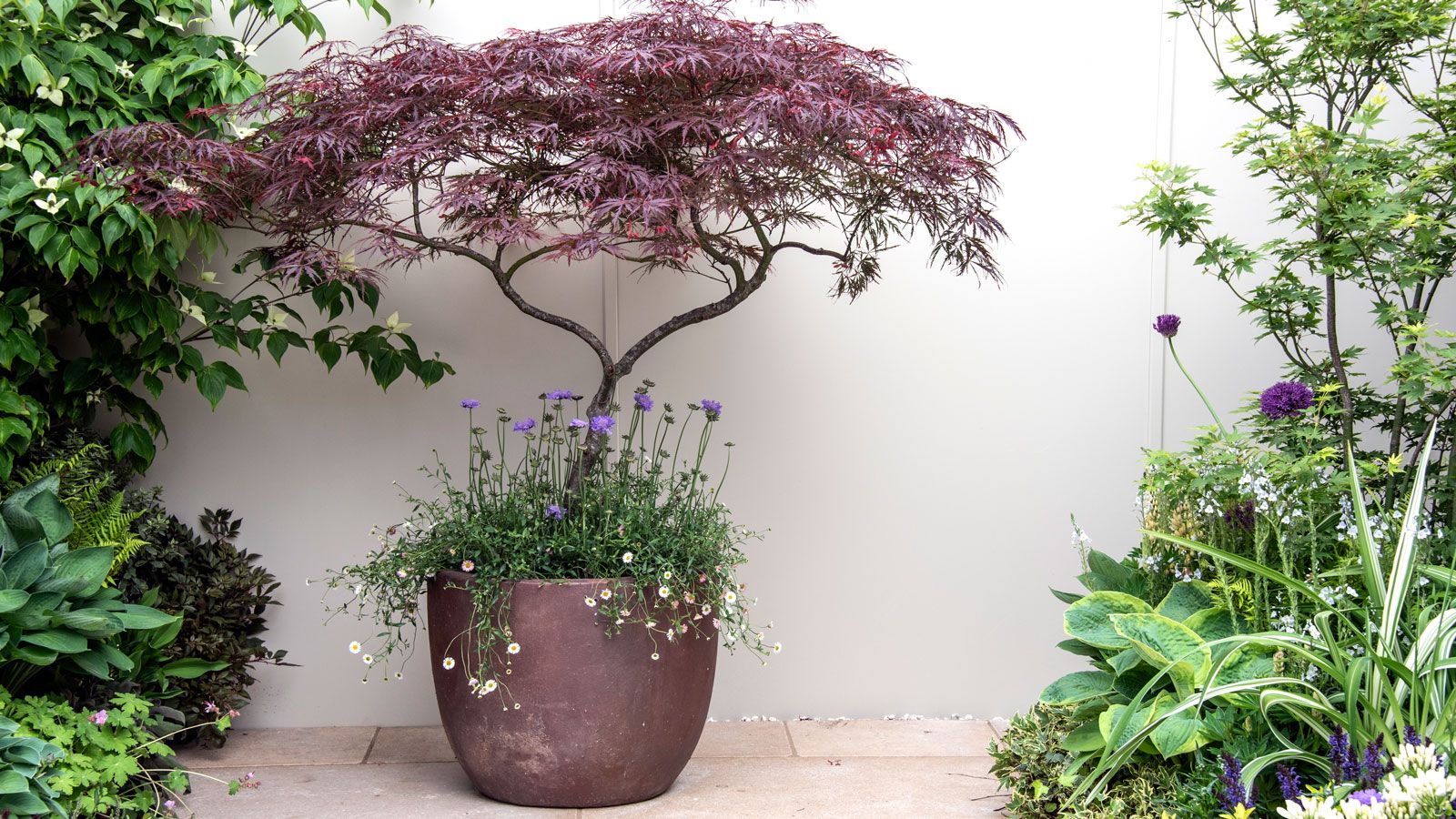
| Container | Portable, controls soil | Dries out faster | Patios, balconies, small yards |
Pro Tip: In warmer zones, elevate containers on feet to improve airflow and prevent root overheating. ☀️
Soil Preparation and Planting Guide 🌱🪴
The red dragon maple tree is picky about its feet — it demands well-draining, slightly acidic soil (pH 5.5–6.5). Heavy clay or alkaline soil is a recipe for root rot and sad, yellowing leaves.
Ideal Soil Type, pH, and Amendments Mix 50% quality garden soil + 30% compost + 20% perlite or pine bark fines. Add elemental sulfur if your soil tests above pH 6.5.
Best Time to Plant Early spring (just as buds swell) or fall (6 weeks before first frost) — both give roots time to settle before extreme weather.
Step-by-Step Planting Instructions
- Dig a hole twice as wide as the root ball but only as deep.
- Gently loosen roots and position the tree so the graft union sits 1–2 inches above soil level.
- Backfill with amended soil, firm gently, and water deeply.
- Add 2–3 inches of organic mulch in a donut shape (keep away from trunk).
Potting Mix Recipe for Containers (my go-to blend)
- 40% pine bark
- 30% potting soil
- 20% perlite
- 10% compost + slow-release organic fertilizer
Expert Insight: The #1 planting mistake I see? Planting too deep. This suffocates the roots and invites disease. Follow these steps and your red dragon maple tree will thank you with explosive spring growth! 🌱

Watering Secrets for Healthy Roots and Vibrant Leaves 💧🌿
Consistent, thoughtful watering is the foundation of a happy red dragon maple tree. Its shallow root system makes it sensitive to both drought and waterlogging, but once you master the rhythm, you’ll enjoy lush, scorch-free foliage and that signature fiery red color all season.
The red dragon maple tree prefers evenly moist but well-drained soil. Think “like a wrung-out sponge” — never soggy, never bone-dry. In the first 1–2 years after planting, consistent moisture is critical while roots establish. Mature trees become somewhat more drought-tolerant but still appreciate regular deep watering during hot or dry spells.
Watering Schedule by Season
- Spring: Water deeply 2–3 times per week as new growth emerges. Keep soil moist to support tender red leaves.
- Summer: Increase frequency during heat waves — check soil 2–4 inches deep. If dry, water slowly and deeply until it drains out the bottom (for containers) or soaks 12–18 inches into the ground. Early morning is best to reduce evaporation and leaf scorch risk.
- Fall: Reduce watering as temperatures drop, but don’t let the tree go completely dry before winter.
- Winter: Water only during dry spells when soil isn’t frozen. Containers especially need occasional checks.
Mulching Techniques That Save Water and Color Apply a 2–3 inch layer of organic mulch (pine bark, shredded leaves, or compost) in a “donut” shape around the base — keep it 2–3 inches away from the trunk to prevent rot. Mulch cools roots, retains moisture, suppresses weeds, and slowly feeds the soil as it breaks down. Refresh annually in spring.
Signs of Overwatering vs. Underwatering (Quick Visual Checklist)
- Underwatering: Wilting, crispy brown leaf edges, leaf drop, dull or faded color.
- Overwatering: Yellowing leaves (especially lower ones), soft black roots, fungal growth at base, or sudden leaf scorch-like browning from root damage.
Reader-Friendly Tip: Stick your finger 2 inches into the soil. If it feels dry, it’s time to water. For containers, lift the pot — it should feel noticeably lighter when dry.
Proper watering not only prevents common problems like leaf scorch but directly supports intense red pigmentation by keeping the tree stress-free. Many gardeners lose that vibrant “dragon fire” simply because of inconsistent moisture. Follow these guidelines and your red dragon maple tree will reward you with glowing foliage even through summer heat.
Feeding Your Red Dragon Maple for Stunning Color 🧪🍃
The red dragon maple tree is not a heavy feeder, but the right nutrition at the right time enhances leaf color, supports healthy growth, and strengthens the tree against stress.
Best Fertilizers and Organic Options Use a balanced, slow-release organic fertilizer formulated for acid-loving plants (such as those for azaleas or rhododendrons). Look for something like 10-10-10 or lower-nitrogen formulas. Excellent organic choices include:
- Composted pine bark or leaf mold
- Cottonseed meal
- Fish emulsion (diluted)
- Kelp meal for trace minerals
Avoid high-nitrogen fertilizers — they push excessive green growth and can cause leaves to lose their rich red hue, turning more bronze or green.
Feeding Calendar
- Early Spring (before buds break): Apply a light dose of slow-release granular fertilizer around the drip line.
- Late Spring/Early Summer: A second light feeding if growth seems slow.
- Fall: Skip heavy feeding; a thin layer of compost is enough to prepare roots for winter.
Never fertilize after mid-summer or during hot, dry periods — this can burn roots or force tender growth that won’t harden off before winter.
Cute Expert Tip: The “secret ingredient” many pros use is a top-dressing of aged pine bark mulch mixed with a little elemental sulfur if your soil pH creeps above 6.5. This gently acidifies the soil and boosts that deep burgundy-red color naturally. ❤️
With smart feeding, your red dragon maple tree will maintain its intense foliage display instead of fading to ordinary green or bronze.
Pruning and Shaping for Beauty and Health ✂️🌳
One of the joys of the red dragon maple tree is its naturally graceful weeping form — but light, strategic pruning keeps it healthy, prevents disease, and enhances its dramatic silhouette.
When to Prune The best time is late fall through mid-winter during dormancy (after leaves drop and before spring sap flow). A light shaping trim in early summer is also acceptable if needed, but avoid heavy pruning in spring when sap is running — it can stress the tree and invite disease.
Tools and Techniques for the Weeping Form Use sharp, clean bypass pruners or loppers. Always cut just above a bud or branch collar at a 45-degree angle. Focus on:
- Removing dead, damaged, or crossing branches
- Thinning crowded interior growth for better air circulation
- Maintaining the cascading shape without cutting back the weeping tips too aggressively (this can ruin the natural “dragon” look)
Step-by-Step Pruning Guide
- Stand back and study the tree’s natural shape.
- Remove any dead or rubbing branches first.
- Thin out 10–20% of interior growth to open the canopy.
- Shorten overly long shoots that disrupt the weeping habit.
- Step back again and refine for balance.
Expert Insight: Proper pruning not only improves airflow (reducing fungal risks) but actually helps the remaining leaves receive better light, resulting in richer red coloration. In one case, I helped a client revive a neglected, overgrown Red Dragon by selective winter pruning — within one season it regained its compact form and vibrant color.
Seasonal Care Calendar for Year-Round Red Glory 📅🍂
A successful red dragon maple tree follows a predictable seasonal rhythm. Here’s your at-a-glance expert calendar:
Spring Wake-Up and New Growth Care 🌱
- Monitor for late frost damage on emerging red leaves.
- Apply mulch and first light feeding.
- Water consistently as buds swell and new foliage appears.
- Watch for aphids on tender new growth.
Summer Protection from Heat and Drought ☀️
- Provide afternoon shade if needed.
- Deep water during dry spells; mulch heavily.
- Check for leaf scorch and increase humidity with nearby water features if leaves look stressed.
Fall Color Boost and Leaf Drop Prep 🍁
- Enjoy the spectacular crimson display!
- Reduce watering gradually.
- Avoid late-season fertilizer.
- Rake fallen leaves to prevent overwintering pests/diseases.
Winter Protection ❄️
- In zones 5–6: Add extra mulch around the base.
- In containers (especially zones 5–7): Wrap pots with burlap or bubble wrap to insulate roots from freeze-thaw cycles. Group pots together or move to a sheltered spot.
- Protect from strong drying winds.
- Water occasionally during dry winter spells when soil isn’t frozen.
Bonus: Download or print this seasonal checklist to keep in your gardening journal — many readers tell me it prevents 90% of common mistakes!
Pests, Diseases & Organic Solutions 🐛🛡️
Even the toughest red dragon maple tree can face challenges from pests and diseases, but early detection and organic methods keep problems minimal while staying safe for your garden ecosystem.
Common Pests
- Aphids: Tiny green or black insects that cluster on new growth, causing curled leaves and sticky honeydew.
- Scale Insects: Small, waxy bumps on stems and leaves that suck sap and weaken the tree.
- Spider Mites: Fine webbing and stippled, dusty-looking leaves, especially in hot, dry conditions.
Diseases
- Leaf Scorch: Brown, crispy edges caused by heat, wind, or inconsistent watering.
- Verticillium Wilt: Sudden wilting and dieback of branches (soil-borne fungal disease).
- Root Rot: Yellowing and wilting from overly wet, poorly drained soil.
Prevention and Eco-Friendly Treatments Prevention is always better than cure. Maintain good airflow through proper pruning, avoid overhead watering, and keep the tree stress-free with consistent care.
My favorite organic solutions:
- Neem oil spray (diluted with insecticidal soap) for aphids and mites — apply in early evening.
- Horticultural oil in dormant season for scale.
- Beneficial insects: Release ladybugs for natural aphid control.
- For fungal issues: Improve drainage immediately and apply beneficial mycorrhizal fungi to the root zone.
Troubleshooting Table: Symptom → Cause → Fix
| Symptom | Likely Cause | Quick Fix & Prevention |
|---|---|---|
| Brown crispy leaf edges | Leaf scorch (heat/dry wind) | Increase mulch & shade; water deeply & consistently |
| Curled new leaves | Aphids | Neem spray + strong water blast; encourage ladybugs |
| Yellowing lower leaves | Overwatering / root issues | Improve drainage; reduce watering frequency |
| Webbing & stippling | Spider mites | Increase humidity; apply neem oil every 7 days |
| Sudden branch dieback | Verticillium wilt | Prune affected branches; improve soil health |
| Sticky leaves | Scale or aphids | Horticultural oil in winter; monitor new growth |
With these organic strategies, most red dragon maple tree owners can manage issues without harsh chemicals. Healthy, unstressed trees naturally resist pests better.

Troubleshooting: When Your Red Leaves Aren’t Red Anymore 🔧🍁
One of the most common frustrations with the red dragon maple tree is watching that beautiful crimson fade to green, bronze, or brown. Here are the top 7 reasons and exactly how to fix them:
- Too Much Direct Sun — Especially afternoon sun in hotter zones. Solution: Move to morning sun only or add shade cloth.
- Inconsistent Watering — Stress causes color loss. Solution: Establish a deep, regular schedule and mulch heavily.
- High-Nitrogen Fertilizer — Pushes green growth. Solution: Switch to acid-loving, balanced, or low-nitrogen formulas.
- Alkaline Soil — Locks up nutrients needed for red pigment. Solution: Test pH and amend with sulfur or pine bark.
- Heat Stress — Common in zones 7+. Solution: Increase humidity and provide afternoon protection.
- Root Problems — Compacted or poorly drained soil. Solution: Repot containers or improve drainage in-ground.
- Old Age or Over-Pruning — Mature trees or heavy cuts can reduce vigor. Solution: Light corrective pruning + extra care.
Real Reader Stories & Expert Fixes One gardener in zone 7 wrote that her red dragon maple tree turned almost entirely green by midsummer. After moving the container to a spot with only morning sun and switching to an organic acid fertilizer, the tree regained deep burgundy tones within weeks. Another client’s tree suffered winter burn — extra mulch and wind protection brought it back strong the next spring.
Visual comparison suggestion: Healthy vibrant red leaves vs. scorched or faded ones — these photos help readers diagnose quickly.
By addressing these issues proactively, you’ll keep your red dragon maple tree’s foliage fiery and dramatic season after season.
Propagation, Companion Planting & Creative Landscaping Ideas 🌼🪴
While most people buy established red dragon maple trees, home propagation is possible for patient gardeners.
Easy Propagation Methods
- Cuttings: Take semi-hardwood cuttings in late spring/early summer, dip in rooting hormone, and place in a humid propagator with acidic mix. Success rate improves with bottom heat.
- Grafting: Advanced method usually done by nurseries (whip-and-tongue graft onto rootstock).
Best Companion Plants That Highlight the Red Foliage Pair your red dragon maple with plants that contrast or complement its color:
- Hostas and ferns (lush green backdrop)
- Japanese forest grass (golden or variegated varieties)
- Astilbe and heuchera (purple or silver leaves)
- White-flowering perennials like anemone or bleeding heart for spring pop.
Creative Landscaping Ideas
- Focal Point Container: Place on a patio with trailing flowers spilling over the edge.
- Rock Garden Accent: Surround with gravel and low-growing evergreens for dramatic contrast.
- Bonsai-Style: Train in a shallow pot for an elegant miniature version.
- Woodland Edge: Plant near larger trees where it gets dappled light.
These ideas turn your red dragon maple tree into a true garden centerpiece that brings joy year-round.
Frequently Asked Questions (FAQs) ❓
How big does a red dragon maple tree get? At maturity, it typically reaches 6–8 feet tall and wide, making it ideal for small spaces and containers.
Why are my red dragon maple leaves turning green? Usually due to too much shade, high nitrogen, alkaline soil, or heat stress. Adjust light, fertilizer, and pH for best color retention.
Can the red dragon maple tree grow in pots forever? Yes! Many gardeners keep them in containers for decades. Repot every 3–5 years into fresh acidic mix and prune roots lightly if needed.
Is the red dragon maple deer-resistant? The foliage is generally deer-resistant due to its texture and mild bitterness, though very hungry deer may sample young leaves.
How fast does a red dragon maple tree grow? It’s a slow grower — usually 6–12 inches per year — which keeps it compact and easy to manage.
What winter hardiness does it have? Best in USDA zones 5–8. In zone 4, provide heavy mulch. In containers in colder zones, insulate pots well or move to a sheltered area.
How do I keep the red color intense all summer? Provide morning sun/afternoon shade, consistent moisture, acidic soil, and low-nitrogen feeding. Mulch and protect from hot winds.
When should I repot my container red dragon maple? Every 3–5 years or when roots circle the pot heavily. Best done in early spring before bud break.
Do red dragon maples need special winter protection? In zones 5–7, mulch heavily and protect containers from freeze-thaw cycles. Avoid exposed windy spots.
Is the red dragon maple tree suitable for beginners? Absolutely — with the right location and basic care outlined here, even new gardeners can succeed beautifully.
Conclusion
Caring for a red dragon maple tree is incredibly rewarding when you understand its needs. By choosing the perfect spot, preparing acidic well-draining soil, watering consistently, feeding wisely, pruning thoughtfully, and staying ahead of seasonal challenges, you’ll enjoy vibrant, fiery red foliage that turns heads year after year.
Remember: the key to thriving red foliage is minimizing stress — give your tree balanced light, moisture, and nutrition, and it will reward you with its signature dramatic beauty.
Whether you’re growing your first red dragon maple tree in a container on the patio or adding one as a focal point in your garden, these expert tips will help you succeed.
Share your own red dragon maple tree photos and experiences in the comments below — I love seeing how these stunning little trees transform gardens! Have questions? Drop them here and I’ll help.
Happy gardening, and may your red dragon always breathe beautiful crimson fire into your landscape! 🍁❤️











