
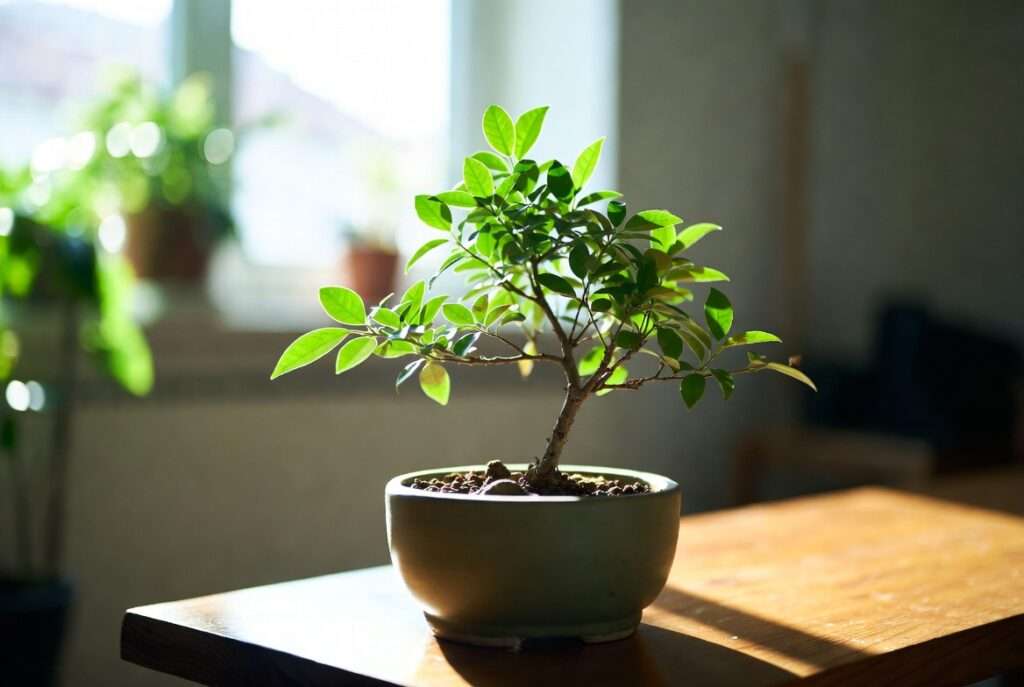
Imagine this: Your beautiful bonsai tree in pot sits proudly on the windowsill, its tiny leaves catching the morning light like a living miniature masterpiece. But then… one forgotten watering day later, those lush greens start turning yellow, branches droop, and you’re left wondering what went wrong. 😔 If this sounds familiar, you’re not alone. Thousands of plant lovers just like you struggle with the unique challenges of keeping a bonsai tree in pot thriving long-term.
As a bonsai cultivator with over 18 years of hands-on experience growing and consulting on hundreds of potted specimens worldwide, I’ve learned that success isn’t about luck—it’s about mastering three essential pillars: watering, pruning, and repotting. This comprehensive guide delivers exactly what you need to transform your bonsai from “barely surviving” to “show-stopping centerpiece.” Whether you’re a complete beginner or an intermediate enthusiast, you’ll find step-by-step instructions, seasonal calendars, troubleshooting charts, and pro tips that go far beyond basic care. Let’s turn your potted bonsai into a healthy, artistic treasure that brings joy for decades! 🌳
Why Growing a Bonsai Tree in Pot Is Both Art and Science 🪴
Growing a bonsai tree in pot is more than just plant care—it’s a beautiful blend of ancient Japanese art and modern horticultural science. Unlike regular houseplants with unlimited root space, your bonsai lives in a confined container that forces it to stay small and perfectly shaped. This limited environment creates both beauty and unique challenges: roots can quickly become bound, soil dries out faster, and every watering, pruning, or repotting decision directly impacts its health and aesthetic appeal.
The rewards? A stunning living sculpture that fits perfectly in small spaces, purifies indoor air, and becomes a daily meditation practice. Many myths claim bonsai are “impossible” for beginners, but that’s simply not true. With the right knowledge, anyone can succeed. My own collection started with a single struggling Ficus bonsai in pot 18 years ago—today it’s a thriving 30-year-old specimen that visitors always admire. Understanding this “bonsai in pot” ecosystem is your first step toward long-term success. 💚
Choosing the Right Pot for Your Bonsai Tree – The First Step to Longevity 🪴
The pot isn’t just a container—it’s the foundation of your bonsai’s health and beauty. Choosing the wrong one is one of the most common reasons new growers watch their trees decline.
H3: Types of Bonsai Pots (Ceramic, Plastic, Mica, Handmade) and When to Use Each Ceramic pots (like the classic blue-and-white glazed ones) offer excellent drainage and aesthetic appeal for formal displays. Plastic pots are lightweight and affordable—perfect for beginners or nursery stock. Mica pots provide superior insulation for outdoor bonsai, while handmade pots add a personal artistic touch. Pro tip: Match the pot material to your climate and tree species! 🪴
H3: Size, Depth, and Drainage Holes – What Actually Matters Your pot should be roughly 2/3 the height of the tree and wide enough for stable roots. Always choose pots with multiple drainage holes to prevent root rot. Depth matters too—shallow pots suit cascading styles, while deeper ones support upright trees.
H3: Aesthetic Rules (Color, Shape, Style) that Complement Your Tree Species Dark pots highlight bright foliage; unglazed earthy tones work best for conifers. The classic “rule of thirds” ensures visual harmony between tree, pot, and stand.
Pro Tip Box 💡 Quick checklist to match pot to tree: ✅ Tree height vs. pot width = 2:1 ratio ✅ Drainage holes = at least 2–4 ✅ Color contrast = high for maximum impact ✅ Material = breathable for fast-growing species
I once switched a struggling Juniper from a plastic nursery pot to a proper handmade ceramic one—and within weeks, new vibrant growth appeared! Small changes yield big results.
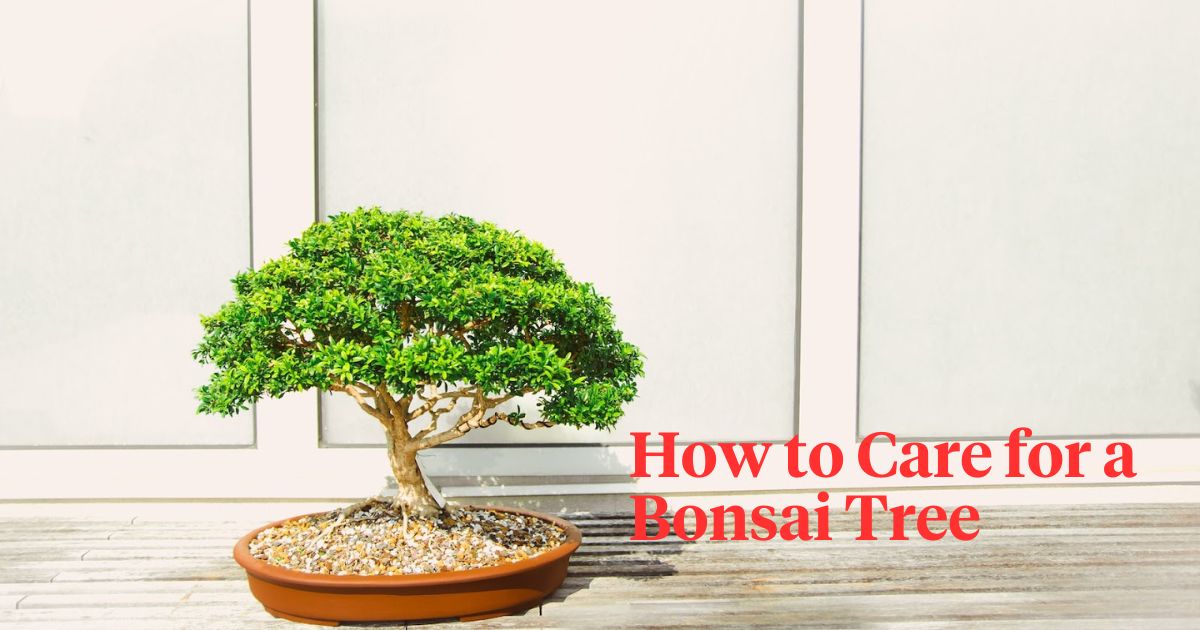
Creating the Perfect Soil Mix for a Bonsai Tree in Pot 🪨
Standard garden soil is a death sentence for bonsai—it compacts, holds too much water, and suffocates roots. Your bonsai tree in pot needs a fast-draining, well-aerated mix that mimics its natural mountain habitat.
H3: Recommended Bonsai Soil Recipes (Inorganic vs. Organic Blends) My go-to basic mix: 50% akadama, 25% pumice, 25% lava rock. For tropical species like Ficus, add a bit more organic matter (10% peat or compost).
H3: Ingredients Breakdown – Akadama, Pumice, Lava Rock, and Peat Alternatives
- Akadama: Retains moisture but breaks down over time (replace every 1–2 years).
- Pumice: Excellent aeration and drainage.
- Lava rock: Adds minerals and prevents compaction.
- Measure ingredients by volume.
- Rinse thoroughly to remove dust.
- Mix dry, then moisten slightly before potting.
Test soil pH (aim for 6.0–7.0) using simple home kits. This custom mix is what separates thriving bonsai from struggling ones.

Mastering Watering for Your Bonsai Tree in Pot 💧
Watering is the #1 killer of bonsai—and the most misunderstood. Your bonsai tree in pot has limited soil, so timing is everything.
H3: How Often to Water – The “Finger Test” and Visual Cues Stick your finger 1 inch into the soil. Dry? Water thoroughly until it drains out the bottom. Overwatering signs: yellow leaves, soggy soil. Underwatering: crispy edges, wilting.
H3: Watering Techniques That Prevent Root Rot and Dry Spots Use a gentle watering can with a fine rose nozzle. Water in the morning, and always from above to mimic rain.
H3: Seasonal Watering Calendar
- Spring/Summer: Every 1–2 days (more in heat).
- Fall: Every 2–3 days.
- Winter: Once a week (less evaporation).
Adjust for your local climate—here in humid regions, you may water less than in dry areas.
H3: Water Quality Matters Rainwater or filtered water is best. Let tap water sit 24 hours to remove chlorine.
Expert Checklist 📋 Downloadable 7-Day Watering Tracker (print it and stick it near your bonsai!).
Common mistake: “I water every Sunday” without checking the soil. Ditch the schedule—let your tree tell you what it needs!

Pruning Your Bonsai Tree in Pot for Shape, Health, and Density ✂️
Pruning keeps your bonsai compact, healthy, and artistically balanced.
H3: Two Types of Pruning – Structural vs. Maintenance Structural pruning shapes the overall form (best in late winter). Maintenance pinching refines foliage pads year-round.
H3: Best Tools and Sterilization Techniques Use sharp concave cutters and shears. Always sterilize with alcohol to prevent disease.
H3: Step-by-Step Pruning Guide with Timing Charts by Species
- Ficus: Pinch new growth anytime.
- Juniper: Prune in early spring. Full species chart included in the printable resources.
H3: Wiring Basics for Beginners Wire branches gently in the direction you want growth. Remove after 6–12 months.
Before-and-after examples show dramatic transformations—your tree can go from wild to elegant in one careful session!

Warning: Over-pruning can stress your tree. Never remove more than 1/3 of foliage at once. Recovery strategies are detailed below.
H2: Repotting Bonsai Trees – When, Why, and How to Do It Right 🌱
Repotting is the single most important maintenance task for any bonsai tree in pot. It refreshes the soil, prevents root-binding, and gives your tree a new lease on life. Many beginners fear this step, but with the right technique, it becomes a rewarding ritual that strengthens your bond with the tree.
H3: Signs It’s Time to Repot (Root-Bound Indicators + Timeline by Tree Age) Check every 1–2 years for young trees and every 3–5 years for mature ones. Key signs include:
- Roots circling the bottom of the pot or emerging from drainage holes
- Soil drying out extremely fast despite regular watering
- Stunted growth or smaller new leaves
- Water running straight through without being absorbed
If you gently lift the tree and see a dense mat of roots with little soil left, it’s repotting time!
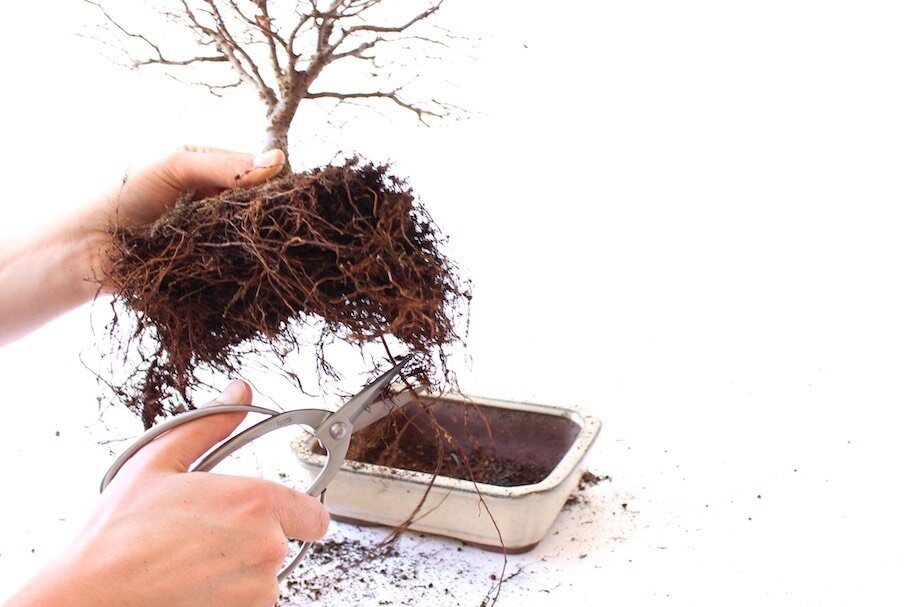
H3: Choosing the Next Pot Size and Fresh Soil Mix Move up only one size — never jump to a much larger pot, or you’ll lose the bonsai’s compact proportions. Use the same high-quality, well-draining bonsai soil mix you learned earlier.
H3: Complete Repotting Process – Step-by-Step with Safety Tips
- Water the tree lightly the day before to make roots more flexible.
- Remove the tree carefully by tapping the pot and sliding it out.
- Gently comb out old soil with a root hook or chopstick.
- Prune up to 1/3 of the roots — focus on thick circling ones while preserving fine feeder roots.
- Place mesh over drainage holes, add a layer of fresh soil, position the tree, and fill around the roots.
- Water thoroughly until it drains clean.
H3: Aftercare Routine – First 2 Weeks Post-Repotting Keep the tree in bright indirect light, mist daily, and avoid fertilizing for 3–4 weeks. Protect from strong wind and direct midday sun. Most trees show new growth within a month if done correctly.
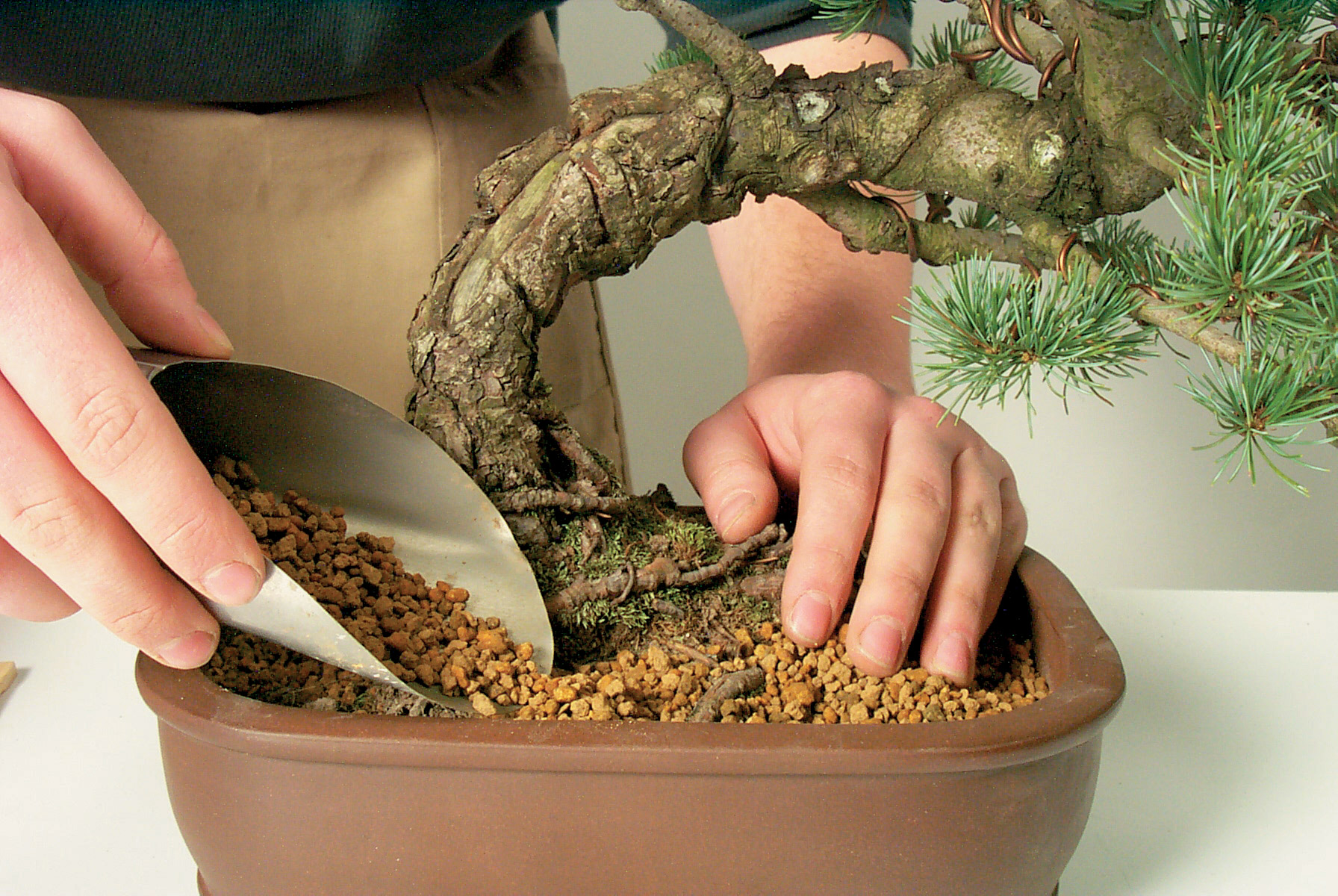
Success Story: One of my students had a 15-year-old Chinese Elm bonsai in pot that looked tired and stopped growing. After proper root pruning and repotting into fresh akadama-based mix, it exploded with vibrant foliage the following spring. Proper repotting truly revives potted bonsai!

H2: Complete Daily & Seasonal Care Routine for Bonsai in Pots ☀️
A consistent routine turns bonsai care from stressful guessing into a peaceful daily habit.
Light Requirements and Placement Hacks Most bonsai need 4–6 hours of direct sunlight daily. Indoor trees do best near south- or west-facing windows. Rotate your bonsai tree in pot weekly for even growth.
Fertilizing Schedule Use a balanced liquid fertilizer (e.g., 20-20-20) every 2–4 weeks during the growing season (spring through early fall). Reduce or stop in winter. Organic options like fish emulsion or slow-release pellets work wonderfully too.
Humidity, Temperature, and Pest Prevention Tropical species love 50–70% humidity — use a pebble tray or humidifier. Outdoor bonsai tolerate wider ranges but need protection from extreme cold or heat.
H3: Monthly Maintenance Calendar (Easy-to-Follow Table)
| Month | Watering | Pruning | Fertilizing | Repotting |
|---|---|---|---|---|
| Spring | Daily | Light pinching | Every 2 weeks | Possible |
| Summer | Every 1–2 days | Maintenance | Weekly | Avoid |
| Fall | Every 2–3 days | Structural | Every 3 weeks | Possible |
| Winter | Weekly | Minimal | None | Best time (dormant) |
Print this calendar and keep it near your collection — it has saved countless trees!
H2: Troubleshooting Common Problems with Bonsai Trees in Pots ⚠️
Even the best growers face issues. Quick diagnosis prevents small problems from becoming disasters.
Yellow Leaves, Leaf Drop, Pests, and Fungal Issues
- Yellowing leaves: Often overwatering or poor drainage. Check soil moisture first.
- Brown crispy tips: Underwatering or low humidity.
- Pests (aphids, scale, spider mites): Look for sticky residue or webbing. Treat with neem oil or insecticidal soap.
- Fungal spots: Improve airflow and avoid wetting foliage at night.

H3: Quick Diagnosis Chart + Natural Remedies
- Symptom: Leaves turning yellow → Likely cause: Overwatering → Remedy: Improve drainage, let soil dry slightly.
- Symptom: White cottony spots → Scale insects → Remedy: Wipe with alcohol + neem spray.
Prevention is better than cure: Healthy soil, proper watering, and good light keep 90% of problems away.

H2: Advanced Tips & Expert Insights for Next-Level Bonsai Success 💡
Once you master the basics, these techniques elevate your bonsai tree in pot to masterpiece level.
Species-Specific Advice for Popular Varieties
- Ficus: Forgiving, great for beginners, pinch often.
- Juniper: Loves full sun, excellent for outdoor pots.
- Japanese Maple: Stunning autumn color, protect from harsh afternoon sun.
Styling Ideas Explore formal upright (Chokkan), informal upright (Moyogi), or dramatic cascade (Kengai) styles. Each complements different pots beautifully.

Long-Term Aging Techniques Develop “jin” (deadwood) and “shari” (stripped bark) carefully with carving tools for an ancient look. Patience is key — true beauty develops over years.
Personal Expert Reflection: Over 18 years, I’ve killed more trees than I care to admit through over-pruning and poor soil choices. Each mistake taught me that bonsai care is about observation and respect for the tree’s natural rhythm. The greatest joy comes from watching a once-struggling potted bonsai grow into a living work of art.
Conclusion 🎉
Mastering watering, pruning, and repotting transforms your bonsai tree in pot from a delicate plant into a resilient, breathtaking miniature tree that can live for generations. These three pillars work together to create balance, health, and artistic expression in every container-grown bonsai.
Your bonsai isn’t just a houseplant — it’s a living meditation, a daily reminder of patience, and a beautiful addition to any space. Start applying these techniques today, observe your tree closely, and celebrate every new leaf and branch.
Bookmark this guide, download the free watering tracker and monthly calendar (links in resources), and share your progress in the comments or on social media. I’d love to see your before-and-after transformations!
Happy growing — may your potted bonsai bring you years of joy and serenity. 🪴🌳
FAQs ❓
Q1: How often should I water my bonsai tree in pot? A: Check daily with the finger test. Water thoroughly when the top inch of soil feels dry. Frequency varies by season, climate, and pot size.
Q2: When is the best time to repot a bonsai tree? A: Early spring, just before new growth begins, or during the dormant winter period for most species.
Q3: Why are the leaves on my bonsai turning yellow? A: Most commonly overwatering, poor drainage, or nutrient deficiency. Improve soil aeration and adjust watering habits.
Q4: Can I keep my bonsai tree in pot indoors year-round? A: Yes for tropical species like Ficus. Temperate species (maple, juniper) prefer outdoor conditions with winter protection.
Q5: How much should I prune my bonsai? A: Never remove more than 1/3 of the foliage at once. Use maintenance pinching regularly and structural pruning seasonally.
Q6: What is the best soil for a bonsai tree in pot? A: A fast-draining inorganic mix — typically akadama, pumice, and lava rock in varying ratios depending on the species.
Q7: How do I know if my bonsai needs repotting? A: Roots filling the pot, rapid soil drying, or slowed growth are clear indicators.
Q8: Is fertilizer necessary for bonsai in pots? A: Yes — limited soil volume means nutrients deplete quickly. Fertilize regularly during the growing season.
Q9: Can over-pruning kill my bonsai? A: Yes, if too aggressive. Always prune gradually and give the tree recovery time with good aftercare.
Q10: What’s the average lifespan of a bonsai tree in pot? A: With proper care, many live 50–100+ years. Some famous specimens are centuries old!











