
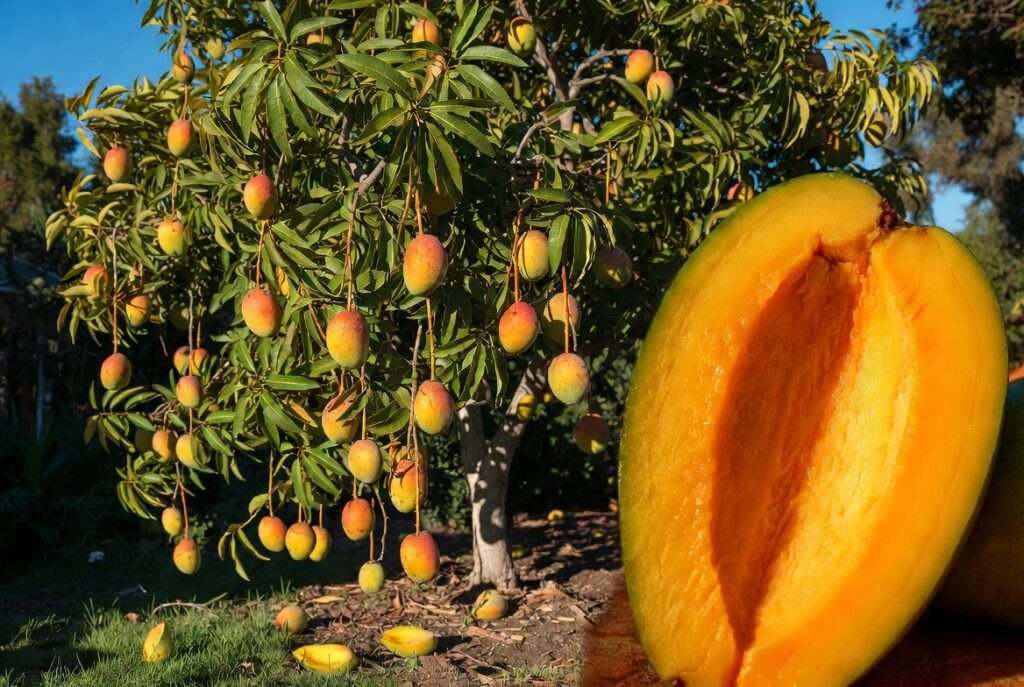
Picture this: You step into your backyard on a warm summer morning, reach up, and pluck a golden-orange mango bursting with the dreamy, silky-sweet flavor of coconut cream. No strings, no fibers—just pure tropical bliss you grew yourself! 🥥🍦 If you’ve been searching for the ultimate home fruit tree that delivers restaurant-quality taste without the hassle, the Coconut Cream mango tree is your dream come true.
This premium Florida-bred variety (Mangifera indica ‘Coconut Cream’) has taken the tropical fruit world by storm for its fiberless, custard-like flesh, rich coconut undertones, and reliable production in home gardens. Whether you’re a beginner gardener in USDA Zone 9b–11 or an experienced grower craving something beyond ordinary mangoes, this complete guide solves your biggest challenges: how to plant, nurture, protect, and harvest abundant sweet home crops from your very own Coconut Cream mango tree.
In the next 2,500+ words, you’ll get expert-backed, step-by-step instructions, seasonal calendars, troubleshooting charts, and pro tips that go far beyond basic care guides. By the end, you’ll have everything needed for a thriving, productive tree that rewards you with 100–200+ pounds of gourmet mangoes each year. Let’s grow some coconut-cream magic! ✨
At a Glance
- Tree size: 10–15 ft (pruned) or up to 30–40 ft naturally
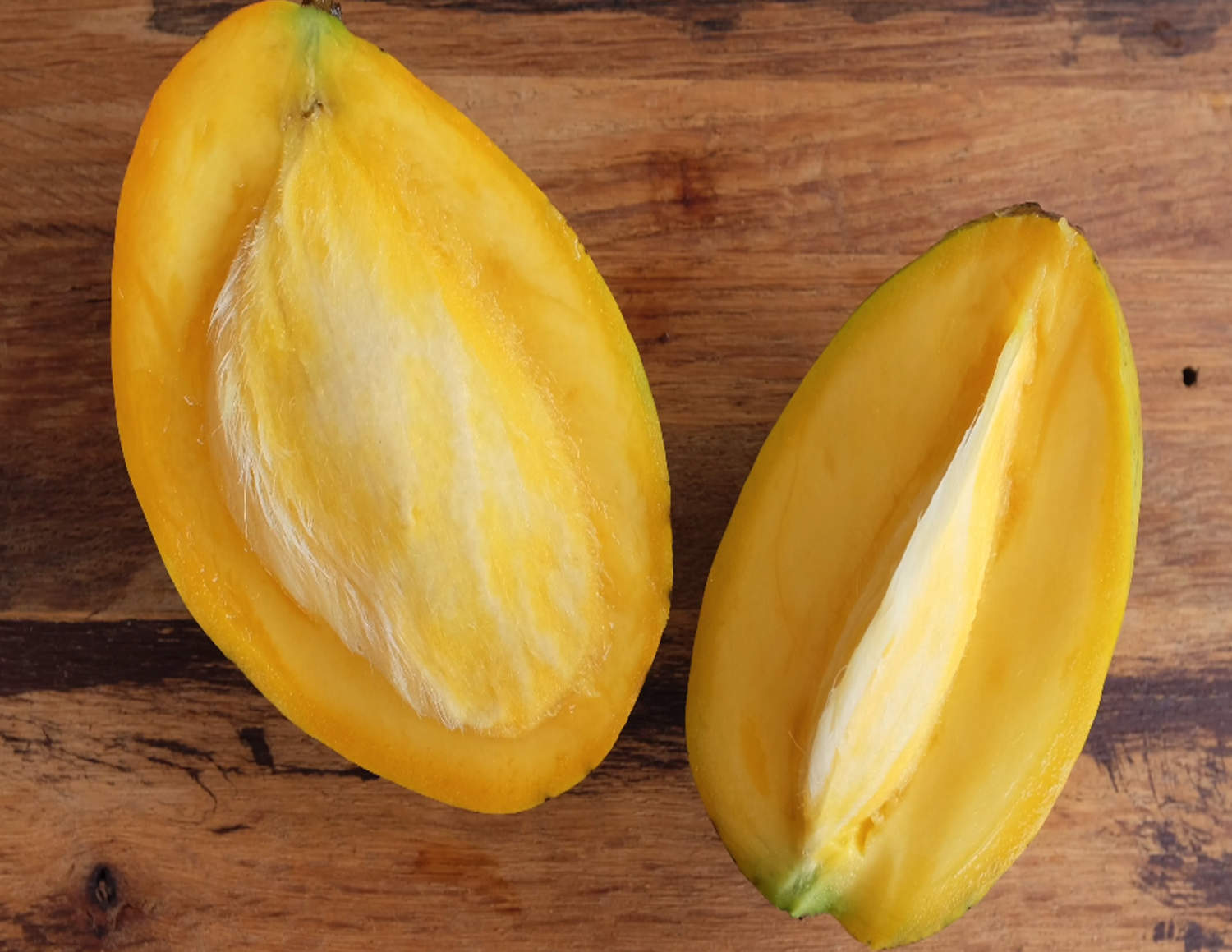
- Fruit: 12–16 oz, golden-yellow with red blush, fiberless orange-yellow flesh
- Flavor: Sweet coconut cream with mango brightness
- Season: Mid-to-late (June–July in Florida, July–Sept elsewhere)
- Zones: 9b–11 (best 10–11)
- First harvest: 2–3 years from grafted tree
What Is the Coconut Cream Mango Tree? Everything You Need to Know 🥭🥥
Developed by legendary Florida breeder Gary Zill in Boynton Beach and released around 2009, the Coconut Cream mango is one of the few patented mango varieties in existence. It’s a selective cross (often linked to Edward and Gary parentage) chosen for its exceptional dessert qualities and garden-friendly traits.
Unlike many mangoes that are stringy or overly tangy, Coconut Cream delivers a smooth, melt-in-your-mouth texture with a distinctive coconut-cream aroma and flavor that makes it a standout for fresh eating, smoothies, and desserts. The fruit is medium-to-large, oval-shaped, with vibrant golden-yellow skin often kissed by a pretty red-orange blush. Inside? Bright orange to golden flesh that’s 100% fiberless and super aromatic.
The tree itself is moderately vigorous with a spreading, open canopy—perfect for home yards. It naturally stays manageable (10–15 ft tall with annual pruning) and shows good resistance to anthracnose, a common mango headache in humid climates.
Quick Comparison Table (for easy decision-making):
| Variety | Flavor Profile | Fiber | Tree Size | Anthracnose Resistance | Best For |
|---|---|---|---|---|---|
| Coconut Cream | Coconut cream, sweet | None | 10–15 ft | Excellent | Home gardens |
| Carrie | Sweet, floral | Low | Dwarf | Good | Containers |
| Glenn | Mild, sweet | Low | Medium | Good | Beginners |
| Alphonso | Rich, spicy | Low | Large | Moderate | Flavor lovers |
This variety shines for backyard growers who want big flavor in a compact, productive package. Ready to grow one? Let’s dive into the perfect growing conditions! 🌍☀️
Ideal Growing Conditions for Thriving Coconut Cream Mango Trees 🌍☀️
Success with any mango starts with matching the tree’s tropical needs. The Coconut Cream mango tree loves warmth, sunshine, and excellent drainage—give it those and it will reward you for decades.
H3: USDA Hardiness Zones & Climate Requirements 🌡️ Coconut Cream thrives in USDA Zones 9b–11, where winter lows rarely dip below 25–30°F. It can handle brief light freezes with protection (think young trees wrapped or potted and moved indoors), but it’s happiest in true tropical or subtropical areas like coastal Florida, Southern California, Hawaii, or protected microclimates. In marginal Zone 9b spots, plant near a south-facing wall for extra warmth.
H3: Sunlight Needs – Full Sun Is Non-Negotiable ☀️ This tree demands 6–8+ hours of direct sunlight daily. More sun = sweeter fruit and stronger growth. In partial shade, expect leggy branches, fewer flowers, and delayed fruiting. Position it in the sunniest spot in your yard or patio.
H3: Soil Type, pH & Drainage Secrets 🪴 Well-drained, slightly acidic to neutral soil (pH 5.5–7.0) is ideal—sandy loam or loamy mixes work best. Heavy clay? Amend generously with compost, perlite, and coarse sand to prevent root rot. Never let water pool around the roots!
H3: Container Growing vs In-Ground Planting 🪣 vs 🌳
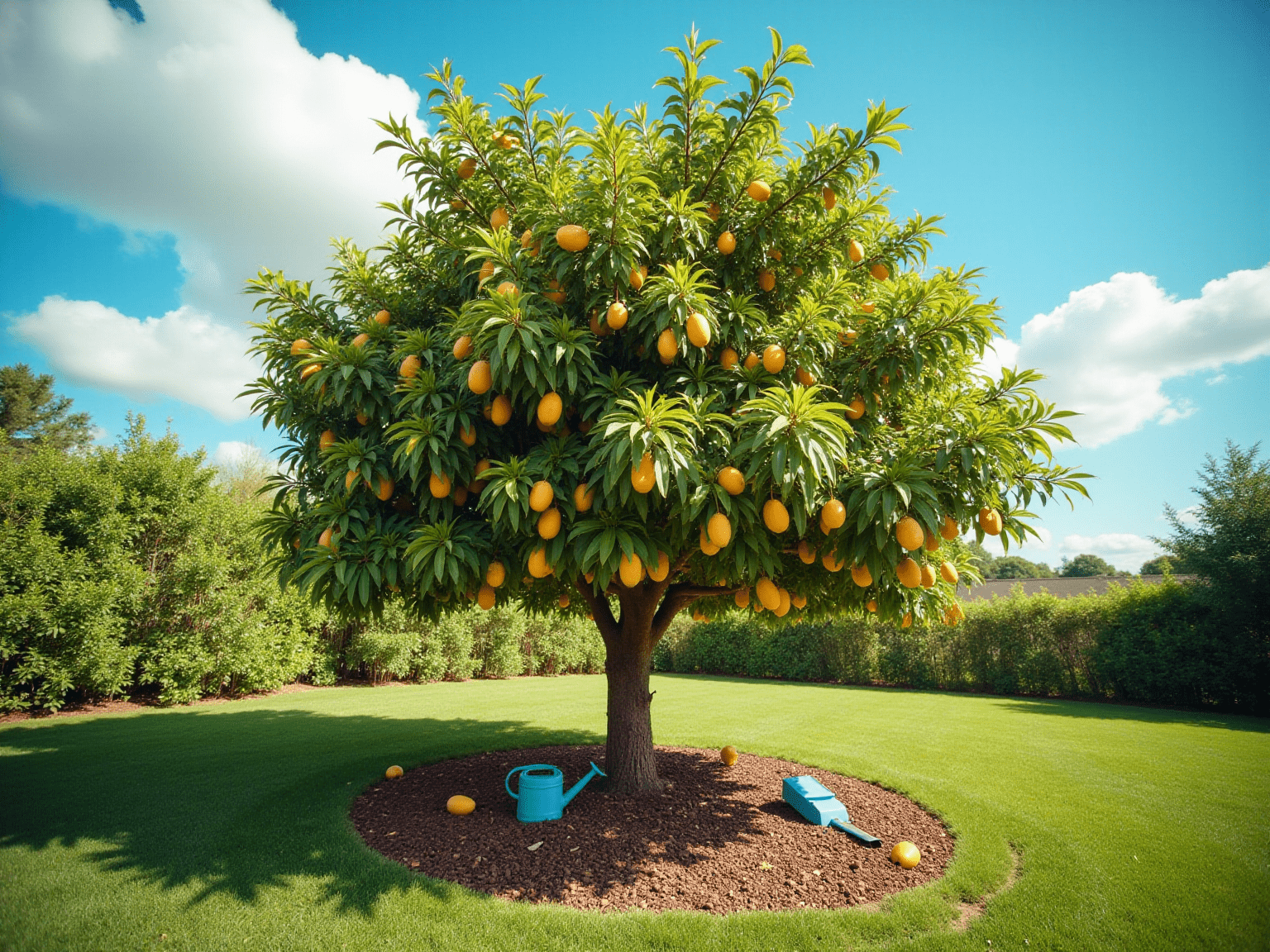
- In-ground: Best for long-term size and heavy crops. Space 10–15 ft from buildings/walkways.
- Container: Possible in large 25–50+ gallon pots for patios or Zone 9b growers who want mobility. Use a fast-draining mix (50% potting soil, 30% perlite, 20% compost). Note: It’s not a true “condo” dwarf, so expect to repot or prune regularly to keep it compact.
Pro tip: Test your soil drainage by digging a 12-inch hole and filling it with water. If it drains in under 30 minutes, you’re golden!
Step-by-Step Planting Guide for Your Coconut Cream Mango Tree 🌱🪴
Planting correctly sets your tree up for a lifetime of sweet success. Here’s the expert method that minimizes transplant shock and speeds fruiting.
H3: Grafted vs Seed-Grown Trees – Why Grafted Wins for Fast Fruit Always choose a grafted tree! Seed-grown Coconut Cream can take 5–7+ years to fruit and may not stay true to type. Grafted trees (on vigorous rootstock) often fruit in just 2–3 years and produce reliable, high-quality crops.
H3: Best Time to Plant + Where to Buy Healthy Stock Spring or early summer (after last frost) is perfect. Shop from reputable tropical nurseries—look for healthy, 3–7 gallon grafted trees with straight trunks, vibrant leaves, and no signs of pests.
H3: In-Ground Planting Instructions (Spacing 10–15 ft)
- Dig a hole twice as wide as the root ball but only as deep.
- Gently loosen roots and place the graft union 2–3 inches above soil level.
- Backfill with native soil + compost (no fertilizer at planting!).
- Water deeply and add 3–4 inches of organic mulch (keep 4 inches away from trunk).

H3: Container Planting for Patios & Small Yards (Pot size, soil mix recipe) Use a 25-gallon+ pot with drainage holes. Mix: 40% high-quality potting soil, 40% perlite/pumice, 20% compost + slow-release fertilizer. Water thoroughly after planting and place in full sun.
Pro Tip Box 🌬️: Handle the root ball carefully and stake young trees for the first year to protect against wind. Your new Coconut Cream mango tree will thank you with explosive spring growth!
Watering, Feeding & Mulching Routine for Explosive Growth 💧🌿
Proper watering, nutrition, and mulching are the foundation of a healthy, productive Coconut Cream mango tree. Get these right and your tree will grow vigorously, flower reliably, and deliver those dreamy coconut-cream flavored fruits year after year.
H3: Watering Schedule – From Establishment to Mature Tree Young trees (first 1–2 years) need consistent moisture to establish strong roots. Water deeply 2–3 times per week during the dry season, ensuring the water reaches 12–18 inches deep. Once established, mature trees are quite drought-tolerant but perform best with deep watering every 7–10 days during hot, dry periods.
In containers, check soil moisture daily — water when the top 2 inches feel dry. Avoid overwatering, as soggy roots lead to rot. A simple trick: Insert a screwdriver into the soil; if it comes out clean and dry, it’s time to water.
Here’s a quick seasonal watering guide:
- Spring/Summer (growth & fruiting): Deep water 2–3x/week for in-ground; daily checks for pots.
- Flowering period: Slightly reduce watering to stress the tree lightly — this encourages better fruit set!
- Winter (dormancy): Water sparingly, only when soil is dry.
H3: Fertilizer Guide & Seasonal Feeding Calendar 📅 Coconut Cream mango trees are moderate feeders. Use a balanced fertilizer with micronutrients (especially magnesium, iron, and zinc) to prevent deficiencies common in tropical soils.
Recommended approach:
- Young trees (1–3 years): Apply a slow-release 8-3-9 or 10-10-10 formula every 2–3 months during the growing season. Start with ¼ lb and gradually increase.
- Mature fruiting trees: Feed 3–4 times per year — early spring (pre-bloom), after fruit set, and post-harvest with a low-nitrogen, high-potassium mix (e.g., 0-0-22 or 8-3-9 with micros).
Organic options like composted manure, fish emulsion, or seaweed kelp work wonderfully too. Always water thoroughly after feeding to avoid root burn.
Seasonal Feeding Calendar (for Zones 9b–11):
- Late Winter/Early Spring: Balanced fertilizer + foliar micronutrients to support blooming.
- After Flowering: High-potassium formula to fuel fruit development.
- Post-Harvest (Summer/Fall): Low-nitrogen feed to strengthen roots for next season.
- Avoid: High-nitrogen fertilizers during flowering or late summer — they promote leafy growth at the expense of fruit.
H3: Mulching Magic – How It Saves Water & Feeds Your Tree 🪵 Apply 3–4 inches of organic mulch (wood chips, pine bark, or coconut coir) in a wide ring around the tree, keeping it 4–6 inches away from the trunk. Mulch conserves moisture, suppresses weeds, moderates soil temperature, and slowly adds nutrients as it breaks down. Replenish every 6–12 months.
Expert Insight: The #1 rookie mistake is over-fertilizing young trees or feeding during bloom drop. Stick to the schedule above and your Coconut Cream mango tree will reward you with healthier growth and sweeter harvests! 🥭
Pruning & Training Techniques for Bigger Harvests ✂️🌳
Pruning isn’t just about looks — it’s essential for airflow, light penetration, and higher fruit yields. The Coconut Cream mango tree has a naturally spreading, open canopy that responds beautifully to thoughtful pruning.
H3: When to Prune for Shape & Productivity The best time is right after harvest (late summer or early fall) when the tree is less stressed. Light shaping can also be done in late winter before new growth, but avoid heavy cuts during flowering or fruiting.
H3: Step-by-Step Pruning for Open Canopy & Dwarfing
- Remove dead, damaged, or crossing branches.
- Thin out crowded interior growth to improve airflow (reduces disease risk).
- Cut back overly vigorous upright shoots to encourage lateral branching.
- For container or small-space trees: Maintain height at 10–15 ft by heading back main leaders annually.
Aim for an open vase shape that allows sunlight to reach inner branches. A well-pruned Coconut Cream tree can stay compact while producing more fruit than an unpruned one.
H3: Training Young Trees for Small Spaces or Espalier In the first 2–3 years, gently tie branches to stakes or a trellis to create a strong framework. This is especially helpful for patio growers or those in windy areas. Espalier training (flat against a wall) works well in limited spaces and looks stunning!
Flowering, Pollination & Fruit Set Mastery 🌸🍯
Getting consistent blooms and fruit set is often the biggest hurdle for new mango growers. The Coconut Cream variety is known for good productivity once established.
H3: How to Trigger Reliable Blooms Every Year Mangoes flower best after a period of dry/cool weather in late winter. Reduce watering slightly in early spring and avoid excess nitrogen. A mild dry spell (combined with cool nights) signals the tree to shift from vegetative growth to reproduction.
H3: Pollination Tips (Bees, Hand-Pollination for Higher Yields) Mango flowers are self-fertile but benefit hugely from pollinators. Plant nectar-rich flowers nearby (marigolds, basil, or tropical blooms) to attract bees and butterflies. On windy or low-bee days, gently shake branches or use a soft brush for hand-pollination.
H3: Dealing with Fruit Drop Naturally Some early fruit drop is normal (the tree thins its own crop). If excessive, check for water stress, nutrient imbalance, or anthracnose. Consistent care usually resolves it.
Common Pests, Diseases & Organic Solutions 🐛🛡️
The Coconut Cream mango tree stands out with good to excellent resistance to anthracnose — a major advantage in humid climates where other varieties struggle. Still, vigilance pays off.
H3: Anthracnose Resistance & Prevention (This Variety’s Superpower) Thanks to its breeding, Coconut Cream handles wet weather better than many Florida mangos. Prevent outbreaks with good airflow, avoiding overhead watering, and copper-based sprays during rainy seasons if needed.
H3: Powdery Mildew, Aphids, Scale & Other Threats
- Powdery Mildew: White powdery coating on new growth — treat with neem oil or sulfur sprays.
- Aphids & Scale: Sap-sucking insects that cause distorted leaves. Blast with water or apply insecticidal soap/neem.
- Other issues: Watch for thrips (silvery scars on leaves) and occasional borers.
H3: Integrated Pest Management (IPM) Calendar + Safe Sprays Use a proactive IPM approach: Monitor weekly, encourage beneficial insects, and use organic sprays only when necessary. A simple diagnostic chart helps:
- Yellowing leaves → Possible magnesium/iron deficiency or overwatering → Apply foliar micronutrients.
- Black spots on fruit/leaves → Anthracnose → Improve airflow + copper spray.
- Sticky leaves → Aphids/scale → Neem oil.
With its natural disease tolerance and these organic methods, your Coconut Cream mango tree can stay healthy without harsh chemicals.
Harvesting, Ripening & Enjoying Your Sweet Coconut Cream Mangoes 🍓🥭🥥
The moment you’ve been waiting for — harvesting those luscious, fiberless fruits with their signature coconut-cream aroma! Timing is everything with the Coconut Cream mango tree to capture peak sweetness and that dreamy pina colada-like scent.
H3: When & How to Pick for Peak Flavor Coconut Cream is a mid-season variety, typically ripening June–July in Florida and mid-July to early September in warmer parts of California or similar climates. Pick when the fruit is mature but not fully soft on the tree.
Look for these reliable signs:
- Skin turns from dark green to bright golden-yellow, often with a lovely pink-orange or crimson blush.
- The area around the stem (shoulders) fills out and begins turning yellow.
- Fruit releases a fragrant, tropical, subtly citrusy scent reminiscent of a pina colada.
- Slight softening and small beads of sap may appear.
- Gentle tug test: If the stem snaps easily or the fruit drops with a light touch, it’s ready!
Use pruning shears or a long harvesting pole with a basket for higher branches. Wear gloves — mango sap can irritate skin. Harvest in stages, as fruits don’t ripen uniformly.
H3: Off-Tree Ripening Tricks Coconut Cream mangoes ripen beautifully off the tree in 3–10 days. Place them in a paper bag at room temperature (70–80°F / 21–27°C) with a ripe banana or apple to speed ethylene production. Check daily — they soften quickly once started.
For slower, more even ripening, store at cooler room temps. Avoid the refrigerator until fully ripe, as cold can dull the delicate coconut notes.
H3: Storage, Freezing & Delicious Recipe Ideas
- Short-term: Ripe fruits last 2–5 days in the fridge.
- Freezing: Peel, cube the fiberless flesh, and freeze on a tray before transferring to bags. Perfect for smoothies, sorbets, or coconut cream mango ice cream!
- Recipe ideas: Blend into creamy smoothies with coconut milk, make fresh salsa with lime and chili, or whip up a no-churn mango-coconut ice cream. The melt-in-your-mouth texture shines in desserts where its subtle coconut essence can really shine.
A mature, well-cared-for Coconut Cream mango tree can yield 100–200+ pounds of fruit annually — enough to share with neighbors and still enjoy plenty yourself!
Advanced Propagation: Grow More Trees for Free! 🌱🌳
Once your tree is thriving, why not multiply the bounty?
Air-layering is the most reliable home method for true-to-type plants. In spring or early summer:
- Choose a healthy 1-year-old branch (pencil-thick).
- Make a 1-inch ring cut, remove bark, and apply rooting hormone.
- Wrap with moist sphagnum moss and plastic, securing tightly.
- Keep moist; roots usually form in 4–8 weeks.
- Cut below the new roots and pot up carefully.
Grafting onto hardy rootstock is another pro technique for faster fruiting. Seed propagation is possible but not recommended — seedlings take longer (5–7+ years) and may not match the parent’s exceptional flavor or disease resistance.

Troubleshooting: Fix Common Problems Fast ⚠️🔧
Even the best Coconut Cream mango trees can hit snags. Here’s a quick diagnostic guide:
- Yellow leaves: Often magnesium or iron deficiency (common in alkaline soils) or overwatering. Apply foliar chelated micronutrients and ensure excellent drainage.
- No fruit or poor set: Insufficient dry/cool stress before bloom, excess nitrogen, or poor pollination. Reduce water slightly in late winter and encourage bees.
- Stunted growth: Compacted soil, nutrient lockout, or root issues. Test soil pH and amend accordingly.
- Leaf drop or spots: Could be mild anthracnose or powdery mildew. Improve airflow and apply organic sprays preventively.
Consistent care following this guide usually resolves most issues within one season.
Expert Pro Tips from Tropical Fruit Growers 💡
As someone who has grown dozens of mango varieties over 15+ years, here are my top insider secrets for Coconut Cream success:
- Plant near a reflective south wall in marginal zones for extra heat.
- Companion plant with marigolds or basil to deter pests naturally.
- Use a light hand with nitrogen after the tree reaches 6–8 ft — focus on potassium for fruit quality.
- Protect young trees from cold snaps with frost cloth or move potted ones indoors.
- Harvest a little early and ripen indoors for the cleanest, sweetest flavor with minimal sap burn.
- Mulch heavily but refresh annually to maintain soil biology.
- Prune lightly every year rather than heavily every few years for steady production.
- Track your tree’s performance in a simple journal — weather, feeding, and yields help refine your routine.
- In humid areas, prioritize airflow over dense canopy.
- Enjoy the journey — your first homegrown Coconut Cream mango will taste better than any store-bought fruit!
Frequently Asked Questions About Coconut Cream Mango Trees ❓
Q: Can I grow a Coconut Cream mango tree in a pot? A: Yes! Use a large 25–50+ gallon container with excellent drainage. It stays more manageable (10–15 ft with pruning) and is ideal for patios or colder microclimates where you can move it during freezes.
Q: How long until my Coconut Cream mango tree produces fruit? A: Grafted trees often fruit in 2–3 years. Seed-grown can take 5–7+ years and may vary in quality.
Q: Is the Coconut Cream mango cold hardy? A: It performs best in Zones 10–11 but can handle brief dips to 28–30°F with protection. Young trees need extra care in Zone 9b.
Q: Where can I buy a genuine grafted Coconut Cream mango tree? A: Reputable tropical fruit nurseries specializing in Florida varieties (look for certified, disease-free stock). Avoid unmarked seedlings.
Q: Does it really taste like coconut cream? A: Yes — it has a rich, sweet mango base with distinct creamy coconut notes and a pina colada-like aroma when perfectly ripe. The flesh is completely fiberless and melts in your mouth (around 21 Brix sweetness).
Q: How resistant is it to anthracnose? A: Good to excellent compared to many varieties, making it suitable for humid coastal and interior gardens with proper airflow.
Q: What’s the best fertilizer for fruit production? A: A balanced slow-release with micronutrients in spring, shifting to high-potassium after flowering. Organic options like compost tea work well too.
Q: Can the fruit be eaten green? A: It’s best when fully ripe for that signature creamy sweetness, but some enjoy slightly firm fruit in salads.
Q: How much water does a mature tree need? A: Deep watering every 7–10 days in dry weather once established. Containers need more frequent checks.
Q: Why is my tree dropping fruit? A: Normal thinning early on, or stress from inconsistent watering/nutrients. Stabilize care and it usually improves.
Q: Is the tree self-fertile? A: Yes, but yields improve with pollinators nearby.
Q: How big do the fruits get? A: Small to medium (8–16 oz / 330–600g), oval-oblong with golden-yellow skin and vibrant orange flesh.
Q: Any special storage tips for long shelf life? A: Pick slightly mature-green and ripen indoors for better control. Ripe fruit keeps 3–5 days refrigerated.
Conclusion: Your Journey to Sweet Home Harvests Starts Now 🎉🥭🌴
You now have a complete, expert-level roadmap for growing a thriving Coconut Cream mango tree — from choosing the right site and planting correctly to mastering watering, pruning, pest management, and harvesting those unforgettable coconut-cream flavored fruits.
This variety’s fiberless texture, rich sweetness, and good disease resistance make it one of the most rewarding choices for home gardeners in tropical and subtropical areas. With patience and the practices outlined here, your tree can deliver years of abundant, gourmet-quality harvests right outside your door.
Ready to plant your own? Grab a healthy grafted tree, follow these steps, and watch the magic unfold. Share your Coconut Cream mango journey (and photos!) in the comments below — I’d love to see your success stories!
For even more tropical tree care resources, download our free Mango Care Checklist and explore other guides on our site. Happy growing — may your backyard soon overflow with sweet home harvests! 🥥🍦🥭











