
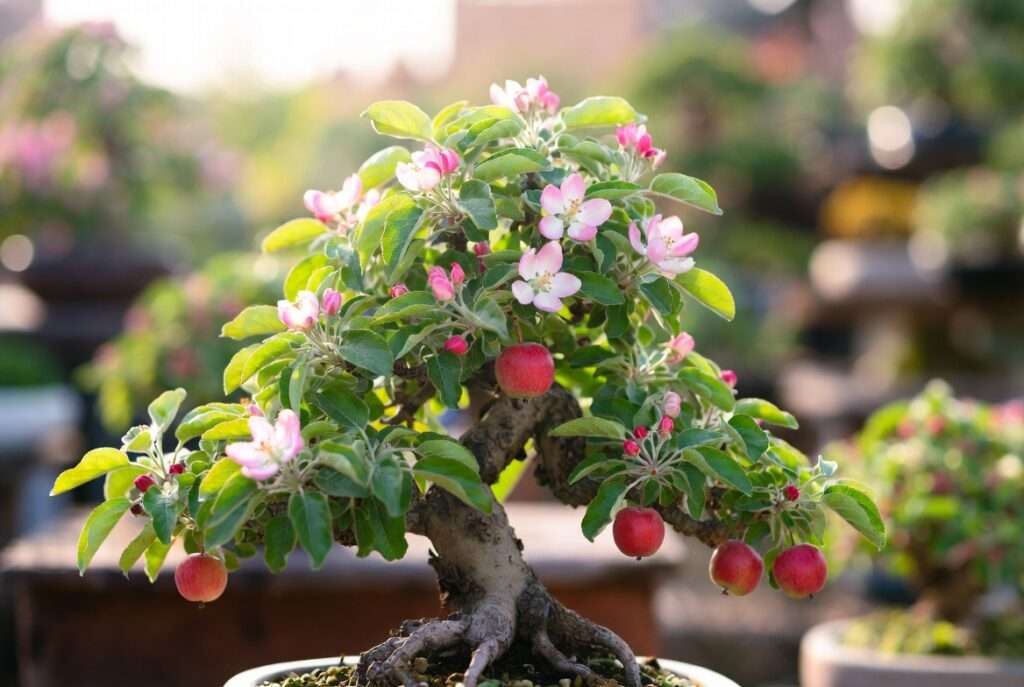
Imagine stepping onto your balcony on a crisp spring morning and spotting clusters of delicate pink blossoms on a perfectly sculpted miniature tree — then, a few months later, picking your very own sweet, bite-sized apples straight from the branch. No sprawling orchard required. That’s the pure joy of owning an apple bonsai tree.
Whether you’re a city dweller craving edible homegrown fruit or a bonsai enthusiast ready to add a fruiting twist to your collection, this comprehensive guide is your complete roadmap. With over 10 years of hands-on experience growing fruiting bonsai (including multiple apple varieties that have produced reliable harvests year after year), I’ve refined these techniques to help beginners and advanced growers alike succeed. Backed by proven methods from bonsai masters and real-world testing in varied climates, this article solves the biggest pain points: poor fruit set, weak branching, winter die-back, and that frustrating “all leaves, no apples” problem.
By the end, you’ll know exactly how to grow, prune, and harvest from your own thriving apple bonsai tree — turning a tiny pot into a miniature edible orchard. Let’s dive in! 🪴
What Is an Apple Bonsai Tree and Why It’s Perfect for Modern Homes 🪴🍏
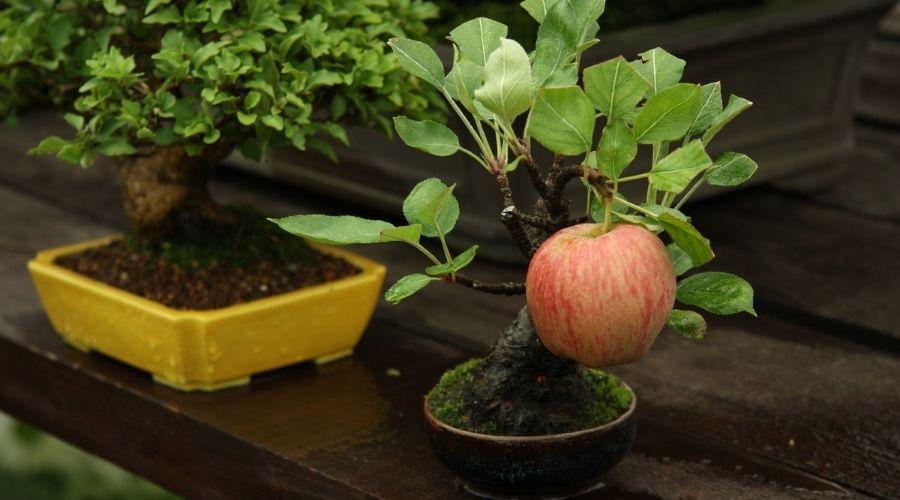
An apple bonsai tree is a dwarfed version of the classic Malus species, carefully trained and pruned to stay under 1–3 feet tall while still producing real (though smaller) blossoms and edible fruits. Unlike full-size apple trees that demand acres of space and years of waiting, these living miniatures deliver beauty and bounty in a compact pot.
The magic lies in bonsai techniques: root pruning, selective wiring, and strategic pinching keep the tree small without sacrificing its natural fruiting ability. Many varieties bloom with stunning pink-white flowers in spring, followed by tiny apples the size of cherries or golf balls — perfect for snacking, garnishes, or even tiny pies!
Why modern growers love them:
- Space-saving urban gardening 🌆
- Therapeutic, mindful hobby that reduces stress
- Year-round visual interest: flowers, fruit, colorful autumn foliage, and sculptural bare branches in winter
- Edible decor that actually feeds you
| Feature | Apple Bonsai Tree | Full-Size Apple Tree | Other Fruit Bonsai (e.g. Fig, Citrus) |
|---|---|---|---|
| Mature Height | 1–3 feet | 15–30 feet | 1–4 feet |
| Time to First Fruit | 2–4 years | 3–5 years | 1–3 years |
| Fruit Size | Mini (cherry to golf ball) | Standard | Varies |
| Space Needed | Small pot or windowsill | Large yard | Similar to apple bonsai |
| Hardiness | Excellent (many zones 4–9) | Good | Often less cold-tolerant |
This comparison shows why the apple bonsai tree stands out for home growers who want both art and harvest.
Choosing the Best Apple Varieties for Bonsai Success 🌟
Not every apple variety thrives as a bonsai — success depends on fruit size, bloom beauty, disease resistance, and how well it responds to pruning. After testing dozens, here are my top recommendations:
Beginner-Friendly Crabapples (Highly Recommended):
- Malus ‘Everest’ — Prolific tiny red fruits, gorgeous white-pink blooms, very hardy. Perfect first apple bonsai tree.
- Malus floribunda — Japanese crabapple with cascading flowers and abundant small fruit. Excellent for cascade styling.
- Malus toringo — Compact growth, vibrant fall color, and reliable mini apples.
Ornamental & Dwarf Types:
- Malus x zumi — Strong branching, beautiful form, and sweet-tasting small fruits.
- Grafted multi-variety specimens — One tree with 2–3 different apples for extended harvest and visual variety!
Expert Tip: Look for trees already partially styled or grafted on dwarfing rootstock (like M.9 or M.27). Avoid overly vigorous standard varieties that fight hard against dwarfing. 🌱
Quick Variety Checklist for Your Space:
- Cold climate? Choose hardy crabapples.
- Indoor-only? Select lower-chill varieties.
- Want big flavor? Go for sweeter grafted options.

How to Start Your Apple Bonsai Tree – From Seed to Showpiece 🌱
Starting strong sets the foundation for years of success. Here are the three best propagation methods:
1. From Seed (Most Rewarding, Longest Wait)
- Collect fresh seeds from ripe mini apples.
- Cold stratify: Mix with moist sand, store in fridge for 90–120 days.
- Sow in spring; expect germination in 4–6 weeks.
- Timeline to first fruit: 4–6 years.
2. Cuttings & Air-Layering (Faster Results)
- Take semi-hardwood cuttings in early summer.
- Use rooting hormone and keep in high humidity.
- Air-layering on an existing branch gives you a ready-to-style plant in one season.
3. Grafting (Best for Quick Fruiting)
- Whip-and-tongue or cleft grafting onto dwarf rootstock.
- Many nurseries sell pre-grafted apple bonsai starters — my favorite shortcut for beginners!
When buying a young tree, inspect for healthy roots, no pests, and strong nebari (root flare). Repot immediately into proper bonsai soil if it’s in nursery mix.
Pro Insight: I always recommend starting with a 2–3 year old pre-bonsai. It shortens the wait and teaches you styling faster.
Creating the Ideal Growing Environment 🌞
Apple bonsai trees crave full sun — at least 6–8 hours of direct sunlight daily for strong flowering and fruit set.
Indoor vs Outdoor Placement:
- Outdoor (Ideal): Balcony, patio, or garden. Protect from harsh afternoon sun in very hot climates.
- Indoor: South-facing windowsill with grow lights (full-spectrum LED, 12–14 hours). Rotate weekly for even growth.
Temperature & Hardiness: Most apple bonsai tolerate USDA zones 4–9. They need a true winter dormancy (30–45 days below 45°F/7°C) to set flower buds. In warmer areas like Dhaka, provide a cool spot or brief fridge dormancy simulation.
Humidity & Airflow: 60–70% humidity prevents spider mites. Use a pebble tray or small humidifier indoors, but ensure good airflow to avoid fungal issues.
Seasonal Positioning Guide:
- Spring/Summer: Bright, sheltered spot.
- Fall: Gradual hardening off.
- Winter: Frost protection (unheated garage or wrapped pot) or indoors with bright light.
Soil, Potting, and the Foundation of Healthy Roots 🪨
Standard garden soil is a death sentence for bonsai — it compacts and suffocates roots.
My Proven Bonsai Soil Mix Recipe (for Apple Bonsai):
- 40% Akadama (for water retention & structure)
- 30% Pumice (excellent drainage & aeration)
- 20% Lava rock (mineral stability)
- 10% Organic matter (pine bark or compost for nutrients)
This mix drains fast yet holds just enough moisture — critical for preventing root rot while feeding vigorous growth.
Choosing the Right Pot:
- Unglazed ceramic or shallow bonsai pots for classic look.
- Ensure excellent drainage holes.
- Size: Roots should fill 70–80% of the pot before repotting.
Initial Setup:
- Soak new soil mix 24 hours.
- Gently tease out old soil from roots.
- Position tree slightly off-center for dynamic styling.
- Secure with wire if needed.

Expert Tip: Developing strong nebari in the first repotting session makes your apple bonsai tree look mature years ahead of schedule.
Watering Mastery – Never Overwater or Underwater Again 💧
Watering is the most common reason apple bonsai trees struggle or die. Get this right, and your tree will reward you with healthy growth and abundant mini fruits.
The Golden Rule: Water thoroughly when the top 1–2 inches of soil feels dry, but never let the tree sit in standing water.
How to Check Soil Moisture Like a Pro:
- Finger Test: Insert your finger 1–2 inches deep. If it feels dry, water.
- Weight Method: Lift the pot. Light = time to water; heavy = still moist.
- Chopstick Trick: Insert a wooden chopstick; if it comes out clean and dry, water immediately.
Seasonal Watering Schedule:
- Spring (Bloom & Growth): Water daily or every other day as buds swell and flowers appear. Keep soil evenly moist but not soggy.
- Summer (Fruit Development): Increase frequency during hot weather. Morning watering is best to reduce evaporation and prevent leaf scorch.
- Fall: Gradually reduce as growth slows.
- Winter (Dormancy): Water sparingly — just enough to prevent the soil from completely drying out. Overwatering during dormancy is a major cause of root rot.
Pro Tips to Avoid Common Mistakes:
- Use room-temperature water (avoid cold shock).
- Water until it drains freely from the bottom holes — this ensures deep root hydration.
- In hot, dry climates or indoors with AC, mist the foliage lightly in the morning.
- For busy growers: Consider a self-watering wick system or humidity tray during travel.
Warning Signs:
- Yellow leaves + wet soil = overwatering → improve drainage and reduce frequency.
- Wilting + dry, crumbly soil = underwatering → soak the entire pot in a basin for 15–20 minutes.
Mastering watering will solve 70% of beginner problems with your apple bonsai tree.
Fertilization Schedule for Vibrant Growth and Bountiful Fruit 🧪
Proper feeding is essential for strong branches, beautiful blooms, and sweet mini apples. Apple bonsai trees are hungry during active growth but need a balanced approach.
Recommended Fertilizers:
- Organic options: Compost tea, fish emulsion, or slow-release bonsai pellets.
- Balanced liquid fertilizer (NPK 10-10-10) in spring.
- Low-nitrogen, high-phosphorus/potassium (e.g., 5-10-10 or 0-10-10) during summer for better flowering and fruit.
Monthly Feeding Calendar:
- Early Spring (Bud Break): High-nitrogen fertilizer to support leafy growth.
- Late Spring to Early Summer: Switch to balanced fertilizer as flowers appear.
- Mid to Late Summer: High-potassium formula to develop fruit size and sweetness.
- Fall: Light feeding or none — allow the tree to harden off.
- Winter: No fertilizer during dormancy.
Expert Insight: Over-fertilizing with too much nitrogen produces lush leaves but few flowers or fruits. I recommend cutting fertilizer strength by half the first year until you learn your tree’s response.
Application Tips:
- Always fertilize on moist soil.
- Flush the soil every 4–6 weeks with plain water to prevent salt buildup.
- Organic fertilizers are gentler and improve soil biology over time.
Pruning and Training Techniques – Shape, Strengthen, and Boost Fruit 🍃✂️
Pruning is where your apple bonsai tree transforms from a simple plant into living art — and where fruit production dramatically improves.
Best Timing:
- Winter (Dormant Pruning): Major structural pruning when the tree is leafless (December–February).
- Summer (Maintenance Pruning): Pinch new growth, remove crossing branches, and shape as needed.
Step-by-Step Pruning Guide:
- Remove dead, damaged, or diseased branches first.
- Cut back long shoots to 2–4 buds to encourage branching.
- Thin out dense areas to improve light and air penetration — crucial for flower buds.
- For fruiting: Keep fruiting spurs (short, stubby branches) and remove overly vigorous upright shoots.
Wiring for Classic Bonsai Styles:
- Use aluminum or copper wire (size 1–4 mm depending on branch thickness).
- Wire in spring when branches are flexible.
- Popular styles for apple bonsai: Informal upright (Moyogi), Slanting (Shakan), and Semi-cascade.
- Remove wire after 6–12 months or when it starts biting into bark.
Techniques to Boost Fruit Production:
- Balance vegetative growth with reproductive growth by pinching tips.
- Defoliation (partial in mid-summer) can encourage more flower buds the following year.
- Annual fruit thinning: Remove excess young fruits so the remaining ones grow larger and sweeter.
Pro Tip: Never remove more than 30% of the foliage in one session to avoid stressing the tree.
Repotting and Root Pruning – The Secret to Longevity 🌿
Repotting every 2–3 years keeps your apple bonsai tree healthy and compact for decades.
When to Repot:
- Roots circling the pot or emerging from drainage holes.
- Soil draining too slowly or tree showing signs of nutrient deficiency.
- Best time: Early spring just before bud break.
Step-by-Step Repotting Tutorial:
- Prepare fresh bonsai soil mix.
- Gently remove the tree from its pot.
- Use root hooks or chopsticks to comb out old soil.
- Prune roots: Trim thick roots and remove about 1/3 of the root mass.
- Position the tree in the new pot, add soil, and tamp down firmly.
- Water thoroughly and place in indirect light for 1–2 weeks.
Tools Checklist:
- Bonsai root hook, sharp pruning shears, wire cutters, chopsticks.
After repotting, reduce watering slightly and avoid fertilizer for 3–4 weeks while roots recover.
Year-Round Seasonal Care Calendar 📅
A consistent seasonal routine is the backbone of a thriving, fruit-producing apple bonsai tree. Follow this expert calendar tailored for both temperate and warmer climates (including regions like Bangladesh with mild winters).
Spring (March–May): Awakening & Blooming Season 🌸
- Gradually increase watering as buds swell.
- Apply balanced fertilizer once new growth appears.
- Protect delicate blossoms from late frost or heavy rain.
- Light pruning: Remove only weak or crossing branches.
- Watch for aphids on new tender shoots.
Summer (June–August): Growth & Fruit Development ☀️
- Full sun exposure (6–8+ hours).
- Water more frequently during heatwaves.
- Switch to high-potassium fertilizer to support fruit swelling.
- Summer pruning: Pinch back excessive new growth to maintain shape.
- Monitor for spider mites and powdery mildew in humid conditions.
Fall (September–November): Harvest & Hardening Off 🍂
- Reduce nitrogen; focus on potassium-rich feeding early in the season.
- Harvest ripe mini apples when they reach full color and detach easily.
- Gradually reduce watering as leaves change color.
- Prepare for dormancy: Move to a sheltered spot if nights turn cold.
Winter (December–February): Dormancy & Protection ❄️
- Minimal watering — only when soil is very dry.
- No fertilizer.
- Provide 30–45 days of cool temperatures (below 45°F/7°C) for proper flower bud formation.
- In warmer climates: Place in the coolest bright spot or simulate dormancy by keeping the tree in a cool room or garage.
- Protect roots from freezing by wrapping pots or moving indoors.
Climate-Specific Adjustments:
- Hot tropical areas (like Dhaka): Use afternoon shade in summer and ensure excellent airflow. Consider a short “forced” dormancy period in an air-conditioned room if natural chill hours are insufficient.
This calendar helps prevent common issues like no blossoms or weak fruit set by aligning care with the tree’s natural cycle.
Harvesting Mini Fruits from Your Apple Bonsai – Enjoy the Rewards! 🍎
One of the greatest joys of growing an apple bonsai tree is harvesting your own miniature apples! Expect the first small harvest in year 2–4, with heavier crops as the tree matures.
Signs Your Tree Is Ready to Fruit:
- Healthy, established structure (at least 3–4 years old).
- Abundant spring blossoms followed by small green fruitlets.
- Strong, balanced branches with good light exposure.
Fruit Thinning Technique:
- When fruitlets reach pea size, thin to 1–2 fruits per cluster.
- This prevents branch breakage and produces larger, sweeter mini apples.
Safe Harvesting Methods:
- Gently twist and pull ripe fruits when they turn red/orange and feel slightly soft.
- Harvest in the morning for best flavor.
- Use small, sharp scissors for stubborn fruits to avoid damaging spurs.
Creative Ways to Enjoy Your Mini Harvest:
- Eat fresh as a sweet snack.
- Make tiny apple jam or chutney.
- Use as elegant garnishes on desserts or cocktails.
- Dry slices for decorative wreaths or tea blends.
Pro Tip: Every 2–3 years, consider sacrificing most of the fruit to redirect energy into stronger branching and future bumper crops. Your patience will be rewarded with healthier trees and bigger yields long-term.
Troubleshooting Common Problems – Pests, Diseases, and Fixes 🛠️
Even experienced growers face challenges. Here’s a comprehensive troubleshooting guide based on years of real-world apple bonsai care.
Common Pests:
- Aphids: Tiny green/black insects on new growth. Solution: Spray with neem oil or insecticidal soap weekly.
- Spider Mites: Fine webbing and speckled leaves. Increase humidity and use miticide or strong water spray.
- Scale Insects: Hard bumps on branches. Scrape off manually and apply horticultural oil.
Common Diseases:
- Powdery Mildew: White powdery coating on leaves. Improve airflow, avoid overhead watering, and apply sulfur-based fungicide.
- Fire Blight: Blackened shoots that look scorched. Prune affected areas 6–8 inches below infection and disinfect tools.
- Rust: Orange spots on leaves. Remove infected foliage and use fungicide preventively in humid seasons.
Cultural Issues:
- Leaf Drop: Usually caused by sudden changes in light, temperature, or watering. Stabilize conditions gradually.
- No Flowers/Fruit: Insufficient winter chill, too much nitrogen, or poor light. Adjust fertilizer and ensure proper dormancy.
- Yellowing Leaves: Check for overwatering/root rot or nutrient deficiency. Improve drainage and test soil.
Quick-Reference Troubleshooting Table:
| Symptom | Likely Cause | Quick Fix |
|---|---|---|
| Yellow leaves | Overwatering / Root rot | Reduce water, improve drainage |
| No blossoms | Lack of chill hours | Provide cooler dormancy period |
| Sticky leaves | Aphids / Scale | Neem oil spray |
| Wilting | Underwatering | Soak pot thoroughly |
| Blackened shoots | Fire blight | Prune & disinfect |
Prevention is always better: Maintain good airflow, avoid over-fertilizing, and inspect your tree weekly.
Advanced Techniques for Expert-Level Apple Bonsai 🌟
Once you’ve mastered the basics, take your apple bonsai tree to the next level:
- Multi-Variety Grafting: Graft 2–3 different apple varieties onto one trunk for extended blooming and varied mini fruits on a single tree.
- Creating Fruiting Displays: Combine your apple bonsai with companion plants like moss, small ferns, or flowering ground covers in a larger tray for stunning garden features.
- Sustainability Tips: Collect and stratify your own seeds, propagate cuttings, and use fully organic fertilizers to create a closed-loop mini orchard.
- Styling Inspiration: Experiment with literati, windswept, or group plantings (multiple small apple bonsai together) for dramatic effect.
These advanced methods not only increase beauty but also boost long-term health and productivity.
Frequently Asked Questions (FAQs) ❓
Q: Can apple bonsai trees produce edible fruit indoors? A: Yes! With enough direct sunlight or strong grow lights and proper winter chill, many varieties will produce small, tasty apples even indoors.
Q: How long until my first harvest? A: Most grafted apple bonsai trees fruit within 2–4 years. Seed-grown trees may take 4–6 years.
Q: Is an apple bonsai safe for pets? A: Apple leaves and seeds contain small amounts of cyanide — keep out of reach of curious cats and dogs. The fruit itself is generally safe in moderation.
Q: What’s the best beginner variety? A: Malus ‘Everest’ or Malus floribunda crabapples are forgiving, beautiful, and reliable fruit producers.
Q: How do I care for it in a hot climate like Dhaka? A: Provide afternoon shade, excellent drainage, consistent humidity, and simulate dormancy in a cool indoor spot during winter.
Q: Can I keep my apple bonsai small forever? A: Yes — regular root and branch pruning keeps it miniature for decades with proper care.
Conclusion: Your Miniature Apple Orchard Awaits! 🎉
Growing an apple bonsai tree is far more than a hobby — it’s a rewarding journey that combines the art of bonsai with the satisfaction of harvesting your own miniature fruits. From choosing the right variety to mastering pruning, watering, and seasonal care, every step builds a healthier, more beautiful living sculpture that can produce apples for decades.
Remember: Patience and consistency are your greatest tools. Start small, observe your tree closely, and celebrate every new leaf, blossom, and tiny apple along the way.
Now it’s your turn — grab a healthy starter tree, follow this guide, and create your own miniature edible orchard. Share your progress in the comments below, tag us on social media with your apple bonsai photos, and subscribe for more expert plant care guides on fruiting bonsai, indoor gardening, and urban tree care.
Your tiny apple tree is waiting to thrive. Happy growing! 🌳🍎✨











