
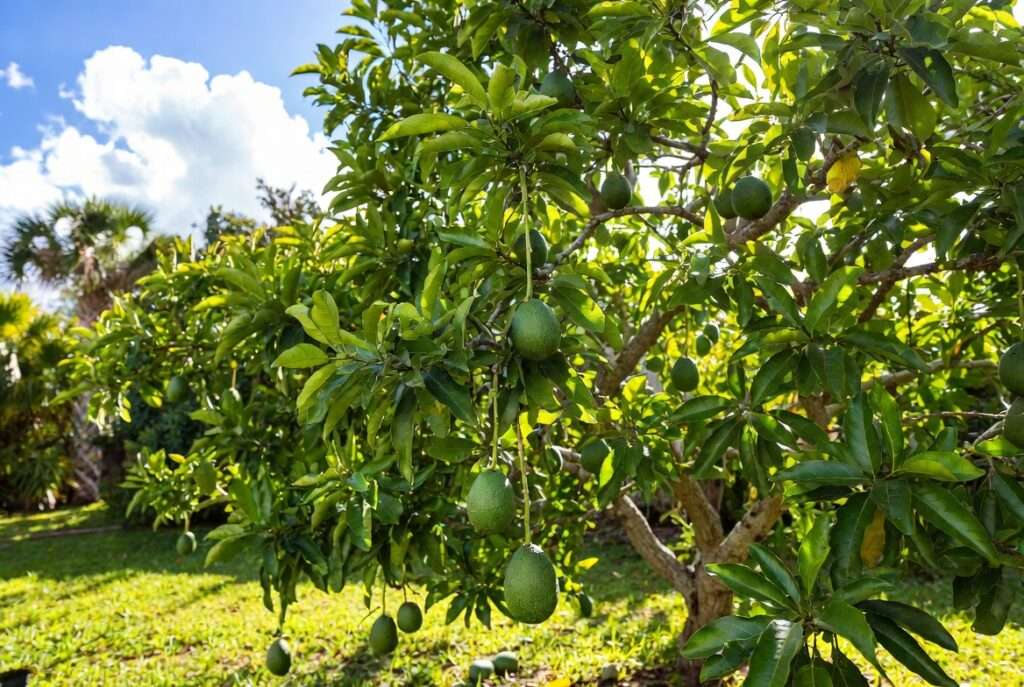
Imagine stepping into your Florida backyard on a sunny afternoon and picking a perfectly ripe, creamy avocado straight from your own tree—no grocery store trip required! 🥑 If you’re a Florida gardener tired of buying expensive, imported avocados that never quite taste as fresh as they should, a Florida avocado tree could be your game-changer. These subtropical beauties thrive in our warm, humid climate, delivering bountiful harvests year after year when cared for properly.
In this comprehensive guide, we’ll walk you through everything you need to know—from choosing the right variety to harvesting your first crop. Backed by the latest University of Florida IFAS research (including exciting new cold-hardy lines tested through the January 2026 freeze), these expert tips will help you avoid common pitfalls and enjoy bigger, healthier yields. Whether you’re in South Florida’s tropical zones or pushing the limits in Central or North Florida, this skyscraper guide solves the real frustrations of growing avocados here: poor drainage, pests, hurricanes, and unpredictable fruiting. Let’s grow some guacamole! 🌴

1. Why Florida Is a Paradise for Avocado Trees (and What Makes It Unique) ☀️
Florida’s USDA hardiness zones 8b–11 make it one of the best places in the U.S. to grow avocados at home. Our sandy soils, abundant sunshine, and long growing season are perfect for these fast-growing trees. South Florida’s near-tropical conditions suit West Indian types beautifully, while new UF/IFAS-bred cold-hardy varieties are now expanding possibilities into Central and North Florida.
Key benefits of growing your own Florida avocado tree:
- Fresh flavor explosion — Homegrown fruits are creamier and more flavorful than store-bought.
- Cost savings — One mature tree can produce 100–300+ avocados per season!
- Year-round potential — Different varieties stagger harvests from May through February.
- Eco-friendly wins — Less shipping, more backyard biodiversity, and shade for your yard.
Myth-busting time: No, avocados aren’t just for California. Florida has been growing them commercially for over a century, and home gardeners are seeing huge success with the right care. The biggest beginner mistake? Ignoring soil drainage—Florida’s sandy ground drains fast, but avocados hate “wet feet.” We’ll fix that below!
2. Choosing the Best Avocado Varieties for Florida Success 🏆
Not all avocados are created equal in the Sunshine State. Florida growers focus on three main types: West Indian (heat- and humidity-loving), Guatemalan-West Indian hybrids (versatile and productive), and Mexican types (more cold-tolerant).
Here’s a quick comparison of top UF/IFAS-recommended varieties for Florida home landscapes:
| Variety | Type | Fruit Size | Flavor & Texture | Harvest Window | Cold Tolerance | Why Florida Loves It |
|---|---|---|---|---|---|---|
| Simmonds | West Indian | Large | Mild, creamy | Jun–Sept | Low | Early producer, great for South FL |
| Lula | Hybrid | Medium | Rich, nutty | Oct–Jan | Moderate | Reliable heavy bearer |
| Monroe | West Indian | Very Large | Buttery, mild | Jul–Aug | Low | Hurricane-resistant structure |
| Donnie | West Indian | Medium | Smooth, excellent taste | May–Jun | Low | Earliest harvest! |
| Choquette | Hybrid | Large | Creamy, high quality | Oct–Feb | Moderate | Disease-resistant |
| Brogdon | Mexican hybrid | Medium | Nutty, high oil | Sept–Oct | High | Excellent cold-hardy option |
Expert insight: According to UF/IFAS, newer cold-hardy breeding lines survived 17°F in the 2026 freeze—game-changing for gardeners north of Orlando! Choose based on your zone: West Indian for South Florida, Brogdon or new UF lines for cooler spots. Pro tip: Plant at least two trees (A and B flower types) for better pollination and bigger crops.
Quick decision guide: South Florida? Go Simmonds or Choquette. Central/North? Try Brogdon or the latest UF/IFAS cold-hardy selections. Small yard? Opt for grafted dwarf varieties.
3. How to Plant a Florida Avocado Tree the Right Way 🌱
Timing is everything in Florida! The best time to plant is early in the rainy season (May–June) so summer rains help establish roots.
Step-by-step planting guide:
- Choose the site — Full sun (6–8 hours minimum), sheltered from strong winds. Space trees 20–30 feet apart.
- Soil prep — Florida’s sandy soils need help with drainage and nutrients. Test your soil (UF/IFAS Extension offices offer free/cheap tests). Amend with compost or well-rotted manure.
- Dig smart — Hole twice as wide as the root ball but only as deep. Plant high—slightly above ground level to prevent root rot.
- Backfill & water — Gently firm soil, water deeply, then add 3–4 inches of organic mulch (keep 6 inches away from trunk).
Container vs. in-ground: Perfect for patios or renters—use a 20+ gallon pot with excellent drainage.

Pro tip: Always buy grafted trees from reputable nurseries. Seed-grown trees take 8–10 years to fruit and may never match parent quality!
4. Watering, Sunlight & Fertilizing: The Foundation of Thriving Growth 💧
Avocado trees are thirsty but hate soggy roots—balance is key in Florida’s wet/dry seasons.
Watering schedule:
- Newly planted: Every other day for week 1, then 1–2 times weekly for first 2–3 months (UF/IFAS recommendation).
- Established trees: Deep soak during dry spells; let top 2 inches of soil dry between waterings. Rainy season? Usually no extra water needed.
Sunlight needs: Full sun is ideal, but young trees appreciate light afternoon shade cloth during scorching summers (above 95°F).
Fertilizing calendar:
- Young trees: Every 1–2 months with a balanced 6-6-6 or 8-3-9 fertilizer (plus magnesium for Florida soils).
- Mature trees: 3–4 applications per year, increasing as the tree grows.
Mulch heavily to retain moisture and suppress weeds. Drip irrigation or soaker hoses work wonders in humid subtropical climates.
Bonus hack: Over-fertilizing causes salt buildup—less is more!
5. Pruning and Training for Bigger Harvests and Healthier Trees ✂️
Pruning keeps your Florida avocado tree manageable (15–20 ft tall) and productive.
When to prune: After harvest (usually late winter/early spring) and lightly throughout the year.
Techniques:
- Remove dead, damaged, or crossing branches.
- Shape for an open center to improve airflow and light—huge help against diseases.
- Tip-prune young trees to encourage bushy growth.
Hurricane resistance: Keep trees shorter and balanced—strong winds can snap tall, lanky branches.
Common mistake to avoid: Heavy pruning in summer can stress the tree and reduce next season’s fruit.
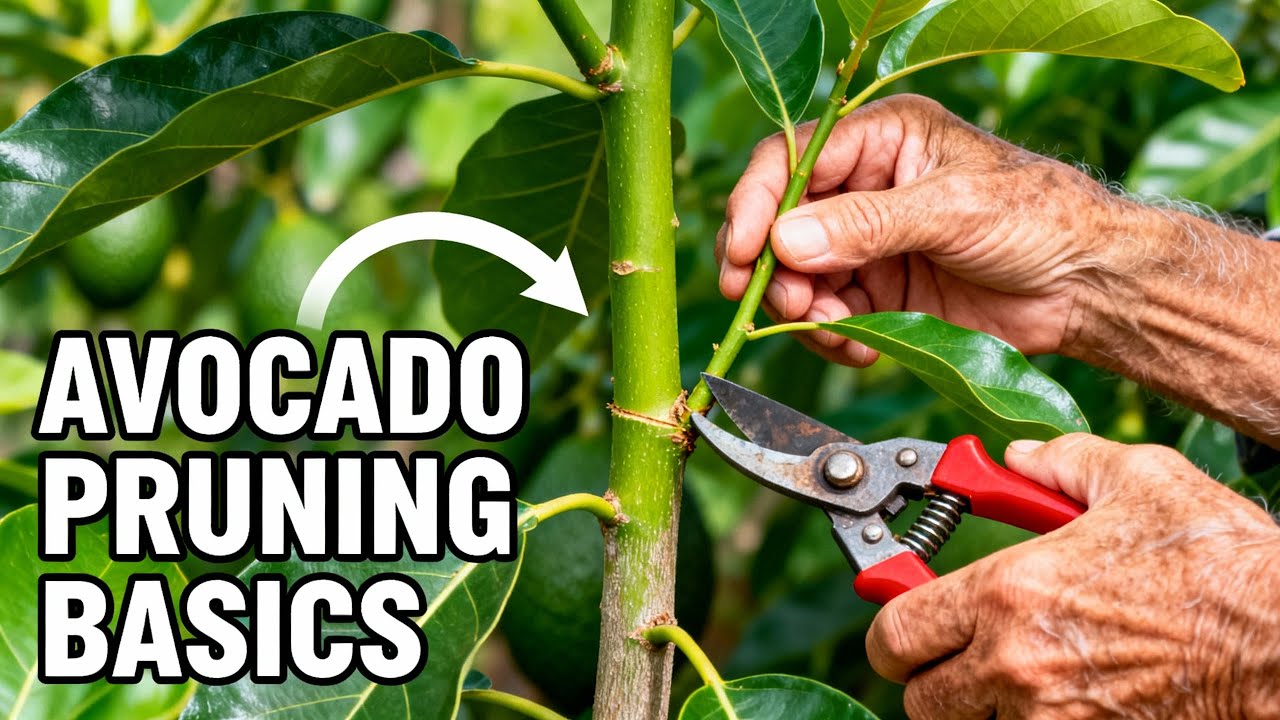
Your tree will thank you with more flowers, better fruit set, and easier harvesting!
6. Pest & Disease Management Made Simple for Florida Growers 🛡️
Florida’s warm, humid climate is a double-edged sword for Florida avocado trees—it promotes lush growth but also invites pests and diseases. The good news? With integrated pest management (IPM) and proactive steps recommended by UF/IFAS, you can keep problems under control without heavy chemical use.
Top pests in Florida avocado groves and backyards:
- Avocado lace bug (Pseudacysta perseae): Causes stippling and bronzing on leaves. Look for lace-like patterns on the underside.
- Mites (red, brown, bud mites): Fine webbing or distorted new growth.
- Thrips and scales: Distorted leaves and sticky honeydew.
- Ambrosia beetles: Entry holes with toothpick-like frass—major vectors for laurel wilt.
Organic and low-impact controls:
- Horticultural oils or insecticidal soaps for soft-bodied pests.
- Beneficial insects like ladybugs and lacewings.
- Neem oil as a preventive spray during flush growth.
- Companion planting with marigolds or basil to deter thrips.
Major diseases and prevention strategies:
- Phytophthora root rot: The #1 killer in poorly drained Florida soils. Prevention: Plant on mounds or raised beds, ensure excellent drainage, and avoid overwatering.
- Anthracnose: Causes sunken spots on ripening fruit. Control by managing other foliar diseases first and harvesting at the right time.
- Laurel wilt: A devastating fungal disease spread by ambrosia beetles. Symptoms include sudden wilting and dark streaking under bark. No cure once established—prompt removal of infected trees is critical. Monitor for beetle holes and use beetle traps or systemic treatments as recommended by UF/IFAS.
- Cercospora spot and scab: Fungal leaf/fruit spots common in rainy seasons. Copper-based fungicides applied preventively work well on susceptible varieties.
Integrated Pest Management (IPM) calendar tailored to Florida:
- Spring/Summer (rainy season): Monitor for lace bugs, thrips, and fungal spots. Apply preventive sprays before heavy rains.
- Fall/Winter: Check for mites and scale; prune out dead wood that harbors pests.
- Always start with cultural practices: proper spacing for airflow, mulch (but not touching trunk), and regular inspections.
Natural remedies and companion plants: Try garlic or chili sprays for mild infestations. Planting nectar-rich flowers nearby attracts predatory insects. For laurel wilt vigilance, remove any symptomatic branches immediately and report to your local UF/IFAS Extension office.
With these strategies, most home gardeners experience minimal losses. Early detection is your best friend!
7. Seasonal Care Guide: Month-by-Month Checklist for Florida Avocado Trees 📅
Florida’s distinct wet and dry seasons demand a tailored approach. Here’s your easy-to-follow calendar:
Spring (March–May):
- Fertilize as new growth emerges.
- Monitor for bloom pests and apply scab protection on susceptible varieties.
- Prune lightly after danger of frost passes.
Summer (June–August):
- Deep watering during dry spells between rains.
- Watch for anthracnose and Cercospora—apply fungicides if needed.
- Hurricane prep: Stake young trees, thin heavy branches, and secure with windbreaks.
Fall (September–November):
- Reduce fertilizer; focus on potassium for fruit development.
- Harvest early varieties; monitor for late-season pests.
- Prepare for potential cooler nights in Central/North Florida.
Winter (December–February):
- Minimal watering; protect from rare freezes with blankets or lights (especially new UF/IFAS cold-hardy lines that survived 17°F in 2026!).
- Prune after harvest for early varieties.
- Inspect for scale and mites on dormant trees.
Hurricane preparedness checklist (vital for every Florida grower):
- Trim weak branches months ahead.
- Mulch to stabilize soil.
- Have frost cloth or Christmas lights ready for freezes.
- Plant wind-resistant varieties like Monroe.
Bonus insight on climate trends: Recent UF/IFAS breeding focuses on cold-hardy lines that endured the January 2026 freeze. These advancements are expanding avocado growing zones northward while maintaining excellent fruit quality.
8. Harvesting, Ripening & Enjoying Your Florida Avocados 🍃
Knowing exactly when to pick is the secret to perfect homegrown avocados.
Visual and tactile cues:
- Fruit reaches full size and mature color (many Florida varieties stay green).
- Gentle shake test: A slight “click” or easy stem snap indicates readiness for many types.
- Stem test: If the stem pulls easily and the flesh underneath is creamy, it’s time.
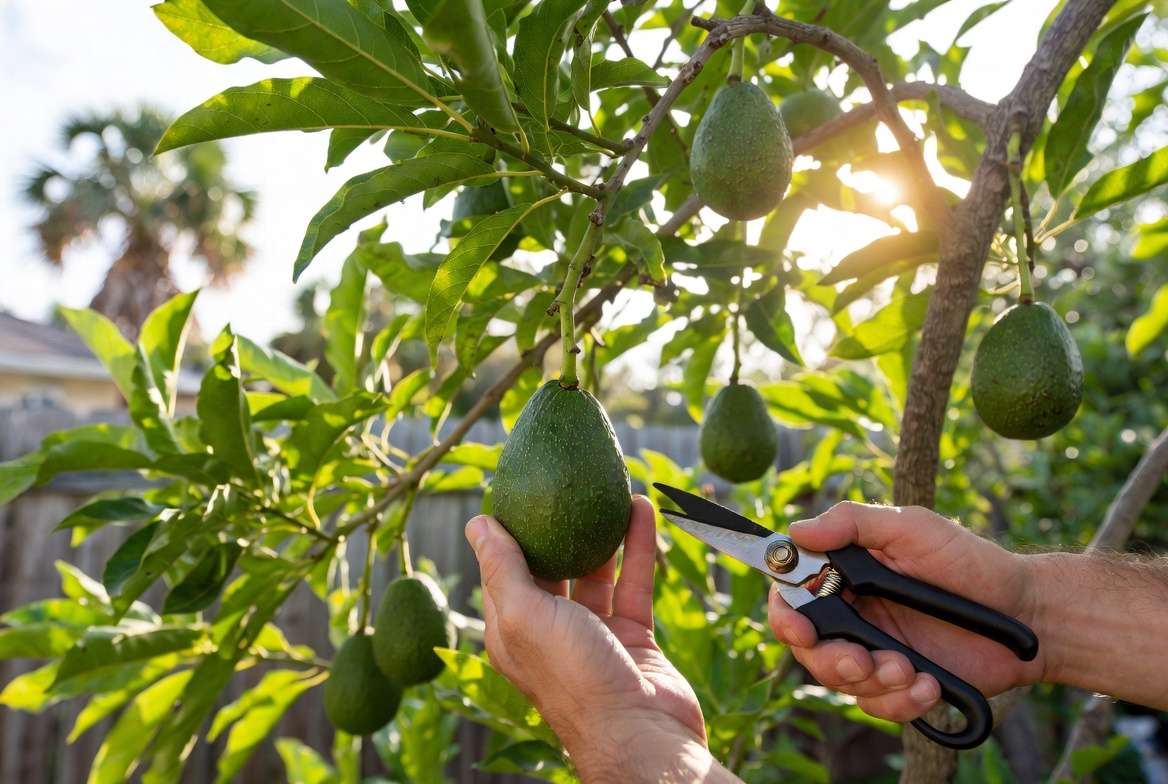
Proper harvesting techniques: Use pruning shears to cut the stem cleanly—avoid pulling to prevent damage. Harvest largest fruits first as they ripen earliest.
Ripening hacks:
- Room temperature (60–75°F ideal for Florida types).
- Paper bag with a banana or apple to speed ethylene production (usually 3–7 days).
- Never refrigerate unripe avocados—they won’t ripen properly.
- Once ripe, store in the fridge for up to a week.
Yield expectations: Young trees (3–5 years) may give 20–50 fruits; mature trees (8+ years) can produce 100–300+ depending on variety and care.
Delicious Florida-inspired recipes:
- Classic guacamole with fresh lime and cilantro.
- Avocado toast topped with mango salsa for a tropical twist.
- Creamy avocado smoothies or salads using milder West Indian flavors.
Homegrown avocados often taste richer and less watery than store-bought—pure Florida sunshine in every bite! 🥑
9. Advanced Tips for Maximum Yields and Long-Term Tree Health 🚀
Ready to take your Florida avocado tree to the next level?
- Companion planting: Grow nitrogen-fixers like beans nearby or pest-repelling herbs.
- Soil testing: Annual tests through UF/IFAS Extension help balance nutrients in sandy Florida soils (focus on magnesium and micronutrients).
- Home grafting: Learn simple cleft or whip grafts to propagate favorite varieties or add pollinators.
- Sustainable practices: Use organic mulches, rainwater harvesting, and cover crops to build soil health.
- Troubleshooting low fruit set: Ensure A+B flower type pairing, adequate potassium, and stress-free conditions (no extreme drought or over-pruning).
These practices, combined with patience, can double your harvest over time.
10. Common Problems & Quick-Fix Solutions 🔧
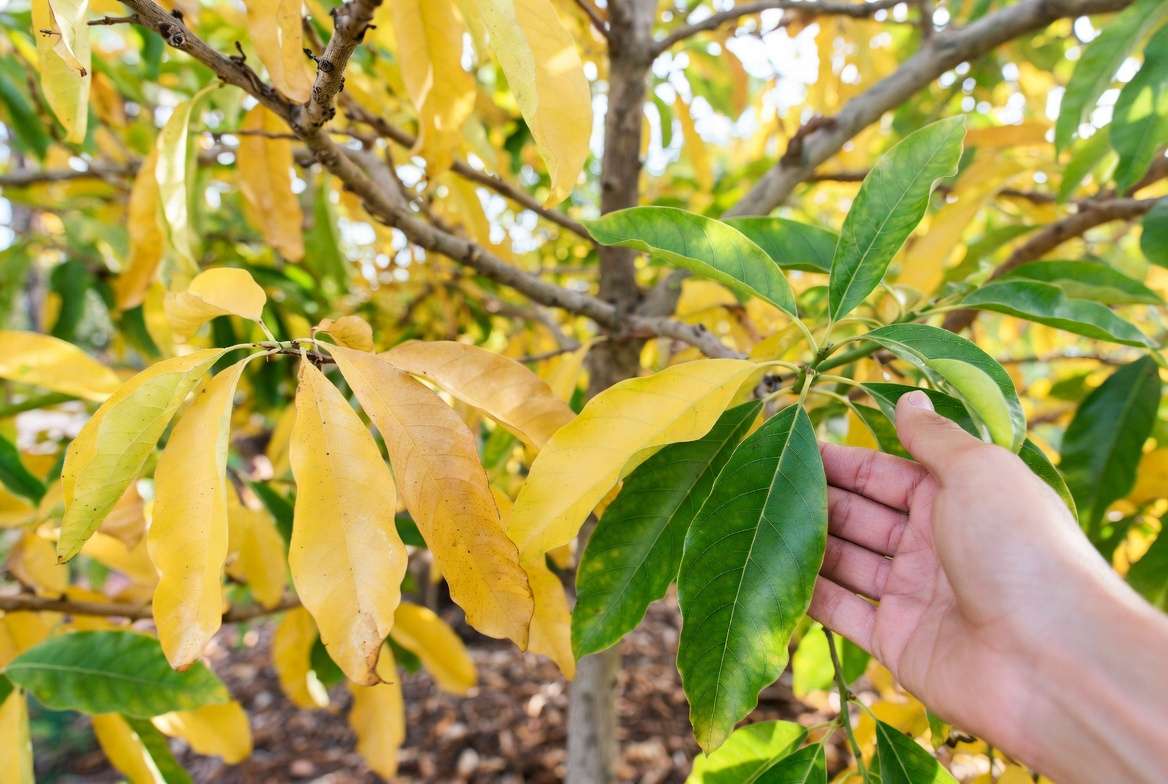
Yellow leaves? Often nitrogen deficiency or overwatering—adjust fertilizer and improve drainage. No fruit? Could be lack of pollinator, young tree age, or nutrient imbalance. Add a complementary variety and ensure consistent care. Blossom or fruit drop? Normal thinning or stress from heat/drought—deep water and mulch. Sudden wilting? Check for laurel wilt or root rot—act fast!
Real case studies: Many Florida homeowners report turning yellow, struggling trees into heavy producers within 1–2 seasons by focusing on drainage and balanced feeding. When in doubt, consult your county Extension agent for free advice.
11. Frequently Asked Questions (FAQs) About Florida Avocado Trees ❓
Can I grow an avocado tree from a pit in Florida? Yes, but grafted trees fruit faster (3–5 years vs. 8–10+) and are more reliable.
How tall will a Florida avocado tree get? 20–40 feet typically; prune to keep at 15–20 feet for easier care and hurricane resistance.
Is it safe to plant near the beach? Yes, many West Indian types tolerate salt spray, but provide wind protection.
How long until first harvest? Grafted trees often produce in 3–4 years with good care.
Do I need two trees for pollination? Most benefit from A and B types nearby, though some self-fruitful varieties like Lula exist.
What about cold protection in Central/North Florida? Use the new UF/IFAS cold-hardy breeding lines—they survived 17°F in 2026! Wrap young trees during freezes.
Why are my fruits dropping? Common in young trees or during stress—consistent watering helps.
Are Florida avocados as healthy as Hass? Absolutely—they’re lower in fat but rich in fiber, potassium, and antioxidants.
When should I fertilize? 3–4 times per year, avoiding winter.
Can I grow in a container? Yes! Choose dwarf or semi-dwarf rootstock and a large pot with perfect drainage.
Conclusion 🎉
Growing a thriving Florida avocado tree is one of the most rewarding experiences for Sunshine State gardeners. From choosing the right variety and planting correctly to managing pests, preparing for storms, and harvesting creamy perfection, consistent care pays off with years of fresh, homegrown avocados.
Remember the keys: excellent drainage, balanced nutrition, proactive pest monitoring, and patience. With UF/IFAS-backed techniques and the exciting new cold-hardy varieties, more Floridians than ever can enjoy backyard avocado success.
Ready to start? Visit your local nursery for grafted trees, test your soil, and follow this guide. Your future guacamole awaits! Share your progress in the comments—I’d love to hear how your Florida avocado tree is doing.
🌴🥑 Happy growing—may your Florida avocado tree be heavy with fruit for many seasons to come!











