
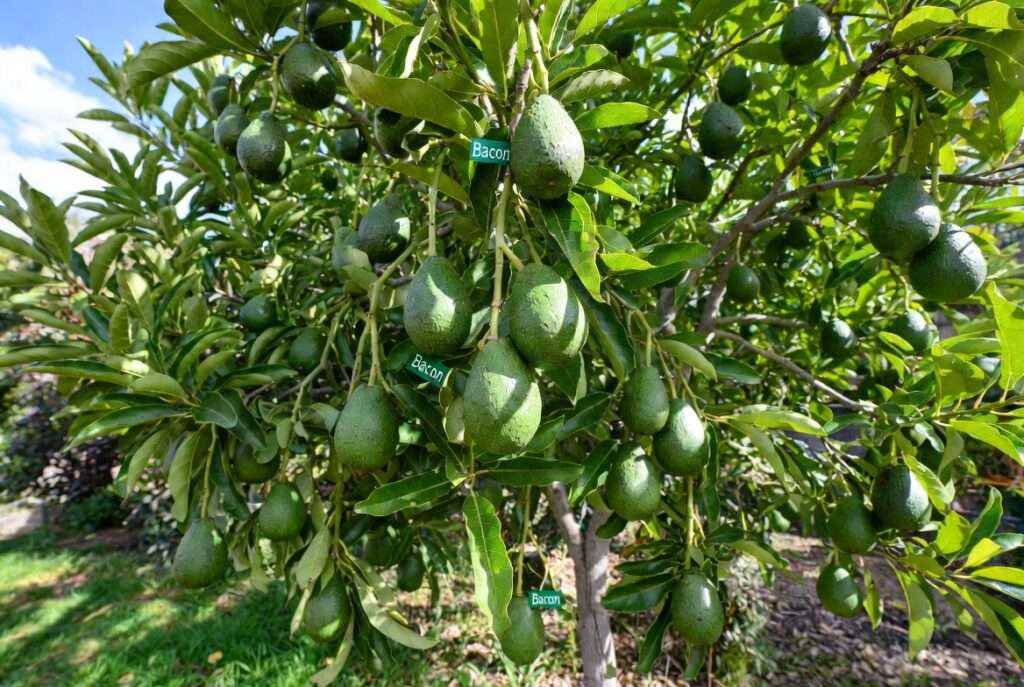
Picture this: It’s a crisp winter morning in your backyard, and you’re gently twisting a plump, emerald-green avocado from a branch heavy with fruit—while your neighbors are still bundling up against the cold. No more $2 avocados from the store that turn to mush overnight. That dream becomes reality with the bacon avocado tree, one of the most reliable, cold-hardy, and productive varieties for home gardeners in USDA zones 8–11. 🌱🥑
Whether you’re a beginner dreaming of your first harvest or an experienced grower tired of finicky tropical varieties, this comprehensive guide delivers everything you need. We’ll cover the bacon avocado tree’s unique traits, exact planting steps, year-round care, pest-proofing strategies, and pro harvesting tips that deliver basket after basket of creamy, nutty fruit. Backed by university extension research, real-world grower experiences, and decades of subtropical fruit tree expertise, this skyscraper-level resource goes far beyond basic blog posts. By the end, you’ll have a complete action plan to grow a thriving bacon avocado tree that rewards you for years. Let’s dig in! 🧤🌳
1. What Is a Bacon Avocado Tree? Everything You Need to Know 🧬
The bacon avocado tree (Persea americana ‘Bacon’) is a standout hybrid born in California’s sunny orchards. It was first propagated around 1928 by James E. Bacon on his Buena Park property and officially registered with the California Avocado Society in 1948. As a Guatemalan × Mexican hybrid, it combines the best of both worlds: rich flavor and impressive cold tolerance.
1.1 History and Origins of the Bacon Avocado 🌍
Named after its developer, this variety quickly gained fans in cooler California regions because it shrugs off light freezes that would damage Hass or Reed trees. Early farm advisors in the 1960s praised its “outstanding ability to endure a severe freeze.” Today, it remains a favorite for backyard growers who want reliable production without a greenhouse.
1.2 Key Characteristics: Size, Fruit, Flavor, and Growth Habit 🍃
- Tree shape: Tall, upright, and distinctly pyramidal—like a living Christmas tree! Mature height reaches 15–30 feet (easily kept smaller with pruning).
- Foliage: Glossy, deep-green leaves that stay lush year-round.
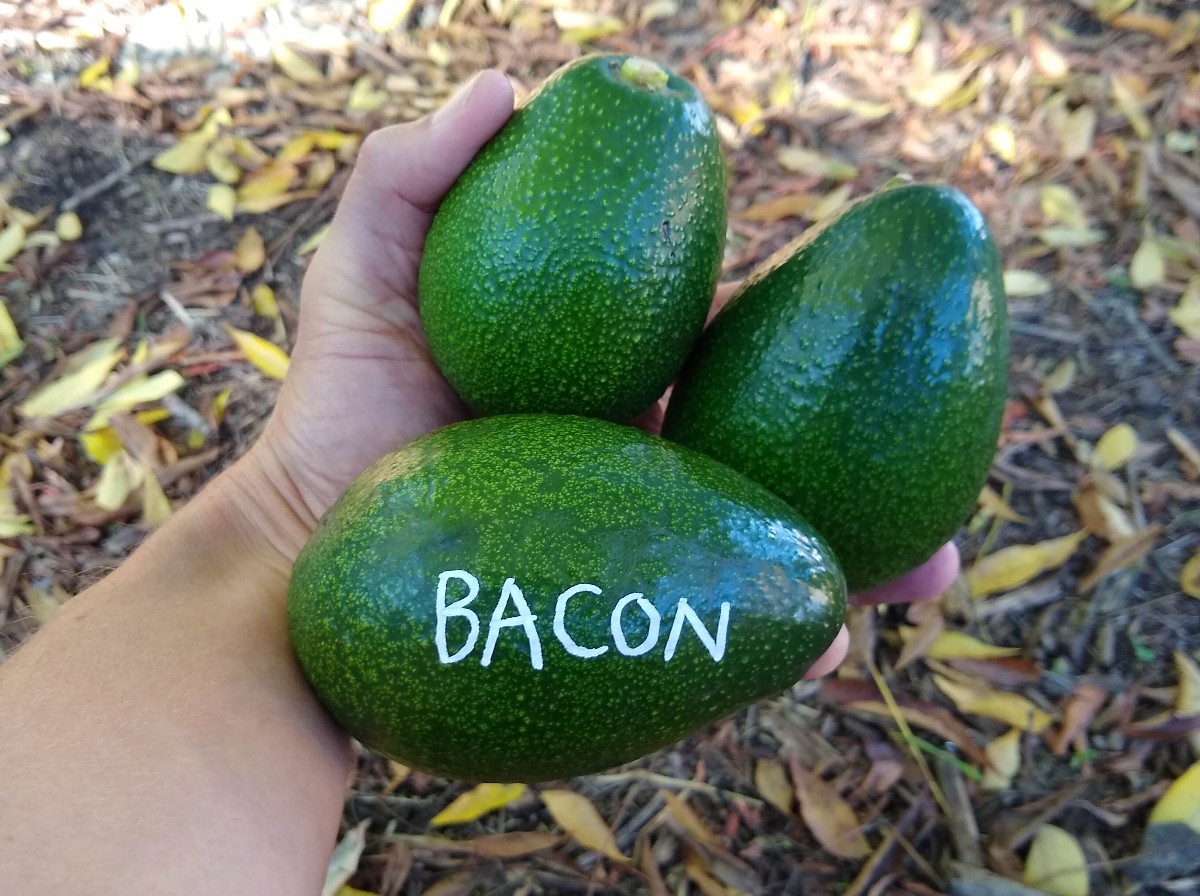
- Fruit: Medium-to-large (170–340 grams), oval to pear-shaped with smooth green skin that stays mostly green even when ripe (sometimes with bright yellow speckles and a dark spot at the blossom end). The flesh is creamy, nutty, and rich—perfect for guacamole, toast, or smoothies. It ripens November to January (or September–October in warmer spots).

- Pollination type: Type B (flowers open as female in the afternoon, male the next morning)—an excellent pollinator for popular Type A varieties like Hass.
1.3 Bacon Avocado Tree vs. Hass, Reed & Fuerte – Honest Comparison Chart 🥑
| Feature | Bacon | Hass | Reed | Fuerte |
|---|---|---|---|---|
| Cold Hardiness | 22–24°F 🌨️ | 28–30°F | 26–28°F | 26–28°F |
| Fruit Skin Color | Stays green | Turns black | Stays green | Green |
| Flavor | Creamy, nutty | Buttery, classic | Mild, buttery | Classic pear flavor |
| Harvest Window | Late fall–winter | Spring–summer | Late summer–fall | Winter |
| Pollination | Type B (great partner) | Type A | Type A | Type B |
| Tree Shape | Upright/pyramidal | Rounded | Upright | Spreading |
| Yield | Heavy & consistent | High | Very high | Good |
Bacon wins for colder climates and as a dependable pollinator companion. Many growers plant one Bacon for every 2–3 Hass trees and enjoy bumper crops from both! 🐝
2. Why Grow a Bacon Avocado Tree? 7 Compelling Benefits for Home Gardeners ✨
- Cold-hardy superstar ❄️ – Survives dips most avocados can’t handle.
- Heavy producer – Expect 50–100+ fruits per mature tree annually.
- Perfect pollinator buddy – Boosts fruit set on nearby Type A trees like Hass.
- Delicious & versatile – Creamy texture shines in every recipe.
- Ornamental beauty – Pyramidal shape and glossy leaves make it a backyard showstopper.
- Lower maintenance – More forgiving than pure tropical varieties.
- Fast rewards – Grafted trees often fruit in 2–4 years! 🎉
Real gardeners in zones 9b report harvesting 100+ fruits from a 6-year-old tree even after light freezes. That’s the bacon avocado tree magic! 🥑🌟
3. Choosing the Perfect Spot and Preparing for Success ☀️
3.1 Climate and Hardiness Zones for Bacon Avocado Trees ❄️
Best in USDA zones 8–11. It tolerates brief dips to 22°F with minimal damage, making it ideal for coastal California, parts of the Southeast, Texas, and even protected spots in the Pacific Northwest or Florida.
3.2 Sunlight, Soil, and Spacing Requirements 🌞
- Sun: Full sun (8+ hours) for maximum fruit. Afternoon shade in scorching zones 10–11 helps prevent leaf scorch.
- Soil: Well-draining, slightly acidic (pH 6–6.5). Sandy loam is perfect. Avoid heavy clay—add compost and gypsum if needed.
- Spacing: 15–20 feet apart in-ground; 8–10 feet if espaliered or in rows.
3.3 Container vs. In-Ground Growing – Which Is Right for You? 🪴
- In-ground: Best for long-term health and biggest harvests.
- Containers: Great for patios or zones 7 and colder. Use a 20–25 gallon pot with excellent drainage and wheel it indoors during freezes. Prune to keep it compact.
Pro tip: Test your soil drainage by digging a 12-inch hole and filling it with water. If it drains in under 30 minutes, you’re golden! 🌧️
4. Step-by-Step Planting Guide: From Seed or Sapling to Strong Roots 🌱
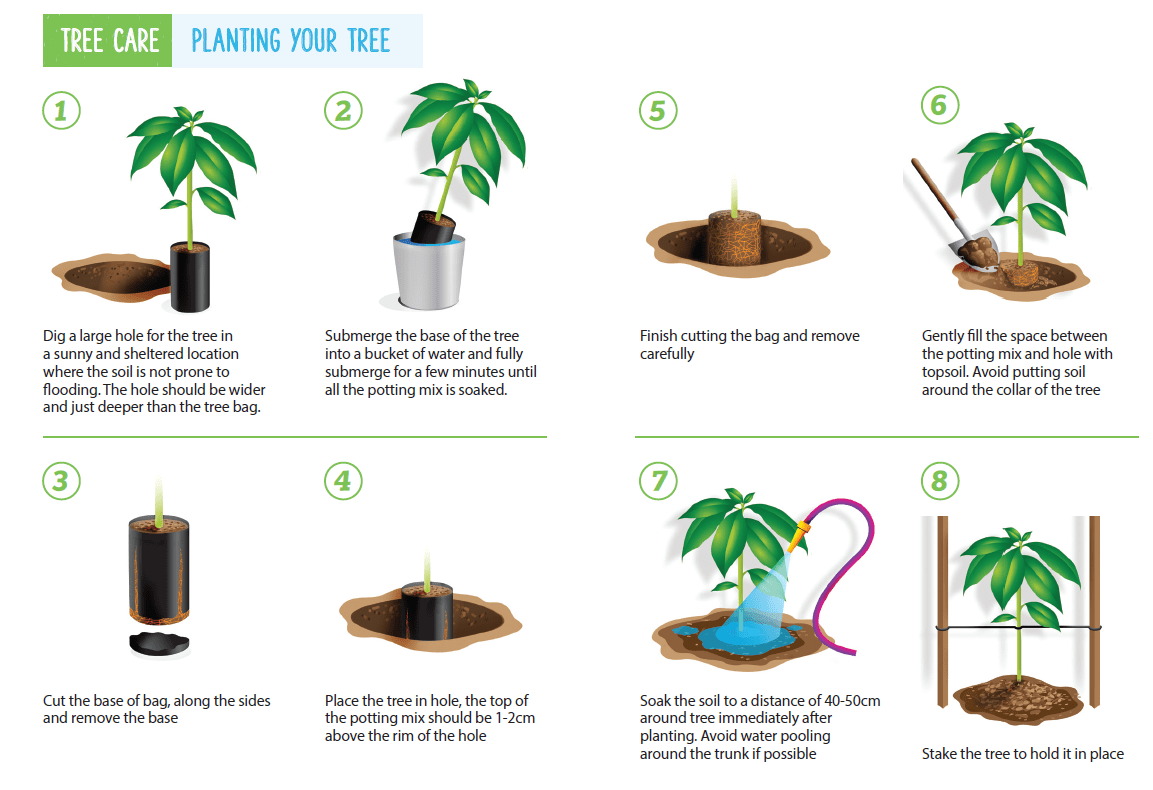
The best time to plant? Spring (March–June) when soil warms up. Here’s the exact process:
- Choose quality stock – Go for a grafted nursery tree (faster fruiting) over seed-grown.
- Prepare the hole – Twice as wide as the root ball, same depth. Loosen soil and mix in 30% compost.
- Plant carefully – Keep the graft union 2–3 inches above soil. Backfill gently and water deeply.
- Mulch – 3–4 inches of organic mulch (keep 6 inches from trunk) to retain moisture and suppress weeds.

Growing from seed? Possible but slower (5–10 years to fruit). Use the toothpick water method or direct sow in moist soil for better success rates.

5. Bacon Avocado Tree Care: Your Year-Round Maintenance Bible 💧
Caring for a bacon avocado tree is more forgiving than many tropical avocado varieties, thanks to its cold-hardy Mexican heritage and robust growth habit. However, consistent attention to watering, feeding, pruning, and pollination will reward you with heavy, reliable crops of creamy fruit for decades. Here’s your expert-backed, season-by-season care plan that goes beyond basic advice. 🥑🌿
5.1 Watering Schedule That Prevents Over- or Under-Watering 🚿
Avocado trees love moisture but hate soggy roots — and the bacon variety is no exception. Young trees (first 1–2 years) need deep, frequent watering to establish strong roots.
- Newly planted trees: Water 2–3 times per week for the first 2 months, delivering enough water to moisten the soil 12–18 inches deep. A newly planted tree can take up to 2 gallons at each watering initially.
- Established trees: Reduce to once a week during the growing season (spring–fall), or whenever the top 2–3 inches of soil feel dry. In hot, dry summers, increase to twice weekly.
- Winter: Cut back significantly — water only during prolonged dry spells. Overwatering in cool weather is a leading cause of root rot.
Pro tip: Always water slowly and deeply rather than giving frequent shallow sprinkles. This encourages roots to grow downward, making your bacon avocado tree more drought-tolerant and stable. Use a soaker hose or drip irrigation for best results. Mulch with 3–4 inches of organic material (wood chips or compost) to retain moisture and keep roots cool — just keep the mulch 6 inches away from the trunk to prevent rot. 🌳💦
Monitor soil moisture with a simple screwdriver test: If it slides in easily, the soil is moist enough. Yellowing lower leaves often signal overwatering, while crispy brown tips or leaf drop usually mean the tree is thirsty.
5.2 Fertilizing Routine for Explosive Growth & Fruiting 🧪
Don’t fertilize in the first year after planting — let the roots establish without burning them. After year one:
- Use a balanced citrus or avocado-specific fertilizer (high in nitrogen for growth, with added zinc, iron, and magnesium). Aim for ½ to 1 pound of actual nitrogen per tree per year, split into 3–4 applications.
- Timing: Valentine’s Day (late winter), Memorial Day (late spring), and Labor Day (late summer) are classic California schedules that work well for bacon avocado trees.
- For container-grown trees: Fertilize monthly during the growing season with a diluted liquid fertilizer or slow-release granules.
Watch for nutrient deficiencies common in avocados:
- Yellow leaves with green veins → Iron or magnesium deficiency (common in alkaline soils).
- Small, pale new leaves → Nitrogen shortage.
- Tip burn or leaf scorch → Salt buildup or over-fertilizing — flush the soil with plenty of water.
Organic options like well-rotted compost, worm castings, or fish emulsion work beautifully and improve soil structure over time. Many experienced growers top-dress with compost annually instead of relying solely on synthetic fertilizers. 🪱
5.3 Pruning Techniques for Shape, Health & Higher Yields ✂️
The bacon avocado tree naturally grows tall and pyramidal — up to 20–30 feet if left unchecked. Regular pruning keeps it manageable (even 10–15 feet tall), improves airflow, increases sunlight penetration, and boosts fruit production.
- When to prune: Late winter or early spring, just before new growth starts. Light corrective pruning can be done anytime.
- How to prune:
- Remove dead, damaged, or crossing branches.
- Thin the canopy to allow light and air to reach the interior.
- Head back overly vigorous upright shoots to encourage lateral branching and fruiting wood.
- Maintain an open vase or central leader shape that suits your space.
For container or small-space growers, annual pruning is essential to keep the tree compact and productive. Many backyard enthusiasts successfully keep bacon avocado trees at 12–15 feet with twice-yearly trims. Always use sharp, sterilized tools to prevent disease spread. ✂️🧼
5.4 Mulching, Weed Control & Seasonal Care Calendar (Printable!) 📆
Mulch is your best friend — it suppresses weeds, moderates soil temperature, and conserves water. Reapply every 6–12 months.
Create a simple seasonal calendar:
- Spring: Fertilize, prune lightly, increase watering as growth resumes.
- Summer: Deep water during heat waves; watch for pests.
- Fall: Reduce watering; harvest begins.
- Winter: Protect from hard freezes; minimal watering and feeding.
Many growers print a laminated care calendar and hang it near their toolshed for quick reference.
5.5 Pollination Secrets – How to Boost Fruit Set Naturally 🐝
As a Type B variety, the bacon avocado tree flowers with female parts receptive in the afternoon and male parts releasing pollen the following morning. It’s an excellent pollinator for popular Type A varieties like Hass, Reed, or Gwen.
To maximize fruit set:
- Plant at least one Bacon for every 2–3 Type A trees (or vice versa).
- Encourage pollinators by growing companion flowers nearby (borage, lavender, marigolds).
- Avoid spraying insecticides during flowering.
- Hand-pollination with a soft brush can help in low-bee areas, though it’s rarely needed with good variety pairing.
Growers often report significantly higher yields when Bacon and Hass are planted together — sometimes doubling fruit production compared to single-variety plantings! 🐝❤️
6. Protecting Your Bacon Avocado Tree from Pests, Diseases & Common Threats 🛡️
Even tough varieties like Bacon can face challenges. Early detection and prevention are key to keeping your tree healthy.
6.1 Top Pests & How to Manage Them Organically 🐛
- Avocado thrips and lace bugs: Cause leaf scarring or bronzing. Use horticultural oil or neem oil sprays; encourage beneficial insects like lacewings and predatory mites.
- Persea mites and brown mites: Create stippling on leaves. Strong water sprays and miticides (organic options like sulfur) help.
- Aphids and whiteflies: Usually minor; blast with water or use insecticidal soap.
- Rats and squirrels: They love ripe fruit — harvest promptly or use tree guards and netting.
Healthy, well-watered trees tolerate light pest pressure well. Chemical controls are rarely needed in home gardens when you maintain balance.
6.2 Disease Identification & Prevention (Root Rot, Anthracnose, etc.) 🍄
- Phytophthora root rot (the #1 killer): Caused by poor drainage and overwatering. Symptoms include wilting, leaf drop, and dieback. Prevention is everything — plant in well-draining soil, avoid overwatering, and consider raised mounds in heavy soils. Fungicides exist but are most effective as preventives.
- Anthracnose: Fungal spots on fruit and leaves, especially in humid conditions. Improve airflow through pruning and apply copper-based sprays if needed during wet seasons.
- Sunblotch viroid: Causes streaking on fruit and stems. Buy certified disease-free stock to avoid it.
Keep tools sterilized between trees and never plant in areas with known root rot history without soil amendments or resistant rootstocks.
6.3 Weather Protection: Frost, Wind & Heat Stress Solutions ❄️🔥
The bacon avocado tree handles brief dips to about 22–24°F better than most, but young trees and blooms are more vulnerable.
- Frost protection: Use frost cloth, Christmas lights (for gentle heat), or even old bedsheets on cold nights. Water the soil thoroughly before a freeze (moist soil holds heat better).
- Wind: Young trees benefit from staking for the first 1–2 years.
- Heat: Provide afternoon shade in extreme zones and mulch heavily to keep roots cool.
Mature, healthy bacon avocado trees are surprisingly resilient — many growers in marginal zones report minimal damage after light freezes that wipe out other varieties. 🌨️
7. Harvesting Bacon Avocados: When, How & How to Store Them Perfectly 🍴
One of the greatest joys of growing a bacon avocado tree is the harvest season. Unlike many fruits that ripen all at once, bacon avocados mature over several weeks, giving you a steady supply of fresh, homegrown fruit from late fall through early winter (typically November to January, depending on your climate). The fruit stays green on the tree even when fully mature, making timing the harvest one of the most important skills to master. 🥑✨
7.1 Signs Your Avocados Are Ready to Pick ⏰
Bacon avocados are ready when they reach full size and the skin develops a slight glossy sheen with small yellow speckles or a dark spot at the blossom end. The stem end often feels slightly soft when gently pressed.
- Maturity test: Pick one test fruit and let it ripen at room temperature. If it softens evenly within 5–7 days without shriveling or developing off flavors, the rest of the crop is ready.
- Color and feel: Skin remains mostly green (sometimes with light yellow flecks). The fruit should feel heavy for its size.
- Seasonal clue: In warmer zones, harvest can start as early as September; in cooler areas, it peaks in December–January.
Pro growers recommend harvesting in stages rather than stripping the entire tree at once. This extends your fresh supply and prevents the tree from becoming overloaded.
7.2 Gentle Harvesting Techniques to Avoid Damage
Use sharp pruning shears or a long-handled fruit picker to cut the stem cleanly about ½ inch above the fruit — never pull or twist, as this can damage the branch and invite disease.
- Wear gloves to avoid skin irritation from the sap (some people are sensitive to it).
- Harvest on dry days to reduce the chance of fungal issues.
- Place fruits carefully in a padded basket or box — they bruise easily when dropped.
Expert tip: Leave a small stem stub attached to the fruit. This helps the avocado ripen more evenly and reduces the entry point for decay.
7.3 Ripening, Storing & Freezing Your Homegrown Bounty
Once picked, bacon avocados ripen beautifully at room temperature in 3–7 days. To speed ripening, place them in a paper bag with an apple or banana (the ethylene gas helps). To slow it down, store in the refrigerator for up to 2–3 weeks once they reach the desired softness.
- Short-term storage: Keep firm, unripe fruits at cool room temperature. Ripe ones go in the fridge.
- Long-term: Mash ripe flesh with a bit of lemon juice and freeze in ice cube trays or freezer bags for up to 6 months. Perfect for quick guacamole or smoothies!
- Bonus recipes:
- Classic Bacon Avocado Toast – Mash with salt, chili flakes, and a squeeze of lime on sourdough.
- Creamy Bacon Avocado Guacamole – Mix with diced tomato, onion, cilantro, and garlic.
- Bacon Avocado Smoothie – Blend with banana, spinach, almond milk, and a touch of honey for a nutritious breakfast.
Homegrown bacon avocados often taste richer and nuttier than store-bought ones because you can pick them at peak maturity. Many gardeners say the flavor is noticeably superior! 🍞🥑
8. Troubleshooting: Solve 12 Common Bacon Avocado Tree Problems Fast 🔧
Even the most resilient bacon avocado tree can run into issues. Here’s a quick-reference guide with causes and proven solutions based on years of grower feedback and extension service recommendations.
- Yellow leaves with green veins → Iron or magnesium deficiency. Apply chelated iron or Epsom salts around the drip line.
- Leaf drop in winter → Normal for established trees or caused by cold stress/overwatering. Reduce water and protect from frost.
- No fruit after 3+ years → May need a pollinator (plant a Type A variety nearby) or the tree is still too young. Ensure full sun and proper feeding.
- Small or misshapen fruit → Insufficient water or nutrients during fruit development. Increase deep watering and balanced fertilizer.
- Brown tips on leaves → Salt buildup or underwatering. Flush soil thoroughly with fresh water.
- Wilting despite moist soil → Likely root rot from poor drainage. Improve soil aeration and reduce watering.
- White powdery coating on leaves → Powdery mildew. Improve airflow and apply neem oil or potassium bicarbonate.
- Fruit dropping prematurely → Natural thinning (tree self-regulates) or stress from heat/drought. Consistent watering helps.
- Bark splitting → Sunscald or rapid temperature swings. Wrap young trunks with tree wrap in winter.
- Slow growth → Nutrient-poor soil or root-bound (in containers). Repot or amend soil with compost.
- Pests clustering on new growth → Aphids or thrips. Blast with water or use insecticidal soap.
- Tree leaning or unstable → Insufficient staking when young or top-heavy growth. Prune and stake properly.
Most problems are preventable with good site selection, proper watering, and regular observation. Healthy bacon avocado trees are remarkably forgiving once established. 🛠️
9. Advanced Growing Techniques for Bigger, Better Harvests 🚀
Once your bacon avocado tree is thriving, you can take your skills to the next level with these pro techniques.
9.1 Companion Planting Ideas That Boost Health & Yield 🌼
Plant nitrogen-fixing companions like beans or clover around the base to naturally enrich the soil. Marigolds and nasturtiums deter pests, while borage and lavender attract pollinators. Avoid aggressive root competitors like mint directly under the tree.
9.2 Grafting for Faster Fruiting or Multiple Varieties
Grafting a second variety (such as Hass) onto your established Bacon tree can give you two types of fruit from one plant. Whip-and-tongue or cleft grafting in late winter works well for home gardeners. This technique can also speed up fruit production on young trees.
9.3 Organic & Sustainable Practices for Eco-Friendly Growers ♻️
- Use cover crops in the orchard area to improve soil biology.
- Install rainwater collection systems for chlorine-free watering.
- Apply biochar or mycorrhizal fungi when planting to enhance root health long-term.
- Practice integrated pest management (IPM) to minimize chemical use.
Many sustainable gardeners report that organic methods lead to tastier fruit and more resilient trees over time.
10. Frequently Asked Questions About the Bacon Avocado Tree ❓
How fast does a bacon avocado tree grow? Grafted trees grow 2–3 feet per year under good conditions and can reach 15–20 feet in 5–7 years with proper pruning.
Can a bacon avocado tree grow in a pot? Yes! Choose a large 20–25+ gallon container with excellent drainage. Repot every 2–3 years and prune regularly to keep it compact. Container-grown trees are perfect for patios or colder climates where you can move them indoors during freezes.
Is the bacon avocado tree self-pollinating? It is not fully self-fertile. As a Type B variety, it benefits greatly from a nearby Type A pollinator (like Hass) for the heaviest crops, though some fruit can set without one.
How long until the first harvest? Grafted nursery trees often produce fruit in 2–4 years. Seed-grown trees can take 5–10 years or longer.
Does the bacon avocado tree need full sun? Yes — at least 8 hours of direct sunlight daily for optimal fruit production. In very hot climates, some afternoon shade helps prevent leaf scorch.
What is the cold hardiness of the bacon avocado tree? It tolerates brief temperatures down to 22–24°F with minimal damage, making it one of the hardiest common avocado varieties.
How do I make my bacon avocado tree produce more fruit? Ensure full sun, consistent deep watering, proper fertilization, and plant a compatible pollinator nearby. Annual pruning also helps direct energy toward fruiting.
Can I grow a bacon avocado tree from seed? Yes, but results vary and fruiting takes much longer. Grafted trees are strongly recommended for reliable production and true-to-type fruit.
Conclusion: Your Bacon Avocado Tree Journey Starts Now! 🎉
Growing a bacon avocado tree is one of the most rewarding experiences for home gardeners who want fresh, delicious avocados even in cooler climates. Its cold hardiness, heavy production, excellent pollination qualities, and creamy, nutty fruit make it a standout choice for backyard orchards.
You now have a complete, expert-level roadmap: from choosing the perfect spot and planting correctly, through year-round care, pest and disease management, harvesting at peak flavor, and advanced techniques for maximum success. Follow these steps consistently, and your bacon avocado tree will provide bountiful harvests for many years to come.
Ready to get started? Grab a grafted nursery tree from a reputable supplier, prepare your soil, and plant with confidence this spring. Don’t forget to download our free printable Bacon Avocado Tree Care Calendar (available in the resources section below) to keep your growing schedule on track.
Share your experience in the comments — What USDA zone are you growing in? Have you tried pairing Bacon with Hass? We love hearing success stories and answering your questions!
Happy growing, and may your branches stay heavy with delicious avocados! 🥑🌳✨











