
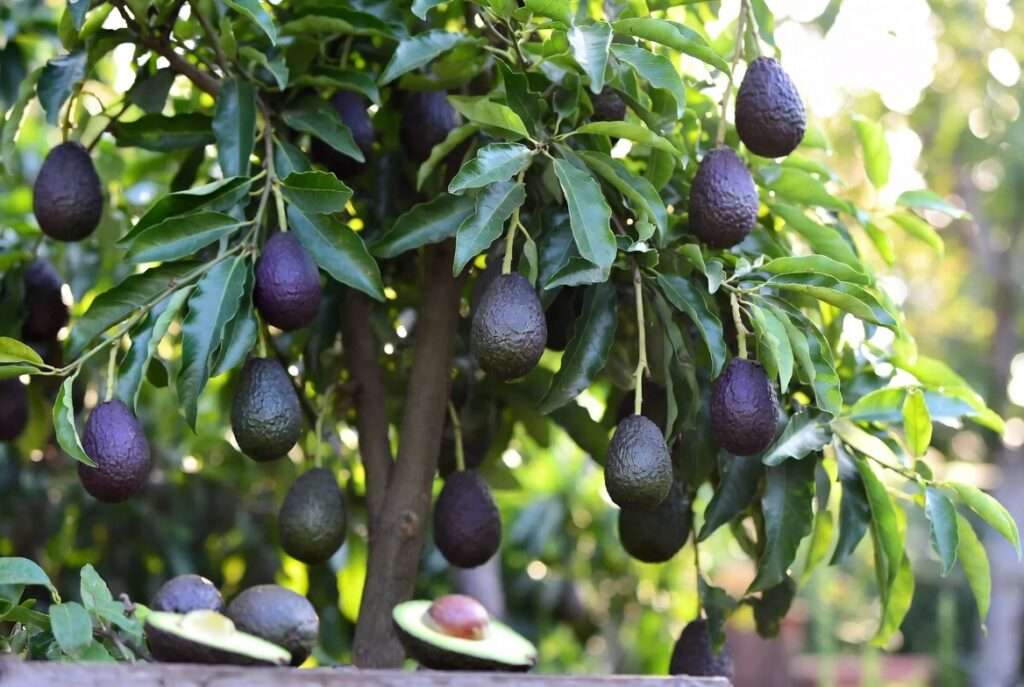
Imagine stepping into your backyard on a sunny morning, reaching up to a glossy green canopy, and twisting off a perfectly ripe Hass avocado—creamy, nutty, and ready for your morning toast or fresh guacamole. No more overpaying at the grocery store or settling for underripe fruit! If you’ve ever dreamed of growing your own hass avocado tree, you’re not alone. This popular variety dominates 80%+ of the global avocado market for good reason: its rich flavor, high oil content, and telltale dark, pebbly skin that screams “ready to eat.”
In this ultimate guide, we’ll walk you through everything—from starting your tree (seed or grafted) to harvesting basketfuls of homegrown avocados in as little as 2–3 years. Backed by decades of hands-on experience growing subtropical fruit trees and the latest research from university extensions like UC ANR and Texas A&M, this skyscraper-level resource delivers step-by-step advice, troubleshooting tips, and pro secrets that go far beyond basic blog posts. Whether you have a spacious backyard, a sunny patio, or even a container-friendly dwarf variety, you’ll finish with a complete, actionable roadmap to success. Let’s grow some avocados! 🥑✨

What Is a Hass Avocado Tree and Why Grow One at Home? 🌍
The Hass avocado tree (Persea americana ‘Hass’) is a Type A flowering evergreen that originated as a chance seedling in California in the 1920s. Named after its discoverer, Rudolph Hass, it quickly became the gold standard thanks to its superior taste and shelf life compared to other varieties. Unlike the smoother, lighter-green Fuerte or Pinkerton types, Hass avocados develop that signature bumpy, dark-purple-to-black skin when ripe, making ripeness easy to spot—no guessing games!
Why choose Hass for your home garden?
- Flavor & nutrition: Buttery texture with 15–30% oil content—perfect for guac, smoothies, or slicing straight onto salads.
- High yields: Mature trees (10–15 years old) can produce 50–200+ fruits per season in ideal conditions.
- Versatility: Thrives in containers for small spaces and adapts to many subtropical climates (USDA Zones 9–11, with protection in cooler areas).
- Home benefits: Fresh avocados save money, reduce your carbon footprint, and give you the joy of harvesting your own food. Plus, the tree itself is beautiful—dense, dark-green foliage adds year-round privacy and shade.
Realistic expectations? A grafted Hass avocado tree can fruit in 2–3 years, while a seed-grown one may take 8–15 years (and the fruit might not taste exactly like the parent). But don’t worry—we’ll cover both paths below!
Fun fact box: Hass accounts for over 80% of U.S. avocado consumption. Growing your own means you control the freshness and skip the long supply chain. 🥑📈
Choosing the Best Way to Start Your Hass Avocado Tree 🪴
Starting strong is half the battle. Here’s how to decide between the fun (but slower) DIY pit method and the faster grafted route.
H3: Growing from Seed (The Fun Pit Method) vs. Buying a Grafted Tree – Pros, Cons, and Success Rates
The classic “avocado pit in a glass of water” trick is magical for kids and beginners. Suspend the pit with toothpicks in water, keep the bottom submerged, and watch roots and a stem emerge in 2–6 weeks. It’s free and rewarding!
Pros of seed-grown: Zero cost, educational, and you get a unique tree. Cons: Takes years to fruit, may not produce true-to-type Hass avocados, and seedlings are often more vigorous (read: taller) than desired. Success rate for fruiting? About 20–30% without grafting.
Pro tip from experience: Once your seedling has 6–8 inches of growth and healthy roots, transplant it—but consider grafting a Hass scion later for faster, reliable fruit.
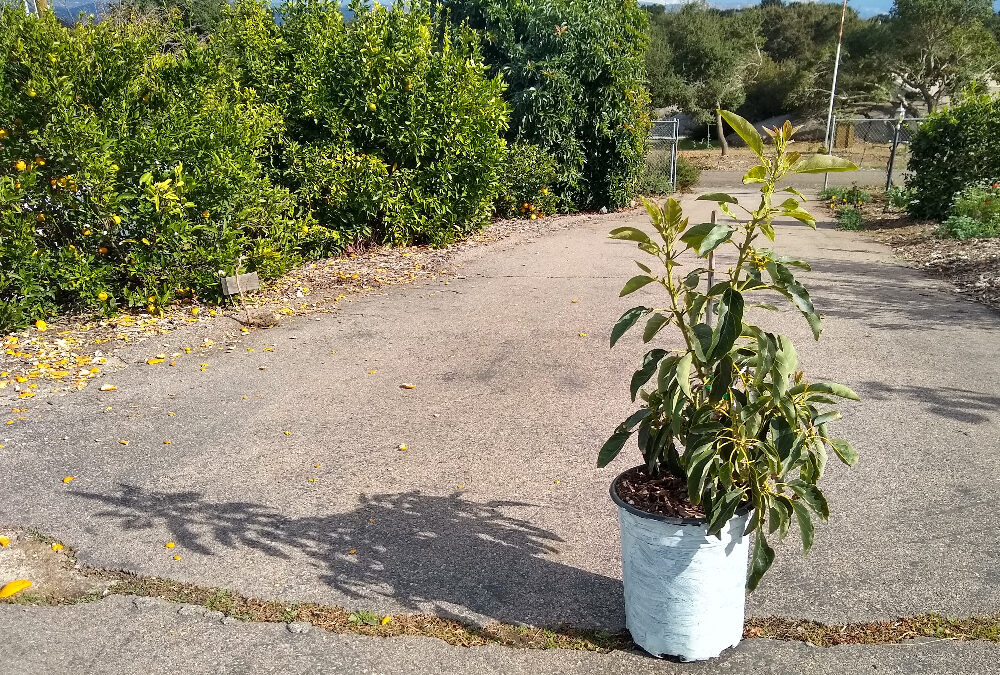
Buying a young grafted Hass avocado tree from a reputable nursery is the smart choice for impatient gardeners. These trees have a proven Hass variety grafted onto hardy rootstock (like Mexican or Guatemalan), ensuring earlier fruiting and disease resistance. Look for trees 2–4 feet tall with straight trunks and vibrant leaves.
H3: Where to Buy Healthy Young Hass Trees (What to Look For)
Shop at local nurseries, online specialists (check reviews for fresh stock), or big-box garden centers in spring. Avoid trees with yellow leaves, root-bound pots, or pest damage. Healthy signs: firm green leaves, no wilting, and visible graft union near the base. Expect to pay $30–$80 for a solid starter.
H3: Dwarf vs. Standard – Container Growing Tips for Patios and Small Spaces
Standard Hass trees reach 30–40 feet but can be pruned to 15 feet. Dwarf varieties (grafted on dwarfing rootstock) stay 8–12 feet—ideal for patios! They fruit just as well in large 20–25 gallon pots with excellent drainage.
Whether you start from seed or buy ready-to-grow, your Hass avocado tree will reward patience with homegrown bounty. Next, let’s nail the perfect growing conditions.
Optimal Growing Conditions for a Thriving Hass Avocado Tree ☀️💧
Hass avocados love warmth, sunshine, and well-drained soil. Get these right and your tree will thrive for decades.
H3: Climate and Temperature Requirements (USDA Zones + Tropical Adaptations)
Best in USDA Zones 9–11 (minimum 30°F). In marginal Zones 8–9, plant near a south-facing wall or use frost blankets during cold snaps. They tolerate brief dips to 28°F but hate prolonged freezes. In hotter climates (like parts of Texas or Florida), provide afternoon shade to prevent leaf scorch.
H3: Sunlight Needs – Full Sun Secrets for Maximum Fruit Production
Aim for 6–8 hours of direct sun daily. More sun = more flowers and fruit! In very hot areas, morning sun and light afternoon shade works wonders.
H3: Soil Type, pH, and Drainage – The #1 Secret to Avoiding Root Rot
Avocados are notoriously sensitive to wet feet. They crave loose, well-draining soil with pH 6.0–7.0. Heavy clay? Build a raised mound or use a 50/50 mix of native soil and coarse perlite/compost. Test drainage by digging a 12-inch hole and filling it with water—if it doesn’t drain in 30–60 minutes, amend heavily!
H3: Container vs. In-Ground Planting: Which Is Right for You?
Containers offer mobility and control—perfect for apartments or cold winters (move indoors). Use a 20+ gallon pot with multiple drainage holes and high-quality potting mix. In-ground planting gives roots more space for bigger trees and higher yields long-term.
Quick soil checklist:
- ✅ Loamy or sandy texture
- ✅ Rich in organic matter
- ✅ Excellent drainage (no standing water)
- ✅ Slightly acidic to neutral pH
With the right conditions locked in, you’re ready to plant like a pro.
Step-by-Step Planting Guide for Your Hass Avocado Tree 🌱
Planting correctly sets your hass avocado tree up for long-term success and helps avoid common pitfalls like root rot or transplant shock. Follow these proven steps for strong establishment.
H3: Best Time to Plant and Site Selection
The ideal window is spring through early summer (March–June in most subtropical areas), once nighttime temperatures stay consistently above 50°F (10°C). This gives roots time to establish before winter. Choose a spot with full sun (at least 6–8 hours daily) and protection from strong winds, which can damage young branches and dry out foliage. In containers, position on a sunny patio and rotate every few weeks for even growth.
H3: Preparing the Planting Hole (Mounding Technique for Heavy Soils)
Dig a hole twice as wide as the root ball but only as deep—avocado roots spread laterally, not deeply. For heavy clay or poor-draining soil, create a raised mound 1–2 feet high and 3–5 feet wide using a mix of native soil, compost, and coarse perlite. This prevents water from pooling around roots. Avoid adding gravel at the bottom; it can create a perched water table. Gently loosen the root ball and position the graft union (the slight bulge where the scion meets rootstock) 2–3 inches above soil level.
H3: Transplanting and Initial Staking for Strong Roots
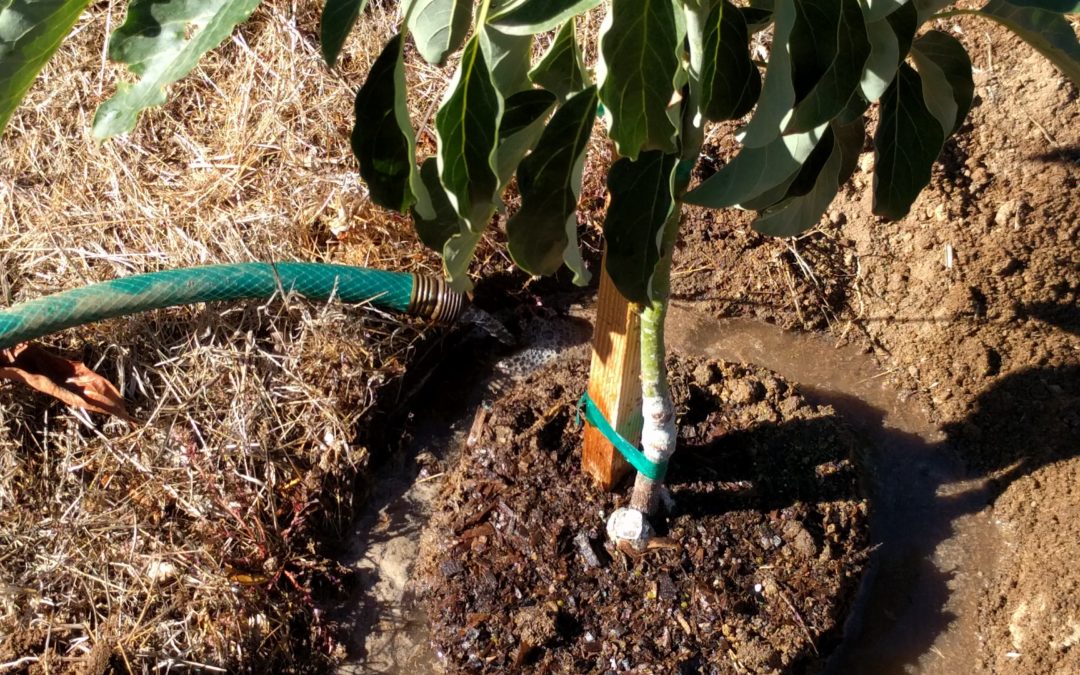
Backfill carefully, firming the soil to eliminate air pockets without compacting it. Water deeply right after planting to settle the soil. Stake young trees lightly with soft ties for the first year to prevent wind rock, but remove stakes once roots anchor (usually 6–12 months). For container planting, use a 20–25 gallon pot with multiple drainage holes and a well-aerated mix (50% potting soil, 30% perlite, 20% compost).
H3: Mulching Best Practices to Lock in Moisture and Suppress Weeds
Apply 4–6 inches of coarse organic mulch (wood chips, shredded bark, or composted green waste) under the canopy, keeping it 4–6 inches away from the trunk to prevent rot. Mulch conserves moisture, moderates soil temperature, adds organic matter as it breaks down, and suppresses weeds. Replenish annually.
Numbered planting checklist for quick reference:
- Test soil drainage and pH (aim for 6.0–6.5).
- Prepare mound or hole.
- Position tree correctly.
- Backfill and water deeply.
- Mulch generously.
Your tree is now in the ground—time for ongoing care that makes the difference between survival and abundance!
Essential Daily and Seasonal Care Routine 🧴
Consistent care turns a young hass avocado tree into a productive powerhouse. Focus on balance: avocados hate both drought and soggy roots.
H3: Watering Schedule – Deep, Infrequent Soaks That Prevent Both Drought and Root Rot
Young trees need watering 2–3 times per week in the first year, delivering enough to moisten the root zone (about 2 inches of water weekly once established). Mature trees thrive on deep weekly soakings, adjusted for rainfall and heat. Always check soil moisture 4–6 inches down—water only when the top few inches feel dry. Overwatering is the #1 killer; underwatering causes leaf tip burn and drop. In containers, check daily in hot weather and ensure excellent drainage. Pro tip: Drip irrigation or soaker hoses work best for even moisture without wetting foliage.
H3: Fertilizing for Explosive Growth and Fruiting (Organic + Synthetic Schedules)
Feed young trees lightly but frequently. Apply a balanced citrus/avocado fertilizer (high in nitrogen for growth, with zinc and iron) starting 3–4 months after planting. Aim for ½–1 pound of actual nitrogen per tree per year, split into 3–4 applications from spring through fall. Organic options like composted chicken manure, fish emulsion, or slow-release pellets (e.g., Espoma Citrus-tone) build soil health. For fruiting trees, reduce nitrogen in late summer to encourage flowering. Test leaves annually for deficiencies—yellowing between veins often signals zinc or iron shortage.
H3: Pruning and Training Techniques for Shape, Size, and Bigger Harvests
Prune lightly in late winter or early spring (before February in warm climates) to remove dead, crossing, or damaged branches and maintain an open vase shape for light penetration. Avoid heavy pruning, which can delay fruiting. For container or dwarf trees, tip-prune new growth to encourage bushiness. Training young trees by pinching the top at 2–3 feet promotes branching. Mature Hass trees can be kept at 15 feet with annual selective pruning.
H3: Seasonal Care Calendar (Spring Flush, Summer Fruit Set, Fall/Winter Protection)
- Spring: Fertilize, prune lightly, watch for new flush.
- Summer: Deep water during heat waves; monitor for pests.
- Fall: Reduce water/fertilizer; harvest early varieties.
- Winter: Protect from frost with blankets or lights if temps drop near 30°F; mulch thicker for root insulation.
Here’s a simple monthly task table (visualize as an infographic in the full post):
- Jan–Feb: Prune, plan pollinators.
- Mar–May: Plant/fertilize, increase water.
- Jun–Aug: Peak growth—deep water, pest checks.
- Sep–Dec: Monitor fruit maturity, reduce feeding.
Consistent routines like these, drawn from UC ANR guidelines and real-world grower experience, help your tree produce reliably year after year.
Pollination and Fruit Set – How to Get Your Tree Producing Like Crazy 🐝
Hass is a Type A flowering variety, meaning its flowers open as female in the morning and male in the afternoon. While many avocados are considered self-fertile to some degree, cross-pollination dramatically boosts fruit set.
H3: Understanding Type A Flowering (Hass Specifics)
Type A trees like Hass sync beautifully with Type B varieties (e.g., Fuerte, Bacon, Zutano), where B-type male flowers release pollen in the morning when A-type flowers are receptive. This overlap increases successful pollination by bees and wind.
H3: Do You Need a Pollinator Tree? (Type B Varieties That Boost Yields)
One nearby Type B tree can double or triple your harvest! Plant them 15–20 feet apart. Even without a partner, Hass often sets decent fruit on its own, especially in home gardens with good bee activity. For maximum results, add a Fuerte or Bacon.
H3: Attracting Pollinators and Hand-Pollination Tricks for Home Growers
Encourage bees with companion flowers (lavender, borage, marigolds) and avoid broad-spectrum pesticides during bloom. For hand-pollination: Collect male flowers (with pollen) in the afternoon from your Hass or a Type B and gently dab onto receptive female flowers in the morning. A soft brush works wonders on small trees. Shake branches lightly on calm days to distribute pollen.
H3: Why Flowers Drop and How to Fix It
Massive flower drop is normal—trees produce thousands but set only a fraction. Excessive drop can stem from water stress, nutrient imbalance, high winds, or poor pollination. Maintain even moisture, feed properly, and ensure sun exposure. With good care, expect noticeable fruit set within weeks of bloom.
Real grower insight: Many backyard enthusiasts report 50–100+ fruits on mature Hass trees when a compatible pollinator is present. Patience pays off—your first heavy crop often comes in year 3–5. 🐝🥑
Protecting Your Hass Avocado Tree from Pests and Diseases 🛡️
Prevention beats cure. Healthy, unstressed trees resist problems best.
H3: Common Pests (Persea Mite, Thrips, Scale, Avocado Lace Bug) – ID Photos + Organic Controls
Persea mites (most damaging to Hass) cause bronzing and leaf drop by sucking chlorophyll. Look for fine webbing and stippling on leaf undersides. Control with strong water sprays (150–200 psi), horticultural oils, or predatory mites. Thrips and scale respond to neem oil or insecticidal soap. Introduce beneficial insects like lacewings.
H3: Major Diseases (Phytophthora Root Rot, Anthracnose, Laurel Wilt) and Prevention
Phytophthora root rot is the biggest threat—symptoms include yellowing leaves, wilting, and declining vigor. Prevent with excellent drainage, gypsum applications (25 lbs under mature trees), and thick mulch. Avoid overwatering. Anthracnose causes fruit spotting; manage with good airflow and copper sprays if needed. Laurel wilt (beetle-vectored) requires removing infected wood promptly.
H3: Integrated Pest Management (IPM) Strategies That Really Work
Combine cultural practices (proper watering/fertilizing), monitoring, biological controls, and targeted organic treatments. Minimize tree stress—healthy trees tolerate mites better. Sample leaves regularly; treat only when thresholds are met (e.g., 70–100 persea mites per leaf).
H3: Early Warning Signs and Quick-Fix Solutions
- Yellow leaves + poor growth → Check drainage/nutrients.
- Leaf drop → Water or mite issue.
- Fruit spots → Anthracnose—improve air circulation.
Symptom diagnosis table (great for quick reference):
- Pale/yellow leaves between veins: Nutrient deficiency (zinc/iron).
- Bronzed leaves with webbing: Persea mite.
- Wilting despite water: Root rot—improve drainage immediately.
With these strategies, backed by university IPM research, most home growers keep issues minor.
Harvesting and Enjoying Your Homegrown Hass Avocados 🍃
The most rewarding moment—picking your own creamy Hass avocados! Unlike many fruits, Hass avocados mature on the tree but ripen off the tree. This unique trait gives you flexibility: you can leave fruit hanging for months as a natural “storage” system.
H3: When and How to Tell Your Avocados Are Ready (Maturity vs. Ripeness)
For Hass, maturity typically begins around April through October, depending on your climate (earlier in warmer zones, later in cooler ones). Key signs of maturity while still on the tree:
- Fruit reaches full size and stops swelling/growing.
- Skin shifts from bright glossy green to a duller, darker green or begins showing purplish-black tones with the signature pebbly texture.
- Stem end may start to yellow slightly.
Test readiness with the “pick-and-wait” method: Harvest 1–2 of the largest fruits. If they soften nicely within 3–10 days at room temperature (without shriveling or staying rubbery), the crop is mature. If they remain hard/rubbery or shrivel near the stem, wait 2–4 weeks and test again. Over-mature fruit may taste overly rich or cheesy when cut open.
Pro tip from UC Cooperative Extension: Hass can hang on the tree for up to 8 months once mature, allowing staggered harvesting.
H3: Proper Picking Technique to Avoid Bruising
Twist the fruit gently or cut the stem with pruners, leaving a small stub attached—this reduces stem-end rot. Avoid yanking or dropping fruit. Harvest in the morning when cooler for best quality. Use a pole picker for higher branches on taller trees.
H3: Ripening at Home + Storage Tips for Months of Fresh Guac
Place firm mature avocados in a paper bag with an apple or banana (ethylene gas speeds ripening) at room temperature. They typically soften in 2–7 days. Check daily—once they yield gently to light pressure near the stem, they’re ready. Refrigerate ripe ones for up to a week, or cut and freeze mashed avocado with lemon juice for longer storage. For unripe fruit, store in the fridge to slow the process (up to several weeks).
H3: Post-Harvest Tree Care for Next Season’s Bounty
After heavy harvest, give your tree a light feeding with balanced fertilizer and deep watering to support recovery. Prune any damaged branches and refresh mulch. This helps the tree rebound and set buds for the next cycle.
With these techniques, you’ll enjoy wave after wave of fresh, superior-tasting avocados—often creamier and more flavorful than store-bought because they’re tree-ripened to perfection on your schedule.
Troubleshooting Common Hass Avocado Tree Problems 🔍
Even the best growers face challenges. Here’s a comprehensive diagnosis and fix guide based on common real-world issues.
H3: Yellow Leaves, Leaf Drop, or No Fruit? Diagnosis Table
Yellowing leaves are one of the most frequent complaints. Here’s a quick-reference table:
- Older leaves turning yellow and dropping in spring: Normal “flush” cycle—tree sheds old leaves for new growth. No action needed if new leaves are healthy.
- New leaves yellow between veins (interveinal chlorosis): Nutrient deficiency (often iron, zinc, or magnesium). Apply chelated iron/zinc foliar spray or soil amendment; test soil pH (should be 6.0–7.0).
- General yellowing + wilting despite watering: Likely root rot (Phytophthora) from poor drainage or overwatering. Improve drainage immediately, apply gypsum, and reduce watering. Severe cases may need fungicide.
- Leaf tip burn or crispy edges: Underwater stress, salt buildup, or heat. Deep soak more frequently and flush soil with plain water.
- Sudden leaf drop with no color change: Water stress (too wet or too dry), wind, or transplant shock. Stabilize moisture and provide temporary shade.
H3: Fixing Nutrient Deficiencies and Environmental Stress
Use a citrus/avocado-specific fertilizer with micronutrients. Over-fertilizing causes salt burn—always follow label rates and water deeply after application. In hot climates, provide afternoon shade cloth for young trees.
H3: Recovery Plans for Stressed or Neglected Trees
For a struggling tree:
- Assess drainage and roots (dig carefully if needed).
- Mulch thickly and water consistently but infrequently.
- Prune lightly to reduce stress.
- Feed lightly once recovered.
Many neglected Hass trees bounce back within one season with corrected watering and drainage. Real grower example: A 6-year-old tree with heavy fruit load and yellowing recovered fully after gypsum application and reduced summer watering.
Advanced Tips for Bigger Yields and Healthier Trees 🚀
Take your hass avocado tree to the next level with these pro-level strategies.
H3: Companion Planting and Soil Building for Organic Success
Plant pest-repelling companions like basil, marigolds, cilantro, or nasturtiums around the base—they deter thrips, mites, and aphids naturally. Avoid fennel or eucalyptus, which compete aggressively. Build soil with cover crops, compost teas, and worm castings for vibrant microbial life and better nutrient uptake.
H3: Grafting Your Own Trees (Step-by-Step for Hobbyists)
Grafting speeds fruiting dramatically. Top-working (grafting a Hass scion onto a seedling rootstock) can turn a slow seedling into a productive tree in 2–3 years. Use cleft or whip-and-tongue grafts in spring on vigorous 1–2 year old rootstock. Seal with grafting tape and wax; keep humid until union heals. Many home growers create multi-grafted “avocado cocktails” with Type A and B varieties on one trunk for built-in pollination!
H3: Winter Protection in Marginal Climates
In Zones 8–9, wrap trunks with burlap or frost cloth during freezes. Use outdoor-rated string lights for radiant heat on cold nights. Move container trees to a protected patio or greenhouse.
H3: Maximizing Fruit Size and Flavor with Expert Feeding Tricks
Switch to higher-potassium fertilizer during fruit development for larger, tastier avocados. Maintain even moisture—fluctuations cause smaller fruit or splitting. Thin heavy fruit sets early to direct energy to fewer, bigger avocados.
Sustainable practices like these not only boost yields (some mature home trees hit 100–200+ fruits) but also create a resilient, eco-friendly mini-orchard.
Frequently Asked Questions About Hass Avocado Tree Care ❓
Here are answers to the most common searches from home growers:
Can I grow a Hass avocado tree indoors? Yes, but it’s challenging for fruiting. Provide bright south-facing light (or grow lights), consistent warmth (65–85°F), and good airflow. Dwarf varieties in large pots work best. Indoor trees rarely fruit without hand-pollination and may stay smaller—treat as a beautiful foliage plant or move outdoors seasonally.
How long until my Hass avocado tree produces fruit? Grafted trees: Usually 2–4 years after planting. Seed-grown: 5–13+ years, with no guarantee of true Hass flavor or high yields. Patience and optimal care speed things up.
Is the Hass avocado tree self-pollinating? Partially—it’s Type A and can set some fruit alone, especially with good bee activity. However, planting a nearby Type B variety (like Fuerte or Bacon) often doubles or triples yields through cross-pollination.
Why is my tree not fruiting despite flowers? Common causes: Young tree (needs maturity), water/nutrient stress, poor pollination, excessive nitrogen fertilizer, or extreme weather during bloom. Ensure balanced care and consider a pollinator partner.
Are Hass avocado trees safe for pets? The leaves, bark, and pits contain persin, which is toxic to dogs, cats, and birds. Keep fallen leaves picked up and fruit out of reach. The flesh is generally safe in small amounts for dogs but consult a vet.
How much water does a mature Hass avocado tree need? About 20–40 gallons per deep watering weekly in summer (adjust for rain and heat). Deep, infrequent is better than daily shallow sprinkles.
Can I grow Hass in a container long-term? Absolutely—choose a dwarf rootstock and repot every 2–3 years into larger containers (25+ gallons). Excellent drainage is critical.
What’s the best fertilizer for Hass avocado trees? A formulated citrus/avocado blend high in nitrogen early on, shifting to balanced or bloom-boosting formulas. Supplement with micronutrients like zinc and iron.
How do I prevent root rot? Plant in well-draining soil or on mounds, avoid overwatering, and apply gypsum in clay soils. Mulch but keep it away from the trunk.
These FAQs cover 90% of grower questions—bookmark this section for quick reference!
Conclusion
Growing your own hass avocado tree transforms backyard (or balcony) gardening into a delicious, rewarding adventure. From that first tiny pit or grafted sapling to harvesting creamy, homegrown avocados for guacamole, toast, or salads, the journey builds patience, knowledge, and connection to your food.
With the comprehensive steps, troubleshooting tools, and advanced techniques in this guide—backed by university research and decades of practical experience—you now have everything needed to succeed, even in containers or marginal climates. Remember: consistent care, excellent drainage, and a bit of love go a long way. Your tree may gift you dozens or even hundreds of fruits in time.
Start today, document your progress, and share your first harvest photos in the comments below. Which section helped you most? Tag us when those pebbly black beauties start ripening!
For more expert plant care guides, check our articles on citrus trees, container gardening, and organic pest control. Happy growing—your future guac awaits! 🥑🌳✨











