
Imagine stepping into your backyard on a crisp autumn morning, reaching up, and twisting off a perfectly ripe avocado with thin, glossy skin that peels like a dream—right from your own tree. No more disappointing store-bought fruit that’s either rock-hard or mushy. That’s the everyday reality for thousands of home gardeners who’ve discovered the mexicola avocado tree. This cold-hardy superstar lets you grow delicious, nutrient-packed avocados even in cooler climates where traditional Hass trees would freeze overnight.
As a plant care expert with over 15 years growing subtropical fruits (and countless successful Mexicola trees in marginal zones), I’ve compiled this complete guide based on real-world results, university extension research from UF/IFAS and UC ANR, and insights from top growers. Whether you’re in USDA Zones 8–11 planting in-ground or Zones 4–7 growing in containers, this skyscraper-level resource solves your biggest pain point: successfully raising a productive, low-maintenance mexicola avocado tree that delivers year after year. Let’s dive in and turn your avocado dreams into a backyard reality! 🌱
1. What Is the Mexicola Avocado Tree? 🌟
The mexicola avocado tree (Persea americana ‘Mexicola’) is a standout Mexican-race variety prized for its exceptional cold tolerance and compact growth. Native to the highlands of Mexico and Central America, it’s one of the toughest avocado types available—far more resilient than Guatemalan or West Indian hybrids like Hass.

Origins and Botanical Background
Mexican-race avocados evolved in cooler, higher-elevation regions, giving them natural frost resistance. The Mexicola stands out as a true heirloom favorite among backyard orchardists. It thrives where other varieties struggle, making it the go-to choice for home gardeners in variable climates.
Key Physical Characteristics
- Size: Reaches 15–20 feet tall and 5–8 feet wide at maturity—perfect for small yards or patios (much smaller than standard avocado trees).
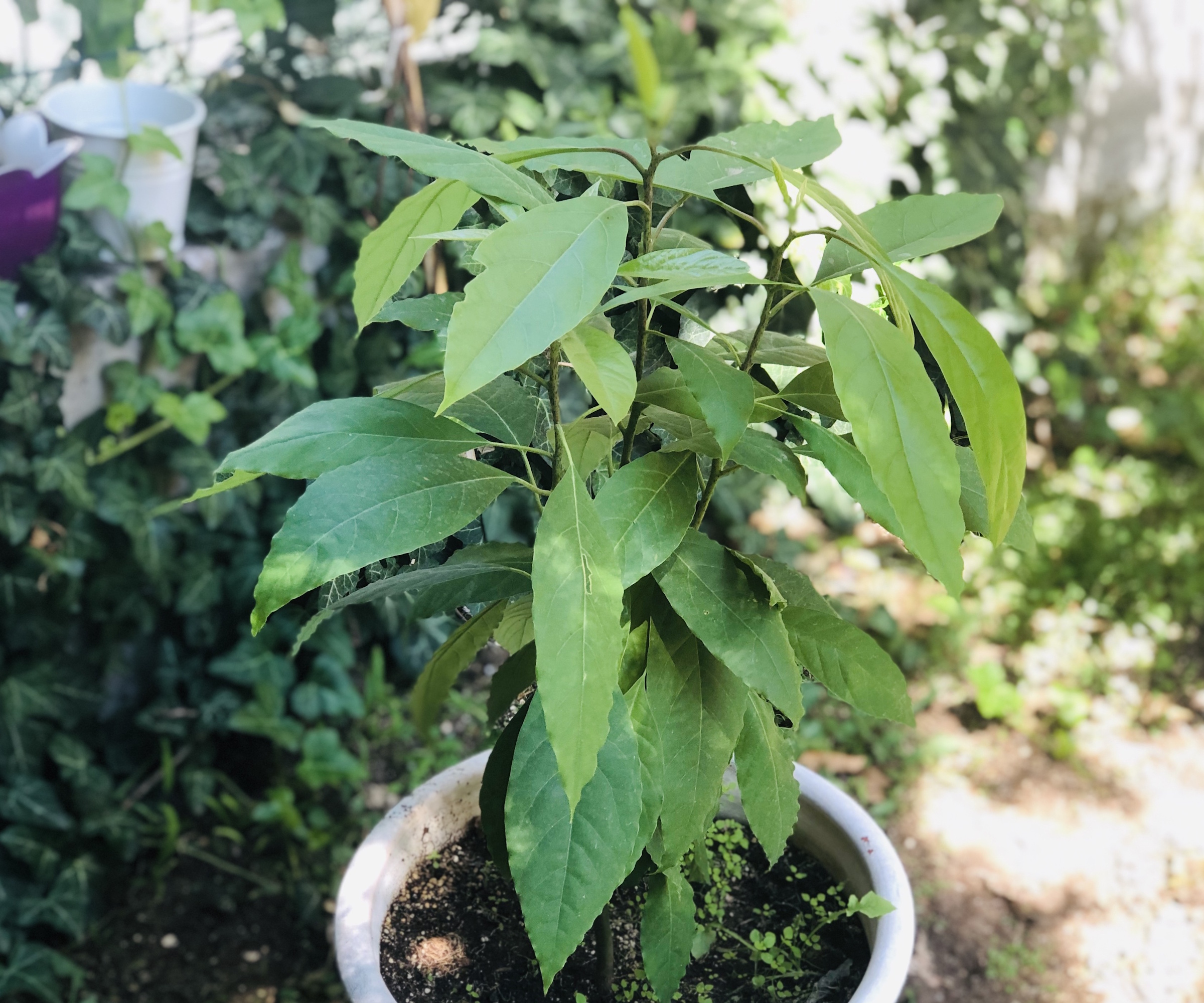
- Leaves: Glossy, dark green, and aromatic when crushed.
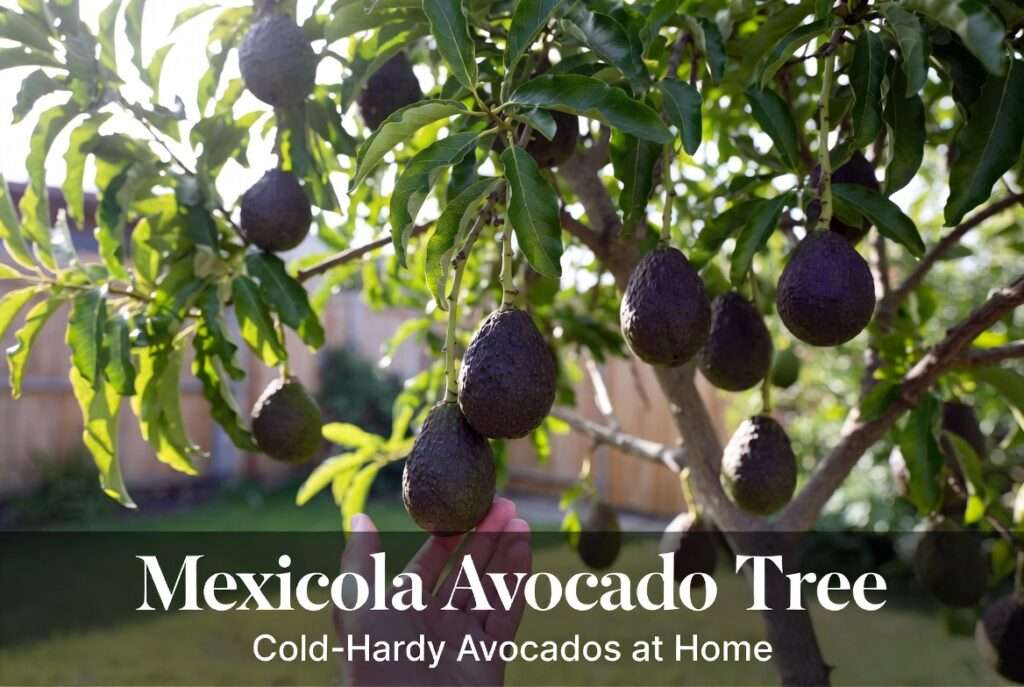
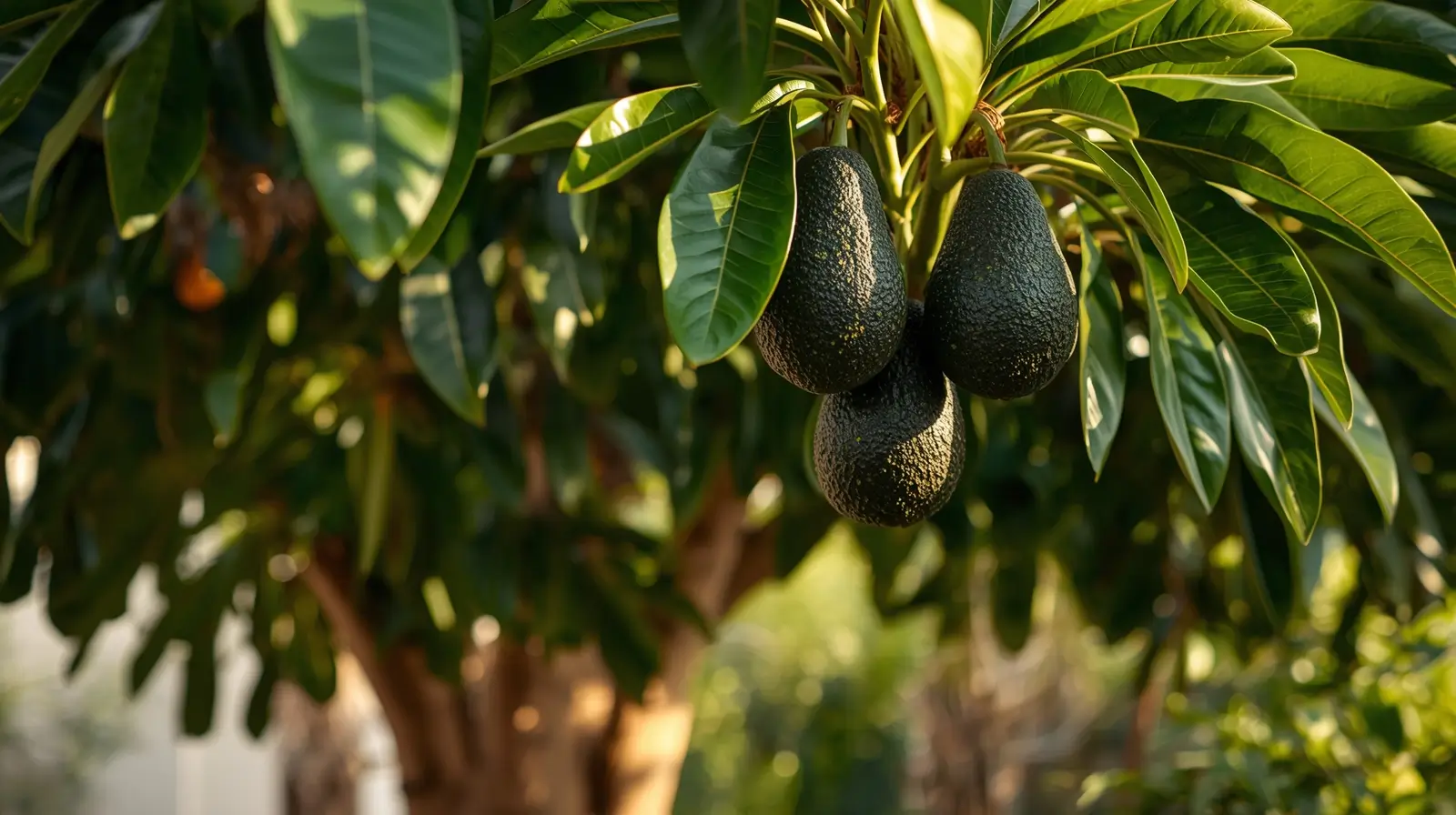
- Fruit: Small (4–7 oz), pear-shaped gems with thin, edible skin that turns glossy purple-black when ripe. The flesh is pale yellow-green, creamy, and bursting with rich, nutty flavor—higher oil content than many commercial varieties. One large, smooth seed sits neatly inside.
- Bark and Form: Attractive upright growth with strong branching.
Flowering Type and Pollination Basics
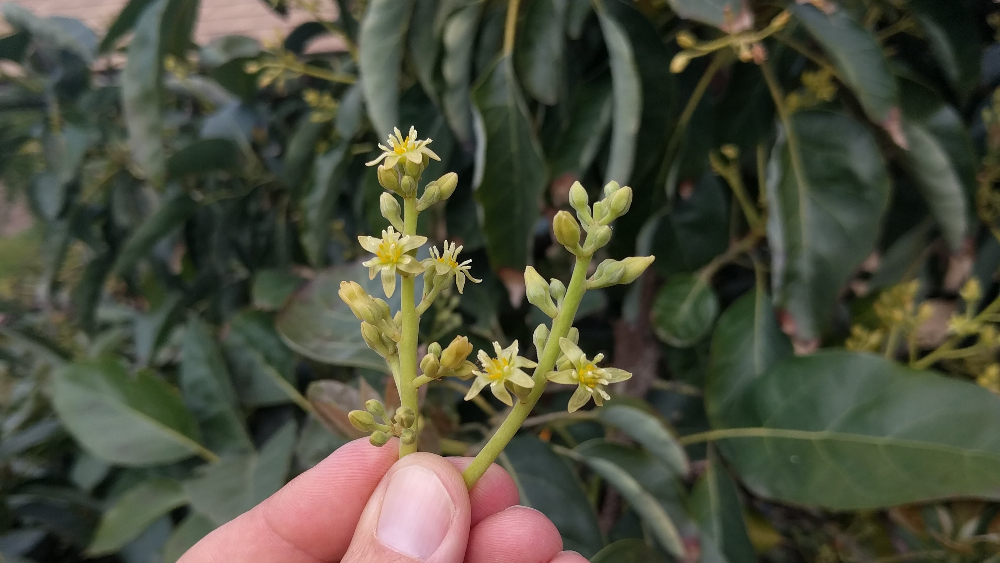
Mexicola is a Type A flower variety, meaning its blooms open as female in the morning and male in the afternoon. While it can set fruit on its own (self-pollinating to a degree), planting a Type B companion nearby (like Bacon or Zutano) dramatically boosts yields through cross-pollination. Expect beautiful clusters of small, creamy-white flowers in early spring.
2. Why Choose Mexicola for Your Home Garden? 💎
If you’re tired of babying finicky avocado trees or living in a “borderline” climate, the mexicola avocado tree is your perfect match. Here’s why it outshines popular varieties:
Top Benefits Compared to Popular Varieties
- Superior Cold Hardiness: Survives brief dips to 18–22°F (some reports even 15°F with protection). Hass? It sulks below 30°F.
- Faster Fruiting: Often produces in just 3–4 years from a grafted sapling—quicker than many others.
- Compact & Ornamental: Ideal for patios, small spaces, or even espalier training.
- Thin Edible Skin: No peeling hassle—just rinse, slice, and enjoy the entire fruit.
- High Ornamental Value: Year-round green foliage plus stunning purple-black fruit clusters.
Real-World Yield and Home-Gardener Success Stories
Mature trees reliably deliver 20–30+ pounds of fruit annually in optimal conditions. Gardeners in Zone 8–9 report heavy crops even after light freezes, proving its reliability where other avocados fail.
Nutritional and Culinary Perks
High in heart-healthy fats, fiber, and vitamins, Mexicola avocados offer a richer, nuttier taste than supermarket varieties. Use them in guacamole, smoothies, toast, or even baked dishes—the thin skin makes prep effortless! 🥑🍞
3. Ideal Growing Conditions for Success 🌍
Success with any mexicola avocado tree starts with matching its natural preferences. Get these right, and your tree will reward you for decades.
USDA Hardiness Zones and Climate Tolerance
- In-Ground: USDA Zones 8–11.
- Containers: Zones 4–7 (move indoors or to a protected spot during hard freezes). It handles heat and humidity well but needs protection from strong winds and late-spring frosts.
Sunlight, Temperature, and Wind Requirements
Provide full sun (at least 6–8 hours daily) for best fruit production. Ideal temperatures range 60–85°F; protect young trees from winds that can damage tender growth.
Soil Type, pH, and Drainage Essentials
Well-drained, loamy or sandy soil with pH 6.0–7.0 is essential. Poor drainage is the #1 killer—avocado roots hate “wet feet” and quickly succumb to root rot. Amend heavy clay with plenty of organic matter or plant in raised beds/mounds. Mulch heavily to retain moisture and suppress weeds.
4. How to Plant Your Mexicola Avocado Tree 🪴
Planting correctly sets your mexicola avocado tree up for a lifetime of healthy growth and abundant harvests.
Choosing the Right Start – Seed, Pit, or Grafted Sapling?
- Grafted Sapling: Best choice for faster fruiting (3–4 years) and true-to-type results. Recommended for beginners.
- Pit/Seed: Fun DIY project, but takes 5–10+ years and may not match parent fruit quality.
Best Time to Plant and Site Selection
Spring or early fall is ideal. Choose a spot with excellent drainage and full sun, spacing trees 15–20 feet apart.
Step-by-Step Planting Instructions
- Dig a hole twice as wide as the root ball but no deeper.
- Gently loosen roots and place the tree so the graft union sits 2–3 inches above soil level.
- Backfill with native soil mixed with compost; water deeply.
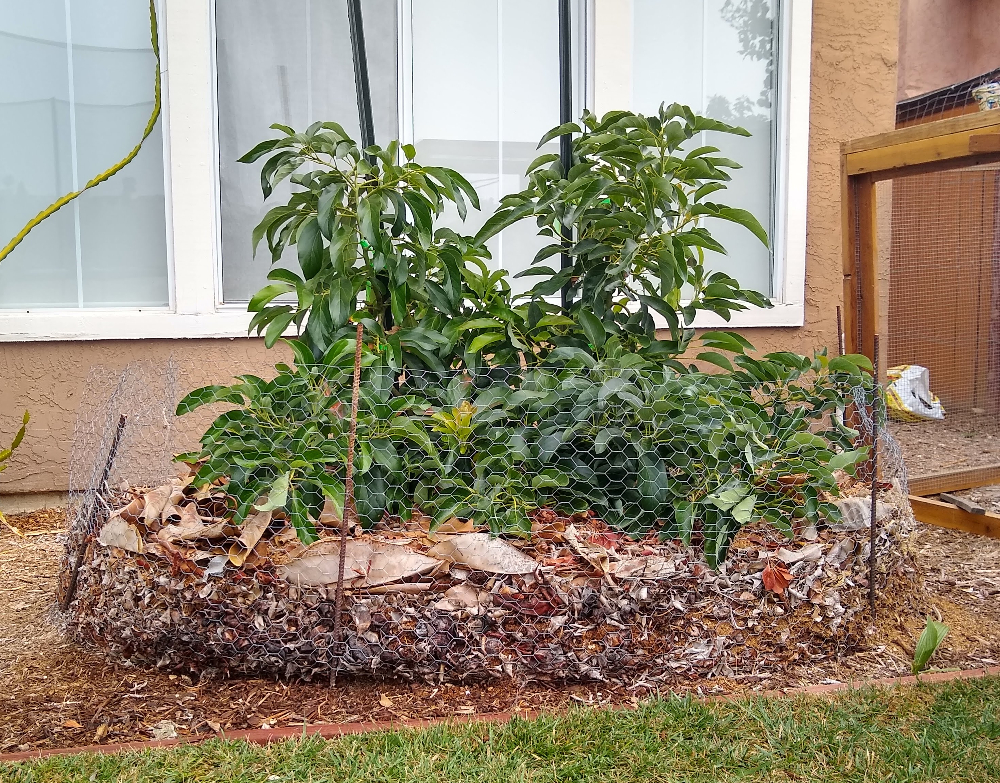
- Apply 4–6 inches of organic mulch (keep 4 inches away from trunk).
- Stake lightly if in a windy area.
Container Planting for Patios and Small Spaces
Use a 15–25 gallon pot with excellent drainage holes. A high-quality citrus/avocado potting mix works wonders. This method gives you mobility—wheel it to a sunny spot in summer and protect from frost in winter.
5. Essential Care Routine: Watering, Feeding & Pruning 💧🌿
Once your mexicola avocado tree is in the ground or a large container, consistent care is the secret to lush growth and generous harvests. This cold-hardy variety is relatively forgiving, but following a smart routine prevents common issues like leaf drop, poor fruit set, or stunted growth.
Watering Schedule for Every Growth Stage
Young trees (first 1–2 years) need frequent deep watering to establish strong roots—aim for 1–2 times per week, delivering enough water to moisten the soil 12–18 inches deep. Let the top 2–3 inches of soil dry out between waterings to avoid root rot.
Established trees are more drought-tolerant but still appreciate deep soaks every 7–14 days during hot, dry periods. In cooler months, reduce frequency. Always water slowly at the base to encourage deep rooting.
Pro Tip: Use a moisture meter or the “finger test” — if the soil feels dry 4–6 inches down, it’s time to water. Overwatering is far more dangerous than underwatering for avocados. 🪴
Fertilizing for Healthy Growth and Fruit Production
Feed your mexicola avocado tree with a balanced fertilizer formulated for citrus or avocados (such as 10-10-10 or a slow-release organic blend). Apply in early spring as new growth begins, then again in late spring and early fall.
For young trees, use about ½ pound of actual nitrogen per year, split into 3–4 applications. Mature trees may need 1–2 pounds annually. Supplement with micronutrients like zinc, iron, and magnesium if leaves show yellowing between veins (common in alkaline soils).
Organic gardeners love compost tea, fish emulsion, or well-aged manure. Avoid high-nitrogen fertilizers late in the season—they encourage tender growth vulnerable to frost.
Pruning Techniques for Shape, Airflow & Yield ✂️
Prune lightly in late winter or early spring before flowering. Focus on:
- Removing dead, damaged, or crossing branches
- Opening the canopy for better sunlight and air circulation (reduces disease risk)
- Shaping the tree to keep it compact (especially useful for container-grown Mexicola)
Never remove more than 20% of the canopy at once. Pinch tips on young trees to encourage bushier growth. For patio specimens, annual pruning keeps the mexicola avocado tree manageable at 8–12 feet.
Mulching and Weed Control
Apply a 4–6 inch layer of organic mulch (wood chips, shredded bark, or straw) around the base, keeping it 4–6 inches away from the trunk. Mulch conserves moisture, moderates soil temperature, suppresses weeds, and adds nutrients as it breaks down. Replenish yearly for best results.
6. Pest and Disease Prevention & Management 🛡️🐛
Healthy mexicola avocado trees resist most problems when grown in optimal conditions, but vigilance pays off.
Common Pests (Mites, Thrips, Lace Bugs) and Organic Controls
- Persea mites and spider mites: Cause stippling or bronzing on leaves. Blast with strong water sprays; introduce predatory mites or use neem oil/horticultural soap.
- Thrips: Distort new growth. Sticky traps and beneficial insects help.
- Lace bugs: Suck sap from leaf undersides. Monitor early and treat with insecticidal soap.
Encourage natural predators like ladybugs and lacewings by avoiding broad-spectrum pesticides.
Major Diseases (Root Rot, Anthracnose, Canker) and How to Avoid Them
Phytophthora root rot is the biggest threat—prevent it with excellent drainage and avoiding overwatering. If symptoms appear (wilting, leaf drop, dark roots), improve drainage immediately and apply phosphorous acid treatments (following label rates).
Anthracnose causes fruit spotting in humid conditions. Ensure good airflow and harvest promptly. Canker appears as sunken lesions on bark—prune out affected areas and disinfect tools.
Prevention is key: Plant in well-drained soil, avoid wounding the trunk, and keep the area weed-free.
Seasonal Monitoring Checklist 📋
- Spring: Check for new growth pests and fertilize.
- Summer: Deep water during dry spells; watch for mites.
- Fall: Harvest fruit; apply mulch before winter.
- Winter: Protect from hard freezes with frost cloth or move containers indoors.
7. Harvesting, Ripening & Enjoying Your Mexicola Avocados 🍽️🥑
One of the joys of growing a mexicola avocado tree is the delicious harvest!
When and How to Pick Fruit
Mexicola fruits mature from September through November (sometimes into December). Pick when fruits reach full size and the skin begins shifting to a glossy purple-black. They do not ripen on the tree—twist and pull gently or use clippers, leaving a short stem. Test maturity by picking one or two; if they soften nicely in 7–10 days, the rest are ready.
Ripening at Home and Storage Tips
Place firm avocados in a paper bag with an apple or banana to speed ripening via ethylene gas (2–5 days). Once ripe (soft but not mushy), store in the refrigerator for up to a week. For longer storage, freeze mashed pulp with lemon juice.
Avoid harvesting in rain or extreme heat to prevent quality issues.
Delicious Recipe Ideas
Mexicola’s thin skin and nutty, rich flavor shine in:
- Classic Guacamole – Mash with lime, onion, cilantro, and salt.
- Avocado Toast with everything seasoning and chili flakes.
- Creamy Avocado Smoothie with banana and spinach.
- Avocado Egg Salad or stuffed avocados.
- Grilled Avocado halves with sea salt for a smoky twist.
The edible skin makes prep quick and waste-free! 🍞🥑
8. Propagation: Grow More Trees from Your Own Harvest 🌱
Want more mexicola avocado trees? Propagation is rewarding.
Seed vs. Grafting Methods
- From Seed: Fun but slow (5–10+ years to fruit) and variable quality. Suspend the clean pit in water (broad end down) with toothpicks until roots and stem grow, then transplant.
- Grafting: Best for true-to-type, fast-fruiting trees. Use a healthy seedling as rootstock and graft a scion from your mature Mexicola in spring. Whip-and-tongue or cleft grafting works well for home gardeners.
Air-Layering and Cuttings for Clones
Air-layering branches on the parent tree produces clones faster than seeds. Wrap a wounded branch with moist sphagnum moss and plastic until roots form, then cut and pot.
9. Troubleshooting Common Mexicola Problems 🔧
Even tough varieties face occasional hiccups.
Yellow Leaves, Leaf Drop, or No Fruit?
- Yellow leaves: Often nutrient deficiency (zinc/iron) or overwatering. Test soil pH and adjust fertilizer.
- Leaf drop: Normal in small amounts; excessive may signal cold stress, drought, or root issues.
- No fruit: Young tree (wait 3–4 years), poor pollination, or nutrient imbalance. Add a Type B pollinator for better sets.
Frost Damage Recovery
Wrap young trees or use frost cloth during freezes below 20°F. After damage, prune dead wood in spring and provide extra water/nutrients for recovery.
Slow Growth or Small Fruit Fixes
Increase sunlight, ensure proper watering/fertilizing, and check for compacted soil or pests.
10. Advanced Tips for Bigger Yields & Healthier Trees 🚀
Companion Planting and Garden Integration
Grow nitrogen-fixers (beans, clover) or pest-repelling herbs (marigolds, basil) nearby. Avoid heavy feeders that compete for water.
Container Growing Mastery
Repot every 2–3 years into larger containers with fresh mix. Protect from frost by moving to a garage or sunny indoor spot. Water more frequently than in-ground trees.
Organic & Sustainable Practices
Use compost, cover crops, and rainwater collection. Integrated pest management keeps your garden eco-friendly.
Expert Insights from Professional Growers
University extensions (UF/IFAS, UC ANR) emphasize drainage and balanced nutrition. Experienced growers report Mexicola reliably producing 20–30+ lbs per mature tree with minimal fuss—far outperforming less hardy varieties in marginal climates.
11. Frequently Asked Questions (FAQs) ❓
Can the Mexicola avocado tree survive in Zone 7? Yes, in large containers with winter protection (move indoors or use heavy frost cloth). In-ground survival is riskier without microclimate protection.
How long until my tree bears fruit? Grafted saplings often fruit in 3–4 years. Seed-grown trees may take 5–10 years or longer.
Is Mexicola self-pollinating? It is Type A and can set some fruit alone, but yields improve significantly with a Type B variety nearby (e.g., Bacon or Zutano).
Why are my avocados rubbery or not ripening? They were likely picked too early (immature). Always wait for full size and test maturity.
How cold can Mexicola tolerate? Mature trees handle brief drops to 18–22°F; some reports of 15°F with protection. Flowers are more sensitive.
What’s the difference between Mexicola and Mexicola Grande? Grande produces slightly larger fruit (up to 8–9 oz) but shares similar cold hardiness and flavor.
Best fertilizer for Mexicola avocado tree? Citrus/avocado blends high in micronutrients, applied spring through fall.
Can I grow it indoors year-round? Yes, with bright light (grow lights if needed) and good airflow, but fruiting is challenging without outdoor pollination time.
How do I prevent root rot? Excellent drainage is non-negotiable—raised beds, amended soil, and careful watering.
When is the best time to prune? Late winter/early spring before bloom.
Conclusion: Your Journey to Homegrown Cold-Hardy Avocados 🌳❤️🥑
Growing a mexicola avocado tree opens the door to fresh, flavorful avocados even in cooler or space-limited gardens. Its cold hardiness, compact size, thin edible skin, and nutty taste make it a standout choice for home orchardists.
By following this comprehensive guide—proper planting, consistent care, pest prevention, and timely harvesting—you’ll enjoy bountiful crops for years. Remember: excellent drainage, full sun, and balanced nutrition are your best allies.
Ready to plant your own mexicola avocado tree? Grab a grafted sapling, prepare your spot, and watch it thrive—no matter the weather! Share your progress, photos, or questions in the comments below. I’d love to hear how your cold-hardy avocado adventure unfolds.
Happy gardening! 🌱🥑✨











