
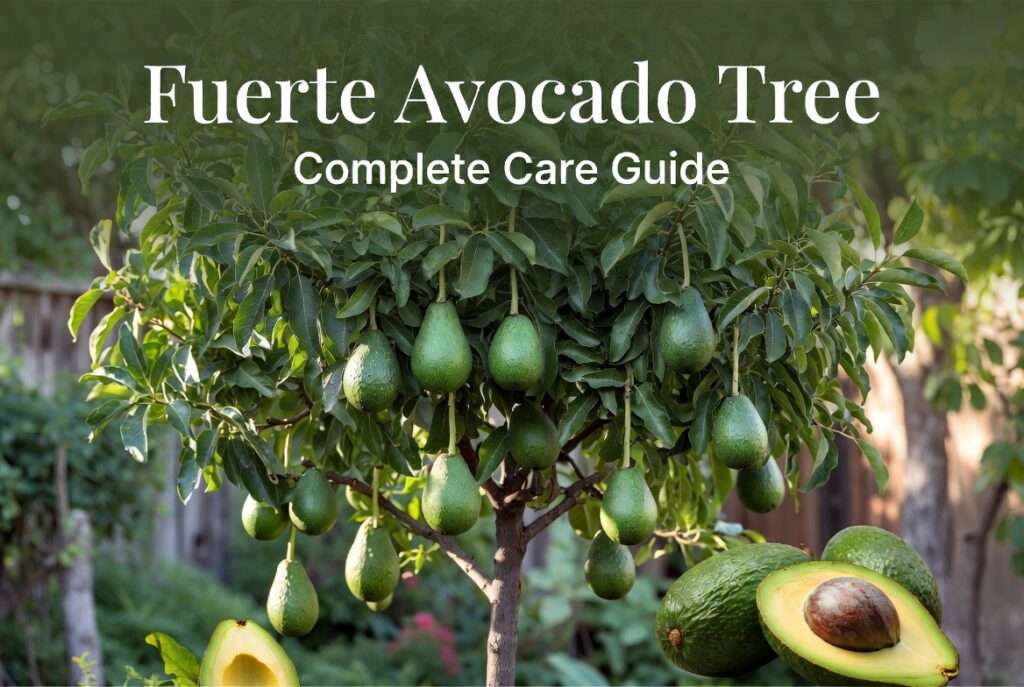
Imagine stepping into your backyard on a crisp morning, reaching up to pick perfectly ripe, buttery-smooth avocados from your very own fuerte avocado tree — even if you live in a climate where other varieties would shiver and quit. No more guessing at the grocery store or paying premium prices for fruit that just doesn’t taste the same. If you’re a home gardener who’s been searching for reliable, cold-hardy avocado tree care that actually delivers heavy harvests, this guide is your complete roadmap.
As a horticulturist with over 15 years of hands-on experience growing subtropical fruits in USDA zones 8–11 (and helping hundreds of backyard growers succeed with Fuerte), I’ve tested every tip, trick, and common mistake so you don’t have to. Whether you’re a beginner with a tiny patio or an experienced gardener ready for your first big harvest, you’ll walk away with clear, step-by-step solutions to the biggest Fuerte avocado tree challenges: slow growth, poor fruit set, watering woes, and timing your pick perfectly. 🌱✨
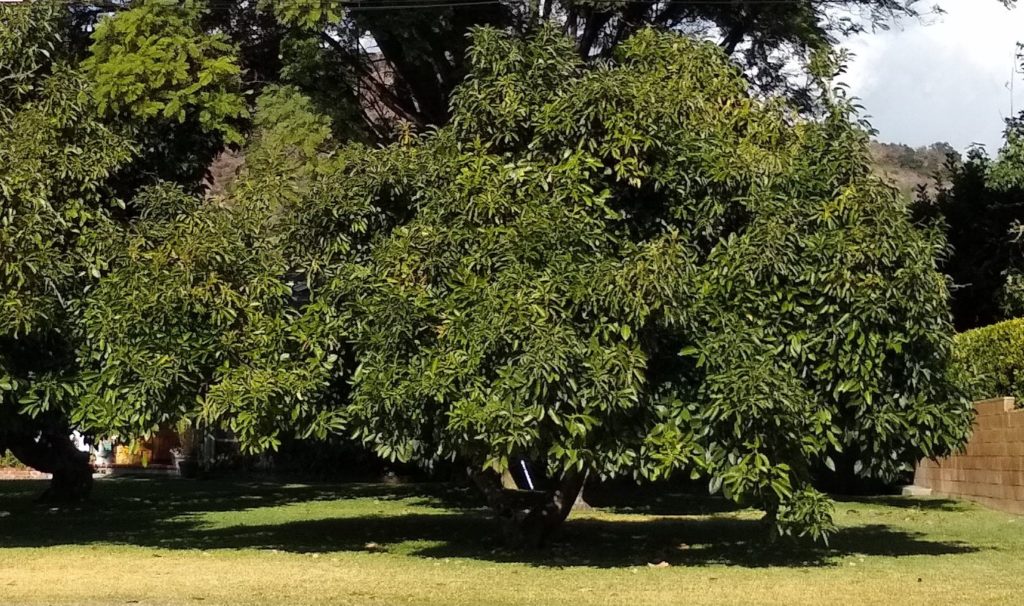
What Is a Fuerte Avocado Tree and Why Gardeners Love It 🥑✨
The Fuerte avocado tree (Persea americana ‘Fuerte’) is a Mexican-Guatemalan hybrid that has been stealing hearts since it was introduced to California in the early 1900s. Unlike the more famous Hass, Fuerte keeps its vibrant green skin even when fully ripe, has a classic pear shape, and boasts a richer, nuttier flavor with a smoother, creamier texture that many chefs and home cooks swear by.
Key characteristics that make it a backyard superstar:
- Cold-hardy down to 26–28°F (–3°C) — one of the toughest avocado varieties for marginal climates
- Type B flower (great pollinator partner for Type A trees)
- Medium to large fruit (8–16 oz) with thin, edible skin
- High productivity once established — often 100+ fruits per mature tree
- Excellent disease resistance compared to many other varieties
Fuerte vs. Hass, Reed & Pinkerton – Quick Comparison Table
| Variety | Skin Color When Ripe | Flavor Profile | Cold Hardiness | Fruit Size | Best For |
|---|---|---|---|---|---|
| Fuerte | Green | Nutty & creamy | 26°F | Medium | Cooler climates & flavor |
| Hass | Dark purple-black | Buttery & rich | 30°F | Medium | Commercial growers |
| Reed | Green | Mild & firm | 28°F | Large | Late-season harvests |
| Pinkerton | Green | Creamy & sweet | 28°F | Large | High yields |
Home-grown Fuerte avocados taste noticeably better than store-bought because they ripen on the tree longer and never endure long-distance shipping. Plus, they’re packed with heart-healthy monounsaturated fats, fiber, potassium, and vitamins E and K. One home-harvested fruit can feel like a mini victory every single day! 🥑❤️

Choosing the Perfect Fuerte Avocado Tree for Your Home 🌍🛒
Success starts at the nursery. Skip the big-box store saplings that often arrive stressed or mislabeled.
Bare-root, grafted, or container-grown?
- Grafted trees (recommended): Fruit in 2–4 years instead of 7–10+ from seed. Look for a strong rootstock like ‘Duke 7’ or ‘Zutano’ for better disease resistance and vigor.
- Container-grown: Ideal for patios and first-time growers — easier transplant and instant size.
- Bare-root: Cheaper but riskier; only for experienced gardeners planting in ideal weather.
Trusted sources & red flags Shop reputable online nurseries or local tropical fruit specialists. Avoid trees with yellowing leaves, circling roots, or signs of scale. A healthy Fuerte sapling should have glossy green leaves, a straight trunk, and visible graft union about 4–6 inches above the soil line.
Expert tip: Gently tug the trunk — it should feel firmly anchored. If it wiggles like a loose tooth, keep shopping! 🌱
Ideal Growing Conditions for Thriving Fuerte Avocado Trees 🌡️☀️
Fuerte avocado trees are tougher than most, but they still crave the right environment to explode with growth and fruit.
Climate and USDA Hardiness Zones Thrives in zones 9–11 and can survive zone 8 with protection. It handles light frost better than Hass but hates prolonged freezes below 26°F. In cooler areas, plant near a south-facing wall for radiant heat or use frost blankets during rare cold snaps.
Sunlight Requirements Full sun (6–8+ hours daily) is non-negotiable for heavy fruiting. Morning sun with afternoon dappled shade works in very hot climates (90°F+), but too much shade = leggy growth and zero avocados.
Soil Type, pH, and Drainage Secrets Well-draining, slightly acidic soil (pH 6.0–6.5) is the #1 secret to success. Heavy clay? Build a raised mound or plant in a large container. Add plenty of organic matter — compost, pine bark, and perlite — to keep roots happy and oxygen flowing. Poor drainage is the fastest way to lose a young Fuerte avocado tree to root rot. 🚫💧
Step-by-Step Planting Guide 🌱🪴
Timing is everything. Plant in early spring after the last frost or in fall when temperatures are mild.
Best time to plant your Fuerte avocado tree Spring (March–May) in most zones gives the tree an entire growing season to establish roots before winter.
In-ground planting instructions
- Dig a hole twice as wide as the root ball but only as deep.
- Gently remove the container and loosen circling roots.
- Position the graft union 2–3 inches above soil level.
- Backfill with native soil mixed 50/50 with compost.
- Water deeply and mulch 3–4 inches thick (keep mulch away from the trunk).
Growing in containers or patio pots Perfect for apartments or small spaces! Use a 20–25 gallon pot with excellent drainage. Choose a high-quality citrus/avocado potting mix and repot every 2–3 years. Container trees need more frequent watering and fertilizing but stay manageable and mobile during cold snaps.
Spacing, staking, and mulching Space in-ground trees 15–20 feet apart. Stake young trees for the first year to prevent wind rock. A thick organic mulch layer keeps soil cool, retains moisture, and suppresses weeds — your Fuerte avocado tree will thank you with faster growth! 🪴
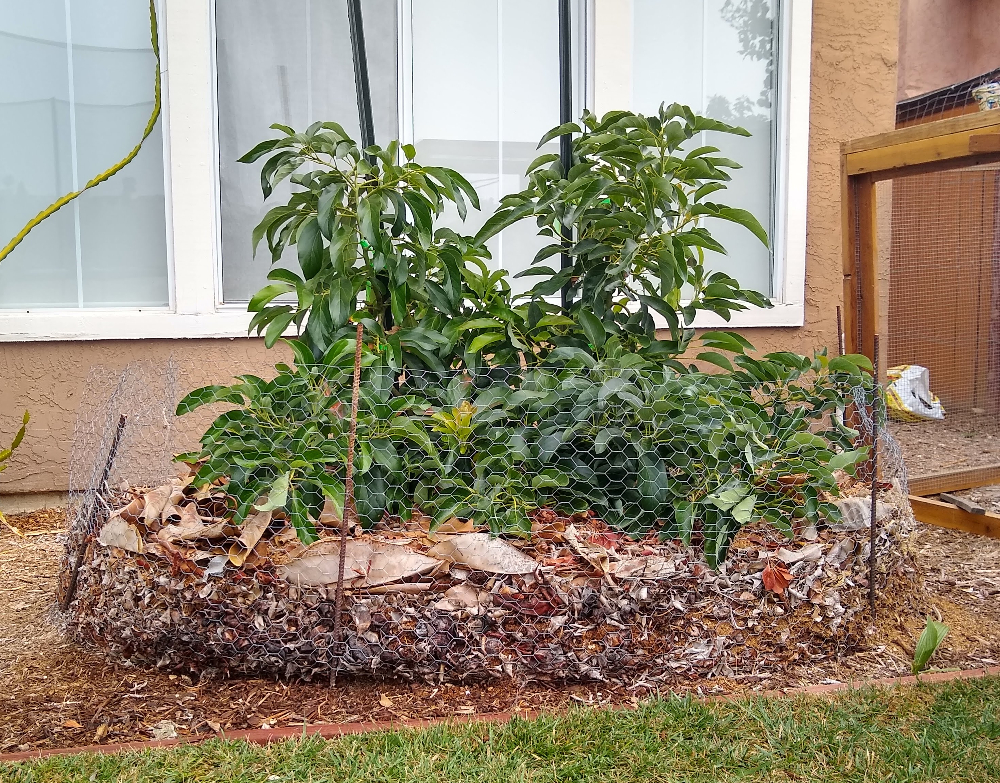
Watering Schedule That Prevents Both Drought and Root Rot 💧🚫
Proper watering is one of the most critical aspects of fuerte avocado tree care. These trees hate “wet feet” but also suffer terribly from drought stress, especially in the first 2–3 years. Overwatering leads to root rot (Phytophthora), while underwatering causes leaf drop, tip burn, and poor fruit set.
Young Trees vs. Mature Trees – Seasonal Watering Guide
- Year 1 (Establishment): Water deeply 2–3 times per week. Provide enough water to moisten the soil 12–18 inches deep. In hot summers (above 85°F), increase to every other day.
- Years 2–3: Reduce to 1–2 deep waterings per week. Let the top 2–3 inches of soil dry out between sessions.
- Mature Trees (4+ years): Once a week or every 10–14 days in summer; every 2–3 weeks in winter (unless it rains). Established Fuerte trees are surprisingly drought-tolerant once their deep root system develops.
Drip Irrigation, Soaker Hoses & Moisture Meter Hacks Install a drip system or soaker hose in a circle around the drip line (outer edge of the canopy). This delivers slow, deep water directly to the roots while keeping foliage dry — reducing fungal risks. A soil moisture meter is your best friend: aim for “moist but not soggy” readings 6–8 inches down.
Pro Tip: The “Finger Test” + Signs of Over/Under-Watering Stick your finger 4–6 inches into the soil. If it feels dry, water. If it’s still moist, wait.
- Overwatering signs: Yellowing lower leaves, wilting despite wet soil, mushy roots, fungal gnats.
- Underwatering signs: Crispy brown leaf edges, drooping young leaves, slow growth, fruit drop.
In my experience, more Fuerte avocado trees are lost to overwatering in heavy soils than to any other single issue. Always prioritize excellent drainage! 🌧️
Fertilizing for Explosive Growth and Heavy Fruiting 🧪🍃
Fuerte avocado trees are vigorous growers but need consistent nutrition to produce abundant, high-quality fruit. Starved trees grow slowly and drop tiny fruit; over-fertilized ones produce lush foliage with little harvest.
Best Organic & Slow-Release Fertilizers for Fuerte Use a balanced citrus/avocado fertilizer with an NPK ratio around 8-3-9 or 6-6-6, plus micronutrients like zinc, iron, and manganese. Organic options include compost tea, fish emulsion, kelp meal, and well-aged manure. Avoid high-nitrogen lawn fertilizers — they encourage weak growth prone to pests.
Feeding Calendar (Spring–Summer–Fall–Winter)
- Early Spring (new growth): First application as buds swell.
- Late Spring / Early Summer: Second feeding during flowering and fruit set.
- Midsummer: Light third application to support fruit development.
- Fall/Winter: Stop or use only a very light organic top-dressing. Excess nitrogen in cool weather promotes tender growth that freezes easily.
Micronutrients That Boost Flowering and Fruit Set Zinc deficiency is common and causes small, distorted “little leaf” symptoms. Apply zinc sulfate or a chelated zinc foliar spray in early spring. Magnesium (Epsom salts) helps with yellowing between veins. A soil test every 1–2 years is the professional way to fine-tune your program.
Young trees (first year) need little to no fertilizer — focus on root establishment instead. Mature trees benefit from ½ to 1 pound of actual nitrogen per year, split into multiple applications. 🥑✨
Pruning and Training for a Beautiful, Productive Tree ✂️🌳
Proper pruning keeps your fuerte avocado tree manageable, improves airflow (reducing disease), and directs energy into fruit instead of excessive height.
When and How to Prune (Year-by-Year Guide)
- Year 1–2: Minimal pruning — just remove dead or damaged branches and shape for a strong central leader.
- Year 3+: Prune in late winter or early spring (before bloom). Remove crossing branches, water sprouts, and anything growing straight up or down.
- Maintenance Pruning: Keep the tree at 12–15 feet for easy harvesting by heading back the tallest branches.
Shaping for Maximum Sunlight & Airflow Aim for an open vase or modified central leader shape. Thin the canopy so sunlight reaches inner branches — this dramatically improves fruit set and quality. Always make clean cuts just above a bud or branch collar, and disinfect tools between cuts.
Rejuvenation Pruning for Older Trees If your Fuerte has become too tall or leggy, you can safely cut it back hard (up to 30–40% of canopy) in late winter. It will respond with vigorous new growth. Paint exposed branches with white interior latex paint (50/50 with water) to prevent sunburn.
Consistent light pruning every year is far better than occasional heavy cuts. A well-pruned Fuerte tree is not only prettier — it’s healthier and more productive! 🌳
Pollination Made Simple – Unlock Bigger Harvests 🐝❤️
One of the biggest frustrations with Fuerte is inconsistent fruit set. Understanding its flowering type is the key to solving this.
Why Fuerte Is a Type B Pollinator (and what that really means) Avocado flowers have male and female phases. Type B trees (like Fuerte) open as female in the afternoon and as male the next morning. This timing overlaps beautifully with Type A varieties (like Hass), which are female in the morning and male in the afternoon. Cross-pollination between A and B types dramatically increases fruit retention.
Companion Type A Trees (recommended varieties) Plant a Hass, Reed, or Pinkerton within 20–50 feet for best results. Many backyard growers report their Fuerte trees suddenly producing heavy crops after adding a compatible Type A pollinator. Even two Type B trees can help each other somewhat, but an opposite type works best.
Hand-Pollination Tricks & Bee-Friendly Garden Tips On warm days when flowers are open, use a small brush to transfer pollen from male to female phases. Attract native bees and honeybees by planting companion flowers (borage, lavender, marigolds) nearby. Avoid broad-spectrum pesticides during bloom.
In many climates, Fuerte can set some fruit without a partner, but for reliable heavy harvests, pairing is highly recommended. The extra effort pays off with buckets of creamy avocados! 🐝🥑
Common Pests, Diseases & Organic Solutions 🛡️🐛
Even tough Fuerte avocado trees face challenges. Early detection and organic methods keep problems manageable.
Avocado Lace Bug, Thrips, and Mites – Identification & Treatment
- Lace bugs: Cause stippled, bronzed leaves with black droppings underneath. Treat with horticultural oil or neem oil sprays.
- Thrips: Scar and distort young fruit and leaves. Encourage beneficial insects and use spinosad if needed.
- Mites (persea or brown): Fine webbing and bronzing. Strong water sprays and predatory mites work wonders.
Root Rot, Anthracnose & Sunburn Prevention Phytophthora root rot is the #1 killer — symptoms include yellowing leaves, wilting, and decline. Prevent with excellent drainage and avoid overwatering. For anthracnose (fruit spots), ensure good airflow and harvest promptly. Sunburn shows as white or brown patches on exposed fruit/ branches — use shade cloth on young trees or paint trunks white.
Integrated Pest Management (IPM) Calendar + Safe Sprays Monitor weekly. Use neem oil, insecticidal soap, and beneficial insects as first line of defense. Healthy, properly fed and watered trees naturally resist most pests. In 15+ years of growing, I’ve found that prevention (right site, drainage, pruning) beats cure every time.
When and How to Harvest Fuerte Avocados Like a Pro 🍃📅
Timing is everything with Fuerte — pick too early and the fruit won’t ripen properly; leave too long and it may drop or become overripe on the tree.
Maturity Signs (don’t pick too early!) Fuerte fruit matures on the tree from late fall through spring (typically November–June depending on climate). Look for:
- Full size with rounded shoulders
- Slight softening when gently squeezed (but still firm overall)
- Glossy skin that remains green (it doesn’t turn black like Hass)
Gentle Harvesting Techniques to Avoid Bruising Use pole pruners or a harvesting bag with a clipper. Cut the stem cleanly rather than pulling — this prevents damage to the branch and fruit. Handle like eggs!
Ripening at Home + Storage Hacks Place firm fruit in a paper bag with an apple or banana at room temperature. It usually ripens in 3–7 days. Once ripe, refrigerate for up to a week. For longer storage, you can leave mature fruit on the tree for weeks — one of Fuerte’s great advantages.
Home-grown Fuerte avocados ripen to perfect creaminess with that signature nutty, grassy flavor that store-bought often lacks. Fresh guacamole from your own tree is a game-changer! 🥑😋
Troubleshooting: Fix Problems Fast 🔧🪴
Even the best fuerte avocado tree care routine can hit snags. Here’s a practical, experience-backed guide to diagnose and fix the most common issues quickly — before they become big problems.
Yellow Leaves, No Flowers, Small Fruit – Diagnose & Cure
- Yellow leaves with green veins: Classic iron or magnesium deficiency. Apply chelated iron or Epsom salts as a foliar spray. Improve soil drainage and pH.
- Uniform yellowing + wilting: Likely root rot from overwatering or poor drainage. Reduce water immediately, improve soil aeration, and consider a fungicide drench if severe.
- No flowers after 3+ years: Tree may be too young, in too much shade, over-fertilized with nitrogen, or lacking a pollinator. Move to full sun, balance fertilizer, and add a Type A companion if possible.
- Small or dropping fruit: Stress from inconsistent watering, nutrient imbalance (especially potassium or zinc), or poor pollination. Stabilize watering and apply a balanced bloom-booster fertilizer.
10 Most-Asked “My Fuerte Avocado Tree Is Struggling” Fixes
- Leaves dropping in winter: Normal for Fuerte in cooler climates — reduce water and protect from frost.
- Fruit never ripens: Picked too early. Leave on tree longer next time.
- Tree growing too tall, hard to harvest: Annual pruning keeps it in check.
- Brown tips on leaves: Salt buildup or underwatering. Flush soil with fresh water.
- White powdery coating: Powdery mildew — improve airflow and apply neem.
- Ants farming aphids: Control aphids with insecticidal soap; ants follow the honeydew.
- Sudden leaf scorch in summer: Sunburn or heat stress — add temporary shade and mulch thicker.
- No fruit despite flowers: Lack of cross-pollination or extreme weather during bloom. Hand-pollinate next season.
- Slow growth in container: Needs repotting or more frequent feeding/watering.
- Bark splitting: Usually from rapid growth after heavy rain/fertilizer or frost. Protect and monitor.
Most Fuerte problems stem from just three root causes: poor drainage, inconsistent watering, or nutrient imbalance. Fix the basics and your tree will reward you for years. 🛠️🥑
Advanced Tips from the Avocado Grove 🌟 (Expert Insights)
After growing dozens of Fuerte trees across different microclimates, here are the pro-level techniques that separate good harvests from outstanding ones.
Container Growing for Balconies & Rooftops Use at least a 25–30 gallon pot with multiple drainage holes. Add a layer of gravel or broken pottery at the bottom. Fuerte performs surprisingly well in containers if you fertilize every 4–6 weeks during growth and protect roots from freezing by moving indoors or insulating the pot. Many urban gardeners successfully harvest 20–50 fruits per season from potted Fuerte trees.
Companion Planting Companions Plant basil, marigolds, and nasturtiums around the base — they repel pests and attract pollinators. Borage and lavender draw bees during flowering. Avoid aggressive root competitors like mint or fennel directly under the canopy.
Sustainable & Regenerative Practices Build soil health with cover crops (clover or buckwheat) between young trees. Use chop-and-drop mulching from pruned branches. Create a mini food forest by layering Fuerte with lower-story herbs and ground covers. This approach reduces inputs while increasing biodiversity and tree resilience.
Propagating Your Own Fuerte Trees from Cuttings or Seeds While grafted trees are fastest, you can propagate Fuerte from semi-hardwood cuttings with rooting hormone and a humidity dome (success rate ~40–60% with bottom heat). Seed-grown trees take longer to fruit and may not be true to type, but they make excellent rootstocks or fun experiments for kids. Air-layering is another reliable method for cloning a favorite productive tree.
These advanced methods have helped many of my students turn a single tree into a productive mini-grove while staying eco-friendly and cost-effective. 🌿✨
Frequently Asked Questions (FAQs) ❓🥑
How long until my Fuerte avocado tree fruits? Grafted trees typically begin producing in 2–4 years. Seed-grown trees can take 7–10+ years. Consistent care (sun, water, fertilizer) speeds things up significantly.
Can Fuerte avocado grow in pots forever? Yes! Many gardeners keep Fuerte successfully in large containers for decades. Just repot every 2–3 years, prune roots lightly if needed, and provide extra nutrients and water during active growth.
Is Fuerte self-pollinating? Fuerte is not fully self-fertile. It benefits greatly from a nearby Type A pollinator (like Hass) for reliable heavy crops, though some fruit can set without one in ideal conditions.
How cold can a Fuerte avocado tree tolerate? It handles brief dips to 26–28°F with minimal damage when mature and hardened off. Younger trees and prolonged freezes need protection with frost cloth or lights.
Why are my Fuerte avocados dropping before ripening? Common causes: water stress, nutrient deficiency (especially potassium), extreme heat/cold during fruit set, or poor pollination. Stabilize conditions and ensure good cross-pollination.
What’s the best fertilizer for Fuerte avocado tree? A slow-release citrus/avocado formula high in potassium and micronutrients. Organic options like compost, fish emulsion, and kelp work excellently when applied consistently.
How do I protect my Fuerte avocado tree from frost? Use frost blankets, string lights for radiant heat, or move container trees to a sheltered spot. Water well before a freeze (moist soil holds heat better).
Can I grow Fuerte avocado tree indoors? Possible but challenging long-term. It needs very bright light (grow lights recommended) and good airflow. Most indoor attempts stay small and rarely fruit without exceptional conditions.
When is the best time to prune a Fuerte avocado tree? Late winter to early spring, just before new growth and flowering. Avoid heavy pruning during active growth or right before winter.
How much water does a mature Fuerte avocado tree need? Deep watering every 7–14 days in summer, less in cooler months. Adjust based on rainfall, soil type, and temperature — always let the top few inches dry out.
Conclusion & Next Steps 🌳🥑✨
Growing a thriving fuerte avocado tree at home is one of the most rewarding experiences in backyard gardening. From choosing the right sapling and planting it correctly to mastering watering, fertilizing, pruning, and harvesting, every step builds toward those delicious, creamy home-grown avocados you can proudly pick and enjoy.
By following this comprehensive guide, you now have the knowledge and practical tools to overcome common challenges and enjoy abundant harvests — even in cooler or smaller spaces. Remember: patience and consistency are key. Your Fuerte tree will grow stronger and more productive with each passing season.
I’d love to hear about your Fuerte avocado journey! Share your progress, photos, or questions in the comments below. Which tip are you most excited to try first? Tag us on social media when your first fruits appear — there’s nothing quite like that moment.











