
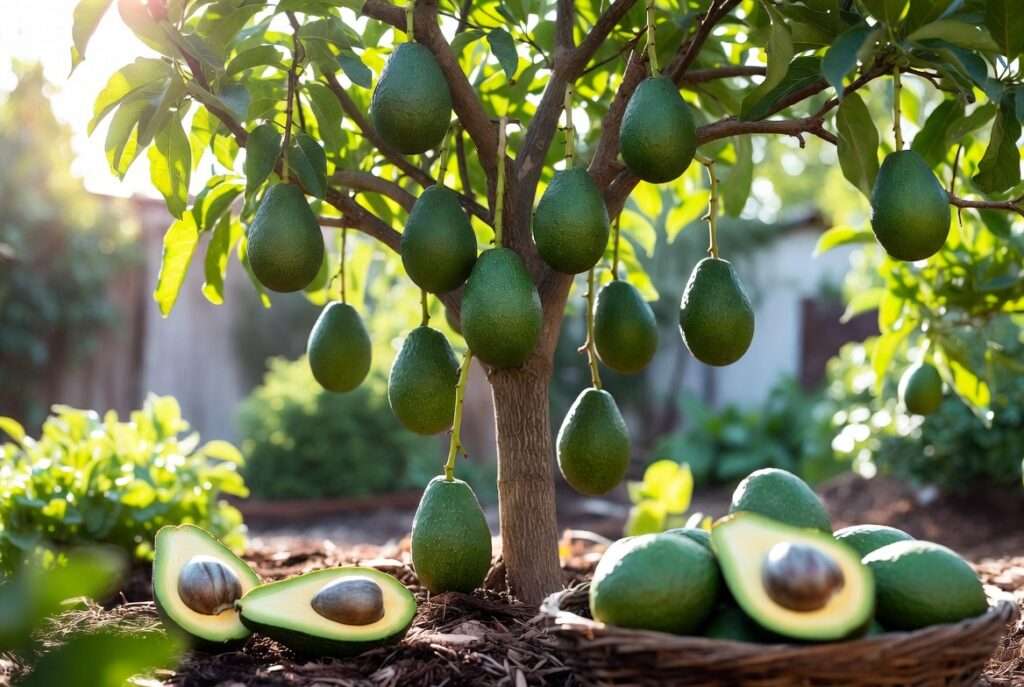
Imagine stepping into your backyard on a warm summer morning, reaching up to a glossy-leaved reed avocado tree, and harvesting softball-sized, buttery-smooth fruits that taste fresher and richer than anything from the grocery store. No more $2-per-avocado regret or waiting for rock-hard supermarket fruit to ripen unevenly! If you’ve ever dreamed of growing your own reliable, high-yielding avocado tree at home, the Reed variety is one of the best choices for backyard gardeners in warm climates.
In this comprehensive Reed avocado tree care guide, you’ll discover everything an expert horticulturist recommends—from selecting the perfect planting spot to mastering pollination, organic pest control, and harvesting like a pro. Whether you’re a beginner with a small yard or an urban gardener dreaming of patio-grown avocados, this step-by-step roadmap will help you enjoy abundant homegrown fruit in as little as 2–4 years. Let’s grow the ultimate Reed avocado tree together! 🥑✨
1. What Is a Reed Avocado Tree? Everything You Need to Know 🥑✨
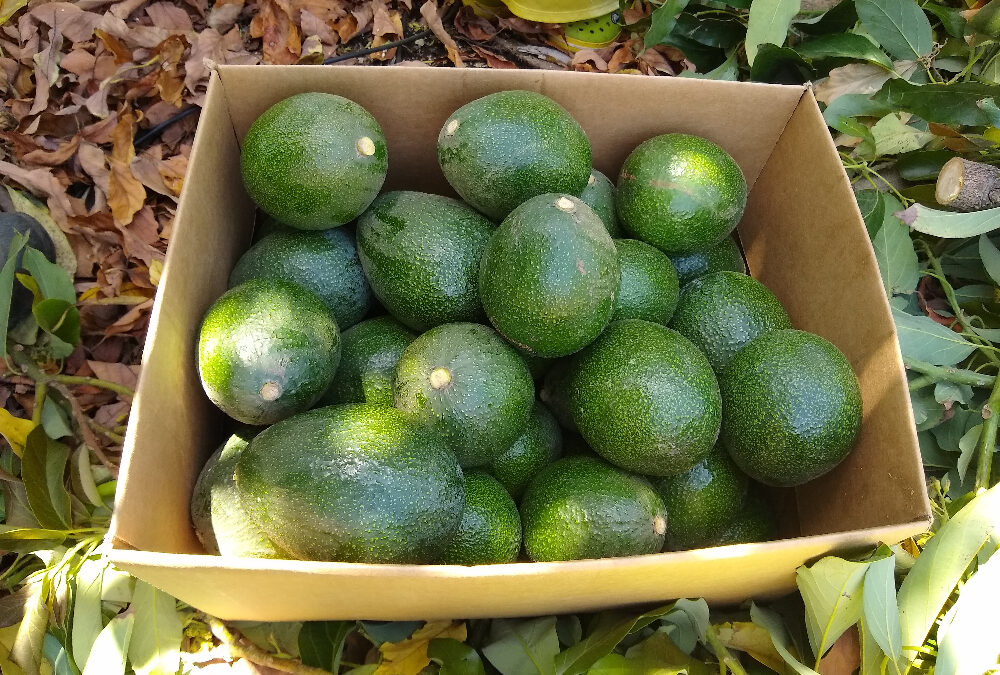
The Reed avocado tree (Persea americana ‘Reed’) is a standout Guatemalan-type hybrid that originated as a chance seedling on James Reed’s property in Carlsbad, California, around 1948. Patented in 1960, it quickly gained popularity among home growers for its impressive size, rich flavor, and consistent production.
Unlike the more common Hass (which turns black when ripe), Reed avocados stay a vibrant deep green even when perfectly ripe. The fruit is large and round—often 12–32 ounces (the size of a softball!)—with thick, shell-like skin that makes scooping the creamy, pale-yellow flesh a breeze. The seed is relatively large, but the flesh-to-seed ratio is excellent, and the flavor is nutty, buttery, and slightly sweeter than Hass.
Key Reed avocado tree characteristics:
- Growth habit: Upright and tall (15–35 feet unpruned, easily kept smaller with pruning)
- Flowering type: Type A (female flowers open mornings, male afternoons)
- Harvest season: Late summer to early fall (June–September in California; December–March in Florida)
- Cold tolerance: Down to about 28–32°F with some leaf damage—similar to Hass but better than many tropical varieties
- Pollination: Self-fertile but produces even heavier crops with a nearby Type B pollinator (like Fuerte or Bacon)
Here’s a quick comparison table for context:
| Variety | Fruit Size | Skin Color (Ripe) | Harvest Season | Best For |
|---|---|---|---|---|
| Reed | Large/round | Green | Summer–Fall | Home gardens, big yields |
| Hass | Medium/pear | Black | Winter–Spring | Commercial & stores |
| Fuerte | Medium/pear | Green | Fall–Winter | Early fruit |
| Bacon | Medium | Green | Fall–Winter | Cold-hardy companion |
Reed avocados are nutritional powerhouses too—packed with heart-healthy fats, fiber, potassium, and vitamins—making every home-harvested fruit a guilt-free treat! 🌱

2. Why Grow a Reed Avocado Tree at Home? 7 Game-Changing Benefits 🌟
Growing a Reed avocado tree isn’t just rewarding—it solves real problems every avocado lover faces:
- Fresh, superior taste – Homegrown Reeds are creamier and more flavorful because they ripen on the tree and go straight from branch to table.
- Abundant yields – Mature trees can produce 200+ fruits per season once established!
- Natural disease resistance – Fewer pest and disease issues compared to many other varieties.
- Beautiful landscape addition – Glossy leaves, fragrant flowers, and an upright shape make it an attractive backyard or patio feature.
- Kid-friendly family project – Watching your tree grow from a sapling to a fruiting giant is magical for children.
- Long-term savings & food security – Say goodbye to expensive store-bought avocados (and reduce your carbon footprint!).
- Heat and salt tolerance – Thrives in coastal or hot suburban gardens where other varieties struggle.
Real gardeners report that once a Reed avocado tree hits its stride, it becomes the star of the edible landscape—delivering joy and harvests year after year. 🌳❤️
3. Choosing the Perfect Spot: Climate, Sunlight & Space Requirements ☀️🏡
Reed avocado trees love warmth but are surprisingly adaptable. They perform best in USDA zones 9–11 and can handle brief dips to 28°F (with protection for young trees).
- Sunlight: Full sun (6–8+ hours daily) for maximum fruit production. Light afternoon shade is okay in scorching desert climates.
- Space: Allow 10–15 feet from buildings or other trees. Upright growth makes it ideal for narrower yards.
- Soil & drainage: Well-draining, slightly acidic soil (pH 6.0–6.5) is essential—avocados hate “wet feet” and are prone to root rot in heavy clay.
- Wind & frost protection: Plant in a sheltered spot; young trees especially need frost blankets during cold snaps.
- Urban hacks: Perfect for large containers (15–25 gallon minimum) on patios or balconies!
Pro tip: Avoid low-lying frost pockets. If your yard has poor drainage, build a 1–2 foot raised mound before planting. 🏞️
4. How to Plant a Reed Avocado Tree Step-by-Step 🌱🪴
The best time to plant is spring through early summer (March–June in most subtropical areas) so roots establish before winter.
Step-by-step planting guide:
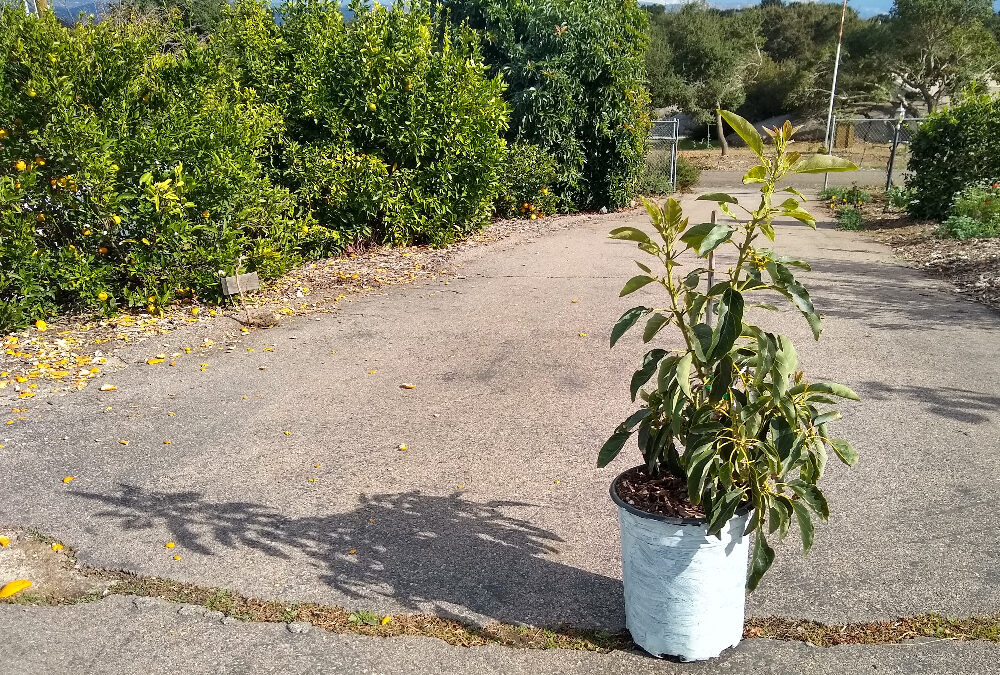
- Choose quality stock – Always buy a grafted Reed avocado tree from a reputable nursery (seedlings take much longer and may not be true to type).
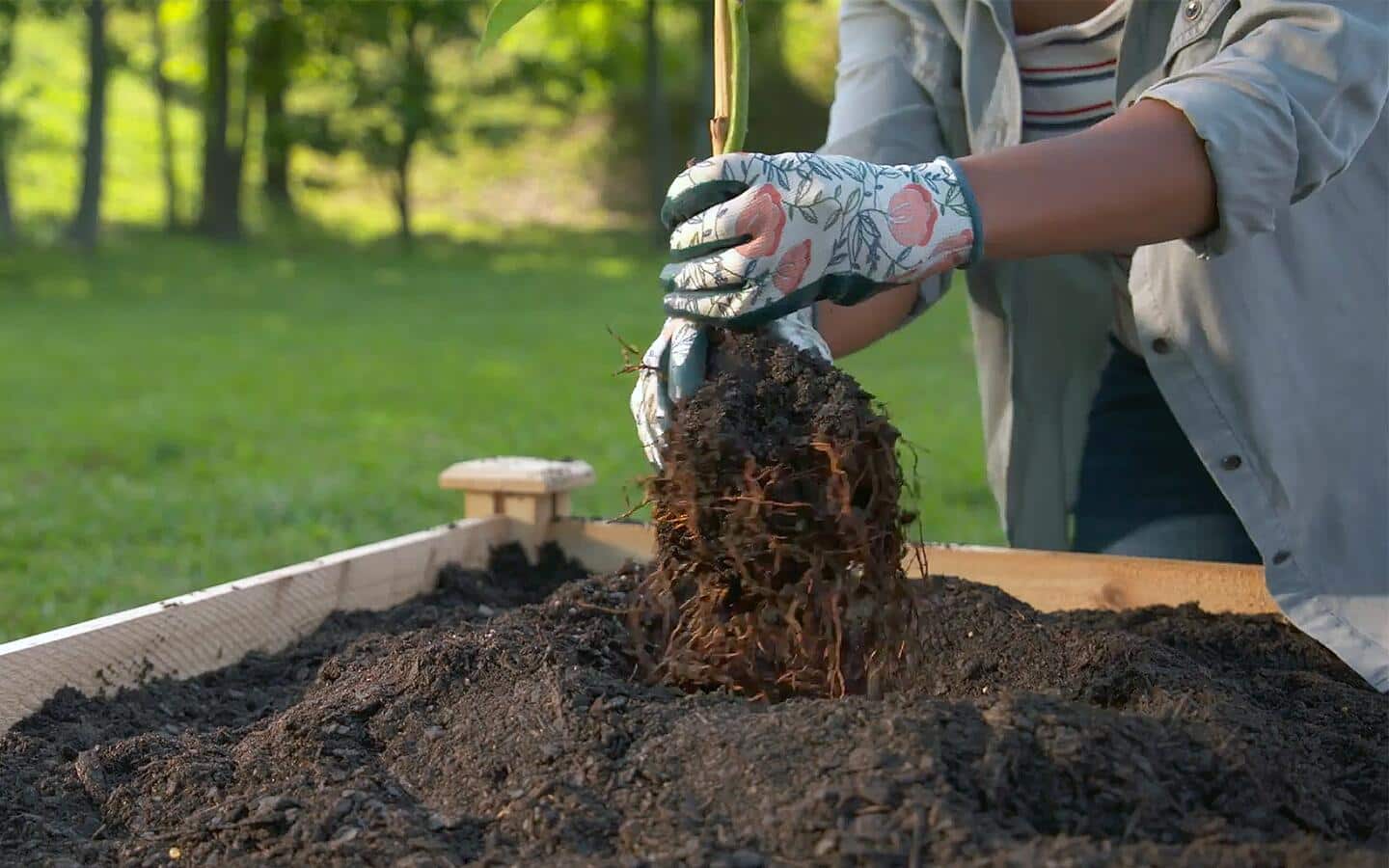
- Prepare the soil – Loosen a wide hole (3–5 times wider than the root ball). Mix in compost or well-rotted manure for nutrients—no gravel in the bottom!
- Plant at the right depth – Set the tree so the graft union is 2–3 inches above soil level. Backfill gently and water deeply.
- Mulch generously – 4–6 inches of organic mulch (keep 3 inches away from trunk) to retain moisture and suppress weeds.
- Stake temporarily – Use soft ties for the first year if windy.
Container planting recipe (for patios): Use a 20+ gallon pot with drainage holes. Mix 50% high-quality potting soil, 30% compost, 20% perlite or coarse sand. Water thoroughly after planting and place in full sun.
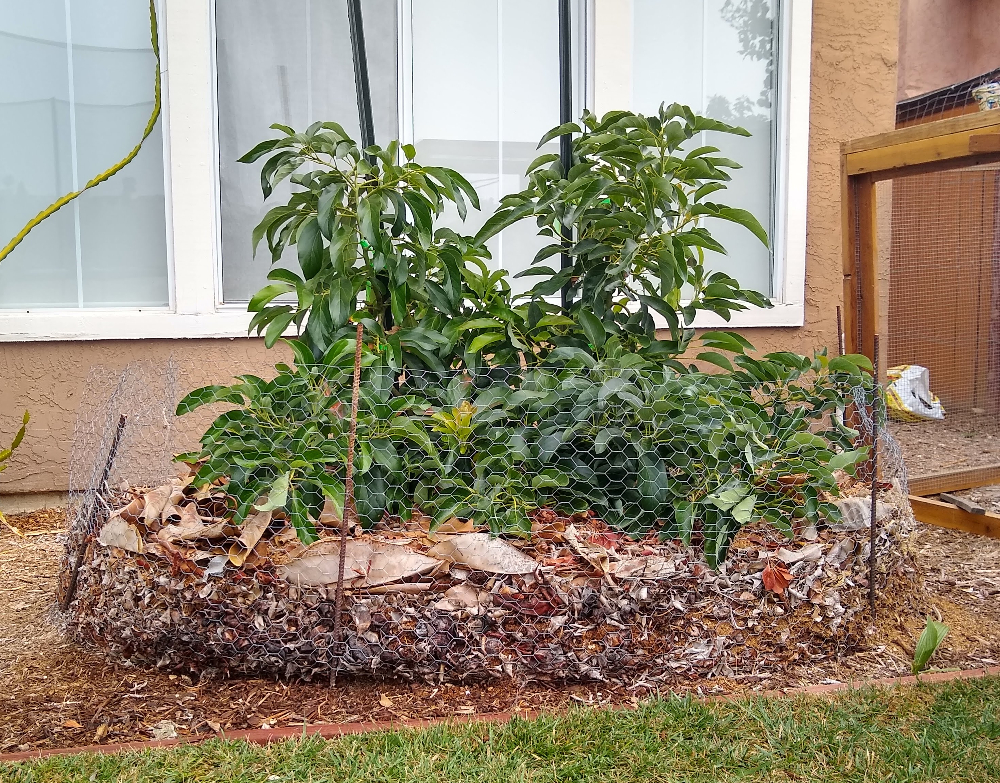
My biggest planting mistakes to avoid: Planting too deep, skipping mulch, or choosing a windy corner—learn from these and your Reed avocado tree will thank you with rapid growth! 💚
5. Daily & Seasonal Care: The Complete Reed Avocado Maintenance Routine 💧🌿
5.1 Watering Schedule That Prevents Both Drought and Root Rot
Young trees need consistent moisture (1–2 inches per week). Mature trees are more drought-tolerant but produce best with deep weekly watering during dry periods. Always check soil 4–6 inches down—water only when it feels dry. Overwatering is the #1 killer of avocado trees! 🪣
5.2 Fertilizing for Explosive Growth & Heavy Crops
Use a balanced citrus/avocado fertilizer (high in nitrogen for growth, with micronutrients like zinc and iron). Apply 3–4 times per year in growing season. Organic options like compost tea or fish emulsion work beautifully too.
5.3 Mulching Magic: The #1 Secret to Healthy Roots
A thick mulch layer keeps roots cool, retains moisture, and slowly feeds the tree as it breaks down. Replenish twice a year for best results.
5.4 Pruning Techniques for Shape, Size & Bigger Harvests ✂️
Prune lightly in late winter to maintain height under 15 feet and improve air flow. Remove crossing branches and water sprouts. Heavy pruning encourages more fruiting wood!
5.5 Sun, Temperature & Humidity Management Year-Round
Protect young leaves from intense afternoon sun with shade cloth the first summer. In humid areas, ensure good airflow to prevent fungal issues.
6. Pollination & Fruit Set: How to Guarantee a Bumper Crop 🌸🐝
Reed avocado trees are Type A bloomers, meaning their female flowers open in the morning and male flowers open in the afternoon on the same day. This clever timing makes them somewhat self-fertile, but cross-pollination with a nearby Type B variety (such as Fuerte, Bacon, or Zutano) dramatically boosts fruit set — often doubling or tripling your harvest.
In my years growing subtropical fruit trees, I’ve seen solitary Reed trees produce decent crops, but pairing them with a compatible pollinator turns “okay” into “abundant.” Plant the pollinator within 30–50 feet for best results.
Pro tips for better pollination:
- Attract native bees and hoverflies by planting companion flowers like borage, lavender, or Mexican marigold nearby.
- Avoid spraying during bloom time — even organic neem can deter helpful insects.
- Hand-pollination hack: Use a small brush to transfer pollen from male to female flowers in the afternoon if bee activity is low.
If flowers appear but drop without setting fruit, common culprits include temperature swings below 60°F during bloom, water stress, or nutrient imbalance (especially low boron or zinc). Consistent deep watering and a balanced avocado fertilizer usually fix this quickly. Your Reed avocado tree will reward patience with clusters of large, round green fruits hanging like ornaments! 🐝✨
7. Pest & Disease Management – Organic Solutions Only 🐛🛡️
Healthy Reed avocado trees are relatively resilient, but proactive care prevents most issues. The top threats include avocado lace bugs, thrips, mites, anthracnose (fruit rot), and Phytophthora root rot — the #1 killer in poorly drained soils.
Early detection checklist:
- Lace bugs: Look for stippled yellow leaves with black droppings on the underside.
- Thrips: Distorted new growth and silvery scarring.
- Root rot: Wilting despite moist soil, yellowing leaves, and stunted growth.
Organic control strategies that work:
- Neem oil or insecticidal soap sprays applied early in the morning (every 7–10 days for active infestations).
- Introduce beneficial insects like lacewings or predatory mites.
- Improve airflow through light pruning and avoid overhead watering.
- For root rot prevention: Ensure excellent drainage, never let soil stay soggy, and apply beneficial mycorrhizae or Trichoderma at planting.
Monthly prevention calendar tip: Inspect undersides of leaves in spring and summer. A strong jet of water from the hose dislodges many soft-bodied pests. In humid climates, copper-based fungicides (used sparingly) help against anthracnose on fruit.
With these organic methods, most home gardeners keep their Reed avocado tree thriving without harsh chemicals — protecting both your harvest and the environment. 🛡️🌿
8. Harvesting Reed Avocados Like a Pro: Timing, Technique & Storage 🍃🥑
One of the best things about Reed is that the fruit can hang on the tree for months once mature, extending your fresh supply without rushing.
Signs your Reed avocados are ready:
- Fruit reaches full size (often 12–32 oz, softball-sized or larger).
- Skin remains deep green but feels slightly soft when gently squeezed.
- Stem snaps easily when twisted — or a test fruit softens nicely indoors in 3–7 days.
Harvesting technique:
- Use pruning shears or a pole picker with a basket to avoid bruising or damaging branches.
- Twist and pull gently upward — never yank.
- Harvest in stages if the tree is loaded; leave some fruit to ripen later on the tree.
Ripening and storage secrets:
- Room temperature in a paper bag with an apple or banana speeds ethylene-driven ripening (usually 3–8 days).
- Once ripe, refrigerate whole fruit for up to 2 weeks.
- Cut avocados brown quickly — sprinkle lemon juice or store with the pit to slow oxidation.
Reed’s thick skin makes it excellent for storage and shipping, so you can enjoy creamy, nutty flesh in guacamole, smoothies, salads, or simply with salt and lime for weeks. One mature tree can easily supply a family’s avocado needs all season long! 🥑🍴
9. Troubleshooting: Solve 12 Common Reed Avocado Problems Fast ⚠️
Even experienced growers face challenges. Here’s a practical diagnostic guide based on real-world observations:
- Yellow leaves — Usually overwatering/root rot or nutrient deficiency (nitrogen, iron, or magnesium). Improve drainage and apply chelated iron foliar spray.
- Leaf drop — Drought stress, sudden temperature change, or transplant shock. Mulch and water deeply but infrequently.
- No fruit or poor fruit set — Lack of pollinator, cold during bloom, or excessive nitrogen fertilizer.
- Small fruit — Underwatering, nutrient imbalance, or young tree (full production often starts year 3–5).
- Sunburn on leaves/bark — Common on young trees; use shade cloth or whitewash trunk the first 1–2 summers.
- Wilting despite watering — Classic root rot sign — check drainage immediately.
- Brown tips on leaves — Salt buildup from hard water or over-fertilizing; flush soil with fresh water.
- Fruit splitting — Irregular watering (feast-or-famine cycle).
- Anthracnose on fruit — High humidity; improve airflow and harvest promptly.
- Pests causing distorted growth — Thrips or mites — neem oil works wonders.
- Slow growth — Poor soil, insufficient sun, or compacted roots in containers.
- Alternate bearing (heavy then light years) — Thin fruit in heavy years and fertilize consistently to balance.
Quick diagnostic tip: Take clear photos of symptoms and check soil moisture 6 inches deep before making changes. Most issues resolve with better watering habits and balanced nutrition.
10. Advanced Growing Techniques for Serious Home Orchardists 🚀
Once your Reed avocado tree is established, level up with these pro methods:
- Espalier or hedging: Train against a wall or fence to save space and create a beautiful edible screen.
- Grafting: Add branches of other varieties (like a Type B pollinator) directly onto your Reed for extended harvest.
- Air-layering: Create new trees from healthy branches if you want clones of your best performer.
- Companion planting: Grow with nitrogen-fixers like beans or pest-repelling herbs (basil, chives) at the base.
These techniques turn a simple backyard tree into a productive mini-orchard that maximizes limited space and extends your fresh avocado season.
11. Monthly Care Calendar + Printable Checklist 📅✅
Spring (March–May): Plant new trees, fertilize lightly as growth starts, monitor for new pests, protect blooms from late frost. Summer (June–August): Deep water weekly, mulch refresh, harvest early Reed fruit, shade young trees if needed. Fall (September–November): Main harvest window in many regions, reduce watering as temperatures drop, apply final fertilizer. Winter (December–February): Minimal watering, frost protection for young trees, light pruning, observe for salt damage.
Print this calendar and keep it near your gardening tools — consistency is the real secret to a thriving Reed avocado tree! (Many readers download and laminate theirs for year-round use.)
12. Frequently Asked Questions (FAQs) ❓
How long does a Reed avocado tree take to fruit? Grafted trees often produce a small crop in 2–4 years and reach full production by year 5–7 with good care.
Can I grow a Reed avocado in a pot? Yes! Choose a 20–25+ gallon container with excellent drainage. Repot every 2–3 years and fertilize more frequently.
Is the Reed avocado tree cold-hardy? It tolerates brief dips to 28–32°F once established, similar to Hass, but protect young trees and provide windbreaks.
Why are my Reed avocado leaves turning yellow? Most often overwatering or poor drainage leading to root issues. Check soil moisture and improve aeration.
How big does a Reed avocado tree get? Unpruned: 15–35 feet tall. With annual pruning, easily kept under 15 feet for home gardens.
Do I need two trees for pollination? Not strictly necessary, but a Type B variety nearby significantly increases yield.
What’s the difference between Reed and Hass avocados? Reed has larger round green fruit that stays green when ripe, harvests in summer/fall, and offers a slightly sweeter, creamier taste compared to Hass’s smaller black-skinned winter fruit.
Conclusion: Your Reed Avocado Success Story Starts Today 🌳❤️
Growing a Reed avocado tree transforms your backyard (or patio) into a source of fresh, delicious, nutrient-rich fruit while adding beauty and value to your home. From choosing the right spot and planting correctly to mastering care routines, pollination, and harvesting, you now have a complete expert roadmap that solves the most common frustrations home growers face.
Remember: consistency with watering, drainage, and balanced nutrition beats perfection every time. Start small, observe your tree closely, and celebrate every new leaf and fruit — your first homegrown Reed avocado will taste better than any store-bought one!
I’d love to hear about your Reed avocado journey in the comments. Share photos of your tree or first harvest — nothing makes me happier than seeing readers succeed. For more tree care inspiration, check our guides on the best avocado varieties for beginners and container fruit trees.
Happy growing — may your Reed avocado tree deliver years of abundant, buttery harvests! 🥑🌟











