
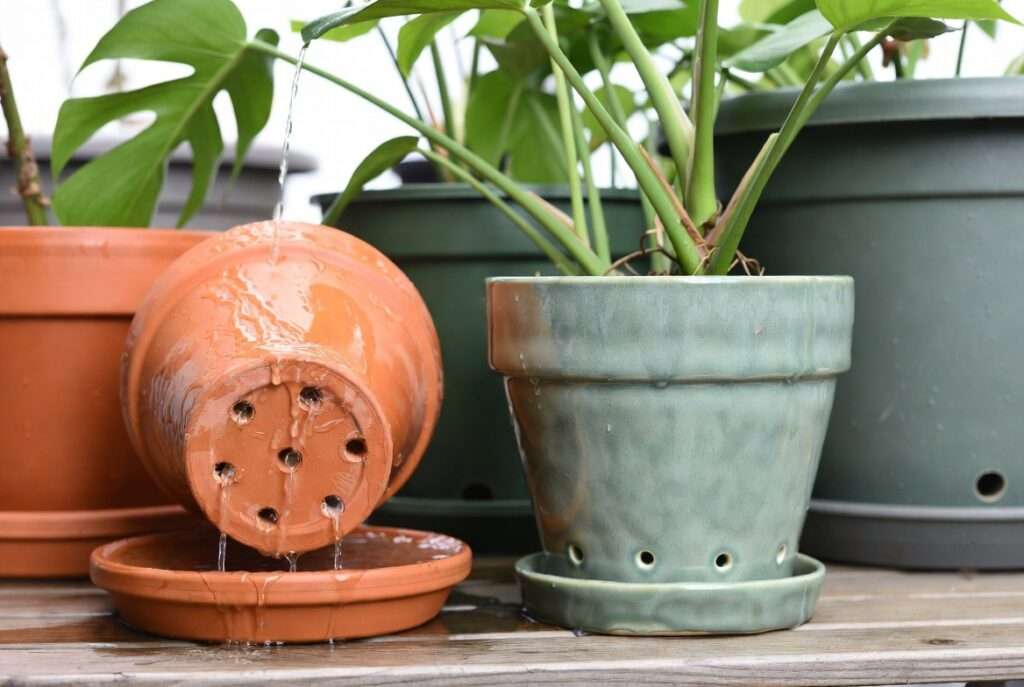
Picture this: Your beautiful Monstera deliciosa or favorite succulent starts yellowing, wilting, and dropping leaves despite your careful watering routine. 😔 The culprit? Poor drainage leading to soggy soil and hidden root rot — one of the most common (and heartbreaking) killers of houseplants and container gardens.
If you’ve ever struggled with overwatering issues, moldy soil, or stunted growth, you’re not alone. The solution is simpler than you think: choosing the right plant pots with drainage holes. These pots allow excess water to escape, ensuring roots get the oxygen they need while preventing waterlogging.
In this comprehensive 2026 guide, I’ll share everything I’ve learned from over a decade of caring for hundreds of plant species indoors and outdoors. We’ll dive deep into why plant pots with drainage are essential, compare materials, provide plant-specific recommendations, review top options, and offer practical tips to keep your green friends thriving. By the end, you’ll confidently select and use the best plant pots with drainage holes for lush, healthy plants year-round. 🌿
Proper drainage isn’t just a nice-to-have — it’s fundamental to plant health. Roots need both water and air. Without drainage holes, excess moisture displaces oxygen in the soil, creating anaerobic conditions that invite pathogens. Studies and horticultural extension services consistently show that good drainage can dramatically reduce root rot risk.
Let’s get your plants the homes they deserve!
Why Drainage Holes Matter: The Science Behind Healthy Roots 🧪
The Role of Drainage in Preventing Root Rot and Overwatering
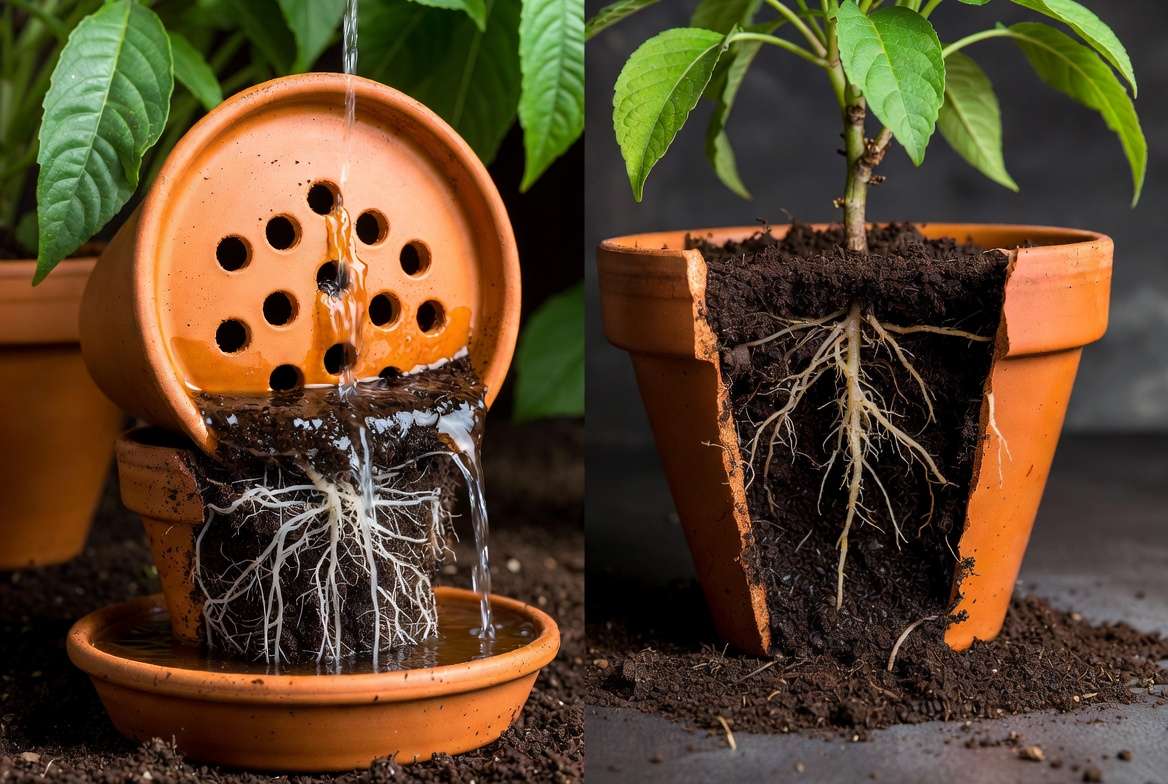
Plant roots are like tiny lungs — they respire, taking in oxygen and releasing carbon dioxide. When you water a plant, the soil fills with moisture. In plant pots with drainage holes, gravity pulls the excess water out through the bottom, allowing fresh air to flow back into the root zone.
Without those holes, water pools at the bottom. This leads to waterlogged soil where roots suffocate and rot. Symptoms include yellow leaves, mushy stems, foul-smelling soil, and wilting even when the topsoil feels dry. Root rot is caused by fungi like Pythium or Phytophthora that thrive in wet, low-oxygen environments.
In my experience growing everything from delicate orchids to hardy outdoor shrubs, proper drainage has saved more plants than any fertilizer or fancy light setup. Well-draining plant pots with drainage promote strong root systems, better nutrient uptake, and overall resilience against pests and diseases.
Common Myths About Drainage (and Why They’re Wrong)
One persistent myth is adding rocks or gravel at the bottom of pots to “improve drainage.” Unfortunately, this does the opposite. Water doesn’t easily cross from fine potting soil into coarse gravel due to differences in pore size and capillary action. Instead, it creates a perched water table right where roots sit, increasing rot risk.
Another myth: “Decorative pots without holes are fine if I’m careful with watering.” While possible short-term with very cautious watering, it’s risky long-term. Salts from tap water and fertilizers also build up without flushing, harming roots over time.
The truth, backed by university extension services and soil science: Always prioritize plant pots with drainage holes for almost all houseplants and container plants (except true aquatics).
How Drainage Affects Different Plant Types
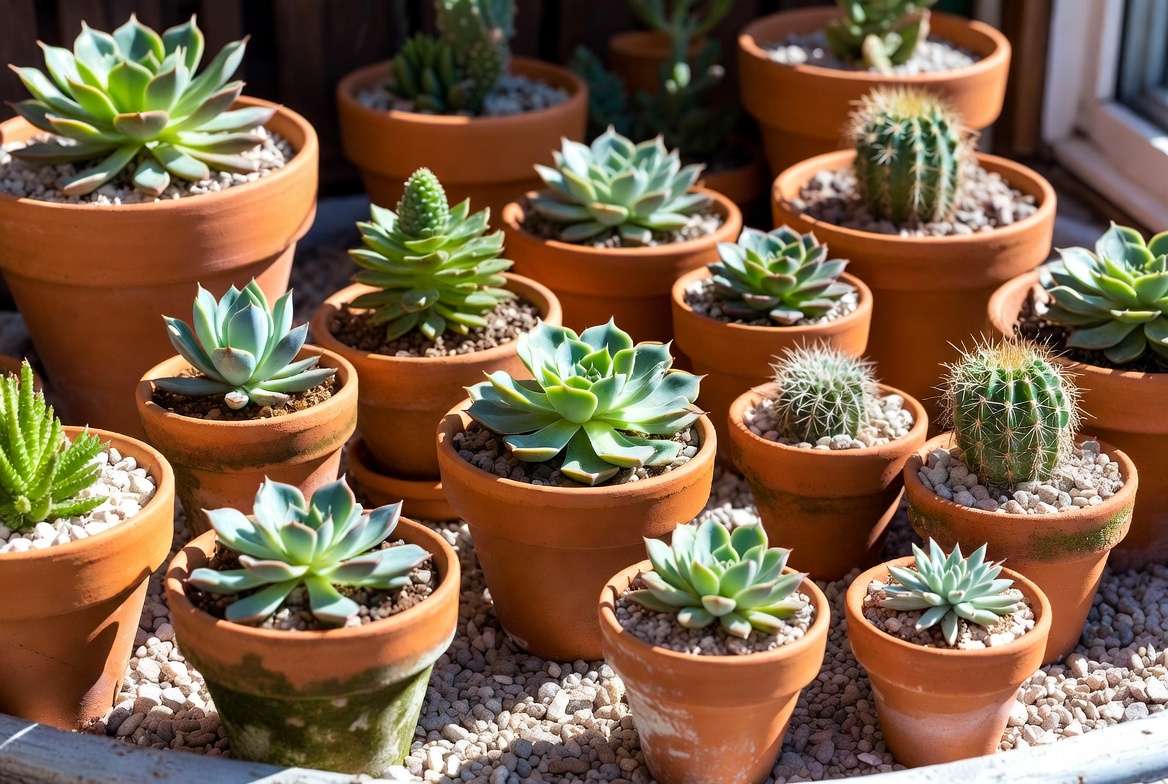
- Succulents and cacti 🏜️: These drought-loving plants demand excellent drainage. Fast-drying pots prevent rot in their shallow, sensitive roots.
- Tropicals like Monsteras, Philodendrons, and Fiddle Leaf Figs 🌴: They like consistent moisture but hate soggy feet. Balanced drainage pots keep soil aerated.
- Herbs and vegetables: Need reliable drainage to avoid damping-off and fungal issues.
- Orchids: Often use specialized pots with extra side holes for maximum airflow.
Matching plant pots with drainage to your plant’s needs is key to success.
Types of Plant Pots with Drainage Holes: Materials Compared (2026 Update) 📊
Choosing the right material impacts how quickly soil dries, how heavy the pot is, its durability, and aesthetics. Here’s a detailed breakdown:
Terracotta (Unglazed Clay) – Porous & Fast-Drying 🌾
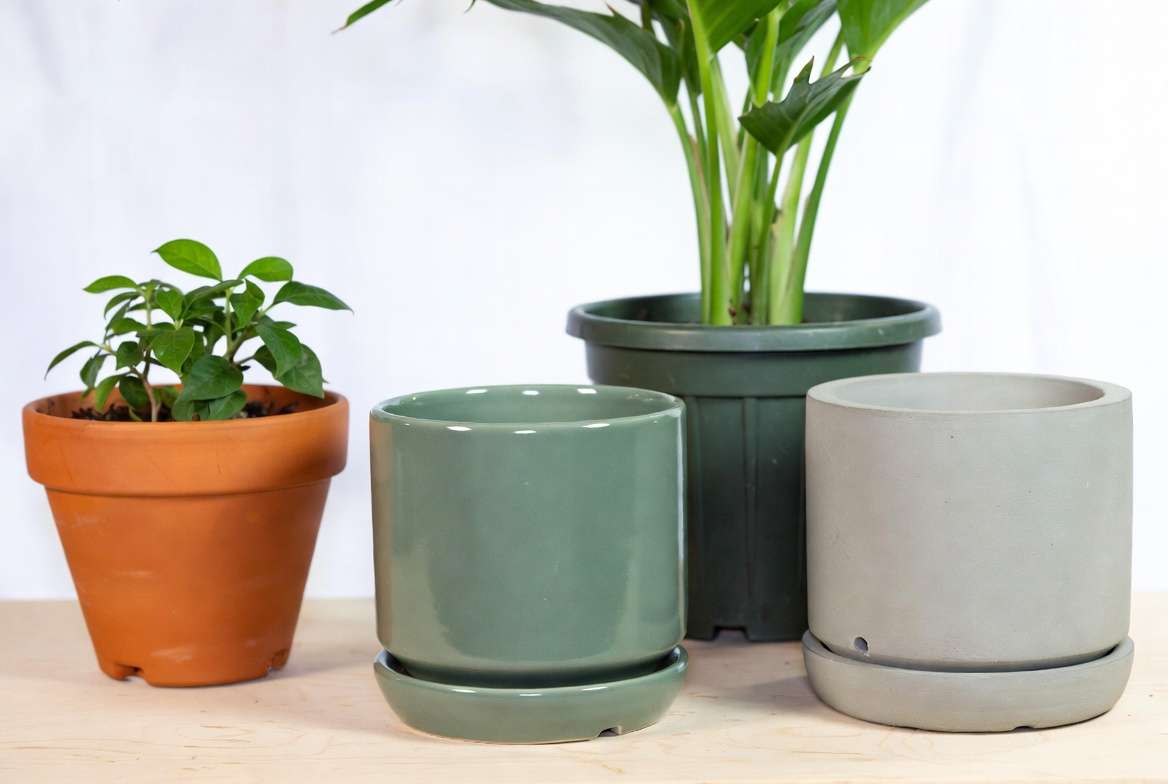
Terracotta pots are classics for a reason. Their porous walls allow moisture and air to pass through, promoting evaporation and preventing overwatering. They’re ideal for succulents, cacti, snake plants, and other plants that prefer drier conditions.
Pros:
- Excellent breathability
- Affordable
- Classic earthy look that develops a beautiful patina over time
- Helps regulate soil temperature
Cons:
- Dries out faster (may need more frequent watering for moisture-loving plants)
- Can crack in freezing temperatures (not ideal for harsh outdoor winters without protection)
- Heavier than plastic
- Stains easily from mineral deposits
In 2026, many terracotta options come with matching saucers and improved durability coatings.
Glazed Ceramic – Stylish & Versatile 🎨
Glazed ceramic pots offer the best of both worlds: beauty and functionality. The glaze seals the exterior while drainage holes handle excess water.
Pros:
- Wide range of colors, patterns, and modern designs
- Holds moisture better than terracotta (great for tropicals)
- Durable and less prone to cracking than unglazed clay
- Easy to clean
Cons:
- Heavier and more expensive
- Less breathable, so pair with well-aerating soil mixes
- Can chip if dropped
Popular 2026 picks include matte-finish ceramics with multiple drainage holes and raised feet for better airflow.
Plastic Pots with Drainage – Lightweight & Practical 🪴
Don’t underestimate plastic! Modern plastic plant pots with drainage holes (often nursery-style or decorative) are excellent for beginners and large collections.
Pros:
- Very lightweight and easy to move
- Inexpensive
- Retain moisture longer (helpful for plants that like even dampness)
- Durable and shatter-resistant
- Often come in sets with saucers
Cons:
- Less breathable (can stay too wet if overused)
- Can look less premium
- May degrade in intense UV sunlight outdoors over years
Many 2026 plastic options feature UV protection and stylish finishes mimicking ceramic or concrete.
Other Materials (Concrete, Metal, Fiberglass, Eco-Friendly Options)
- Concrete/Fiber Cement: Heavy, excellent insulation for temperature swings. Great for outdoors. Often have drainage holes and modern minimalist looks. Eco-friendly versions use recycled materials.
- Metal: Sleek and sturdy for contemporary spaces, but can heat up quickly in sun (use caution for roots).
- Fiberglass: Lightweight yet strong, weather-resistant for outdoors, available in large sizes.
- Eco-Friendly: Bamboo, recycled plastic, or biodegradable composites gaining popularity in 2026 for sustainability-focused gardeners.
Self-Watering Pots with Built-in Drainage Systems 💧
These innovative designs have a reservoir at the bottom with wicks or overflow mechanisms. They provide consistent moisture while still allowing excess water to escape or be managed. Best for busy plant parents or forgetful waterers, but monitor to avoid over-reliance.
Here’s a quick comparison table (imagine it visually):
| Material | Breathability | Weight | Best For | Price Range | Durability (Outdoor) |
|---|---|---|---|---|---|
| Terracotta | High | Medium | Succulents, Cacti | Low | Moderate |
| Glazed Ceramic | Medium | Heavy | Tropicals, Decor | Medium-High | Good |
| Plastic | Low-Medium | Light | Beginners, Collections | Low | Good (with UV) |
| Concrete | Low | Heavy | Outdoors, Large Plants | Medium | Excellent |
How to Choose the Right Plant Pots with Drainage Holes
Key Factors to Consider When Buying
- Pot Size & Root Ball Matching: Choose a pot 1-2 inches wider than the current root ball. Too big leads to excess soil staying wet; too small restricts growth.
- Number, Size & Placement of Drainage Holes: Multiple holes (or larger ones) are better. Holes on the sides (for orchids) or raised bottoms improve airflow.
- Saucers & Trays: Essential indoors to protect floors. Empty them regularly to prevent reabsorption.
- Indoor vs. Outdoor Considerations: Outdoor pots need UV resistance, frost tolerance, and stability against wind. Indoor focus on aesthetics and weight.
- Aesthetic vs. Function: Balance beauty with plant needs. Many 2026 designs do both beautifully.
Plant-Specific Recommendations
Best Pots for Succulents & Cacti 🏜️ Terracotta or unglazed ceramic with plenty of holes. Shallow, wide pots work well for their shallow roots. Look for options with feet for extra air circulation.
Ideal Drainage Pots for Monsteras, Philodendrons & Tropicals 🌴 Glazed ceramic or quality plastic that retains some moisture but drains well. Deeper pots for larger root systems.
Pots for Orchids, Herbs, and Flowering Plants Orchids: Slatted or net pots with maximum holes. Herbs: Terracotta for Mediterranean types; plastic for basil-like moisture lovers. Flowering plants: Versatile ceramic with good saucers.
Large Outdoor Planters with Drainage for Trees & Shrubs Fiberglass, concrete, or heavy plastic/composite for stability and weather resistance. Ensure multiple large drainage holes.
Top Recommended Plant Pots with Drainage Holes in 2026 🌟
Based on current reviews, durability tests, and gardener feedback in 2026:
- Best Overall: Bergs Potter Copenhagen series (ceramic with saucer) — elegant, excellent drainage, versatile for indoor use.
- Best for Succulents: Zoutog Ceramic Planter sets with drainage and tray — affordable packs, fast-drying.
- Best Budget: Classic terracotta pots from reliable nurseries or IKEA-style options with added saucers.
- Best Premium/Modern: West Elm or Terrain stoneware and footed ceramic designs with improved drainage features.
- Best Outdoor: Crescent Garden or heavy fiberglass/concrete planters designed for temperature extremes.
- Best Lightweight: Plastic nursery pots upgraded with decorative sleeves or self-watering hybrids.
For each, prioritize models explicitly listing multiple drainage holes and included or compatible saucers. Prices range from $10–$150+ depending on size and material.
How to Use & Maintain Plant Pots with Drainage for Long-Term Success
Proper Watering Techniques with Drainage Pots 💦 Water thoroughly until it flows out the bottom (the “soak and dry” method for most plants). Let the top 1-2 inches of soil dry before watering again. Always empty saucers after 30 minutes.
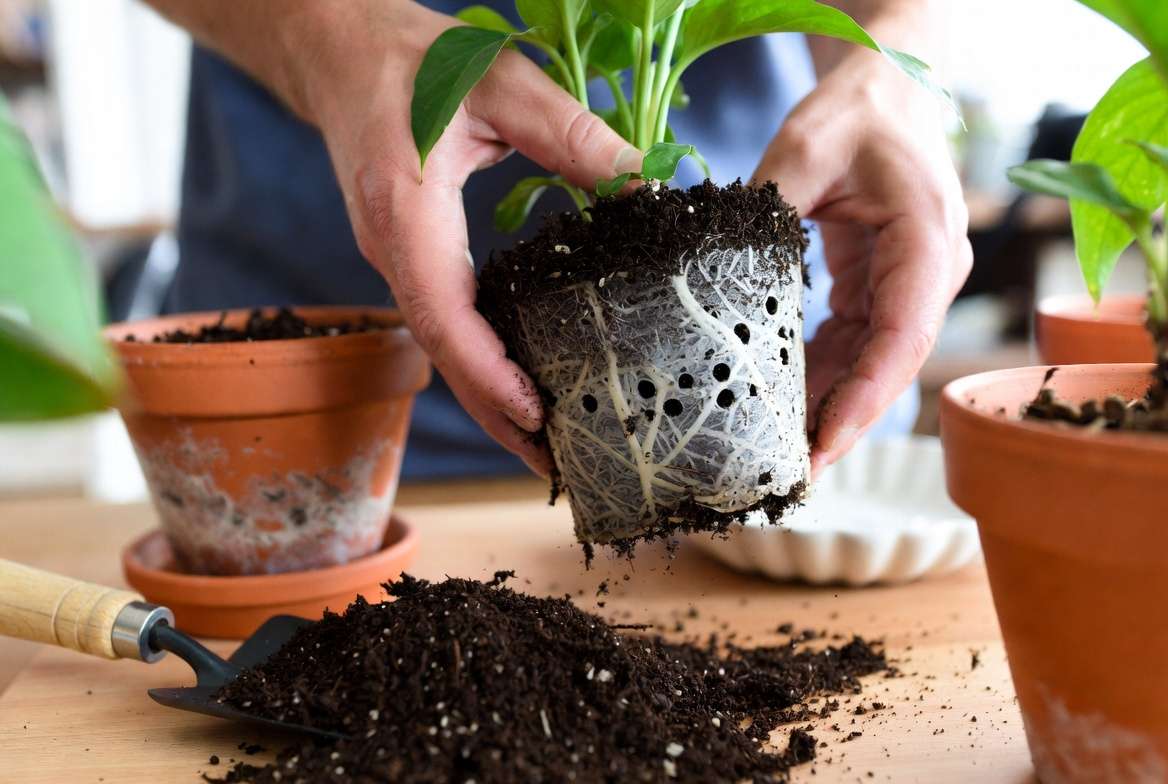
Repotting Guide: When & How Repot when roots circle the bottom or growth slows. Gently remove old soil, trim any rotten roots, and place in a new plant pot with drainage using fresh, well-aerating mix.
Troubleshooting Common Issues
- Slow drainage: Check for clogged holes or compacted soil.
- Soil loss: Use a coffee filter or mesh over holes initially.
- Saucer overflow: Use larger trays or water in the sink.
DIY Tips: Safely drill holes in non-draining pots using a masonry bit (with water to prevent cracking). Improve drainage with perlite or orchid bark in soil mixes.
Expert Tips & Common Mistakes to Avoid 🛠️
- Always pair plant pots with drainage with chunky, well-draining soil (never garden soil).
- Rotate plants for even growth.
- Don’t let plants sit in water — empty saucers promptly.
- Match pot material to plant preference and your watering habits.
- Inspect roots yearly during repotting.
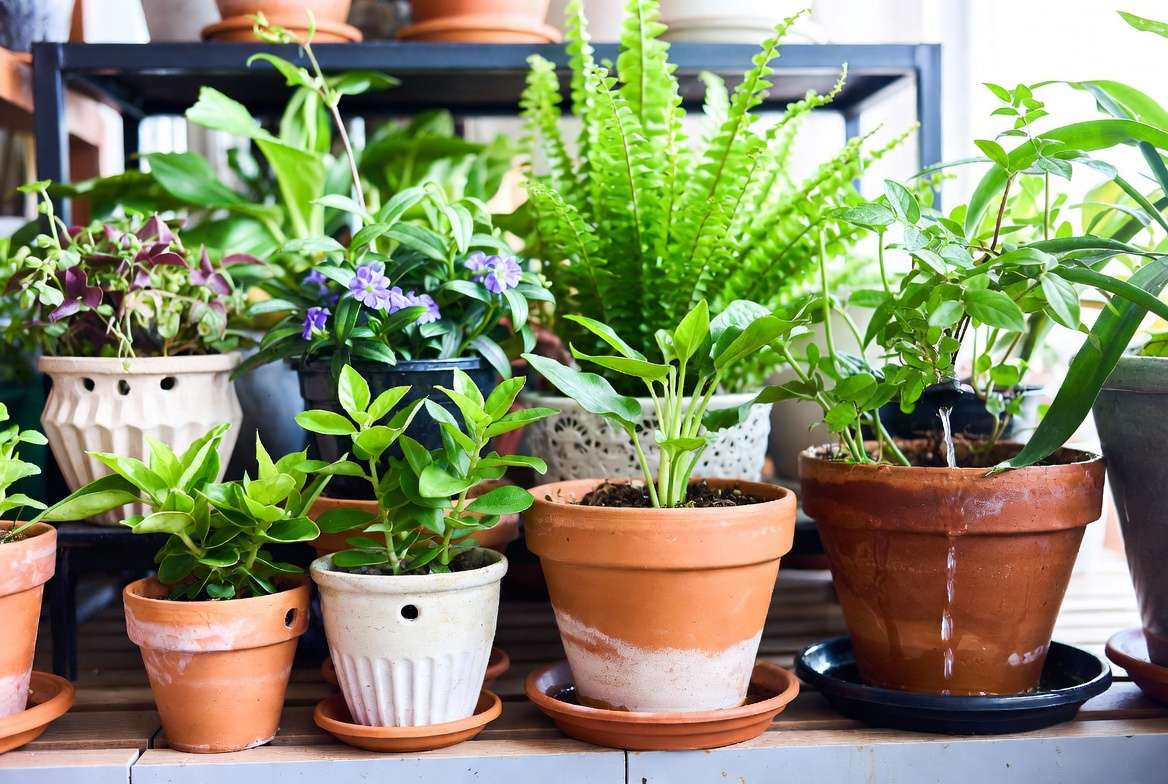
Common mistakes: Choosing purely decorative pots without holes, ignoring saucers, or over-potting.
Frequently Asked Questions (FAQs) ❓
Do all plant pots need drainage holes? Nearly all do, except true water plants. Drainage prevents root rot and salt buildup.
Can I use pots without drainage holes? Short-term with extreme caution (and a cache pot setup), but it’s not recommended for long-term health.
What’s the best material for plant pots with drainage? It depends: Terracotta for dry-loving plants, ceramic or plastic for others. Test what works for your environment.
How many drainage holes are enough? At least one large hole or several smaller ones. More is often better for larger pots.
Best plant pots with drainage for beginners? Lightweight plastic or terracotta sets with saucers — forgiving and affordable.
How do I clean pots to prevent disease? Wash with mild soap or diluted bleach, rinse thoroughly, and dry before reuse.
Conclusion: Give Your Plants the Best Start with Proper Drainage 🌱
Investing in quality plant pots with drainage holes is one of the smartest moves you can make for your indoor and outdoor plants. From preventing root rot to promoting vigorous growth, the right pot makes all the difference.
Your plants will reward you with vibrant leaves, strong roots, and fewer problems. Start by assessing your current collection — which ones need better homes?
Share your favorite plant pots with drainage experiences in the comments, and check out my other guides on soil mixes, repotting, and seasonal care.
Happy planting! Your green oasis awaits. 🪴✨











