
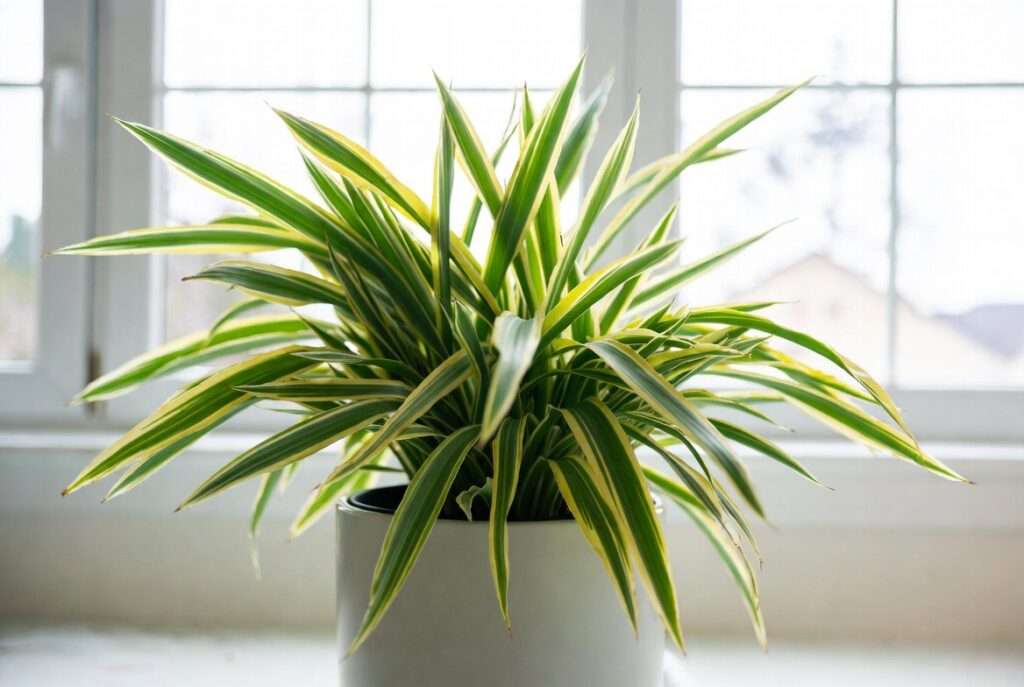
Have you ever brought home a Song of India plant, mesmerized by its striking yellow-and-green striped leaves, only to watch the vibrant variegation fade, tips turn brown, or lower leaves drop disappointingly? You’re not alone. Many plant lovers struggle to keep this beautiful tropical houseplant looking its best indoors.
Song of India plant care doesn’t have to be complicated. With the right balance of light, water, humidity, and attention to detail, your Dracaena reflexa can thrive with lush, glossy foliage that brightens any room for years.
As a plant care expert with years of hands-on experience growing various Dracaena species, I’ve helped countless enthusiasts transform struggling plants into show-stopping specimens. In this comprehensive guide, you’ll discover everything you need — from ideal lighting and watering schedules to troubleshooting common issues and propagation tips — so you can enjoy healthy, vibrant growth without guesswork. 🪴
Whether you’re a beginner or an experienced plant parent, these proven strategies will help you avoid the most frequent mistakes (like overwatering or placing it in too little light) and maintain the plant’s signature bold variegation. Let’s dive in and give your Song of India the care it deserves!
What Is the Song of India Plant?
The Song of India, botanically known as Dracaena reflexa (often specifically the ‘Variegata’ cultivar), is a stunning tropical evergreen shrub native to the islands of the Indian Ocean, including Madagascar, Mauritius, and Mozambique.
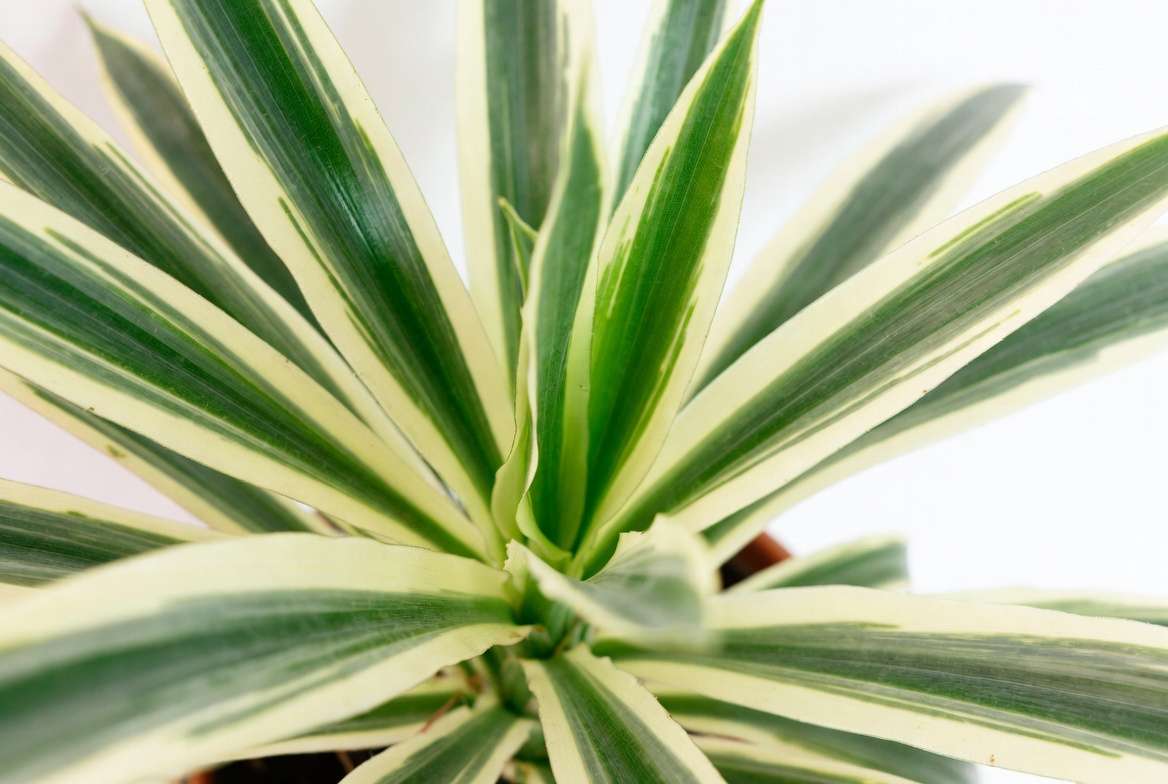
It belongs to the Asparagaceae family and is prized for its architectural form and brightly variegated foliage. The leaves are sword-shaped with creamy yellow margins and green centers (or vice versa depending on the variety), creating a beautiful contrast that adds instant elegance to indoor spaces.
In its natural habitat, it can grow as a small tree reaching up to 20 feet, but as a houseplant, it typically stays between 3 to 8 feet tall with proper pruning. It is also known as Pleomele or Malaysian Dracaena in some regions.
Beyond its ornamental value, the Song of India is a gentle air-purifying plant. Like many Dracaena species, it helps filter indoor toxins such as formaldehyde, benzene, and trichloroethylene, contributing to healthier indoor air quality. 🌱
Its slow-to-moderate growth rate and forgiving nature make it popular among busy plant parents, but success depends on replicating its preferred tropical conditions — bright indirect light, consistent moisture without sogginess, and moderate humidity.
Ideal Light Requirements for Vibrant Foliage 💡
Proper lighting is the single most important factor for maintaining the lush, vibrant leaves that make the Song of India so desirable.
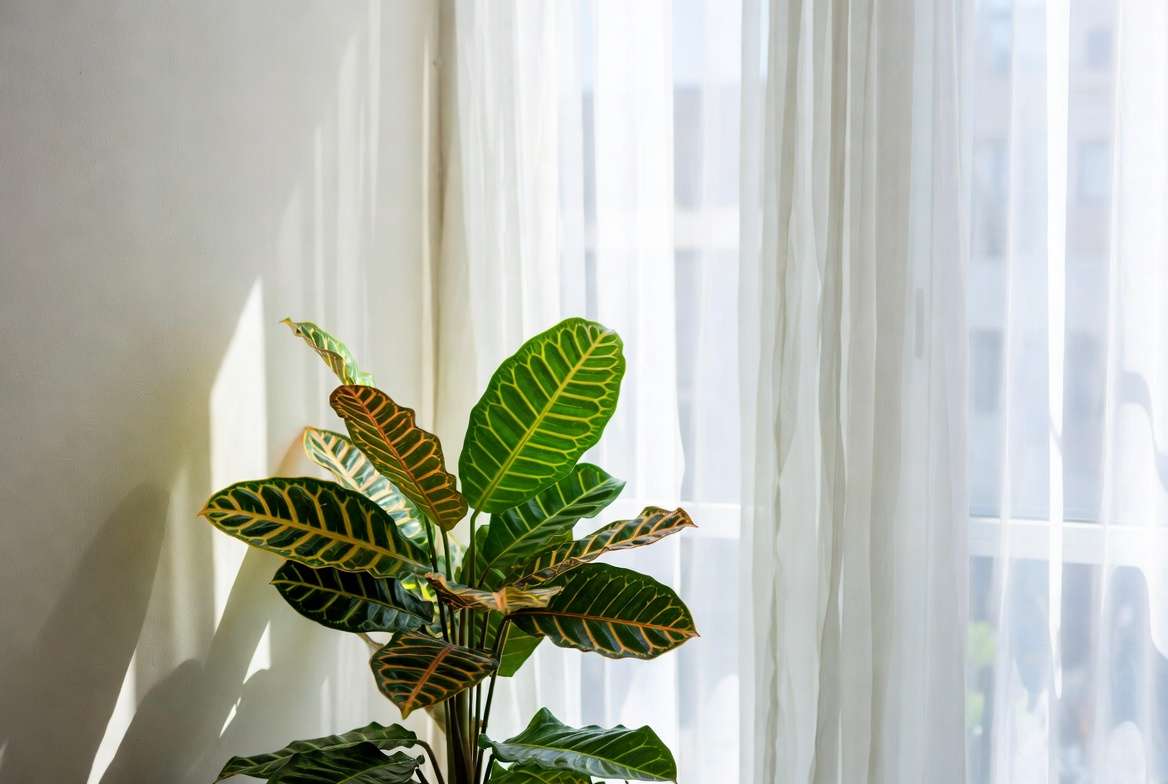
This plant thrives in bright, indirect light. Aim for 4–6 hours of filtered sunlight daily. East- or west-facing windows with sheer curtains work beautifully. South-facing windows can also suit it if you diffuse the intense midday sun.
Too little light causes several problems:
- Loss of variegation (the yellow stripes fade to mostly green)
- Leggy, stretched growth as the plant reaches for light
- Overall dull appearance and slower growth
Too much direct sunlight, on the other hand, scorches the delicate leaves, leaving brown crispy patches or bleached areas.
Pro Tip: In low-light homes or during darker winter months, supplement with full-spectrum grow lights. Place the light 12–24 inches above the plant for 10–12 hours daily. Many growers report excellent results with LED grow lights specifically designed for foliage plants.
Monitor your plant closely: If new leaves emerge smaller or less variegated, it’s a clear sign to increase bright indirect light. Rotate the plant every few weeks for even growth on all sides.
Seasonal adjustments are key too. In summer, protect from harsh afternoon sun; in winter, move it closer to the light source as daylight hours shorten.
Watering Schedule: How Often to Water Song of India 💧
One of the biggest challenges in Song of India plant care is getting the watering right. This plant hates “wet feet” and is highly susceptible to root rot from overwatering.
General rule: Water thoroughly when the top 1–2 inches of soil feel dry to the touch. In average indoor conditions, this usually translates to every 7–14 days. However, always check the soil rather than following a rigid calendar — factors like pot size, light intensity, temperature, and humidity all influence drying time.
How to check soil moisture:
- Finger test: Insert your finger 1–2 inches deep. If it feels dry, it’s time to water.
- Chopstick or skewer method: Insert a wooden stick; if it comes out clean and dry, water.
- Moisture meter: A reliable tool for beginners.
When watering:
- Water slowly and evenly until it drains freely from the bottom holes.
- Empty the saucer or cache pot after 15–30 minutes to prevent the plant from sitting in water.
- Use room-temperature water.
Water quality matters greatly. Tap water often contains fluoride and chlorine, to which Dracaena species are sensitive. These chemicals can cause brown leaf tips over time. Prefer filtered, distilled, rainwater, or dechlorinated water. Letting tap water sit out overnight helps reduce chlorine but does not remove fluoride.
Reduce watering frequency in winter when growth slows and light levels drop. Overwatering in cooler months is one of the leading causes of yellow leaves and root issues.
Signs of underwatering: Crispy brown tips/edges, wilting, dry soil pulling away from pot sides. Signs of overwatering: Yellowing lower leaves, soft mushy stems, mold on soil surface, or a sour smell.
Best Soil Mix and Repotting Guide 🪴
A well-draining, airy soil mix is essential for healthy Song of India roots and preventing common problems like root rot.
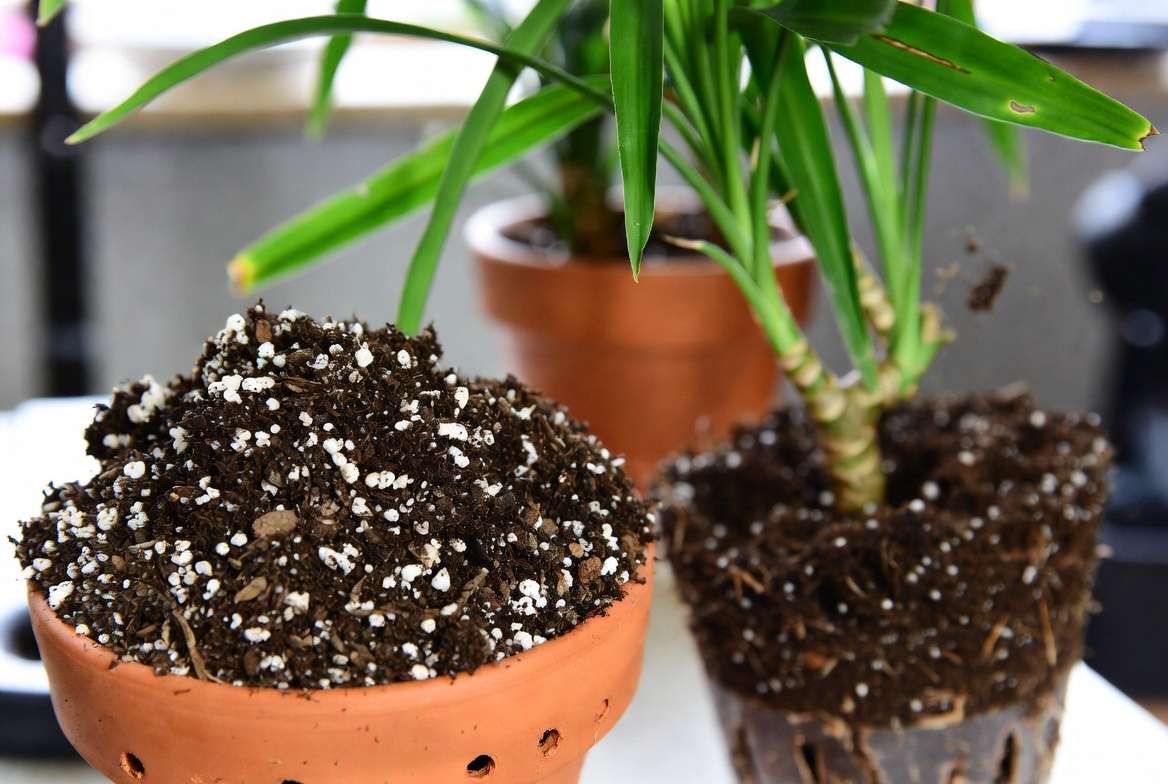
Recommended soil recipe (highly effective mix used by many experts):
- 2 parts high-quality indoor potting mix
- 1 part perlite or pumice (for aeration and drainage)
- 1 part orchid bark or coarse sand (improves drainage and mimics natural conditions)
- Optional: A handful of worm castings or compost for gentle nutrients
This blend stays moist enough without becoming waterlogged and provides good oxygen flow to the roots.
Choose pots with multiple drainage holes. Terracotta or ceramic pots are excellent as they allow soil to dry faster than plastic. When repotting, go up only one pot size (1–2 inches wider) to avoid excess moisture retention.
When to repot:
- Every 2–3 years, or when roots start circling the bottom or emerging from drainage holes.
- Best time: Spring or early summer during active growth.
Step-by-step repotting:
- Gently remove the plant from its current pot.
- Inspect and trim any mushy or rotten roots with sterilized scissors.
- Place fresh soil at the bottom of the new pot.
- Position the plant at the same depth as before.
- Fill around the roots with the new mix, firming gently.
- Water lightly and place in bright indirect light. Avoid fertilizing for 4–6 weeks after repotting.
Temperature, Humidity, and Location Tips 🌡️
Song of India prefers warm, stable temperatures between 65–80°F (18–27°C) during the day. It can tolerate brief dips to 60°F at night but suffers below that — avoid cold drafts from windows or doors in winter.
This tropical plant appreciates moderate to high humidity (ideally 50–70%). In dry indoor environments (common with heating or air conditioning), low humidity often leads to brown leaf tips.
Easy ways to increase humidity:
- Place the pot on a pebble tray filled with water (keep the pot above the water level).
- Use a cool-mist humidifier near the plant.
- Group several houseplants together to create a micro-humid environment.
- Occasional misting of the leaves (morning is best so foliage dries during the day).
Best locations: Living rooms, bedrooms, or offices with consistent temperatures and good air circulation. Avoid placing near heating vents, air conditioners, or frequently opened exterior doors that cause temperature fluctuations.
Fertilizing for Lush Growth 🌱
To encourage vibrant new growth and maintain strong variegation, fertilize your Song of India during the active growing season (spring through early fall).
Use a balanced liquid houseplant fertilizer (such as 10-10-10 or 20-20-20) diluted to half strength every 2–4 weeks. Over-fertilizing can cause salt buildup and leaf burn, so less is often more.
Organic options:
- Worm castings mixed into the soil
- Compost tea
- Fish emulsion (diluted properly)
Stop fertilizing in late fall and winter when the plant rests. Always water the soil thoroughly before applying fertilizer to protect the roots.
Signs of nutrient deficiency include pale new growth or slow development. If you suspect over-fertilization (brown tips with crusty white soil surface), flush the soil with plenty of clean water 2–3 times.
Pruning and Propagation Techniques ✂️
Regular pruning is one of the best ways to keep your Song of India looking full, bushy, and compact while encouraging healthier, more vibrant growth.
How and When to Prune Song of India
Prune your plant in spring or early summer when it’s actively growing. Use clean, sharp pruning shears or scissors sterilized with rubbing alcohol to prevent disease spread.
Benefits of pruning:
- Encourages branching and bushier growth
- Controls height for indoor spaces
- Removes yellow, brown, or damaged leaves
- Improves air circulation and light penetration
Pruning tips:
- Cut just above a leaf node at a 45-degree angle.
- You can remove up to one-third of the foliage at once if needed.
- For tall, leggy plants, consider “topping” — cutting the main stem to stimulate side shoots.
- Wipe the leaves gently with a damp cloth regularly to remove dust, which improves photosynthesis and keeps the variegation bright and glossy.
Don’t throw away healthy cuttings! They are perfect for propagation.
Easy Propagation Methods
The Song of India is surprisingly easy to propagate, making it rewarding for plant lovers who want to expand their collection or share with friends.
Water Propagation (Most Popular Method):
- Take a 4–6 inch stem cutting with at least 2–3 leaf nodes.
- Remove the lower leaves, leaving 2–3 leaves at the top.
- Place the cutting in a jar of clean, room-temperature filtered water.
- Change the water every 3–5 days to keep it fresh.
- Place in bright, indirect light. Roots usually appear within 3–6 weeks.
- Once roots are 2–3 inches long, transplant into well-draining soil.
Soil Propagation:
- Dip the cut end in rooting hormone (optional but increases success rate).
- Plant directly into a small pot with the recommended airy soil mix.
- Keep the soil lightly moist (not soggy) and cover with a clear plastic bag to maintain humidity.
- New growth usually signals successful rooting.
Best Time: Spring and early summer offer the highest success rate due to warmer temperatures and stronger growth energy.
With proper care, propagated plants often develop beautiful variegation just like the parent plant. 🌱
Common Problems and Solutions (Troubleshooting Guide) 🔍
Even with good care, issues can arise. Here’s a comprehensive troubleshooting section to help you quickly diagnose and fix the most common Song of India plant care problems.
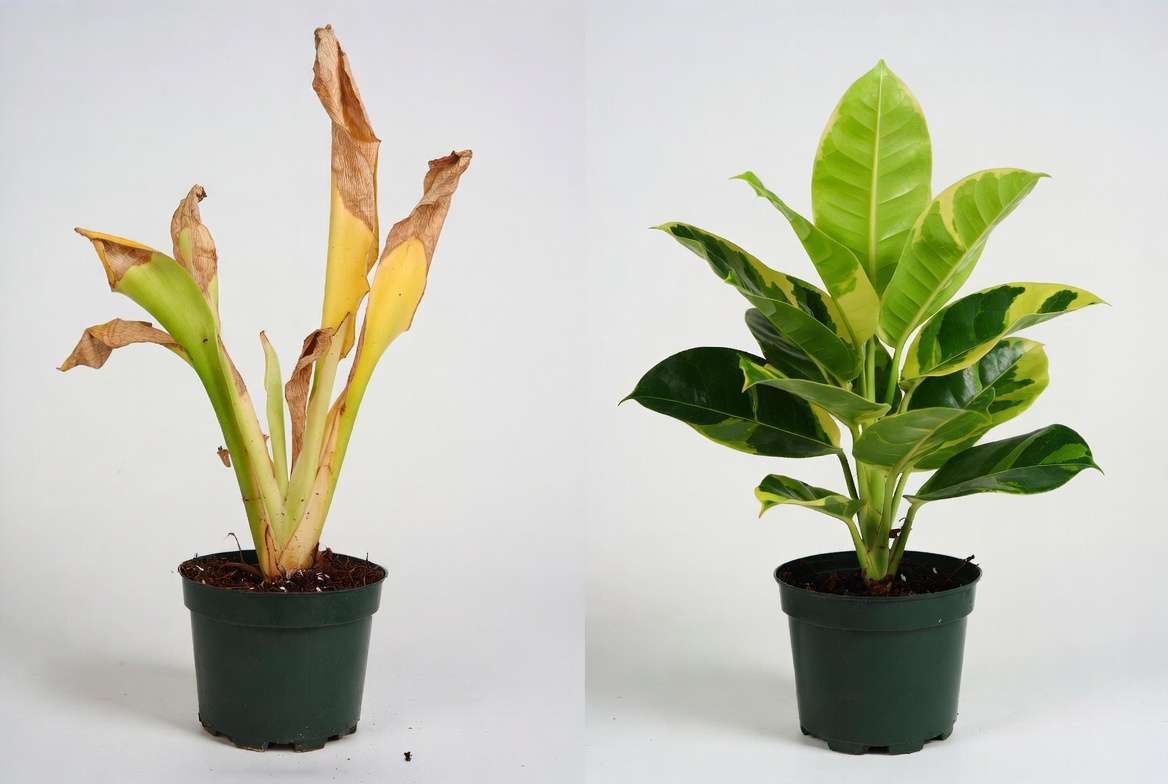
Yellow Leaves
- Common causes: Overwatering, poor drainage, low light, or sudden temperature changes.
- Solution: Check soil moisture — if consistently wet, repot in fresh soil and trim affected roots. Move to brighter indirect light. Remove heavily yellowed leaves.
Brown Leaf Tips and Edges
- Top reasons: Low humidity, fluoride in tap water, inconsistent watering, or fertilizer burn.
- Solution: Switch to filtered or distilled water. Increase humidity with a pebble tray or humidifier. Maintain consistent watering schedule. Flush soil if fertilizer buildup is suspected.
Leaf Drop
- Causes: Cold drafts, sudden relocation, underwatering, or overwatering.
- Solution: Keep temperatures stable above 60°F. Avoid moving the plant frequently. Check roots for rot if lower leaves are dropping rapidly.
Leggy or Sparse Growth
- Main cause: Insufficient light.
- Solution: Relocate to a brighter spot with indirect light or add a grow light. Prune back leggy stems to encourage bushier growth.
Pests Common pests include mealybugs, spider mites, and scale insects.
- Identification: White cottony spots (mealybugs), fine webbing (spider mites), or small brown bumps (scale).
- Organic treatment: Wipe leaves with neem oil solution or insecticidal soap. Isolate the plant and repeat treatment every 7 days for 3 weeks. Improve air circulation.
- Symptoms: Yellowing leaves, wilting despite moist soil, black/soft roots, foul smell.
- Rescue steps: Remove the plant from the pot, trim all rotten roots, treat with fungicide if available, repot in fresh sterile soil, and reduce watering significantly. Success depends on how early you catch it.
Quick Diagnostic Checklist:
- Are new leaves smaller or less variegated? → Increase light.
- Brown crispy tips? → Raise humidity + better water quality.
- Multiple yellow leaves at once? → Check for overwatering/root issues.
Addressing problems early is the key to keeping your Song of India healthy and vibrant.
Toxicity and Pet Safety 🐱🐶
It’s important to note that the Song of India (Dracaena reflexa) is considered mildly to moderately toxic to cats, dogs, and other pets if ingested.
The plant contains saponins, which can cause:
- Drooling
- Vomiting
- Diarrhea
- Loss of appetite
- In severe cases: lethargy or dilated pupils
While rarely fatal, ingestion can make pets quite uncomfortable. Keep the plant out of reach of curious cats and dogs — place it on high shelves, hanging planters, or in rooms pets don’t frequent.
If you suspect your pet has eaten any part of the plant, contact your veterinarian or a pet poison hotline immediately. For pet-friendly homes, consider safer alternatives like Calathea, Prayer Plant, or Spider Plant.
Seasonal Care Calendar
Spring & Summer (Active Growth Season):
- Increase watering as light and temperature rise.
- Fertilize every 2–4 weeks.
- Prune and propagate freely.
- Monitor for pests as new growth attracts them.
Fall & Winter (Resting Period):
- Reduce watering significantly — allow soil to dry out more between waterings.
- Stop or minimize fertilizing.
- Move closer to brighter windows or supplement with grow lights.
- Protect from cold drafts and sudden temperature drops.
- Watch humidity levels, as indoor heating dries the air quickly.
Consistent seasonal adjustments prevent stress and help maintain those beautiful variegated leaves year-round.
Expert Tips for a Show-Stopping Song of India 🌟
- Dust regularly: Clean leaves every 1–2 weeks with a damp microfiber cloth. This not only improves appearance but also boosts photosynthesis.
- Group with other plants: Creates a humid microclimate and looks stunning decoratively.
- Use self-watering pots cautiously: Only if you have excellent drainage and monitor closely.
- Rotate every 2 weeks: Ensures even growth and prevents the plant from leaning toward light.
- Avoid leaf shine products: They can clog pores. A gentle damp wipe is best.
For maximum vibrancy, many experienced growers keep their Song of India in bright indirect light with 60%+ humidity and consistent care — the results are worth it!
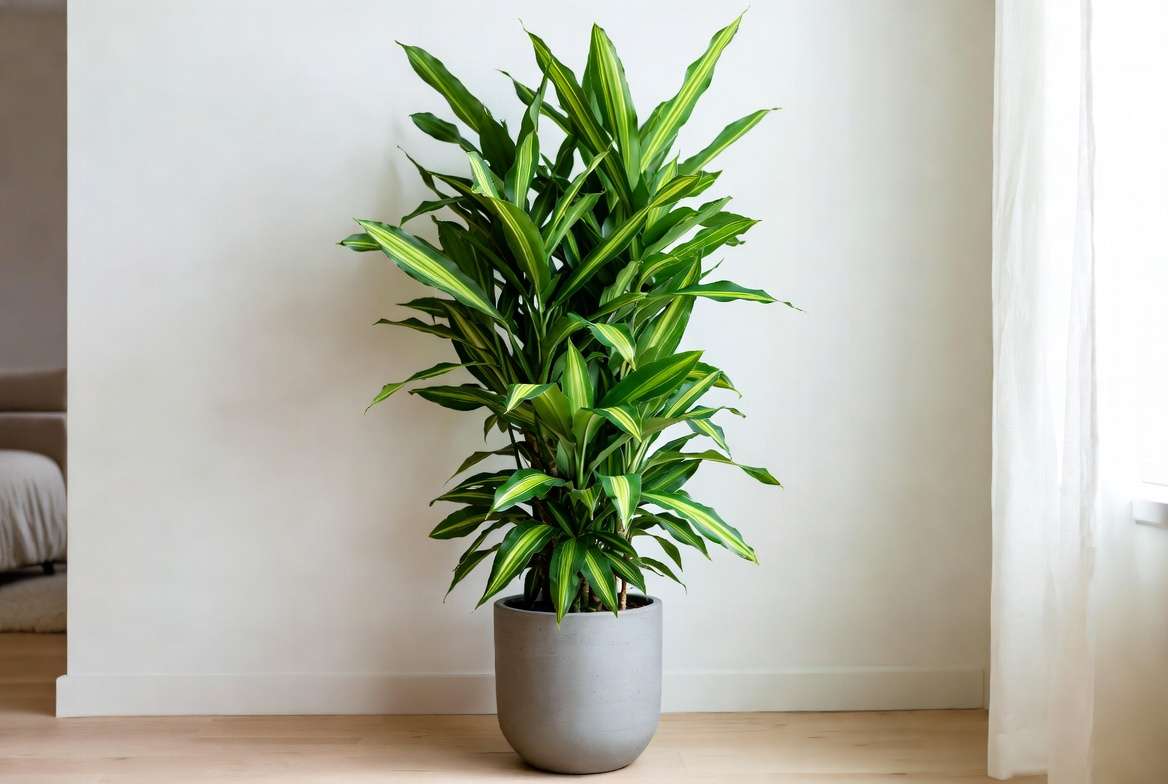
Styling ideas: Pair it with modern ceramic pots for a minimalist look or use it as a tall floor plant in living rooms and offices.
Frequently Asked Questions (FAQs)
How much light does a Song of India plant need? It needs bright, indirect light for at least 4–6 hours daily to maintain strong variegation. Low light causes fading colors and leggy stems.
Why are my Song of India leaves turning brown? Brown tips are usually caused by low humidity or fluoride in water. Increase humidity and switch to filtered water.
Can Song of India grow in low light? It can survive in low light but will lose its beautiful variegation and grow slowly. Bright indirect light is strongly recommended.
How often should I water my Song of India? Water when the top 1–2 inches of soil are dry — typically every 7–14 days, depending on conditions.
Is Song of India safe for pets? No, it is mildly toxic to cats and dogs. Keep it out of reach.
How do I make my Song of India bushier? Provide bright indirect light and prune regularly in spring. Proper care encourages natural branching.
When should I repot my Song of India? Every 2–3 years or when roots fill the pot and emerge from drainage holes. Spring is the best time.
Why are the leaves losing their yellow stripes? This usually indicates insufficient light. Move the plant to a brighter location with indirect sunlight.
Conclusion
Mastering Song of India plant care comes down to providing bright indirect light, proper watering habits, well-draining soil, and consistent humidity. When these elements align, your plant will reward you with lush, vibrant foliage that enhances any indoor space beautifully.
Remember: Observe your plant closely, adjust care based on its signals, and be patient. With the tips shared in this guide, even beginners can grow a healthy, eye-catching Song of India that becomes a long-lasting centerpiece in their home.
If you found this guide helpful, feel free to share your own Song of India success story or photos in the comments below! For more expert plant care advice, explore our other guides on Dracaena varieties and best air-purifying houseplants.
Thank you for reading. Happy planting! 🌿🪴











