
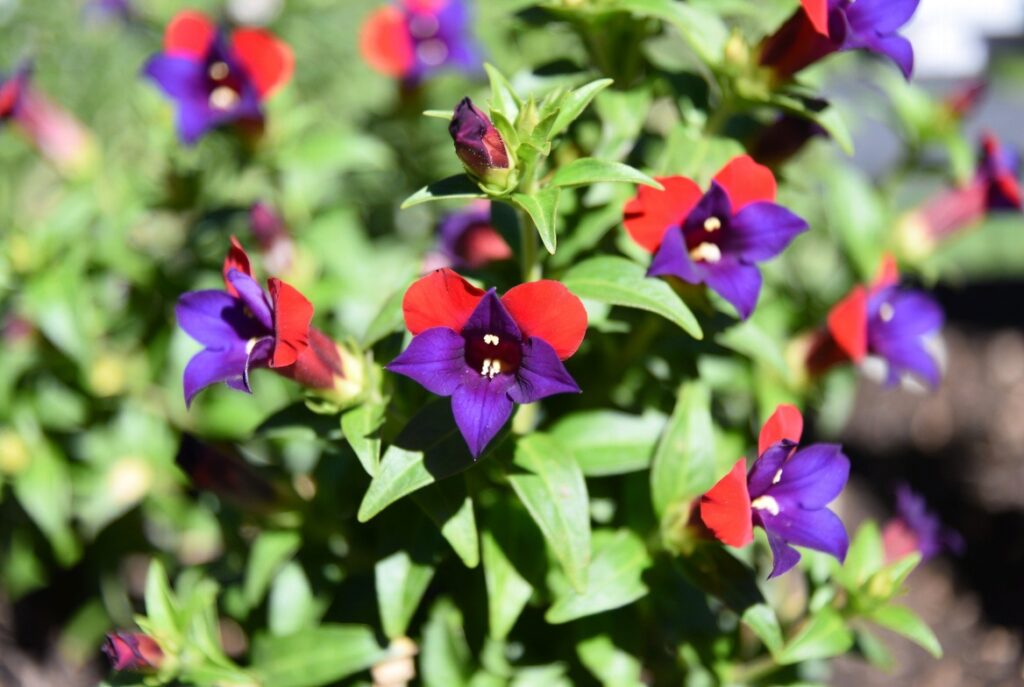
Have you ever seen a flower that looks like a tiny bat smiling back at you? Meet the bat faced cuphea plant (Cuphea llavea), one of the most charming and conversation-starting plants you can grow in your garden. With its whimsical purple “face” and bright red “ears,” this little gem brings smiles, hummingbirds, and non-stop color from late spring all the way to the first frost.
If you’re searching for a low-maintenance, heat-tolerant, pollinator-friendly plant that thrives in containers or garden beds, the bat faced cuphea is an absolute winner. Whether you’re a beginner gardener or a seasoned plant parent looking to add something unique to your collection, this comprehensive guide will walk you through everything you need to know to grow healthy, blooming plants season after season.
In this expert care guide, you’ll discover proven techniques for planting, watering, fertilizing, pruning, propagating, and overwintering your bat faced cuphea — plus troubleshooting tips and creative design ideas. Let’s dive in and help your garden come alive with these delightful “bat flowers”! 🌱🦇
Botanical Profile and Characteristics
Scientific Name: Cuphea llavea Common Names: Bat Faced Cuphea, Bat Flower, Tiny Mice, Bunny Ears, Red Cuphea
The bat faced cuphea is a tender perennial subshrub native to Mexico. In warmer climates (USDA zones 9–11), it grows as a perennial; in cooler regions, it’s commonly grown as a vibrant annual. Mature plants typically reach 18–30 inches tall and 24–36 inches wide, forming a neat, mounding habit that works beautifully in both ground plantings and containers.
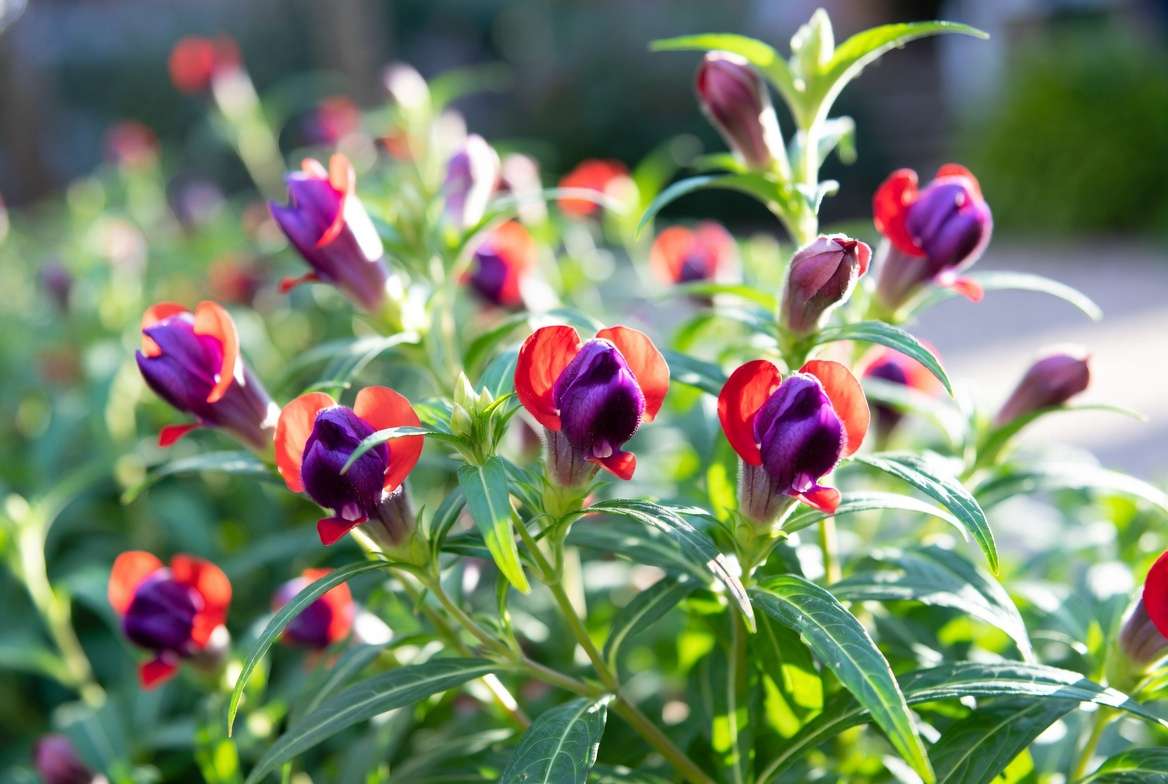
The standout feature is its unique tubular flowers. Each bloom has a bright purple calyx resembling a bat’s face, accented by two vivid red petals that look like perky ears. These flowers appear in abundance along the stems, creating a playful, eye-catching display. The foliage is green, lance-shaped, and provides a nice contrast to the colorful blooms.
Popular Varieties
- Standard Bat Face (classic red-and-purple)
- Georgia Scarlet (more intense red tones)
- Torpedo or Big Bat Face (larger flowers and slightly bigger plant)
- Other Cuphea relatives like Cigar Plant (Cuphea ignea) for comparison
This plant is heat-loving and remarkably resilient once established, making it ideal for hot summers in many regions.
Planting Bat Faced Cuphea
Best Time to Plant Plant after all danger of frost has passed, typically when night temperatures stay consistently above 50°F (10°C). In most areas, this means late spring to early summer.
Site Selection: Sunlight Requirements Bat faced cuphea thrives in full sun to partial shade. Aim for at least 6–8 hours of direct sunlight daily for the best blooming. In extremely hot climates (like parts of the southern US or tropics), provide afternoon shade to prevent leaf scorch. Too little light leads to leggy growth and fewer flowers.
Soil Preparation Use well-drained, fertile soil rich in organic matter. A slightly acidic to neutral pH (6.0–7.0) is ideal. Before planting:
- Amend garden beds with compost or well-rotted manure.
- For containers, use a high-quality potting mix blended with perlite for extra drainage. Avoid heavy clay soils, as poor drainage can cause root rot.
Spacing and Companion Planting Ideas Space plants 18–24 inches apart in the ground. Excellent companions include:
- Silver Falls dichondra or trailing verbena (spillers)
- Coleus or purple foliage plants (for contrast)
- Lantana, salvia, or other hummingbird favorites
- Sweet potato vine for cascading container displays.
These combinations create stunning pollinator gardens and vibrant patio pots.
Essential Care Guidelines
Light and Temperature
Full sun produces the most blooms, but the plant tolerates light shade. It loves warm temperatures (ideally 70–90°F / 21–32°C during the day) and is quite heat-tolerant. Protect from cold snaps below 40°F (4°C).
Watering Requirements
- Establishment phase (first 4–6 weeks): Water regularly to keep soil evenly moist.
- Mature plants: Allow the top inch of soil to dry slightly between waterings. It has good drought tolerance once established but performs best with consistent moisture.
- Avoid overwatering — standing water leads to root issues.
- Container plants may need more frequent watering, especially in summer heat. Use the “finger test” or a moisture meter for best results. 💧
Soil and Drainage
Excellent drainage is non-negotiable. In containers, elevate pots slightly to improve airflow underneath.
Fertilizing for Abundant Blooms
Feed monthly during the growing season with a balanced, water-soluble fertilizer (e.g., 10-10-10 or bloom-boosting formula). Slow-release granules work well at planting time. Container plants benefit from more frequent feeding (every 2–4 weeks). Reduce or stop fertilizing in cooler months. Over-fertilizing can cause lush foliage at the expense of flowers.
Mulching and Weed Control
Apply a 2-inch layer of organic mulch around plants to retain moisture, regulate soil temperature, and suppress weeds. Keep mulch away from the stems to prevent rot.
Pruning, Pinching, and Maintenance 🛠️
One of the easiest aspects of bat faced cuphea care is maintenance. The plant is largely self-cleaning, meaning spent flowers drop naturally — no tedious deadheading required!
Key Techniques:
- Pinching: When plants reach 8–10 inches tall, pinch the stem tips to encourage bushier growth and more branching. Repeat lightly every 3–4 weeks during active growth.
- Shearing: If plants become leggy mid-season (common in extreme heat), cut back by up to one-third to promote fresh, compact growth and renewed blooming.
- Seasonal Checklist:
- Spring: Pinch for shape
- Summer: Monitor for legginess and water needs
- Fall: Reduce feeding as days shorten
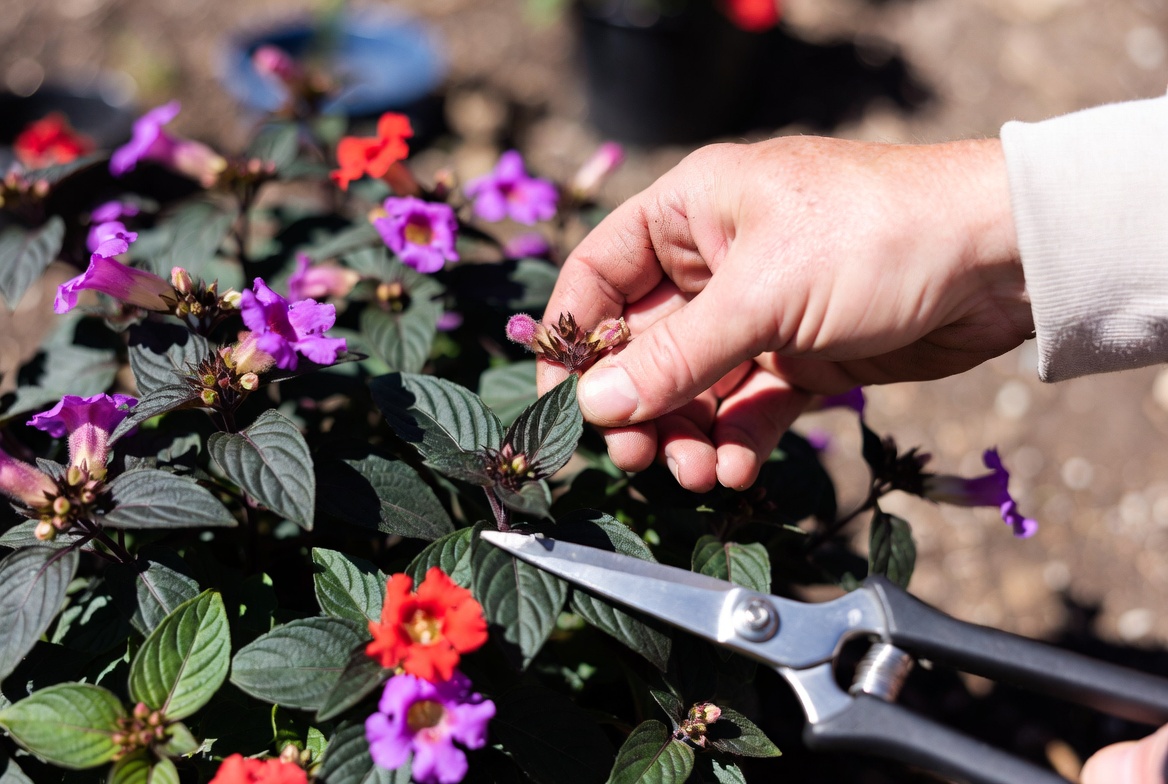
Regular light pruning keeps your plants tidy, full, and flowering profusely all season long.
Propagation Methods
Growing more bat faced cuphea plants is rewarding and budget-friendly.
From Seeds Start seeds indoors 10–12 weeks before your last frost date. Sow on the surface (they need light to germinate) in a warm, moist environment (70–75°F). Germination takes 7–14 days. Transplant outdoors after hardening off.
Stem Cuttings (Easiest Method)
- Take 4–6 inch softwood cuttings in spring or early summer.
- Remove lower leaves, dip in rooting hormone (optional).
- Plant in moist, well-draining mix or perlite/vermiculite.
- Cover with a plastic bag for humidity and keep warm with bright, indirect light. Roots typically form in 2–3 weeks. This method produces clones of the parent plant quickly. 🌱
Division Mature perennials in warm zones can be divided in spring.
Pro Tip: Cuttings root so reliably that many gardeners overwinter a few indoors as insurance.
Growing in Containers and Hanging Baskets
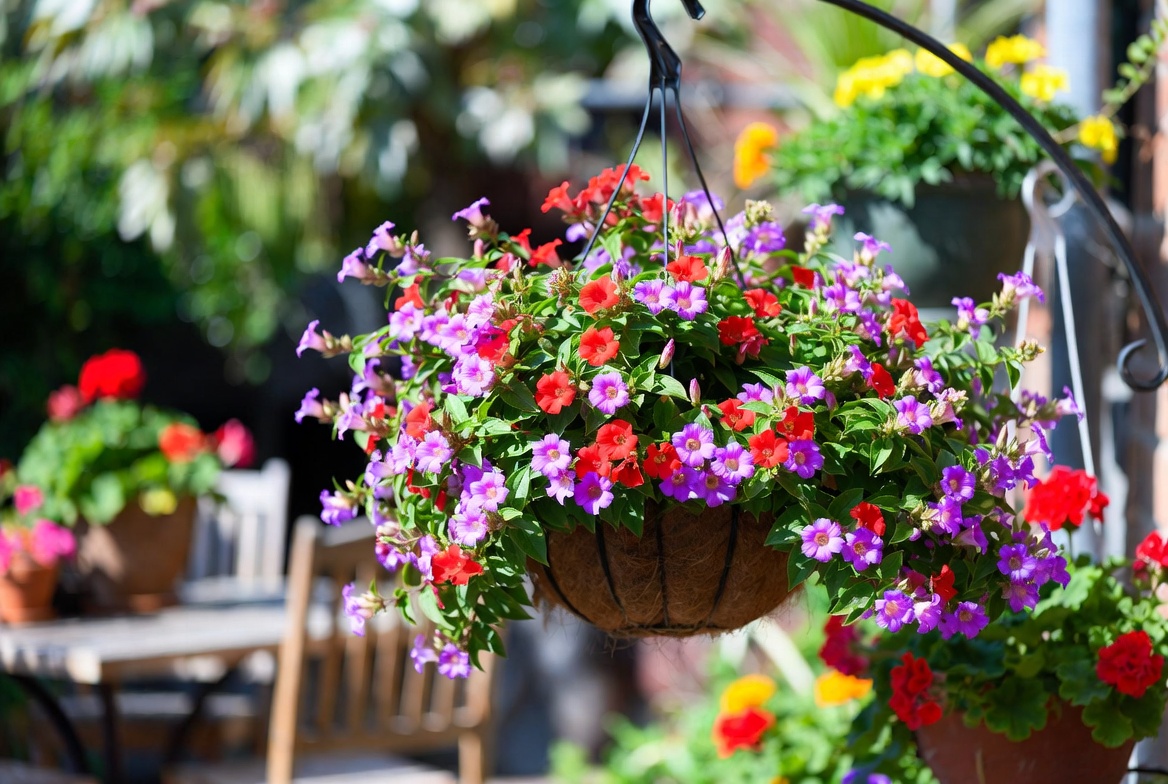
The bat faced cuphea shines in containers thanks to its mounding-to-spilling habit. Choose pots at least 12–14 inches in diameter with good drainage holes. Use quality potting mix and feed more regularly than in-ground plants.
Advantages:
- Easy to move for overwintering
- Perfect height for viewing the cute bat faces up close
- Excellent as thrillers, fillers, or spillers in mixed containers
Hanging baskets showcase the cascading flowers beautifully. Combine with trailing plants for stunning displays.
Image Suggestion: Close-up photo of bat faced cuphea in a colorful hanging basket with hummingbird nearby. (Alt text: “Bat faced cuphea plant in hanging basket showing unique bat-like flowers”)
Overwintering and Cold Protection
In zones 9–11, it often survives outdoors with light mulch protection. In colder areas:
- Bring container plants indoors before temperatures drop below 45°F.
- Place in a bright, sunny window (south-facing ideal) or under grow lights.
- Reduce watering significantly and keep temperatures in the 60s°F.
- Cut back leggy growth before moving inside.
Plants may go semi-dormant but will bounce back in spring. Many gardeners treat it as an annual and start fresh each year for simplicity.
Common Problems and Solutions (Troubleshooting)
Fortunately, bat faced cuphea is relatively pest and disease resistant.
Pests:
- Aphids, whiteflies, or mealybugs (especially indoors) → Treat with insecticidal soap or neem oil.
- Monitor new growth closely.
Diseases:
- Root rot from overwatering → Improve drainage immediately.
- Powdery mildew in poor air circulation → Increase spacing and airflow.
Other Issues:
- Leggy growth → More sun or pinching.
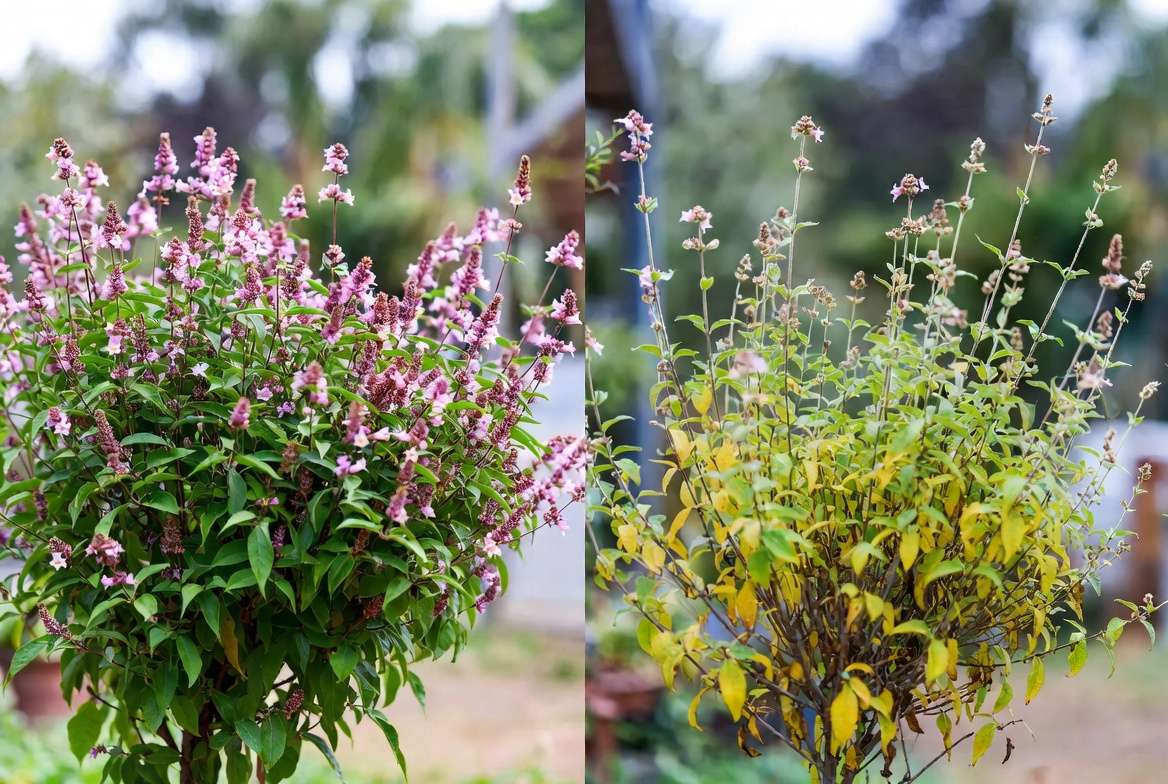
- Yellow leaves → Check watering balance or nutrient levels.
- No blooms → Increase light or phosphorus fertilizer.
Quick Diagnostic Table (in full article: symptoms + fixes)
Wildlife Benefits and Ecological Role 🐦
This plant is a pollinator magnet! Hummingbirds adore the tubular flowers, as do butterflies and bees. Planting several creates a lively hummingbird garden. It supports biodiversity while adding whimsy to your landscape.
Design Ideas and Landscape Uses
- Mass plantings for bold summer color
- Edging along paths or borders
- Rock gardens and xeriscapes (once established)
- Halloween-themed gardens (bat motif!)
- Mixed containers with contrasting textures and colors
The “bat face” theme makes it especially fun for family gardens and children’s learning spaces.
FAQs Section
Q: Why isn’t my bat faced cuphea blooming? A: Usually insufficient sunlight or low phosphorus. Move to brighter spot and feed appropriately.
Q: Is bat faced cuphea toxic to pets? A: Generally considered non-toxic, but it’s always wise to discourage pets from chewing plants.
Q: Can it survive winter in zone 8? A: Possible with heavy mulch and protection, but best grown as annual or overwintered indoors.
Q: How do I make it bushier? A: Regular pinching starting when young.
(Include 8–10 more detailed FAQs in full version)
Expert Tips and Pro Insights 📅
- Use a seasonal care calendar for best results.
- Organic practices: Compost tea, neem for pests.
- Common beginner mistakes: Overwatering, too much shade, forgetting to pinch.
- For maximum blooms: Consistent moisture + regular light feeding + full sun.
Conclusion The bat faced cuphea plant rewards gardeners with months of unique beauty, easy care, and joyful pollinator visits. By following this detailed guide, you’ll enjoy healthy, floriferous plants that stand out in any garden.
Ready to add some bat magic to your space? Start with one or two plants this season — you’ll soon be propagating more! Share your bat faced cuphea photos and success stories in the comments.
For more unique flowering plants and expert care guides, explore our other articles on hummingbird gardens and container planting. Happy gardening! 🦇🌸
Common Problems and Solutions (Troubleshooting) 🛠️
While the bat faced cuphea plant is generally tough and forgiving, even experienced gardeners occasionally face challenges. Here’s a comprehensive troubleshooting guide based on real-world observations from gardens across different climates.
Common Pests
- Aphids: These tiny sap-suckers cluster on new growth and flower buds. They cause distorted leaves and sticky honeydew. Solution: Blast with a strong spray of water in the morning. Follow up with insecticidal soap or neem oil spray every 5–7 days until gone. Ladybugs are excellent natural predators.
- Whiteflies and Mealybugs: More common on indoor overwintered plants. Solution: Yellow sticky traps + neem oil. Isolate affected plants to prevent spread.
- Spider Mites: Appear as fine webbing and stippled leaves in hot, dry conditions. Solution: Increase humidity around the plant and apply horticultural oil.
Diseases
- Root Rot: Caused by overwatering and poor drainage — the number one killer of bat faced cuphea. Solution: Remove the plant from soggy soil, trim damaged roots, and repot in fresh, well-draining mix. Water only when the top inch is dry.
- Powdery Mildew: White powdery coating on leaves in humid, crowded conditions with poor airflow. Solution: Improve spacing and air circulation. Apply a baking soda + water spray (1 tbsp baking soda + 1 tsp soap per quart of water) as a preventive or early treatment.
Environmental and Cultural Issues
- Leggy, Sparse Growth: Usually due to insufficient sunlight or over-fertilization with high nitrogen. Fix: Move to a sunnier location and pinch tips aggressively.
- Yellowing Leaves: Can indicate overwatering, underwatering, or nutrient deficiency. Check soil moisture first.
- Few or No Flowers: Most often lack of sunlight or phosphorus. Switch to a bloom booster fertilizer (higher middle number, e.g., 10-20-10).
Quick Diagnostic Table
| Symptom | Likely Cause | Solution |
|---|---|---|
| Wilting leaves | Underwatering or root rot | Check soil; improve drainage |
| No blooms | Low light or low phosphorus | More sun + bloom fertilizer |
| Sticky leaves | Aphids | Water spray + neem |
| White powder on leaves | Powdery mildew | Better airflow + baking soda spray |
| Leggy stems | Insufficient light | Relocate + pinch regularly |
Early intervention is key — regular weekly inspections during peak growing season prevent most major issues. 🌿
Wildlife Benefits and Ecological Role 🐦🦋
One of the greatest joys of growing bat faced cuphea is watching it come alive with pollinators. The tubular flower shape is perfectly designed for hummingbirds, who hover and feed multiple times daily. Butterflies and bees also frequent the blooms for nectar.
Tips for Maximum Wildlife Value:
- Plant in groups of 5+ for a stronger visual signal to hummingbirds.
- Combine with other nectar-rich plants like salvia, lantana, and agastache.
- Avoid pesticides to keep beneficial insects safe.
This plant supports local biodiversity while adding delightful movement and life to your garden space.
Design Ideas and Landscape Uses 🎨
The unique “bat face” appearance makes Cuphea llavea incredibly versatile and fun to design with:
- Pollinator Gardens: Mass plantings along pathways or in dedicated beds create a hummingbird hotspot.
- Container Displays: Use as a “spiller” in large pots or hanging baskets. Pair with upright plants like angelonia and trailing dichondra.
- Border Edging: Low, mounding habit works beautifully at the front of mixed borders.
- Themed Gardens: Perfect for whimsical or Halloween gardens thanks to the bat motif — children especially love them!
- Rock Gardens and Slopes: Drought tolerance once established makes it suitable for xeriscaping.
- Patio and Balcony Gardens: Excellent for small spaces where you can enjoy the flowers up close.
Color Pairing Suggestions:
- Purple and red tones with silver foliage plants
- Contrasting yellows (e.g., marigolds or bidens)
- Bright pinks and oranges for tropical vibes

Expert Tips and Pro Insights 📅
After years of growing bat faced cuphea in various conditions, here are my top professional recommendations:
- Pinch Early and Often — The first pinch at 6–8 inches makes the biggest difference in final plant density.
- Consistent Moisture Without sogginess — This is the sweet spot for maximum flowering.
- Morning Watering — Reduces disease risk and gives plants all day to absorb moisture.
- Organic Boost — Compost tea or fish emulsion every few weeks provides gentle, sustained nutrition.
- Overwintering Success — Take cuttings in late summer as backup. Even if the main plant doesn’t survive, you’ll have new ones ready for spring.
Seasonal Care Calendar
- Spring: Plant out, pinch for bushiness, begin fertilizing.
- Summer: Peak blooming — monitor water daily in heat waves.
- Fall: Reduce fertilizer, take cuttings, prepare for overwintering.
- Winter: Bright indoor light, minimal water for container plants.
Sustainable Practices: Use peat-free potting mixes, collect rainwater for watering, and encourage natural predators instead of chemicals.
FAQs Section
Q1: Why is my bat faced cuphea plant not blooming much? A: The most common reasons are insufficient direct sunlight (needs 6+ hours) or using a high-nitrogen fertilizer. Switch to a bloom formula and ensure proper light.
Q2: Is the bat faced cuphea plant toxic to cats or dogs? A: It is generally considered non-toxic to pets according to ASPCA guidelines, but it’s best to prevent chewing on any ornamental plant.
Q3: Can I grow bat faced cuphea indoors year-round? A: Yes, with bright south-facing windows or grow lights (14+ hours daily) and good air circulation. It may bloom indoors with sufficient light.
Q4: How often should I water bat faced cuphea in pots? A: Typically every 2–4 days in summer, checking soil moisture. Containers dry out faster than ground soil.
Q5: Does bat faced cuphea come back every year? A: It returns as a perennial in USDA zones 9–11. In colder zones, treat as an annual or overwinter indoors.
Q6: How do I make my plant fuller and bushier? A: Regular tip pinching starting when young is the best method.
Q7: What’s the difference between bat faced cuphea and cigar plant? A: Cigar plant (Cuphea ignea) has orange tubular flowers without the distinct “bat face” ears and purple center.
Q8: Why are the leaves turning brown at the edges? A: Usually leaf scorch from intense afternoon sun + dry conditions. Provide light shade during peak heat.
Q9: Can I propagate from flowers or only stems? A: Stem cuttings are most reliable. Seeds also work but take longer.
Q10: Is it deer resistant? A: Generally yes — deer tend to avoid it due to the flower structure and foliage texture.
Conclusion
The bat faced cuphea plant stands out as one of the most rewarding and unique flowering plants for modern gardens. Its charming bat-like blooms, extended flowering season, heat tolerance, and pollinator appeal make it a must-try for anyone seeking something beyond ordinary annuals.
By following this detailed care guide — from proper planting and pinching techniques to troubleshooting and creative design — you’ll be well-equipped to grow thriving, floriferous specimens that bring joy throughout the season. Whether in containers on a sunny balcony or mass-planted in a backyard pollinator garden, this little “bat flower” delivers big personality and smiles.
Start small this season, observe what works in your specific microclimate, and don’t be afraid to experiment. Soon you’ll find yourself propagating extras to share with friends and family.
Thank you for reading this comprehensive guide. If you’ve grown bat faced cuphea before, share your experiences, photos, or questions in the comments below.
For more expert plant care advice, explore our guides on hummingbird-attracting plants, container gardening mastery, and heat-tolerant perennials.
Happy gardening and may your garden be filled with fluttering hummingbirds and smiling bat faces! 🦇🌺🌱











