
Imagine walking into your home after a long, stressful day. The air feels a bit stale, your shelves look bare, and that one corner always seems dark and lifeless. What if one simple plant could transform that space — purifying your air, boosting your mood, and thriving even if you forget to water it for a week?
That plant is the Pothos. The benefits of Pothos plant (Epipremnum aureum), also known as Devil’s Ivy or Golden Pothos, make it one of the most beloved houseplants for beginners and experienced plant parents alike.
This fast-growing, trailing vine is nearly indestructible, stunningly beautiful, and packed with practical advantages that go far beyond decoration. In this comprehensive guide, we’ll explore 10 powerful benefits, backed by science and real-world experience, plus a complete care manual to help you succeed.
Whether you live in a small apartment, work from home, or want to create a greener sanctuary for your family, Pothos delivers exceptional value with minimal effort. Let’s dive in! 🪴
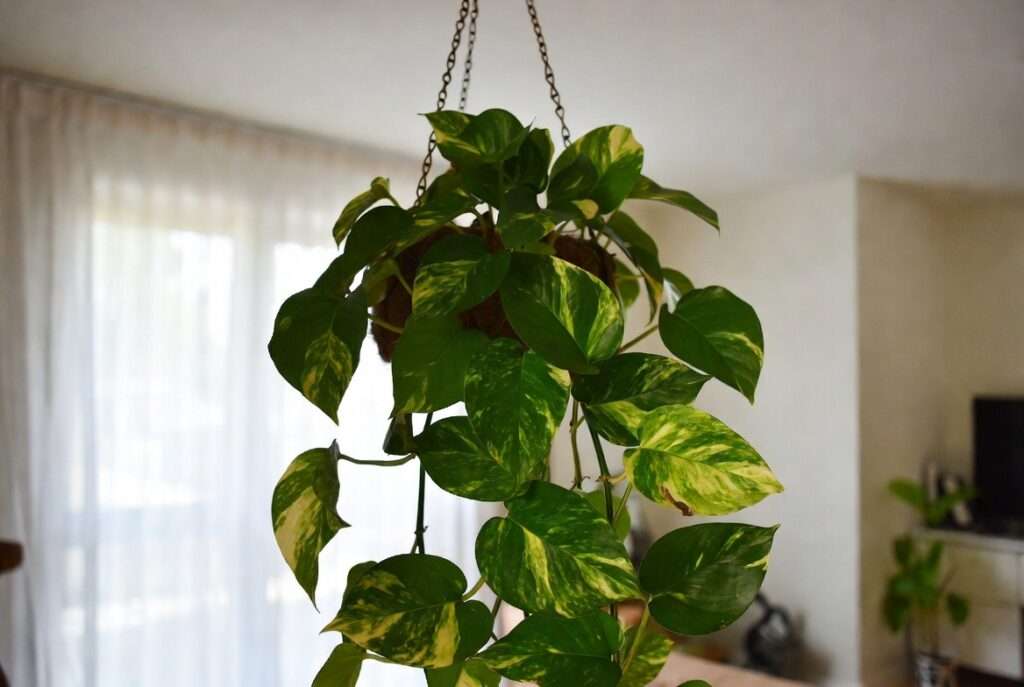
[Image: Beautiful trailing Golden Pothos in a modern living room hanging basket, lush green and yellow variegated leaves cascading down]
What Is the Pothos Plant? A Quick Profile 🪴
Pothos is a tropical evergreen vine native to the Solomon Islands and parts of Southeast Asia. It belongs to the Araceae family and is famous for its heart-shaped leaves and vigorous vining growth.
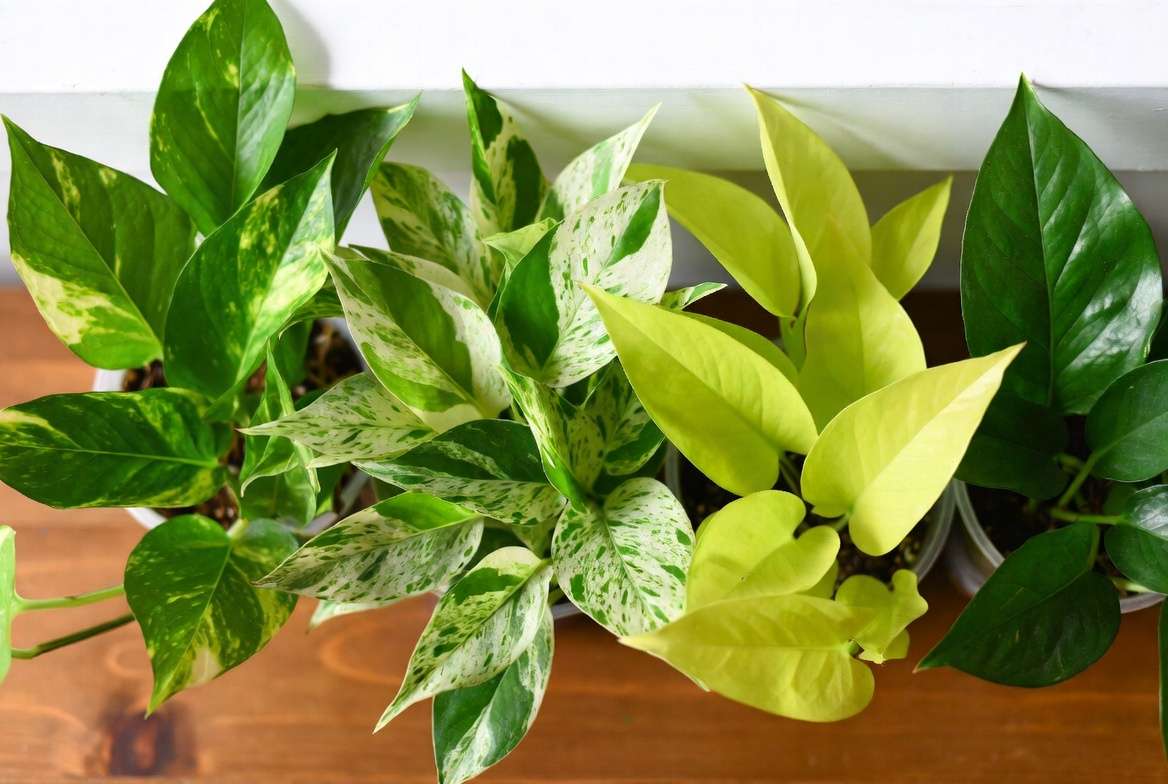
Common varieties include:
- Golden Pothos — Classic green leaves with golden-yellow variegation.
- Marble Queen — Striking white and green marbling.
- Neon Pothos — Bright chartreuse-green leaves that pop with color.
- N’Joy or Manjula — Compact, highly variegated options perfect for smaller spaces.
- Cebu Blue — Silvery-blue tones with unique arrow-shaped leaves.
Known as “Devil’s Ivy” because it’s incredibly hard to kill, Pothos can grow 12–18 inches per month under good conditions. It adapts to hanging baskets, shelves, moss poles, or even water vases, making it incredibly versatile for any home decor style.
As a plant care specialist with over a decade of hands-on experience growing hundreds of houseplants, I’ve seen Pothos rescue many beginners from “black thumb” frustration. Its resilience and beauty make it a true gateway plant into the wonderful world of indoor gardening.
10 Powerful Benefits of Pothos Plant
Here are the top reasons why this hardy vine deserves a prime spot in your home.
1. Exceptional Air-Purifying Abilities 🌬️ One of the most celebrated benefits of Pothos plant is its ability to filter indoor air. The famous 1989 NASA Clean Air Study highlighted Pothos (Devil’s Ivy) for its effectiveness at removing common volatile organic compounds (VOCs) like formaldehyde, benzene, xylene, and toluene.
While recent analyses note that hundreds of plants would be needed for dramatic whole-room effects in typical homes, Pothos still contributes meaningfully through its high transpiration rate and leaf surface area. It helps create a fresher feeling indoors, especially in bedrooms, offices, or homes with new furniture and carpets.
Pro Tip: Combine Pothos with good ventilation and an air purifier for best results.
[Image: Infographic showing Pothos removing toxins like formaldehyde and benzene from indoor air]
2. Incredible Low-Maintenance Nature – Perfect for Busy Lives ⏰ If you travel often, work long hours, or simply want a plant that forgives occasional neglect, Pothos is ideal. It thrives in low to medium indirect light and tolerates irregular watering better than most houseplants.
It prefers the soil to dry out between waterings, making it far more forgiving than finicky ferns or calatheas. This low-maintenance quality solves a major pain point for many: keeping plants alive amid hectic modern schedules.
3. Effortless Propagation – Multiply Your Collection for Free ✨ Few plants propagate as easily as Pothos. Simply cut a stem with 2–3 nodes, place it in water or moist soil, and watch roots develop within 1–2 weeks. One healthy plant can quickly become dozens, allowing you to fill your home or gift plants to friends.
This benefit makes Pothos incredibly cost-effective and rewarding for plant enthusiasts.
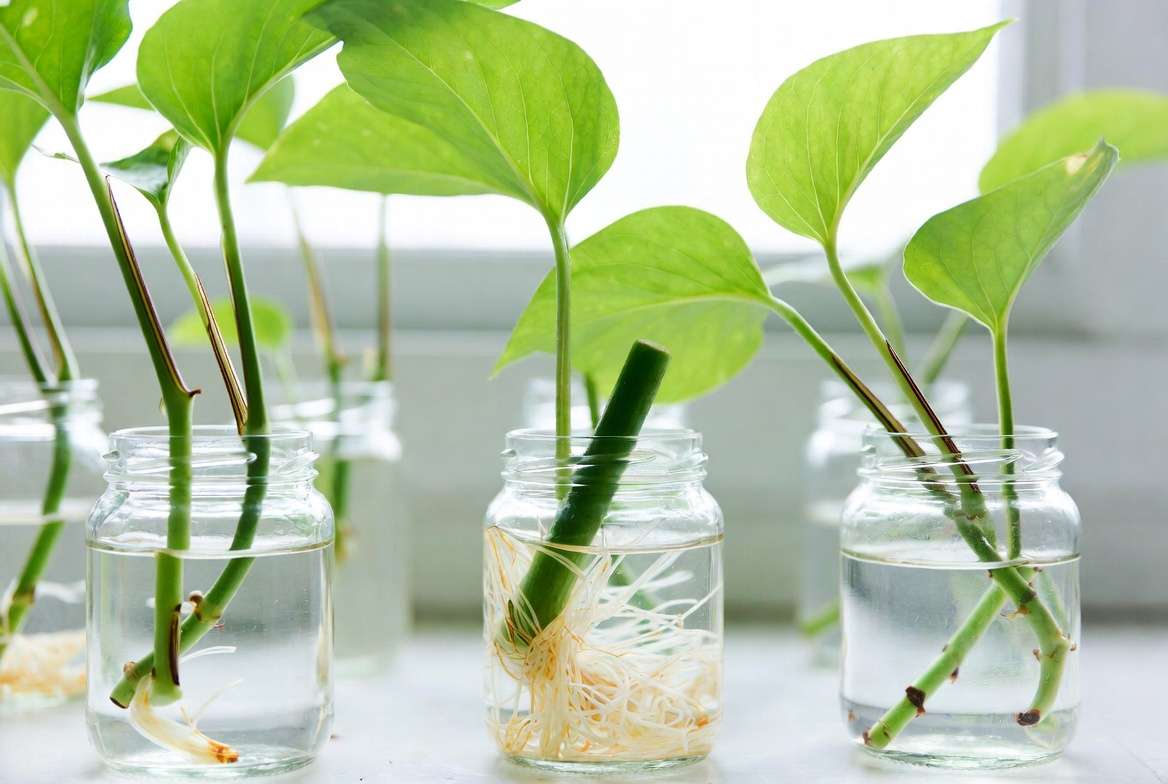
[Image: Step-by-step photo collage of Pothos propagation in water, showing roots forming]
4. Stunning Aesthetic Appeal and Versatile Decor Options 🏡 With cascading vines and beautiful leaf patterns, Pothos instantly elevates any interior. Use it in hanging planters for boho vibes, on high shelves for elegant trails, or train it up a moss pole for a dramatic vertical accent.
It works beautifully in bathrooms (loves humidity), bedrooms (calming presence), and offices (improves workspace aesthetics).
5. Mental Health and Wellbeing Boost 😌 Houseplants like Pothos support biophilic design principles. Research shows that interacting with indoor plants can reduce stress, lower blood pressure, and improve mood and focus.
Pothos, in particular, is often rated highly for perceived wellbeing benefits due to its lush, rounded leaves and easy-care nature. Caring for it provides a small daily ritual that grounds you and brings joy.
6. Fast Growth and High Reward with Minimal Effort ⚡ Pothos grows quickly, offering visible progress that motivates new plant parents. In bright indirect light with occasional fertilizing, you’ll see satisfying new leaves and longer vines regularly.
This rapid reward cycle keeps the hobby engaging without demanding constant attention.
7. Natural Humidity Regulation and Skin/Respiratory Comfort 💧 Through transpiration, Pothos releases moisture into the air, helping counteract dry indoor environments caused by heating or air conditioning. This can provide subtle relief for dry skin, sinuses, and respiratory comfort during winter months.
8. Cost-Effective and Long-Lasting Houseplant Investment 💰 A single affordable Pothos can live for 10+ years with basic care. Its propagation ability means almost zero ongoing cost for expanding your collection. Compared to frequent replacements of less hardy plants, it’s an economical choice.
9. Educational Value and Great for Families/Kids (with Safety Notes) 📚 Pothos is excellent for teaching children about plant biology, responsibility, and nature. Watching cuttings root in water fascinates kids and encourages STEM curiosity.
10. Eco-Friendly Choice for Sustainable Homes 🌍 Pothos has a small carbon footprint, requires minimal resources, and contributes to better indoor ecology. Choosing resilient plants like Pothos supports more sustainable indoor gardening practices.
Pothos Plant Care Guide – How to Keep Yours Thriving 🌱
Light Requirements Pothos adapts to a wide range: low light to bright indirect. Avoid direct harsh sun, which can scorch leaves. Variegated varieties need more light to maintain their patterns.
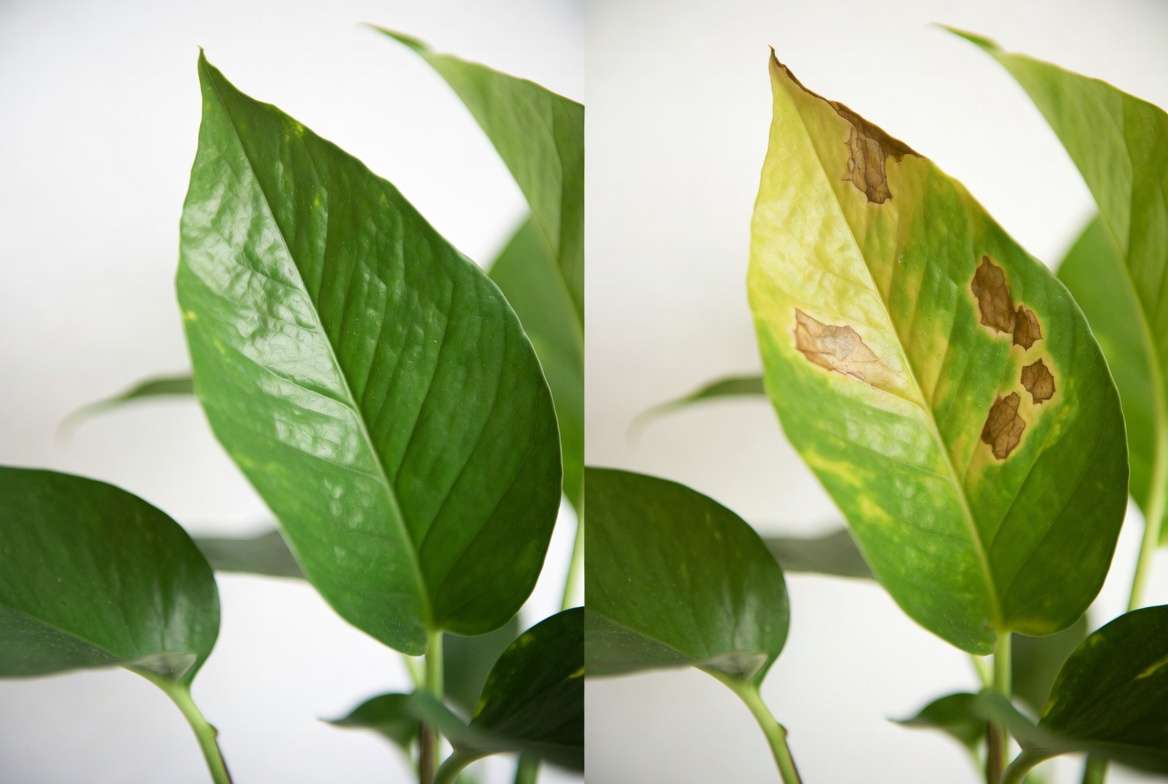
Watering Best Practices Water thoroughly when the top 1–2 inches of soil feel dry. Overwatering is the most common killer — ensure excellent drainage. Yellow leaves often signal too much water; drooping can mean too little.
Soil, Potting, and Fertilizing Use a well-draining potting mix (add perlite or orchid bark if needed). Fertilize every 4–6 weeks during spring and summer with a balanced liquid houseplant fertilizer.
Temperature, Humidity, and Placement Ideal range: 65–85°F (18–29°C). It tolerates average room humidity but appreciates occasional misting or a pebble tray.
Pruning, Training, and Repotting Prune regularly to encourage bushiness. Repot every 1–2 years or when roots crowd the pot.
Common Pests & Problems + Organic Solutions Watch for mealybugs, spider mites, or scale. Treat with neem oil or insecticidal soap. Root rot? Trim affected roots and repot in fresh soil.
Important Safety Considerations – Pets, Children, and Toxicity ⚠️
Pothos contains calcium oxalate crystals, making it mildly toxic if ingested by cats, dogs, or children. It can cause mouth irritation, drooling, or upset stomach.
Place it out of reach of curious pets and toddlers. If you have pets that chew plants, consider safer alternatives like spider plants or parlor palms, or use hanging placements. Always consult ASPCA resources for pet safety.
Creative Ways to Display and Style Your Pothos at Home
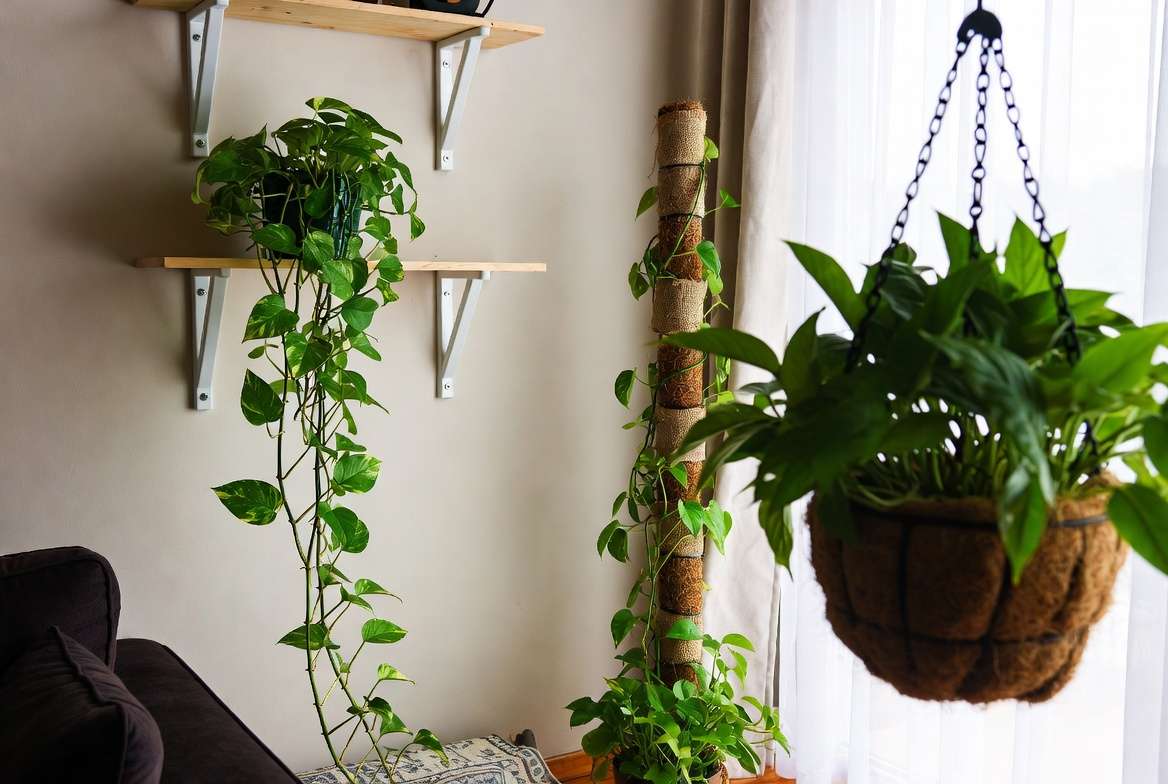
- Bedroom: Trailing from a high shelf for a calming effect.
- Bathroom: Perfect humidity booster.
- Office: Desktop or hanging for focus and productivity.
- Living Room: Macrame hangers or combined with other trailing plants.
Experiment with mixed planters or DIY moss poles for vertical gardens.
Expert Tips and Common Myths About Pothos Debunked 💡
Myth: Pothos will dramatically clean all your indoor air alone. Reality: It contributes positively but works best as part of a broader strategy.
Myth: It never needs fertilizer. Reality: Regular feeding produces fuller, faster growth.
Pro Tip for Variegation: More bright indirect light helps maintain stunning patterns in Marble Queen and N’Joy varieties.
Frequently Asked Questions (FAQs) ❓
Is Pothos really good for air purification? Yes, it removes certain VOCs, though ventilation remains most important.
Can Pothos grow in water forever? Yes! Many people maintain beautiful water-grown Pothos indefinitely with occasional liquid fertilizer.
Is Pothos toxic to cats and dogs? Mildly toxic if ingested — keep out of reach.
Why are my Pothos leaves turning yellow? Usually overwatering or poor drainage. Adjust your routine accordingly.
How fast does Pothos grow? Up to 12–18 inches per month in ideal conditions.
Best Pothos varieties for beginners? Golden Pothos is the most forgiving and widely available.
Conclusion
The benefits of Pothos plant — from air purification and effortless care to beauty and mental wellbeing — make it a standout choice for modern homes. Its resilience turns even the most hesitant plant parents into confident growers.
Start with one Golden Pothos today. You’ll quickly understand why this hardy vine has earned a place in countless homes worldwide. Your indoor jungle journey begins with this forgiving, rewarding beauty. 🌱
Share your Pothos success stories in the comments! Which variety is your favorite?











