
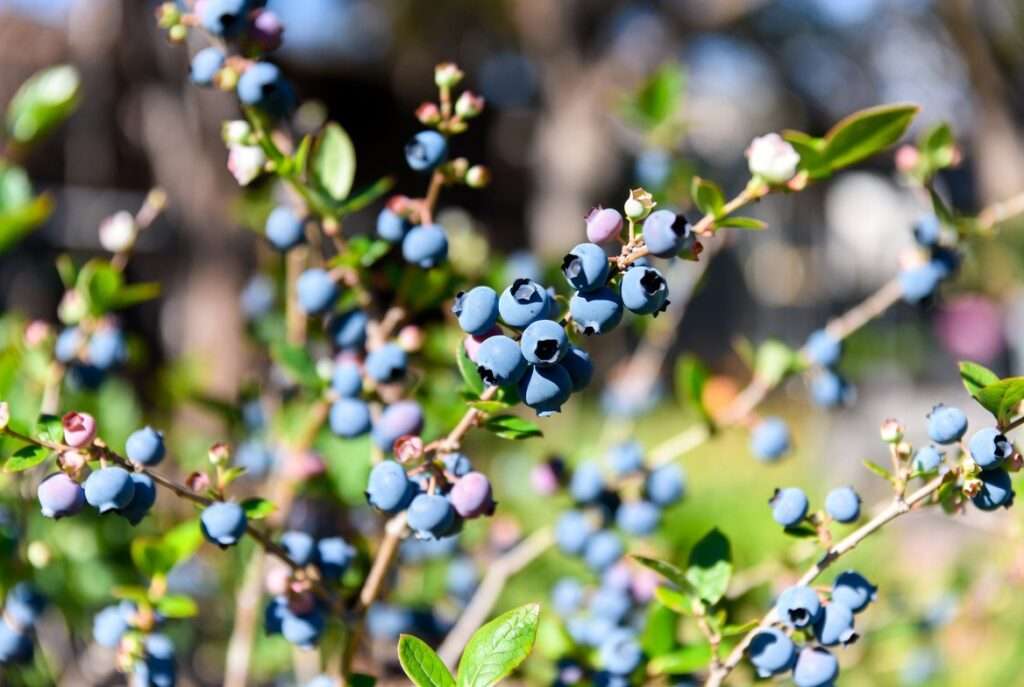
Imagine stepping into your backyard in early summer and picking handfuls of sweet, juicy, perfectly ripe blueberries weeks before most varieties are ready — even if you live in a warmer climate with mild winters. The Biloxi blueberry plant makes this rewarding dream completely achievable for home gardeners. 🌿
This vigorous Southern Highbush variety stands out as one of the best choices for gardeners in USDA Zones 7–10 who want early harvests, excellent flavor, and reliable performance in heat and humidity. Whether you’re a beginner or an experienced fruit grower looking to expand your berry patch, this comprehensive guide will walk you through everything you need to successfully grow, care for, and harvest from your own Biloxi blueberry bushes.
With over 15 years of hands-on experience growing berries in varied climates and drawing from university extension research (including USDA and state agricultural programs), this guide delivers proven, practical advice that goes beyond basic tips. Let’s help you achieve bountiful harvests year after year! ✨
What Is the Biloxi Blueberry Plant?
The Biloxi blueberry (Vaccinium ‘Biloxi’) is a Southern Highbush variety developed by the USDA-ARS breeding program in Mississippi. Released in the late 1990s, it was specifically bred for low-chill environments, making it ideal for southern and coastal regions where traditional Northern Highbush blueberries struggle due to insufficient winter cold.
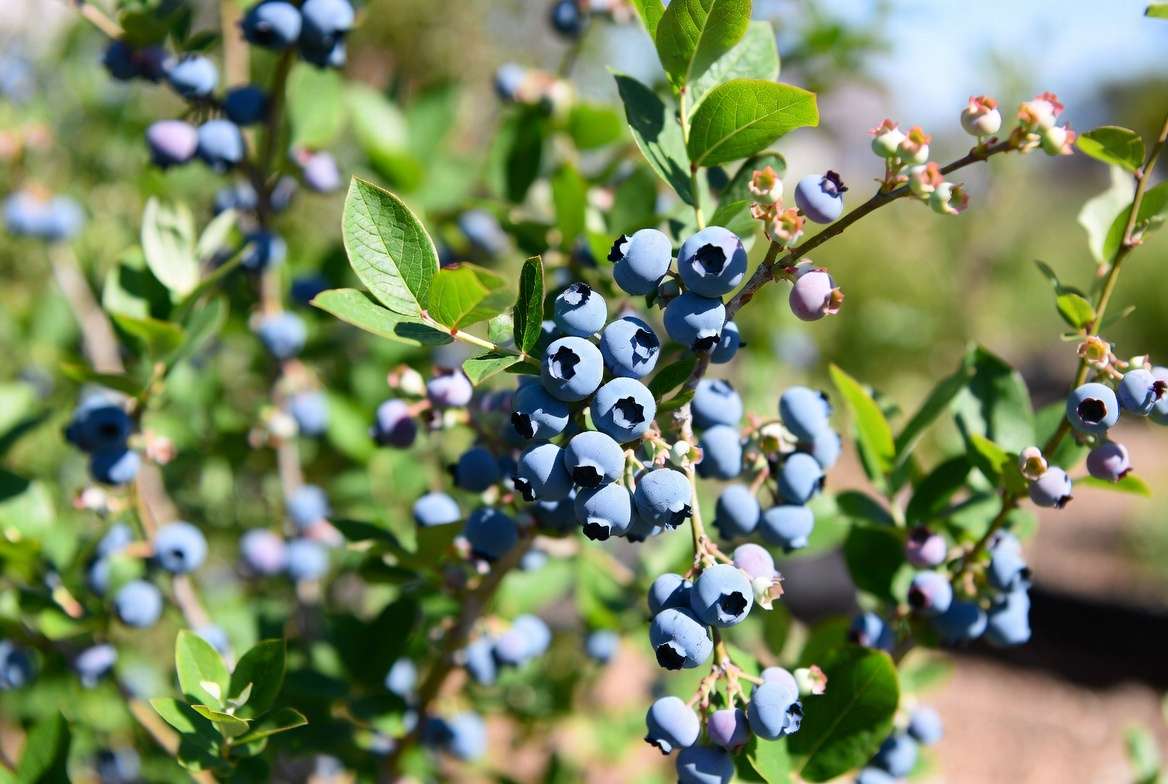
Key Characteristics of Biloxi Blueberry
- Growth Habit: Upright and vigorous, typically reaching 5–6 feet tall and 4–5 feet wide at maturity. It forms a dense, attractive shrub with medium-green foliage that can remain semi-evergreen in mild winters.
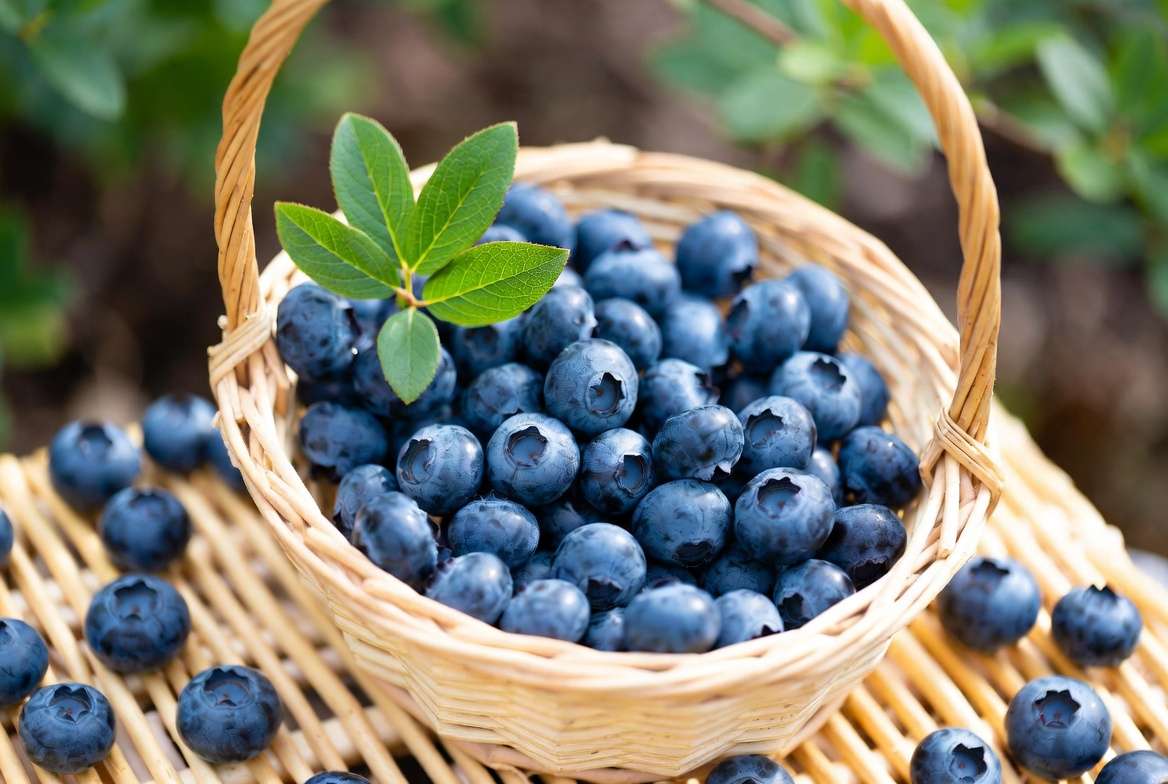
- Fruit: Medium to large, firm, light-to-medium blue berries with a sweet, balanced flavor and good picking scar. They are excellent for fresh eating.
- Chill Hours: Very low requirement (100–400 hours), allowing it to thrive where other varieties fail.
- Ripening Season: One of the earliest — often producing ripe fruit in May and June, sometimes with potential for a second smaller crop in very mild or tropical climates.
- Yield: Medium to high productivity with proper care, often delivering 2–5+ pounds per mature plant.
Why Choose Biloxi? Benefits and Advantages 🌟
Gardeners love the Biloxi blueberry plant for several compelling reasons:
- Early Harvest: Beat the season and enjoy fresh berries before most other varieties ripen.
- Heat & Humidity Tolerance: Performs exceptionally well in southern U.S. states, coastal areas, and similar climates.
- Versatility: Excellent for in-ground planting, raised beds, and large containers — perfect for patios or small yards.
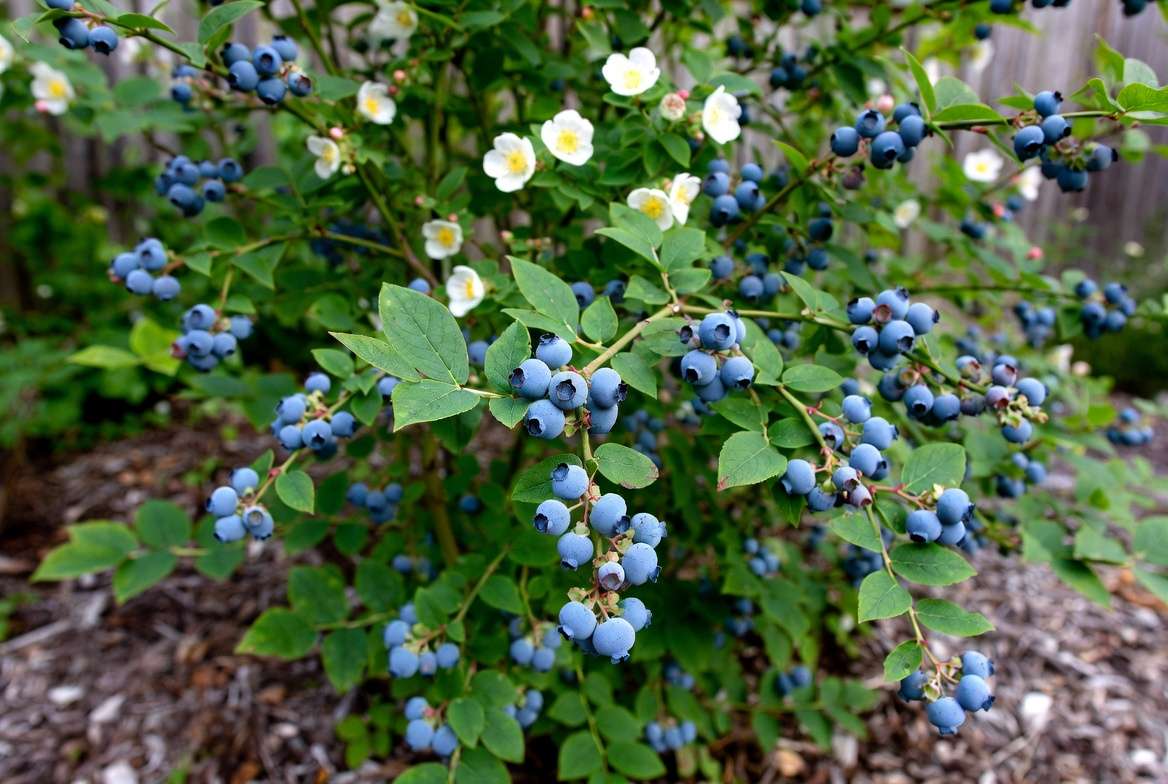
- Attractive Landscape Plant: Beautiful white spring flowers, tasty summer fruit, and colorful fall foliage.
Comparison with Popular Varieties:
- Vs. Misty or Jewel: Biloxi often ripens earlier with similar low-chill needs.
- Vs. Sharpblue: Comparable vigor but Biloxi generally offers firmer fruit and better heat tolerance in many trials.
Ideal Growing Conditions for Biloxi Blueberry
Success with any blueberry starts with matching the plant to the right environment. The Biloxi blueberry plant is more forgiving than many others, but it still has specific preferences.
Climate and Hardiness Zones
Biloxi thrives in USDA Hardiness Zones 7–10 (some sources extend to 6 with protection or 11 in tropical areas with care). It excels in the Gulf Coast, Southeast, parts of California, and similar mild-winter regions. In very warm areas (Zone 9–10), it may behave semi-evergreen and can sometimes produce an off-season crop.
Sunlight Requirements ☀️
Provide full sun (6–8+ hours daily) for the heaviest yields and sweetest fruit. In extremely hot climates (Zone 9+), afternoon shade can help prevent stress while still delivering strong production.
Soil Requirements — The Most Critical Factor
Blueberries are acid-loving plants. For the Biloxi blueberry plant:
- Optimal pH: 4.5–5.5 (aim for 4.8–5.2 for best results).
- Texture: Well-drained, rich in organic matter, sandy loam preferred.
- Common Mistake: Planting in neutral or alkaline soil leads to yellow leaves (chlorosis), stunted growth, and poor fruiting.
How to Test and Amend Soil:
- Test your soil pH using a reliable kit or lab service.
- If pH is too high, incorporate elemental sulfur several months before planting.
- Mix in plenty of acidic amendments: pine bark, peat moss, or pine needles.
- For heavy clay soils, build raised beds or mounds 6–12 inches high filled with a 50/50 mix of pine bark and acidic potting soil.
Pro Tip: Mulch heavily after planting to maintain acidity and moisture. 🪴
How to Plant Biloxi Blueberry
Best Time to Plant
Plant in early spring (after last frost) or fall when temperatures are mild. Avoid planting during peak summer heat.
Step-by-Step Planting Guide
- Site Selection: Choose a sunny, well-drained spot protected from strong winds.
- Spacing: Plant 3–5 feet apart for hedges or 5–6 feet for individual bushes. Rows should be 8–10 feet apart.
- Planting Hole: Dig twice as wide as the root ball but no deeper. Loosen surrounding soil.
- Planting Depth: Set the plant at the same depth it was in the container. Spread roots gently.
- Backfill: Use amended acidic soil mix. Water thoroughly to remove air pockets.
- Mulch: Apply 3–4 inches of pine needles, wood chips, or bark around the base (keep away from the stem).
Growing in Containers vs. In-Ground 🪴
Container growing works wonderfully for the Biloxi blueberry plant, especially in warmer zones or on patios:
- Use pots at least 20–25 gallons.
- Fill with a premium acidic blueberry mix (or 50% pine bark + 50% peat-based mix).
- Ensure excellent drainage and water more frequently than in-ground plants.
Image Suggestion: [High-quality photo of a healthy Biloxi blueberry bush loaded with ripe fruit in a garden setting]

Essential Care Guide for Healthy Biloxi Plants 🌱
Caring for your Biloxi blueberry plant is straightforward once you understand its preferences. Consistent attention to watering, soil health, feeding, and pruning will reward you with vigorous growth and abundant sweet berries for years to come.
Watering Requirements 💧
The Biloxi blueberry plant has shallow roots and loves consistent moisture, but it hates soggy feet. Proper watering is one of the most important factors for success.
- Newly Planted Bushes: Water deeply every 2–3 days for the first 2 months to help establish roots.
- Established Plants: Provide 1–2 inches of water per week, adjusting for rainfall and temperature. In hot summer months, you may need to water 2–3 times weekly.
- Best Method: Slow, deep watering at the base of the plant encourages strong root development. Avoid overhead watering to reduce disease risk.
- Signs of Problems: Wilting or crispy leaf edges usually indicate underwatering. Yellowing lower leaves or root rot often signals overwatering.
Pro Tip: Use drip irrigation or soaker hoses for efficient, even moisture — especially valuable in warmer southern climates where evaporation is high.
Mulching Best Practices 🪴
Mulch is a gardener’s best friend when growing Biloxi blueberries. A thick layer does multiple jobs at once:
- Maintains soil acidity
- Conserves moisture
- Suppresses weeds
- Keeps roots cool during hot summers
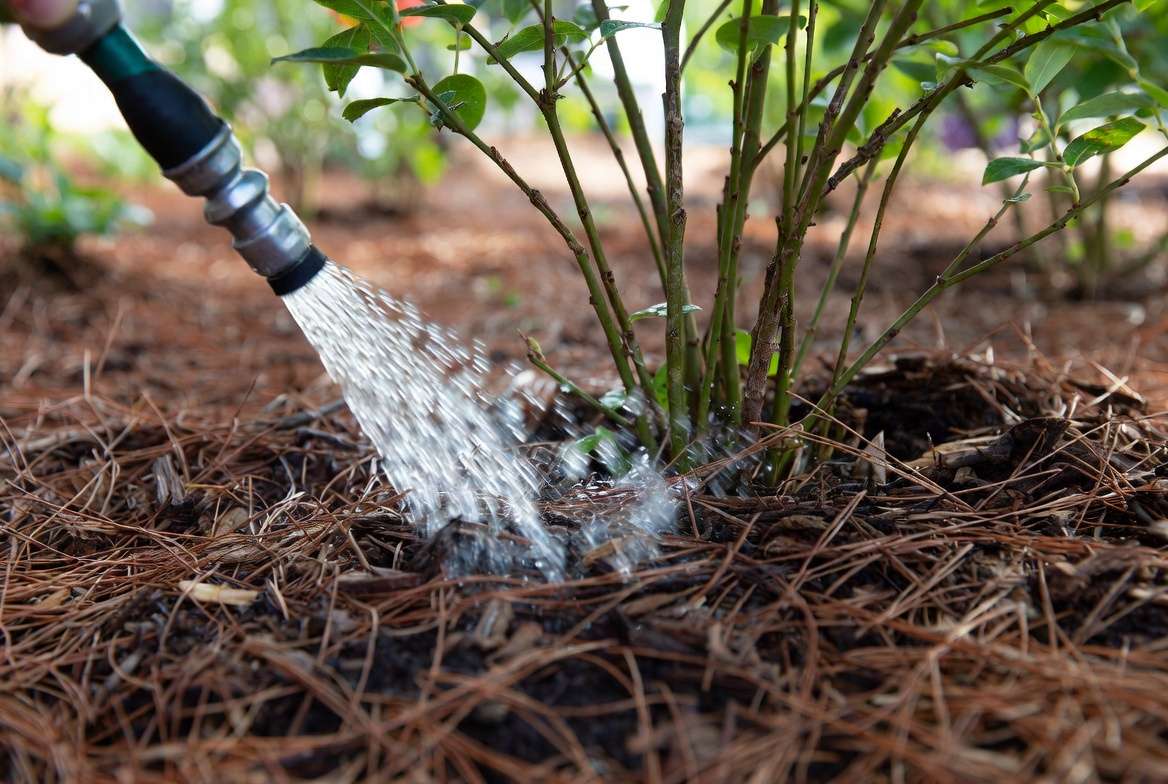
Recommended Mulch Materials:
- Pine needles (pine straw) — excellent choice as they are naturally acidic
- Aged pine bark or wood chips
- Shredded oak leaves
Apply 3–5 inches of mulch in a wide circle around the plant, keeping it 2–3 inches away from the main stem to prevent rot. Replenish annually as it breaks down. This simple step can dramatically improve plant health and productivity.
Fertilizing Biloxi Blueberry ✨
Blueberries are light feeders but demand the right type of nutrients. Never use standard garden fertilizers, as they can raise soil pH and harm your plants.
Best Fertilizers:
- Specialized azalea, rhododendron, or blueberry fertilizers (acidic formula)
- Organic options: Cottonseed meal, blood meal, or fish emulsion
- Slow-release granular formulas for convenience
Feeding Schedule:
- First Year: Minimal fertilizer — focus on root establishment.
- Spring (March–April): Apply first feeding when new growth begins.
- Post-Harvest (June–July): Second lighter application to support next year’s buds.
- Avoid fertilizing after late summer to prevent tender growth before winter.
Always water thoroughly after feeding and follow package rates carefully. Over-fertilizing is a common mistake that causes leaf burn and reduced fruit quality.
Pruning for Maximum Yields ✂️
Pruning might feel intimidating at first, but it’s essential for keeping your Biloxi blueberry plant productive and healthy.
When to Prune:
- Late winter or early spring (before new growth starts) is ideal.
- Remove any dead, damaged, or diseased branches anytime.
Year-by-Year Pruning Guide:
- Years 1–2: Focus on shape. Remove low branches and crossing stems to build a strong framework.
- Mature Plants (Year 3+): Annually remove about 20% of the oldest wood (canes older than 4–5 years). This encourages new, fruitful growth.
- Goal: Open center for sunlight and air circulation while maintaining 6–8 strong upright canes.
Techniques:
- Make clean cuts just above a bud using sharp bypass pruners.
- Prune to encourage branching at desired heights.
Proper pruning can increase yields by 30–50% and produce larger, sweeter berries. Many gardeners see their best harvests on 3–5 year old wood.
Pollination and Increasing Fruit Set 🐝
The Biloxi blueberry plant is considered self-fertile, meaning it can produce fruit with its own pollen. However, cross-pollination with another Southern Highbush variety significantly boosts fruit size, quantity, and quality.
Recommended Companion Pollinators:
- Misty
- Sharpblue
- Jewel
- Emerald
Plant at least two different varieties within 50 feet of each other for best results.
To attract native bees and other pollinators:
- Avoid broad-spectrum pesticides
- Plant companion flowers like borage, lavender, or marigolds nearby
- Provide shallow water sources in the garden
Strong pollination is key to turning beautiful spring blooms into heavy clusters of summer blueberries.
Image Suggestion: Close-up of Biloxi blueberry flowers and early fruit set with bees present.
Common Pests, Diseases, and Solutions 🛡️
Even resilient varieties like Biloxi can face challenges. Early detection and prevention are your best defenses.
Major Pests and Organic Controls
- Birds: The biggest harvest thief! Use bird netting or reflective tape as berries begin to ripen.
- Aphids & Japanese Beetles: Spray with neem oil or insecticidal soap. Hand-pick beetles.
- Spotted Wing Drosophila: A serious issue in many regions. Harvest frequently and use traps.
Diseases to Watch For
- Root Rot: Caused by poor drainage. Prevent by planting in raised beds with excellent drainage.
- Mummy Berry: Fungal disease. Remove fallen fruit and debris; apply organic fungicides if needed.
- Leaf Spot: Improve air circulation through proper spacing and pruning.
Integrated Pest Management (IPM) Tips:
- Maintain plant vigor through excellent care — healthy plants resist problems better.
- Monitor weekly during growing season.
- Start with cultural and mechanical controls before using any sprays.
With proactive care, most gardeners experience very few serious issues with the Biloxi blueberry plant.
Harvesting and Enjoying Your Biloxi Blueberries 🫐
One of the most exciting moments in growing the Biloxi blueberry plant is harvest time. With proper care, you can expect your first meaningful harvest in year 2–3, with full production by year 4–5.
When and How to Harvest
- Ripeness Indicators: Berries turn a deep, powdery blue and feel firm yet slightly soft. They should release easily with a gentle twist. Taste-test — truly ripe Biloxi berries are sweet with minimal tartness.
- Season: Main harvest typically runs from mid-May through June in Zones 8–9, sometimes extending longer.
- Technique: Pick every 2–3 days during peak season. Use a gentle hand to avoid damaging the fruit or plant. Harvest in the morning when berries are coolest for best shelf life.
Expected Yields: A mature Biloxi blueberry bush can produce 4–8 pounds of fruit annually under optimal conditions. Consistent watering, fertilizing, and pruning are the keys to reaching these numbers.
Post-Harvest Care
After harvesting:
- Apply a light fertilizer to replenish nutrients.
- Prune lightly if needed.
- Continue regular watering through summer.
Storing and Preserving:
- Fresh berries last 7–10 days in the refrigerator.
- Freeze extras on a tray before bagging for smoothies, baking, or snacks.
- Make delicious jams, syrups, or pies — Biloxi’s firm texture holds up beautifully in recipes.
Seasonal Care Calendar for Biloxi Blueberry 📅
A month-by-month guide helps you stay on track:
- January–February (Dormant Season): Prune established plants. Plan and order new bushes.
- March–April (Spring Growth): Fertilize as buds swell. Watch for flowers and pollinators. Plant new bushes in early spring.
- May–June (Harvest Time): Pick regularly. Provide extra water during fruit swell. Net against birds.
- July–August (Post-Harvest): Light fertilizing. Deep watering during summer heat. Monitor for pests.
- September–October (Fall): Reduce watering slightly. Add fresh mulch. Enjoy colorful fall foliage.
- November–December: Protect young plants in colder Zone 6–7 areas with burlap if needed. Minimal care during dormancy.
Following this calendar ensures your Biloxi blueberry plant stays healthy and productive for 15–20+ years.
Troubleshooting Common Problems 🔧
Even experienced gardeners face issues. Here are solutions to the most frequent challenges with Biloxi blueberry plants:
- Yellow Leaves (Chlorosis): Almost always caused by soil pH being too high. Test pH immediately and amend with sulfur or acidic mulch. Use chelated iron for quick recovery.
- No Flowers or Fruit: Insufficient chill hours (rare with Biloxi), lack of sunlight, over-fertilizing with nitrogen, or poor pollination. Add a companion variety and ensure full sun.
- Small Berries: Inconsistent watering or nutrient deficiency. Maintain even moisture and follow proper feeding schedule.
- Slow Growth: Compacted soil, poor drainage, or insufficient acidity. Improve soil conditions and mulch heavily.
- Leaf Drop: Normal in extreme heat or drought stress. Increase watering and provide afternoon shade if necessary.
Early intervention prevents most problems from becoming serious.
Advanced Tips for Bountiful Harvests 🌟
Take your Biloxi blueberry growing to the next level:
- Companion Planting: Grow with acid-loving plants like azaleas, rhododendrons, or lingonberries. Herbs such as thyme and oregano help deter pests.
- Extending the Season: In very mild coastal areas, Biloxi can sometimes produce a light second crop in fall.
- Scaling Up: Create a blueberry hedge for both beauty and production. Space plants 3 feet apart for a continuous edible screen.
- Sustainable Practices: Use organic fertilizers, compost tea, and rainwater collection. This supports pollinators and builds long-term soil health.
- Container Success: For patio growers, rotate pots slightly every few weeks for even sun exposure and winter protection by moving to a sheltered spot.
These expert techniques help serious gardeners achieve exceptional results year after year.
Frequently Asked Questions (FAQs) ❓
How fast does the Biloxi blueberry plant grow? It grows vigorously, adding 12–24 inches per year under good conditions, reaching full size in 3–4 years.
Can I grow Biloxi blueberry in pots? Yes! It performs excellently in large containers (20+ gallons) with acidic potting mix. Perfect for small spaces and patios.
Why are my blueberries small or not sweet? Usually due to insufficient water during fruit development or too much shade. Ensure consistent moisture and full sun.
Is Biloxi self-pollinating? It is self-fertile but produces significantly better crops when planted with another Southern Highbush variety like Misty or Jewel.
How long until first harvest? Expect light harvests in year 2, with meaningful yields starting in year 3.
What’s the best soil mix for containers? 50% pine bark fines + 40% peat moss + 10% perlite, plus a handful of sulfur to maintain acidity.
Do Biloxi plants need winter protection? Generally not in Zones 7–10, but young plants in Zone 6 benefit from mulch and wind protection.
Conclusion
The Biloxi blueberry plant is an outstanding choice for gardeners seeking early, delicious berries with minimal chill requirements and strong heat tolerance. By following this complete guide — from proper soil preparation and planting to expert care and harvesting — you’ll enjoy abundant harvests for decades.
Growing your own blueberries is incredibly rewarding, connecting you with nature while providing fresh, antioxidant-rich fruit for your family. Start with one or two healthy plants, give them the acidic soil and consistent care they crave, and watch your garden thrive.
Ready to plant? Your Biloxi blueberry adventure awaits! Share your experiences in the comments below, and explore our other guides on Southern Highbush varieties and berry gardening for more expert tips.
Happy growing! 🫐🌱✨











