
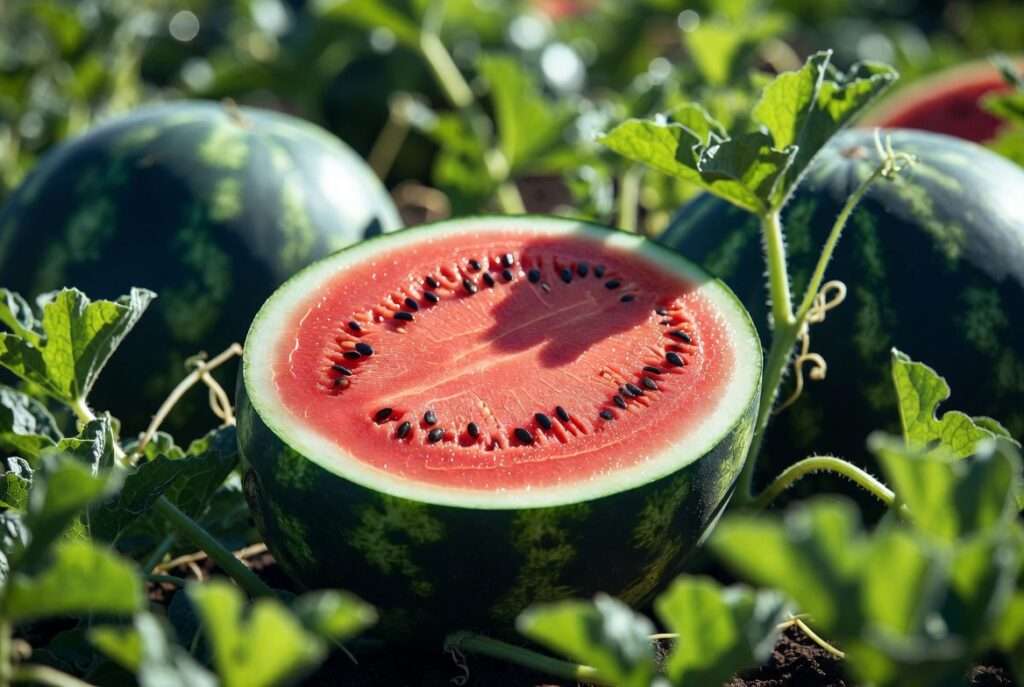
Imagine cutting open a massive, dark-as-night watermelon under the summer sun, only to reveal deep crimson flesh so sweet it tastes like candy. That’s the magic of Black Diamond watermelon plants — a beloved heirloom variety that delivers jaw-dropping size, incredible flavor, and old-fashioned goodness.
If you’re dreaming of growing these legendary melons in your own backyard, you’re in the right place. In this comprehensive guide, I’ll share everything I’ve learned from over 12 years of growing heirloom watermelons, including the exact techniques that produce 40–60 pound fruits bursting with sweetness. Whether you’re a beginner gardener or an experienced grower looking to master this classic variety, this guide will help you overcome common challenges and enjoy abundant, mouthwatering harvests. 🌱
Black Diamond watermelon plants are prized for their striking dark green (almost black) rinds, vigorous vines, and exceptional taste that beats many modern hybrids. Let’s dive deep into how you can successfully grow them from seed to harvest.
What Are Black Diamond Watermelon Plants? 🌱
Black Diamond is a treasured heirloom watermelon variety with roots tracing back to the early 20th century in the United States. Unlike many supermarket hybrids bred for shipping, this variety focuses on flavor and size.
Key Characteristics:
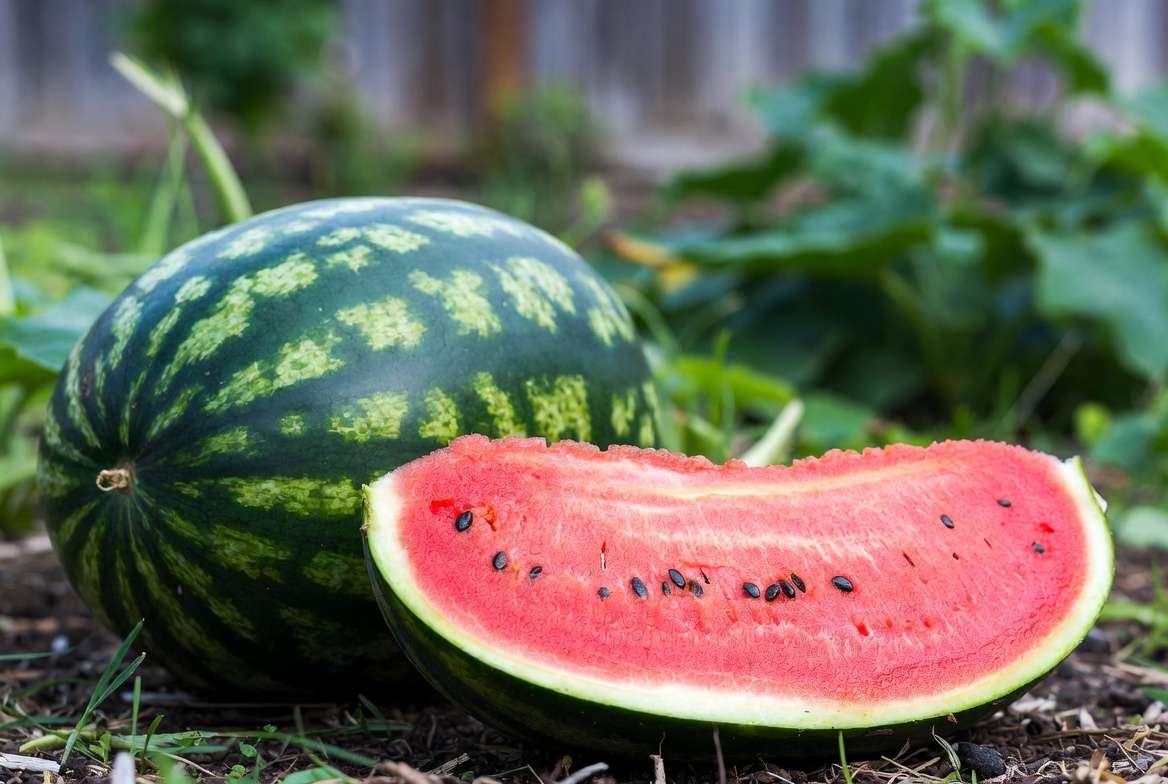
- Rind: Deep dark green, often appearing nearly black when fully mature
- Flesh: Rich red, crisp, and exceptionally sweet with low fiber
- Size: Fruits typically weigh 30–60 pounds, with some reaching 70+ pounds under ideal conditions
- Days to Maturity: 85–95 days from transplant
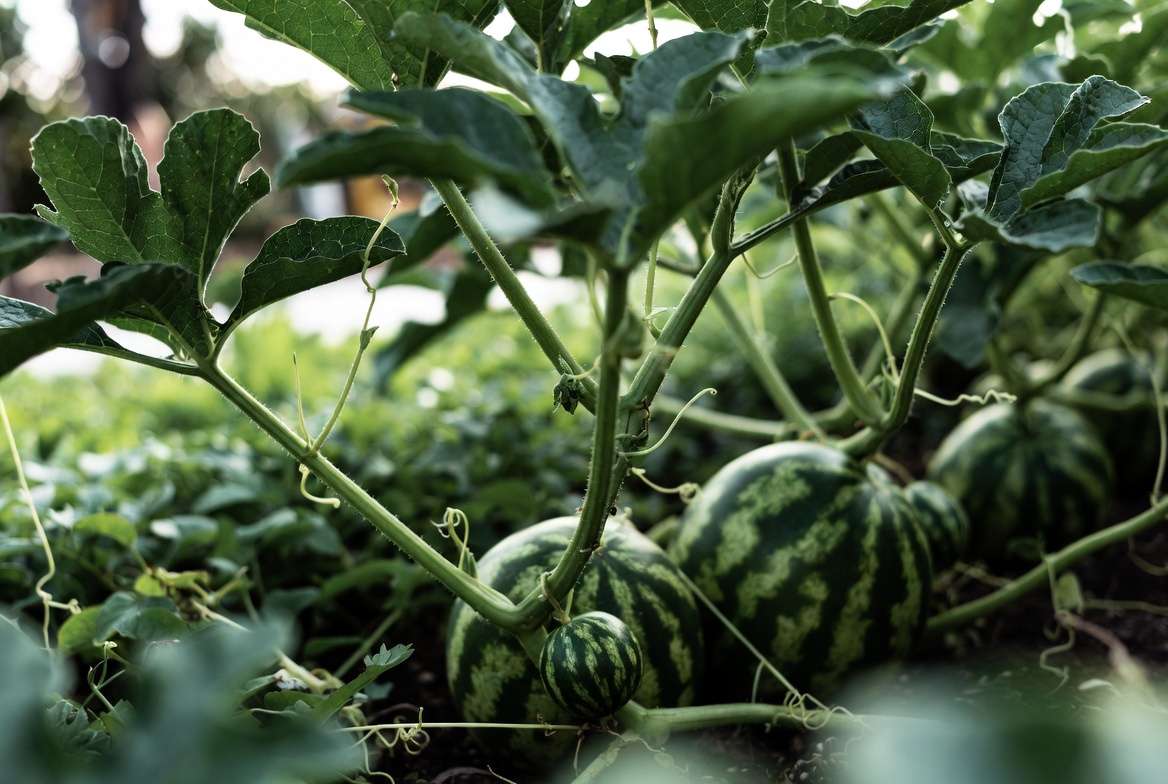
- Vines: Very vigorous, spreading 10–20 feet
What truly sets Black Diamond apart from modern hybrids is its intense heirloom flavor profile — a perfect balance of high sugar content (often 12–14% Brix) and refreshing juiciness. Many gardeners report that store-bought melons simply cannot compare.
Benefits of Growing Black Diamond Watermelons 🍉
Growing Black Diamond watermelon plants offers numerous rewards:
Superior Taste and Nutrition These melons are packed with vitamins A and C, antioxidants like lycopene, and natural electrolytes. Their sweetness comes from natural sugars rather than bland hybrid genetics.
Impressive Yields One healthy plant can produce 2–4 giant fruits, making them highly rewarding for home gardeners and families.
Heirloom Advantages You can save seeds year after year, preserving genetic diversity and adapting the variety to your local climate over time.
Family Fun Kids love watching these “giant black” melons grow — it’s an unforgettable gardening experience.
Ideal Climate and Growing Conditions
Black Diamond watermelon plants thrive in warm weather and need a long growing season.
Temperature Requirements They require soil temperatures above 70°F (21°C) for germination and air temperatures consistently between 75–85°F (24–29°C) during the day. They are highly sensitive to frost.
Best USDA Zones Zones 6–11 are ideal. In cooler climates, use season extension techniques like row covers or black plastic mulch.
Sunlight Needs Full sun — at least 8 hours of direct sunlight daily — is essential for sweet, large fruits.
Location Tips Choose a spot with excellent air circulation to prevent fungal diseases. Avoid low-lying areas where cold air pools.
Preparing Soil for Black Diamond Watermelon Plants 🪴
Success starts with excellent soil. Black Diamond plants are heavy feeders that love rich, well-draining soil.
Soil Type and pH
- Ideal pH: 6.0–6.8
- Best texture: Loamy, fertile soil with high organic matter
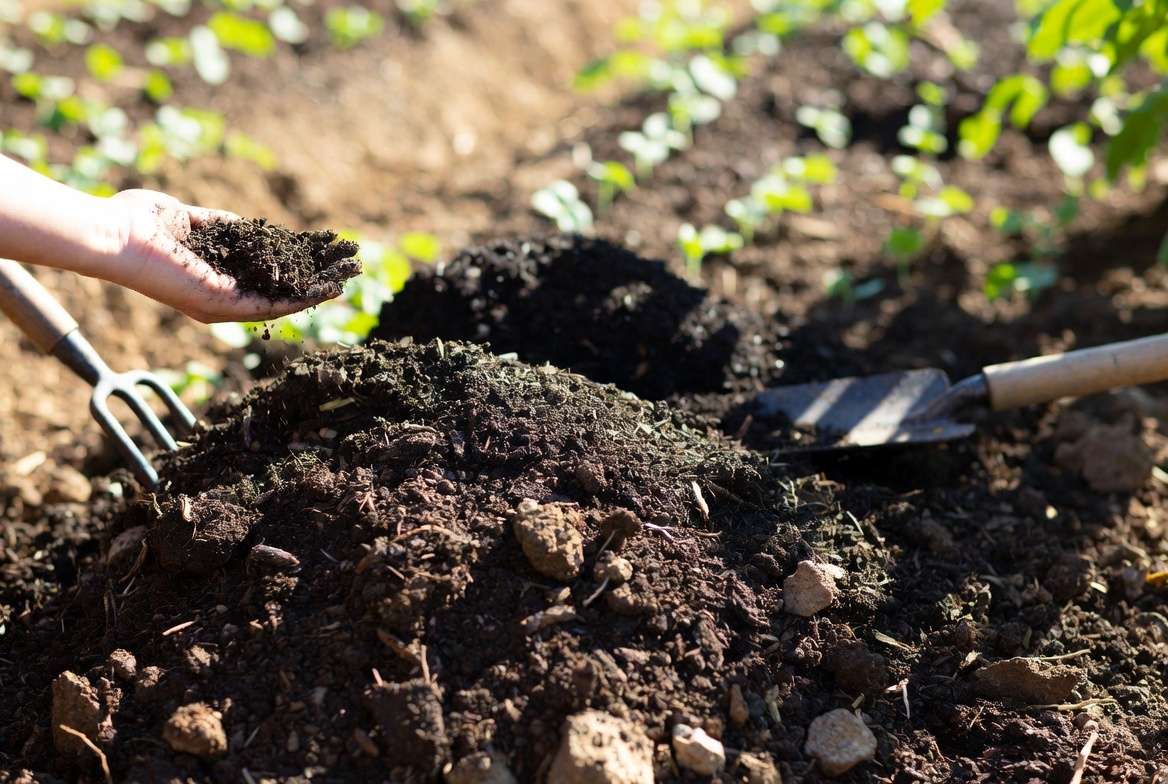
How to Amend Soil Work in 3–4 inches of well-rotted compost or aged manure. Add perlite or coarse sand for better drainage. A soil test is highly recommended — I always aim for balanced nitrogen, higher phosphorus, and especially potassium for sweetness.
Raised Beds vs In-Ground Raised beds warm up faster in spring and offer superior drainage, making them excellent for watermelons.

How to Plant Black Diamond Watermelon Seeds
Starting Seeds Indoors Start seeds 3–4 weeks before your last frost date. Plant seeds 1 inch deep in seed-starting mix. Keep soil at 75–85°F for fast germination (usually 7–10 days).
Direct Sowing Wait until soil is consistently warm. Plant 3–4 seeds per hill, 1 inch deep.
Spacing Requirements Space hills 6–8 feet apart in all directions. These vigorous vines need plenty of room to spread.
Companion Planting Excellent companions include nasturtiums (for pest control), marigolds, and corn. Avoid planting near potatoes or cucumbers to reduce disease risk.
Essential Care Guide for Thriving Plants 💧
Watering Schedule Water deeply 1–2 times per week, providing 1–2 inches of water. Consistent moisture is crucial, especially when fruits are developing. Use drip irrigation or soaker hoses to keep leaves dry.
Fertilizing
- Early growth: Balanced fertilizer (10-10-10)
- Fruit development: Switch to high-potassium fertilizer (5-10-10 or organic kelp/wood ash) for maximum sweetness
Mulching Apply 2–3 inches of organic mulch (straw or wood chips) around plants to retain moisture and suppress weeds.
Vine Management & Fruit Support Prune to 2–3 main vines for larger fruits. Use slings made from old t-shirts or netting to support heavy melons as they grow.

This is the first part of the article. The content is flowing well and staying comprehensive.
Common Pests and Diseases + Organic Solutions 🛡️
Even the strongest Black Diamond watermelon plants can face challenges from pests and diseases. After years of growing them, I’ve found that prevention and early intervention are far more effective than reactive treatments.
Common Pests to Watch For:
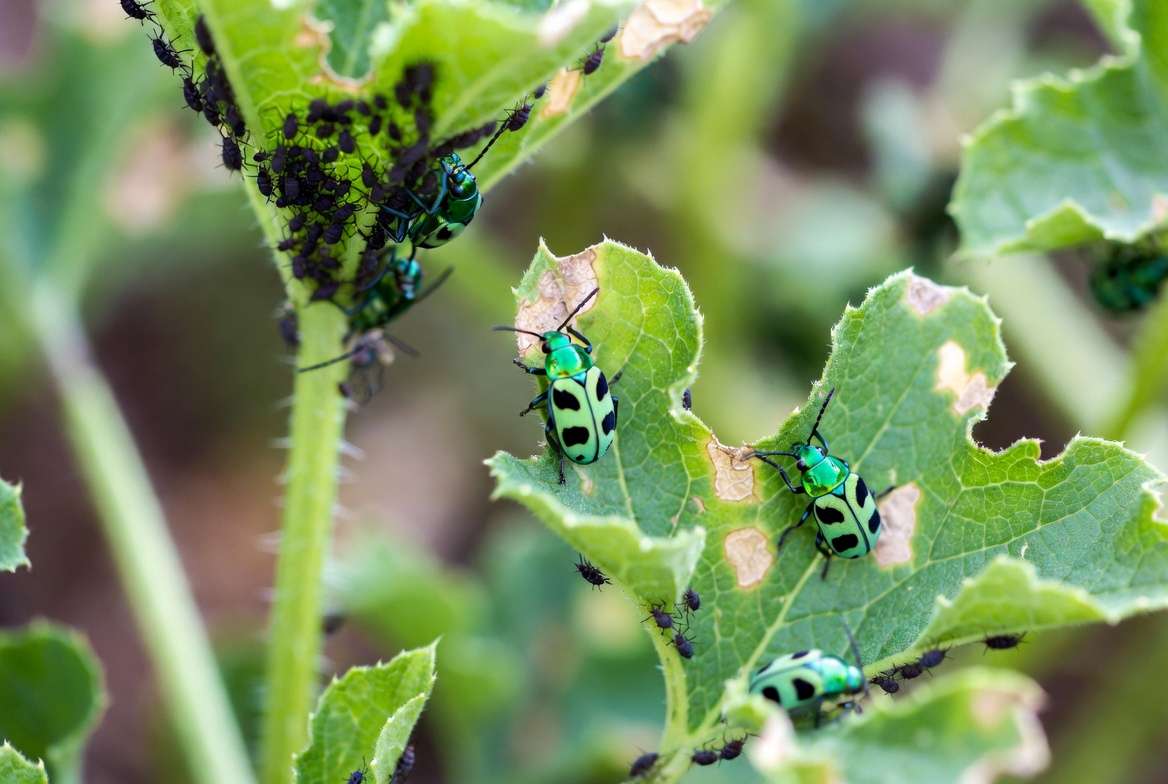
- Cucumber Beetles: These yellow-and-black striped pests spread bacterial wilt. Hand-pick them early or use row covers until flowering.
- Aphids: Tiny insects that cluster on new growth and suck plant sap. Blast them off with a strong spray of water or apply neem oil.
- Squash Bugs: They cause leaves to wilt and turn black. Look for their copper-colored eggs on the underside of leaves and crush them.
Major Diseases:
- Powdery Mildew: White powdery spots on leaves that reduce photosynthesis. Improve air circulation and avoid overhead watering.
- Fusarium Wilt: A soil-borne fungus that causes sudden wilting. The best prevention is rotating crops and choosing well-drained soil.
- Anthracnose: Causes dark sunken spots on fruits and leaves, especially in humid conditions.
Organic Control Methods That Work:
- Introduce beneficial insects like ladybugs and lacewings.
- Apply diatomaceous earth around the base of plants.
- Use copper-based fungicides or baking soda sprays for mildew.
- Practice strict crop rotation — never plant watermelons in the same spot two years in a row.
Here’s a quick troubleshooting table:
| Symptom | Likely Cause | Organic Solution |
|---|---|---|
| Yellow leaves with holes | Cucumber beetles | Row covers + neem oil |
| White powder on leaves | Powdery mildew | Improved spacing + milk spray |
| Wilting vines | Fusarium or squash bugs | Soil solarization + remove affected plants |
| Small sticky spots | Aphids | Insecticidal soap |
Consistent monitoring (I check my plants every morning) will help you catch issues before they impact your harvest.

Pollination and Fruit Development Tips 🌼
Black Diamond watermelon plants produce both male and female flowers. Understanding this is key to getting big, sweet fruits.
How to Identify Flowers:
- Male flowers appear first on long, thin stems.
- Female flowers have a small swelling (baby melon) at the base.
Hand Pollination Technique: On calm mornings, pick a male flower, remove its petals, and gently brush the pollen onto the center of a female flower. Repeat on multiple flowers for better fruit set. This simple step can increase your yield by 30–50%.
Maximizing Fruit Size and Sweetness:
- Thin to 2–3 fruits per vine once they start developing.
- Maintain consistent watering — fluctuations cause cracking or poor flavor.
- Ensure plants receive plenty of potassium during fruit bulking stage.
When and How to Harvest Black Diamond Watermelons 🍉
Harvesting at the perfect time is what separates good melons from extraordinary ones.
Signs of Ripeness:
- The tendril closest to the fruit turns brown and dries up.
- The underside (where it touches the ground) changes from white to creamy yellow.
- The rind looks dull rather than shiny.
- The classic “thump test” — a deep, hollow sound indicates ripeness.
Harvesting Method: Use sharp pruners to cut the stem 2 inches above the fruit. Never pull or twist — this can damage the vine and other developing melons.
Post-Harvest Storage: Store whole Black Diamond watermelons at room temperature for up to 2 weeks or in the fridge for longer. Cut melons should be refrigerated and eaten within 3–5 days.
Seed Saving for Next Year: Select your healthiest, best-tasting fruit. Scoop out seeds, rinse thoroughly, and dry on paper towels for 5–7 days before storing in a cool, dry place.
Common Growing Mistakes to Avoid ❌
- Planting Too Early: Cold soil leads to poor germination and weak plants.
- Overwatering: Causes root rot and bland-tasting fruit.
- Insufficient Spacing: Crowded vines produce smaller, less sweet melons.
- Skipping Soil Preparation: Weak soil = weak plants.
- Ignoring Pollination: Results in lots of flowers but few fruits.
- Poor Sun Exposure: Leads to slow growth and low sugar content.
- Over-fertilizing with Nitrogen: Produces huge vines but tiny fruits.
Avoiding these mistakes will dramatically improve your success rate with Black Diamond watermelon plants.
Advanced Tips for Maximum Sweetness and Bigger Harvests ✨
Want competition-winning melons? Try these expert techniques:
- Potassium Boost: Side-dress with wood ash or banana peel tea during fruit development.
- Slight Water Stress: Reduce watering slightly in the final 7–10 days before harvest (while avoiding wilting) to concentrate sugars.
- Black Plastic Mulch: Raises soil temperature and speeds up growth in cooler climates.
- Vertical Gardening: Train vines on sturdy trellises for small-space gardens and use fruit slings.
- Season Extension: Use floating row covers in spring and fall to add weeks to your growing season.
These methods have helped me grow 50+ pound Black Diamond watermelons consistently.

Continuing smoothly with high-value, expert content.
From Garden to Table – Enjoying Your Black Diamond Harvest 🍉✨
There’s nothing quite like the satisfaction of harvesting your own Black Diamond watermelon plants and bringing that massive, homegrown treasure into your kitchen. After months of nurturing, it’s time to enjoy the fruits of your labor!
Simple Ways to Serve Black Diamond Watermelon:
- Classic chilled slices sprinkled with a pinch of sea salt or Tajín for a sweet-spicy kick.
- Fresh fruit salad mixed with mint, feta cheese, and blueberries.
- Refreshing watermelon agua fresca or smoothies.
- Grilled watermelon steaks with balsamic glaze for a surprising savory twist.
Nutritional Highlights One serving provides powerful hydration, lycopene for heart health, and vitamins that support immunity. Because of their natural high sugar content, Black Diamond melons make an excellent guilt-free dessert alternative.
Many of my gardening friends turn their excess harvest into watermelon rind pickles or homemade sorbet — delicious ways to reduce waste and extend the joy.
Frequently Asked Questions (FAQs) ❓
How long does it take for Black Diamond watermelon plants to grow? From seed to harvest, expect 85–95 days. Starting indoors can help in shorter seasons.
Can I grow Black Diamond watermelons in containers? Yes, but choose very large pots (at least 20 gallons) and use a trellis system. Dwarf varieties are easier for containers, but standard Black Diamond needs space.
Why are my Black Diamond fruits small or not sweet? Common causes include insufficient sunlight, inconsistent watering, low potassium, or too many fruits per vine. Thin fruits early and boost potassium for sweeter results.
What is the best time to plant Black Diamond watermelon seeds? After all danger of frost has passed and soil temperature reaches 70°F+. In most zones, this is late spring.
Are Black Diamond watermelons disease resistant? They have moderate resistance but perform best with good cultural practices like proper spacing and airflow. They are not as disease-resistant as some modern hybrids.
How many watermelons does one plant produce? Usually 2–4 large fruits per healthy vine when properly managed.
Should I start seeds indoors or direct sow? In cooler climates, starting indoors gives a head start. In warm southern regions, direct sowing works great.
How do I support heavy Black Diamond melons? Use old t-shirts, pantyhose, or mesh bags tied to sturdy stakes or trellises as slings.
Can I save seeds from my Black Diamond watermelons? Absolutely! This is one of the biggest benefits of heirloom varieties. Just ensure no cross-pollination with other melons nearby.
What’s the difference between Black Diamond and other dark rind watermelons? Black Diamond is known for its superior sweetness, larger size, and classic heirloom flavor compared to many hybrids.
Conclusion
Growing Black Diamond watermelon plants is a rewarding journey that brings massive, incredibly sweet melons to your table while connecting you with traditional gardening heritage. By following this detailed guide — from soil preparation and careful pollination to harvest timing and advanced sweetness techniques — you’ll be well on your way to success.
Remember, the key ingredients are patience, consistent care, and learning from each season. Your first giant Black Diamond harvest will likely become a cherished summer memory.
Ready to grow your own? Grab some quality heirloom seeds and start planning your garden today. I’d love to hear about your Black Diamond growing experiences in the comments below — what challenges did you face and how did you overcome them? 🌱
Share this guide with fellow gardeners who dream of homegrown watermelons, and check out my other articles on heirloom vegetable growing for more expert tips.
Happy gardening and enjoy those sweet, juicy harvests! 🍉











