
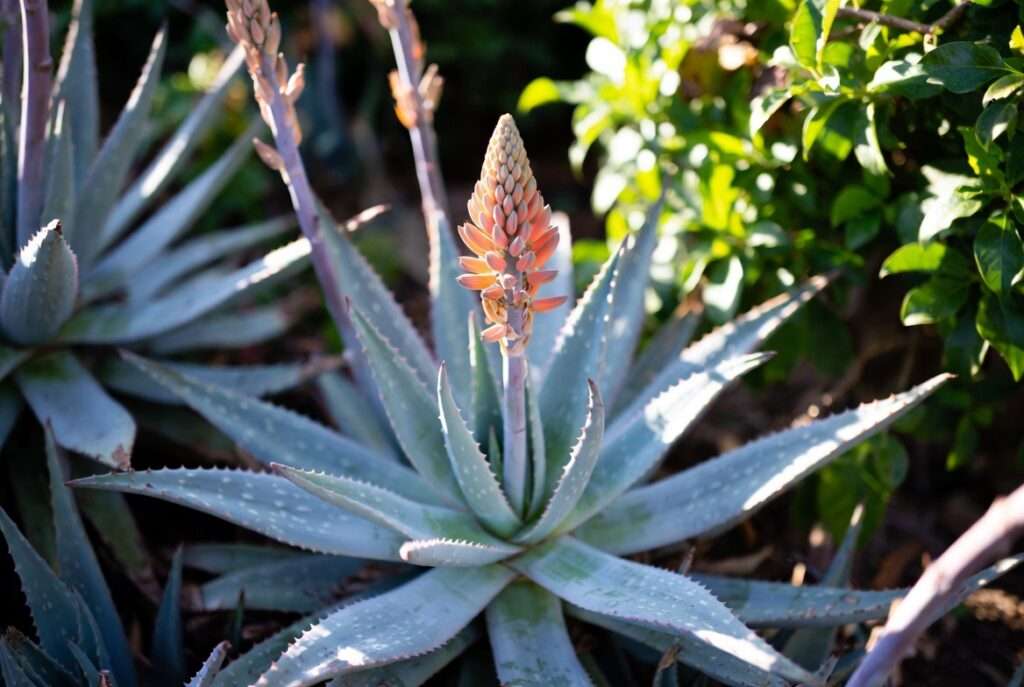
If you’re searching for a stunning, low-maintenance succulent that brings unique color and effortless beauty to your space, the blue elf aloe plant is an absolute gem worth discovering. Its striking blue-gray foliage and vibrant coral-orange flower spikes can transform a simple windowsill or rock garden into a miniature desert oasis.
As a plant care specialist with over 15 years of hands-on experience growing hundreds of succulent varieties across different climates — from humid coastal areas to arid inland zones — I’ve found the Blue Elf Aloe to be one of the most rewarding and forgiving plants for both beginners and seasoned enthusiasts. Whether you’re battling overwatering issues with other succulents or looking for a compact, drought-tolerant beauty, this comprehensive guide will help you succeed. 🌿
In this ultimate care guide, you’ll learn everything needed to grow a thriving Blue Elf Aloe: ideal conditions, precise watering techniques, successful propagation methods, troubleshooting common problems, and creative landscaping ideas. By the end, you’ll have the confidence to nurture these gorgeous plants for years to come.
What Is the Blue Elf Aloe Plant? 🌱🦋
The Blue Elf Aloe (Aloe × ‘Blue Elf’) is a beautiful hybrid succulent resulting from crosses between various South and East African aloe species. Unlike the larger, medicinal Aloe Vera, this compact cultivar stays manageable, typically reaching only 12-18 inches tall and wide, making it perfect for small gardens, containers, and indoor spaces.
Key Physical Characteristics:
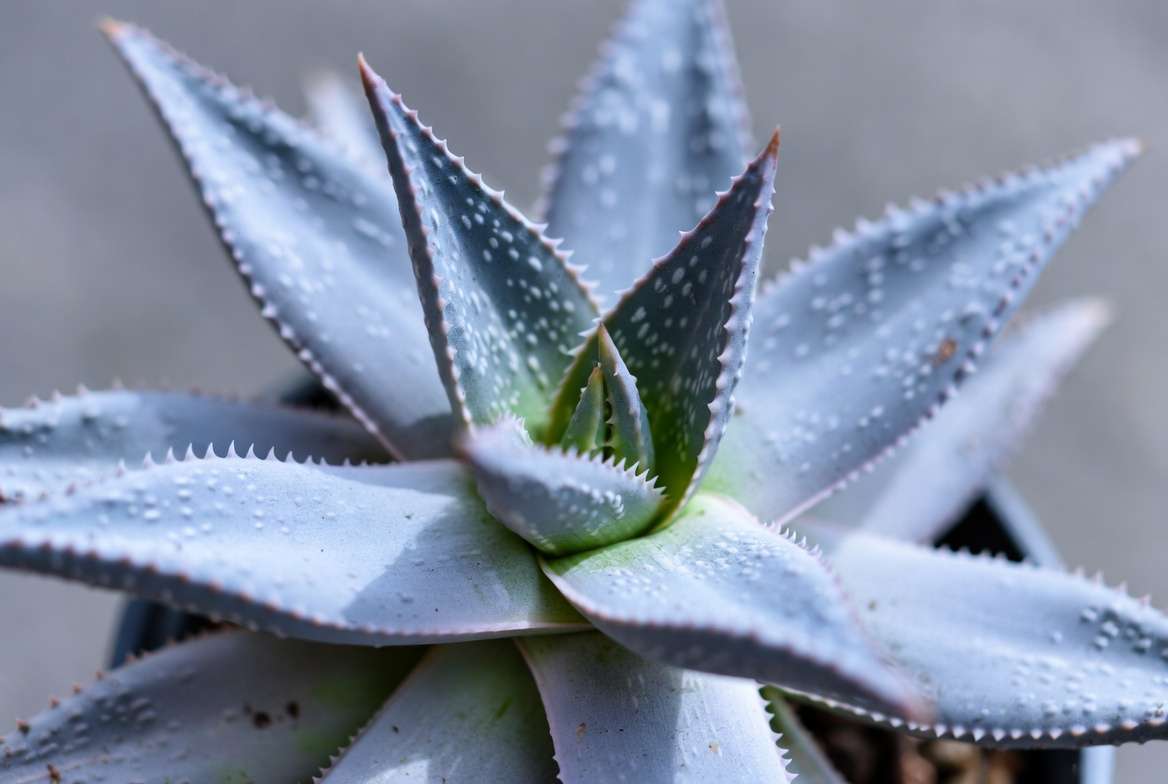
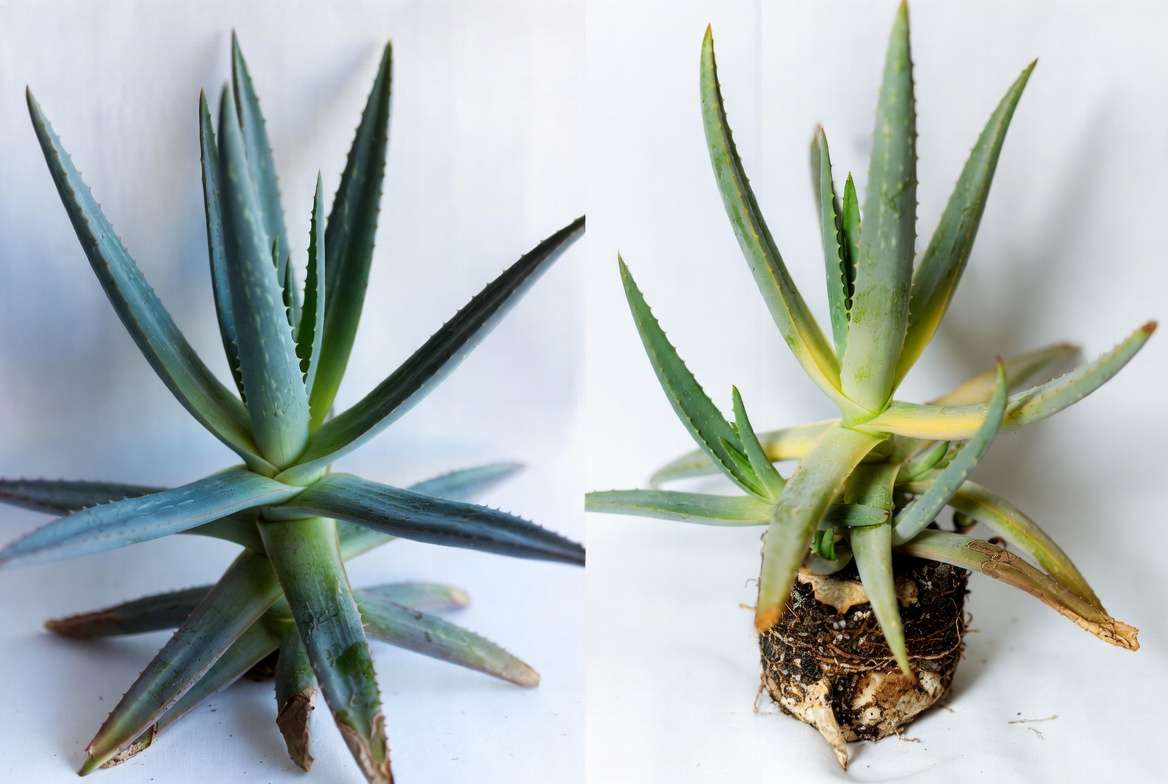
- Foliage: Upright, lance-shaped leaves with a distinctive blue-gray to silvery-green hue. The leaves often have subtle white spots and soft, pale teeth along the margins.
- Growth Habit: Forms neat clumps through offsets (pups), creating a dense, architectural rosette look.
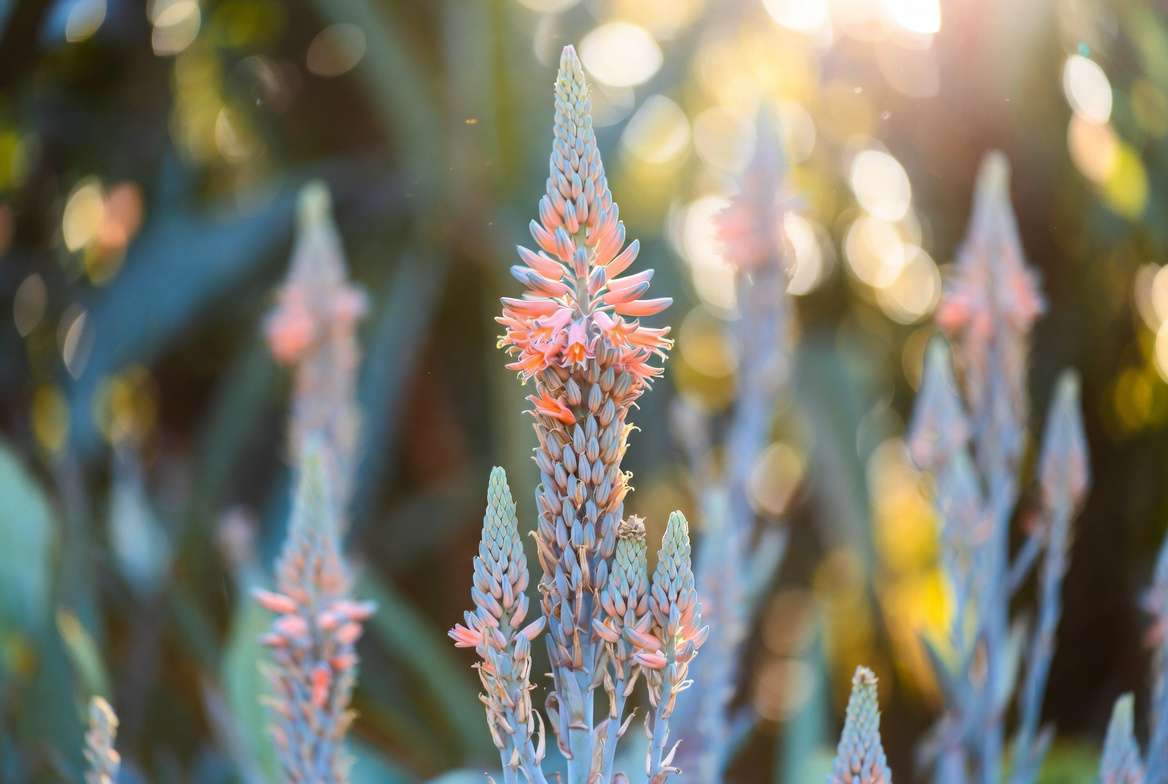
- Flowers: In late winter to early spring, it sends up tall stalks topped with bright coral-orange tubular blooms that are highly attractive to hummingbirds and pollinators.
This plant is prized for its drought tolerance, making it an excellent choice for xeriscaping and water-wise gardening. Compared to Aloe Vera, Blue Elf is more compact and ornamental rather than primarily medicinal, though it still offers mild soothing properties for minor skin irritations.
Why Plant Lovers Adore It:
- Low maintenance
- Striking color contrast in gardens
- Cold hardy down to 20-25°F (-6 to -4°C) in protected spots
- Excellent for beginners
Many gardeners struggle with leggy or fading succulents — the Blue Elf Aloe solves this with its natural compact form and vibrant color when given proper light.
Ideal Growing Conditions for Blue Elf Aloe ☀️
Light Requirements – Full Sun to Partial Shade
The Blue Elf Aloe thrives in bright light. For the best blue coloration and abundant blooming, provide at least 6 hours of direct sunlight daily. In hotter climates (USDA Zones 9-11), morning sun with afternoon shade prevents leaf scorch.
Signs of Light Issues:
- Too little light: Leaves turn pale green and stretch toward the light (etiolation).
- Too much intense sun: Brown crispy tips or reddish stress coloring.
Indoor Growing Tip: Place near a south or west-facing window. Supplement with grow lights during short winter days for 12-14 hours.
Soil and Planting Medium
Well-draining soil is non-negotiable. Use a commercial cactus or succulent mix.
DIY Soil Recipe (highly recommended):
- 50% potting soil
- 30% coarse sand or perlite
- 20% pumice or gravel
This mixture prevents root rot while providing slight nutrients. Maintain soil pH between 6.0-7.0.
Temperature and Hardiness Zones
Best suited for USDA Zones 8-11. It tolerates heat well but needs protection from hard freezes. In colder areas, grow in containers and bring indoors during winter.
Pro Tip: Use mulch around outdoor plants to regulate soil temperature and retain moisture during dry spells. ❄️
Watering Blue Elf Aloe – The Key to Success 💧🌵
Proper watering is the most common challenge for new succulent owners. The Blue Elf Aloe follows the classic “soak and dry” method:
- Newly Planted: Water every 5-7 days until established.
- Established Plants: Water deeply every 10-14 days in growing season (spring/summer).
- Winter: Reduce to every 3-4 weeks or less, as the plant goes semi-dormant.
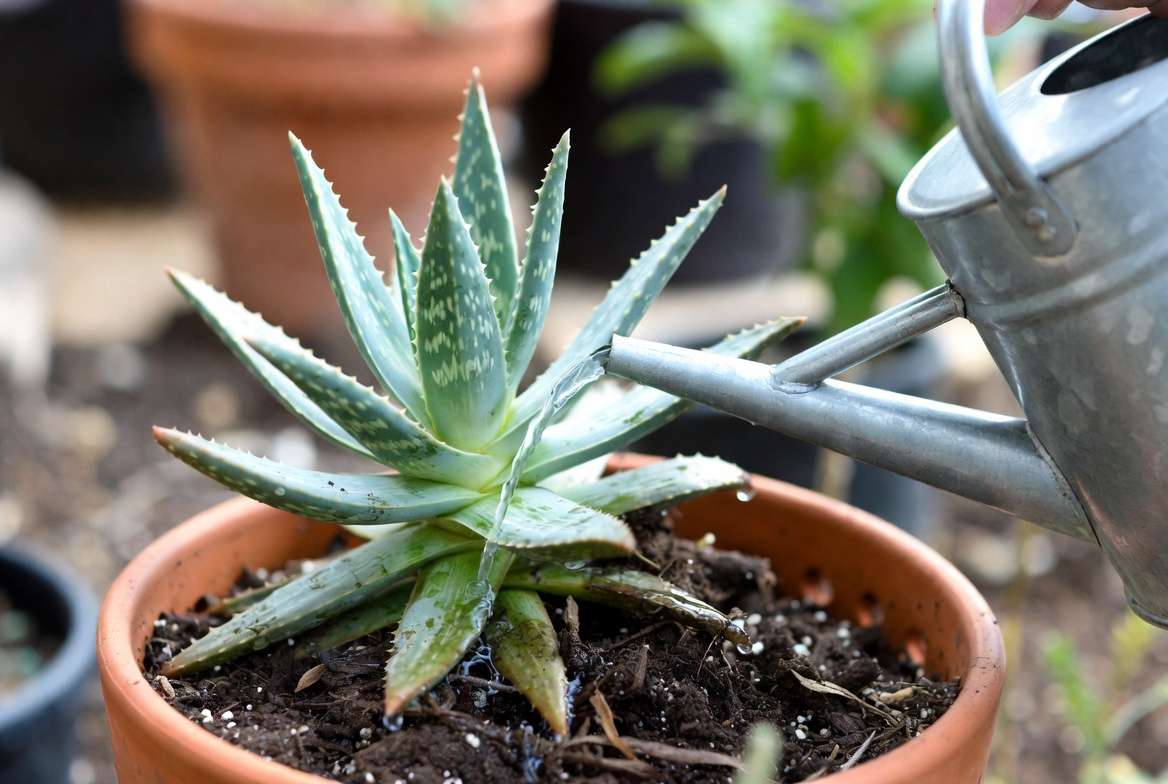
How to Water Correctly:
- Water at the base of the plant until it drains out the bottom.
- Never let the plant sit in standing water.
- Allow soil to dry completely (top 2-3 inches) before watering again.
Signs of Problems:
- Overwatering: Yellow, mushy leaves starting from the bottom.
- Underwatering: Wrinkled, shriveled leaves.
Use the finger test or a moisture meter for accuracy. Rainwater or distilled water is preferable to tap water high in minerals.
Fertilizing and Nutrition Needs
Blue Elf Aloe is a light feeder. Apply a balanced, diluted succulent fertilizer (half strength) once in early spring and once in early summer. Organic options like compost tea or worm castings work wonderfully. Avoid fertilizing in winter.
Common Mistake: Over-fertilizing leads to weak, leggy growth and salt buildup in soil.
Propagation Techniques for Blue Elf Aloe 🌱🔪
Propagation is easy and rewarding with this plant.
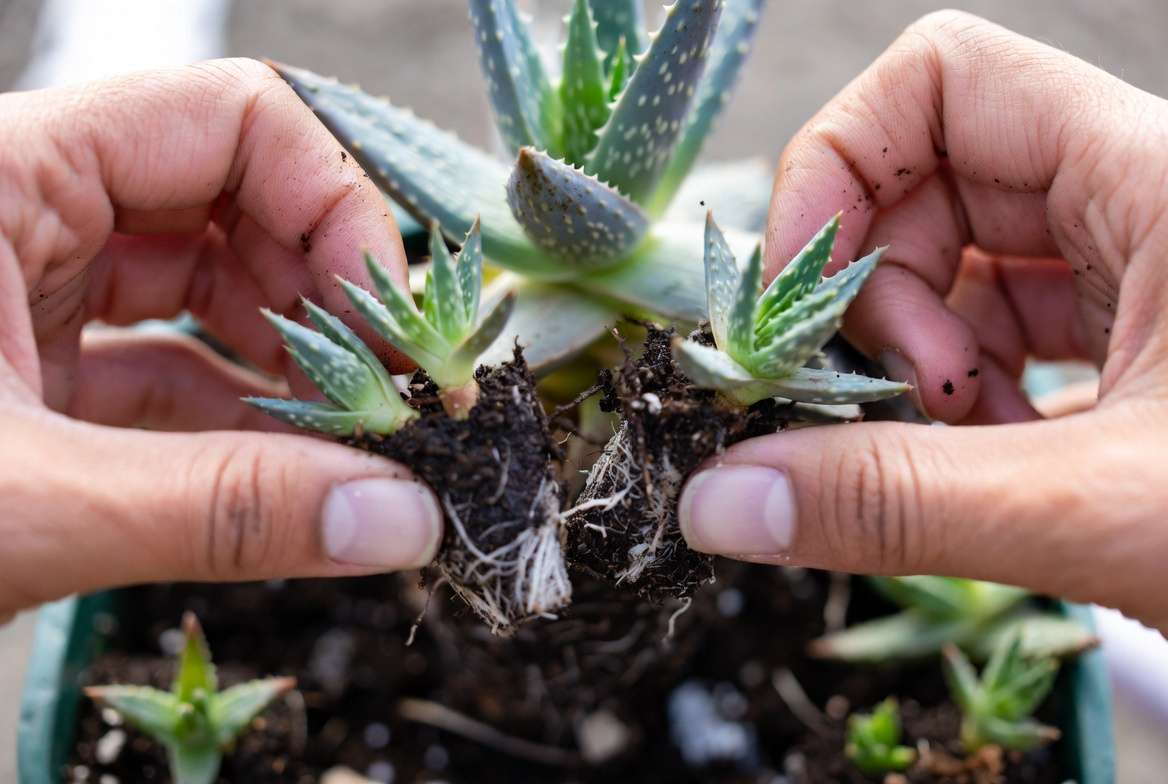
Best Method: Offsets (Pups)
- Wait until pups are 3-4 inches tall with their own roots.
- Gently separate from the mother plant using a clean knife.
- Allow the cut to callous for 2-3 days.
- Plant in well-draining soil and water sparingly for the first week.
Leaf Cuttings (more challenging):
- Select healthy leaves and cut close to the base.
- Let callous for 5-7 days.
- Place on top of soil (do not bury).
Success rate is higher with offsets (90%+) versus leaf cuttings (60-70%). Best time: Spring or early summer.
Potting, Repotting, and Container Care 🪴
Choose terracotta or ceramic pots with drainage holes. Repot every 2-3 years in spring when the plant outgrows its container.
- Group with other succulents for a mini desert garden.
- Use on sunny desks or bathroom windowsills (humidity tolerance is moderate).
Pruning, Maintenance, and Seasonal Care ✂️🌿
Maintaining your Blue Elf Aloe is straightforward but consistent care makes the difference between a good plant and a show-stopping specimen.
Pruning Best Practices:
- Remove dead or damaged outer leaves at the base using clean, sterilized shears.
- Cut spent flower stalks close to the base after blooming finishes to redirect energy back to the plant.
- Gently wipe dusty leaves with a soft, damp cloth to maintain photosynthesis efficiency.
Seasonal Care Routine:
- Spring/Summer (Active Growth): Increase watering slightly and provide maximum sunlight. This is the best time for repotting and propagation.
- Fall: Gradually reduce watering as temperatures drop.
- Winter: Protect from frost. If growing indoors, ensure good air circulation to prevent fungal issues.
To encourage reliable blooming, provide a cool, dry winter rest period (around 50-55°F) followed by increased light in early spring. Many gardeners report their first blooms in the second or third year with proper care.
Common Problems and How to Solve Them 🐛🚫
Even tough succulents like Blue Elf Aloe can face challenges. Here’s how to diagnose and fix the most common issues:
Pests (Mealybugs, Aphids, Scale)
- Identification: White cottony spots (mealybugs), tiny green insects (aphids), or hard brown bumps (scale).
- Treatment: Isolate the plant. Use neem oil spray or insecticidal soap weekly for 3 weeks. For severe cases, dab individual pests with rubbing alcohol on a cotton swab.
- Prevention: Regular inspection and good air circulation.
Diseases (Root Rot and Leaf Spot)
- Root Rot: Caused by overwatering. Symptoms include black, mushy roots and yellowing leaves.
- Solution: Remove the plant from soil, trim rotten roots, and repot in fresh, dry mix. Reduce watering significantly.
- Leaf Spot: Fungal issue from overhead watering or high humidity. Treat with fungicide and improve ventilation.
Other Issues
- Brown Tips: Usually from underwatering or mineral buildup. Flush soil thoroughly and adjust watering schedule.
- Leggy Growth: Insufficient light. Move to brighter location immediately.
- Wrinkled Leaves: Dehydration. Give a thorough soak and allow proper drying.
Expert Insight: In my 15+ years of growing aloes, 90% of problems stem from incorrect watering or poor drainage. Always prioritize prevention over cure.
Creative Uses and Landscaping Ideas with Blue Elf Aloe 🪴🏡
The Blue Elf Aloe’s compact size and architectural form make it incredibly versatile:
- Rock Gardens & Xeriscaping: Plant in groups for stunning blue-gray texture against gravel and boulders.
- Container Displays: Mix with Echeveria, Sedum, and Agave for beautiful succulent bowls.
- Pollinator Gardens: Its coral-orange flowers attract hummingbirds and bees from late winter through spring.
- Companion Plants: Pairs beautifully with Lavender, Russian Sage, and other drought-tolerant perennials.
- Indoor Design: Create modern desert vignettes on bookshelves or use as a living centerpiece on dining tables.
In warmer climates, use it as a low border along pathways or in mass plantings for dramatic effect. Its blue tones provide excellent contrast with warmer-colored plants.
Expert Tips and Advanced Care for Thriving Plants 🌟
Here are my top 12 pro tips gathered from years of successful cultivation:
- Color Enhancement 💙: More intense sunlight produces deeper blue foliage.
- Winter Protection ❄️: Use frost cloth or move containers to a sheltered spot when temperatures drop below 25°F.
- Watering Hack: Water in the morning so excess moisture evaporates during the day.
- Soil Refresh: Top-dress with gravel or decorative stones to improve aesthetics and reduce soil splash.
- Bloom Boosting: A period of slight stress (reduced water) in late fall can trigger stronger spring flowering.
- Propagation Timing: Spring is ideal as warmer weather helps new plants establish quickly.
- Organic Feeding: Use diluted fish emulsion or seaweed extract monthly during growing season for natural vigor.
- Pest Early Detection: Check undersides of leaves weekly with a magnifying glass.
- Humidity Management: While tolerant, good airflow prevents issues in humid climates.
- Longevity: With proper care, these plants can live 10-20+ years and form impressive clumps.
- Climate Adaptation: In very hot areas, provide light afternoon shade to prevent sunburn.
- Sustainability: Collect rainwater for watering — your Blue Elf Aloe will thank you!
These advanced techniques separate average growers from those with thriving, blooming collections.
Frequently Asked Questions (FAQs) ❓
Is Blue Elf Aloe toxic to pets? Yes, like most aloes, it contains saponins that can cause mild stomach upset if ingested by cats or dogs. Keep out of reach of curious pets.
How often does Blue Elf Aloe bloom? Usually once per year in late winter to early spring, especially when mature and receiving adequate sunlight.
Can Blue Elf Aloe grow indoors year-round? Absolutely. It performs well indoors with sufficient bright light (supplement with grow lights if needed).
What’s the difference between Blue Elf Aloe and Aloe Vera? Blue Elf is much smaller, more compact, and grown primarily for ornamentation. Aloe Vera grows larger and is valued more for its gel.
How much water does it need? Deep watering every 10-14 days in summer, much less in winter. Always let soil dry out completely.
Best fertilizer for Blue Elf Aloe? A balanced, low-nitrogen succulent fertilizer diluted to half strength, applied twice during the growing season.
How do I overwinter Blue Elf Aloe in cold climates? Bring indoors or to a greenhouse. Keep it cool and dry with minimal watering.
Why are my Blue Elf Aloe leaves turning brown? Usually underwatering, sunburn, or fertilizer burn. Adjust care accordingly.
Conclusion
The Blue Elf Aloe plant is truly a standout choice for anyone seeking a beautiful, resilient, and low-maintenance succulent. Its striking blue-gray leaves, vibrant winter flowers, and forgiving nature make it perfect for busy plant parents, water-wise gardeners, and succulent collectors alike.
By following this comprehensive guide — from proper watering techniques to creative landscaping ideas — you now have all the tools needed to grow healthy, thriving Blue Elf Aloes that will bring joy for years. Remember: consistency, good drainage, and bright light are your greatest allies.
Start your journey today by acquiring a healthy specimen and applying these proven methods. Your garden (or windowsill) will thank you with stunning blue foliage and cheerful coral blooms.
Share your Blue Elf Aloe success stories in the comments below! For more expert plant care guides on succulents, cacti, and drought-tolerant beauties, explore our other articles.
Happy growing! 🌵✨











