
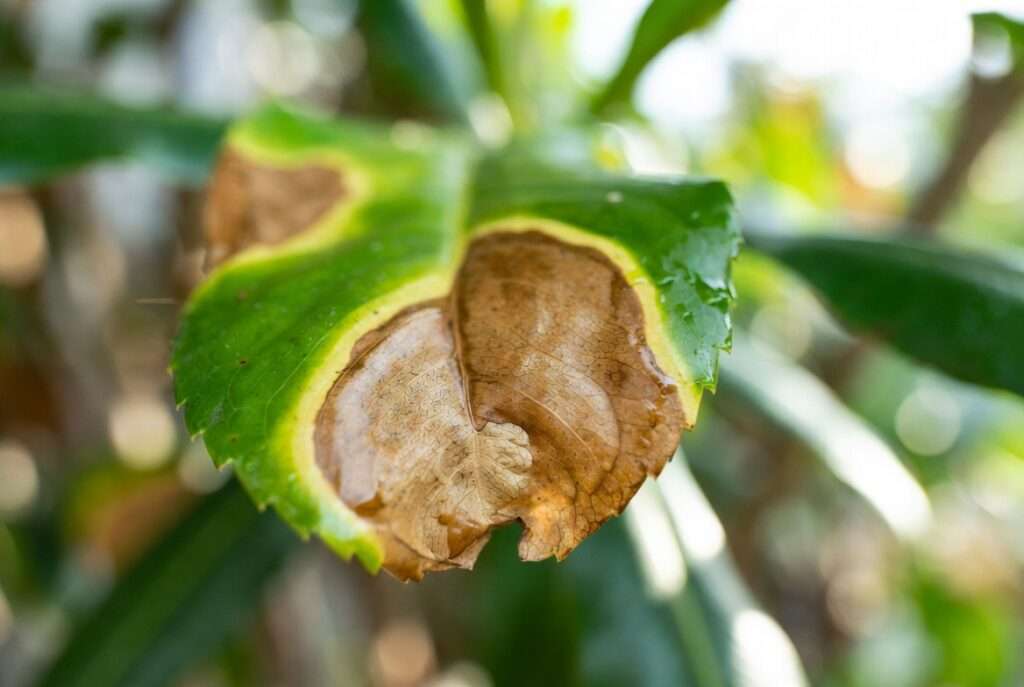
You walk into your garden or favorite indoor plant corner and freeze. Those once-vibrant green leaves now show ugly brown patches on leaves of plants that seem to be spreading overnight. Your heart sinks — is your beloved Monstera, tomato plant, or rose bush dying? 😔
Don’t worry. You’re not alone. Millions of plant parents face this exact problem every season. The good news? In most cases, brown patches are highly treatable once you understand the root cause. With the right diagnosis and timely action, you can save your plants and help them thrive again.
As a plant care specialist with over 12 years of hands-on experience working with tropical and subtropical plants — especially those common in Bangladesh and similar humid climates — I’ve helped thousands of gardeners overcome leaf problems. In this comprehensive guide, you’ll learn everything from accurate identification to proven natural fixes and long-term prevention strategies. Let’s turn those brown patches into healthy green growth! 🌱
Understanding Brown Patches on Leaves – What Are You Actually Seeing? 🔍
Brown patches on leaves of plants can appear in many forms — from tiny speckles to large dead zones, crispy edges, or soggy dark spots. Understanding what you’re seeing is the first step to saving your plant.
Common Visual Characteristics of Brown Patches Brown patches often start as small yellowish spots that gradually turn brown or black. Some look dry and papery, while others appear water-soaked and mushy. The texture, location (center, edges, or veins), and pattern (circular, irregular, or spreading) give important clues about the cause.
Differentiating Brown Patches from Other Leaf Issues It’s easy to confuse brown patches with other problems:
- Yellowing (Chlorosis): Usually nutrient or watering related, without dead tissue.
- Wilting: Often due to underwatering or root issues.
- Holes or chewed edges: Typically pest damage.
- Brown tips only: Common with low humidity or fertilizer burn.
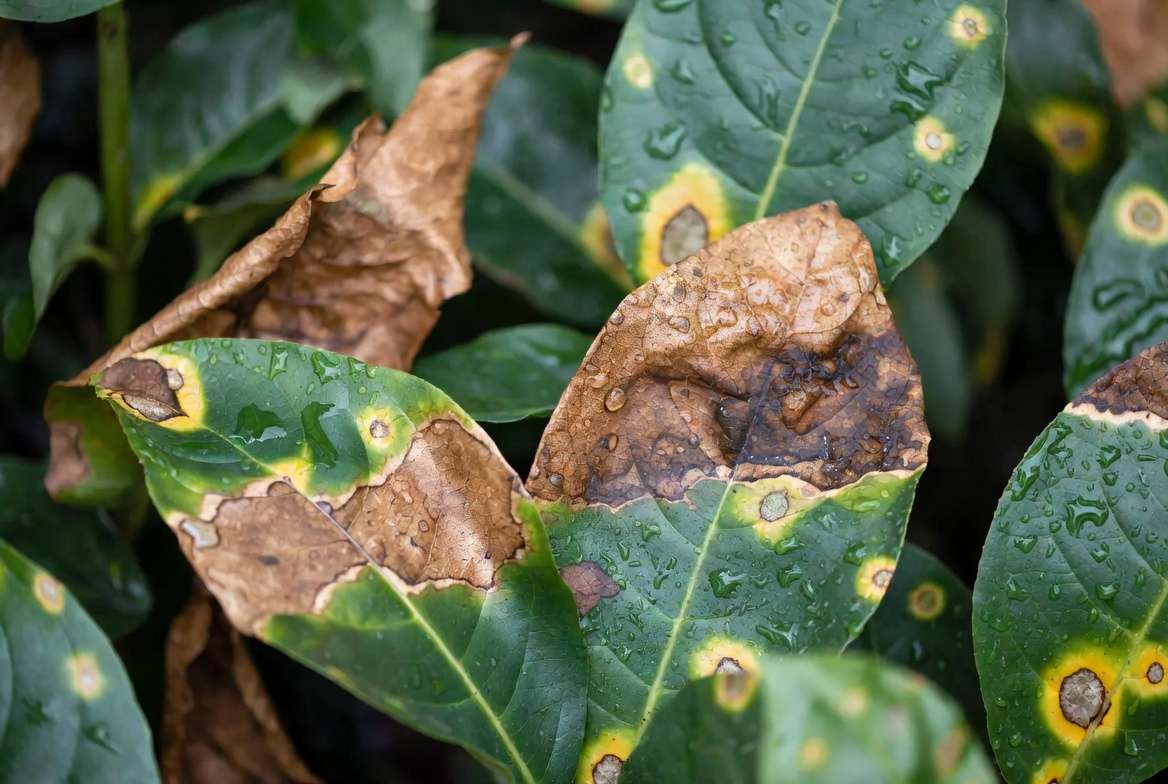
When Brown Patches Signal a Serious Problem vs. Normal Aging Lower, older leaves naturally turn brown and drop as plants grow — this is normal. However, if new growth shows brown patches, or if the problem spreads quickly, it’s time to take action. Early intervention is key to preventing widespread damage.
Expert Tip: Always take clear photos from multiple angles in natural light. Note the plant type, location (indoor/outdoor), watering schedule, and recent changes. This information dramatically improves diagnosis accuracy. 📸
7 Most Common Causes of Brown Patches on Leaves of Plants 🦠
Identifying the exact cause is crucial. Here are the most frequent culprits, ranked by how commonly they affect home gardens and indoor plants in tropical regions like Bangladesh.
1. Fungal Infections (Leaf Spot, Anthracnose, Rust) Fungal diseases thrive in warm, humid conditions — very common during Bangladesh’s monsoon season. Leaf spot fungi create circular brown patches with yellow halos. Anthracnose causes irregular dark lesions, often along leaf veins. Rust appears as orange-brown pustules on the underside.
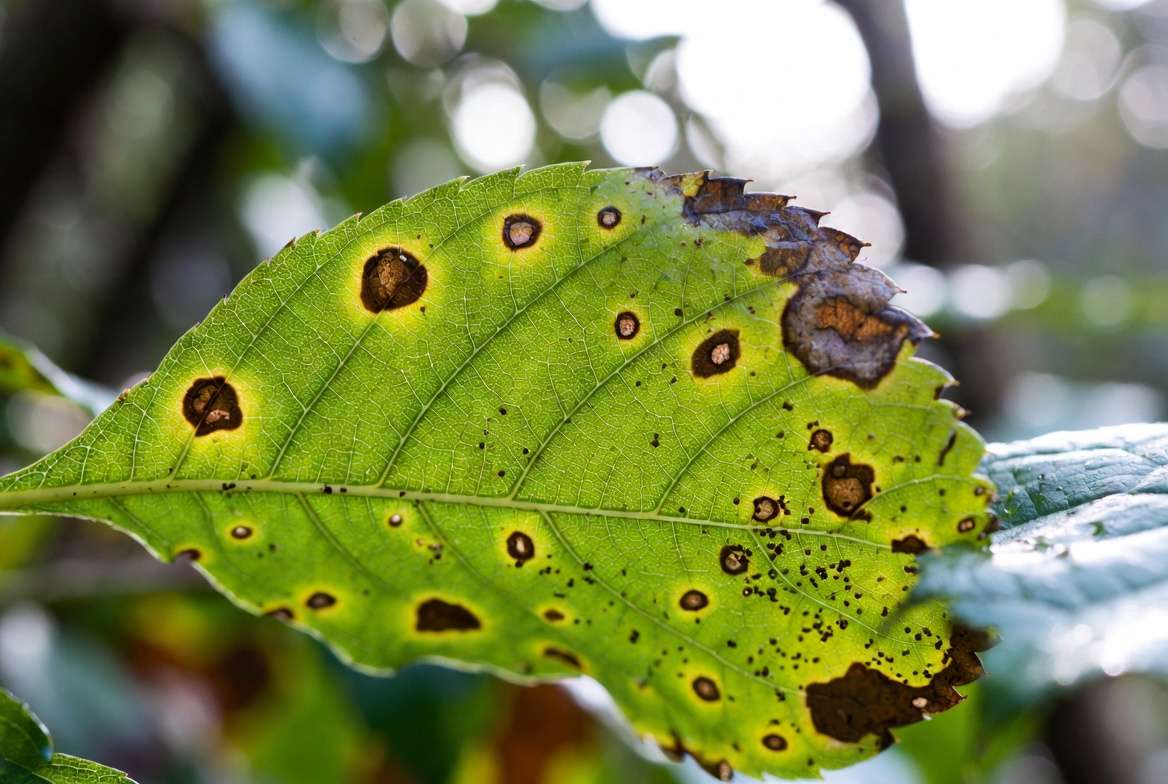
These fungi spread through water splash, poor air circulation, and infected tools. Overcrowded plants and wet foliage at night are major risk factors.
2. Bacterial Infections Bacterial leaf spots often look more water-soaked than fungal ones. They frequently have a yellow halo and can produce a sticky ooze in humid weather. Bacterial problems spread rapidly in warm, wet conditions and are harder to treat than fungal issues.
3. Overwatering & Root Rot 💧 This is the number one killer of houseplants and garden plants in Bangladesh. When soil stays constantly wet, roots suffocate and rot. The plant can no longer absorb water properly, leading to brown patches that start from the edges or tips and move inward.
Look for yellowing leaves combined with soft, mushy brown areas and a sour soil smell.
4. Underwatering & Leaf Scorch ☀️ Too little water causes dry, crispy brown patches, especially on leaf edges and tips. In intense summer heat, leaves can literally scorch from lack of moisture. This is very common with plants kept in direct afternoon sun or during dry winter months.
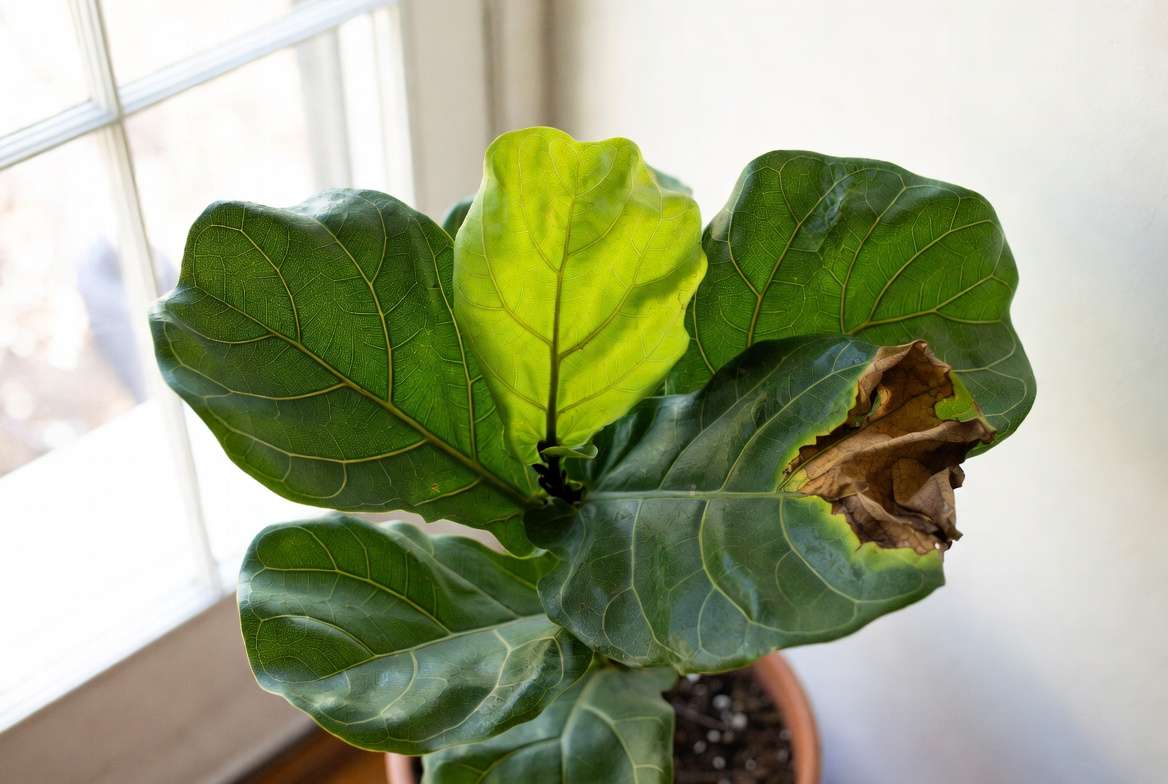
5. Sunburn & Light Issues Many indoor plants (like Fiddle Leaf Figs, Monsteras, and Calatheas) develop brown patches when suddenly exposed to intense direct sunlight. The patches appear bleached or papery in the areas receiving the most light.
6. Nutrient Deficiencies
- Potassium deficiency: Brown edges and tips on older leaves.
- Magnesium deficiency: Yellowing between veins with brown spots.
- Calcium deficiency: New leaves show distorted growth with brown patches (blossom end rot in tomatoes).
Poor soil quality and imbalanced fertilization are frequent causes in container plants.
7. Pests & Insect Damage 🐛 Spider mites, aphids, scale insects, and mealybugs suck plant sap, weakening leaves and creating entry points for diseases. Their damage often appears as tiny brown speckles that merge into larger patches. Check the undersides of leaves for webs, sticky residue, or tiny moving dots.
Bonus: Environmental Stress Factors Temperature fluctuations, low humidity, poor air circulation, air pollution, and chemical exposure (like from cleaning products) can also trigger brown patches. In humid regions like Bangladesh, sudden changes between day and night temperatures during the monsoon or dry winter months often stress plants, leading to leaf browning.
How to Diagnose Brown Patches – Step-by-Step Identification Guide 🧪
Accurate diagnosis is half the battle won. Follow this practical, expert-developed checklist to identify the exact cause of brown patches on leaves of plants quickly and confidently.
Diagnostic Checklist Every Plant Owner Should Use
- Observe the Pattern: Are the brown patches on new growth, old leaves, or both? Random or uniform?
- Check Texture: Dry and crispy = underwatering/sunburn. Soft and mushy = overwatering/fungal.
- Inspect Undersides: Look for pests, fungal spores, or bacterial ooze.
- Evaluate Soil: Stick your finger 2 inches into the soil. Wet and smelly? Overwatering. Bone dry? Underwatering.
- Review Recent Changes: New pot, fertilizer, location, or weather shift?
- Consider Location: Indoor plants near AC, south-facing windows, or outdoor plants in full sun are more prone to issues.
Diagnosis by Plant Type
- Indoor Houseplants (Monstera, Snake Plant, Peace Lily): Often overwatering or low humidity related.
- Garden Vegetables (Tomato, Chili, Brinjal): Frequently fungal or calcium deficiency (blossom end rot).
- Fruit Trees & Ornamentals (Mango, Rose, Hibiscus): Common fungal leaf spot during rainy season.
- Succulents & Cacti: Usually underwatering or intense sunlight causing scorched brown patches.
Using Simple Home Tests
- Soil Moisture Meter: A cheap tool that takes the guesswork out of watering.
- pH Testing Kit: Most plants prefer slightly acidic soil (6.0–7.0). Extreme pH blocks nutrient uptake, causing brown spots.
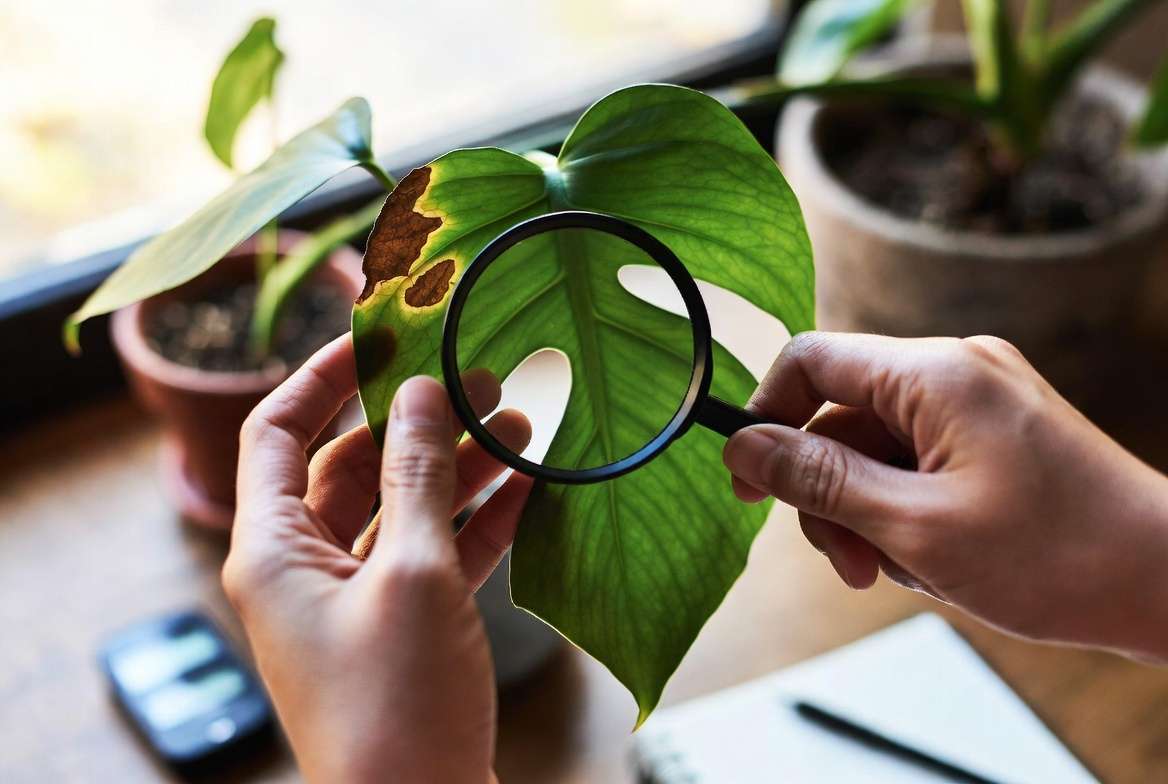
- Magnifying Glass or Phone Microscope: Essential for spotting spider mites or fungal spores early.
Expert Insight: In my 12+ years working with plants in tropical climates, I’ve found that taking notes for 7 days (watering amount, sunlight hours, temperature) helps reveal patterns that solve 80% of brown patch mysteries. 📝
Effective Treatment & Fixes for Brown Patches 🌱
Once diagnosed, act fast. Here’s a complete treatment guide covering natural, organic, and advanced solutions.
Immediate First Aid Steps
- Isolate the affected plant to prevent spread.
- Remove heavily damaged leaves using sterilized pruning shears (wipe with alcohol between cuts).
- Improve air circulation around the plant.
- Stop watering until the top 2 inches of soil are dry (for overwatering cases).
Natural & Organic Treatment Methods
- Neem Oil Spray: Mix 2 tsp neem oil + 1 tsp mild soap in 1 liter water. Spray every 5–7 days. Excellent for fungal issues and pests.
- Baking Soda Solution: 1 tbsp baking soda + 1 tsp soap in 1 liter water. Highly effective against powdery mildew and leaf spot.
- Cinnamon Powder: Dust on pruned areas to prevent fungal infection — a simple, natural antifungal.
- Garlic Spray: Blend 2 garlic cloves in 1 liter water, strain, and spray for bacterial and pest control.
- Compost Tea: Diluted worm castings tea boosts plant immunity and corrects mild nutrient deficiencies.
Chemical Solutions When Necessary For severe infections, use copper-based fungicides or mancozeb (following label instructions carefully). Always wear gloves and apply in the evening to avoid leaf burn. I recommend these only when organic methods fail after 2 weeks.
Pruning Techniques – How & When to Remove Affected Leaves Cut at the base of the leaf stem, not halfway. Never remove more than 25% of foliage at once to avoid shocking the plant. Sterilize tools after every use.
Soil Treatment & Repotting Guide For root rot: Gently remove the plant, trim rotten roots (black and mushy), and repot in fresh, well-draining soil. Add perlite or sand to improve drainage — crucial for clay-heavy soils common in Bangladesh.
Recovery Care – Light, Watering & Fertilizing Schedule
- Place in bright, indirect light during recovery.
- Water deeply but infrequently — only when top soil is dry.
- Use balanced liquid fertilizer (diluted to half strength) after 2–3 weeks of improvement.
- Maintain 60–70% humidity using pebble trays or humidifiers for indoor plants.
Most plants show new healthy growth within 2–4 weeks with proper care. Patience and consistency are key! ✨
Prevention Tips – Keep Brown Patches Away for Good 🛡️
Prevention is always better than cure. Implement these habits for thriving plants year-round.
Best Watering Practices Water at the base of the plant in the morning. Use the “soak and dry” method for most tropical plants. Avoid wetting leaves in the evening.
Ideal Light & Location Strategies Gradually acclimate plants to new light conditions. Use sheer curtains for south-facing windows. Provide afternoon shade during peak summer.
Soil Health & Fertilization Routine Use high-quality potting mix with good drainage. Fertilize every 4–6 weeks during growing season with balanced NPK or organic options like vermicompost.
Proper Plant Spacing & Air Circulation Avoid overcrowding. Good airflow reduces humidity-related fungal diseases significantly.
Seasonal Care Adjustments (for Bangladesh & Tropical Climates)
- Monsoon: Focus on excellent drainage and fungicide prevention.
- Summer: Increase watering frequency and provide shade.
- Winter: Reduce watering and protect from cold drafts.
Pro Tip Box: Create a monthly maintenance checklist — inspect leaves, check soil, wipe dusty leaves, and rotate plants for even growth. 🗓️
Common Mistakes Plant Owners Make (And How to Avoid Them) ❌
- Overwatering out of love — Stick to a schedule instead of daily watering.
- Using dirty tools — Always disinfect shears.
- Ignoring early signs — Brown patches spread fast if untreated.
- Wrong soil for container plants — Garden soil compacts too much.
- Sudden location changes — Always transition plants gradually.
Real-Life Case Studies & Examples 🌟
Case 1: Monstera Deliciosa with Brown Patches A client’s Monstera developed large brown patches after overwatering during monsoon. After root pruning and switching to well-draining soil, it recovered beautifully within 5 weeks.
Case 2: Tomato Plants Brown patches on tomato leaves turned out to be early blight. Removing affected leaves + baking soda spray + better spacing saved the harvest.
Case 3: Fiddle Leaf Fig Sunburn from sudden outdoor exposure caused crispy brown patches. Relocated to bright indirect light and consistent humidity resolved the issue.
These real examples show that with correct diagnosis and care, even severely affected plants can bounce back stronger.
When to Give Up on a Plant or Seek Professional Help 🆘
While most brown patches on leaves of plants are fixable, sometimes it’s kinder to let go. Here’s how to decide:
Signs That a Plant Is Beyond Saving
- More than 70% of the foliage is brown or dead.
- Severe root rot where most roots are black and mushy.
- No new growth after 6–8 weeks of proper treatment.
- Stem is soft, mushy, or shows signs of advanced infection.
If your plant reaches this stage, it’s better to compost it responsibly and start fresh with a healthy specimen. This prevents spreading diseases to other plants.
When to Seek Professional Help
- The problem spreads rapidly despite treatment.
- You suspect a rare disease or pest.
- Valuable or rare plants are affected.
In Bangladesh, contact your local Department of Agricultural Extension (DAE), trusted nurseries in Barisal, Dhaka, or Chattogram, or join plant lover Facebook groups for expert advice. Many agricultural universities also offer free or low-cost plant clinics.
Remember: Every plant lost teaches you something valuable for the next one. Gardening is a journey of continuous learning. 🌱
FAQ Section ❓
1. Can brown patches on leaves spread to other plants? Yes, especially if caused by fungi, bacteria, or pests. Isolate affected plants immediately and maintain good hygiene to stop the spread.
2. Is it safe to eat vegetables with brown patches? It depends on the cause. Minor fungal spots on tomatoes or brinjal are usually safe after washing, but discard heavily affected parts. Never eat if bacterial infection or chemical treatment was recently applied.
3. How quickly can plants recover from brown patches? Most plants show improvement in 2–4 weeks with proper care. Full recovery may take 1–3 months depending on severity and plant type.
4. What’s the difference between fungal and bacterial brown spots? Fungal spots are often drier with defined edges and may show powdery growth. Bacterial spots look wet, greasy, and spread faster with a yellow halo.
5. Why do my indoor plants keep getting brown tips? Common causes include low humidity, tap water chemicals (fluoride/chlorine), underwatering, or fertilizer buildup. Use filtered water and increase humidity for best results.
6. What is the best fungicide for brown patches on plants? For organic gardening, neem oil or baking soda sprays work excellently. For severe cases, copper-based fungicides are highly effective when used correctly.
7. Can over-fertilizing cause brown patches? Yes! Fertilizer burn creates crispy brown edges. Always dilute fertilizer and avoid feeding stressed or dry plants.
8. How do I prevent brown patches during the monsoon season in Bangladesh? Ensure excellent drainage, avoid overhead watering in the evening, space plants properly, and apply preventive neem oil sprays every 10–14 days.
9. Are brown patches on succulents different? Yes — they’re usually from intense sun or overwatering. Succulents prefer bright light but not harsh afternoon sun.
10. Should I cut off all brown leaves? Only remove fully brown or heavily damaged leaves. Keep partially affected leaves as they still photosynthesize and support the plant’s recovery.
Conclusion
Brown patches on leaves of plants can feel alarming, but they’re often a cry for help rather than a death sentence. By understanding the causes — whether fungal infections, watering mistakes, nutrient issues, or environmental stress — you can take targeted action and nurse your plants back to vibrant health.
The key takeaways? Observe carefully, diagnose accurately, treat promptly with natural solutions when possible, and focus on prevention. Healthy soil, proper watering habits, good air circulation, and the right light conditions are your best defenses.
With the practical strategies shared in this guide — drawn from over a decade of real-world experience caring for plants in tropical climates — you now have the tools to maintain a thriving garden or indoor jungle. Don’t let brown patches steal your plant parenting joy!
Start implementing these tips today. Your plants will thank you with lush green leaves and stronger growth. 🌿✨
If you’re currently dealing with brown patches, drop a comment below with your plant type and symptoms. I’d love to help guide you toward a solution. Share your success stories too — your experience might save someone else’s favorite plant!
Happy Gardening!











