
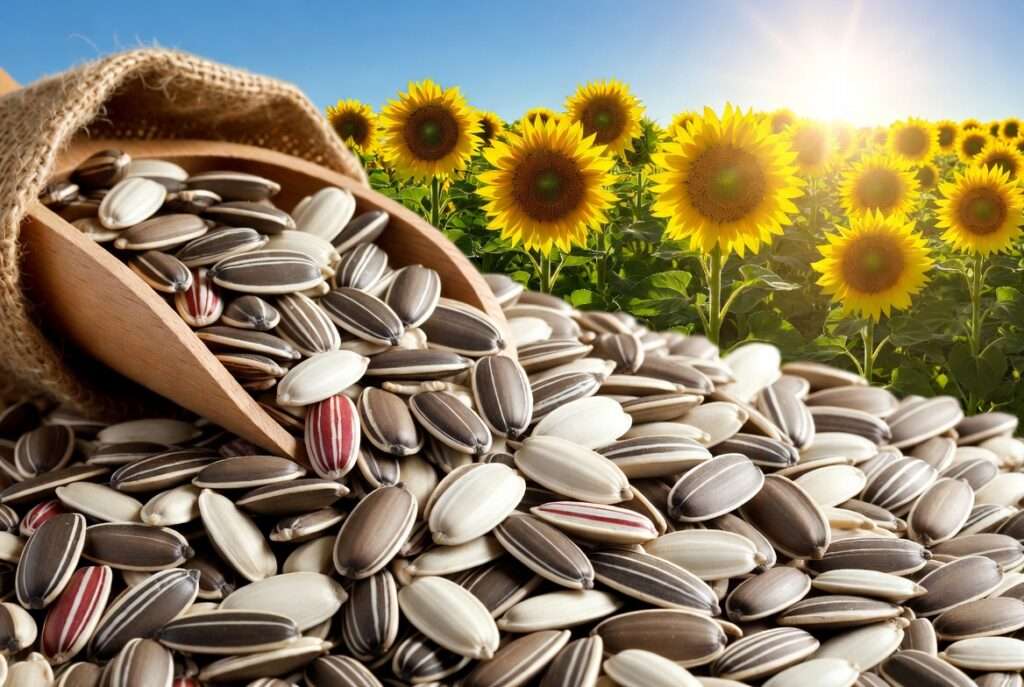
Picture this: rows upon rows of majestic sunflowers standing tall under the summer sun, their bright golden faces following the light throughout the day, while bees and butterflies dance around them. Whether you’re a home gardener dreaming of a stunning backyard display, a small-scale farmer looking to produce your own seeds or oil, or someone planning a community pollinator garden, success starts with one crucial decision — choosing the right bulk sunflower seeds for planting. 🌼
If you’ve ever wasted money on low-quality seeds that barely germinate or produce weak, disappointing plants, you’re not alone. Buying bulk sunflower seeds for planting is one of the smartest, most cost-effective ways to grow sunflowers at scale, but only if you know exactly what to look for and how to grow them properly.
As a horticulturist with over 15 years of experience growing sunflowers across different climates, I’ve tested dozens of varieties and helped countless gardeners achieve impressive harvests. In this comprehensive guide, you’ll discover the best bulk sunflower seed varieties for 2026, expert selection tips, step-by-step planting methods, ongoing care strategies, and proven harvesting techniques that deliver real results.
By the end of this article, you’ll have everything you need to turn a simple packet of seeds into a thriving, abundant sunflower garden. Let’s grow something beautiful together! ☀️
Why Grow Sunflowers from Bulk Seeds? The Benefits 🌼
Growing sunflowers from bulk sunflower seeds for planting offers numerous advantages that go far beyond simply saving money.
Economic Benefits Purchasing seeds in bulk (5lbs, 10lbs, 25lbs or more) dramatically reduces the cost per plant. A single pound of high-quality sunflower seeds can yield 200–400 plants depending on variety and spacing, making large-scale planting highly affordable for backyard enthusiasts and small farms alike.
Environmental Impact Sunflowers are excellent for soil health. Their deep taproots break up compacted soil and bring up nutrients. They also attract beneficial pollinators and support local biodiversity. Planting in bulk allows you to create meaningful pollinator habitats that benefit your entire garden ecosystem.
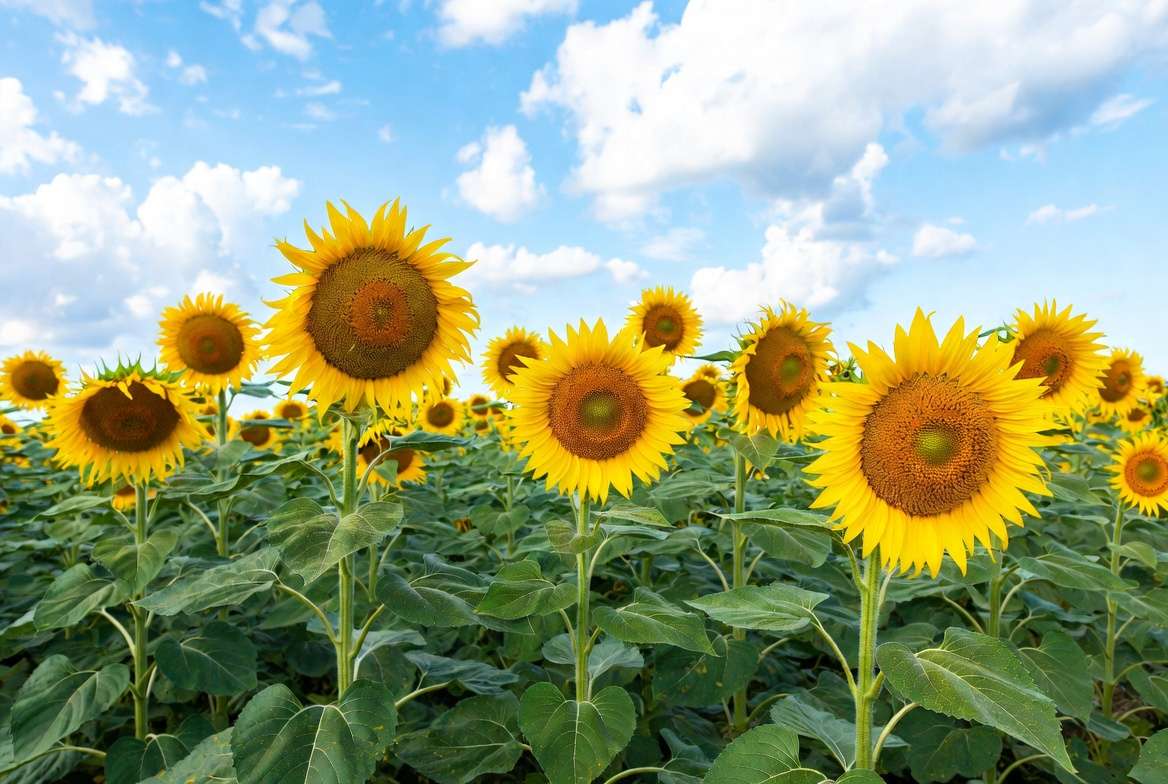
Versatility of Sunflowers Sunflowers aren’t just beautiful — they’re incredibly useful:
- Ornamental: Stunning cut flowers and garden focal points
- Edible: Confection-type seeds for snacking or baking
- Oil Production: Black oil varieties for homemade sunflower oil
- Wildlife Support: Natural bird feed when left to mature
H3: Different Types of Sunflowers and Their Uses
- Giant Varieties (e.g., Mammoth, Titan): Perfect for impressive height (8–14 feet) and large seed heads.
- Dwarf & Branching Varieties: Ideal for containers, borders, or continuous blooming.
- Oilseed Types: High oil content, smaller black seeds.
- Confection Types: Larger, striped seeds great for eating.
Choosing the right type based on your goals is the foundation of success when buying bulk sunflower seeds for planting.
How to Choose the Best Bulk Sunflower Seeds for Planting
Not all bulk seeds are created equal. Here’s what truly matters when making your purchase:
Key Quality Indicators
- Germination Rate: Look for 85%+ germination guarantee.
- Freshness: Seeds harvested within the last 12–18 months perform best.
- Organic Certification: Important if you want chemical-free growing.
- Disease Resistance: Modern hybrids often resist common issues like downy mildew and rust.
- Heirloom vs Hybrid: Heirlooms allow seed saving; hybrids offer better uniformity and vigor.
H3: Top Factors to Consider Before Buying Bulk Seeds
- Your Growing Zone & Climate — Sunflowers thrive in USDA zones 4–9 with full sun (6–8 hours minimum).
- Intended Purpose — Beauty, food production, cut flowers, or bird seed?
- Quantity Calculator — For a 1,000 sq ft area, you’ll typically need 2–4 pounds depending on spacing.
H3: Common Mistakes to Avoid
- Buying the cheapest seeds without checking reviews
- Ignoring regional adaptability
- Storing seeds improperly (keep them cool and dry)
Best Bulk Sunflower Seeds for Planting in 2026 – Expert Recommendations ⭐
After years of field testing and monitoring gardener feedback, here are my top recommendations for bulk sunflower seeds for planting this year:
1. Mammoth Russian 🌻 The classic giant variety. Reaches 10–12 feet with enormous seed heads. Excellent for beginners and dramatic garden statements. High germination and reliable performer.
2. Black Oil Sunflower Best choice for bird lovers and oil production. Small, nutrient-dense black seeds. Very hardy and drought-tolerant once established.
3. Sunrich Orange & Lemon Queen Premium cut-flower varieties. Branching habit produces multiple blooms per plant. Perfect for floral arrangements and continuous harvest.
4. Peredovik High-yielding oilseed variety popular among commercial growers. Excellent uniformity and seed quality.
5. Titan & Kong Hybrid For those wanting record-breaking size. Can reach 14+ feet with proper care. Great for schools and community projects.
H3: Where to Buy High-Quality Bulk Sunflower Seeds Look for reputable suppliers known for fresh stock and strong customer support. Compare germination guarantees, shipping policies, and return options carefully.
H3: Price Comparison Guide
- 5 lbs: Best for medium gardens
- 10–25 lbs: Most economical for serious growers
- 50+ lbs: Ideal for farms or large landscaping projects
Preparing for Planting Success – Soil, Timing & Location
Sunflowers are surprisingly forgiving but perform best with proper preparation.
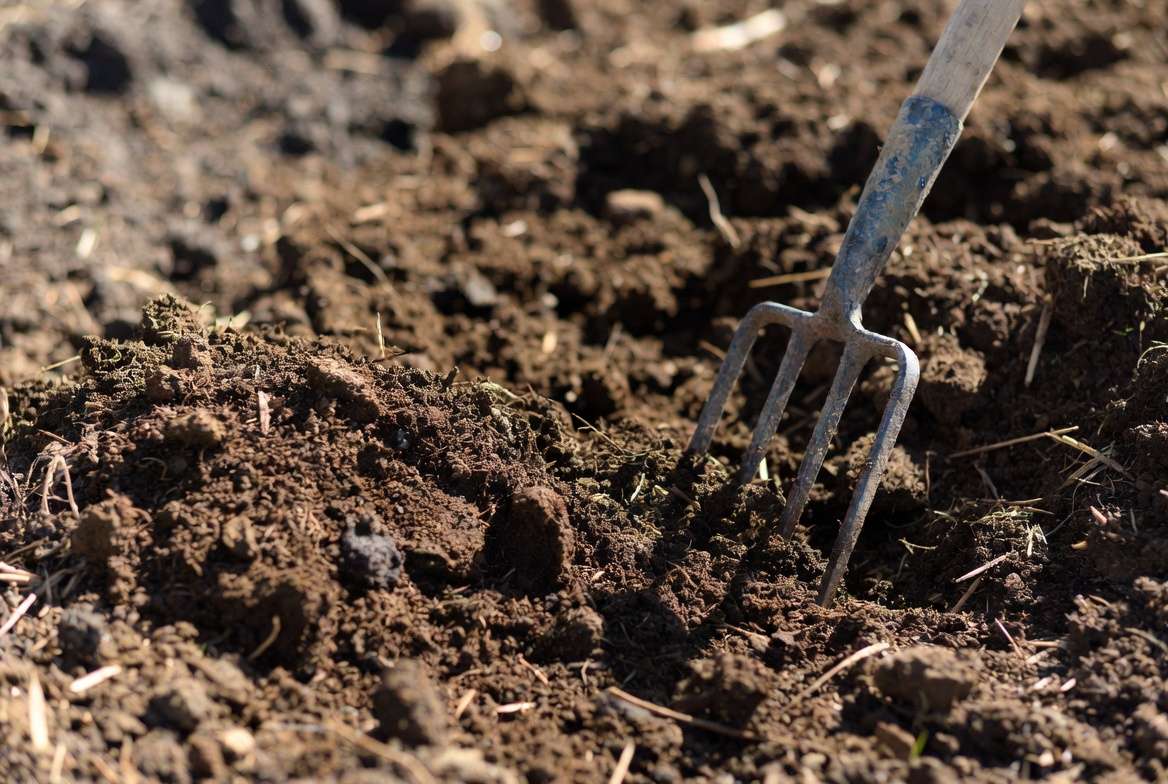
H3: Soil Preparation Tips for Sunflowers They prefer well-draining, slightly acidic to neutral soil (pH 6.0–7.5). Work in plenty of organic compost before planting. Avoid overly rich soil as it can lead to weak stems.
H3: When to Plant Sunflower Seeds (Timing by Region)
- Northern climates: Late May to early June
- Southern regions: March to April
- General rule: Plant after the last frost when soil reaches 55–60°F (13–16°C)
H3: Sunlight, Spacing, and Companion Planting Full sun is non-negotiable. Space giant varieties 2–3 feet apart; dwarf types 12–18 inches. Excellent companions include beans, cucumbers, and marigolds.
Step-by-Step Planting Guide for Bulk Sunflower Seeds
Direct Sowing Method (Recommended)
- Prepare soil and create furrows or individual holes.
- Plant seeds 1–1.5 inches deep.
- Space according to variety.
- Water gently but thoroughly after planting.
Starting Indoors Useful for shorter growing seasons. Start 3–4 weeks before last frost.
H3: Advanced Techniques for Higher Germination Rates
- Soak seeds for 12 hours before planting
- Use row covers for temperature protection
- Plant in blocks rather than single rows for wind protection
H3: Scaling Up: Planting Large Areas Efficiently For bigger plantings, consider using a seed drill or broadcasting followed by light raking.
Sunflower Care Throughout the Growing Season 🌱
Watering Consistent moisture during the first 4–6 weeks is critical. Once established, they become quite drought tolerant.
Fertilization Use a balanced, low-nitrogen fertilizer. Too much nitrogen produces tall weak stems.
H3: Pest and Disease Management Common issues include aphids, birds, and fungal diseases. Natural solutions: neem oil, companion planting, and proper spacing.
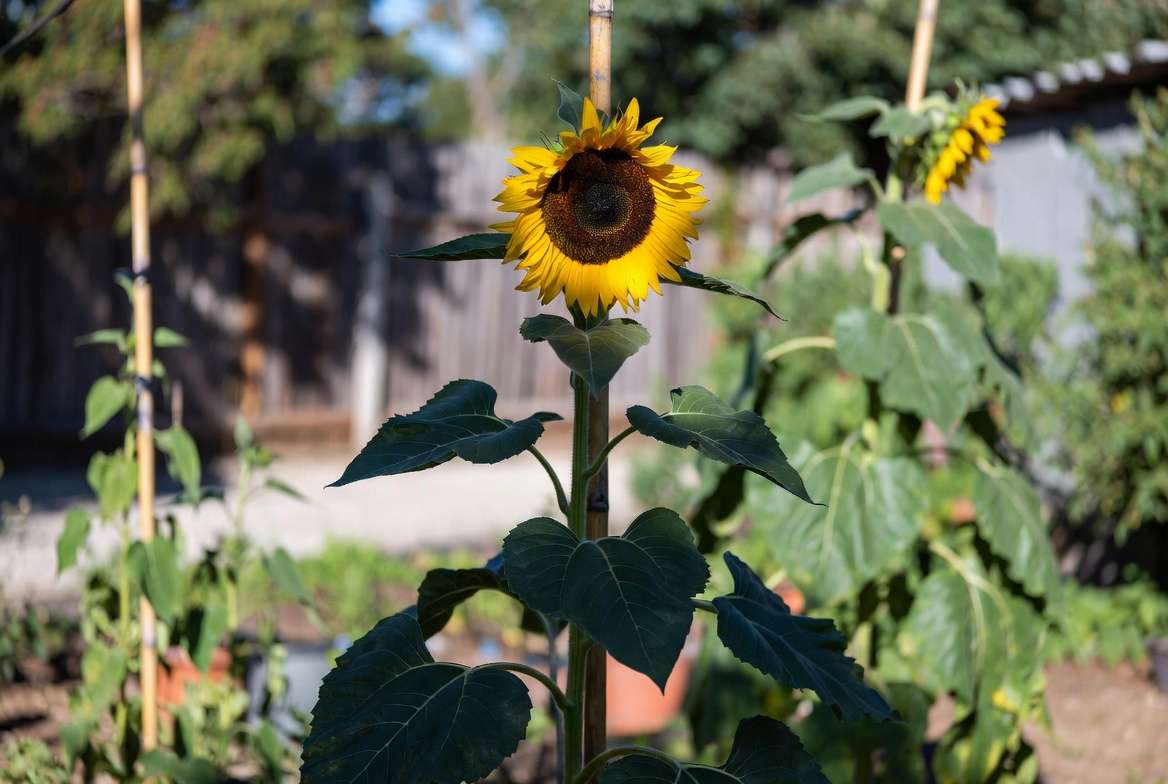
H3: Supporting Tall Sunflowers Stake varieties over 8 feet tall, especially in windy areas.
From Flower to Harvest – Maximizing Your Yield 🌻
Watching your sunflowers bloom is incredibly rewarding, but proper harvesting ensures you get the most from your bulk sunflower seeds for planting investment.
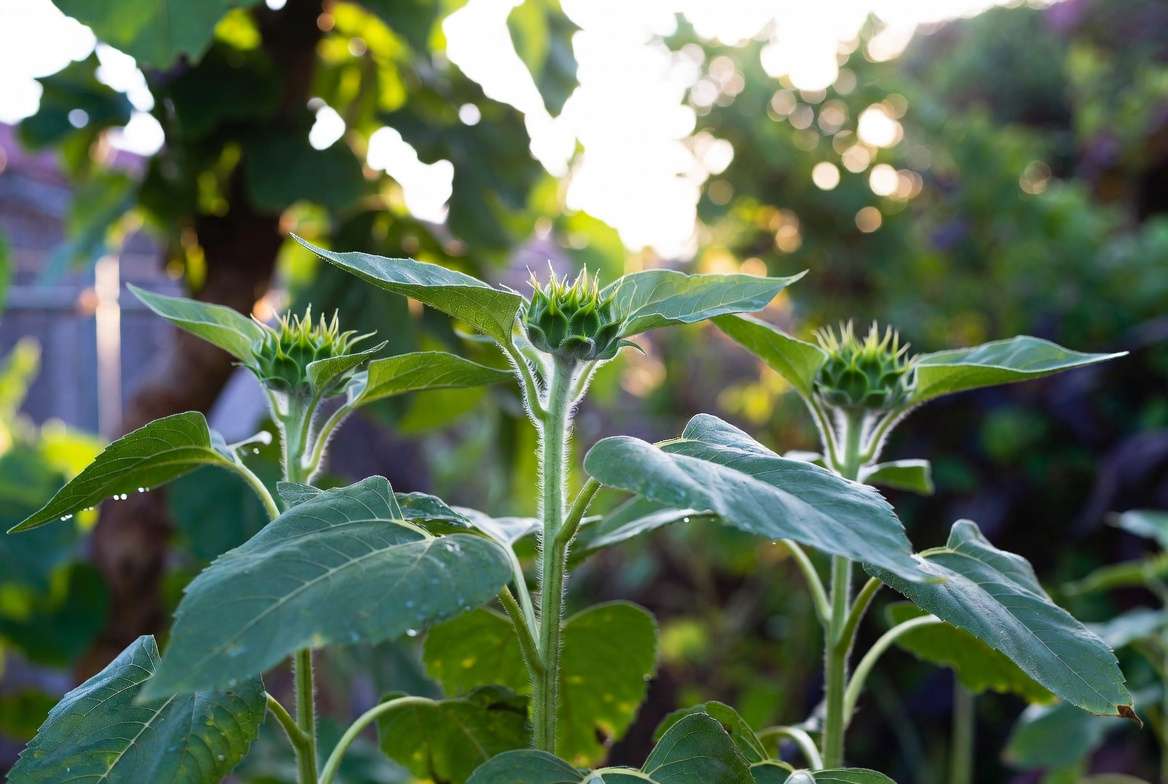
When to Harvest Harvest when the back of the flower head turns yellow-brown and the seeds are plump with hard shells. The petals will usually have fallen off naturally. This typically happens 30–45 days after blooming, depending on variety.
How to Harvest Sunflower Heads
- Cut the head with 6–12 inches of stem using sharp pruners.
- Hang heads upside down in a dry, well-ventilated area away from direct sunlight.
- Cover with breathable paper bags or cheesecloth to catch falling seeds and protect from birds.
Seed Extraction Methods
- Rub heads over a bucket to loosen seeds.
- For larger batches from bulk plantings, gently beat heads with a clean stick or use a wire brush.
- Winnow seeds to remove debris.
H3: Saving Seeds for Next Season Heirloom varieties like Mammoth Russian are excellent for seed saving. Select the largest, healthiest seeds from the best-performing plants. Dry thoroughly and store in airtight containers in a cool, dark place. Properly stored seeds remain viable for 3–5 years.
H3: Using Your Sunflower Harvest
- Edible Seeds: Roast with sea salt for a healthy snack.
- Bird Feed: Leave some heads standing or dry seeds for winter feeding.
- Homemade Oil: Press black oil varieties using a manual oil press.
- Compost: Use spent stalks and heads to enrich your garden soil.
Troubleshooting Common Sunflower Growing Problems
Even experienced gardeners face challenges. Here are solutions to the most frequent issues when growing from bulk sunflower seeds:
Poor Germination
- Cause: Old seeds, cold soil, or overwatering.
- Solution: Test germination rate on a small batch first. Ensure soil temperature is above 55°F (13°C).
Yellow Leaves
- Cause: Overwatering, nutrient deficiency (especially nitrogen or iron), or poor drainage.
- Solution: Improve soil drainage and use a balanced organic fertilizer.
Drooping Heads or Weak Stems
- Cause: Insufficient sunlight, overcrowding, or excessive nitrogen.
- Solution: Thin plants early and provide full sun exposure.
Pest Issues
- Aphids: Spray with neem oil or insecticidal soap.
- Birds: Use bird netting during seed maturation.
- Deer/Rabbits: Install fencing or use natural repellents.
Diseases (Downy Mildew, Rust)
- Prevent by ensuring good air circulation and avoiding overhead watering. Remove affected leaves immediately.
H3: Expert Prevention Tips Rotate planting locations yearly and choose disease-resistant hybrids when growing in humid climates.
Sustainable & Eco-Friendly Sunflower Growing Tips 🌱
Sunflowers are naturally eco-friendly, but you can take it further:
- Use organic growing methods: Compost tea and bone meal instead of synthetic fertilizers.
- Practice water conservation with deep, infrequent watering to encourage strong root systems.
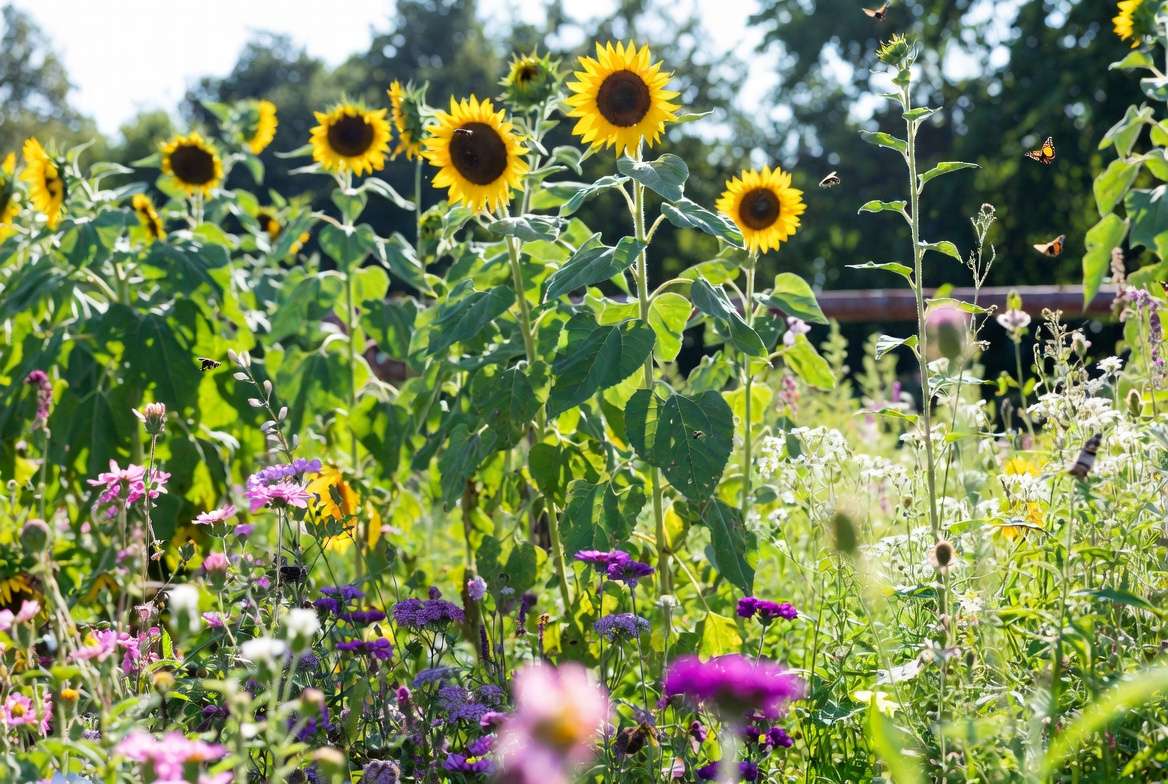
- Create a pollinator paradise by interplanting with lavender, zinnias, and borage.
- Save resources by reusing seed starting trays and making your own seed starting mix.
H3: Building a Long-Term Pollinator Garden Plant bulk sunflower seeds in succession every 2–3 weeks for continuous blooms from early summer through fall. This supports bees, butterflies, and birds throughout the season.
Frequently Asked Questions (FAQs) ❓
How much bulk sunflower seeds do I need for 1 acre? Approximately 8–12 pounds per acre for standard spacing. Adjust based on variety and row spacing.
Can I plant sunflower seeds in pots? Yes! Choose dwarf varieties like Sunrich or Teddy Bear. Use large containers (at least 5 gallons) with excellent drainage.
Are bulk seeds less viable than packet seeds? Not necessarily. High-quality bulk seeds from reputable suppliers often have excellent germination rates. Always check the germination percentage on the label.
How long do sunflower seeds last in storage? Up to 5 years when stored in a cool, dry, airtight container. Test older seeds by sprouting a few before large plantings.
What are the best sunflower varieties for beginners? Mammoth Russian and Black Oil are very forgiving and productive.
Do sunflowers need fertilizer? Moderate feeding is best. Too much leads to weak growth. Focus on phosphorus and potassium for strong flowers and seeds.
How tall do bulk-planted sunflowers grow? Giant varieties can reach 10–14 feet, while dwarf types stay 2–4 feet.
When should I stop watering sunflowers? Reduce watering as heads mature and backs turn brown to encourage proper drying.
Conclusion
Choosing and successfully growing bulk sunflower seeds for planting can transform your garden into a spectacular, productive space filled with joy and abundance. By following this expert guide — from selecting top-performing varieties like Mammoth Russian and Black Oil to mastering planting, care, and harvesting techniques — you’re now equipped to achieve impressive results, whether you’re planting a small patch or a large field. 🌻
Remember, the secret to thriving sunflowers lies in quality seeds, proper soil preparation, consistent early care, and patience. Your plants will not only beautify your landscape but also support local wildlife and provide you with nutritious seeds or stunning cut flowers.
Ready to start your sunflower journey? Head to a trusted supplier today and order your bulk sunflower seeds for planting. Share your progress and photos in the comments below — I’d love to see your thriving harvest this season!
For more expert plant care guides, check out our articles on companion planting, organic pest control, and growing other tall garden favorites.
Happy Gardening! ☀️🌼











