
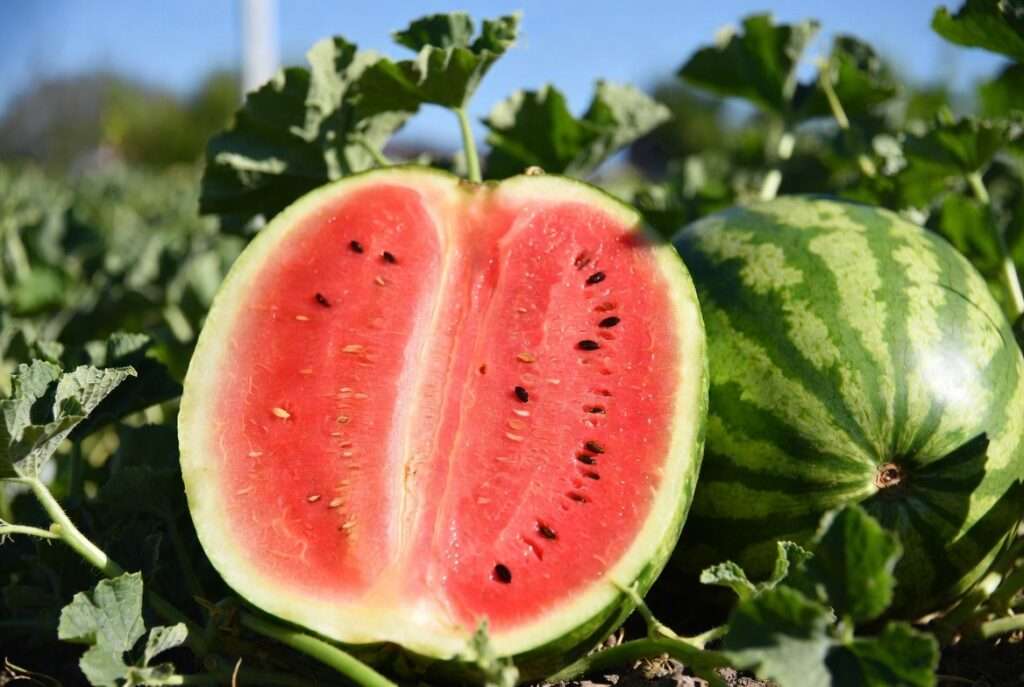
Imagine biting into a thick slice of perfectly ripe watermelon — crisp, explosively juicy, and bursting with intense sweetness that makes your eyes close in delight. Now picture that melon grown right in your own backyard, weighing 15–25 pounds with vibrant crimson-red flesh. That’s exactly what the Crimson Sweet watermelon plant delivers season after season. 🌞
Whether you’re a beginner gardener dreaming of your first big harvest or an experienced grower looking to perfect your technique, this comprehensive guide will walk you through everything you need to know. Developed by Kansas State University in 1963, Crimson Sweet has earned its reputation as a reliable, disease-resistant favorite for home gardens worldwide. In this detailed article, you’ll discover proven strategies to grow healthy vines, prevent common problems, and harvest the sweetest melons possible. Let’s dig in and turn your garden into a watermelon wonderland! ☀️🍉
What is the Crimson Sweet Watermelon Plant? (Variety Profile)
The Crimson Sweet watermelon (Citrullus lanatus) is a classic heirloom-style variety prized for its exceptional flavor, impressive size, and strong natural defenses. Each fruit typically matures to 15–25 pounds with an oval-to-blocky shape. The rind features attractive light green coloring with prominent dark green stripes, making it visually striking both in the garden and on the table.
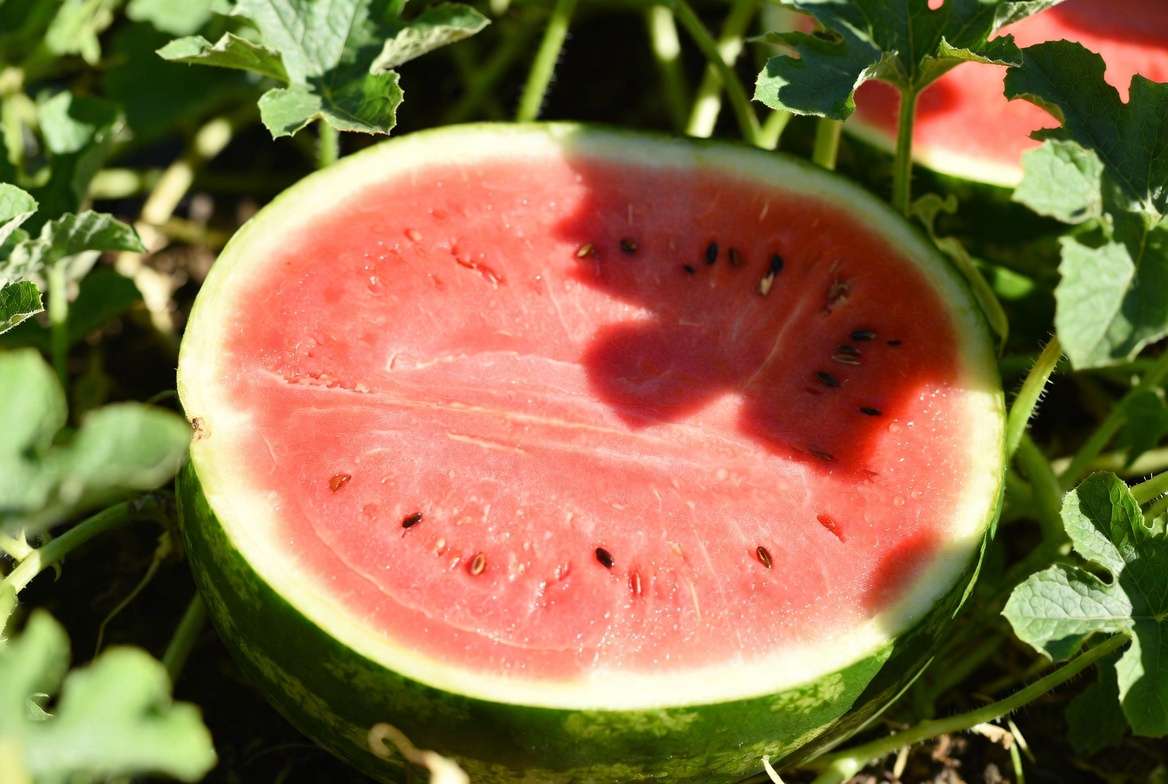
Inside, you’ll find deep crimson-red flesh that’s firm yet incredibly juicy, with a high sugar content and relatively few small seeds — perfect for fresh eating, fruit salads, or even homemade watermelon sorbet. The vines are vigorous growers, stretching 6–10 feet long, and the plant shows excellent resistance to fusarium wilt and anthracnose, two major diseases that often plague other watermelon varieties.
Why Choose Crimson Sweet Over Other Varieties?
Crimson Sweet stands out for several compelling reasons:
- Disease Resistance: Built-in protection against fusarium wilt and anthracnose reduces the need for chemical interventions.
- High Yields: Each healthy vine can produce multiple large fruits under good conditions.
- Flavor Profile: Consistently ranks high in sweetness compared to many modern hybrids.
- Versatility: Excellent for both fresh market and home use; stores well after harvest.
Comparison Table (for quick reference):
| Variety | Fruit Size | Days to Maturity | Disease Resistance | Best For |
|---|---|---|---|---|
| Crimson Sweet | 15–25 lbs | 80–90 | Fusarium + Anthracnose | Home gardens, large fruit |
| Sugar Baby | 8–12 lbs | 75–80 | Moderate | Small spaces, quick crop |
| Jubilee | 20–30 lbs | 90+ | Lower | Experienced growers |
| Seedless types | 10–20 lbs | 85–95 | Varies | Convenience |
This variety thrives in warm climates but can succeed in shorter seasons with the right techniques — more on that later!
Planning Your Crimson Sweet Watermelon Garden
Success with watermelons starts long before planting. Proper planning prevents many common headaches like poor fruit set or bland taste. 🌱
Best Climate and Growing Zones for Crimson Sweet
Crimson Sweet watermelon plants love heat. They perform best in USDA zones 4–11 when given a long, warm growing season of at least 80–90 frost-free days. Ideal daytime temperatures range between 80–95°F (27–35°C), with nights staying above 60°F (15°C).
In cooler or shorter-season areas, use these proven tricks:
- Black plastic mulch to warm the soil faster.
- Floating row covers during early growth.
- Raised beds for better drainage and soil temperature control.
Choosing the Perfect Location
Select a spot that receives full sun (minimum 8 hours daily). Watermelons are sun-worshippers — insufficient light leads to weak vines and small, less sweet fruits.
Ensure good air circulation to reduce fungal risks. Avoid low-lying areas where cold air pools or spots with poor drainage.
Soil Preparation for Maximum Sweetness and Yield
Crimson Sweet thrives in loose, fertile, well-draining soil with a pH between 6.0–6.8. Sandy loam is ideal.
Expert Soil Prep Steps:
- Test your soil in early spring.
- Work in 3–4 inches of well-aged compost or organic matter.
- Add balanced organic fertilizer (higher in phosphorus and potassium for fruit development).
- Create raised hills or mounds 8–12 inches high for better warmth and drainage.
Potassium-rich soil is especially important — it directly contributes to higher sugar content in the melons. 💧
How to Plant Crimson Sweet Watermelon
Starting from Seed vs. Transplants
You have two main options:
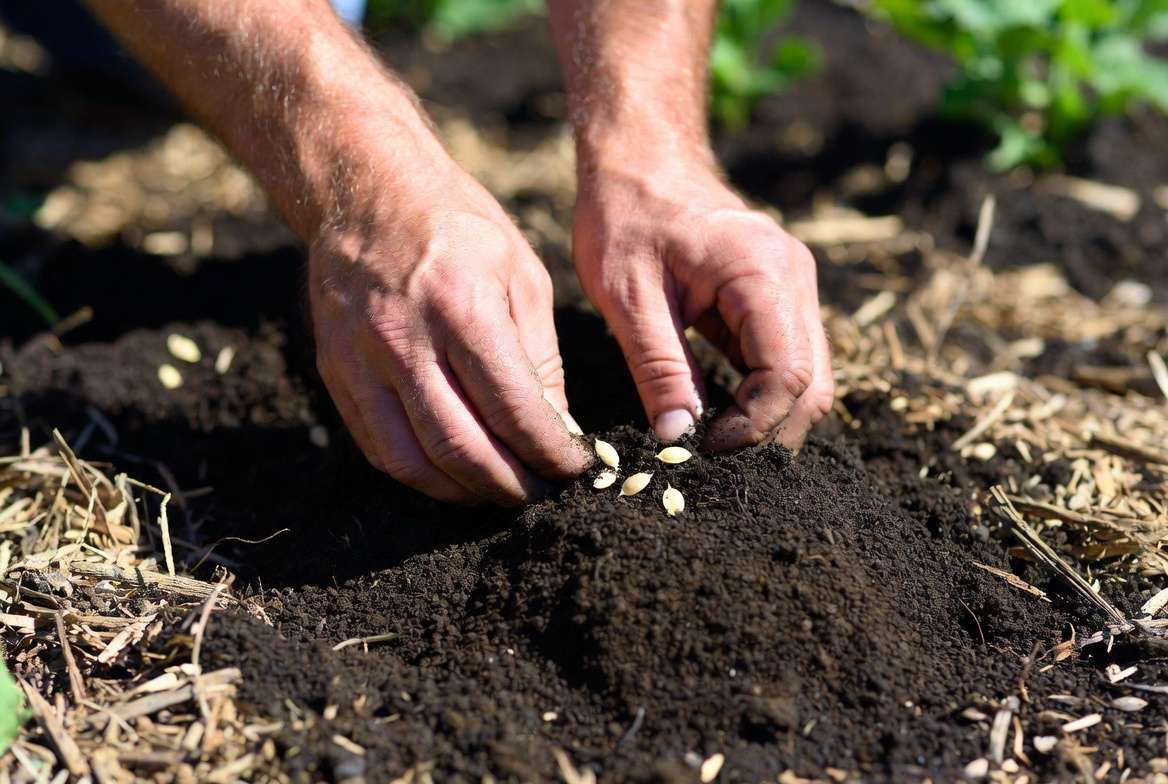
Direct Sowing (recommended for warmer climates): Wait until soil temperature reaches 70–95°F consistently. Plant seeds 1 inch deep in hills.
Indoor Starting: Begin seeds 3–4 weeks before your last expected frost. Use seed-starting mix, keep soil warm (use a heat mat if possible), and provide strong light. Harden off seedlings before transplanting.
Step-by-Step Planting Guide
- Space hills 6–8 feet apart in rows.
- Plant 4–6 seeds per hill, thinning to the strongest 2–3 plants later.
- For transplants, space plants 3–5 feet apart.
- Add a layer of organic mulch (straw or wood chips) after planting to suppress weeds and retain moisture.
Pro Tip: Companion planting with borage, nasturtiums, or marigolds helps attract pollinators and deter pests. 🐝
Essential Care for Thriving Crimson Sweet Plants 🌱💧
Caring for your Crimson Sweet watermelon plant properly is the secret to producing those picture-perfect, ultra-sweet melons. Consistent attention during the growing season makes all the difference between mediocre fruits and prize-winning harvests.
Watering Requirements for Juicy Fruits
Watermelons are thirsty plants, and Crimson Sweet is no exception. They need deep, consistent watering — especially during flowering and fruit development — to develop that signature juicy texture.
Best Practices:
- Provide 1–2 inches of water per week, adjusting for rainfall.
- Water at the base of the plant in the morning to reduce evaporation and fungal issues.
- Use drip irrigation or soaker hoses when possible to keep foliage dry.
- Once fruits reach full size, slightly reduce watering to concentrate sugars.
Pro Tip: Mulch heavily with straw or shredded leaves around the base. This retains soil moisture, suppresses weeds, and keeps the soil temperature stable. Avoid overhead watering, which can spread diseases. 🍉
Fertilizing Schedule for Healthy Vines and Sweet Melons
Proper nutrition fuels vigorous growth and enhances sweetness. Crimson Sweet responds beautifully to a phased feeding approach.
Recommended Timeline:
- At Planting: Incorporate a balanced organic fertilizer (10-10-10) or well-composted manure.
- Early Growth (vines forming): Higher nitrogen to support leafy growth.
- Flowering & Fruit Set: Switch to a fertilizer higher in phosphorus and potassium (e.g., 5-10-10 or seaweed-based). Potassium is crucial for sweetness.
- Mid-Season: Side-dress with compost tea or fish emulsion every 3–4 weeks.
Watch for deficiency signs: Yellow leaves may indicate nitrogen shortage, while poor fruit development can point to low potassium. Always perform a soil test for precise recommendations.
Pruning, Training, and Supporting Vines
Crimson Sweet vines are vigorous spreaders. Managing them saves space and improves air circulation.
- Pruning: Remove weak side shoots early. Keep 2–3 main vines per plant for best production.
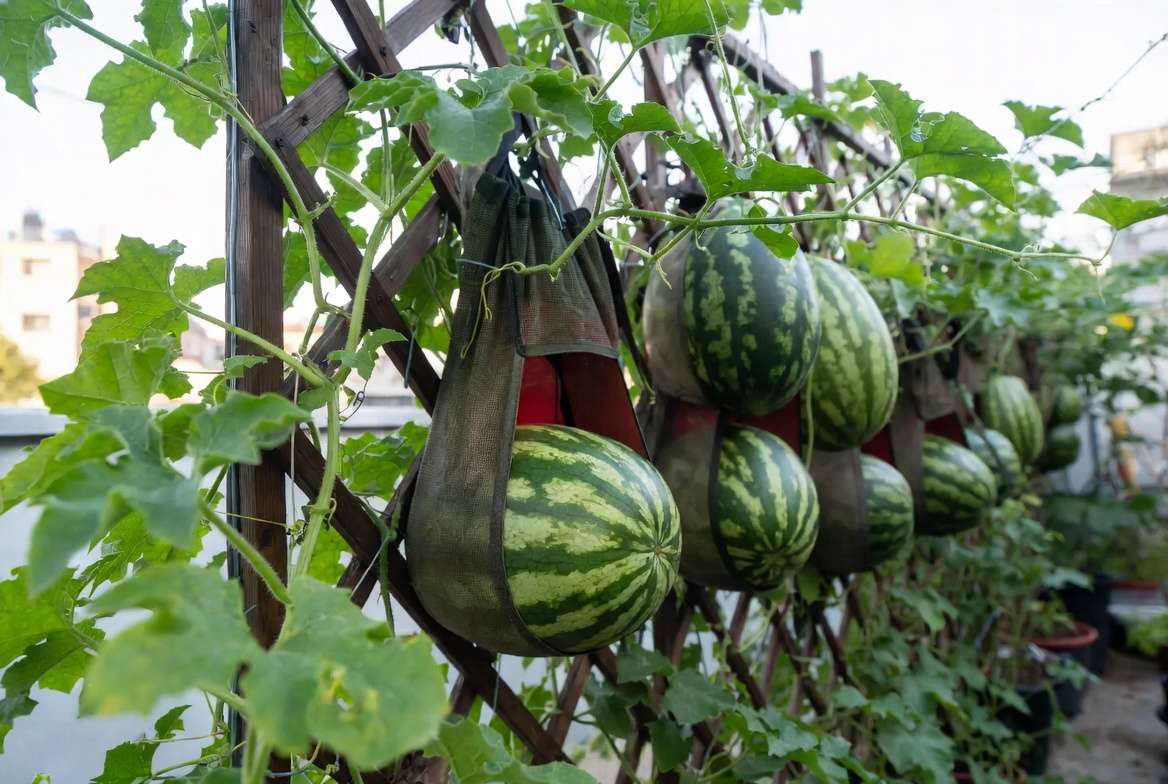
- Training: Gently guide vines in desired directions. For small gardens, vertical trellising works well with strong netting or slings to support heavy fruits.
- Airflow: Proper spacing and pruning reduce humidity around leaves, lowering disease pressure.
In container or patio growing, choose large pots (at least 20 gallons) and provide sturdy support. 🛠️
Pollination and Fruit Development 🐝
Ensuring Successful Pollination
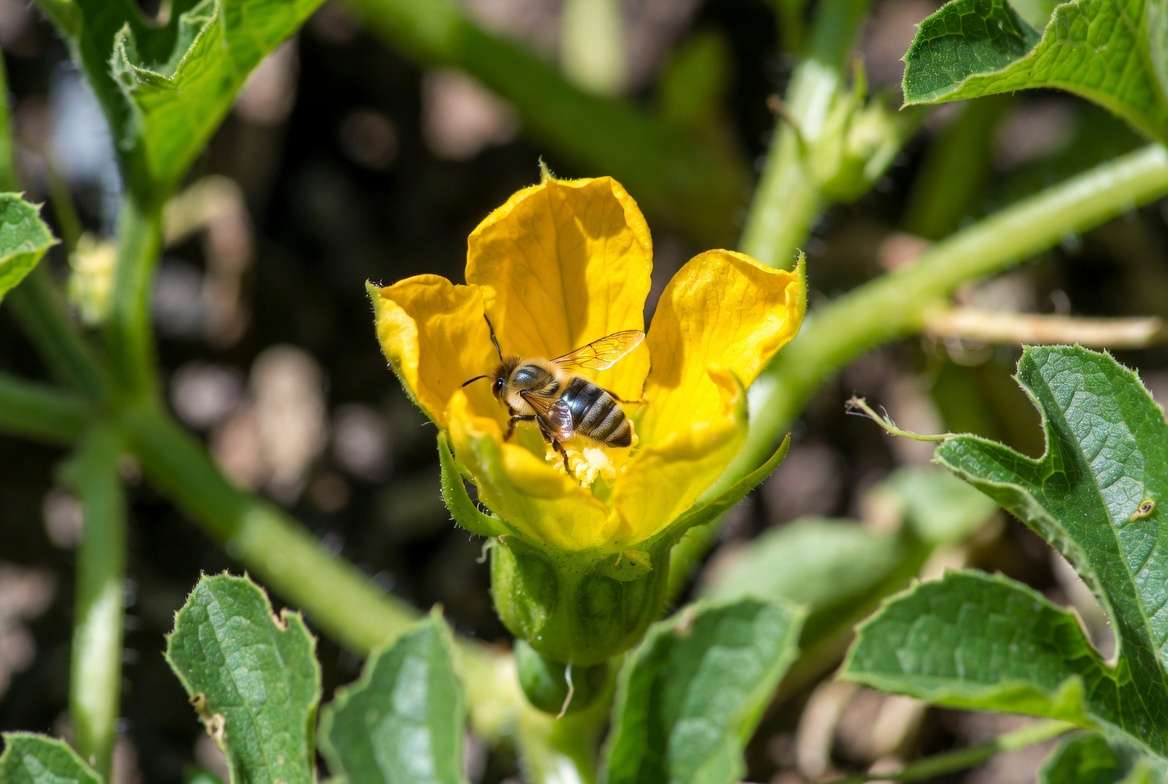
Watermelons have separate male and female flowers. Male flowers appear first, followed by female flowers with a tiny melon at the base.
- Attract native bees and pollinators by planting companion flowers nearby.
- Hand-pollination technique: Use a soft brush or cotton swab to transfer pollen from male to female flowers in the morning.
Good pollination leads to well-shaped, fully developed fruits.
Caring for Developing Fruits
- Place a board or piece of cardboard under each melon to prevent rot on damp soil.
- Gently turn fruits every few days for even ripening.
- Protect from extreme heat with light shade cloth if temperatures exceed 95°F consistently.
Common Problems and How to Solve Them ⚠️
Even resistant varieties like Crimson Sweet can face challenges. Early detection is key.
Pests Affecting Crimson Sweet Watermelon
Common culprits include:
- Cucumber Beetles: Striped or spotted. They transmit bacterial wilt. Control with row covers early and neem oil.
- Aphids: Cluster on new growth. Blast with water or introduce ladybugs.
- Squash Bugs: Check undersides of leaves. Hand-pick and destroy eggs.
Integrated Pest Management (IPM): Combine cultural, mechanical, and organic controls before reaching for stronger options.
Diseases and Prevention Strategies
Thanks to its genetics, Crimson Sweet has strong resistance to fusarium wilt and anthracnose. Still, stay vigilant against:
- Powdery Mildew: White powder on leaves. Improve airflow and use sulfur sprays preventatively.
- Downy Mildew: Yellow spots on top, fuzzy growth underneath. Choose resistant practices and fungicides approved for organic use if needed.
Crop rotation (avoid planting cucurbits in the same spot for 3–4 years) is one of the best long-term prevention methods.
Troubleshooting Common Issues
- Small or Few Fruits: Often due to poor pollination or nutrient imbalance.
- Cracking: Usually from irregular watering. Maintain consistent moisture.
- Bland Taste: Insufficient sunlight, low potassium, or harvesting too early.
- Yellowing Leaves: Could be overwatering, underwatering, or nitrogen issues.
Document your garden conditions weekly — this helps identify patterns quickly.
Harvesting Your Crimson Sweet Watermelons ✂️🍉
How to Tell When Crimson Sweet Is Ripe
Timing is everything for maximum sweetness.
Key Ripeness Indicators:
- The tendril nearest the fruit turns brown and dries up.
- The ground spot (where melon touches soil) changes from white to creamy yellow.
- The rind loses its glossy shine and becomes dull.
- The classic “thump test”: A deep, hollow sound indicates ripeness (practice helps!).
Fruits typically mature 80–90 days after planting.
Proper Harvesting and Storage Techniques
- Use sharp pruners and cut the stem, leaving 2 inches attached.
- Harvest in the morning when temperatures are cooler.
- Store whole melons at room temperature for up to 2 weeks or in the fridge for longer.
- Cut melons last 3–5 days refrigerated. Freeze extra for smoothies and desserts.
Advanced Tips for Bigger, Sweeter Harvests 🌟🍉
As an experienced gardener who has grown Crimson Sweet watermelon plants for over a decade, I’ve learned several expert techniques that elevate results from good to outstanding.
Expert Growing Secrets
- Season Extension Methods: In marginal climates, start seeds indoors and use high tunnels or cloches in early spring. Black plastic mulch combined with row covers can add 2–3 weeks to your effective growing season.
- Container Growing for Patios and Small Spaces: Choose containers at least 20–25 gallons. Use high-quality potting mix amended with compost. Train vines vertically on a sturdy trellis and support developing fruits with slings made from old t-shirts or netting.
- Seed Saving: Crimson Sweet is open-pollinated, so you can save seeds for next season. Select the healthiest, sweetest melon, scoop out seeds, rinse, and dry thoroughly. Store in a cool, dark place.
For Maximum Sweetness: Ensure at least 8–10 hours of direct sunlight and maintain consistent potassium levels. Some gardeners swear by applying Epsom salts (magnesium sulfate) as a foliar spray mid-season to boost sugar production.
Sustainable and Eco-Friendly Practices
Growing Crimson Sweet watermelon responsibly benefits both your harvest and the environment:
- Water Conservation: Install rain barrels and use drip irrigation. Mulching reduces water needs by up to 50%.
- Attracting Pollinators: Plant a diverse pollinator garden with lavender, sunflowers, and basil nearby. Healthy bee populations improve fruit set dramatically. 🐝
- Crop Rotation and Soil Health: Never plant watermelons in the same location for at least 3 years. Follow with nitrogen-fixing legumes like beans to naturally replenish soil.
- Organic Pest Control: Encourage beneficial insects by avoiding broad-spectrum pesticides. Use neem oil, insecticidal soap, and physical barriers as primary defenses.
These practices not only produce healthier plants but also create a thriving backyard ecosystem.
FAQs About Growing Crimson Sweet Watermelon
Q1: How much space does one Crimson Sweet watermelon plant need? A: Each plant needs 6–8 feet between hills and 8–10 feet between rows. In small gardens, vertical growing or careful training can reduce the footprint.
Q2: Can I grow Crimson Sweet in containers? A: Yes! Use large pots (20+ gallons) with excellent drainage. They perform surprisingly well on sunny patios or balconies with proper support.
Q3: Why are my watermelons small or not sweet? A: Common causes include insufficient sunlight, inconsistent watering, low potassium, or harvesting too early. Focus on full sun and balanced feeding.
Q4: How many watermelons does one plant produce? A: Healthy Crimson Sweet vines typically yield 2–4 large melons, sometimes up to 6 under ideal conditions with good care.
Q5: Is Crimson Sweet resistant to common diseases? A: Yes, it has excellent resistance to fusarium wilt and anthracnose, making it more reliable than many other varieties.
Q6: When should I start Crimson Sweet seeds indoors? A: 3–4 weeks before your last frost date. Use bottom heat for faster germination.
Q7: What’s the best mulch for watermelon plants? A: Straw or shredded leaves work wonderfully. They conserve moisture and keep fruits clean.
Q8: How do I prevent fruit rot? A: Place a barrier (board, cardboard, or melon cradle) under each developing fruit.
Q9: Can I grow Crimson Sweet in cooler climates? A: Absolutely, with season extension techniques like raised beds, mulch, and row covers.
Q10: How long do harvested Crimson Sweet watermelons last? A: Whole melons store 1–2 weeks at room temperature and up to 3 weeks refrigerated. Cut pieces last 3–5 days.
Conclusion
Growing your own Crimson Sweet watermelon plant is one of the most rewarding experiences in home gardening. From planting those first seeds to slicing into a massive, homegrown melon bursting with crimson sweetness, the journey is filled with learning and delicious results. 🌱🍉
By following this comprehensive guide — focusing on proper site selection, consistent care, smart watering, and timely harvesting — you’ll enjoy abundant, flavorful harvests year after year. Remember, success comes from patience, observation, and working with nature rather than against it.
Now it’s your turn! Plant a few Crimson Sweet seeds this season and experience the joy of homegrown watermelons. Share your progress, challenges, or harvest photos in the comments below. I’d love to hear how your garden performs.
Happy gardening, and may your melons be sweet and plentiful! ☀️💚











