
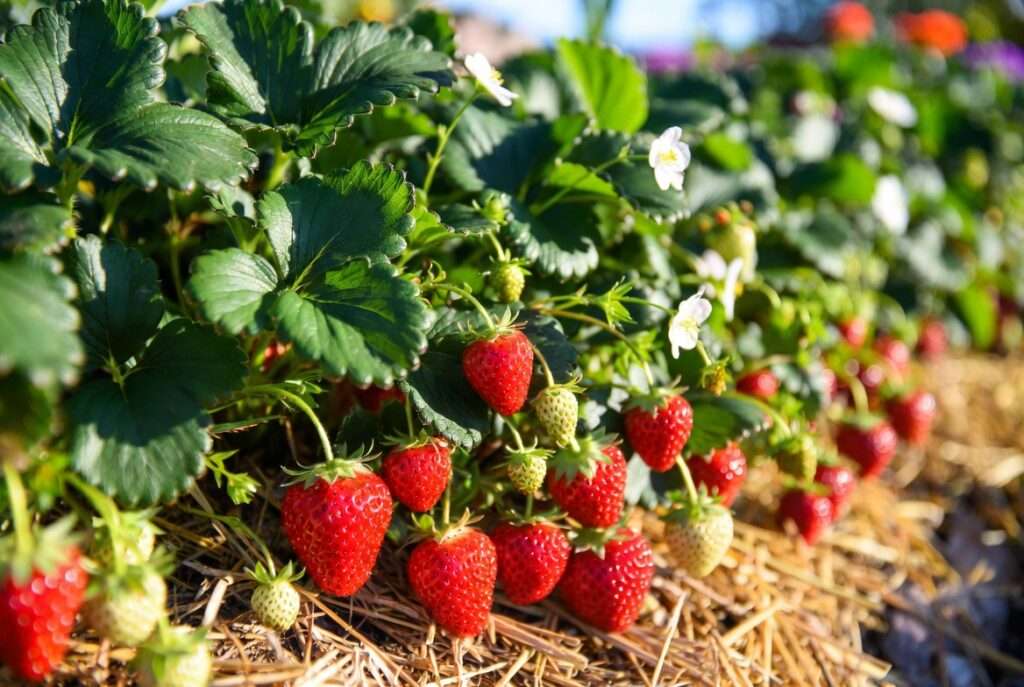
Imagine walking into your backyard garden on a warm summer morning and plucking handfuls of sweet, ruby-red strawberries straight from the vine — not just once in June, but from spring all the way into autumn. That delightful reality is exactly what ever bearing strawberry plants can deliver to your home garden.
Unlike traditional June-bearing varieties that produce one big flush and then rest, everbearing strawberries offer multiple harvests throughout the growing season, making them a favorite for families who want fresh berries for months rather than weeks. Whether you’re a beginner gardener with limited space or an experienced grower looking to maximize yields, these productive plants can transform your garden into a continuous strawberry paradise.
In this comprehensive guide, I’ll share over a decade of hands-on experience growing strawberries in various climates — from container setups on balconies to large raised-bed patches. Backed by university extension research and real-world results, you’ll learn everything needed to successfully plant, care for, and harvest abundant crops from ever bearing strawberry plants. Let’s dig in and help you enjoy fresh, homegrown strawberries from early season to first frost! 🌱
What Are Ever Bearing Strawberry Plants? Understanding the Basics
Ever bearing strawberry plants (Fragaria × ananassa) are a special category bred to produce fruit in distinct waves rather than one concentrated period. They typically deliver a strong spring crop, take a short break during the hottest summer weeks, and then surge again in late summer and fall.
Difference Between Strawberry Types
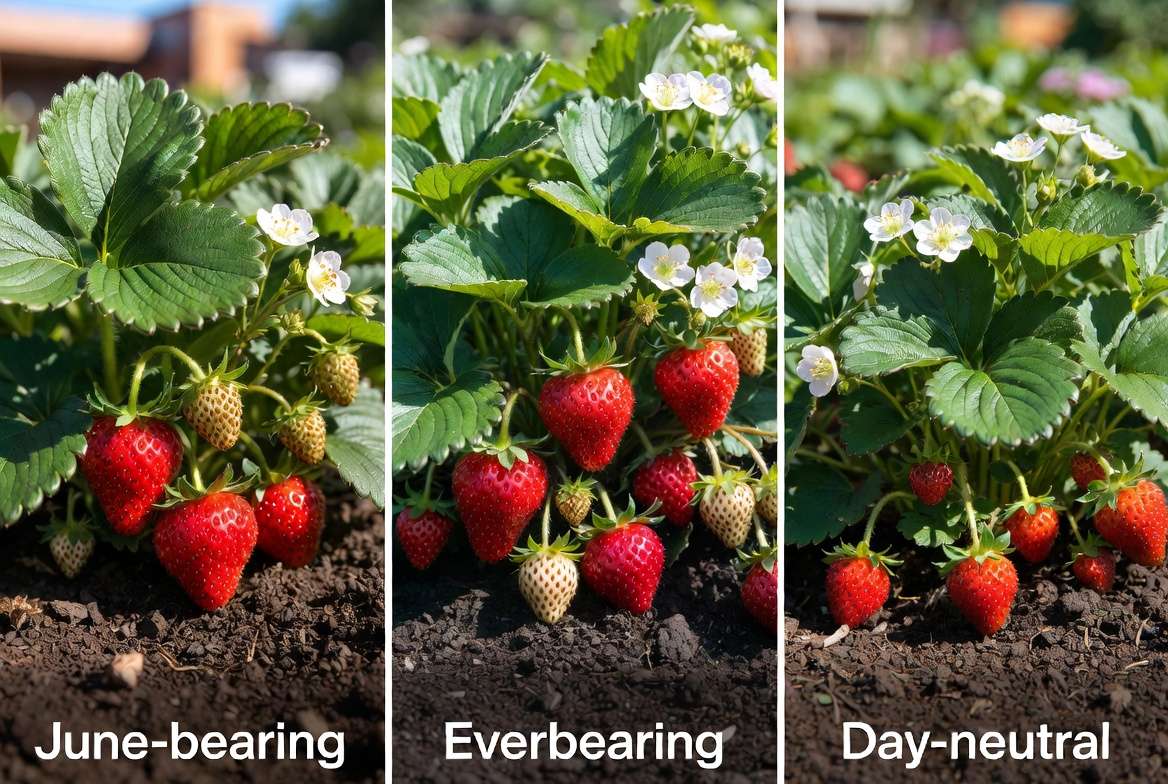
Understanding the three main strawberry categories helps you choose the right plants for your goals:
- June-bearing strawberries: Produce one large crop in late spring/early summer. Best for big jam-making sessions but limited harvest window.
- Everbearing strawberries: Deliver two to three main flushes — spring and late summer/fall. They respond somewhat to day length.
- Day-neutral strawberries: Often grouped with everbearers in home gardening. These produce fruit continuously from spring until frost, less affected by day length. Many modern “everbearing” recommendations are actually day-neutral varieties for better performance.
| Strawberry Type | Main Harvest Period | Berry Size | Best For | First Year Harvest |
|---|---|---|---|---|
| June-bearing | Late spring/early summer | Large | Big single harvests | Usually none |
| Everbearing | Spring + Late Summer/Fall | Medium-Large | Extended home use | Light |
| Day-neutral | Continuous | Medium-Large | Maximum total yield | Good |
Benefits of Growing Ever Bearing Strawberries These versatile plants shine for home gardeners because they:
- Provide fresh berries over 4-6 months instead of 3-4 weeks.
- Work beautifully in small spaces, containers, raised beds, and even vertical gardens.
- Offer excellent flavor for eating fresh, freezing, or making preserves.
- Produce decent yields even in the first year with proper care (unlike June-bearers).
Common Misconceptions About Everbearing Varieties Many gardeners think everbearing strawberries produce tiny berries or require more work. In reality, with good varieties and care, you’ll enjoy large, sweet fruits. They do need consistent moisture and feeding, but the rewards far outweigh the effort. Another myth: they’re only for cool climates. Heat-tolerant options like Eversweet thrive in warmer zones.
Best Ever Bearing Strawberry Varieties for 2026 and Beyond
Selecting the right variety is crucial for success. Here are top performers based on flavor, yield, disease resistance, and adaptability:
Top Recommended Everbearing Varieties 🍓
- Ozark Beauty: A classic favorite. Produces large, sweet, juicy berries with excellent disease resistance. Great for most climates and known for high yields (up to 1.5-2 lbs per plant).
- Fort Laramie: Extremely cold-hardy and productive. Sweet, firm berries perfect for northern gardeners.
- Quinault: Excellent flavor with heart-shaped, deep red berries. Good runner production for expanding your patch.
- Eversweet: Outstanding heat tolerance — ideal for southern or warmer regions. Large, very sweet berries even in hot summers.
- Albion (Day-neutral): Often considered the gold standard for flavor and consistency. Large, firm berries with excellent shelf life. Highly recommended for continuous production.
- Seascape: Reliable performer with great flavor and vigor. Good for containers.
- Tribute or Portola: Strong disease resistance and steady production.
How to Choose the Right Variety for Your Climate and Space
- Cooler climates (Zones 4-7): Ozark Beauty, Fort Laramie, Tribute.
- Warmer climates (Zones 8-10): Eversweet, Albion, Seascape.
- Containers/small spaces: Albion, Seascape, or Eversweet — they adapt well to pots and towers.
- Organic growers: Look for naturally disease-resistant types like Ozark Beauty.
Consider buying certified disease-free plants from reputable nurseries for best results.
Planting Ever Bearing Strawberry Plants for Success
When and Where to Plant The best time to plant ever bearing strawberry plants is early spring as soon as soil can be worked — usually 2-4 weeks before your last frost. In warmer areas, fall planting works if winters are mild.
Choose a spot with 6-8+ hours of full sun daily. Strawberries love well-draining, slightly acidic soil with pH 5.5-6.8. Heavy clay? Use raised beds or containers filled with quality potting mix amended with compost.
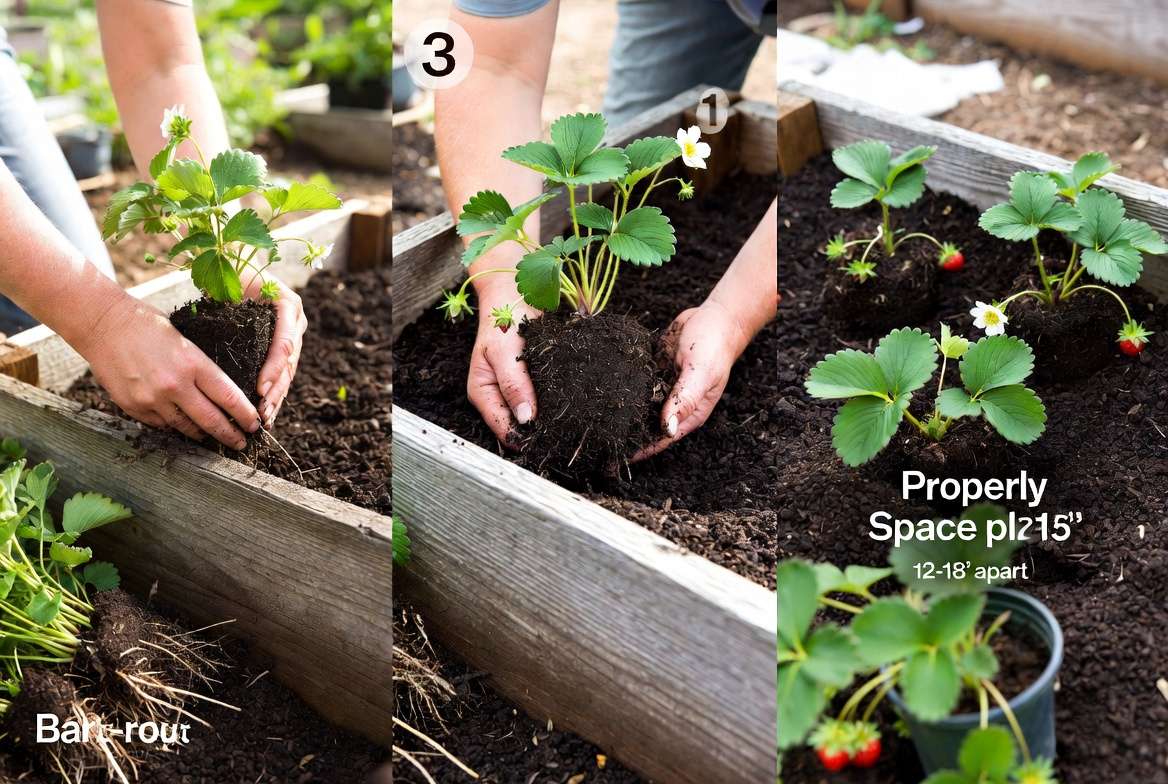
Step-by-Step Planting Guide
- Prepare the soil: Loosen to 8-12 inches deep and mix in plenty of organic matter (compost, aged manure).
- Choose planting method: Hill system works best for everbearers — plant in small mounds or rows.
- Spacing: 12-18 inches between plants, 2-3 feet between rows.
- Planting depth: Set crowns exactly at soil level — too deep causes rot, too high dries out roots.
- Water thoroughly after planting and apply straw mulch.
Container Growing Tips Ever bearing strawberries excel in pots, hanging baskets, or strawberry towers. Use at least 5-8 gallon containers with drainage holes. A mix of potting soil, compost, and perlite works wonderfully.
Companion Planting Ideas for Strawberries 🌿 Plant with borage (attracts pollinators), thyme, or marigolds (repels pests). Avoid planting near brassicas or fennel.
Essential Care for Thriving Ever Bearing Strawberries
Watering and Mulching 💧 Consistent moisture is key — aim for 1-2 inches of water per week. Keep soil evenly moist but never soggy. Mulch with straw or pine needles to retain moisture, suppress weeds, and keep berries clean.
Soil, Fertilizing, and Feeding Schedule Everbearing strawberries are heavy feeders. Apply a balanced organic fertilizer (like 10-10-10) every 2-3 weeks during the growing season. Boost with compost tea or fish emulsion for extra sweetness. Watch for yellow leaves (nitrogen deficiency) or purple tints (phosphorus issues).
Pruning, Runners, and Plant Maintenance
- Remove all flowers in the first 6-8 weeks after planting to build strong roots.
- Manage runners: For maximum fruit, remove most runners and focus energy on mother plants. Leave a few for new plants if expanding.
- Renovate patches every 3-4 years by removing old crowns and replanting young ones.
Expert Tips for Bigger, Sweeter Berries ✨
- Pinch off early flowers for bigger later harvests.
- Ensure good air circulation to prevent disease.
- Protect from birds with netting once berries start coloring.
Common Problems and How to Solve Them
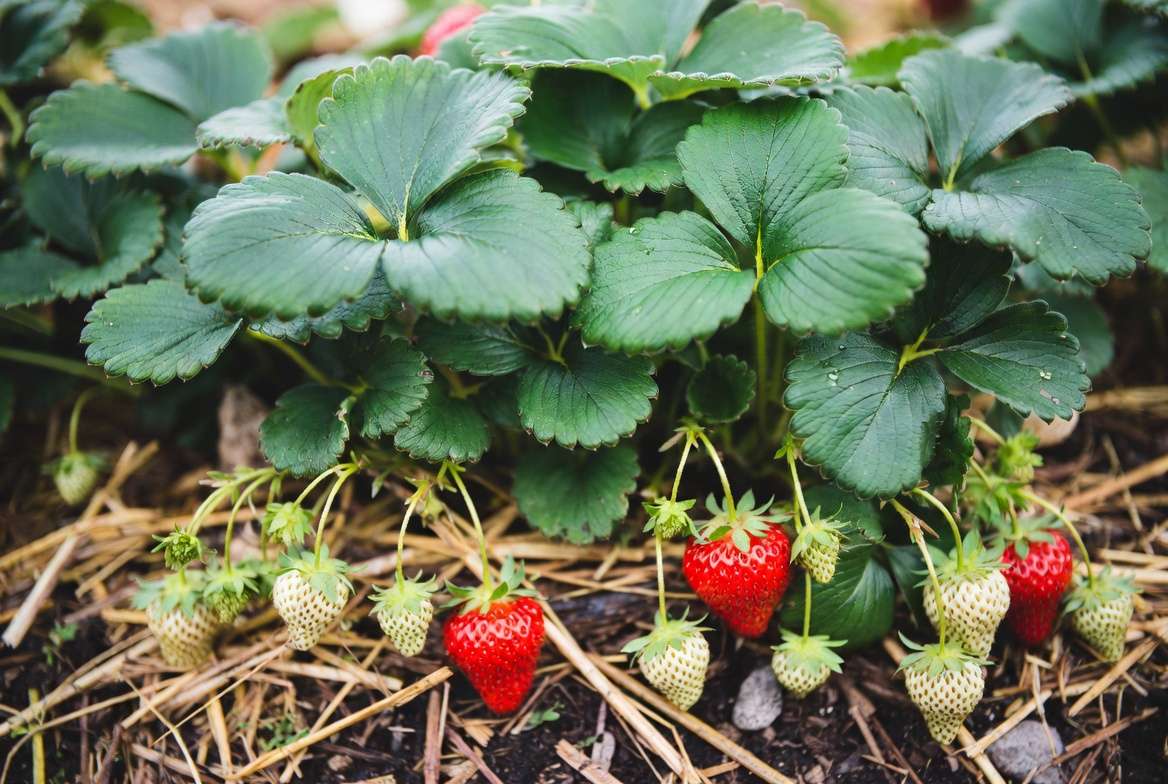
Pests and Diseases Common issues include slugs, aphids, spider mites, gray mold (Botrytis), and powdery mildew. Use organic solutions like neem oil, beneficial insects, and proper spacing. Good airflow and avoiding overhead watering help tremendously.
Troubleshooting Low Production
- No fruit? Check for poor pollination (hand-pollinate if needed) or excessive nitrogen.
- Small berries? Increase potassium and ensure full sun.
- Heat stress? Provide afternoon shade in hot climates.
Seasonal Care Calendar
- Spring: Plant, fertilize, remove early flowers.
- Summer: Consistent water, mulch, harvest regularly.
- Fall: Final harvest, protect crowns for winter.
- Winter: Mulch heavily in cold zones.
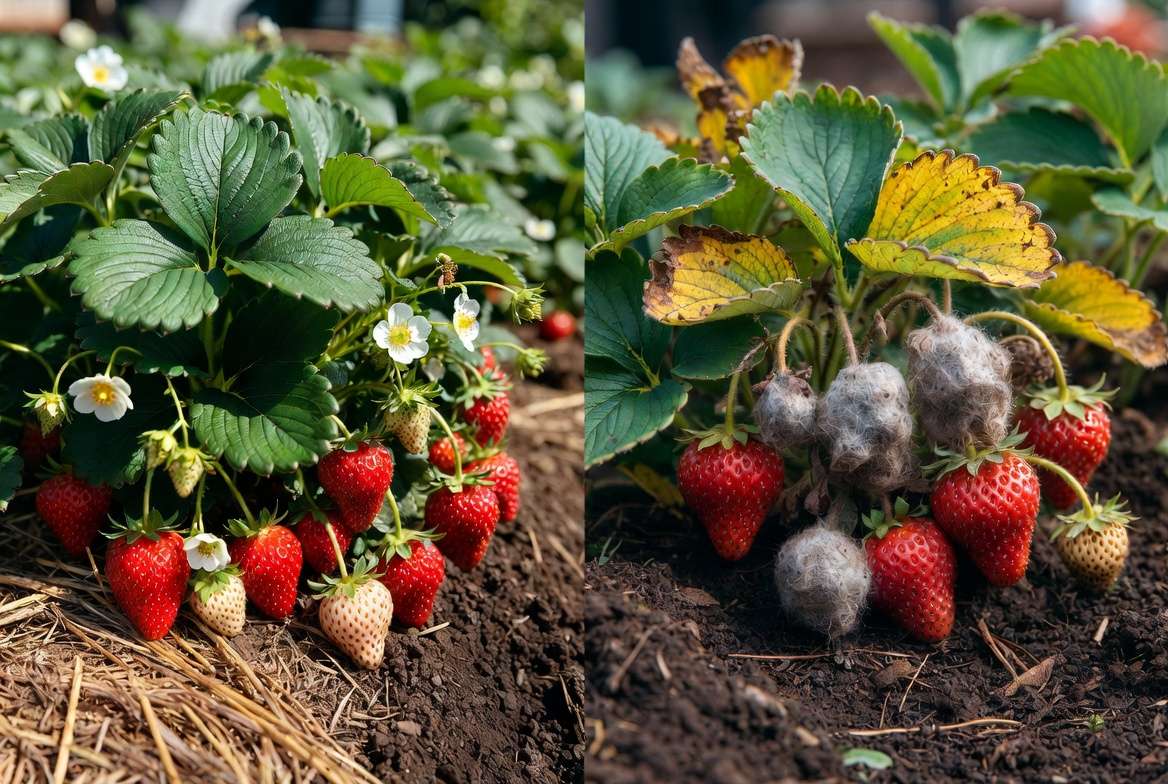
Harvesting and Enjoying Your Strawberry Bounty Pick berries when fully red and slightly soft. Harvest every 1-2 days to encourage more production. Store in the fridge or freeze extras. Try making homemade jam, strawberry lemonade, or simply enjoy them fresh with cream!
Advanced Techniques for Maximum Yields 🌟
To turn your ever bearing strawberry plants into true production powerhouses, experienced gardeners use a few proven advanced methods that go beyond basic care.
Growing in Challenging Conditions Many gardeners face limitations like poor soil, small balconies, or hot summers. Ever bearing strawberries are remarkably adaptable:
- Container and Vertical Gardening: Use 8-12 gallon pots or strawberry towers. Mix high-quality potting soil with 30% compost and perlite for perfect drainage. Hanging baskets and grow bags work excellently for patios and balconies. Rotate containers every few days for even sun exposure.
- Raised Bed Systems: Build 8-12 inch high beds filled with a 50/50 mix of garden soil and compost. The hill planting method (mounding soil) improves drainage and keeps crowns dry, reducing rot risk significantly.
- Hot Climate Strategies: In warmer regions, provide afternoon shade cloth (30-40% shade) during peak summer. Mulch heavily and water deeply in the morning. Heat-tolerant varieties like Eversweet and Albion perform best here.
- Poor Soil Solutions: Test your soil pH first. If too alkaline, add sulfur or pine needle mulch. Heavy clay soils benefit from raised beds or containers.
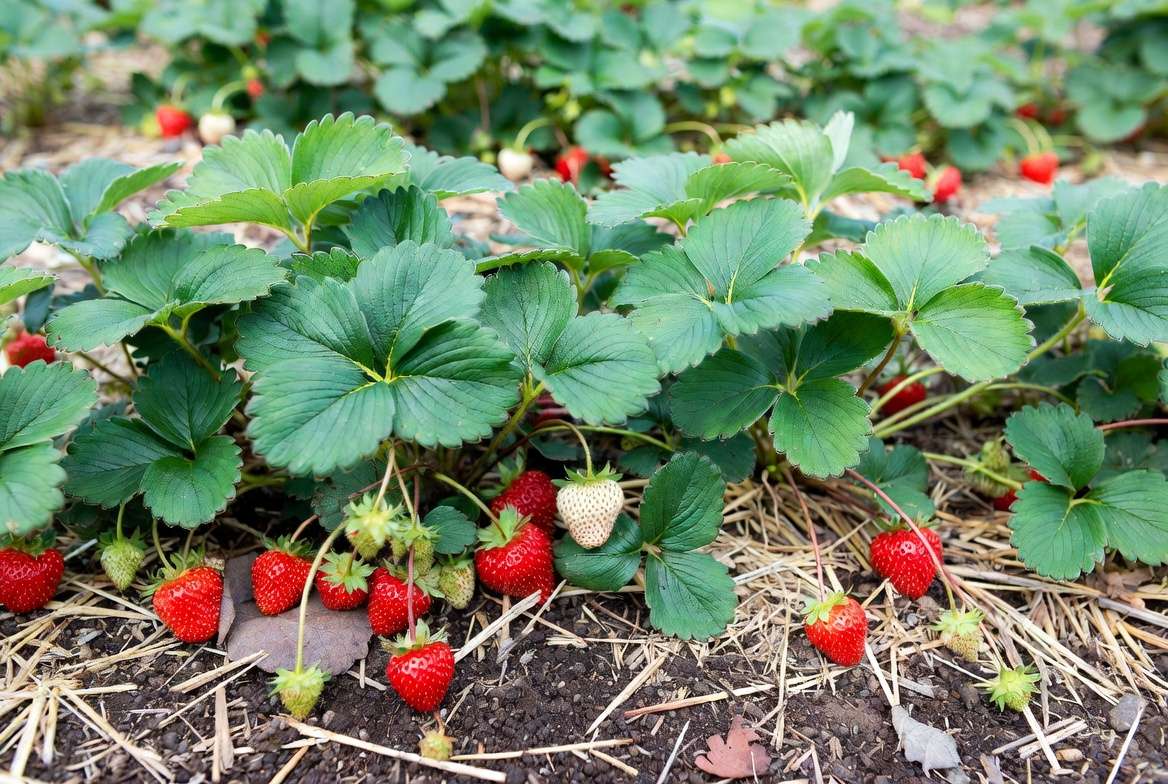
Propagation: Creating More Plants from Your Patch One of the biggest advantages of ever bearing strawberry plants is easy propagation through runners (stolons).
- Allow healthy runners to develop small plantlets.
- Peg the runner into soil or a small pot using a wire or stone.
- Once the daughter plant develops strong roots (4-6 weeks), cut it from the mother plant.
- Transplant immediately and water well.
This method lets you expand your strawberry patch for free while keeping the genetics of your best-performing plants. Best done in early to mid-summer.
Sustainable and Organic Growing Practices ♻️
- Use organic fertilizers like compost tea, worm castings, and bone meal.
- Practice crop rotation by moving strawberries to new beds every 3-4 years.
- Encourage beneficial insects by planting pollinator-friendly flowers nearby.
- Implement integrated pest management (IPM) instead of chemical sprays.
These methods not only produce healthier plants but also yield sweeter, more flavorful berries.
Harvesting and Enjoying Your Strawberry Bounty 🍓
When and How to Harvest Harvest ever bearing strawberries when they are fully red, slightly soft, and have a sweet fragrance. Pick every 1-2 days during peak production to stimulate new flowers. Use scissors or gently twist the stem — never pull the berry, as it can damage the plant.
Pro tip: Morning harvesting after dew dries gives the best flavor and longest shelf life.
Storing, Preserving, and Using Your Strawberries
- Fresh: Store unwashed berries in a single layer on a paper towel in the fridge for 3-7 days.
- Freezing: Wash, hull, and freeze on a tray before transferring to bags. Perfect for smoothies and baking.
- Preserving: Make classic strawberry jam, syrup, or dehydrate into healthy snacks.
- Recipes: Try fresh strawberry shortcake, balsamic strawberry salad, or homemade strawberry lemonade.
With continuous production from everbearing varieties, you can enjoy these treats over many months instead of one short burst.
Frequently Asked Questions (FAQs)
How long do ever bearing strawberry plants produce fruit? With proper care, they can produce from late spring through fall — often 4-6 months total. In ideal conditions, some day-neutral types continue until first frost.
What’s the difference between everbearing and day-neutral strawberries? Everbearing types produce in 2-3 flushes and are more sensitive to day length. Day-neutral varieties (often sold as everbearing) produce more continuously and perform better in varying conditions.
Can ever bearing strawberries grow in hot climates? Yes! Choose heat-tolerant varieties like Eversweet or Albion. Provide afternoon shade, consistent watering, and heavy mulch.
Will I get strawberries the first year? Yes, ever bearing plants usually give a light to moderate harvest in their first season if you remove early flowers to strengthen roots.
How much sun do they need? At least 6-8 hours of direct sunlight daily. Less sun results in fewer, smaller berries.
Best fertilizer for ever bearing strawberries? A balanced organic fertilizer (10-10-10 or similar) applied every 2-3 weeks during active growth. Supplement with potassium-rich feeds for sweeter fruit.
Why are my berries small? Common causes: insufficient sun, lack of potassium, overcrowding, or too many runners. Thin plants and feed appropriately.
How do I protect strawberries from birds and pests? Use bird netting once berries start turning red. Companion planting and organic sprays help with insects.
When should I renovate my strawberry patch? Every 3-4 years. Remove old plants, keep the youngest vigorous daughters, and refresh the soil.
Can I grow ever bearing strawberries indoors? Yes, with strong grow lights (14-16 hours daily) and good air circulation. They make excellent windowsill or indoor garden plants.
Conclusion: Start Your Continuous Strawberry Harvest Today
Growing ever bearing strawberry plants is one of the most rewarding experiences for any home gardener. With their ability to deliver multiple harvests throughout the season, these plants turn small spaces into abundant berry patches that provide fresh, delicious fruit from spring until fall.
By following this complete guide — from selecting the right varieties like Ozark Beauty or Albion, proper planting techniques, consistent care, and advanced propagation methods — you’ll be well on your way to enjoying continuous strawberry harvests year after year.
The joy of picking ripe strawberries straight from your own garden is unmatched. Whether you have a large backyard, a sunny balcony, or just a few containers, everbearing strawberries can bring sweetness and success to your gardening journey.
Start small, learn as you grow, and soon you’ll be harvesting more than enough for fresh eating, sharing with neighbors, and preserving for winter.
Happy gardening! Share your ever bearing strawberry success stories in the comments below, and don’t forget to check our other guides on container gardening and organic pest control. 🌱🍓











