
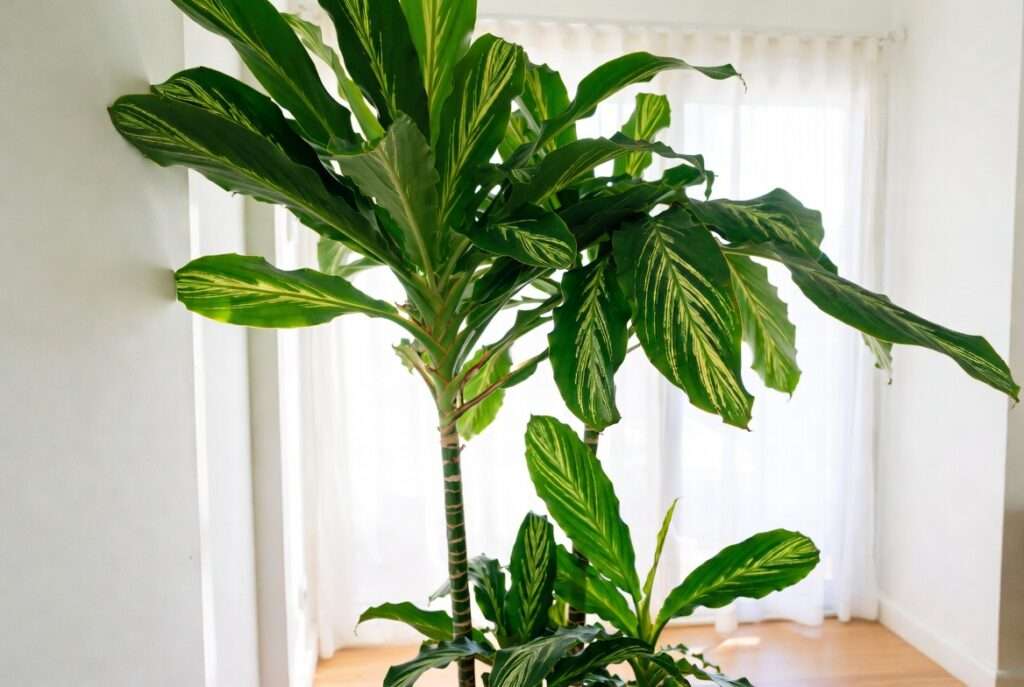
Have you ever brought home a tall, striking houseplant with beautiful yellow-striped leaves, only to watch its vibrant foliage turn yellow or brown within weeks? You’re not alone. The massangeana cane plant (Dracaena fragrans ‘Massangeana’), also lovingly known as the Corn Plant or Mass Cane, is one of the most popular indoor “trees” for a reason — yet many plant parents struggle to keep it thriving.
In this complete guide, I’ll share everything I’ve learned over 15+ years as a plant care specialist to help your massangeana cane plant grow tall, lush, and healthy for years to come. Whether you’re a beginner or an experienced plant lover, you’ll discover proven techniques to prevent common problems and create the perfect environment for this architectural beauty. Let’s turn your cane plant into a stunning focal point in your home! ✨
What Is the Massangeana Cane Plant?
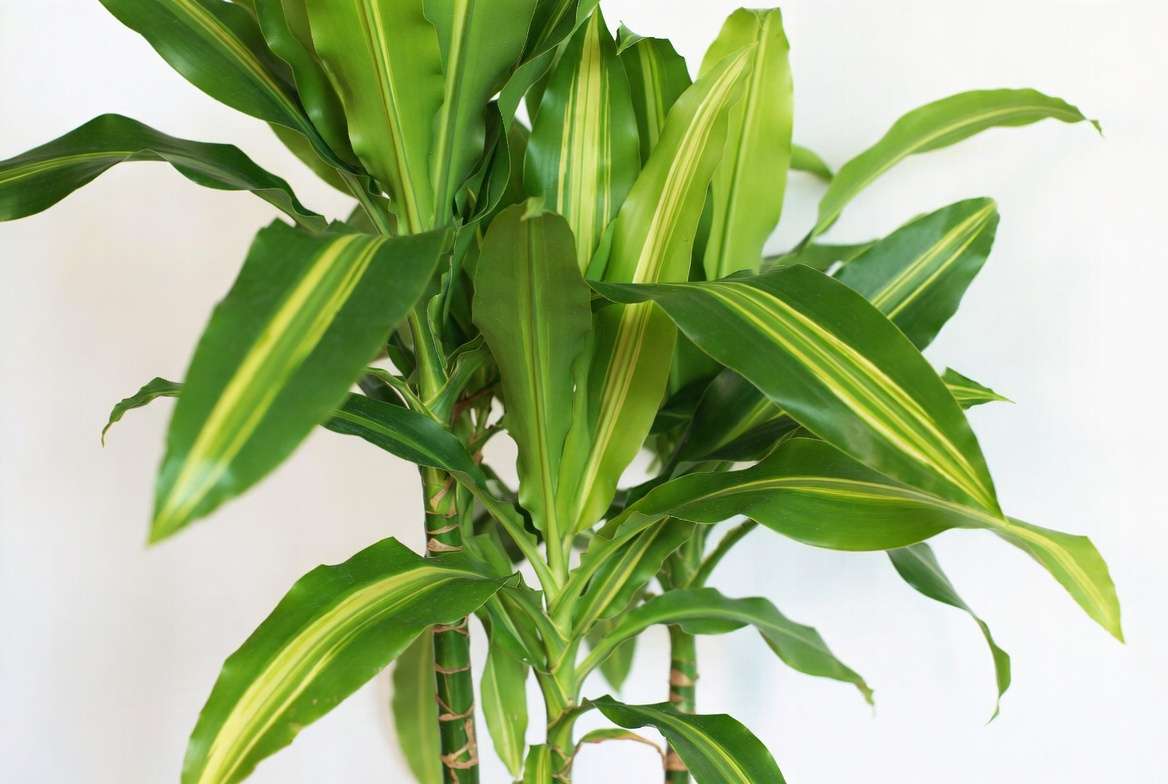
The massangeana cane plant is a popular cultivar of Dracaena fragrans, native to tropical regions of Africa. Its common names — Corn Plant and Mass Cane — come from its thick, cane-like stems and long, corn-like leaves featuring a distinctive yellow or lime-green stripe down the center.
This slow-growing evergreen can reach 6–10 feet tall indoors, making it an excellent floor plant that adds height and tropical elegance to living rooms, offices, and hallways. Its upright growth habit and arching leaves give it a palm-like appearance without the mess or high maintenance of true palms.
Key Benefits of Growing Massangeana Cane:
- Excellent air purifier (removes toxins like formaldehyde and benzene, according to NASA studies)
- Extremely forgiving for beginners
- Striking visual impact with minimal space
- Long lifespan — many specimens live 10–20+ years with proper care 🏆
Note on Pet Safety: While beautiful, massangeana cane plants are mildly toxic to cats and dogs if ingested. Keep them out of reach of curious pets.
Ideal Growing Conditions
Light Requirements for Thriving Growth 🌞
The massangeana cane plant loves bright indirect light. This is the sweet spot that encourages strong growth and maintains its signature variegated leaf pattern.
- Best placement: Near east or west-facing windows with sheer curtains, or a few feet back from south-facing windows.
- Low light tolerance: It can survive in medium to low light, but growth will slow dramatically and leaves may lose their vibrant yellow stripe.
- Avoid: Direct afternoon sunlight, which can scorch the leaves and cause brown crispy patches.
Pro Tip: Rotate your plant every 2–3 weeks for even growth. If leaves start leaning toward the light source, it’s time to adjust its position!
Temperature and Humidity Needs 🌡️💧
Massangeana cane plants are tropical at heart and prefer temperatures between 65–80°F (18–27°C) during the day. They dislike sudden temperature drops below 60°F (15°C).
- Keep away from cold drafts, air conditioning vents, and heating registers.
- In winter, protect your plant from chilly windows.
Humidity is equally important. While adaptable to average household humidity (40–50%), your cane plant will show its best colors and growth at 60%+ humidity.
Easy Humidity Boosters:
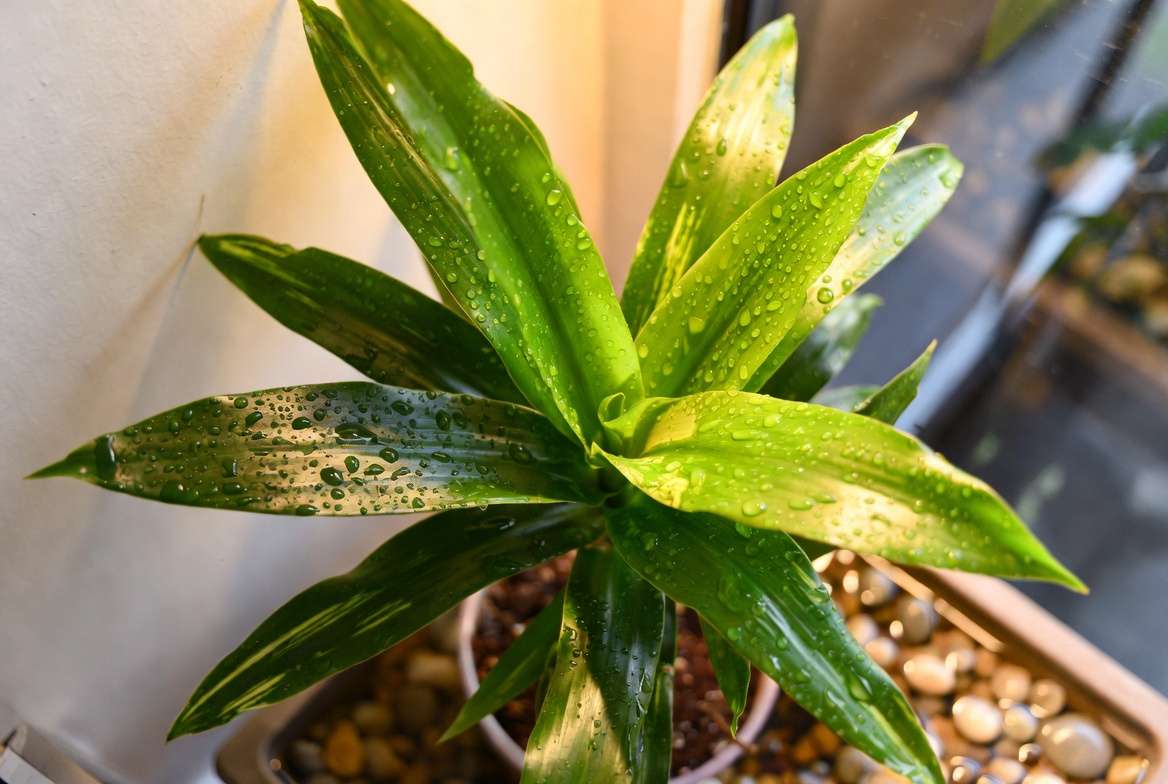
- Place on a pebble tray with water
- Group with other houseplants
- Use a cool-mist humidifier during dry winter months
- Mist leaves occasionally (avoid over-misting to prevent fungal issues)
Watering and Soil Mastery 💧
Proper watering is the #1 factor that determines whether your massangeana cane plant thrives or struggles.
Golden Rule: Water thoroughly when the top 1–2 inches of soil feel dry to the touch.
Watering Guidelines:
- Spring & Summer (growing season): Every 7–10 days
- Fall & Winter: Every 14–21 days (or longer)
- Always use room-temperature water
- Allow excess water to drain completely — never let the pot sit in standing water
Signs of Trouble:
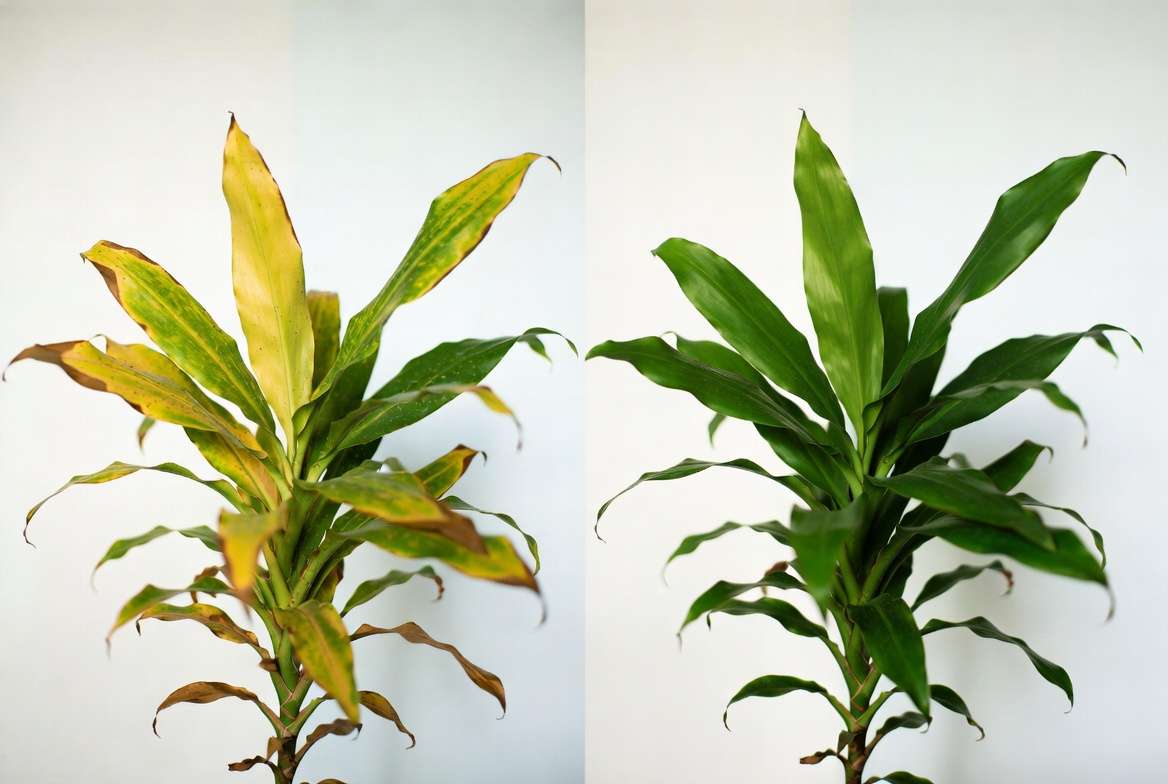
- Yellow leaves (especially lower ones) → Often overwatering
- Brown leaf tips → Underwatering, low humidity, or fluoride in tap water
- Wilting/drooping → Usually underwatering
Water Quality Tip: If possible, use filtered, distilled, or rainwater. Massangeana cane is sensitive to fluoride and chlorine commonly found in tap water. Let tap water sit out overnight to allow chemicals to dissipate.
Choosing the Right Soil and Pot
Use a well-draining potting mix to prevent root rot — the most common killer of cane plants.
Recommended Mix:
- 50% high-quality potting soil
- 30% perlite or pumice
- 20% orchid bark or coco coir
Choose pots with multiple drainage holes. Terracotta or ceramic pots work beautifully and help regulate moisture. When repotting (usually every 2–3 years), go up only one pot size to avoid overwhelming the roots.
Fertilizing for Lush, Vibrant Growth 🌱
Feeding your massangeana cane plant properly is the secret to achieving those rich green leaves with bold yellow centers that make this plant so desirable. Without adequate nutrition, growth becomes slow and leaves may appear pale or small.
Best Fertilizing Schedule:
- Growing season (March – September): Fertilize every 4 weeks
- Dormant season (October – February): Reduce to every 8 weeks or stop completely
Recommended Fertilizers:
- Balanced liquid houseplant fertilizer (20-20-20) diluted to half strength
- Slow-release granular fertilizer for less frequent feeding
- Organic options like compost tea or worm castings for gentle, long-term nutrition
Expert Application Tips:
- Always water the plant thoroughly before fertilizing to protect the roots.
- Never fertilize dry soil — this can cause root burn.
- Flush the soil every 3–4 months with clean water to remove salt buildup from fertilizers.
Common Mistake to Avoid: Over-fertilizing in winter when the plant isn’t actively growing. This often leads to brown leaf tips and weak, leggy growth.
With consistent, balanced feeding, your massangeana cane can produce new leaves faster and maintain its beautiful variegation year-round. ✨
Pruning, Cleaning, and Grooming Your Plant ✂️🧼
Regular maintenance keeps your massangeana cane looking tidy and encourages healthier, bushier growth.
When and How to Prune:
- Prune in spring or early summer during active growth.
- Use clean, sharp pruning shears sterilized with alcohol.
- Cut canes at a 45-degree angle just above a node to encourage branching.
- Remove any dead, yellow, or damaged leaves at the base.
Pro Technique for Height Control: If your plant gets too tall for your space, you can top it by cutting the main cane. The cut section can even be propagated (more on that below)!
Leaf Cleaning Routine:
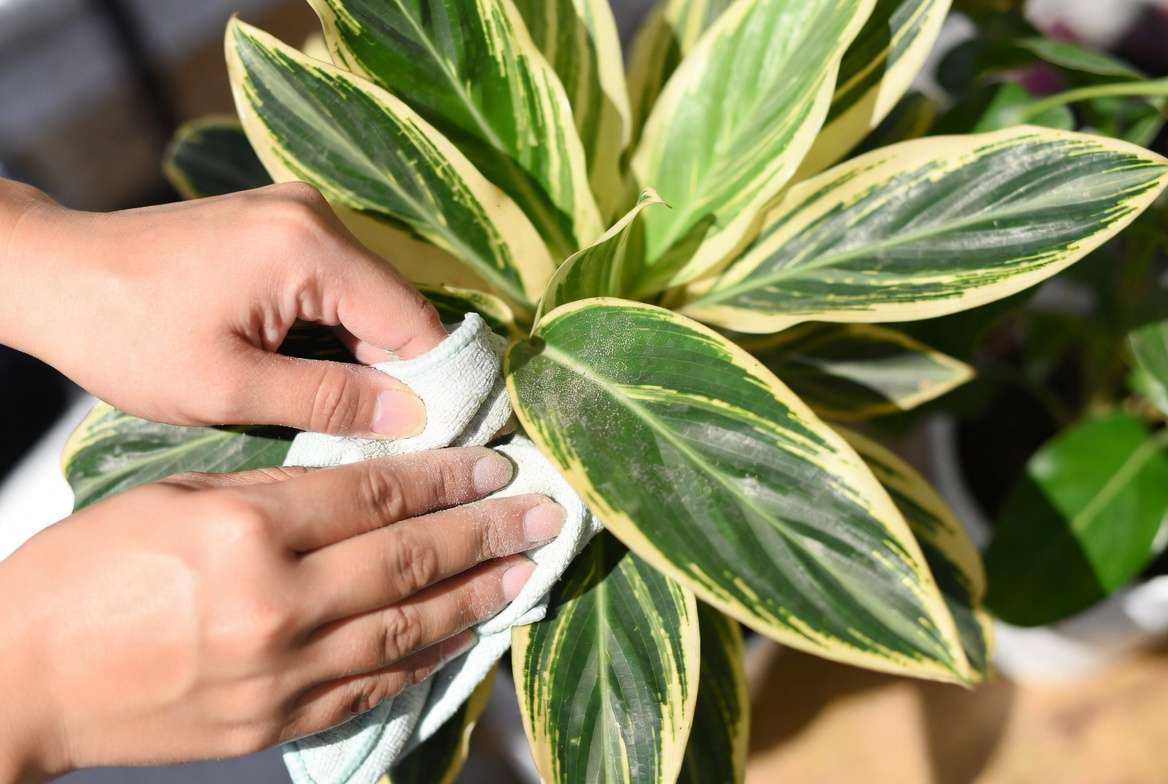
- Dust leaves gently every 2 weeks with a soft damp cloth.
- This improves photosynthesis and keeps the plant looking glossy and vibrant.
- Avoid leaf shine products — they can clog pores and attract dust.
Grooming for Aesthetics: Trim brown tips with sharp scissors, following the natural leaf shape. This small effort makes a huge visual difference and prevents further browning.
How to Propagate Massangeana Cane Plant Successfully 🌱
One of the most rewarding aspects of massangeana cane plant care is how easily it propagates. You can create new plants from your existing one for free!
Cane Cutting Method (Most Reliable)
- Choose a healthy, mature cane and cut it into 4–6 inch sections.
- Allow cut ends to callous for 24 hours.
- Plant in moist, well-draining soil or place in water.
- Keep in bright indirect light and maintain consistent moisture.
- New roots and shoots typically appear in 4–8 weeks.
Stem Tip Cuttings
- Take 6–8 inch tip cuttings with several leaves.
- Remove lower leaves and place in water or soil.
- Change water every few days if using the water method.
Water vs Soil Propagation:
- Water method: Great for beginners to watch root development.
- Soil method: Produces stronger roots faster but requires careful moisture management.
Success Boosters:
- Use rooting hormone for faster results.
- Maintain high humidity with a plastic bag or propagator.
- Bottom heat (around 75°F) dramatically increases success rate.
Many of my clients have successfully turned one tall massangeana cane into 5–6 new plants using these methods!
Troubleshooting Common Massangeana Cane Problems 🛠️
Even with excellent care, issues can arise. Here’s a comprehensive troubleshooting section based on years of real-world experience.
Yellow Leaves
- Most common cause: Overwatering leading to root rot.
- Solution: Allow soil to dry more between waterings. Check roots and repot in fresh soil if needed.
- Lower leaves naturally yellow and drop as the plant grows taller — this is normal aging.
Brown Tips and Edges
- Causes: Low humidity, fluoride in water, underwatering, or fertilizer burn.
- Solutions: Switch to filtered water, increase humidity, and trim affected tips.
Brown Spots or Drooping
- Sudden temperature changes or cold drafts often cause this.
- Pests (especially spider mites) can create speckled brown spots — inspect undersides of leaves regularly.
Leggy Growth or Loss of Variegation
- Usually indicates insufficient light.
- Move to brighter indirect light gradually to avoid shock.
Pests
- Spider mites: Tiny webs and stippling — treat with neem oil or insecticidal soap.
- Mealybugs: White cottony spots — dab with alcohol on a cotton swab.
- Scale: Hard brown bumps — scrape off and treat with horticultural oil.
Root Rot Rescue:
- Remove plant from pot and trim black, mushy roots.
- Repot in fresh, sterile soil.
- Reduce watering significantly until recovery.
Early intervention is key — most massangeana cane problems are reversible when caught quickly.
Seasonal Care Calendar 📅
Mastering seasonal changes is crucial for long-term success with your massangeana cane plant. Here’s an expert seasonal breakdown:
Spring & Summer (Peak Growing Season):
- Increase watering frequency as light and warmth boost metabolism.
- Fertilize every 4 weeks for vigorous new growth.
- Prune and propagate during these active months.
- Watch for new leaf unfurling — celebrate these wins! 🌱
Fall Transition:
- Gradually reduce watering as days shorten.
- Move plants away from cooling windows.
- Begin flushing soil to remove accumulated salts.
Winter Care (Dormant Period):
- Water sparingly — soil can stay drier longer.
- Maintain humidity against dry indoor heating.
- Provide maximum available bright indirect light (supplement with grow lights if needed).
- Hold off on heavy fertilizing until spring returns.
Following this calendar prevents seasonal shock and keeps your corn plant looking its best year-round.
Styling and Decorating with Massangeana Cane 🏡
The massangeana cane plant isn’t just easy to grow — it’s a natural interior design star. Its tall, architectural form adds instant tropical elegance.
Best Placement Ideas:
- Living room corners for height and drama
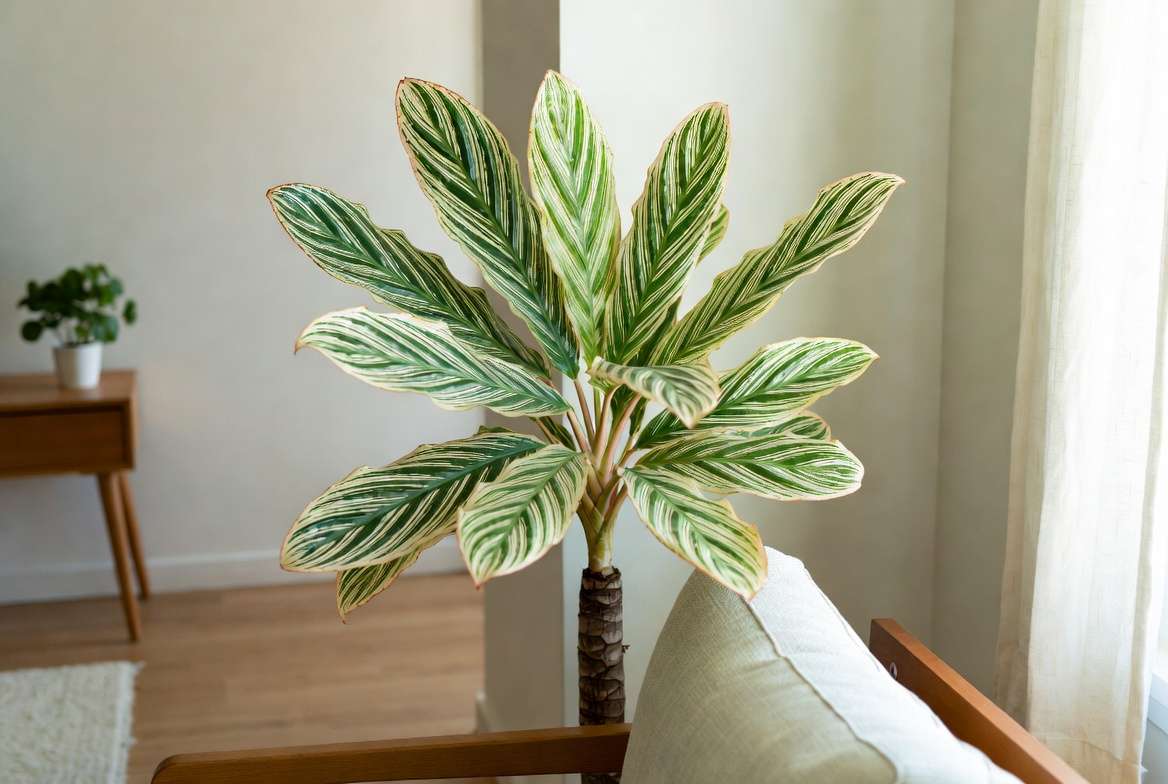
- Beside sofas or armchairs as a living sculpture
- Office spaces to improve air quality and reduce stress
- Entryways to welcome guests with lush greenery
Companion Planting:
- Pair with lower-growing plants like pothos, snake plant, or calathea for beautiful layered displays.
- Combine with monstera or fiddle leaf fig for a bold tropical jungle vibe.
Decor Tips:
- Use decorative cache pots that complement your interior style (modern ceramic, boho woven baskets, or sleek black planters).
- Group multiple canes of different heights for a fuller look.
- Place near mirrors to amplify light and create the illusion of an even larger plant.
Many homeowners use mass cane plants as natural room dividers or focal points in open-concept spaces. With proper massangeana cane plant care, it becomes a living investment that grows more beautiful over time.
Expert Insights and Pro Tips ✨
After caring for hundreds of Dracaena fragrans ‘Massangeana’ over 15+ years, here are my top professional insights:
- Patience is Key: These are slow growers, but consistent care yields impressive results. A 3-foot plant can become 8 feet tall in 4–6 years indoors.
- Variegation Maintenance: Too little light causes the yellow stripe to fade. Too much direct sun scorches it. Balance is everything.
- Myth Buster: Many think massangeana cane plants need “very little water.” In reality, they need consistent moisture without sogginess.
- Long-term Success: Rotate plants, dust regularly, and observe weekly. Your plant will “tell” you what it needs through its leaves.
Advanced Technique: Air layering a tall cane before cutting allows you to get a rooted new plant while keeping the original intact — perfect for valuable large specimens.
Frequently Asked Questions About Massangeana Cane Plant Care ❓
Q: Is the massangeana cane plant toxic to pets? A: Yes, mildly toxic to cats and dogs. It contains saponins that can cause vomiting or drooling if ingested. Place out of reach or choose pet-safe alternatives if needed.
Q: How fast does a massangeana cane plant grow? A: Moderately slow indoors — expect 6–12 inches of new growth per year under optimal conditions.
Q: Why are the leaves turning yellow? A: Most often due to overwatering. Check soil moisture and ensure excellent drainage.
Q: Can massangeana cane plants grow outdoors? A: In USDA zones 10–12 yes, but they prefer consistent indoor temperatures in most climates.
Q: How often should I repot my corn plant? A: Every 2–3 years or when roots circle the pot. Spring is the best time.
Q: Do massangeana cane plants flower? A: Rarely indoors, but they can produce fragrant white flower clusters in ideal conditions.
Q: What’s the best fertilizer for dracaena massangeana? A: A balanced, diluted liquid fertilizer during growing months works excellently.
Q: Can I use tap water? A: Yes, but let it sit out 24 hours or use filtered water to reduce fluoride sensitivity.
Q: How do I make my mass cane bushier? A: Prune the top and provide bright indirect light. New branches will emerge from cut points.
Conclusion
Caring for a massangeana cane plant rewards patience and attention with years of lush, tropical beauty and cleaner indoor air. By following this comprehensive guide — from proper watering and lighting to troubleshooting and propagation — you now have all the tools needed to grow a thriving, stunning corn plant.
Remember: Observe your plant closely, adjust based on its environment, and enjoy the process. Your massangeana cane can become a cherished family member that grows alongside you.
Ready to transform your space with healthy greenery? Share your massangeana cane plant photos or success stories in the comments below. For more expert houseplant guides, explore our other articles on dracaena care, indoor tree selection, and air-purifying plants.
Here’s to happy, healthy growing! 🌿🪴✨











