
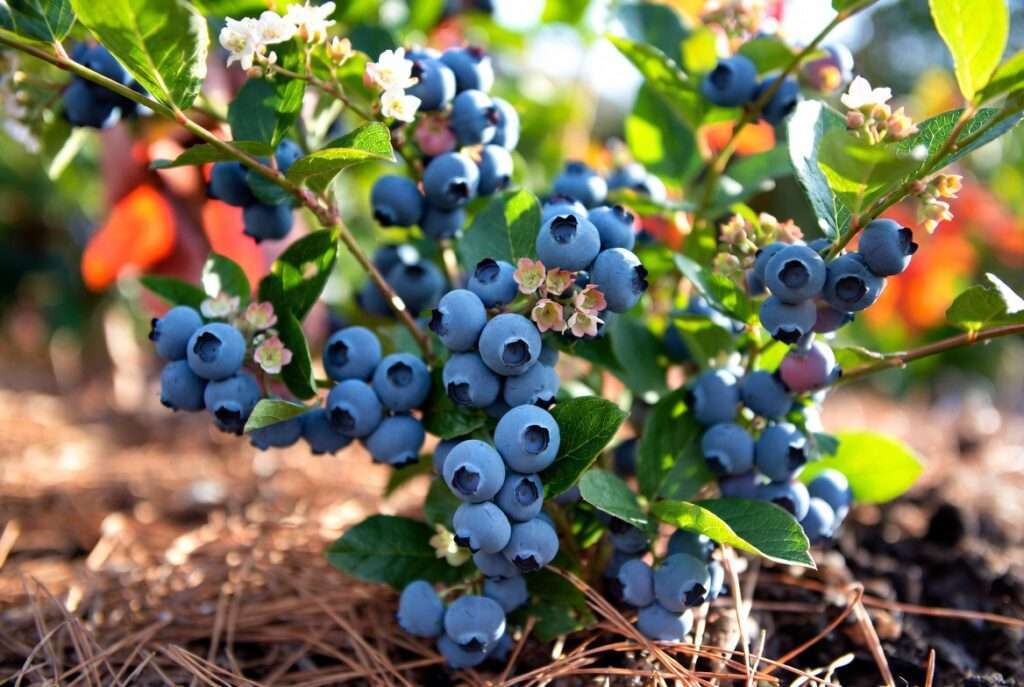
Imagine stepping into your backyard on a warm summer morning and picking handfuls of enormous, juicy blueberries — each one the size of a quarter, bursting with sweet-tart flavor that beats anything from the grocery store. 🍇 With Patriot blueberry plants, this delightful dream becomes your reality, even in colder climates where other varieties struggle.
As a horticulturist with over 15 years of experience growing berries in challenging northern conditions, I’ve helped countless home gardeners transform their yards into productive blueberry patches. Patriot stands out as one of the most reliable and rewarding northern highbush varieties available. In this comprehensive guide, you’ll discover everything needed to successfully grow Patriot blueberry plants — from soil preparation and planting techniques to pruning secrets that deliver maximum yields of big, sweet berries. Whether you’re a beginner or seasoned gardener, this guide will help you achieve healthy, productive bushes year after year. 🌱
Why Choose Patriot Blueberry Plants? ⭐
Patriot blueberry plants (Vaccinium corymbosum ‘Patriot’) were developed by the University of Maine for gardeners in cold climates. This variety excels with exceptional cold hardiness, thriving in USDA Zones 3-7 (and sometimes pushing into Zone 8 with protection). Mature bushes typically reach 4-6 feet tall and wide, featuring an upright, rounded growth habit that makes them perfect for home landscapes, hedges, or even large containers.
Key standout features include:
- Large berry size — Often 50-60 berries per cup, significantly bigger than many standard varieties.
- Flavor profile — Sweet with a pleasant tart balance, excellent for fresh eating, baking, jams, and freezing.
- Early to mid-season ripening — Usually ready in early to mid-summer (June-July depending on your location), allowing you to enjoy homegrown berries before many other bushes produce.
- Heavy yields — Mature plants can produce 10-20 pounds of fruit under optimal care.
- Ornamental beauty — Delicate white bell-shaped flowers in spring, glossy green foliage in summer, and stunning fiery orange-red fall colors.
Compared to popular varieties like Bluecrop or Chandler, Patriot offers superior cold tolerance and performs better in slightly heavier or wetter soils, making it more forgiving for beginners. It’s largely self-pollinating but benefits greatly from cross-pollination with another highbush variety (such as Blueray or Northland) for even bigger harvests.
Home gardeners love Patriot blueberry plants because they deliver consistent results with relatively low maintenance once established. They’re ideal for edible landscapes, small-space gardening, and families wanting nutritious, antioxidant-rich berries straight from the garden. 🍓
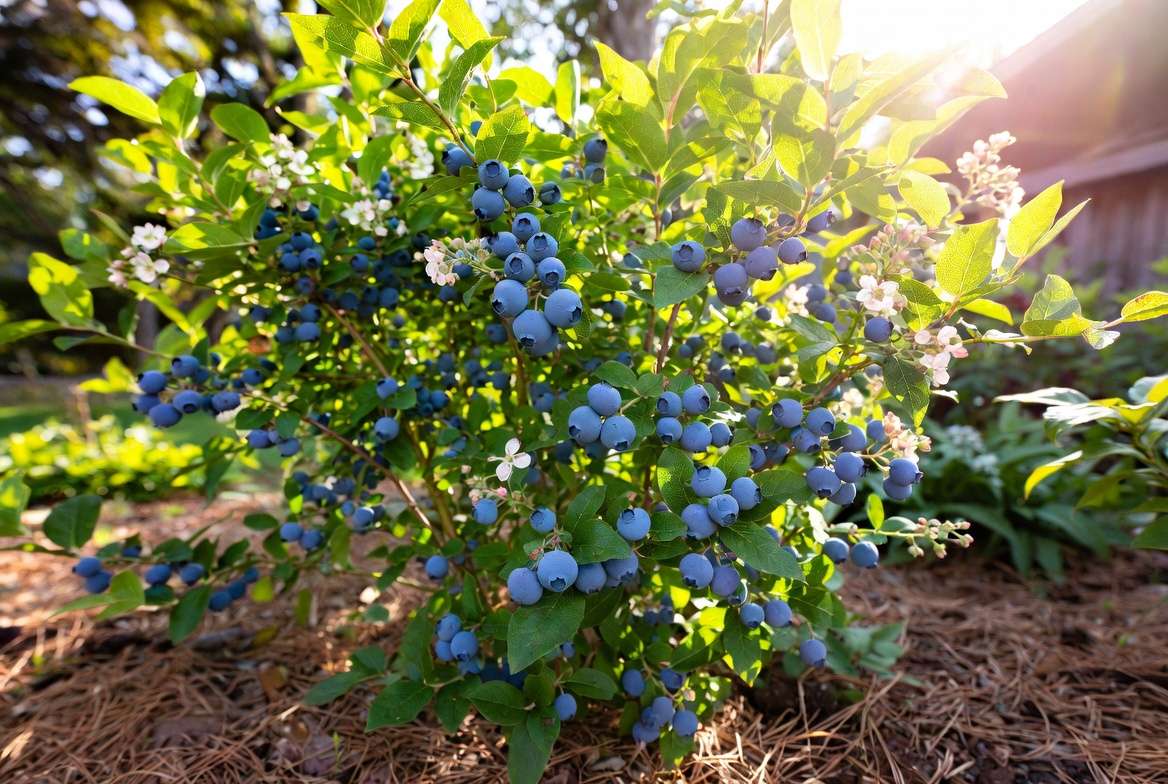
Site Selection and Soil Preparation (The Foundation of Success) 🌍
Success with any blueberry bush begins with the right location and soil. Blueberries are acid-loving plants, and getting this step right prevents most common problems.
Choosing the Right Location Patriot blueberry plants need full sun for best production — at least 6-8 hours of direct sunlight daily. They tolerate light afternoon shade in hotter regions but may produce fewer or smaller berries. Choose a site protected from strong winds, which can damage early spring flowers. Avoid low-lying frost pockets where cold air settles, as late frosts can harm blooms.
Soil Requirements This is the most critical factor. Patriot blueberry plants demand acidic soil with a pH between 4.5 and 5.5. Most garden soils are too alkaline (neutral or higher), so testing and amending is essential.
How to test and amend your soil:
- Get a professional soil test from your local extension office.
- If pH is above 5.5, incorporate elemental sulfur (apply 1-2 pounds per 100 sq ft to lower pH by one unit, depending on soil type). Do this 3-6 months before planting.
- Improve drainage and organic matter by mixing in peat moss, pine bark fines, or aged pine needles. For heavy clay soils, build raised beds or mounds at least 6-12 inches high.
Pro Tip: If your soil is challenging, grow Patriot blueberry plants in large containers (minimum 20-25 gallons) filled with a 50/50 mix of potting soil and peat moss or a commercial acidic blueberry mix. This gives you full control over pH and drainage. 🪴
How to Plant Patriot Blueberry Plants Correctly 🪴
The best times to plant are early spring (as soon as soil is workable) or early fall, giving roots time to establish before extreme weather.
Step-by-step planting guide:
- Dig a hole twice as wide as the root ball but no deeper.
- Gently loosen roots if the plant is pot-bound.
- Place the plant so the crown sits at or slightly above soil level.
- Backfill with amended acidic soil mix, firming gently.
- Space bushes 3-5 feet apart for good air circulation and future growth.
- Water thoroughly and apply 3-4 inches of organic mulch (pine needles, bark, or wood chips) to retain moisture, suppress weeds, and maintain soil acidity.
Avoid fertilizing at planting time — wait 4-6 weeks to prevent root burn.
Companion planting ideas: Pair with other acid-lovers like rhododendrons, azaleas, or lingonberries. Avoid planting near vegetables that prefer neutral soil or aggressive root competitors.
Watering and Mulching for Healthy Growth 💧
Consistent moisture is one of the most important factors for Patriot blueberry plants to produce those big, sweet berries you’re dreaming of. These plants have shallow root systems and hate drying out, but they’re equally sensitive to soggy “wet feet.”
Watering Guidelines:
- Newly planted bushes need 1–2 inches of water per week, especially during the first year while roots establish.
- Mature Patriot blueberry plants prefer deep, infrequent watering rather than daily sprinkles. Aim for about 1 inch of water weekly during the growing season, increasing during dry spells or fruit development.
- Early morning watering is best to reduce evaporation and prevent fungal issues.
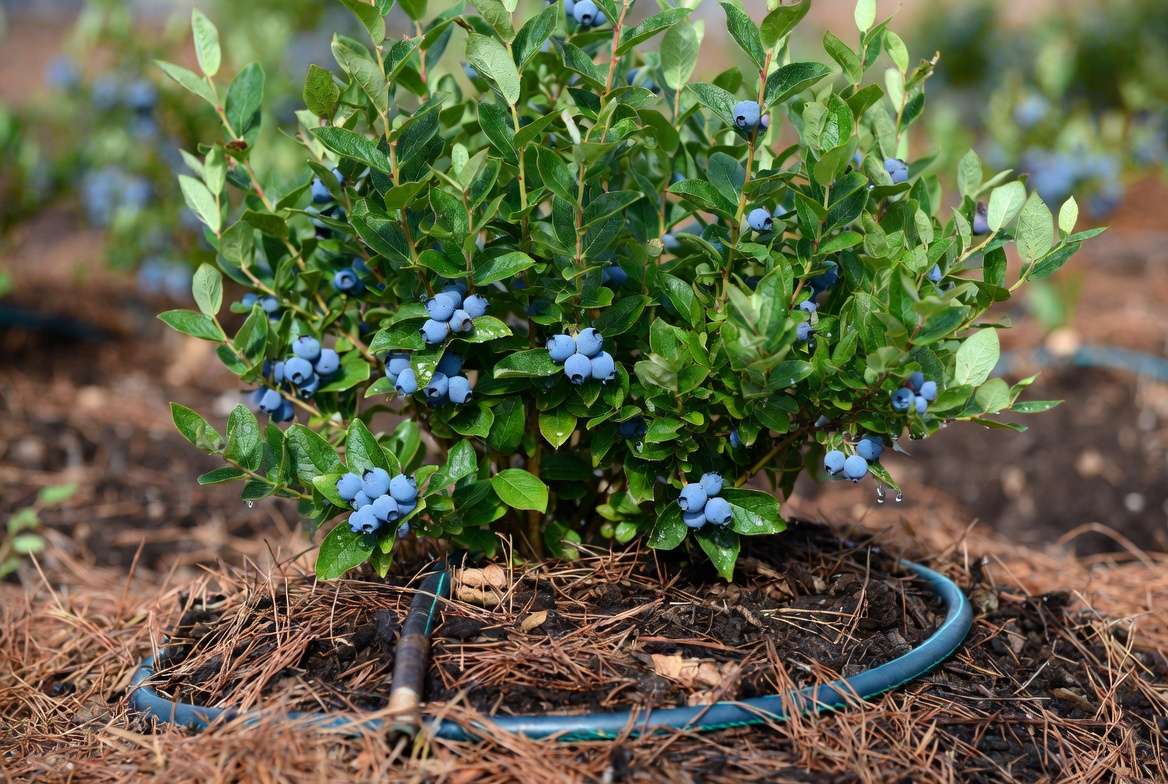
- Use drip irrigation or soaker hoses when possible — this delivers water directly to the root zone and keeps foliage dry.
Signs of watering problems and solutions:
- Wilting or yellowing leaves: Usually underwatering — increase frequency.
- Brown leaf margins or leaf drop: Could indicate overwatering or poor drainage — improve soil aeration and reduce frequency.
- Check soil moisture by inserting your finger 2–3 inches deep. If it feels dry, it’s time to water.
The Magic of Mulching Mulch is non-negotiable for successful blueberry growing. Apply a 3–4 inch layer of acidic organic mulch around the base of each plant, keeping it a few inches away from the stems to prevent rot.
Best mulching materials for Patriot blueberry plants:
- Pine needles (straw) — excellent for maintaining acidity
- Pine bark fines or shredded bark
- Aged wood chips (avoid fresh ones that can tie up nitrogen)
- Coconut coir or peat moss blends
Mulch does triple duty: conserves soil moisture, suppresses weeds, keeps roots cool, and slowly acidifies the soil as it breaks down. Replenish mulch annually in spring for best results. 🌲
Fertilizing Patriot Blueberries for Maximum Yields 🌿
Blueberries are light feeders but respond dramatically to the right nutrition program. Over-fertilizing is a common mistake that burns roots and reduces fruit quality.
Understanding Nutrient Needs: Patriot blueberry plants thrive on acidic, slow-release fertilizers formulated for azaleas, rhododendrons, or blueberries. Look for products with higher nitrogen in the early season and balanced formulas later.
Recommended Fertilizing Schedule:
- Year 1: Wait 6–8 weeks after planting, then apply a light dose of organic cottonseed meal or commercial acidic fertilizer.
- Established plants: Fertilize twice per year — once in early spring as buds swell, and a lighter application after harvest.
- Typical rate: 1 ounce of nitrogen per bush per year, split into applications. For example, use ½ cup of 10-10-10 acidic fertilizer for a mature plant.
Organic Fertilizer Options:
- Blood meal or fish emulsion for nitrogen
- Composted pine bark or coffee grounds (in moderation)
- Kelp meal for trace minerals and stress resistance
- Homemade compost tea made from acidic materials
Important Warnings: Never use lime, wood ash, or manure near blueberries — these raise soil pH and can kill the plants. Always water deeply after fertilizing to move nutrients into the root zone. Monitor leaf color: healthy Patriot leaves are deep green; yellowing between veins often signals iron deficiency due to rising pH — correct with chelated iron or soil sulfur.
Pruning Techniques for Bigger, Sweeter Berries ✂️
Proper pruning is the secret weapon that turns good Patriot blueberry plants into great ones. Pruning increases air circulation, improves sunlight penetration, encourages larger fruit, and prevents the bushes from becoming overgrown and less productive.
Why Prune?
- Removes old, unproductive wood that produces small berries
- Stimulates new vigorous growth that bears the best fruit
- Controls plant size and shape for easier harvesting
- Reduces disease pressure
When to Prune:
- Late winter to very early spring while plants are dormant (February–March in most northern zones)
- Avoid pruning in fall as it can stimulate tender growth vulnerable to winter damage
Step-by-Step Pruning Guide:
- First 2–3 years: Remove any flowers or fruit the first year to direct energy to root and branch development. Focus on removing weak, damaged, or crossing branches.
- Mature bushes (4+ years): Remove about 20–25% of the oldest wood each year. Target canes that are more than 5–6 years old, as they become less productive.
- Cut oldest canes all the way to the ground. Keep 6–12 strong, upright canes of varying ages.
- Thin out small, spindly twigs and any branches growing inward or too low to the ground.
- Shape the bush into an open vase form for maximum light and air.
Rejuvenation Pruning for Old Plants: If your Patriot blueberry bush has become tall, leggy, and low-yielding, you can cut the entire plant back to 6–12 inches above ground in late winter. It will regrow vigorously and return to full production within 2–3 years.
Pro Expert Tip: Disinfect your pruning shears with alcohol between cuts if you notice any signs of disease. This simple step prevents spreading problems throughout your blueberry patch. ✂️
Pollination, Flowering, and Fruit Development 🌸
Patriot blueberry plants produce beautiful white-to-pinkish bell-shaped flowers in mid to late spring. While they are considered self-fertile, planting at least two different highbush varieties nearby significantly increases berry size and overall yield through better cross-pollination.
Recommended companions for Patriot:
- Blueray
- Northland
- Bluecrop
- Jersey
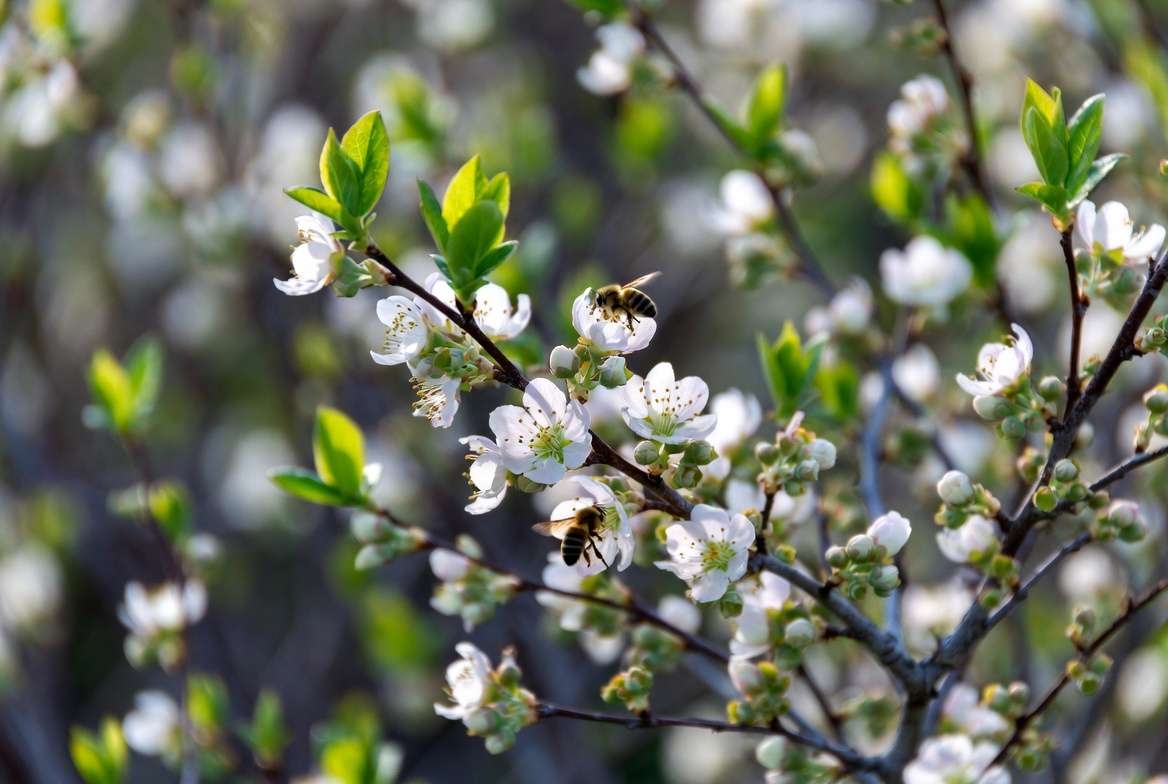
Bees are the primary pollinators. Encourage them by avoiding pesticides during bloom and planting bee-friendly flowers nearby.
Frost Protection: Late spring frosts can destroy flower buds. Protect plants with row covers or sprinklers during frost warnings. Patriot’s early blooming nature makes this especially important in northern gardens.
Fruit development typically takes 45–60 days after pollination. Berries start green, turn pink, then deep blue with a powdery “bloom” when fully ripe.
Managing Pests, Diseases, and Common Problems 🛡️
Even the toughest Patriot blueberry plants can face challenges. Early detection and prevention are key to keeping your bushes healthy and productive.
Common Pests:
- Birds: The biggest threat during harvest. Use bird netting or floating row covers as berries begin to ripen. Reflective tape or fake predators can also help.
- Aphids and Spider Mites: These suck sap from new growth. Blast them off with strong water sprays or use insecticidal soap. Ladybugs are excellent natural predators.
- Blueberry Maggot: Small worms inside berries. Use sticky traps and harvest promptly.
- Japanese Beetles: Hand-pick or use organic neem oil sprays.
Common Diseases:
- Mummy Berry: Fungal disease causing mummified fruit. Remove infected berries and debris; apply organic fungicides in early spring.
- Leaf Spot and Anthracnose: Appear as spots on leaves. Improve air circulation through pruning and avoid overhead watering.
- Root Rot: Caused by poor drainage. Prevent by planting in well-draining acidic soil and raised beds.
Troubleshooting Guide:
- Yellow leaves with green veins: Iron deficiency from high pH — apply chelated iron and sulfur.
- Red leaves in summer: Normal in fall, but early red color may indicate drought or nutrient stress.
- No fruit: Young plant, lack of pollination, late frost damage, or insufficient sunlight.
- Small berries: Needs more water, better fertilization, or heavier pruning.
Using integrated pest management (IPM) keeps your garden organic and safe for beneficial insects. Regular inspection every 7–10 days during the growing season makes a huge difference. 🌿
Seasonal Care Calendar for Patriot Blueberries 📅
Spring (March–May):
- Prune while dormant.
- Apply first fertilizer as buds swell.
- Mulch refresh.
- Monitor for frost and protect blooms.
- Plant new bushes.
Summer (June–August):
- Consistent deep watering, especially during fruit swell.
- Harvest ripe berries every few days.
- Watch for pests and diseases.
- Light second fertilizer application after harvest.
Fall (September–November):
- Enjoy spectacular red-orange foliage.
- Reduce watering as plants go dormant.
- Final mulch layer for winter protection.
- Soil test if needed.
Winter (December–February):
- Minimal care in Zones 3–7. Patriot’s excellent cold hardiness handles temperatures down to -20°F (-29°C).
- In very cold areas, wrap young plants or use burlap for wind protection.
- Plan next season’s improvements.
Following this calendar ensures your Patriot blueberry plants stay vigorous for decades.
Harvesting and Enjoying Your Berries 🍇
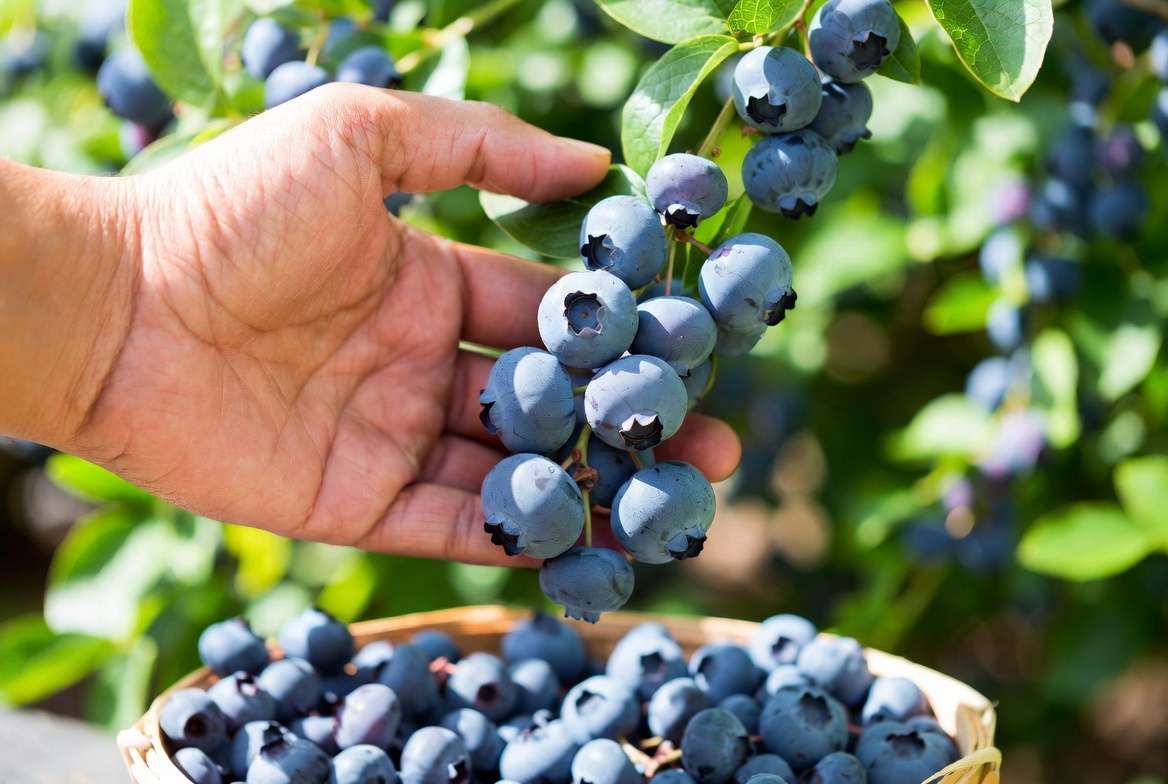
Patriot berries typically ripen in early to mid-summer. Wait until berries are fully blue with a light powdery bloom and taste sweet — they don’t continue ripening after picking.
Harvesting Tips:
- Gently roll berries between thumb and forefinger — ripe ones release easily.
- Pick every 2–3 days to prevent overripe fruit.
- Harvest in the morning when berries are firmest.
- Expect 1–2 pints per bush in year 3, scaling up to 10–20 pounds on mature plants.
Post-Harvest:
- Refrigerate unwashed berries up to 10 days.
- Freeze on trays then transfer to bags for up to a year.
- Delicious recipe ideas: Fresh in smoothies, blueberry muffins, homemade jam, or pies. They’re packed with antioxidants and vitamin C!
Growing Patriot Blueberries in Containers (For Small Spaces) 🪣
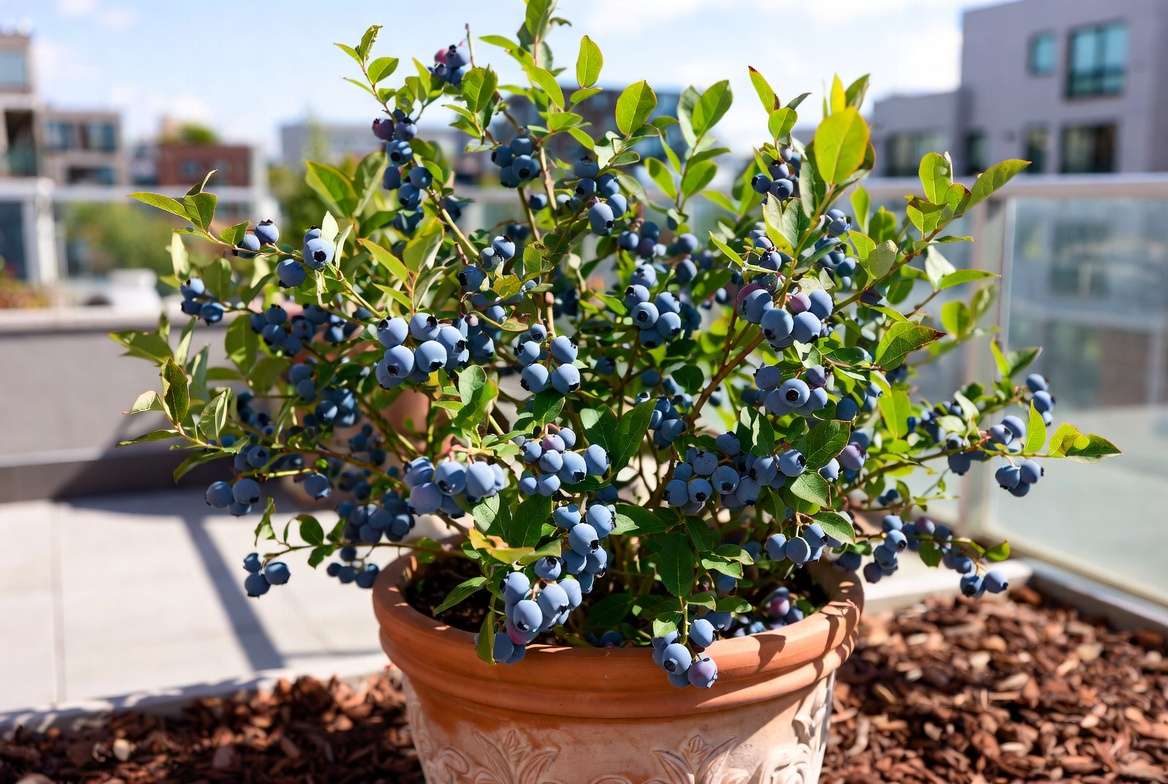
Don’t have garden space? Patriot blueberry plants adapt beautifully to containers!
Container Requirements:
- Minimum 20–25 gallon pots (larger is better).
- Use high-quality acidic potting mix (50% peat moss + 50% pine bark).
- Ensure excellent drainage holes.
Special Container Care:
- Water more frequently — containers dry out faster.
- Fertilize lightly every 4–6 weeks during growing season.
- Repot every 3–4 years or refresh topsoil.
- Overwinter by moving pots to a sheltered spot or insulating with bubble wrap.
Container-grown Patriot bushes still deliver impressive yields and make gorgeous patio accents with their seasonal color changes.
Advanced Tips and Expert Insights for Exceptional Results 🚀
- Long-term pH management: Test soil every 1–2 years and maintain 4.5–5.5.
- Flavor enhancement: Consistent moisture + balanced potassium produces sweeter berries.
- Propagation: Take softwood cuttings in late spring or layer low branches.
- Edible landscaping: Combine with strawberries, herbs, and evergreens for a beautiful, functional garden.
- Sustainability: Use rainwater, compost teas, and cover crops between bushes.
With proper care, Patriot blueberry plants can produce reliably for 30+ years. They’re a fantastic investment in both beauty and homegrown food.
Frequently Asked Questions (FAQs) ❓
How long until Patriot blueberry plants produce fruit? Expect light crops in year 2–3, with full production by year 4–5.
Can Patriot blueberries grow in clay soil? Only with major amendments or raised beds. They prefer well-draining acidic conditions.
Why are my Patriot leaves turning red in summer? Early red foliage often signals stress — check watering and soil pH first.
Do I need two Patriot bushes for pollination? They are self-fertile but produce larger berries with a different variety nearby.
Are Patriot blueberries good for freezing? Yes! They hold texture and flavor exceptionally well when frozen.
How big do Patriot blueberry plants get? Typically 4–6 feet tall and wide at maturity.
Conclusion: Start Your Blueberry Journey Today! 🎉
Growing Patriot blueberry plants is one of the most rewarding experiences for home gardeners. With their cold hardiness, large sweet berries, and beautiful seasonal interest, they truly deserve a spot in your yard or patio. By following this complete guide — focusing on acidic soil, consistent care, proper pruning, and smart pest management — you’ll enjoy abundant harvests of delicious homegrown blueberries for years to come.
Ready to plant? Head to a reputable nursery and bring home your own Patriot blueberry plants this season. Share your success stories or questions in the comments below! For more expert plant care guides, explore our articles on acid-loving plants, container gardening, and seasonal pruning.
Happy gardening! 🫐🌱











