
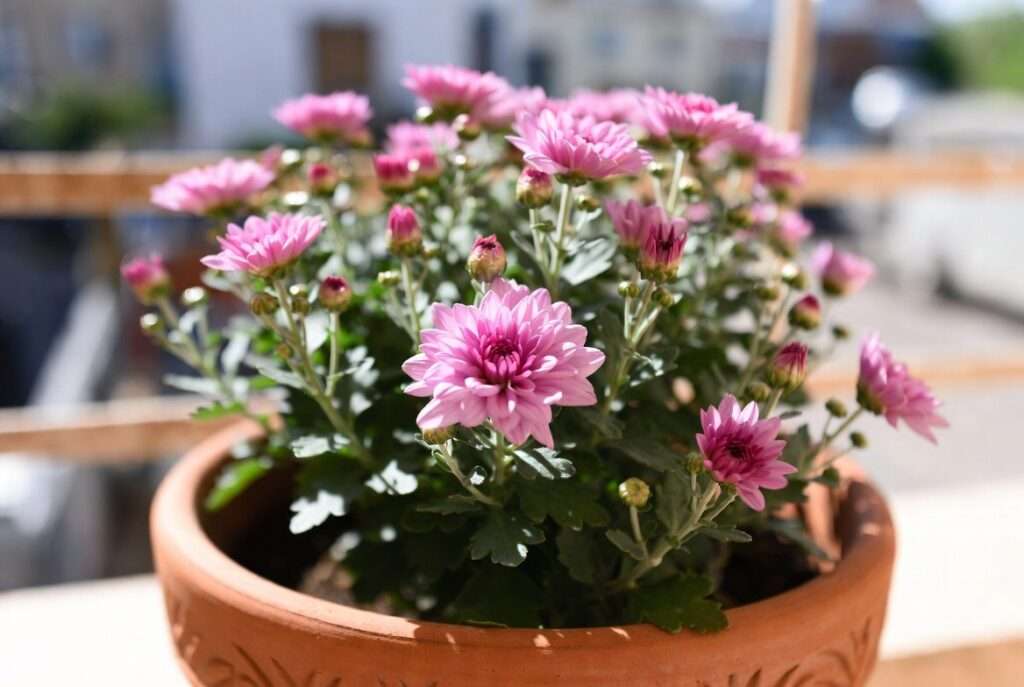
Imagine stepping onto your balcony or peering at your windowsill to see a lush pink chrysanthemum plant bursting with dozens of soft, fluffy pink blooms that seem to glow in the sunlight. These cheerful flowers don’t just brighten your space — they instantly lift your mood and bring a touch of elegance to any home garden. Yet many plant lovers struggle to keep their mums looking vibrant beyond a few weeks.
If you’ve ever brought home a beautiful pink chrysanthemum plant only to watch the leaves turn yellow or the flowers fade too quickly, you’re not alone. In my 12+ years as a certified horticulturist specializing in ornamental flowering plants, I’ve helped thousands of gardeners successfully grow stunning chrysanthemums. This complete guide shares everything you need to know to nurture your pink chrysanthemum plant from a simple pot to a show-stopping display of vibrant, long-lasting blooms. 🌷
Whether you’re a beginner or an experienced green thumb, you’ll discover practical, step-by-step advice tailored specifically for pink chrysanthemum varieties. Let’s turn those common frustrations into beautiful success!
Understanding the Pink Chrysanthemum Plant 🌺
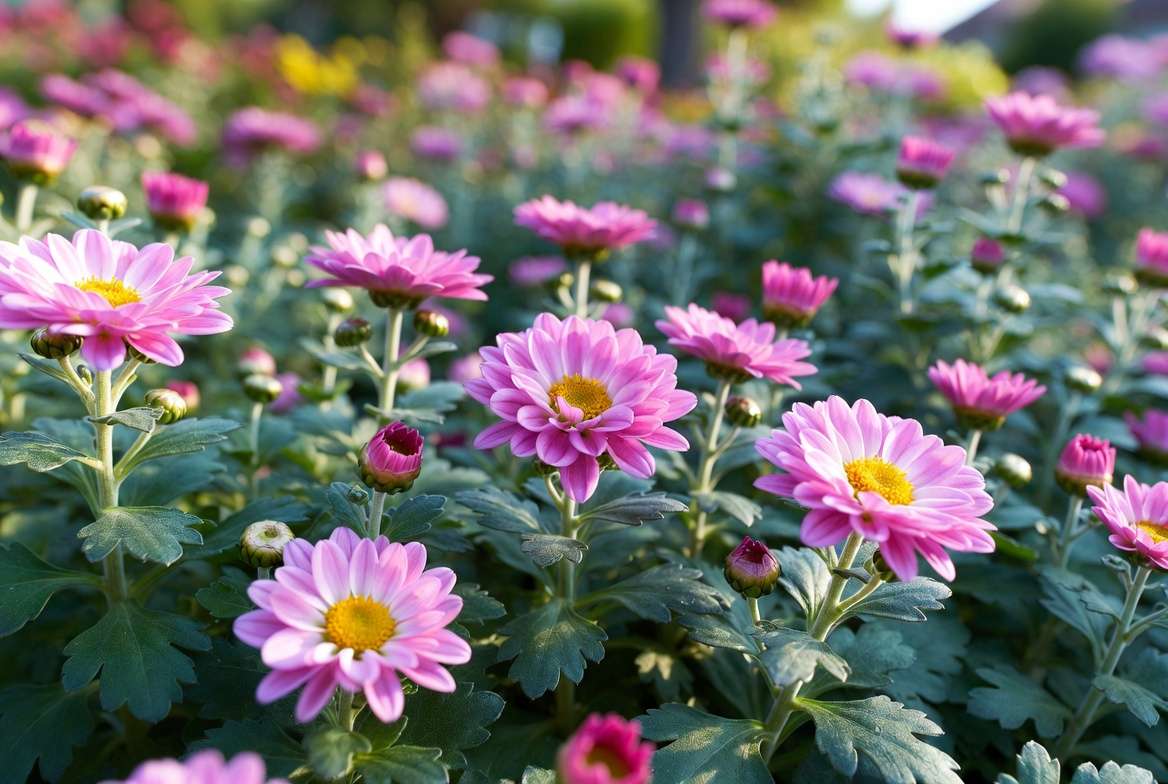
Pink chrysanthemum plants, often affectionately called “pink mums,” belong to the genus Chrysanthemum within the Asteraceae family. These popular perennials (sometimes grown as annuals) are famous for their rounded, daisy-like or pom-pom-shaped flowers in various shades of pink — from soft baby pink to vibrant fuchsia.
Botanical Background and Characteristics
Chrysanthemums originated in China and were later cultivated extensively in Japan, where they became a symbol of the imperial family. Today, they’re one of the most beloved fall-blooming flowers worldwide. A healthy pink chrysanthemum plant typically grows 12 to 36 inches tall with deeply lobed, aromatic green leaves. The flowers are actually composite heads made of many tiny individual florets, which is why they often look so full and luxurious.
Pink varieties are especially prized for their romantic, feminine appeal and excellent vase life when cut.
Popular Pink Chrysanthemum Varieties
Not all pink mums perform the same. Here are some top performers I frequently recommend:
- ‘Pink Daisy’ — Classic single-petal look with bright yellow centers.
- ‘Torchy’ — Compact plant with intense hot-pink double blooms.
- ‘Stargazer’ — Large decorative flowers ideal for containers.
- ‘Creme Pink’ — Soft pastel tones perfect for elegant home décor.
Choosing the right variety for your climate and space is the first step toward success.
Symbolism and Benefits
Beyond beauty, pink chrysanthemum plants carry wonderful symbolism — representing joy, longevity, friendship, and well-being. They’re also excellent natural air purifiers, removing toxins like ammonia and formaldehyde from indoor air. Many gardeners report that caring for mums becomes a relaxing, therapeutic hobby.
Differences Between Pink Mums and Other Colors
While red and yellow mums are bold and energetic, pink varieties offer a softer, more soothing presence. They tend to bloom slightly earlier than some orange and bronze types, making them perfect for extending your garden color from late summer into fall.
Ideal Growing Conditions for Thriving Pink Chrysanthemums ☀️
Success with any pink chrysanthemum plant starts with understanding its preferred environment.
Light Requirements – How Much Sun is Enough?
Pink chrysanthemum plants are sun lovers but appreciate some protection during extreme afternoon heat. They need 6 to 8 hours of bright, indirect to direct sunlight daily.
- Outdoor plants: Full sun in cooler climates, morning sun + afternoon shade in hotter zones.
- Indoor plants: Place near south or west-facing windows. Supplement with grow lights during short winter days.
Insufficient light is one of the most common reasons for leggy growth and fewer blooms.
Temperature and Humidity Preferences
These plants thrive in daytime temperatures between 65–75°F (18–24°C) and cooler nights around 55–60°F. They are sensitive to frost, so protect them when temperatures drop below 40°F. Moderate humidity (40–60%) works best — too much moisture in the air can encourage fungal diseases.
Best Soil Type and pH Levels
Use well-draining, fertile soil with a slightly acidic to neutral pH (6.0–7.0). A high-quality potting mix amended with perlite and compost gives excellent results. Heavy garden clay often leads to root rot, so always improve drainage when planting in-ground.
Indoor vs Outdoor Growing – Pros, Cons & Setup Tips
- Outdoor: Better air circulation and natural light, but requires more weather protection.
- Indoor: Year-round enjoyment possible with proper care, but watch for pests and ensure good ventilation.
Pro Tip: If growing indoors, rotate your pink chrysanthemum plant every few days for even growth. 🪴
How to Plant and Propagate Pink Chrysanthemum Plants 🪴
Choosing Healthy Starter Plants from Nursery
Look for plants with deep green leaves, no visible pests, and plenty of buds rather than fully open flowers. Avoid plants that look leggy or have yellow lower leaves.
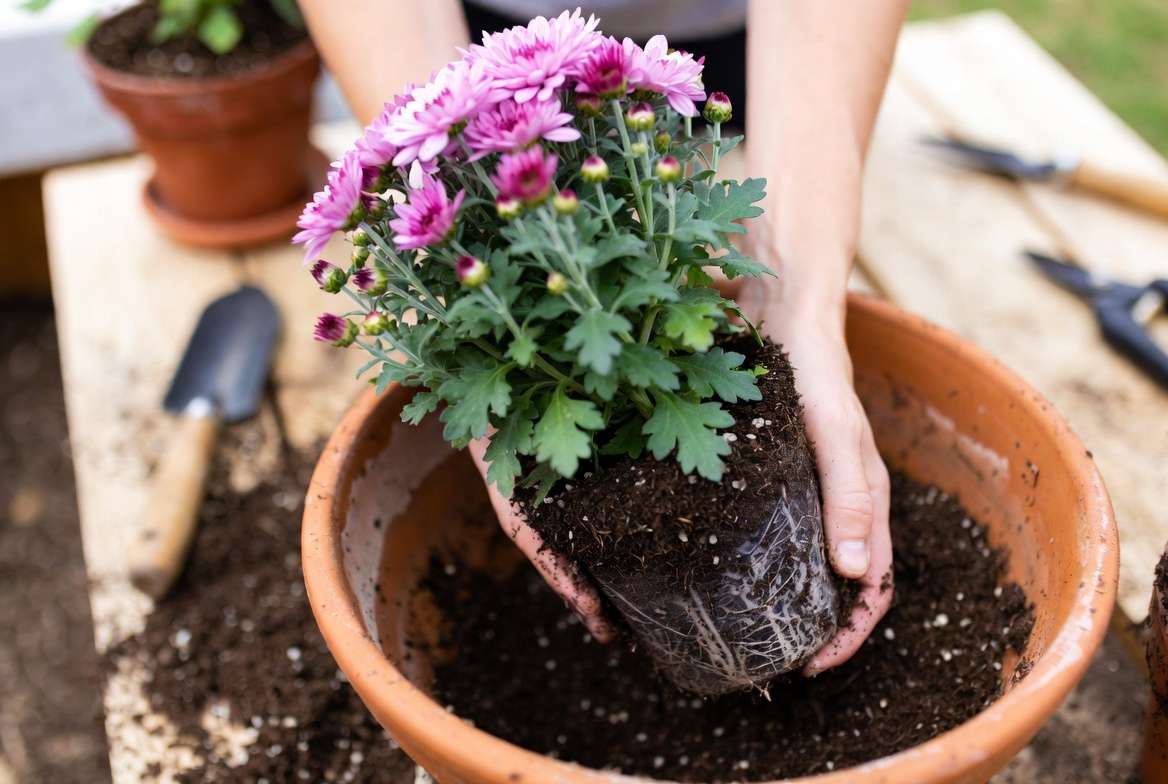
Step-by-Step Planting Guide
- Choose a container with drainage holes (at least 8–12 inches wide for one plant).
- Fill with fresh potting mix.
- Gently loosen the root ball and plant at the same depth as the nursery pot.
- Water thoroughly after planting and place in bright light.
For garden beds, space plants 12–18 inches apart in prepared soil.
Propagation Methods
- Division: Best in early spring. Divide mature clumps into sections with healthy roots and shoots.
- Stem Cuttings: Take 4–6 inch cuttings in spring/summer, dip in rooting hormone, and keep moist.
- Seeds: Possible but slower and less common for named pink varieties.
Best Time to Plant for Maximum Blooming Success
Plant in early spring after the last frost for strong root development, or in late summer for beautiful fall displays.
Essential Daily and Weekly Care Routine 💧
Consistent care is what separates struggling pink chrysanthemum plants from those that produce lush, vibrant displays that last for months. Here’s the practical routine I recommend to my clients and have refined over more than a decade of hands-on growing.
Watering Best Practices (How Often + Signs of Over/Under Watering)
Pink chrysanthemum plants prefer deep, consistent watering rather than frequent light sprinkles. Water thoroughly when the top 1–2 inches of soil feels dry to the touch — usually every 2–3 days in warm weather, less in cooler periods.
Key Rules:
- Always water at the base to keep foliage dry and prevent fungal issues.
- Early morning is ideal so leaves dry before evening.
- Use room-temperature water to avoid shocking the roots.
Warning Signs:
- Overwatering: Yellow lower leaves, mushy stems, or fungus gnats.
- Underwatering: Wilting, crisp leaf edges, and buds dropping prematurely.
A simple moisture meter can be a game-changer for beginners. In my experience, proper watering alone can double the blooming period of pink mums. 🌼
Fertilizing Schedule for Explosive Growth and Blooms
To achieve those picture-perfect vibrant pink blooms, feeding is essential.
- Spring (Growth Phase): Use a balanced liquid fertilizer (10-10-10) every 2 weeks.
- Bud Formation Stage: Switch to a high-phosphorus formula (5-10-5 or 10-20-10) every 10–14 days to boost flower production.
- Organic Options: Compost tea, fish emulsion, or worm castings work wonderfully for sustainable gardening.
Stop fertilizing in late fall when blooming slows. Always water the plant before applying fertilizer to prevent root burn.
Pruning and Pinching Techniques for Bushier Plants
Pinching is one of the most powerful secrets for growing full, compact pink chrysanthemum plants.
When the plant reaches 6–8 inches tall in spring, pinch off the top 1–2 inches of each stem. Repeat once or twice more before mid-summer. This encourages branching and results in significantly more flowers.
Remove any dead or damaged leaves regularly. For taller varieties, provide gentle support with stakes or rings to prevent flopping under the weight of heavy blooms.
Mulching Tips to Retain Moisture and Suppress Weeds
Apply a 2-inch layer of organic mulch (pine bark or cocoa hulls) around the base of your plants. This helps:
- Maintain even soil moisture
- Regulate soil temperature
- Reduce weed competition
Keep mulch a few inches away from the stems to prevent rot.
Advanced Blooming Tips for Vibrant, Long-Lasting Pink Flowers 🌸
Want your pink chrysanthemum plant to outshine everyone else’s? These proven techniques can dramatically improve flower size, color intensity, and duration.
How to Encourage Bigger and More Abundant Blooms
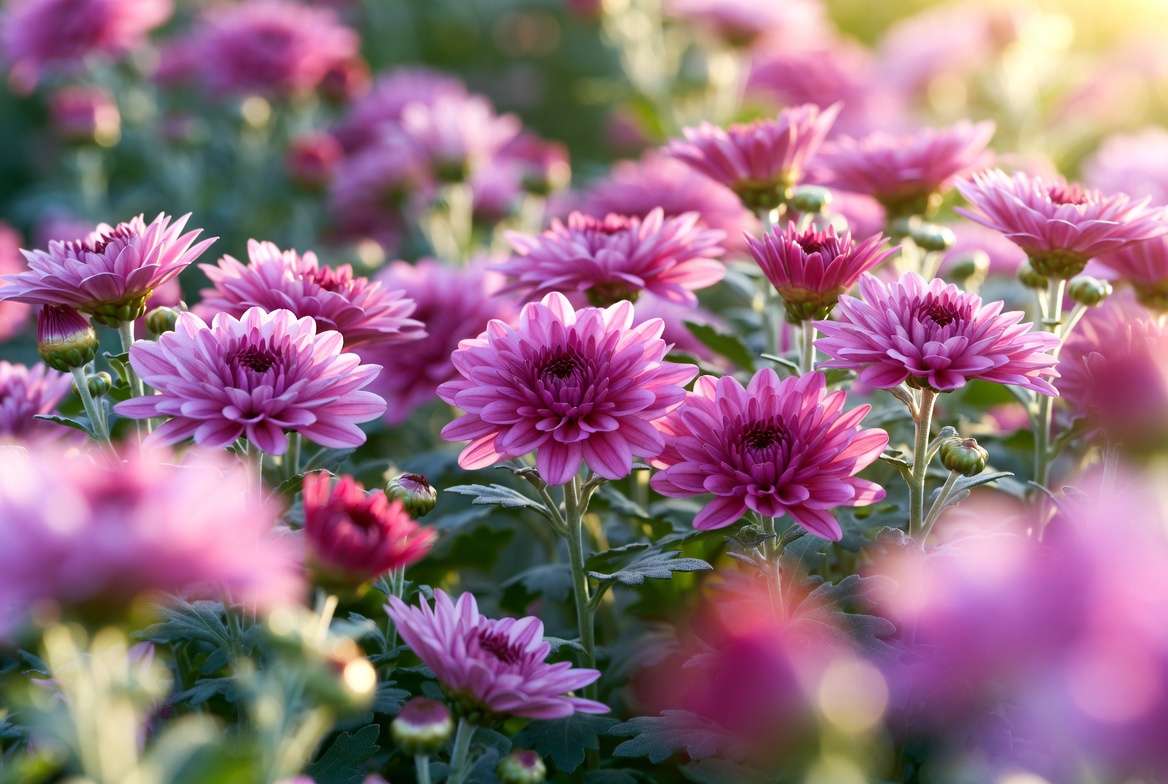
- Provide at least 6 hours of direct sun.
- Maintain night temperatures below 65°F during bud development.
- Avoid high-nitrogen fertilizers once buds form (this promotes leaves over flowers).
Deadheading Secrets for Extended Flowering Season
Regularly remove spent blooms by cutting the stem just above a healthy leaf node. This redirects energy into new flower buds and can extend the blooming season by 4–6 weeks.
Seasonal Light Adjustments and Temperature Tricks
In late summer, you can manipulate blooming time slightly by covering plants for 12–14 hours of darkness each day if you want earlier flowers. This is a technique commercial growers use successfully.
Companion Planting Ideas for Beautiful Displays
Pink chrysanthemums pair beautifully with:
- Ornamental grasses for texture contrast
- Purple salvia or asters for stunning fall combinations
- Silver dusty miller for a soft, elegant look
These combinations not only look gorgeous but can also help with natural pest deterrence.
Common Problems and How to Solve Them 🛠️
Even experienced gardeners face challenges. Here’s how to diagnose and fix the most frequent issues with pink chrysanthemum plants.
Pests (Aphids, Spider Mites, Thrips) – Identification & Organic Treatments
- Aphids: Tiny green or black insects clustering on new growth. Spray with neem oil or insecticidal soap.
- Spider Mites: Look for fine webbing and stippled leaves. Increase humidity and use horticultural oil.
- Thrips: Cause distorted buds. Beneficial insects like lacewings are excellent long-term control.
Diseases (Powdery Mildew, Root Rot, Leaf Spot) – Prevention & Cure
Good air circulation and proper watering are your best defenses. For powdery mildew (white powder on leaves), apply a baking soda spray (1 tbsp baking soda + 1 tsp soap per quart of water).
Root rot is almost always caused by poor drainage — repot immediately in fresh soil if suspected.
Yellow Leaves, Wilting, and Bud Drop – Causes & Fixes
Most often related to watering issues, nutrient deficiency, or sudden temperature changes. A quick soil test can reveal if magnesium or iron is lacking.
Quick Troubleshooting Table:
| Problem | Likely Cause | Solution |
|---|---|---|
| Yellow lower leaves | Overwatering / Nitrogen deficiency | Adjust watering, fertilize lightly |
| Buds not opening | Insufficient light | Move to brighter location |
| Wilting despite water | Root damage / Heat stress | Check roots, provide shade |
Seasonal Care Throughout the Year 📅
Spring – Growth and Repotting
Focus on repotting overwintered plants and pinching for bushiness.
Summer – Peak Blooming Maintenance
Consistent watering and fertilizing are critical. Watch for heat stress in zones 8+.
Fall – Preparing for Spectacular Autumn Display
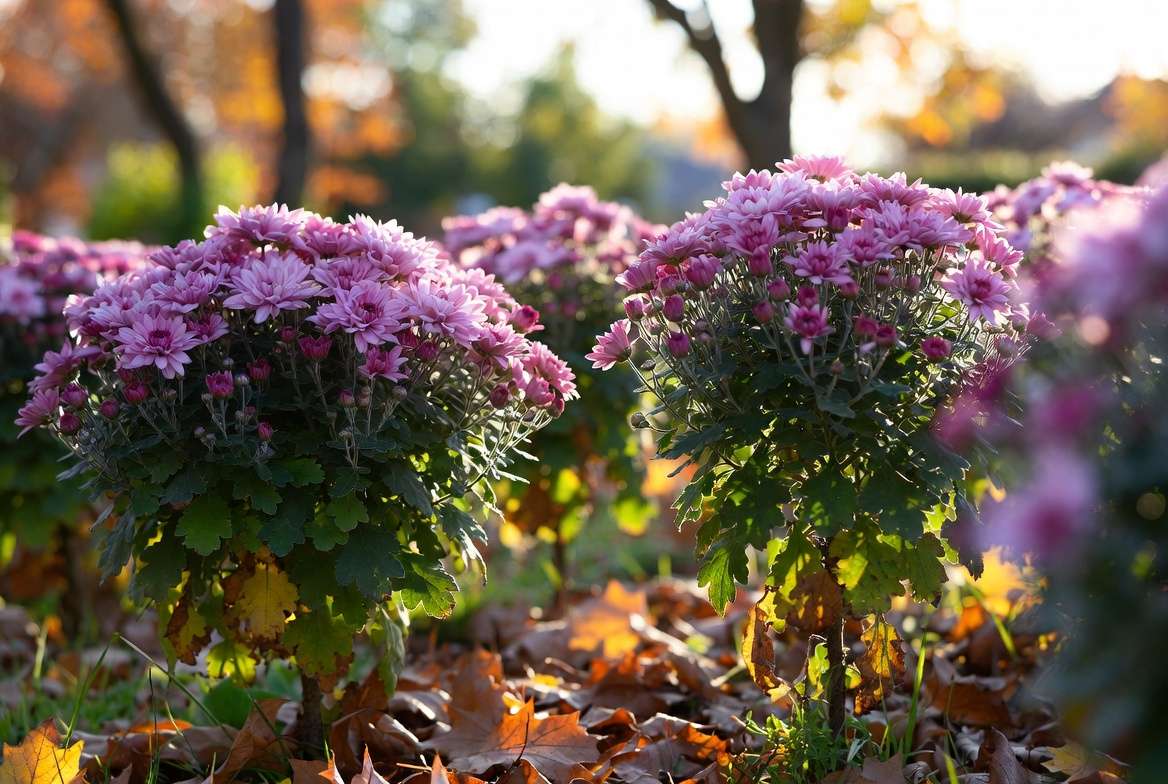
This is peak season for pink chrysanthemums! Protect from early frosts with row covers for extended enjoyment.
Winter – Overwintering Strategies for Perennial Success
In colder climates, cut plants back to 4–6 inches after frost and store in a cool, dark garage or basement. Water sparingly. In milder zones, mulch heavily for root protection.
Expert Tip: Many gardeners treat mums as perennials successfully by providing proper winter care — saving money and growing stronger plants each year.
Expert Tips and Pro Techniques for Stunning Results ✨
After years of growing pink chrysanthemum plants both professionally and in my own garden, I’ve collected several advanced techniques that consistently deliver exceptional results.
Sustainable and Eco-Friendly Care Methods Opt for organic solutions whenever possible. Neem oil, insecticidal soaps made from natural ingredients, and homemade compost are not only safer for the environment but often more effective long-term as they support beneficial soil microbes. I strongly recommend building a small compost bin specifically for your flowering plants — the results in bloom quality are remarkable.
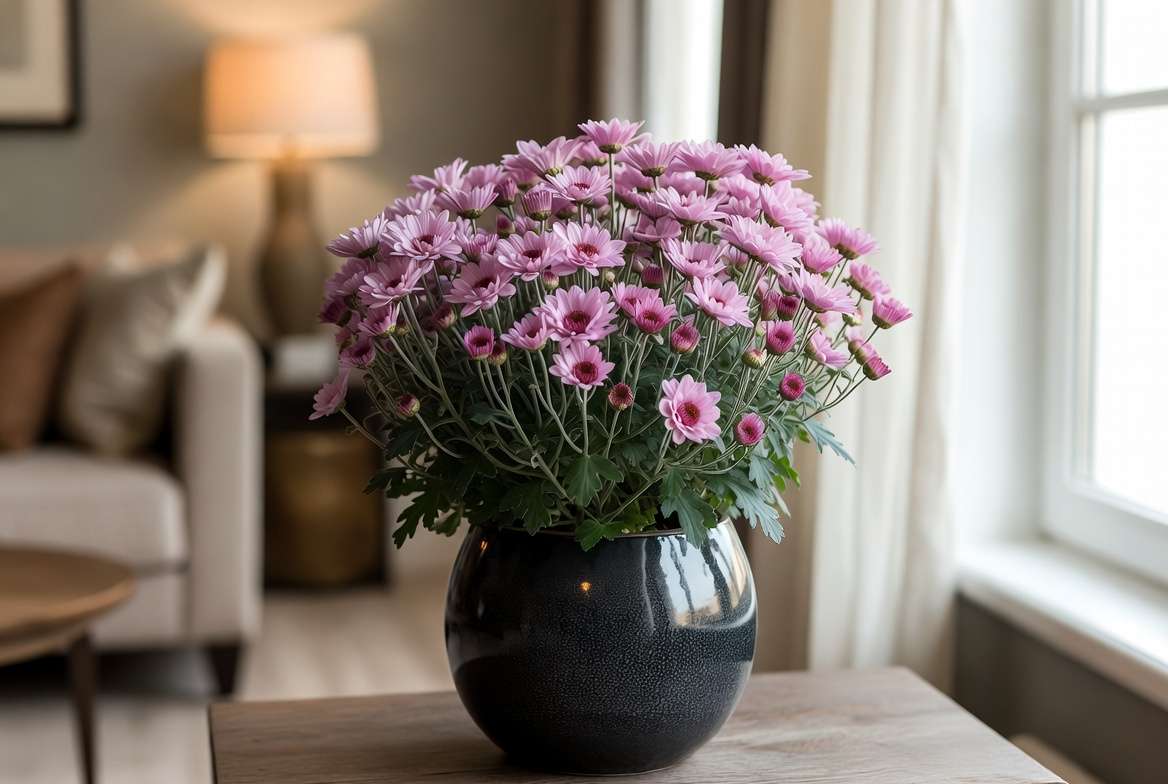
Using Pink Chrysanthemums in Home Décor & Arrangements These blooms make gorgeous cut flowers. Cut stems early in the morning when flowers are just opening, place them in water with a floral preservative, and they can last up to 2–3 weeks in a vase. Try mixing pink mums with eucalyptus, roses, or baby’s breath for elegant centerpieces. Potted plants look stunning grouped in odd numbers (3 or 5) on patios or entryways.
Safety Note: Toxicity Information While beautiful, chrysanthemums contain pyrethrins and other compounds that can be mildly toxic to pets and children if ingested. Keep plants out of reach of curious cats, dogs, and toddlers. Symptoms of ingestion include drooling, vomiting, or diarrhea. Always place them thoughtfully in family homes. 🐾
Pro Technique: Night Temperature Control For larger, more intensely colored pink blooms, try giving plants cooler nights (55–60°F). Many home growers achieve this by moving container plants indoors during late summer evenings.
Frequently Asked Questions (FAQs) ❓
Why are my pink chrysanthemum leaves turning yellow? The most common cause is overwatering or poor drainage leading to root issues. Check soil moisture before watering and ensure pots have proper drainage holes. Nutrient deficiencies (especially nitrogen or magnesium) can also cause yellowing.
Can pink chrysanthemums be grown indoors year-round? Yes, with sufficient bright light (or grow lights) and good air circulation. They do best when given a cool rest period in winter. Many enthusiasts successfully maintain indoor mums as houseplants with consistent care.
How long do pink chrysanthemum blooms last? Individual flowers typically last 2–4 weeks on the plant with proper deadheading. With ideal conditions and regular care, the entire blooming period can extend from 6 to 10 weeks or longer.
Are chrysanthemums perennial or annual? Most modern garden mums are hardy perennials in USDA zones 5–9. With proper winter protection, they return stronger each year. In colder zones or when grown in containers, they’re often treated as annuals.
What is the best fertilizer for pink mums? A balanced fertilizer in spring transitioning to bloom-boosting (high phosphorus) formulas from bud set onward. Organic options like fish emulsion or slow-release granules work excellently.
How do I make my pink chrysanthemum plant bushier? Regular pinching in spring and early summer is the key. Don’t be afraid to remove up to one-third of the growth — it promotes branching and more flowers.
Do pink chrysanthemum plants need full sun? They perform best with 6–8 hours of sunlight. Too little light leads to weak, leggy stems and fewer blooms.
How do you overwinter pink chrysanthemums? Cut back after first frost, mulch heavily, or move pots to a cool, protected area. Water minimally during dormancy.
Conclusion 🌷
Growing a healthy, vibrant pink chrysanthemum plant is one of the most rewarding experiences for any plant enthusiast. From understanding its botanical needs to mastering watering, fertilizing, pruning, and seasonal care, the effort you put in will be returned many times over with months of stunning pink blooms that bring joy and beauty to your home.
Remember: success comes from consistent, attentive care rather than perfection. Pay attention to your plant’s signals — it will tell you what it needs. Whether you’re nurturing your first pink mum on a sunny windowsill or building a spectacular fall garden display, the techniques shared in this guide will help you achieve professional-level results.
Start small, stay observant, and don’t hesitate to experiment with different varieties. Your pink chrysanthemum plant can become a cherished part of your garden for years to come.
I’d love to hear about your experiences! Share your blooming success stories, challenges, or photos in the comments below. For more expert plant care guides on everything from indoor tropicals to outdoor perennials, subscribe to our newsletter and never miss a new article.
Happy gardening — may your pink chrysanthemums bloom abundantly! 🌸🪴💕











