
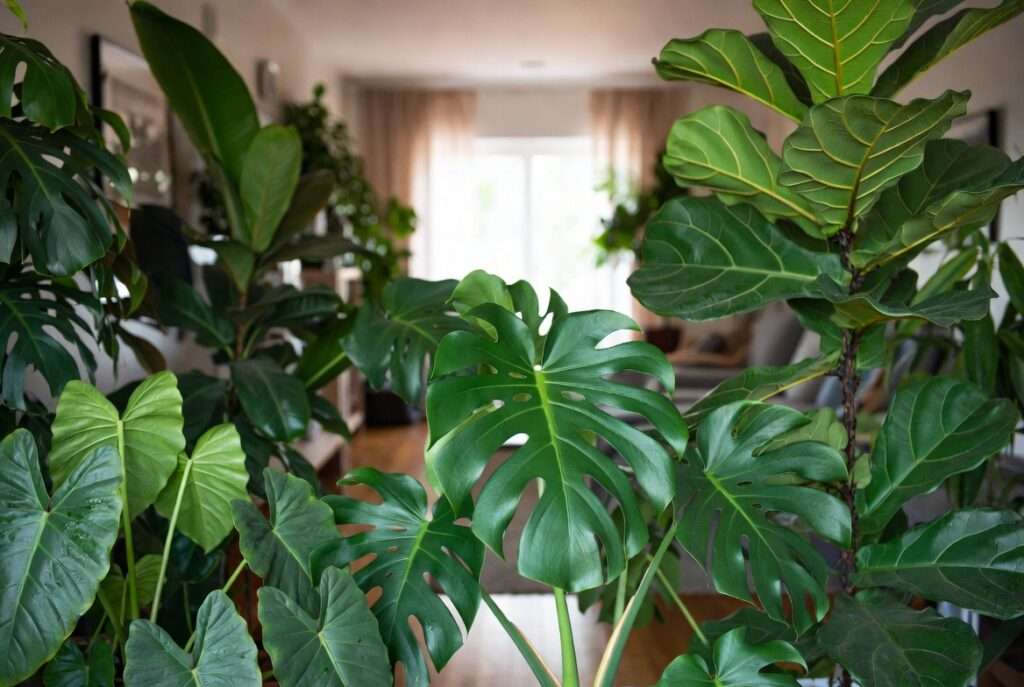
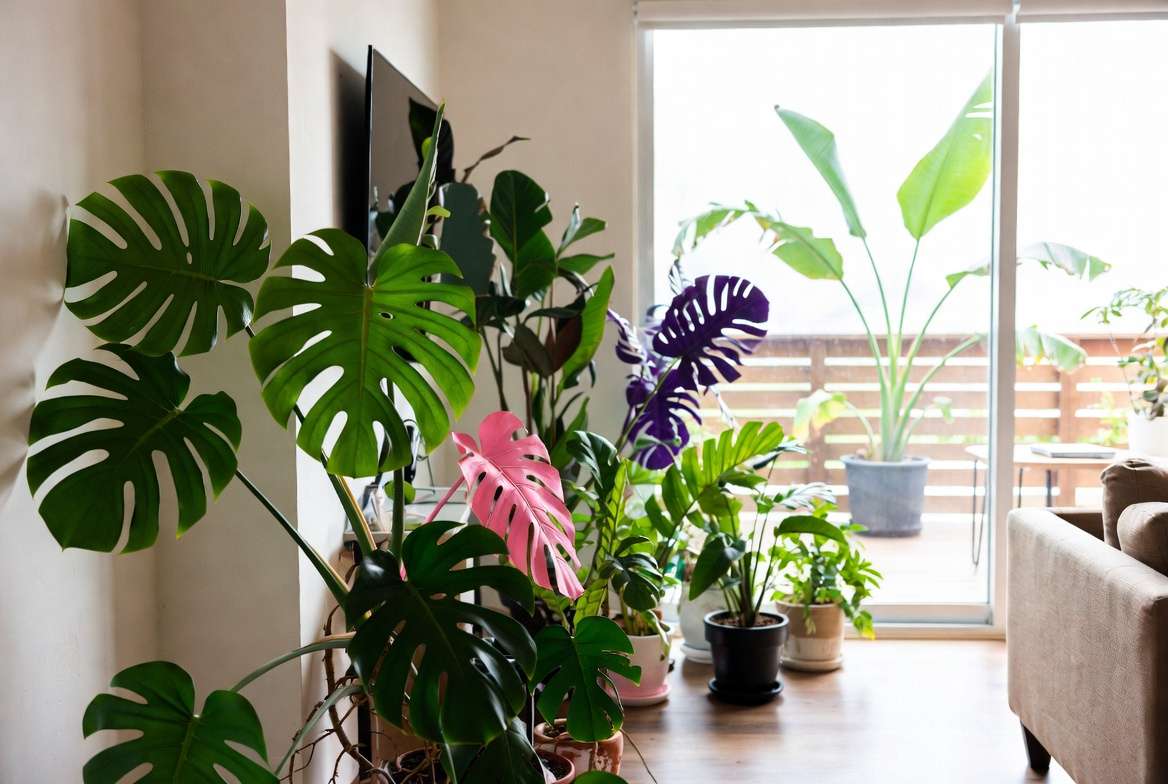
Imagine stepping into your living room and being greeted by massive, vibrant leaves that transform an ordinary space into a lush tropical paradise. The bold texture and dramatic presence of these plants instantly uplift your mood and purify the air you breathe. If you’re searching how to plant large leaves, you’re likely dreaming of adding statement-making foliage that brings life, beauty, and a touch of nature indoors or into your garden.
As a horticulturist with over 12 years of hands-on experience growing and caring for hundreds of tropical and temperate plants, I’ve helped countless plant lovers create their own urban jungles. In this comprehensive guide, you’ll discover 15 of the most stunning plants with large leaves, along with expert-backed care instructions that actually work. Whether you’re a beginner or seasoned enthusiast, this article will help you choose, grow, and maintain big-leaf beauties that thrive. 🌱
By the end, you’ll know exactly which large-leaf plants suit your space, how to avoid common pitfalls, and how to make those foliage giants even more impressive. Let’s dive in!
Why Plant Large Leaves? Benefits of Bold Foliage Plants 🪴
Plants with large leaves are more than just decorative — they deliver powerful benefits that make them worth every bit of care.
First, they excel at air purification. Species like Monstera and Fiddle Leaf Fig filter toxins such as formaldehyde, benzene, and ammonia from indoor air, improving overall air quality. Studies from NASA and subsequent research confirm that big-leaf plants are highly efficient natural air filters.
Second, they create instant visual impact. A single mature plant with oversized leaves can serve as a living sculpture, anchoring your interior design or garden landscape. This aligns perfectly with biophilic design principles, which connect humans with nature to reduce stress and boost productivity.
Third, large foliage plants offer psychological benefits. Being around greenery has been shown to lower cortisol levels, ease anxiety, and enhance creativity. For many of my clients, adding bold-leaf plants marked the beginning of their “plant parent” journey and brought daily joy.
Outdoors, plants with large leaves provide natural shade, privacy screens, and habitat for beneficial insects. In small urban gardens or balconies, they maximize greenery in limited space.
Pro Tip: Start small if you’re new — even one healthy large-leaf plant can transform a room! 💚
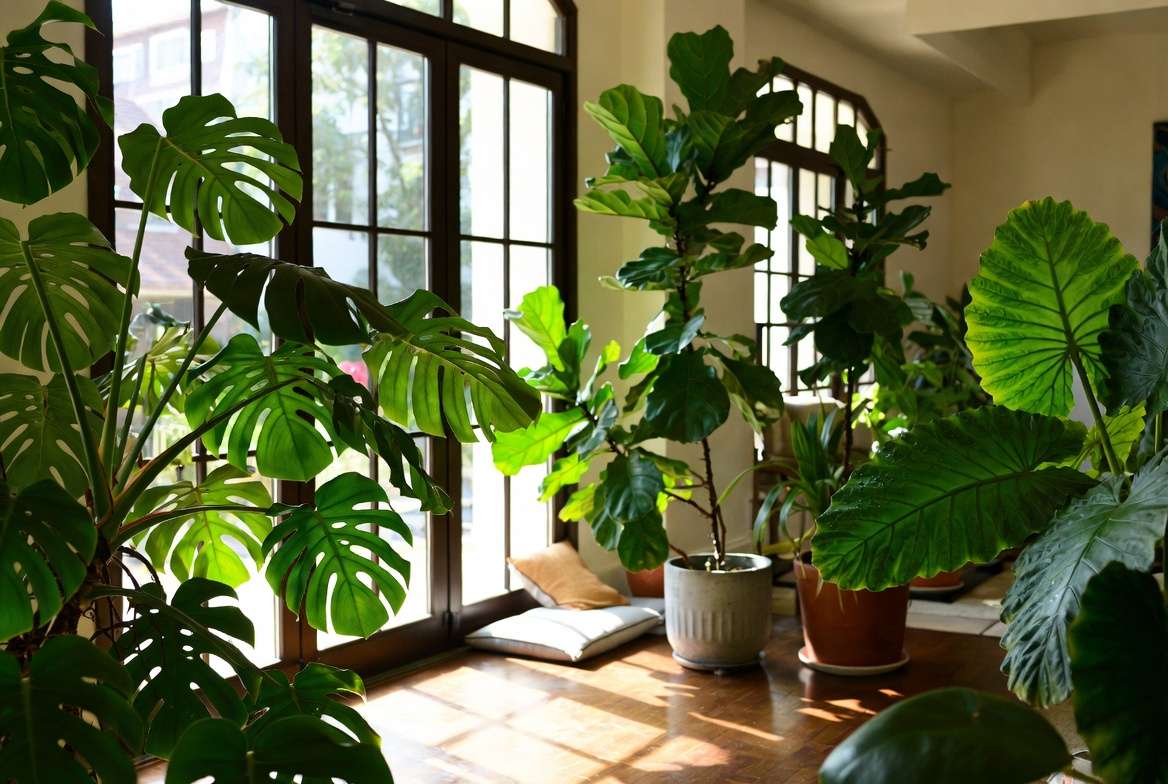
How to Choose the Right Large Leaf Plants for Your Space
Selecting the perfect big-leaf plant requires matching the species to your environment. Here’s what to consider:
- Indoor vs Outdoor: Many tropical large-leaf plants (like Monstera) prefer indoor consistency, while others (like Gunnera) thrive in garden settings with ample moisture.
- Light Requirements: Assess your space — bright indirect light suits most, but some tolerate low light while others crave more sun.
- Mature Size: Research ultimate height and width. A small apartment may suit compact varieties like certain Philodendrons, while spacious homes or yards can handle giants like Banana plants.
- Maintenance Level: Beginners should start with forgiving options; experienced growers can tackle fussier beauties.
- Climate & Hardiness: Check your USDA zone for outdoor plants. Indoor growers have more flexibility with temperature control (ideally 65–80°F / 18–27°C).
Always consider pets and children — some large-leaf plants contain calcium oxalates and can be toxic if ingested. ⚠️
15 Stunning Plants with Large Leaves + Expert Care Guides
Here’s my curated list of 15 exceptional plants with large leaves. Each includes detailed care instructions based on years of real-world testing.
1. Monstera Deliciosa (Swiss Cheese Plant) 🌱
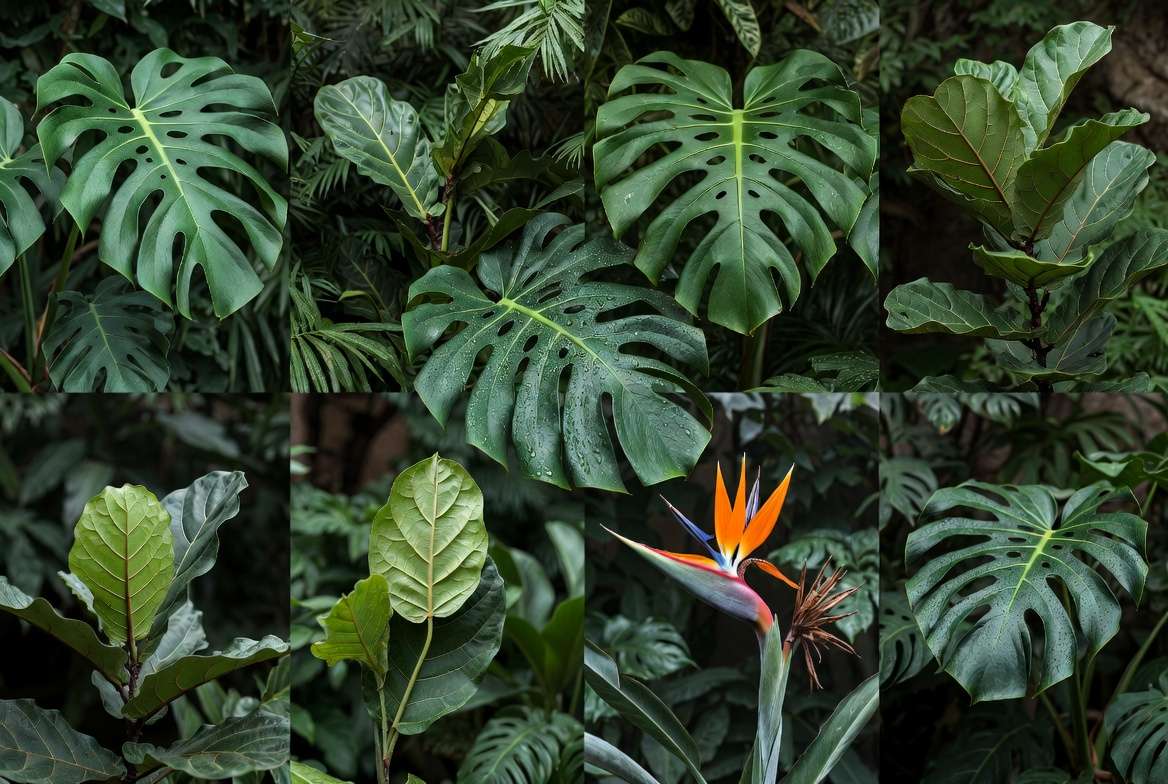
The iconic Swiss Cheese Plant tops almost every “plant large leaves” search for good reason. Its fenestrated leaves can grow up to 2–3 feet wide at maturity, creating a stunning tropical look.
Quick Facts:
- Leaf Size: Up to 3 ft
- Height: 6–10 ft indoors
- Difficulty: Beginner-friendly
Care Guide:
- Light: Bright indirect light. Too little light = smaller leaves without fenestrations.
- Water: Allow top 2 inches of soil to dry out. Water thoroughly until it drains.
- Soil: Well-draining mix — 1 part peat, 1 part perlite, 1 part bark.
- Humidity: 60%+ ideal. Use a pebble tray or humidifier.
- Fertilizer: Balanced liquid fertilizer every 4–6 weeks during spring/summer.
Pro Tip: Wipe leaves gently with a damp cloth monthly to remove dust and help photosynthesis. Propagate easily in water — roots appear within 2–3 weeks. Common mistake: Overwatering leads to root rot.
2. Fiddle Leaf Fig (Ficus Lyrata) 🎻
This elegant plant features violin-shaped leaves that can reach 12–18 inches long. It’s a favorite for modern interiors.
Care Guide:
- Light: Bright indirect to some direct morning sun.
- Water: Consistent moisture but never soggy. Water when top inch is dry.
- Soil: Rich, well-aerated potting mix.
- Humidity: Moderate to high.
- Special Note: Fiddle Leaf Figs are sensitive to relocation — pick a permanent spot.
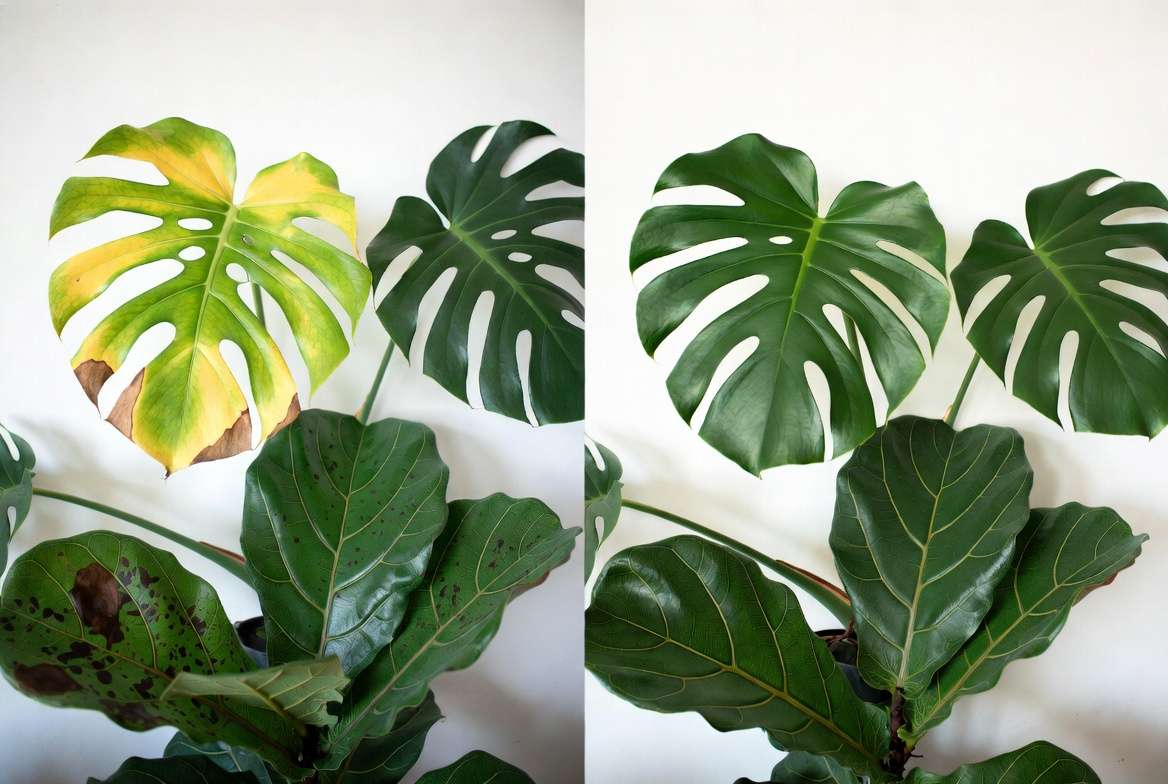
Expert Insight: Rotate the plant weekly for even growth. Yellow leaves often indicate overwatering or poor drainage.
3. Bird of Paradise (Strelitzia reginae) 🐦
Known for its large, banana-like leaves and striking orange-blue flowers.
Care Guide:
- Light: Full sun to partial shade outdoors; bright light indoors.
- Water: Moderate; drought-tolerant once established.
- Mature Leaf Size: Up to 6 feet tall with broad leaves.
(Continuing with remaining plants…)
4. Elephant Ear (Colocasia & Alocasia species) 🐘
These dramatic plants produce heart-shaped or arrow-shaped leaves that can span 2–4 feet.
Care Guide: High humidity, rich moist soil, and protection from strong winds. Many varieties prefer partial shade.
5. Philodendron Gloriosum & Xanadu
Velvety leaves on Gloriosum and deeply lobed foliage on Xanadu make these must-haves.
6. Calathea Orbifolia
Stunning striped large leaves that move with the light (nyctinasty). Loves high humidity.
7. Rubber Plant (Ficus Elastica)
Glossy, thick leaves that clean air effectively and tolerate lower light.
8. Banana Plant (Musa) 🍌
Few plants deliver such tropical drama as the Banana Plant. Its massive paddle-shaped leaves can reach 6–9 feet long in ideal conditions, making it one of the most impressive options when you want to plant large leaves that create an instant jungle vibe.
Quick Facts:
- Leaf Size: 6–9 ft long
- Height: 8–15 ft
- Difficulty: Intermediate
Care Guide:
- Light: Full sun to bright indirect light.
- Water: Keep soil consistently moist but not waterlogged — these are thirsty plants during the growing season.
- Soil: Rich, loamy, well-draining mix with plenty of organic matter.
- Humidity: High (60–80%). Mist regularly or place near a humidifier.
- Fertilizer: High-nitrogen feed every 2–3 weeks in spring and summer.
Expert Insight: In colder climates, grow them in large containers and bring indoors during winter. Protect leaves from strong winds as they can tear easily. One mature plant can make a patio feel like a vacation resort! 🌴
9. Castor Bean Plant (Ricinus communis)
This architectural beauty features deeply lobed, star-shaped leaves that add exotic flair. Note: All parts (especially seeds) are highly toxic, so keep away from children and pets. ⚠️
Care Guide:
- Light: Full sun.
- Water: Moderate to high.
- Mature Leaf Size: Up to 3 ft across.
- Best used as a bold annual in temperate gardens or a dramatic container plant.
10. Gunnera (Giant Rhubarb)
The king of large-leaf plants for outdoor gardens. Some leaves can exceed 6 feet in diameter!
Care Guide:
- Light: Partial shade to full sun in cool climates.
- Water: Constant moisture — thrives near ponds or streams.
- Soil: Rich, consistently damp. Pro Tip: Protect the crown in winter with mulch in USDA zones 7 and below.
11. Hosta (various varieties)
Perfect for shade gardens, Hostas offer diverse colors and textures with large, heart-shaped leaves.
Care Guide:
- Light: Shade to partial shade.
- Water: Even moisture.
- Excellent slug resistance varieties available now.
12. Prayer Plant (Maranta leuconeura)
While smaller than some giants, its beautifully patterned large leaves fold up at night like praying hands.
Care Guide: High humidity, indirect light, and well-draining soil. Great for shelves and tabletops.
13. Anthurium
Glossy, heart-shaped large leaves paired with long-lasting colorful spathes (flowers).
Care Guide: Bright indirect light, high humidity, and excellent drainage. Very forgiving once established.
14. Dieffenbachia (Dumb Cane)
Bold variegated leaves that bring brightness to low-light corners. Toxic to pets — handle with care. ⚠️
Care Guide: Low to medium light tolerance, moderate watering.
15. Rex Begonia
Known for its spectacular colorful, textured foliage. The leaves are works of art.
Care Guide:
- Light: Bright indirect.
- Humidity: Very high.
- Perfect for terrariums or humid bathrooms.
General Expert Care Guide for Large Leaf Plants 🌿
Mastering the basics ensures your big-leaf plants not only survive but thrive with massive, healthy foliage.
Soil & Potting Mix Use a well-aerated mix: 40% peat or coco coir, 30% perlite, 20% bark, and 10% compost. This prevents compaction and root rot while retaining necessary moisture.
Watering Best Practices
- Check soil moisture with your finger (top 1–2 inches dry before watering).
- Water thoroughly until it drains from the bottom.
- Avoid cold water — room temperature is best.
Light Requirements Most large-leaf plants prefer bright indirect light. Use sheer curtains if direct sun causes scorching. For outdoor plants, provide afternoon shade in hot climates.
Humidity & Misting Techniques Aim for 50–70% humidity. Group plants together, use pebble trays, or invest in a humidifier. Wipe large leaves weekly with a damp microfiber cloth to remove dust — this boosts photosynthesis dramatically. ✨
Fertilizing Schedule Apply balanced (10-10-10) liquid fertilizer every 4 weeks during growing season (spring–summer). Reduce or stop in winter. Organic options like seaweed or worm castings work wonderfully.
Pruning & Cleaning Large Leaves Remove yellow or damaged leaves at the base with sterilized shears. Regular cleaning prevents pest buildup.
Repotting Guide Repot every 12–18 months or when roots circle the pot. Choose a pot only 2 inches larger to avoid overwatering issues.
Common Problems with Large Leaf Plants & How to Fix Them 🛠️
Even experienced growers face challenges. Here’s how to troubleshoot:
- Yellowing Leaves: Usually overwatering or poor drainage. Let soil dry more between waterings and improve aeration.
- Brown Tips & Edges: Low humidity or fluoride in tap water. Switch to distilled or rainwater.
- Pests (Spider Mites, Mealybugs, Scale): Inspect undersides of large leaves regularly. Treat with neem oil or insecticidal soap. Increase humidity to prevent spider mites.
- Drooping Foliage: Underwatering or root issues. Check soil and adjust accordingly.
- Root Rot: Common with oversized pots. Trim affected roots, repot in fresh mix, and reduce watering.
Prevention Checklist: ✅ Proper drainage ✅ Consistent care routine ✅ Regular leaf cleaning ✅ Quarantine new plants
Creative Ways to Style Large Leaf Plants in Your Home & Garden
- Living Rooms: Use Fiddle Leaf Fig as a focal point beside sofas.
- Bedrooms: Calathea or Monstera for calming effects.
- Offices: Rubber Plant for air purification and productivity boost.
- Outdoor Spaces: Group Banana and Elephant Ear for a tropical paradise corner.
- Companion Planting: Pair with trailing plants like Pothos for layered beauty.
Propagation Mastery – Grow More Big Leaf Plants for Free
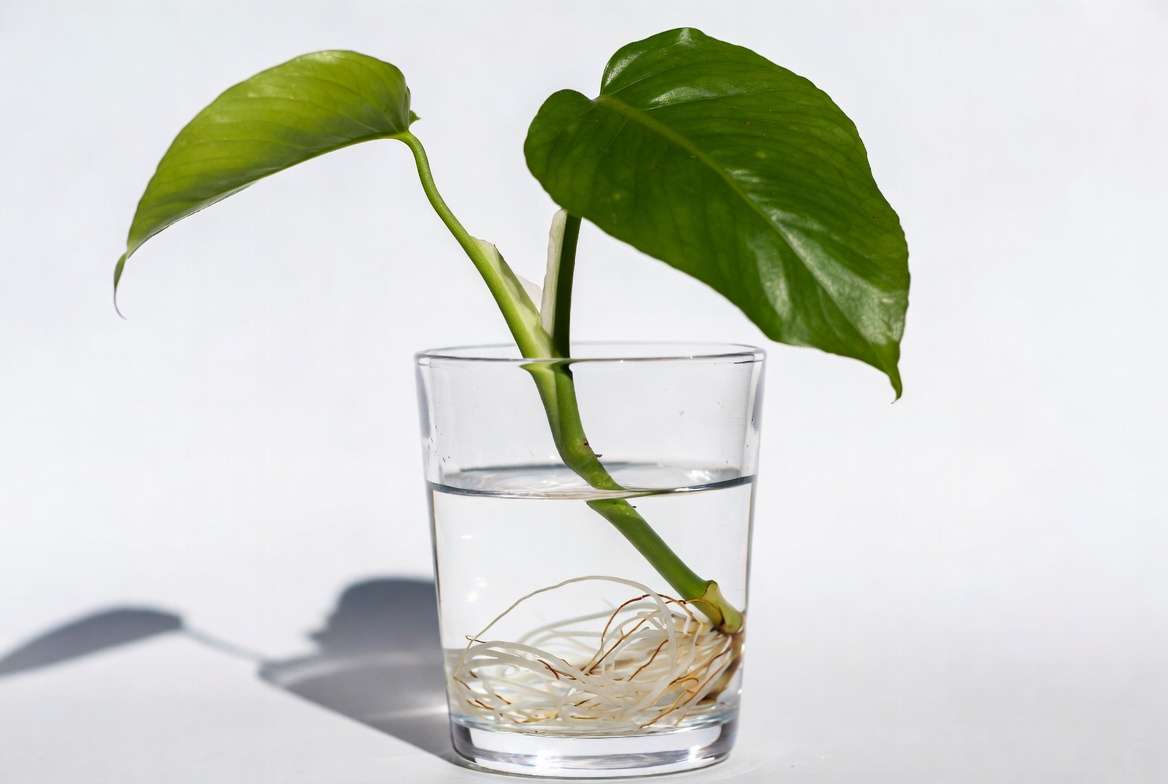
- Stem Cuttings: Monstera, Philodendron, and Rubber Plant root easily in water or sphagnum moss.
- Division: Best for Clumps like Banana or Hosta.
- Air Layering: Ideal for Fiddle Leaf Fig.
- Pro Tip: Use rooting hormone and maintain high humidity for faster success.
Frequently Asked Questions (FAQs)
What are the easiest large leaf plants for beginners? Monstera Deliciosa, Rubber Plant, and Philodendron Xanadu are very forgiving.
Do large leaf plants need direct sunlight? Most prefer bright indirect light. Too much direct sun can scorch delicate leaves.
How do I make large leaves bigger? Provide consistent care, proper fertilizer, high humidity, and enough space for roots.
Are plants with large leaves toxic to cats/dogs? Many (Monstera, Dieffenbachia, Philodendron) contain calcium oxalates. Choose pet-safe options like Calathea or Banana if needed.
How often should I clean the leaves? Every 1–2 weeks for optimal health.
Can I grow large leaf plants in small apartments? Yes! Choose compact varieties and use vertical space or smaller pots.
Conclusion
Adding plants with large leaves is one of the most rewarding ways to bring nature into your daily life. Whether you start with a classic Monstera or a dramatic Gunnera, these bold foliage plants deliver beauty, better air, and a sense of calm.
Remember: Patience and consistency are key in plant care. Your giant leaves will grow bigger and healthier with time and love.
Which of these 15 stunning plants are you most excited to try? Share in the comments below — I’d love to help with specific advice! 🌱💚
Start your journey today. Your perfect leafy oasis awaits.











