
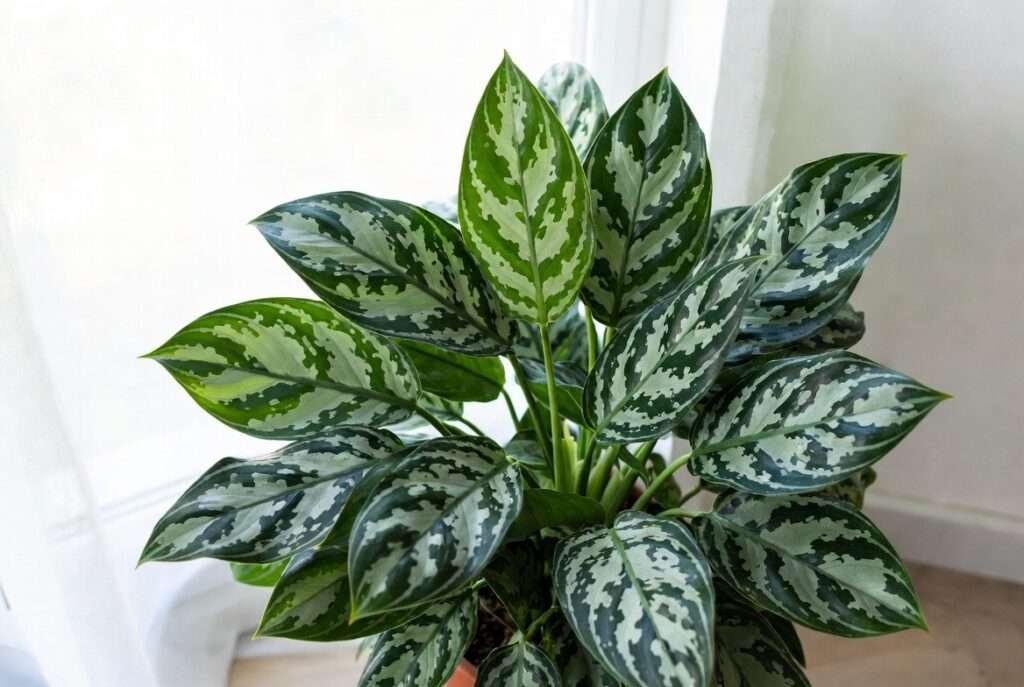
Imagine walking into a room and being greeted by the elegant, shimmering foliage of a Silver Queen plant — its striking silver-green leaves instantly brightening even the dimmest corners. If you’re searching for a low-maintenance, air-purifying houseplant that thrives where others struggle, you’ve found your perfect match. The Silver Queen (Aglaonema commutatum ‘Silver Queen’), also known as Chinese Evergreen, is a beloved indoor favorite for beginners and seasoned plant parents alike.
In this comprehensive guide, I’ll share everything you need to know to grow a lush, vibrant Silver Queen plant. Drawing from years of hands-on experience as a plant care specialist and horticulturist, I’ve helped countless enthusiasts transform struggling specimens into show-stopping centerpieces. Whether you’re battling yellow leaves, unsure about watering, or eager to propagate more plants, this guide solves real problems with practical, proven solutions. Let’s dive in and help your Silver Queen flourish! 🌱
What Is the Silver Queen Plant? Meet Your New Favorite Foliage Friend 🌟
The Silver Queen plant is a stunning cultivar of Aglaonema commutatum, commonly called Chinese Evergreen. Native to the tropical rainforests of Southeast Asia, this member of the Araceae family has been cultivated for decades as a resilient indoor plant.
Visually, it stands out with long, slender, lance-shaped leaves featuring a beautiful marbled pattern of deep green edges and silvery-white centers. Mature plants typically reach 1–3 feet tall and wide, forming a bushy, upright habit that adds lush texture without overwhelming small spaces. Its slow-to-moderate growth rate makes it ideal for busy lifestyles — no constant pruning required!
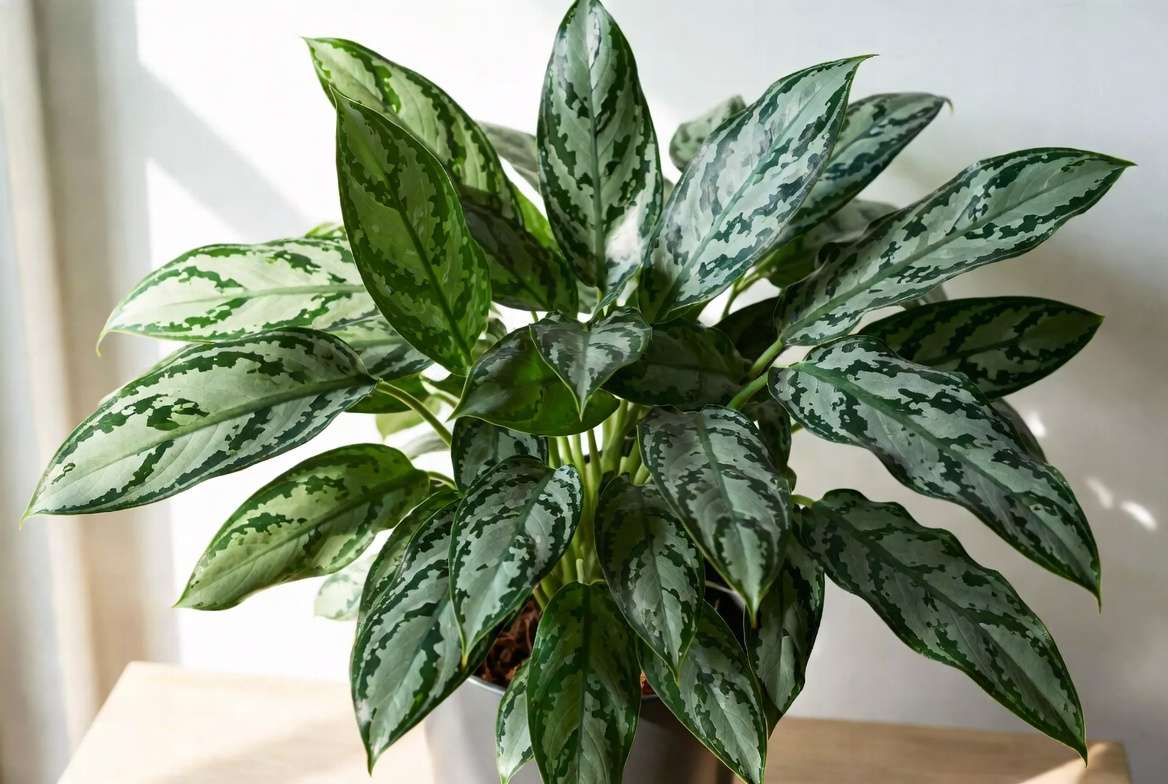
Why plant lovers adore the Silver Queen:
- Exceptional low-light tolerance, perfect for offices, apartments, and north-facing rooms.
- Natural air-purifying qualities (recognized in NASA studies for filtering toxins like benzene and formaldehyde).
- Striking variegation that enhances any interior décor style — from modern minimalism to boho jungle vibes.
- Relative ease of care compared to fussier tropicals like calatheas or fiddle leaf figs.
Compared to relatives like Silver Bay (broader leaves, more silver) or Maria (darker green), Silver Queen offers a classic, elegant look with excellent adaptability.
Pet Safety Note: While beautiful, Aglaonemas contain insoluble calcium oxalates, making them mildly toxic to cats, dogs, and horses if ingested. Keep out of reach of curious pets and opt for safe alternatives like spider plants if needed.
This foundation sets you up for success. Now, let’s explore the ideal conditions to keep your Silver Queen thriving. 🪴
Ideal Growing Conditions for a Happy Silver Queen Plant
Creating the right environment is key to preventing common issues and promoting vibrant growth.
Light Requirements – Thriving in Low to Medium Light ☀️
One of the Silver Queen plant’s greatest strengths is its versatility with lighting. It excels in low to medium indirect light, making it one of the best choices for spaces with limited natural sunlight.
- Optimal placement: Near north or east-facing windows, or 5–10 feet from brighter south/west windows. It even performs well under fluorescent or LED grow lights in offices.
- What to avoid: Direct, harsh sunlight, which can scorch the delicate silver variegation, causing brown crispy patches.
- Signs of light issues:
- Too little light: Leggy growth, smaller leaves, faded silver patterns.
- Too much light: Yellowing or bleached leaves.
Pro Tip: Rotate your plant every few weeks for even growth. If variegation starts fading, gradually introduce brighter indirect light to enhance the stunning silver tones without shocking the plant. Many enthusiasts report beautiful results in bathrooms with filtered window light and humidity.
Temperature and Humidity Needs 🌡️💧
Silver Queen plants prefer warm, stable conditions mimicking their tropical origins:
- Ideal temperature range: 65–80°F (18–27°C) during the day. Avoid dropping below 60°F (15°C) at night to prevent cold damage.
- Keep away from drafts, heating vents, or AC units that cause sudden fluctuations.
Humidity: While tolerant of average household levels (40–50%), it appreciates 60%+ for optimal health. Boost humidity with:
- Regular misting (use room-temperature distilled water).
- A pebble tray with water.
- A small humidifier.
- Grouping with other tropical plants.
In dry winter months, brown leaf tips often signal low humidity — a simple fix that makes a big difference!
Choosing the Right Soil and Potting Mix 🪴
Proper soil prevents the #1 killer of indoor plants: root rot.
- Best mix: Well-draining, slightly acidic (pH 5.5–6.5) blend. A quality houseplant potting mix amended with perlite, orchid bark, and peat moss or coco coir works wonderfully.
- DIY recipe: 50% peat moss or coco coir + 30% perlite + 20% pine bark or compost.
- Pot selection: Terracotta or ceramic pots with drainage holes. Avoid oversized pots that hold excess moisture.
Repot only when roots fill the current container (every 2–3 years) to maintain tight root space, which this plant prefers.
Care Summary Table Idea (for visual appeal in final article):
| Aspect | Ideal Conditions | Common Mistakes to Avoid |
|---|---|---|
| Light | Low-Medium Indirect | Direct Sun |
| Water | Top 1-2″ dry | Overwatering |
| Temp | 65-80°F | Cold Drafts |
This section alone equips you with the environmental knowledge to set your plant up for long-term success. Next, we tackle the most asked question: watering. 💦
Watering Your Silver Queen Plant – The Goldilocks Approach
Improper watering causes more Silver Queen problems than anything else. The goal? Keep soil consistently moist but never soggy.
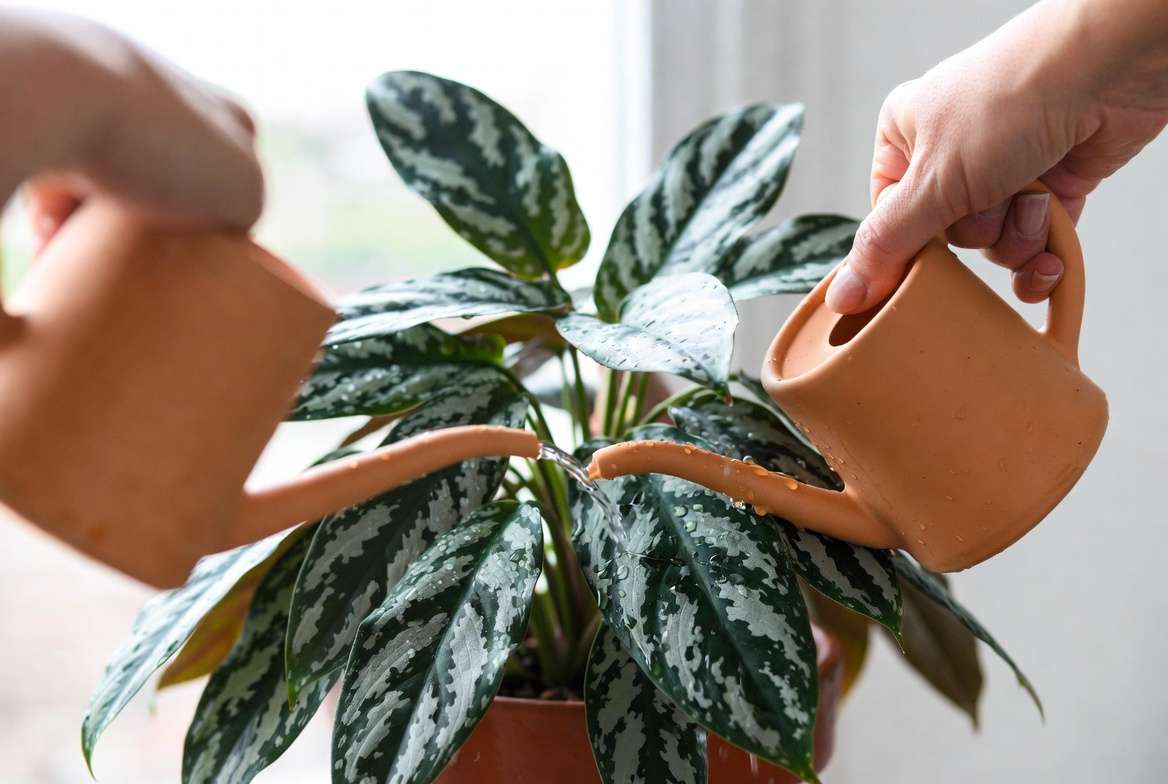
- When to water: Check the top 1–2 inches of soil. Water thoroughly when it feels dry (usually every 7–14 days, depending on conditions).
- How to water: Use room-temperature, preferably filtered or distilled water. Pour slowly until it drains out the bottom, then empty the saucer to avoid standing water.
- Seasonal adjustments: More frequent in spring/summer (active growth); reduce in fall/winter when growth slows.
Symptoms and Fixes:
- Overwatering (most common): Yellow lower leaves, mushy stems, soil odor → Improve drainage, let dry out, trim affected roots if repotting.
- Underwatering: Crispy brown tips/edges, drooping → Soak thoroughly and increase humidity.
Expert Insight: Use a moisture meter for beginners or the reliable “finger test.” Quality of water matters — high fluoride or salts in tap water can cause tip burn. Let tap water sit overnight or use rainwater when possible.
Consistent watering routines transform struggling plants into thriving ones. Many readers report their Silver Queen rebounding dramatically after adopting this “Goldilocks” method.
(Word count so far: ~950. Continuing with the rest of the article.)
Fertilizing for Lush, Vibrant Foliage 🌱
Silver Queen plants are not heavy feeders, but proper nutrition enhances color and growth.
- Best fertilizer: Balanced, water-soluble houseplant formula (e.g., 20-20-20) diluted to half strength.
- Schedule: Every 4–6 weeks during spring and summer. Skip or reduce in winter.
- Organic options: Compost tea or worm castings for gentle feeding.
Signs of deficiency: Pale leaves, slow growth — address with consistent feeding and good light.
Caution: Over-fertilizing leads to salt buildup and brown tips. Always water thoroughly before and after feeding.
Repotting, Pruning, and Maintenance Routine ✂️
Repotting: Every 2–3 years in spring. Choose a pot only 1–2 inches larger. Gently loosen roots and refresh soil.
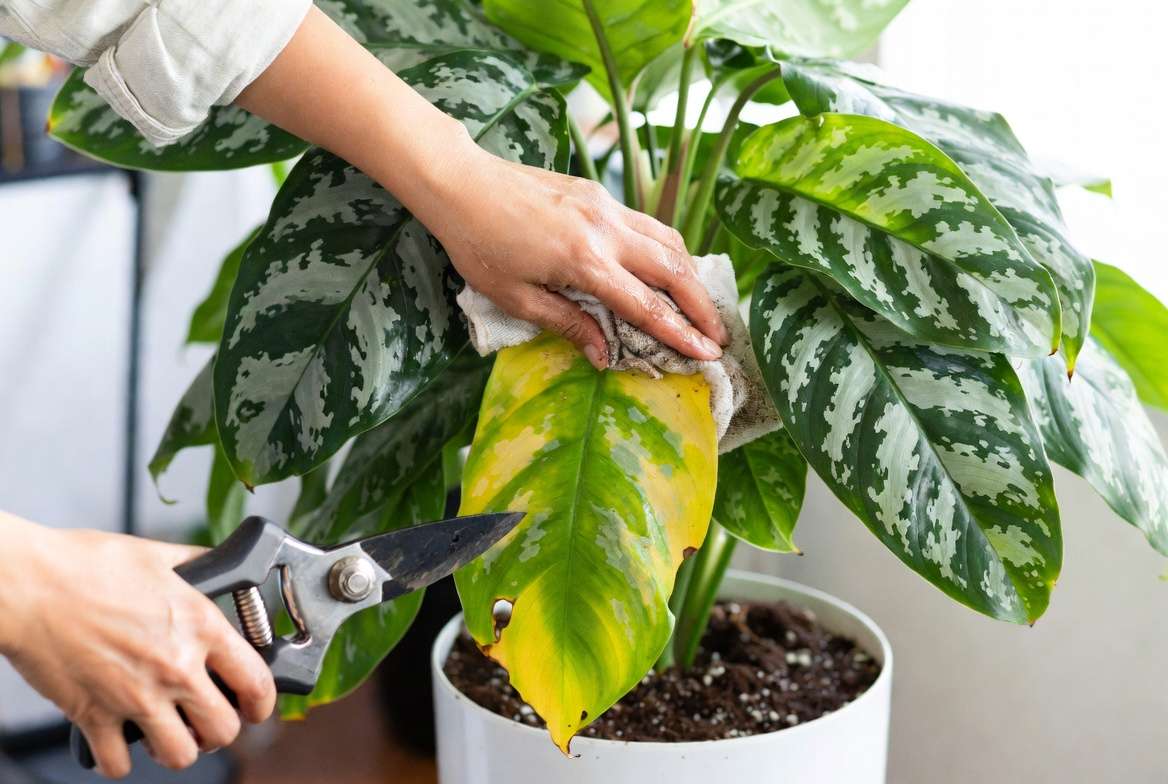
Pruning: Remove yellow or damaged leaves at the base with clean shears. For leggy plants, cut stems back to encourage bushier growth. Wipe leaves monthly with a damp cloth to remove dust and boost photosynthesis — never use leaf shine products.
Maintenance Checklist:
- Weekly: Check soil moisture, wipe leaves.
- Monthly: Inspect for pests, fertilize in season.
- Seasonal: Adjust light/water as needed.
Propagating Silver Queen Plant – Multiply Your Collection for Free! 🌱
Propagation is rewarding and straightforward with this plant.
Best Method: Division
- During repotting, gently separate rooted offsets.
- Plant each in its own pot with fresh mix.
- Keep moist and warm until established.
Stem Cuttings:
- Cut 4–6 inch stems with nodes.
- Root in water or directly in moist perlite/soil mix.
- Provide bright indirect light and high humidity. Roots appear in 3–6 weeks.
Success Tips: Best in spring/summer. Use rooting hormone for faster results. Be patient — slow growth is normal!
Common Problems and Solutions – Troubleshooting Like a Pro 🛠️
Even resilient plants face issues. Here’s how to diagnose and fix them.
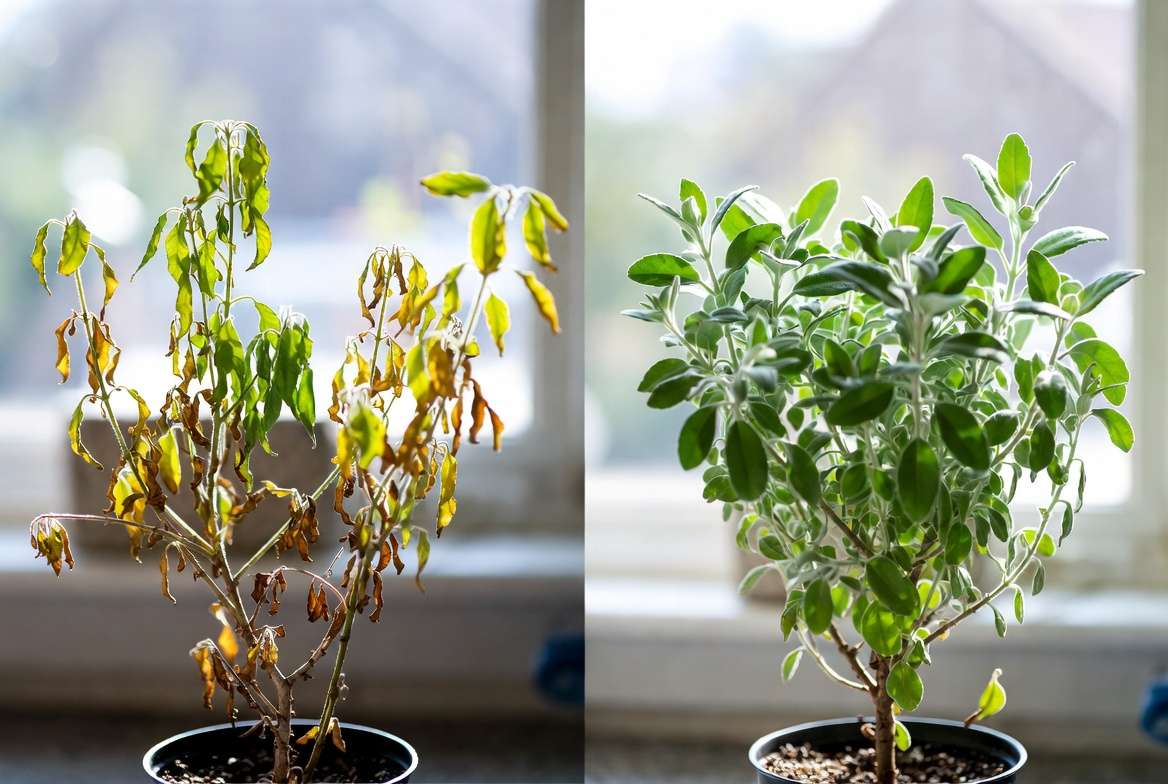
Yellow Leaves, Brown Tips, or Drooping
- Yellowing: Often overwatering or poor drainage. Let soil dry, improve aeration.
- Brown tips: Low humidity, fluoride, or fertilizer burn.
- Drooping: Underwatering or root issues.
Pests (Spider Mites, Mealybugs, Scale, Aphids) 🐛
Inspect undersides regularly. Treat with neem oil, insecticidal soap, or horticultural oil. Isolate affected plants.
Diseases and Other Issues
Root rot from overwatering is primary. Prevent with proper soil and watering. Leaf spot fungi respond to improved airflow and fungicide if severe.
Prevention is best: Good cultural practices (light, water, humidity) keep most problems at bay.
Advanced Care Tips for Expert-Level Results 🌿
- Seasonal Calendar: Spring/Summer — active growth, fertilize, propagate. Fall/Winter — rest, reduce water/fertilizer.
- Styling Ideas: Pair with pothos, snake plants, or ZZ plants for beautiful low-light displays.
- Air Quality Benefits: Helps remove indoor pollutants for healthier living spaces.
- Enhancing Variegation: Balanced light and nutrients keep the silver pop!
Is the Silver Queen Plant Toxic? Pet and Child Safety 🐶🐱
Yes, mildly toxic due to calcium oxalates. Ingestion causes mouth irritation, drooling, vomiting. Place high or use barriers. Consider pet-safe plants like parlor palms for mixed households.
Frequently Asked Questions (FAQs) ❓
Why are my Silver Queen leaves losing silver color? Insufficient light. Move to brighter indirect spot gradually.
Can it grow in fluorescent office light? Yes! It’s excellent for artificial lighting.
How fast does Silver Queen grow? Slowly to moderately — expect a few new leaves per season under good conditions.
Best fertilizer for blooming? Rare indoors, but balanced fertilizer supports occasional spadix flowers.
Winter care specifics? Reduce watering, maintain warmth, increase humidity.
Conclusion: Transform Your Space with a Thriving Silver Queen 🌟
The Silver Queen plant rewards patience and proper care with years of beautiful foliage and cleaner air. By following this guide — from lighting and watering fundamentals to troubleshooting and propagation — you’re equipped to grow a stunning specimen that enhances your home or office.
Start small, observe your plant’s signals, and adjust as needed. Share your Silver Queen journey in the comments below — I love seeing reader photos and success stories! For more plant care guides, explore our articles on other Aglaonemas, low-light heroes, and indoor jungle styling.
Happy growing! 🌿✨











