
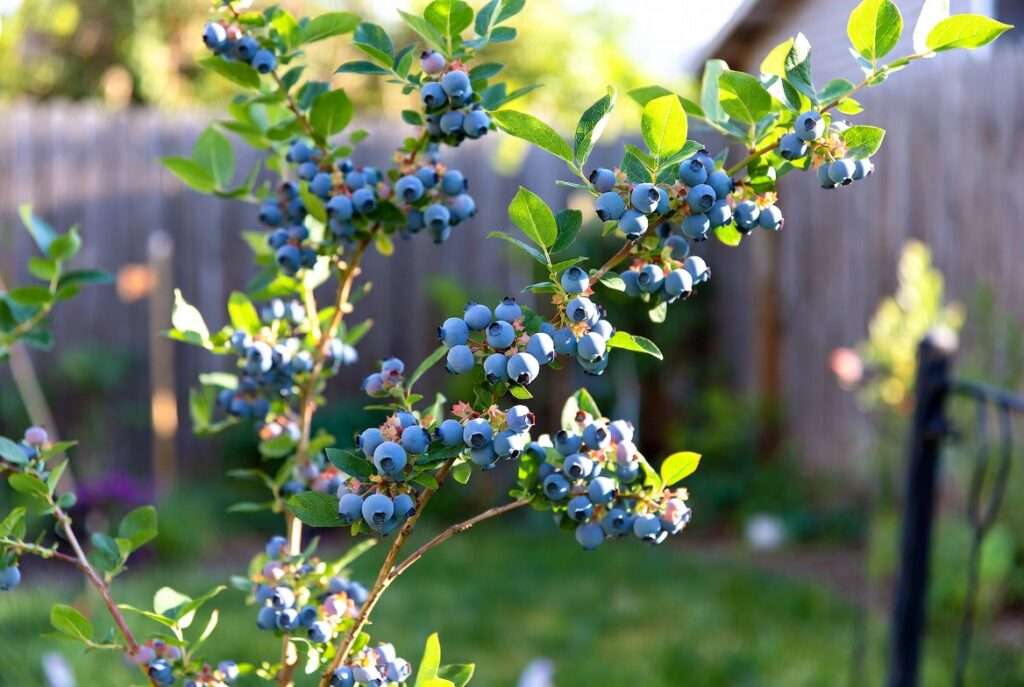
Imagine stepping into your backyard on a warm summer morning and picking handfuls of plump, sweet-tart, powder-blue berries straight from your own bushes — no grocery store trips required! The Tifblue blueberry plant makes this dream a delicious reality for countless home gardeners, especially in warmer climates. As a rabbiteye variety renowned for its reliability, heat tolerance, and impressive yields, Tifblue stands out as a favorite for both beginners and experienced growers seeking bountiful harvests.
In this comprehensive guide, I’ll share everything you need to know to successfully grow, care for, and harvest from your Tifblue blueberry plants. Drawing from years of hands-on experience cultivating blueberries, university extension research, and proven best practices, this skyscraper resource goes beyond basic tips to deliver actionable, expert-level advice that solves the most common frustrations — like poor fruit set, yellowing leaves, or disappointing yields. Whether you’re planting your first bush or scaling up your edible garden, you’ll finish this article confident and ready for success. 🌱
What Is the Tifblue Blueberry Plant? 🌟
Understanding the Tifblue Rabbiteye Blueberry
The Tifblue blueberry plant (Vaccinium ashei ‘Tifblue’) is a classic rabbiteye blueberry cultivar developed by the University of Georgia. Released as a standout performer, it has become a benchmark variety for Southern and warmer-region gardeners. Rabbiteye blueberries are native to the Southeastern United States and excel in hot, humid conditions where traditional highbush varieties often struggle.
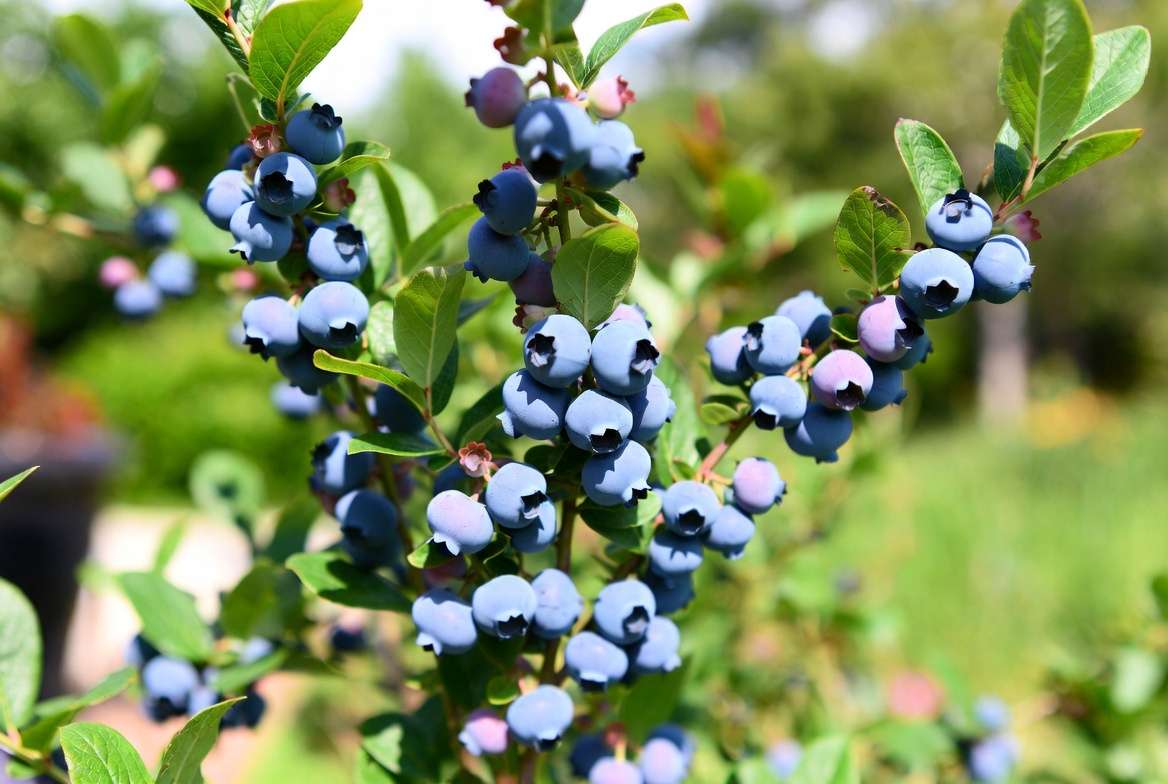
Key characteristics include:
- Mature Size: Reaches 6–10 feet tall and wide, forming an attractive, upright shrub with glossy green leaves that turn beautiful burgundy in fall.
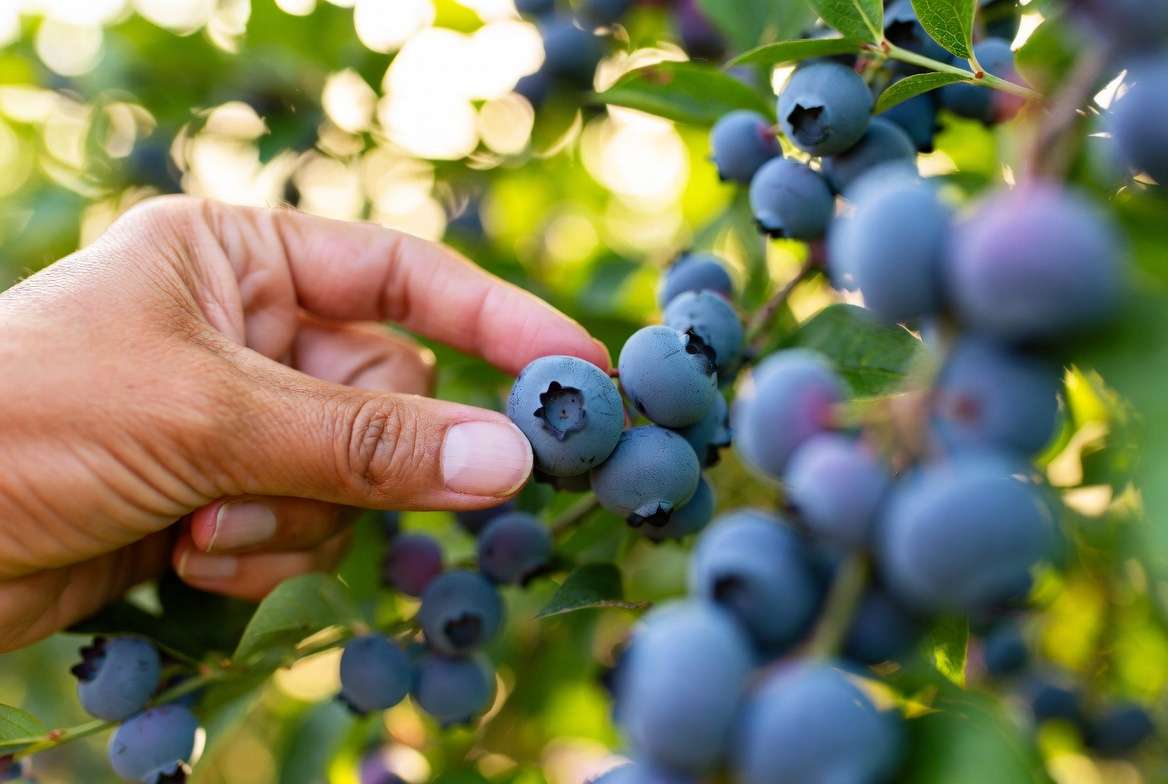
- Berry Profile: Small-to-medium, firm, powder-blue berries with a sweet-tart flavor that improves when fully ripe. Must reach deep blue for best taste — pick too early and they can be tart.
- Ripening Time: Late mid-to-late season (late June through July), extending your fresh berry harvest window.
- Chill Hours: Approximately 550–650 hours below 45°F (7°C), making it suitable for USDA Zones 7–9 (and marginally hardy in parts of Zone 6 with protection).
- Yield Potential: Mature, well-cared-for plants can produce 10–20+ pounds of fruit per bush annually under optimal conditions.
Gardeners love Tifblue for its vigor, disease resistance relative to older varieties, drought tolerance once established, and adaptability to a range of conditions. It’s an excellent choice for edible landscapes, hedges, or dedicated fruit gardens. 🫐
Tifblue vs. Other Blueberry Varieties
Choosing the right variety is crucial for success. Here’s how Tifblue stacks up:
| Variety | Type | Chill Hours | Ripening | Best For | Berry Size/Flavor |
|---|---|---|---|---|---|
| Tifblue | Rabbiteye | 550–650 | Late June–July | Warm climates, high yield | Small-medium, sweet-tart |
| Powderblue | Rabbiteye | 550–650 | Late | Similar to Tifblue, lighter blue | Medium, excellent |
| Brightwell | Rabbiteye | ~500 | Mid | Pollinator for Tifblue | Large, good flavor |
| Climax | Rabbiteye | 400–450 | Early | Early harvest | Medium |
| Highbush (e.g., Duke) | Highbush | 800+ | Earlier | Cooler climates | Larger, milder |
Tifblue shines in heat and provides reliable late-season berries, complementing earlier varieties for a prolonged harvest.
Choosing the Right Location and Preparing for Success 🏡
Site Selection for Thriving Tifblue Plants
Success with any blueberry bush care starts with location. Tifblue needs full sun — at least 6–8 hours of direct sunlight daily — for maximum flowering and fruit production. In very hot regions, afternoon shade can prevent stress, but avoid deep shade, which reduces yields dramatically.
Soil is the make-or-break factor. Blueberries are acid-loving plants requiring a pH of 4.5–5.5. They also demand well-drained, organic-rich soil. Heavy clay or alkaline soils (common in many areas) lead to nutrient deficiencies, chlorosis (yellow leaves), and poor growth. Test your soil pH and drainage before planting — this single step prevents most beginner failures.
Soil Testing and Amendment – The Foundation of Success
- Test Your Soil: Use a home kit or send samples to your local extension service for accurate pH, nutrients, and organic matter readings.
- Lower pH if Needed: Apply elemental sulfur (90% S) several months before planting. For sandy soils, use about 1 lb per 100 sq ft to lower pH by 1 unit. Heavier soils need more. Retest after 3–4 months.
- Amend Generously: Mix in plenty of acidic organic matter — peat moss, pine bark fines, composted pine needles, or oak leaves. For poor native soil, create raised beds or mounds 6–12 inches high filled with a 50/50 mix of pine bark and peat.
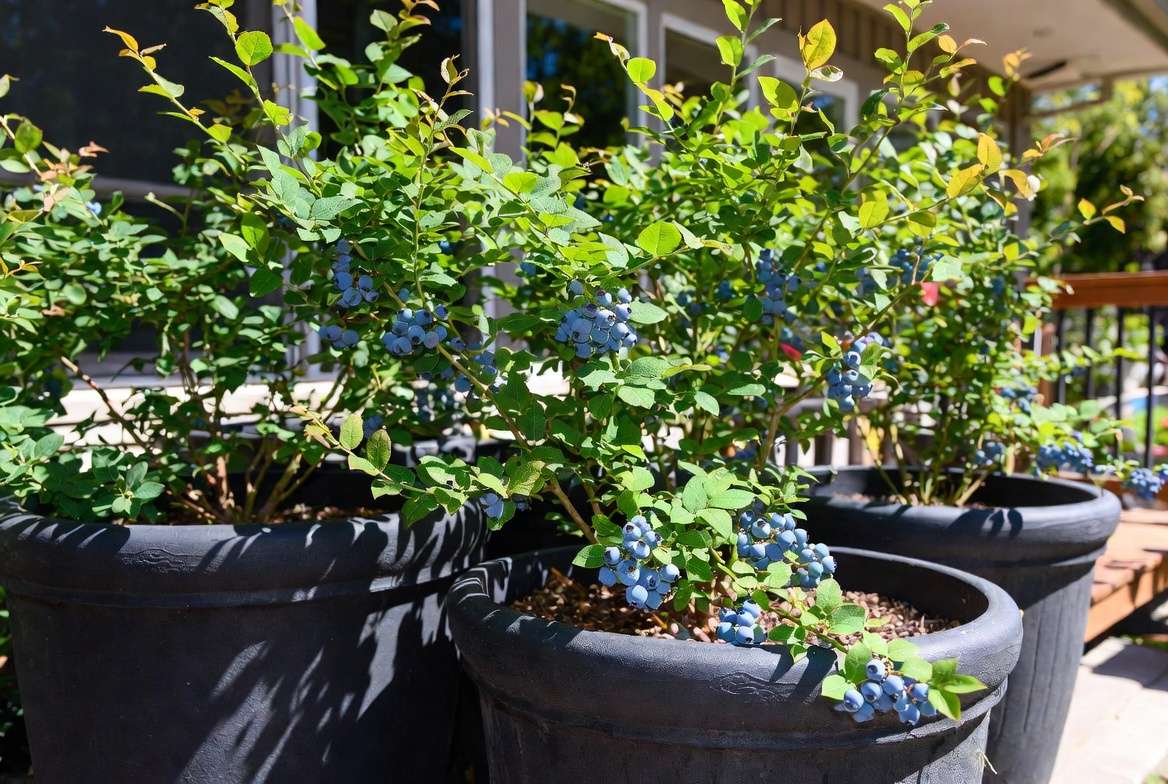
- Container Growing Option: Perfect for patios or challenging soils. Use large pots (minimum 15–20 gallons for mature plants) with ericaceous (acidic) potting mix and ensure excellent drainage.
Proper preparation sets your Tifblue blueberry plant up for decades of productivity — these bushes can live and produce for 20+ years with good care!
Planting Your Tifblue Blueberry Plant Step-by-Step 🌱
When and How to Plant Tifblue Blueberries
The best times are early spring (as soon as soil is workable) or fall (allowing root establishment before winter). Avoid planting in the heat of summer.
- Select Quality Stock: Choose 2–3 year old nursery plants in containers. Look for healthy foliage and strong roots.
- Spacing: Plant 5–6 feet apart in rows, with 8–12 feet between rows for air circulation and easy harvesting.
Detailed Planting Instructions:
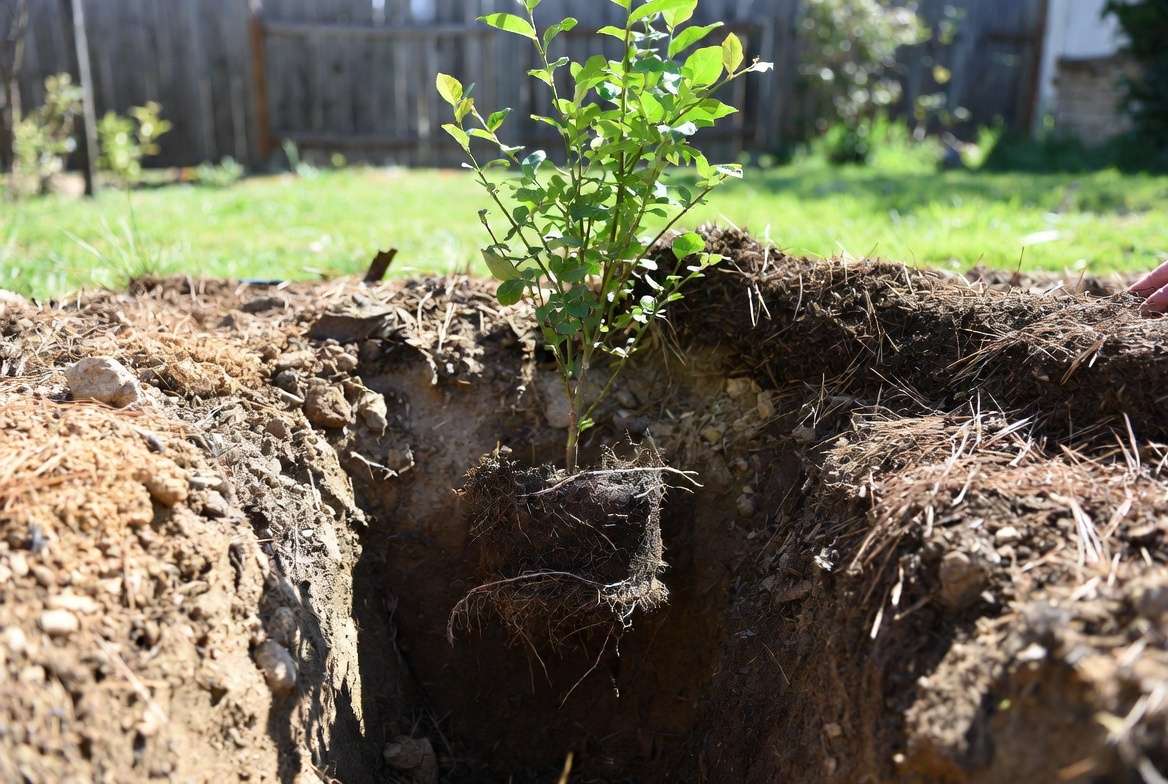
- Dig a hole 2–3 times wider than the root ball but no deeper.
- Gently remove the plant and loosen any circling roots.
- Position so the top of the root ball sits at or slightly above ground level.
- Backfill with amended acidic soil mix, firming gently. Water thoroughly to settle soil and eliminate air pockets.
- Apply 2–4 inches of acidic mulch (pine bark, pine needles) in a wide circle, keeping it away from the stem to prevent rot.
Companion Planting and Pollination Essentials ❤️
Tifblue is not fully self-fertile. For abundant harvests, plant at least one compatible pollinator variety nearby, such as Brightwell, Powderblue, or Climax. These bloom at overlapping times and dramatically improve fruit set through cross-pollination by bees. Plant in groups or alternating patterns for best results. Bees are your best friends here — avoid pesticides during bloom!
Essential Care for Healthy Growth and Big Yields 💧
Once your Tifblue blueberry plant is in the ground, consistent care is the key to transforming it from a young shrub into a prolific producer. Proper watering, fertilizing, and mulching form the foundation of successful blueberry bush care, especially for rabbiteye varieties that thrive with steady attention during the establishment phase.
Watering Requirements for Tifblue Blueberry
Blueberries have shallow root systems, making consistent moisture critical — but they hate “wet feet.” During the first year after planting, water deeply 2–3 times per week to help roots establish, providing about 5–7 gallons per plant depending on rainfall and temperature. Mature Tifblue plants are more drought-tolerant but still perform best with 1–2 inches of water per week during the growing season, particularly when berries are developing.
Use drip irrigation or soaker hoses for efficient delivery directly to the root zone. Early morning watering is ideal to reduce evaporation and fungal issues. Signs of underwatering include wilting leaves and smaller berries, while overwatering leads to yellowing lower leaves and root rot. In hot Southern summers, mulched plants will need less frequent watering, but always check soil moisture 4–6 inches deep before deciding. 🌧️
Fertilizing Tifblue Blueberries for Optimal Nutrition
Tifblue responds beautifully to balanced, acidifying nutrition. Avoid high-nitrogen fertilizers that promote excessive leafy growth at the expense of fruit.
- Timing: Apply fertilizer in late winter/early spring as buds swell, then again in late spring after flowering. Skip late-summer or fall feeding to prevent tender growth vulnerable to frost.
- Recommended Products: Use ammonium sulfate or specially formulated azalea/camellia/blueberry fertilizers (e.g., 12-4-8 or similar). Organic options include cottonseed meal, blood meal, or fish emulsion combined with elemental sulfur.
- Application Rates: For young plants (1–3 years), use 1–2 tablespoons per application, increasing gradually. Mature bushes may need ½–1 cup spread in a wide circle under the drip line.
Watch for iron chlorosis (yellow leaves with green veins), common in less acidic soils — correct with chelated iron or additional sulfur. Regular soil testing every 1–2 years keeps nutrient levels on track. In my experience growing dozens of blueberry varieties, consistent light feeding produces healthier plants and sweeter berries than heavy applications. 🧪
Mulching and Weed Control
A thick layer of organic mulch is non-negotiable for Tifblue blueberry success. It conserves moisture, suppresses weeds, moderates soil temperature, and slowly acidifies the soil as it breaks down.
Apply 3–4 inches of pine bark, pine needles, or wood chips in a 3–4 foot diameter around each plant, refreshing annually. Keep mulch pulled back 2–3 inches from the main stem to prevent collar rot. This simple practice dramatically reduces competition from grass and weeds while supporting the acidic environment blueberries crave.
Pruning, Training, and Seasonal Maintenance ✂️
How and When to Prune Tifblue Blueberry Bushes
Pruning might feel intimidating, but it’s one of the most rewarding aspects of blueberry plant care. Tifblue naturally forms a strong, upright structure, but strategic cuts promote airflow, new fruiting wood, and larger berries.
- Years 1–3: Focus on establishment. Remove only dead, damaged, or crossing branches. Encourage 4–6 strong main canes.
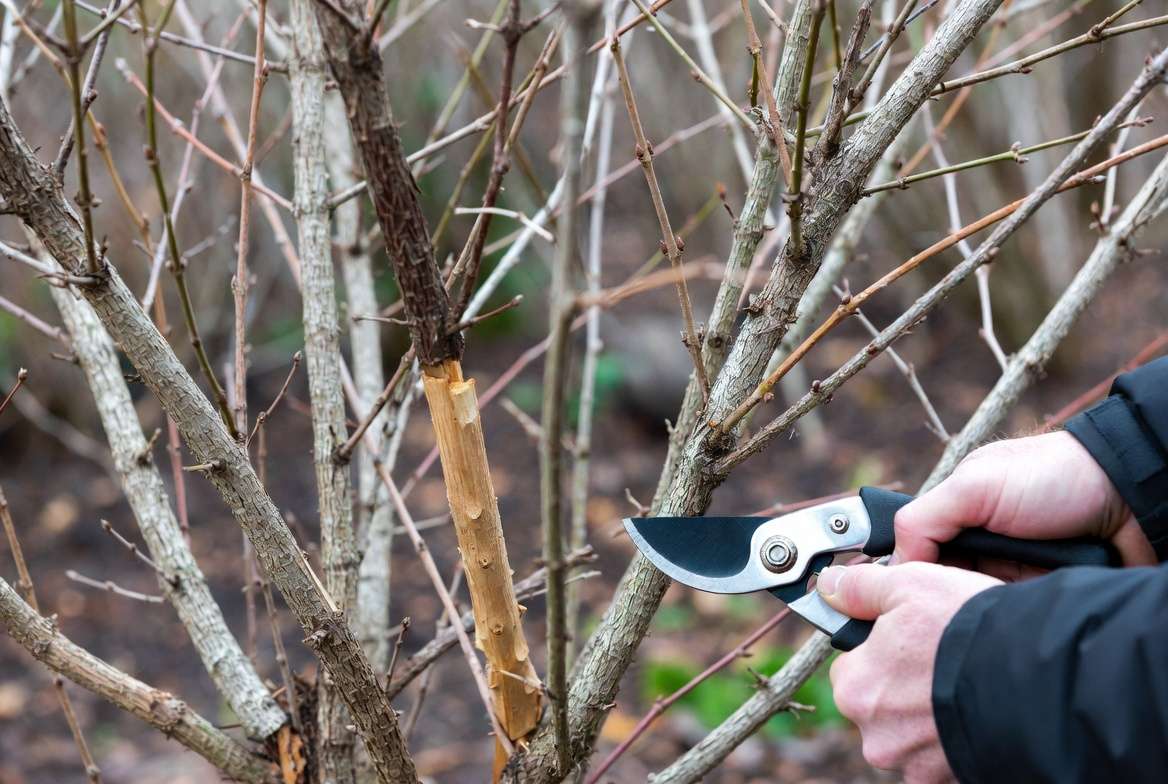
- Mature Plants (Year 4+): Each winter (late dormant season, before buds swell), remove about 20–30% of the oldest, grayest canes at ground level. This invigorates the bush and keeps it productive. Aim for an open vase shape that allows light penetration.
- Summer Pruning: Light tipping of overly vigorous shoots can help control size in smaller gardens.
Proper pruning can double your harvest over time. Always use sharp, clean bypass pruners and sterilize tools between plants.
Year-Round Maintenance Calendar
- Spring 🌸: Fertilize, mulch refresh, monitor for pests as new growth emerges.
- Summer ☀️: Consistent watering during fruit set, harvest as berries ripen, light weed control.
- Fall 🍂: Final cleanup, apply slow-release amendments if needed, protect from early freezes in marginal zones.
- Winter ❄️: Major pruning, check for rabbit/deer damage, plan pollinator additions.
Following this calendar ensures your Tifblue blueberry plant remains vigorous for decades.
Protecting Your Tifblue from Pests, Diseases, and Wildlife 🛡️
Common Pests and Diseases of Tifblue Blueberries
While rabbiteye blueberries like Tifblue are relatively resilient, vigilance prevents problems:
- Pests: Aphids, Japanese beetles, and spotted wing drosophila (a major berry pest). Use neem oil or insecticidal soap for early infestations. Monitor with yellow sticky traps.
- Diseases: Mummy berry, anthracnose, and Phytophthora root rot (in poorly drained soil). Prevention through good site selection, airflow, and sanitation is most effective.
- Wildlife: Birds love ripe berries — install bird netting just as fruit begins to color for near-total protection.
Integrated Pest Management (IPM) Tips for Blueberries
Combine cultural practices (proper spacing, pruning), mechanical controls (netting, handpicking), and targeted organic treatments only when necessary. This approach keeps your garden ecosystem healthy while delivering clean, homegrown fruit.
Harvesting and Enjoying Your Bounty 🍓
When and How to Harvest Tifblue Berries
Patience pays off — Tifblue berries reach peak sweetness only when fully blue with a slight powdery bloom and detach easily with a gentle twist. Harvest every 5–7 days during peak season to catch them at perfection. Pick in the morning when berries are firmest. A mature plant can yield 10–20 pounds or more annually with excellent care.
Storing, Preserving, and Using Tifblue Blueberries
- Eat fresh within a few days (refrigerate unwashed).
- Freeze single-layer on trays then bag for long-term storage — perfect for smoothies and baking.
- Make jams, pies, syrups, or dehydrate for snacks.
Nutritionally, these antioxidant-rich berries support brain health, reduce inflammation, and add delightful flavor to your diet. 🫐
Troubleshooting Common Tifblue Growing Problems 🔧
Why Isn’t My Tifblue Blueberry Fruiting or Thriving?
| Symptom | Likely Cause | Solution |
|---|---|---|
| Yellow leaves | High pH / iron deficiency | Acidify soil, apply chelated iron |
| No berries | Poor pollination, young plant | Add compatible pollinator, be patient |
| Small fruit / low yield | Insufficient water/sun/fertilizer | Increase consistent care |
| Wilting | Underwatering or root issues | Check drainage and moisture levels |
| Leaf spots | Fungal disease | Improve airflow, remove affected parts |
Early diagnosis and correction usually bring plants back quickly. Don’t hesitate to consult local extension offices for region-specific advice.
Advanced Tips for Maximum Productivity and Longevity 🚀
- Container Growing: Use 20+ gallon acidic pots with excellent drainage. Repot or refresh soil every 3–4 years.
- Propagation: Take softwood cuttings in late spring for new plants (root in acidic media under humidity).
- Companion Plants: Pair with acid-loving rhododendrons, azaleas, or strawberries for beautiful, functional guilds.
- Sustainability: Embrace organic methods, compost tea, and rainwater collection for eco-friendly blueberry growing.
In years of cultivating Tifblue and similar varieties, I’ve found that patience combined with these advanced techniques leads to exceptionally long-lived, high-producing bushes.
Frequently Asked Questions (FAQs) ❓
How long until my Tifblue blueberry plant produces fruit? Expect light crops in year 2–3, with full production by year 4–5.
Can Tifblue grow in pots? Yes! Large containers work well with proper acidic mix and consistent watering.
What are the best pollinators for Tifblue? Brightwell, Powderblue, and Climax are excellent companions.
How do I protect Tifblue in winter? Mulch heavily and provide wind protection in colder edges of its range.
Is Tifblue self-pollinating? It benefits greatly from cross-pollination for maximum yields.
Conclusion: Start Your Blueberry Journey Today! 🎉
Growing a successful Tifblue blueberry plant rewards you with years of fresh, delicious harvests and beautiful garden structure. By following this detailed guide — from proper site preparation and acidic soil management to expert pruning and pest protection — you’ll overcome common challenges and enjoy abundant yields.
Ready to plant? Head to a reputable nursery, test your soil, and get started. Share your Tifblue success stories or questions in the comments below. For more plant care guides, check our articles on [related topics]. Happy gardening! 🫐🌱











