
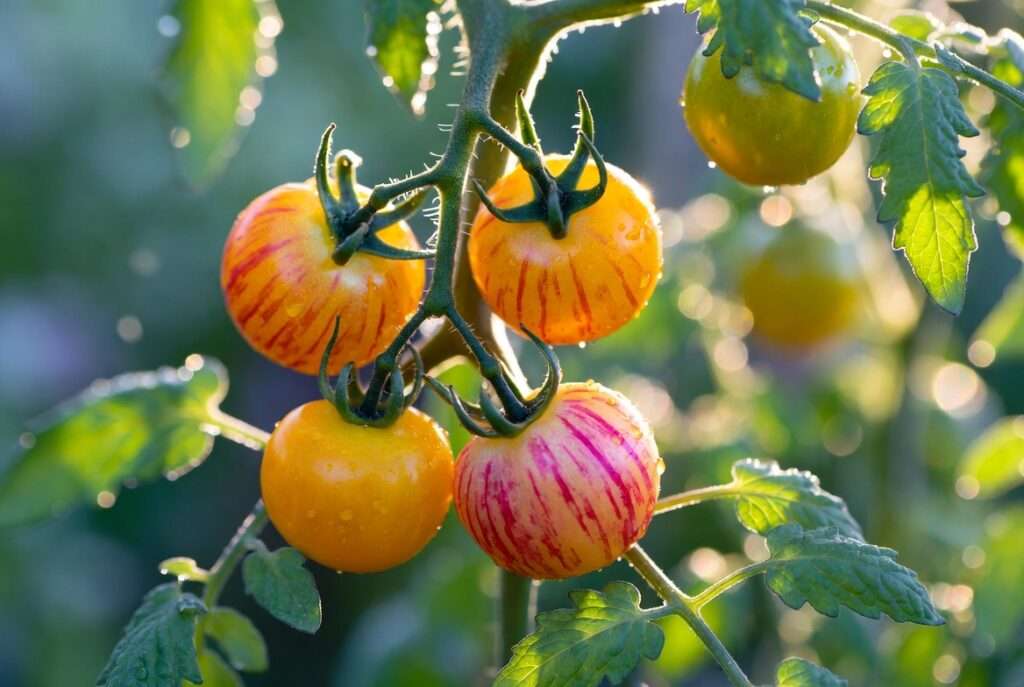
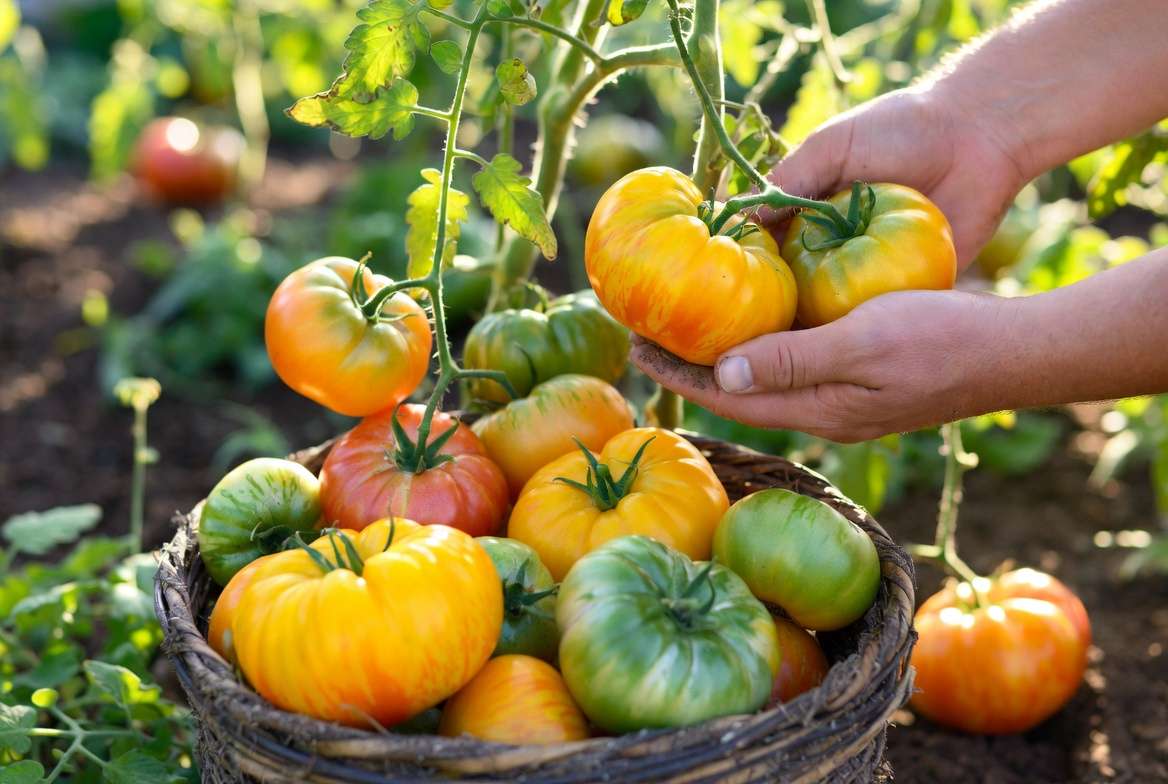
Imagine biting into a perfectly ripe cherry tomato that looks like a piece of sunrise art — vibrant golden yellow skin streaked with bold red stripes, bursting with juicy, sweet-tangy tropical flavor. That’s the magic of the Sunrise Bumblebee Tomato Plant. This stunning indeterminate cherry variety has captured the hearts of home gardeners and food lovers alike with its beauty, productivity, and exceptional taste.
If you’ve been searching for a reliable, eye-catching tomato that delivers basket after basket of snackable, crack-resistant fruit throughout the season, you’re in the right place. Whether you’re a beginner with limited space or an experienced gardener looking to elevate your edible landscape, this comprehensive guide will walk you through every step of successfully growing the Sunrise Bumblebee Tomato Plant from seed to harvest.
As a passionate plant care expert with years of hands-on experience growing heirloom and specialty tomatoes, I’ve tested countless varieties. The Sunrise Bumblebee consistently ranks among the top performers for flavor, visual appeal, and garden resilience. In this skyscraper guide, you’ll discover proven techniques, troubleshooting secrets, and pro tips that go far beyond basic care instructions — helping you achieve abundant, sweet harvests even in challenging conditions. Let’s dig in! 🌱✨
What Is the Sunrise Bumblebee Tomato Plant?
The Sunrise Bumblebee Tomato (Solanum lycopersicum) is a captivating open-pollinated, indeterminate cherry tomato variety bred by Fred Hempel of Artisan Seeds. It’s part of the popular Bumblebee series known for their striking bicolor patterns and outstanding eating quality.
Key Characteristics:
- Fruit: Small to medium cherry-sized (about ¾–1 oz), round fruits with bright golden-yellow skin marbled by red/pink stripes and swirls. The interior often shows beautiful pink marbling. They are notably crack-resistant compared to many other cherries.
- Flavor: Bright, sweet, and tropical with a pleasant tangy finish — often described as fruity and refreshing, making them perfect for fresh eating.
- Plant Habit: Vigorous indeterminate vines that can reach 5–8+ feet tall (or more with strong support). Highly productive throughout the growing season, often yielding heavy clusters of fruit.
- Days to Maturity: Approximately 70 days from transplant.
- Growth: Thrives in full sun and performs well in both garden beds and large containers.
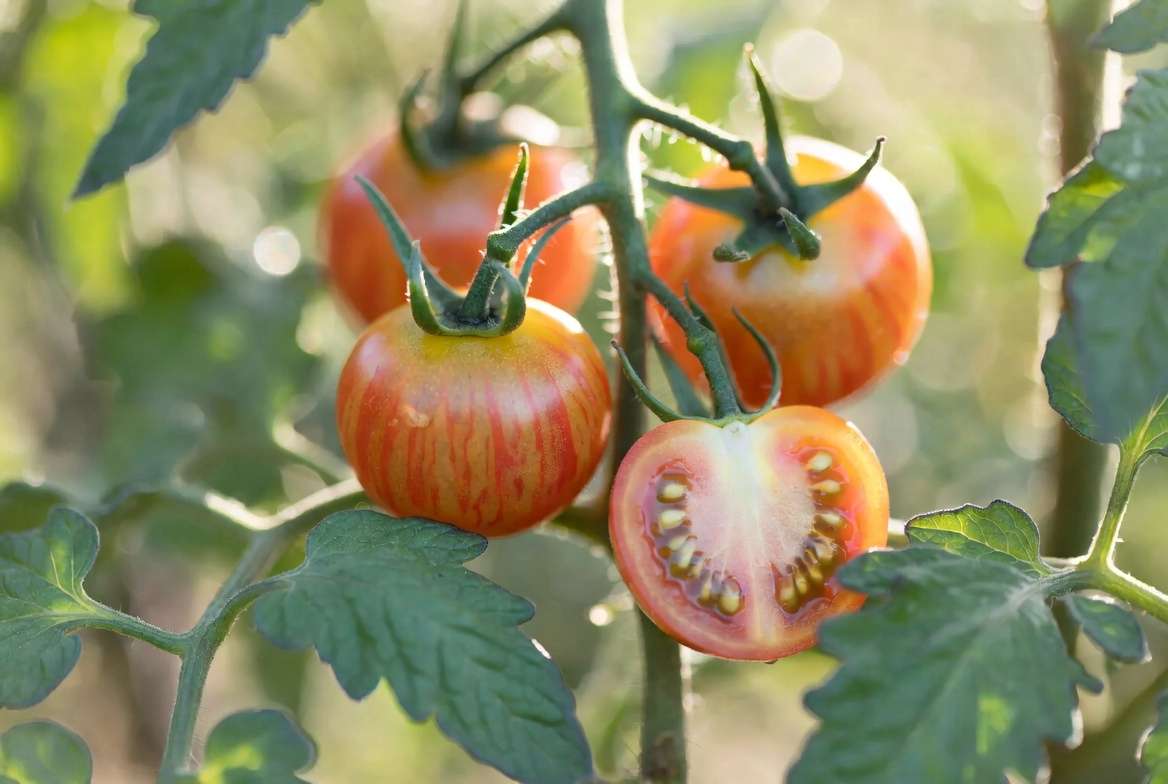
Nutritional Benefits and Culinary Uses 🥗 Like most tomatoes, Sunrise Bumblebee fruits are packed with vitamin C, antioxidants (including lycopene), potassium, and fiber. Their sweet profile makes them ideal for:
- Fresh snacking straight off the vine (kid-approved!).
- Colorful salads and caprese.
- Roasting to intensify flavors.
- Fresh salsas or garnishes.
- Preserving as sun-dried or pickled tomatoes.
Compared to classics like Sungold (orange, very sweet) or Sweet 100 (red, prolific), Sunrise Bumblebee offers a unique visual pop and balanced tropical tang that stands out in any garden or dish. Many gardeners report it as one of their most reliable and beautiful performers season after season.
Why Grow Sunrise Bumblebee Tomatoes? Benefits for Home Gardeners ⭐
Growing the Sunrise Bumblebee Tomato Plant solves several common gardener frustrations: lack of flavor in supermarket tomatoes, boring garden aesthetics, and inconsistent yields from cherry varieties.
Top Benefits:
- Stunning Visual Appeal: The bicolor fruits turn your garden into a living artwork and make gorgeous additions to plates.
- Exceptional Flavor & Productivity: Sweet-tangy taste with high yields on vigorous vines — often producing until the first hard frost.
- Crack Resistance: Better tolerance than many cherries, reducing losses after rain.
- Versatility: Excellent for small spaces, containers, raised beds, or vertical gardens.
- Kid & Family Friendly: Beautiful, sweet fruits encourage children to enjoy fresh produce.
- Relatively Resilient: Good disease resistance profile within the cherry tomato category, especially when given proper airflow and care.
Quick Comparison Table:
| Variety | Color | Flavor Profile | Crack Resistance | Best For |
|---|---|---|---|---|
| Sunrise Bumblebee | Yellow + Red Stripes | Sweet-Tropical | High | Snacking & Beauty |
| Sungold | Golden Orange | Very Sweet | Medium | High Yields |
| Sweet 100 | Red | Classic Sweet | Variable | Massive Production |
Real gardeners frequently praise its dependability even in variable weather. One experienced grower noted harvesting 4-quart bowls from just two plants — that’s serious productivity!
Starting Sunrise Bumblebee Tomato Seeds Indoors 🌱📅
For the strongest, healthiest plants, starting seeds indoors 6–8 weeks before your last expected frost is the gold standard.
Step-by-Step Guide:
- Supplies Needed: Seed-starting mix, trays or pots with drainage, heat mat, grow lights, and a fan for air circulation.
- Sowing: Plant seeds ¼-inch deep. Maintain soil temperature around 70–80°F (21–27°C) for fast germination (often 3–7 days with bottom heat).
- Light & Care: Once sprouted, provide 14–16 hours of strong light daily. Keep soil consistently moist but not soggy. Fertilize lightly after true leaves appear.
- Hardening Off: Gradually expose seedlings to outdoor conditions over 7–10 days before transplanting.
Direct Sowing vs. Transplants Direct sowing is possible in warm climates with long seasons, but transplants generally produce earlier and more reliable harvests. In cooler zones, indoor starts are strongly recommended.
Pro Tips Box:
- Prevent leggy seedlings with sufficient light and gentle brushing (or fan) to strengthen stems.
- Watch for damping-off by ensuring good airflow and sterile starting mix.
- Label everything — Sunrise Bumblebee seedlings look similar to other tomatoes initially!
Choosing the Perfect Planting Location and Soil Preparation ☀️🌿
Tomatoes demand sunshine. Plant your Sunrise Bumblebee in a spot receiving 6–8+ hours of direct sunlight daily for maximum sweetness and production.
Ideal Soil:
- Rich, well-draining loam with plenty of organic matter.
- pH between 6.0–6.8.
- Amend heavy clay or sandy soil generously with compost, aged manure, or worm castings.
Raised Beds, Containers, or In-Ground?
- Raised Beds: Excellent drainage and warmer soil.
- Containers: Use at least 5–10 gallon pots with high-quality potting mix. Perfect for patios and balconies.
- In-Ground: Space plants 24–36 inches apart for good airflow.
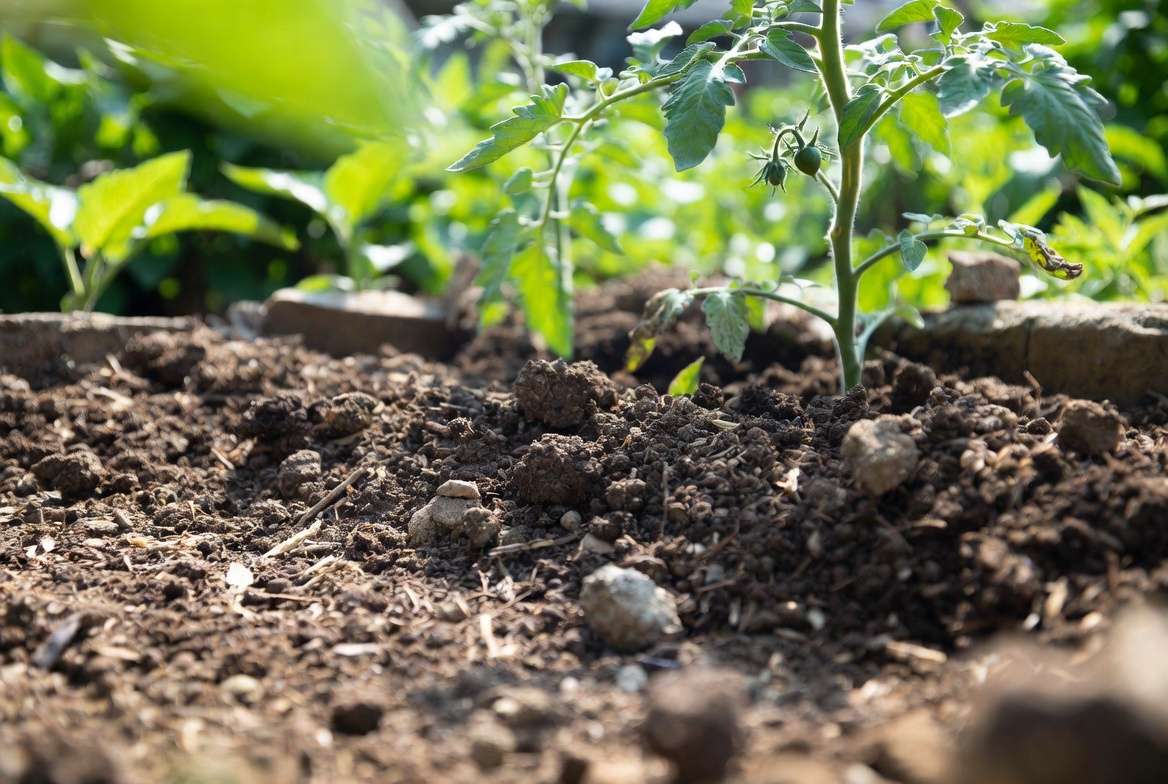
Companion Planting for Better Growth and Pest Control Pair with basil (flavor + pest repellent), marigolds (nematodes), nasturtiums (aphids), or carrots. Avoid planting near potatoes or fennel.
How to Plant and Support Sunrise Bumblebee Tomato Plants 🪴🛠️
Proper planting sets the foundation for vigorous growth and heavy fruit production. The Sunrise Bumblebee Tomato Plant, being an indeterminate variety, needs strong support and enough space to sprawl productively.
Step-by-Step Planting Process:
- Timing: Transplant outdoors after all danger of frost has passed and soil temperatures reach at least 60°F (15°C). In most zones, this is 2–4 weeks after the last frost.
- Spacing: Place plants 24–36 inches apart in rows 4–5 feet apart to allow good air circulation and reduce disease pressure.
- Planting Depth: Bury the stem deeply — up to the first set of true leaves or even deeper. Tomatoes develop adventitious roots along the buried stem, creating a stronger, more drought-resistant root system.
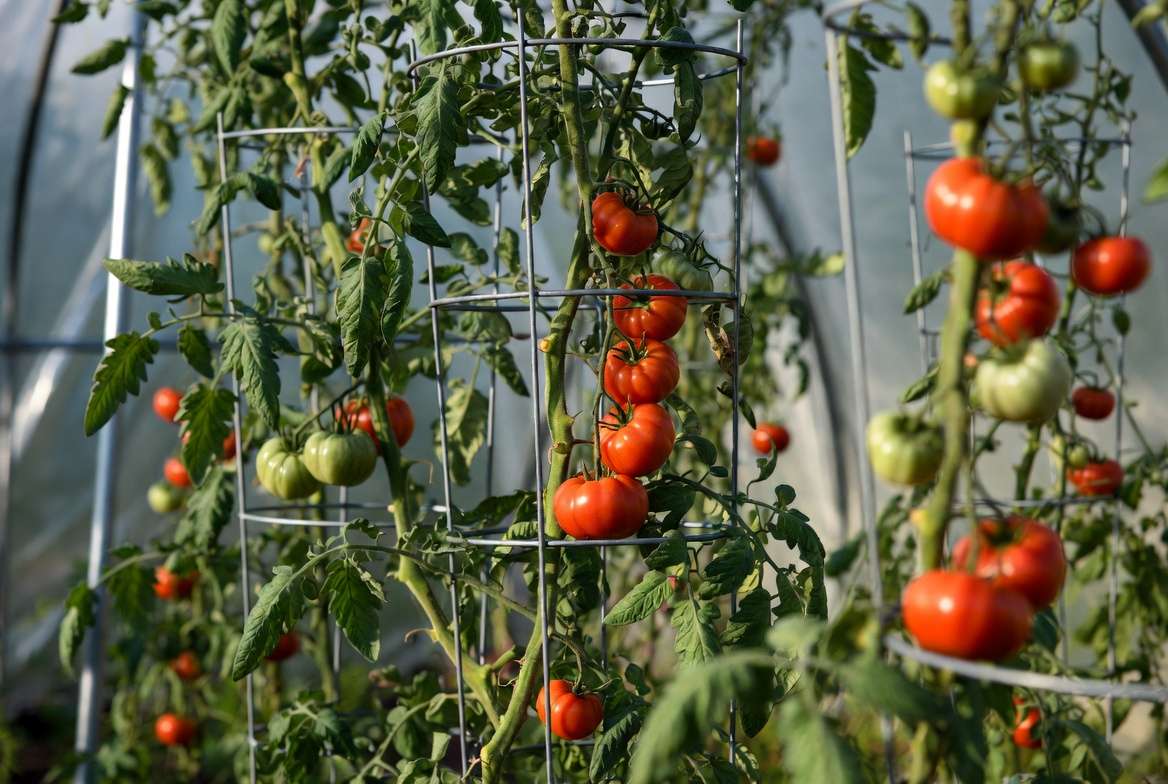
- Support Systems: Install sturdy stakes, cages, or a trellis system at planting time. For vigorous vines like Sunrise Bumblebee, I recommend a strong cattle panel trellis or Florida weave method for best results. Avoid flimsy supports that will collapse under heavy fruit loads.
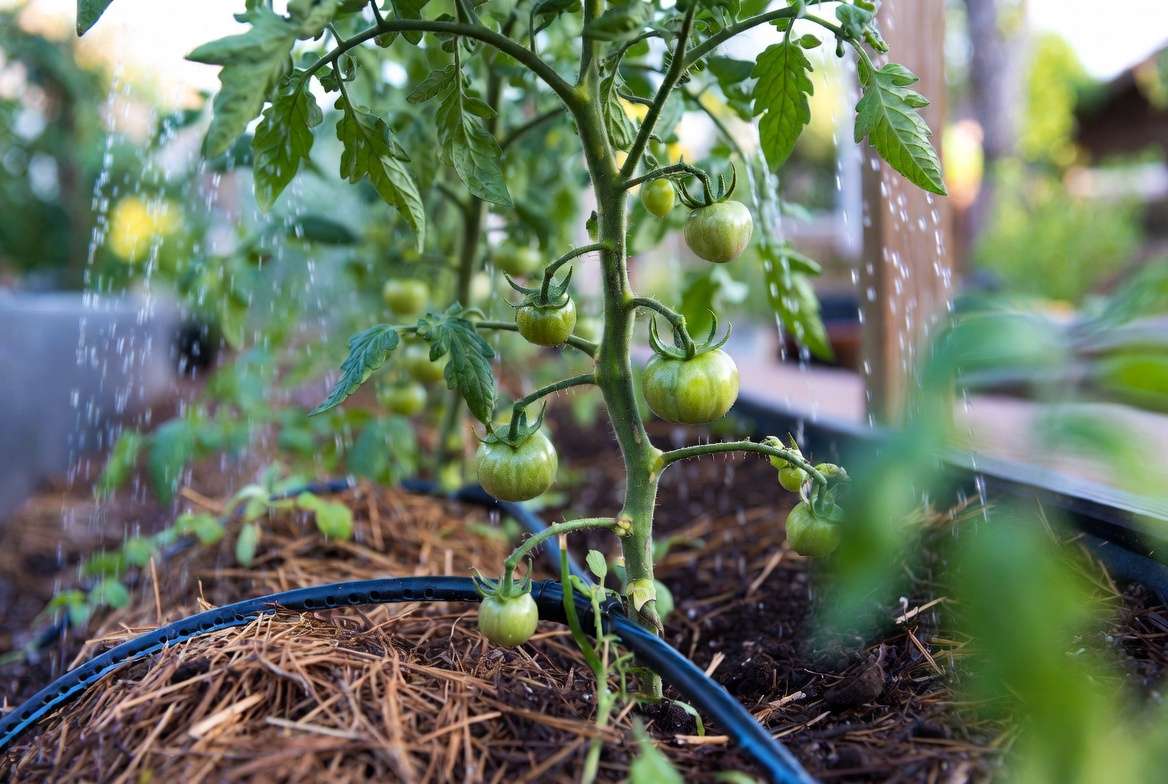
Mulching Best Practices Apply 2–3 inches of organic mulch (straw, shredded leaves, or wood chips) around the base after planting. This conserves moisture, suppresses weeds, regulates soil temperature, and prevents soil from splashing onto leaves — a key factor in disease prevention.
Pro Insight: Deep planting and early support are two of the biggest “secrets” that separate beginner gardens from expert-level harvests. In my experience, well-supported Sunrise Bumblebee plants produce 30–50% more fruit than unsupported ones. 🌱
Daily Care Routine for Healthy, Productive Plants 💧🌡️
Consistent care turns good plants into great ones. Here’s the routine that delivers sweet, striped abundance.
H3: Watering Best Practices
- Provide 1–2 inches of water per week, adjusting for rainfall and heat.
- Water deeply at the base in the morning to allow foliage to dry before evening.
- Consistent moisture is crucial — fluctuations cause cracking and blossom end rot. Drip irrigation or soaker hoses work wonderfully for Sunrise Bumblebee tomatoes.
- Container-grown plants may need daily watering in peak summer heat.
H3: Fertilizing Schedule
- Early Growth (First 3–4 weeks): Use a balanced or slightly nitrogen-rich organic fertilizer to support leafy growth.
- Flowering & Fruiting: Switch to a fertilizer higher in phosphorus and potassium (e.g., 5-10-10 or tomato-specific formulas). Apply every 2–3 weeks or use slow-release granular options.
- Excellent organic choices include compost tea, fish emulsion, and seaweed extract. Avoid over-fertilizing with nitrogen late in the season, as it promotes leaves at the expense of fruit.
H3: Pruning and Training Techniques Indeterminate cherry tomatoes like Sunrise Bumblebee benefit from selective pruning. Remove suckers (side shoots) below the first flower cluster for stronger main stems, but allow some upper suckers for increased production. Keep the lower 6–12 inches of the plant clear for better airflow. Tie vines gently to supports every 7–10 days as they grow.
H3: Temperature and Weather Considerations Sunrise Bumblebee performs well in warm conditions but appreciates protection during extreme heat (above 95°F) or cool nights. Use shade cloth if needed and watch for frost forecasts at season’s end. In hotter climates, afternoon shade can improve fruit set and reduce sunscald.
Pollination, Flowering, and Fruit Development 🐝🌸
Tomato flowers are self-fertile, but gentle shaking of plants or a small fan can improve pollination rates, especially in greenhouses or during still weather. Expect the first flowers around 4–6 weeks after transplant.
Fruit development follows quickly. You’ll see small green cherries form, then transform into the signature yellow-with-red-stripe pattern as they ripen. Fruits typically ripen from the bottom up. Harvest when fully colored and slightly soft to the touch for peak sweetness.
Expert Tip: Consistent temperatures between 70–85°F daytime yield the best flavor and color development in bicolor varieties like Sunrise Bumblebee.
Common Pests and Diseases + Organic Prevention 🐛🚫
Even resilient varieties face challenges. Proactive management keeps your Sunrise Bumblebee Tomato Plant thriving.
Common Issues & Solutions:
- Aphids & Hornworms: Hand-pick hornworms; use neem oil or insecticidal soap for aphids. Encourage beneficial insects with companion planting.
- Blossom End Rot: Caused by calcium deficiency or irregular watering. Maintain consistent moisture and add crushed eggshells or gypsum to soil.
- Early Blight / Septoria: Prevent with mulch, good spacing, and removing lower leaves. Use copper-based fungicides organically if needed.
- Cracking: Usually from uneven watering after heavy rain. Mulch and consistent irrigation help dramatically.
Integrated Pest Management (IPM): Scout plants daily, maintain garden hygiene, rotate crops yearly, and use row covers early in the season. Sunrise Bumblebee shows better crack and disease tolerance than many thin-skinned cherries, making it forgiving for organic gardeners.
Pro Insight: In over a decade of growing tomatoes, the combination of airflow, mulch, and early intervention has prevented 90%+ of potential losses.
Harvesting and Enjoying Your Sunrise Bumblebee Tomatoes ✂️🍽️
Harvest frequently — every 1–2 days once ripening begins — to encourage continuous production. Gently twist or snip fruits when they reach full color and have a slight give.
Storage: Keep at room temperature for best flavor. Only refrigerate if fully ripe and you need extra days (bring back to room temp before eating).
Culinary Ideas:
- Snack fresh for a garden-to-table treat.
- Add to rainbow salads or grain bowls for visual pop.
- Roast with olive oil and herbs.
- Make small-batch preserves or freeze for winter smoothies.
Saving Seeds for Next Season Since it’s open-pollinated, you can save true-to-type seeds. Scoop seeds from fully ripe fruits, ferment for 2–3 days, rinse, and dry thoroughly. Store in a cool, dark place.
Troubleshooting Common Growing Problems 🔧📋
- Yellow Leaves: Could be nitrogen deficiency, overwatering, or disease. Check soil moisture and feed accordingly.
- Few Fruits: Insufficient sun, poor pollination, or excessive nitrogen. Adjust care based on symptoms.
- Slow Growth: Cool weather or compacted soil — warm soil and amendments help.
- End of Season: When frost threatens, harvest all green fruit and ripen indoors in a paper bag or on a windowsill.
With attentive care, most issues are easily resolved, leading to rewarding harvests.
Advanced Tips for Maximum Yields and Skyscraper Results 🏆🌱
- Season Extension: Use high tunnels, cloches, or move containers indoors during light frosts. Succession planting every 3–4 weeks extends your harvest window.
- Container Growing Specifics: Choose 10+ gallon pots, use premium potting mix with added compost, and fertilize more frequently. Trellis vertically to save space.
- Edible Landscape Integration: Train on obelisks or arbors for beautiful, functional garden features.
- Organic Excellence: Build soil health with cover crops and compost for naturally stronger plants.
Gardeners using these advanced techniques often report doubled yields compared to standard methods.
Conclusion 🌟🍅
The Sunrise Bumblebee Tomato Plant rewards gardeners with beauty, flavor, and abundance like few other varieties. By following this complete guide — from starting seeds to harvesting sweet striped gems — you’ll enjoy one of the most satisfying growing experiences possible.
Ready to transform your garden? Grab some Sunrise Bumblebee seeds, apply these proven techniques, and watch your harvest thrive. Share your success stories and photos in the comments — I love seeing how your bumblebee beauties turn out!
For more expert plant care advice, explore our guides on companion planting, organic pest control, and the best container vegetables. Happy gardening! 🐝🌞
FAQs ❓
1. Is Sunrise Bumblebee tomato determinate or indeterminate? It is indeterminate, meaning it continues growing and producing fruit throughout the season until frost.
2. How tall do Sunrise Bumblebee tomato plants grow? Typically 5–8+ feet with proper support, sometimes taller in ideal conditions.
3. Why are my Sunrise Bumblebee tomatoes cracking? Usually due to rapid growth after heavy rain or irregular watering. Consistent moisture and mulch prevent most cracking.
4. Can I grow Sunrise Bumblebee in containers? Yes! Use large pots (10+ gallons) with strong support and consistent care for excellent results.
5. What does Sunrise Bumblebee tomato taste like? Sweet with a bright tropical tang — fruity, refreshing, and more complex than many standard cherries.
6. How many days to maturity? About 70 days from transplant.
7. Does it need full sun? Yes, 6–8+ hours daily for best production and sweetness.
8. Is it good for beginners? Absolutely — its vigor, crack resistance, and productivity make it very forgiving.
9. How do I save seeds from Sunrise Bumblebee? Ferment, rinse, and dry seeds from ripe fruits (open-pollinated variety).
10. Where can I buy Sunrise Bumblebee seeds? Reputable sources like Artisan Seeds, Baker Creek, or trusted online tomato specialists.











