
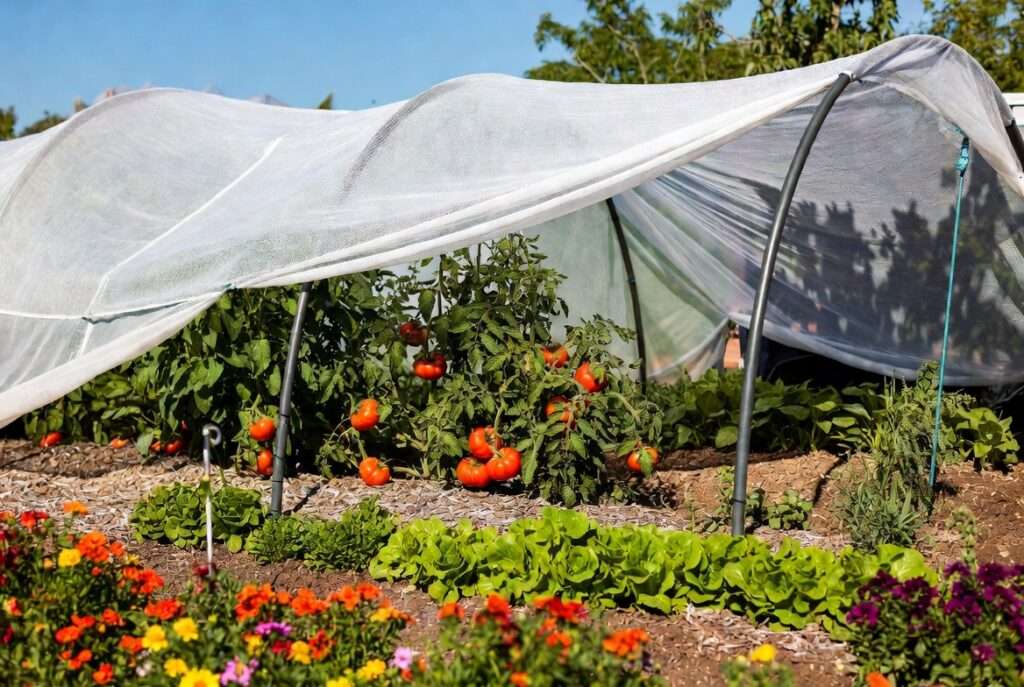
Imagine stepping into your garden on a blazing summer afternoon only to find your once-vibrant tomato plants with curled, scorched leaves, your lettuce bolting prematurely, and your prized flowers looking wilted despite diligent watering. You’re not alone—many gardeners face this heartbreaking scenario when intense sunlight and heat take their toll. The good news? Strategic shading garden plants can transform these struggles into thriving success stories. By providing the right protection, you can shield your plants from sunburn, reduce heat stress, conserve water, and enjoy bigger harvests even in the hottest conditions. 🌿
As a horticulturist with over 15 years of hands-on experience helping home gardeners across diverse climates create resilient, productive spaces, I’ve seen firsthand how proper shading techniques turn challenging gardens into abundant oases. In this comprehensive guide, we’ll dive deep into everything you need to know about shading garden plants effectively. Whether you’re battling urban heat islands, arid summers, or simply want to extend your growing season, these proven strategies will help you protect and boost your garden’s growth. Let’s get started! 🪴
Why Shading Garden Plants Matters: Understanding Heat Stress and Sun Damage
The Science Behind Plant Sunburn and Heat Stress 🔥
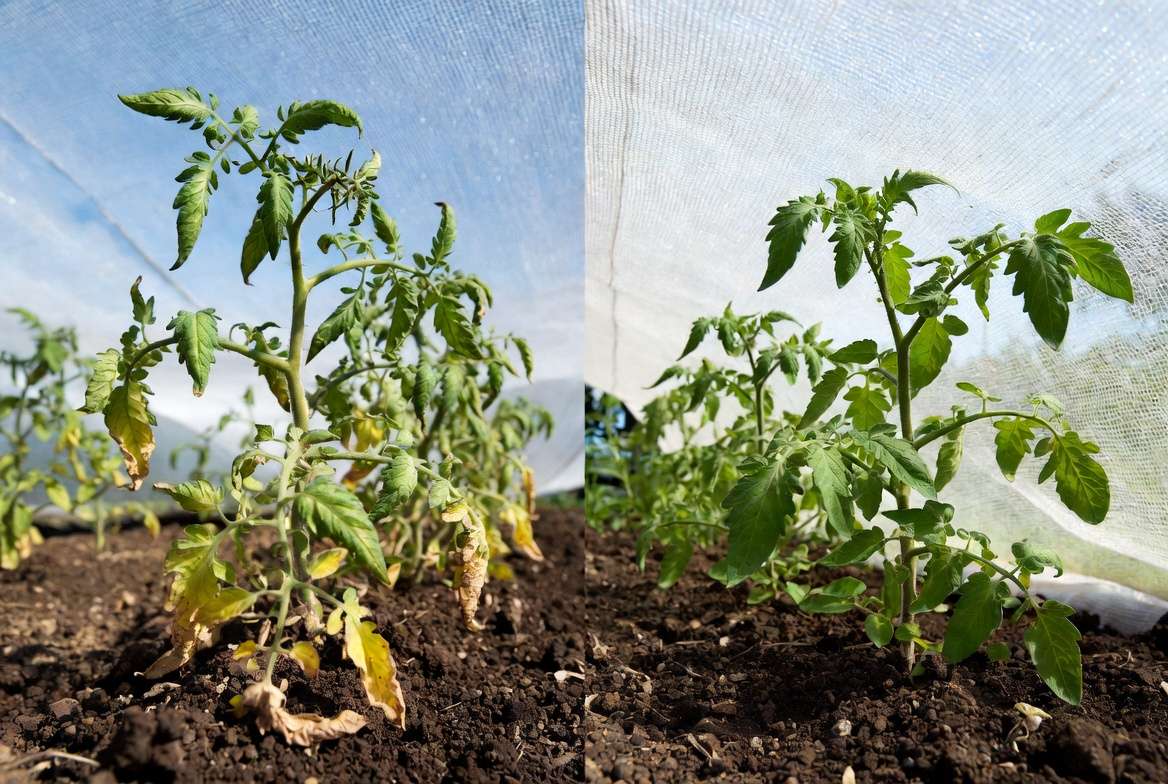
Plants, like humans, can suffer from too much of a good thing. While sunlight drives photosynthesis—the process where plants convert light into energy—excessive intensity, especially combined with high temperatures above 85–90°F (29–32°C), leads to serious issues. Leaves may develop bleached or brown spots (sunscald), edges curl and crisp, blossoms drop, and fruit like tomatoes can develop hard, white patches that ruin quality.
Heat stress increases transpiration rates dramatically, causing plants to lose water faster than roots can absorb it. This leads to wilting, reduced nutrient uptake, and weakened immune systems, making them more susceptible to pests and diseases. In extreme cases, photosynthesis shuts down as a protective mechanism, stalling growth and yields. Young transplants, container plants, and cool-season crops like lettuce and spinach are particularly vulnerable.
Benefits of Proper Shading for Your Garden 🌟
Implementing effective shading garden plants strategies offers transformative results:
- Prevents Sunburn and Bolting: Shade cloth can reduce leaf temperatures significantly, keeping delicate greens from turning bitter or flowering too soon.
- Conserves Soil Moisture: Shaded soil stays cooler and retains water better, potentially cutting irrigation needs by 20–30%.
- Lowers Ambient Temperatures: Studies and extension services show reductions of 10–15°F under proper shade, creating a microclimate ideal for growth.
- Boosts Yields and Quality: Protected plants produce more fruit, larger leaves, and better-tasting harvests. Tomatoes and peppers often continue setting fruit longer into summer.
- Protects Pollinators and Extends Seasons: Shade keeps beneficial insects active and allows cool-season crops to thrive longer.
Real-world examples from university extensions confirm that gardeners using 30–50% shade cloth see healthier vegetables and fewer losses during heat waves.
Which Plants Benefit Most from Shade? 🥬🍅
Not all plants have the same needs. Here’s a quick categorization:
- High Benefit (Heat-Sensitive): Lettuce, spinach, kale, arugula, cilantro, broccoli, cauliflower—use 40–60% shade to prevent bolting.
- Moderate Benefit: Tomatoes, peppers, cucumbers, eggplant—20–40% shade during peak heat protects fruit without reducing production too much.
- Young Transplants & Containers: Almost all benefit from temporary shade for the first 1–2 weeks after planting.
- Ornamentals: Hostas, ferns, impatiens, and hydrangeas thrive with more shade, while roses and lavender prefer lighter protection.
Understanding your specific plants’ requirements is the foundation of successful shading.
Assessing Your Garden’s Sun Exposure and Needs
How Much Shade Do Your Plants Actually Need? 📊
Full sun typically means 6–8+ hours of direct sunlight daily. Partial shade is 3–6 hours, and full shade is less than 3 hours. Use a sun calculator app, garden journal, or simple observation: track light patterns over a few days. Tools like a solar pathfinder or even a smartphone light meter app can provide precise data.
Climate and Regional Considerations 🌍
- Hot, Arid Zones (e.g., Southwest US): Higher shade percentages (40–70%) and afternoon focus are essential.
- Humid Summers (e.g., Southeast): Moderate shade plus good airflow prevents fungal issues.
- High-Elevation or Urban Areas: Intense UV and heat islands demand proactive shading even for sun-lovers.
- Cooler Climates: Light shade (20–30%) extends seasons for heat-sensitive crops.
Signs It’s Time to Add Shade ☀️⚠️
Watch for wilting in the afternoon despite moist soil, leaf scorch, reduced flowering/fruiting, or soil drying out rapidly. If temperatures consistently exceed 85°F, it’s time to act.
Choosing the Right Shading Methods and Materials
Best Shade Solutions for Every Garden Size and Budget 💰
Shade Cloth – The Gardener’s Secret Weapon 🛡️
Shade cloth is a knitted or woven fabric available in various densities (percentages indicate light blocked).
- 30% Shade: Allows 70% light—ideal for tomatoes, peppers, and most vegetables during moderate heat.
- 40–50% Shade: Versatile for mixed gardens; great balance for leafy greens and fruiting plants.
- 60%+ Shade: Best for delicate seedlings, lettuce in extreme heat, or very hot climates.
Colors Matter:
- White: Reflects heat, diffuses light evenly, keeps areas cooler.
- Black/Green: Absorbs more heat but provides good protection; black may slightly warm soil at night.
- Red: Can enhance certain fruiting crops by altering light spectrum (advanced use).
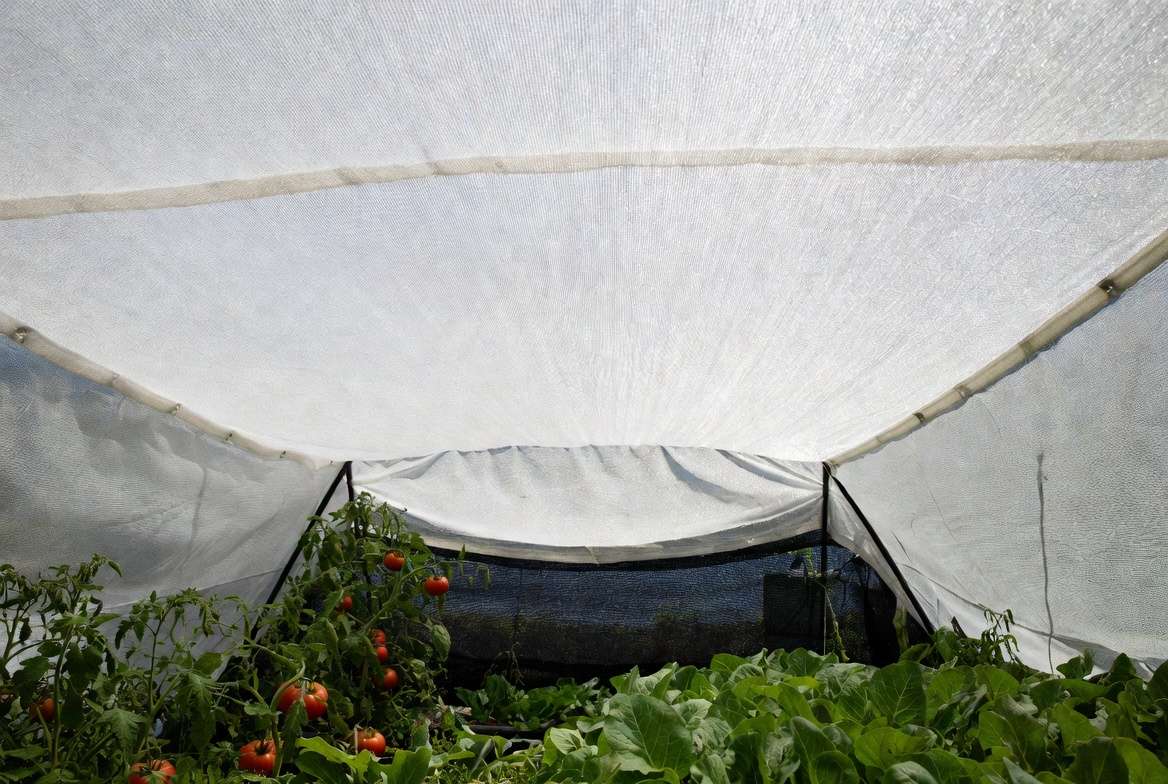
Buy UV-stabilized cloth for longevity (5–10+ years). Secure it elevated on frames to avoid the “oven effect.”
DIY and Low-Cost Shading Ideas 🛠️✨
No need for fancy equipment! Creative solutions include:
- Old bedsheets or curtains draped over hoops.
- Lattice panels or wooden trellises.
- Shade sails or patio umbrellas for small areas.
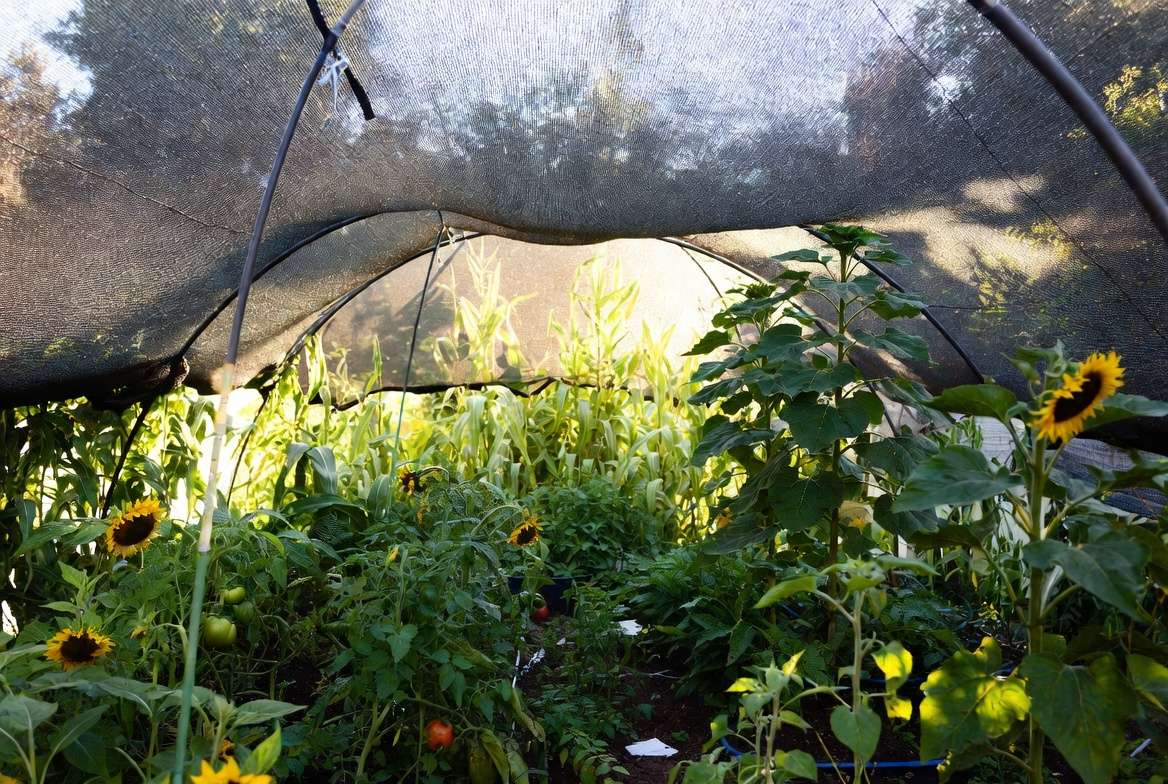
- Companion planting: Tall plants like corn or sunflowers shading shorter ones (the “Three Sisters” method).
- Temporary row covers or floating fabrics.
Natural and Structural Shade Options 🌳
Leverage existing elements: plant near trees, shrubs, fences, or build pergolas. For containers, simply move pots to shadier spots during peak hours. Vertical gardening on shaded walls or using taller structures maximizes space efficiently.
Step-by-Step: How to Install and Use Shade Effectively
Setting Up Shade Structures Like a Pro 🔨
- Plan and Measure: Determine coverage needed and gather materials (PVC pipes, rebar, zip ties, shade cloth).
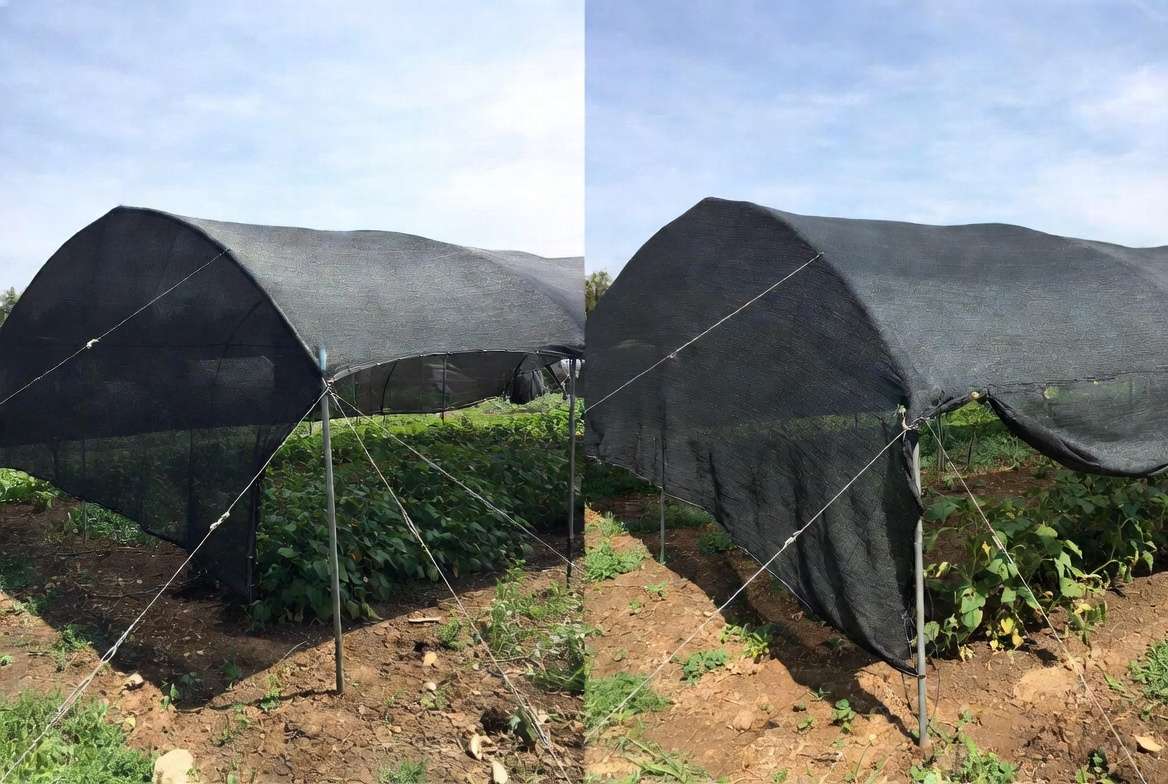
- Build Supports: Use hoops for raised beds or posts for larger areas. Aim for 1–2 feet above plant height for airflow.
- Install Cloth: Drape and secure firmly against wind but allow ventilation on sides.
- Test: Ensure even coverage without touching foliage.
Safety tip: Anchor well to withstand gusts—use stakes or weights.
Timing – When and How Long to Apply Shade ⏰
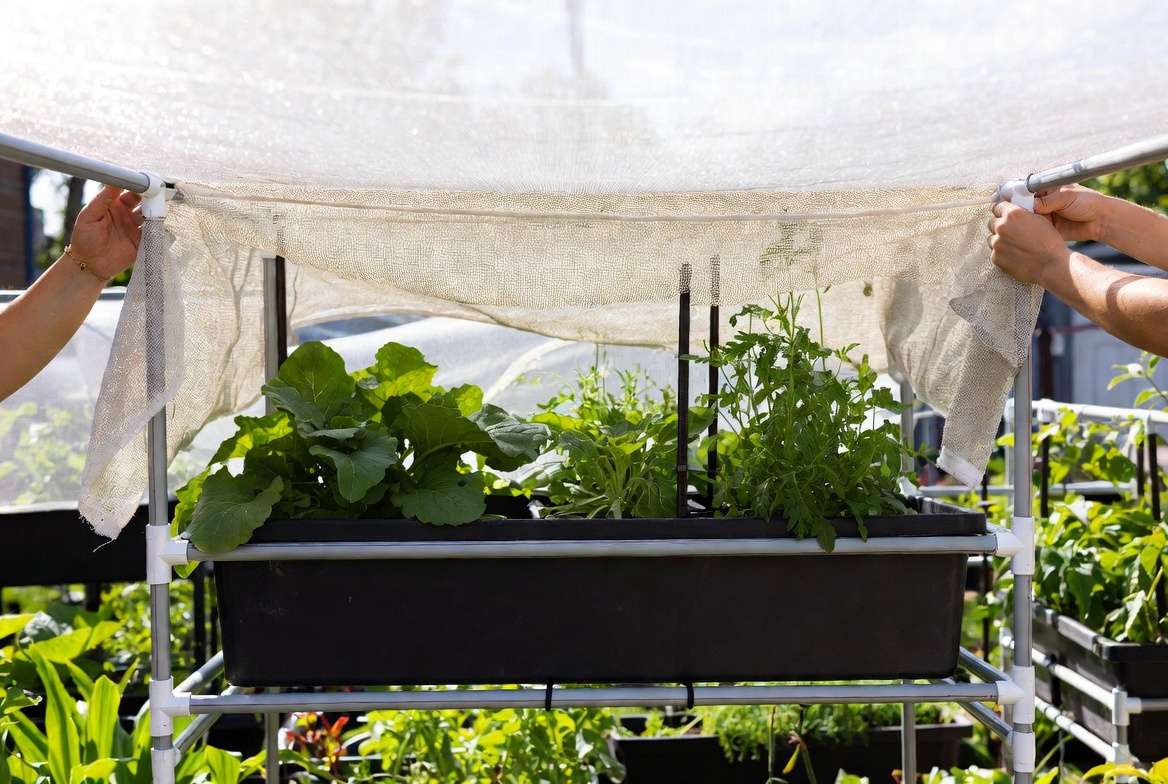
Apply during peak sun (10 AM–4 PM) or heat waves. Remove or roll up in mornings/evenings to allow full light when temperatures drop. Gradually acclimate plants when removing shade to avoid shock.
Common Mistakes to Avoid ⚠️
- Placing cloth directly on plants (causes burning).
- Insufficient ventilation leading to humidity buildup.
- Using non-UV stabilized materials that degrade quickly.
- Over-shading sun-loving crops, resulting in leggy growth and low yields.
Complementary Care Practices for Shaded Gardens
Watering, Mulching, and Soil Health Under Shade 💧🌾
Shaded gardens need adjusted watering—deeper, less frequent soaks since evaporation slows. Apply 2–4 inches of organic mulch (straw, wood chips, or leaves) to further cool soil, suppress weeds, and retain moisture. Mulch also feeds soil microbes, improving long-term health.
Fertilization, Pest, and Disease Management 🐛
Shade can slightly slow growth, so use balanced, slow-release fertilizers. Monitor for increased slug/snail activity in cooler, moister conditions and use organic controls. Good airflow remains key to preventing powdery mildew.
Monitoring and Adjusting Your Setup 📈
Check plants daily during extreme weather. Use a soil thermometer and moisture meter for data-driven decisions.
Advanced Tips and Creative Ideas for Maximum Results
Boosting Growth with Strategic Shading 🚀
In hot climates, afternoon shade on tomatoes can increase yields by maintaining consistent fruit set. Combine with reflective mulches for even better results. Protect pollinator-friendly flowers to ensure good fruit production.
Sustainable and Eco-Friendly Shading ♻️
Repurpose old sails, bedsheets, or grow living shade with fast-climbing vines like beans or gourds. Native plant companions create natural ecosystems.
Case Studies and Gardener Success Stories 📖
One gardener in a hot Texas zone reported doubling lettuce harvests using 50% white shade cloth over raised beds. Another extended tomato production into fall with portable PVC frames. These real outcomes highlight the power of shading garden plants.
Troubleshooting Common Shading Challenges 🌬️🐛
Even the best-planned shading systems can encounter hiccups. Here’s how to address the most frequent issues with practical, expert-backed solutions:
Dealing with Strong Winds Wind can tear or displace shade cloth, especially in open gardens. Reinforce structures with sturdy posts (metal T-posts or thick PVC), use grommets and bungee cords for flexible tension, and add windbreaks like hedges or temporary fencing on the windward side. In very gusty areas, opt for heavier 50–70% shade cloth with reinforced edges. Always check and tighten anchors after storms.
Managing Pests Attracted to Shaded Areas Cooler, moister microclimates under shade can invite slugs, snails, and certain fungal diseases. Combat this by improving airflow (leave sides open), using copper tape or organic diatomaceous earth barriers, and applying neem oil sprays preventatively. Encourage natural predators like toads and ground beetles by adding habitat features nearby.
Fixing Uneven Light Distribution Some spots may still get too much sun while others become too dark. Modular systems shine here—use adjustable shade sails, multiple smaller frames, or movable containers. Rotate plants periodically and observe weekly to fine-tune placement. Reflective mulches (silver or white plastic) can help bounce light into shadier corners without adding more cloth.
Over-Shading Symptoms and Corrections If plants become leggy, pale, or stop producing, reduce shade percentage or duration. Introduce more direct morning sun, which is gentler and highly beneficial for photosynthesis.
Under-Shading During Extreme Heat Waves Layer temporary solutions: add a second layer of 30% cloth or use old white bedsheets over existing structures during record highs. Combine with heavy mulching and deep watering the evening before.
By proactively troubleshooting, you’ll maintain consistent results season after season. These adjustments come from years of trial in real gardens facing everything from desert heat to coastal winds. 🛠️
Complementary Care Practices for Shaded Gardens (Expanded) 💧🌱
Watering, Mulching, and Soil Health Under Shade Shaded soil retains moisture longer, so adjust your watering routine to deeper, infrequent sessions rather than daily sprinkles. Aim for 1–1.5 inches of water weekly, checking soil moisture 4–6 inches deep with a probe.
Organic mulches are your best friend:
- Straw or hay for vegetable beds (keeps fruit clean).
- Wood chips for perennials and ornamentals.
- Grass clippings (in thin layers) for quick nitrogen boost.
Mulch cools soil by an additional 5–10°F and feeds earthworms and beneficial microbes, building long-term resilience.
Fertilization, Pest, and Disease Management Shaded plants may need slightly less nitrogen but consistent potassium and phosphorus to support root and fruit development. Use compost tea or balanced organic fertilizers every 3–4 weeks.
Monitor for increased humidity-related issues like powdery mildew on cucumbers or downy mildew on greens. Good practices include morning watering (so foliage dries), spacing plants properly, and choosing disease-resistant varieties.
Monitoring and Adjusting Your Setup 📈 Keep a simple garden journal noting shade duration, temperatures, and plant performance. Tools like inexpensive digital soil thermometers and light meters make this scientific and fun. Adjust weekly—gardening is dynamic, and responsive care yields the best outcomes.
Advanced Tips and Creative Ideas for Maximum Results 🚀
Boosting Growth with Strategic Shading Strategic shading isn’t just protection—it’s a growth enhancer. For example, providing afternoon shade to tomatoes in zones 8–10 can extend harvest by weeks, resulting in sweeter fruit with fewer cracks. Peppers and eggplants appreciate similar treatment.
Combine shading with companion planting: tall corn shading basil and cucumbers, or pole beans climbing trellises to create living shade. Use reflective materials beneath plants to maximize light utilization without extra heat.
Sustainable and Eco-Friendly Shading ♻️ Embrace zero-waste options: repurpose old window screens, lace curtains, or even discarded sails from boating communities. Grow living shade walls with fast-growing vines like morning glory, passionflower, or edible malabar spinach. These not only shade but also support biodiversity and pollinators.
Case Studies and Gardener Success Stories 📖 In one Arizona community garden, 50% white shade cloth over raised beds reduced water use by 35% and doubled summer lettuce and kale yields during 110°F+ days. A suburban gardener in the Midwest used portable PVC hoop houses with shade cloth to extend spinach season into early winter, harvesting fresh greens long after neighbors’ crops bolted.
These stories, along with data from Cooperative Extension Services, prove that consistent shading garden plants practices deliver measurable improvements in plant health and gardener satisfaction.
Expert Insights from the Field
As someone who has consulted on community and private gardens for over 15 years, my top advice is this: Start simple and scale up. One well-placed shade sail or hoop system often inspires full-garden transformation. Always prioritize airflow and gradual transitions—plants adapt better that way. 🌟
Frequently Asked Questions (FAQs) ❓
1. What is the best shade percentage for shading garden plants like tomatoes? 20–40% shade cloth during peak afternoon heat works excellently for most fruiting vegetables. Monitor and adjust based on your local climate.
2. Can shade cloth be used on trees and large shrubs? Absolutely. Young or newly planted trees benefit greatly from trunk wraps or overhead shade to prevent sunscald. Focus protection on the south and west sides.
3. How do I make a simple DIY shade structure for raised beds? Use ½-inch PVC pipes bent into hoops, inserted into the ground or bed edges. Drape shade cloth over the top and secure with clips or zip ties. It’s inexpensive, removable, and highly effective. 🛠️
4. Will shading garden plants reduce my overall vegetable yields? When done correctly, shading usually increases yields by preventing stress losses. Over-shading is the main risk—balance is key.
5. What color shade cloth is best? White reflects heat best and keeps plants cooler. Green blends naturally, while black is durable but absorbs more heat.
6. How long should I leave shade on my plants each day? Typically from 10 AM to 4 PM during hot periods. Allow morning and late afternoon sun for optimal growth.
7. Is shade cloth safe for pollinators and beneficial insects? Yes—choose breathable knitted fabrics that allow airflow and insect movement. Shade actually helps keep pollinators active longer in heat.
8. Can I use shade for indoor or container garden plants? Definitely. Move containers to shaded patios or use sheer curtains near windows. This prevents leaf scorch on houseplants during bright summers.
9. How do I store shade cloth when not in use? Clean gently, dry completely, and fold or roll for storage in a cool, dry place. Proper care extends lifespan dramatically.
10. What are the best mulch options to pair with shading garden plants? Organic options like straw, shredded leaves, or bark are ideal. They complement shade by retaining moisture and moderating soil temperature.
11. Does shading help with water conservation? Yes! Shaded gardens can reduce water needs by 20–50% depending on climate and mulch use.
12. Where can I buy high-quality shade cloth? Reliable garden centers, online suppliers like Amazon or specialized agriculture sites, and local farm co-ops often carry UV-stabilized options with warranties.
Conclusion: Transform Your Garden with Smart Shading 🌿🥰
Mastering the art of shading garden plants is one of the smartest investments you can make in your garden’s success. From understanding heat stress science to installing effective systems and combining them with thoughtful care practices, these strategies solve real problems like sunburn, bolting, excessive watering needs, and disappointing harvests.
By applying the tips in this guide, you’ll create a more resilient, productive, and beautiful garden that thrives even through challenging weather. Whether you’re a beginner with a few containers or an experienced gardener managing large beds, proper shading delivers noticeable improvements quickly.
Start experimenting this season—perhaps with a simple DIY setup over your most vulnerable plants—and observe the rewarding results. Share your own shading successes, challenges, or photos in the comments below. For more expert plant care guidance, subscribe to our newsletter and download the free Garden Shading Planner and Checklist available on the site.











