
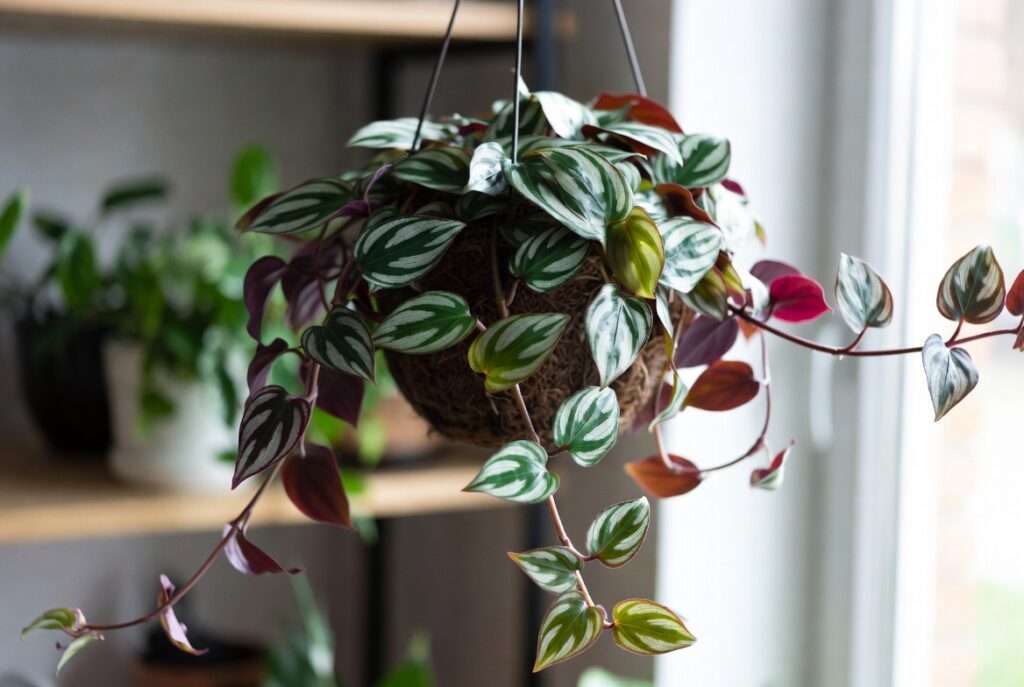
Imagine stepping into your living room and being greeted by cascading trails of striking purple, silver, and green leaves that seem to glow with life. The Wandering Jew plant (also lovingly known as Wandering Dude or Inch Plant) has captured the hearts of plant lovers everywhere for its effortless beauty and rapid growth. If you’re searching for wandering jew plant care tips that actually deliver results, you’re in the right place.
As a plant enthusiast with over a decade of hands-on experience growing hundreds of houseplants, I’ve seen countless Wandering Jew plants go from leggy and sad to lush, vibrant showstoppers. Many new owners struggle with fading colors, root rot, or sparse growth—but these issues are easy to fix with the right knowledge. This comprehensive guide will walk you through everything you need to know to keep your Tradescantia zebrina thriving year-round, whether you’re a beginner or a seasoned plant parent. 🌱
By the end, you’ll have expert-level confidence to create a stunning trailing display that purifies your air and brings joy to your space. Let’s dive in!
What Is the Wandering Jew Plant? 🌱
Understanding Your Wandering Jew Plant
The Wandering Jew plant, scientifically known as Tradescantia zebrina (and increasingly called Wandering Dude to be more inclusive), belongs to the Commelinaceae family. Native to Mexico and parts of Central and South America, this fast-growing perennial is prized for its trailing vines and eye-catching foliage.
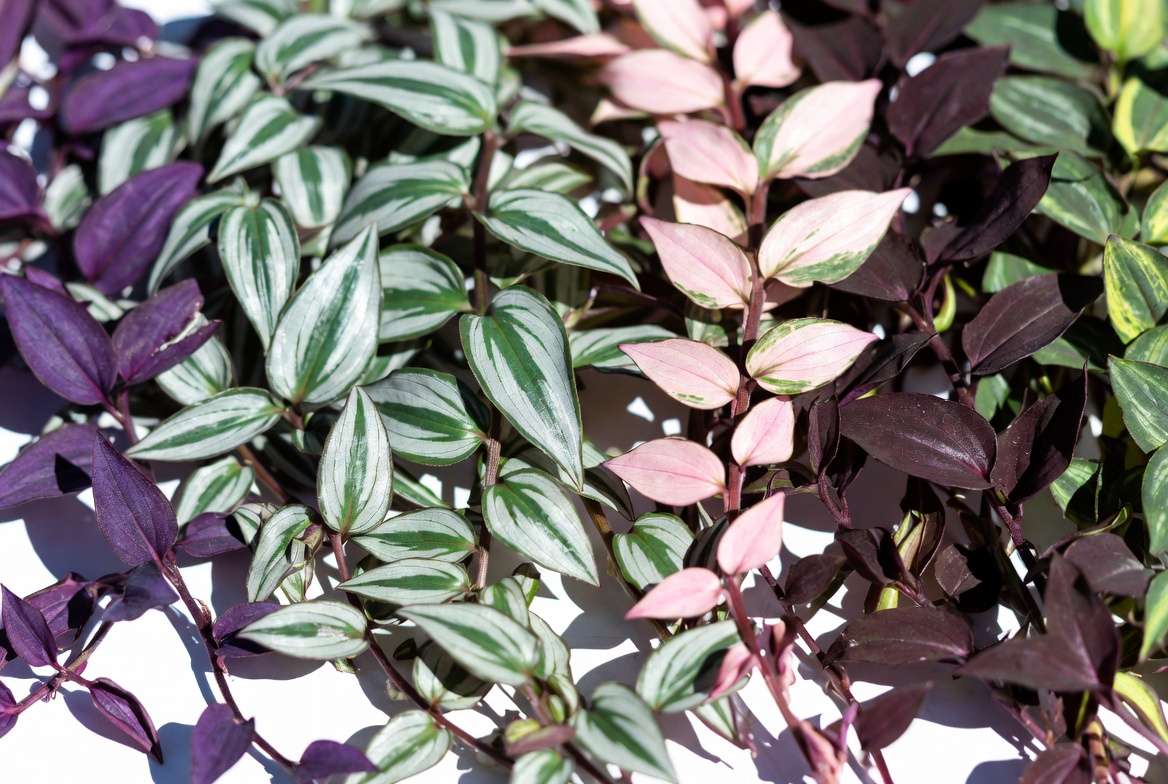
Its leaves feature beautiful zebra-like stripes—deep purple undersides paired with silvery-green tops—that make it a standout in any indoor jungle. Other popular varieties include:
- Tradescantia zebrina ‘Tricolor’: Pink, white, and green variegation for a softer look.
- Tradescantia fluminensis: Mostly green with subtle stripes.
- Tradescantia pallida (Purple Heart): Deep burgundy-purple leaves.
- Nanouk: Compact with vibrant pink accents.
These plants grow quickly, often adding several inches per month in ideal conditions, making them perfect for hanging baskets, shelves, or as ground cover in warm climates (USDA zones 9–11). Beyond aesthetics, they’re excellent air purifiers and incredibly easy to propagate—ideal for sharing with friends or expanding your collection.
One note on naming: While “Wandering Jew” remains widely used in gardening circles, many prefer “Wandering Dude” or “Inch Plant” today. The care remains the same regardless of what you call it!
Ideal Light Requirements for Vibrant Foliage ☀️
Light Needs: Keeping Those Stripes Bright
Proper lighting is the secret to maintaining the signature vibrant stripes that make Wandering Jew plants so special. These trailing beauties crave bright indirect light for at least 6–8 hours daily.
H3: Bright Indirect Light Is Key Place your plant near an east- or west-facing window where it receives filtered sunlight. A north-facing window works well too, while south-facing spots may need sheer curtains to prevent scorching. The more bright indirect light it gets, the more intense the purple and silver colors become. Low light causes leggy stems and faded foliage.
H3: Signs of Improper Lighting
- Leggy, stretched stems → Not enough light.
- Scorched or brown leaf tips → Too much direct sun.
- Dull or solid green leaves → Insufficient brightness for variegation.
Expert Tip: In darker homes, supplement with full-spectrum grow lights for 12–14 hours a day. During summer, you can acclimate your plant outdoors in partial shade for a growth boost—just transition gradually to avoid shock.
Watering Schedule: The Goldilocks Approach 💧
How to Water Your Wandering Jew Without Killing It
Overwatering is the #1 killer of Wandering Jew plants, but underwatering leads to crispy tips. The goal is consistently moist (but never soggy) soil.
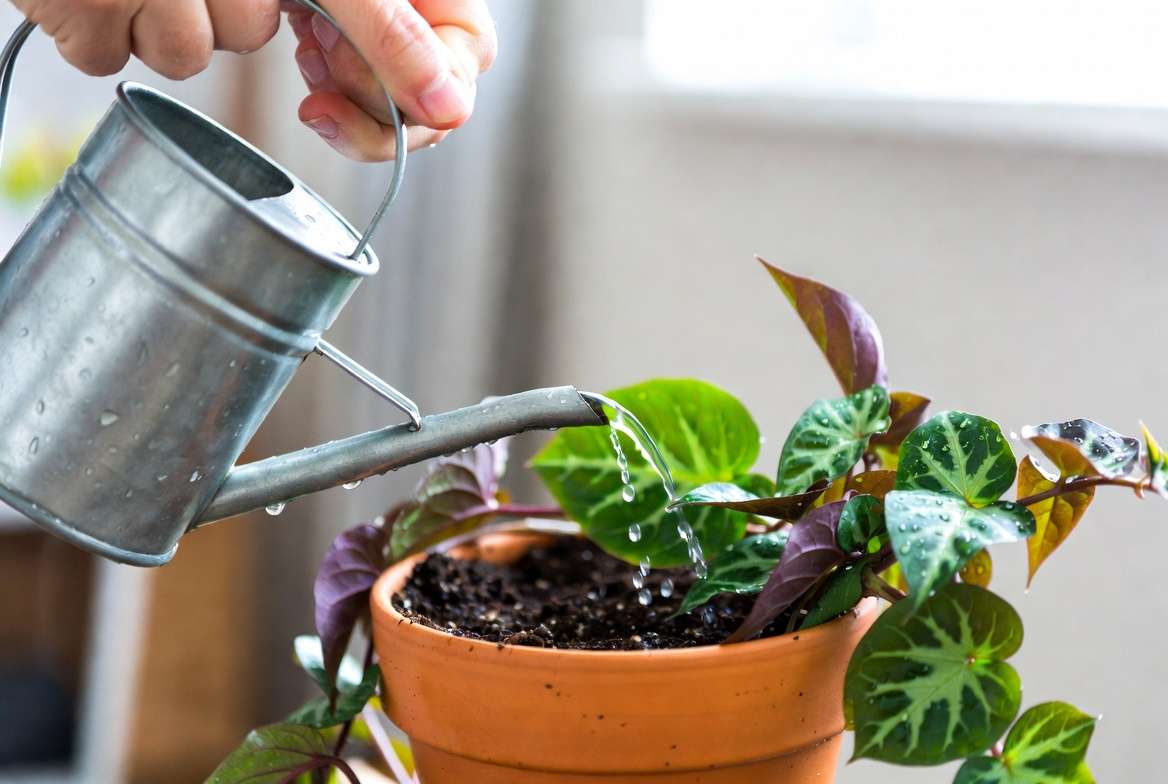
H3: When and How Much to Water Water thoroughly when the top 1–2 inches of soil feel dry to the touch. This usually means every 5–7 days in summer and every 10–14 days in winter. Use room-temperature water and ensure excellent drainage—empty saucers promptly.
H3: Common Watering Mistakes & Fixes
- Root rot (yellowing leaves, mushy stems): Let soil dry more between waterings and improve drainage.
- Brown leaf tips: Increase humidity and check for underwatering.
- Wilting: Could be either too wet or too dry—always check soil first.
Pro Techniques: Bottom watering encourages strong roots. Pair with high humidity (50–70%) using a pebble tray, humidifier, or frequent misting. Your plant will reward you with faster growth and fewer issues!
 🌫️
🌫️
Soil, Potting, and Repotting 🪴
Choosing the Right Soil and Pot for Healthy Roots
Wandering Jew plants thrive in light, well-draining soil that retains some moisture without becoming waterlogged. Aim for a slightly acidic pH of 5.0–7.0.
Best Soil Mix: Standard houseplant potting mix amended with perlite or vermiculite (for drainage) and peat moss or coco coir (for moisture retention). A simple DIY recipe: 2 parts potting soil, 1 part perlite, 1 part orchid bark or compost.
Choose pots with drainage holes—terracotta or ceramic are excellent for preventing overwatering. Repot every 1–2 years in spring when roots fill the container or soil degrades. Signs it’s time: roots emerging from drainage holes, slowed growth, or soil drying out too quickly.
Step-by-Step Repotting:
- Gently remove the plant and shake off old soil.
- Trim any damaged roots.
- Place in a slightly larger pot with fresh mix.
- Water lightly and keep in bright indirect light for recovery.
Temperature, Humidity, and Environment 🌡️
Creating the Perfect Indoor Climate
Wandering Jew plants prefer average room temperatures of 65–80°F (18–27°C) during the day and no lower than 55°F (13°C) at night. Avoid cold drafts, heaters, or sudden temperature swings.
High humidity mimics their tropical origins. Boost it with regular misting, grouping plants together, or a humidifier. In dry winter months, this prevents brown edges and keeps foliage plump.
Seasonal Care Calendar:
- Spring/Summer: Peak growth—more light, water, and fertilizer.
- Fall/Winter: Slower growth—reduce watering and move to brighter spots if needed.
Outdoor growing is possible in warm climates, but bring indoors before temperatures drop below 50°F.
Fertilizing for Explosive Growth 🌱
Feeding Your Plant for Maximum Vibrancy
During the active growing season (spring through early fall), feed every 2–4 weeks with a balanced liquid houseplant fertilizer diluted to half strength. This supports the rapid vine growth these plants are famous for.
Organic options like compost tea or worm castings work wonderfully too. Reduce or stop fertilizing in winter when growth slows. Watch for signs of deficiency: pale leaves (nitrogen) or poor variegation (overall nutrients).
Warning: Over-fertilizing causes salt buildup and burned leaf tips—always err on the side of less.
Pruning, Propagation, and Maintenance ✂️
Pruning and Propagating for Bushier, Fuller Plants
Regular pruning is essential for a full, bushy appearance. Pinch or cut back leggy stems just above a leaf node to encourage branching. Use clean, sharp scissors to avoid disease.
H3: Easy Propagation Methods Wandering Jew is one of the easiest plants to propagate—perfect for beginners!
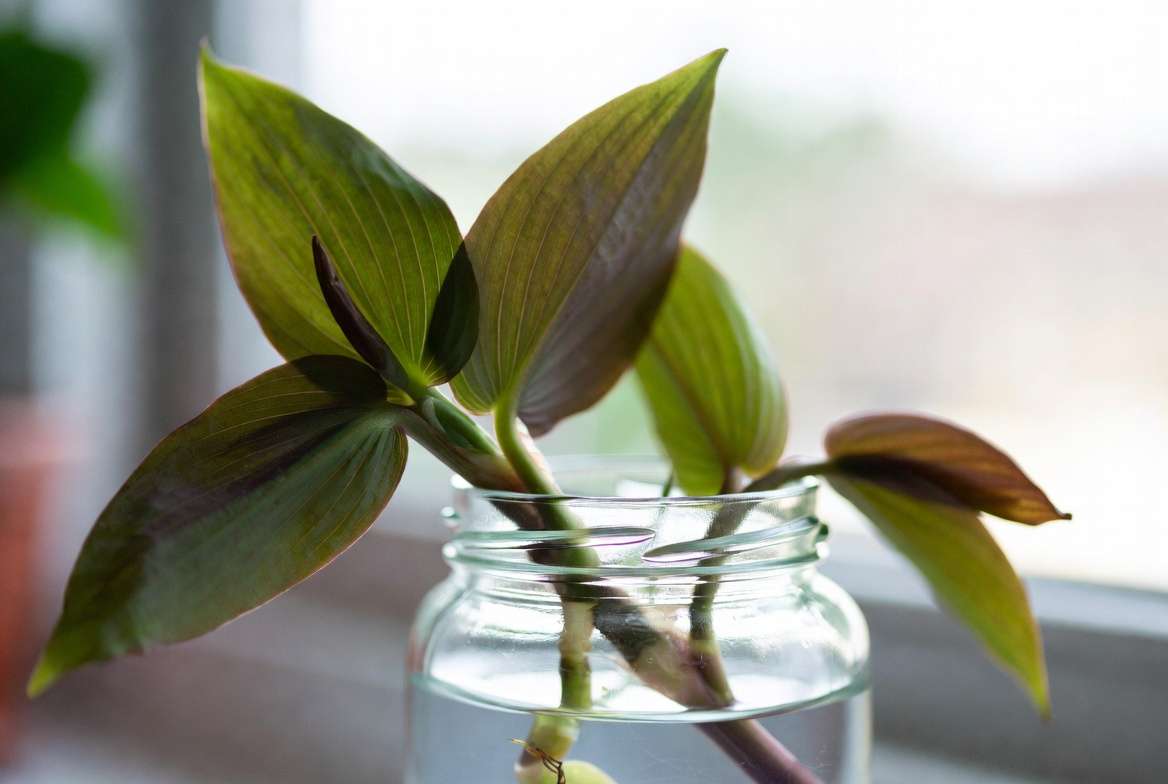
Water Propagation:
- Cut 4–6 inch stems below a node.
- Remove lower leaves.
- Place in a jar of clean water in bright indirect light.
- Roots appear in 7–14 days. Transplant to soil once roots are 1–2 inches long.
Soil Propagation: Plant cuttings directly in moist soil and cover with a plastic bag for humidity. High success rate!
Creative Uses: Fill hanging baskets, create living walls, or make thoughtful gifts for fellow plant lovers.
Common Problems and Solutions 🛠️
Troubleshooting Your Wandering Jew
Even the most resilient houseplants can face challenges, and the Wandering Jew is no exception. After growing and rescuing dozens of Tradescantia zebrina over the years, I’ve compiled the most common issues along with proven fixes. This section will help you diagnose and revive your plant quickly. 🌿
H3: Pests (Spider Mites, Aphids, Mealybugs) These tiny invaders love the tender new growth on trailing vines.
- Signs: Webbing (spider mites), sticky residue (aphids), or white cottony spots (mealybugs).
- Treatment: Isolate the plant first. Wipe leaves with a damp cloth, then apply neem oil or insecticidal soap weekly for 2–3 weeks. For severe cases, a horticultural oil spray works wonders. Prevention: Regular misting and good air circulation deter most pests.
H3: Diseases and Issues
- Root Rot: Caused by overwatering and poor drainage. Yellow, wilted leaves and mushy stems are classic signs. Solution: Remove the plant from soil, trim rotten roots, repot in fresh well-draining mix, and water sparingly until recovery.
- Leaf Drop or Brown Tips: Often due to low humidity, inconsistent watering, or cold drafts. Increase humidity and maintain steady moisture.
- Fading Colors / Leggy Growth: Insufficient light. Move to brighter indirect light or add grow lights.
- Yellow Leaves: Could be nutrient deficiency, overwatering, or natural aging of lower leaves. Adjust care accordingly.
H3: Reviving a Struggling Plant
- Assess light, water, and soil conditions.
- Prune damaged parts to redirect energy.
- Propagate healthy cuttings as backup.
- Provide extra humidity and patience—most plants bounce back within 2–4 weeks with corrections.
Regular inspection (I check mine weekly) prevents minor issues from becoming major problems. Your Wandering Jew is tough and forgiving when you listen to its signals!
Toxicity and Pet Safety 🐱🐶
Is Wandering Jew Safe for Pets? Important Safety Info
While beautiful, the Wandering Jew plant contains mild irritants and is considered toxic to cats, dogs, and small pets if ingested. The sap can cause mouth irritation, drooling, vomiting, or skin redness in sensitive animals.
Safety Tips:
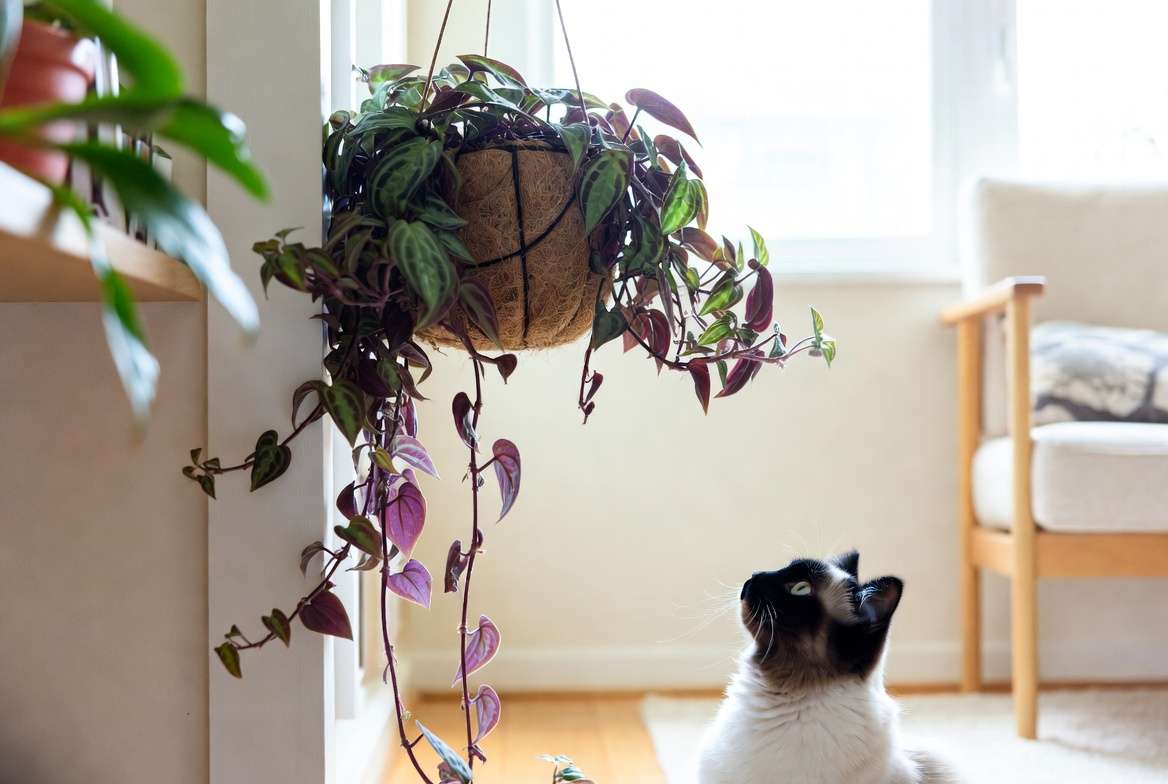
- Hang baskets high or place on shelves out of reach.
- Use barriers or deterrents like citrus sprays if your pets are curious.
- Wash hands after handling, as the sap may irritate human skin too.
If accidental ingestion occurs, contact your vet or a pet poison hotline immediately. For pet-heavy households, consider non-toxic alternatives like spider plants or calathea, though many plant parents successfully keep Wandering Jew with careful placement. In my experience, elevation is the simplest solution.
Creative Display Ideas and Companion Plants 🖼️
Styling and Displaying Your Wandering Jew
One of the joys of Wandering Jew plant care is its versatility in home decor. Its cascading vines transform ordinary spaces into lush oases.
Display Ideas:
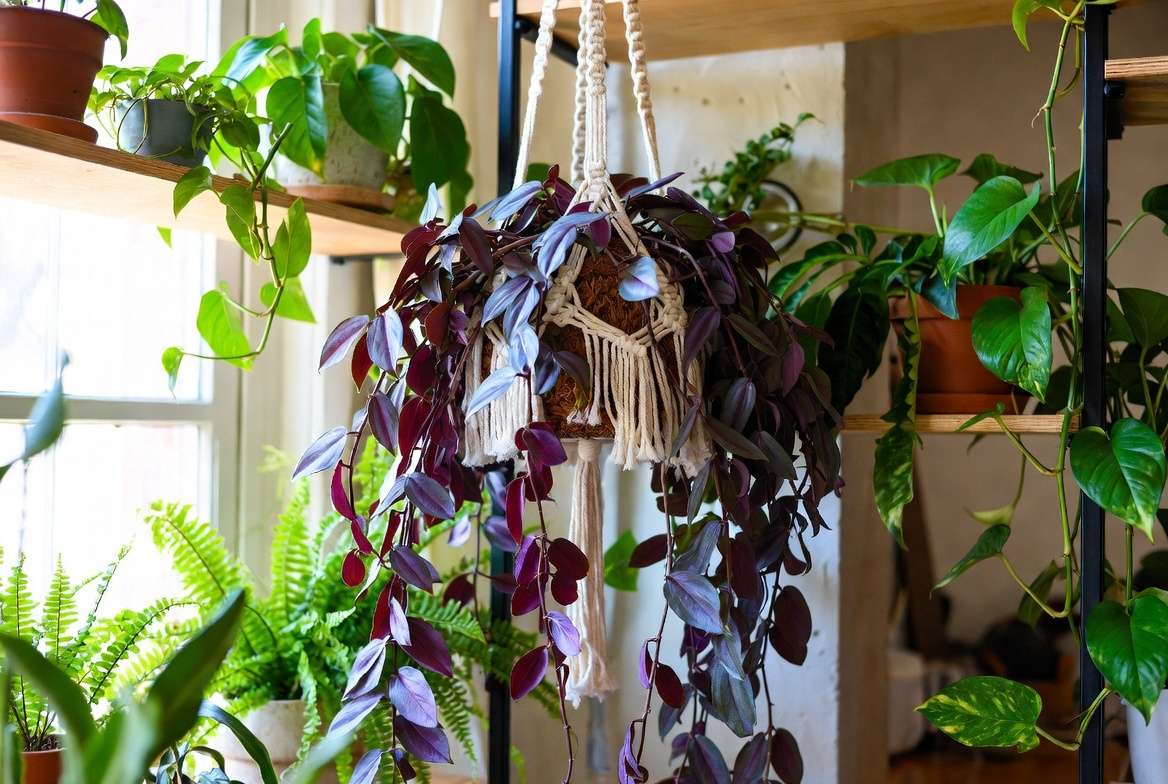
- Hanging Baskets: Let vines trail dramatically from macramé hangers or ceiling hooks.
- Shelves & Windowsills: Allow stems to spill over edges for a waterfall effect.
- Vertical Gardens or Living Walls: Combine multiple cuttings for full coverage.
- Terrariums: Pair with moisture-loving plants for mini ecosystems.
- Seasonal Decor: Accent holiday setups or summer patios (in shade).
Best Companion Plants:
- Pothos, Philodendron, or Ferns for similar care needs and contrasting textures.
- Prayer Plants or Calatheas for humidity-loving groupings.
- Succulents in drier mixed arrangements (though monitor watering differences).
Experiment with color combinations—purple Wandering Jew pairs beautifully with green or pink foliage for Instagram-worthy displays! 📸
Frequently Asked Questions (FAQs) ❓
Wandering Jew Plant Care FAQs
Q: Why is my Wandering Jew losing color? A: Most often due to low light. Move it to brighter indirect light and the vibrant stripes should return within weeks.
Q: Can Wandering Jew grow in water? A: Yes! It’s excellent for propagation and can live long-term in a vase with occasional fertilizer. Change water weekly to prevent algae.
Q: How fast does it grow? A: Very fast—up to 12–24 inches per month in optimal conditions. Regular pruning keeps it manageable.
Q: How often should I repot? A: Every 1–2 years or when roots crowd the pot. Spring is ideal.
Q: Why are the leaves turning brown? A: Low humidity, underwatering, or fertilizer burn. Mist more frequently and check soil moisture.
Q: Is it okay for outdoor growing? A: In USDA zones 9–11 yes, in partial shade. Protect from intense afternoon sun and bring indoors before frost.
Q: What’s the difference between Wandering Jew and Wandering Dude? A: Just the name—care is identical. “Wandering Dude” is the more modern, inclusive term.
Q: Can I use it in a hanging planter outside? A: Absolutely, during warm months. Ensure good drainage and monitor moisture closely.
Conclusion: Enjoy Your Thriving Wandering Jew 🌟
Mastering wandering jew plant care transforms this beautiful trailing houseplant into a reliable, rewarding addition to your home. From providing the perfect bright indirect light and balanced watering schedule to pruning for bushier growth and troubleshooting common issues, you now have all the tools for lush, vibrant foliage year-round.
Remember, consistency and observation are your best allies. These fast-growing beauties not only purify your air but also bring a sense of calm and joy with their effortless elegance. Whether you’re just starting your indoor jungle or expanding an existing collection, the Wandering Jew (or Dude!) rarely disappoints.
I’d love to hear about your plant journey—share your before-and-after photos or specific challenges in the comments. For more expert houseplant guides, check out our articles on pothos care, monstera propagation, or building the ultimate indoor jungle.
Happy growing, and may your trails be long and colorful! 🌱✨











